8 Native Ohio Shrubs That Outperform Arborvitae As Privacy Screens In Tough Spots
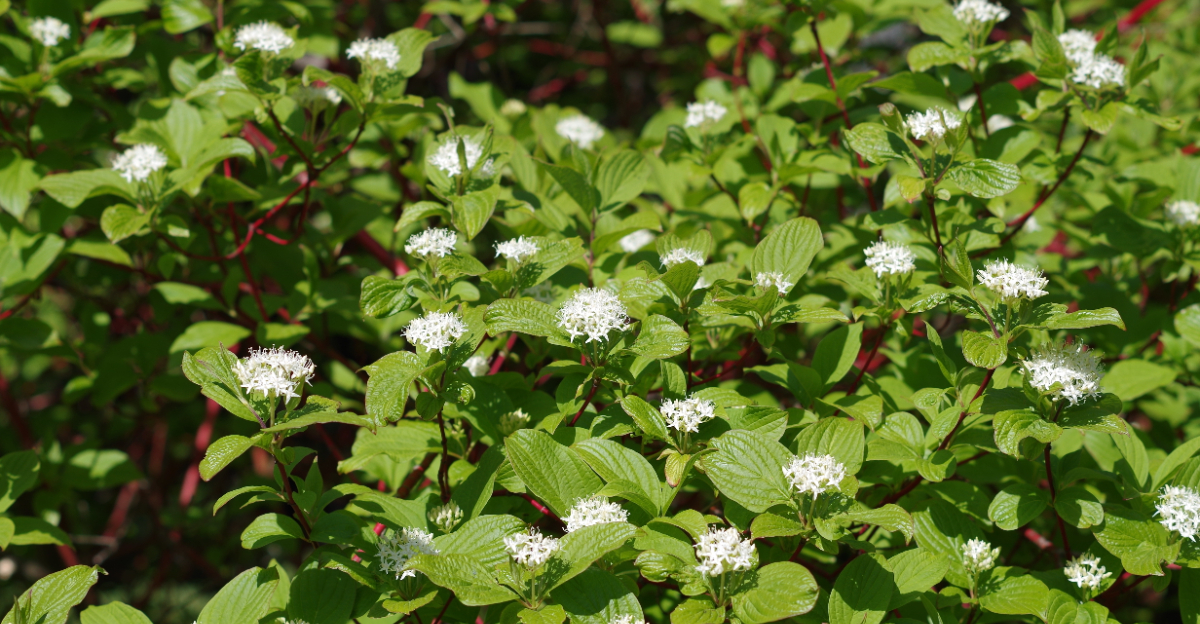
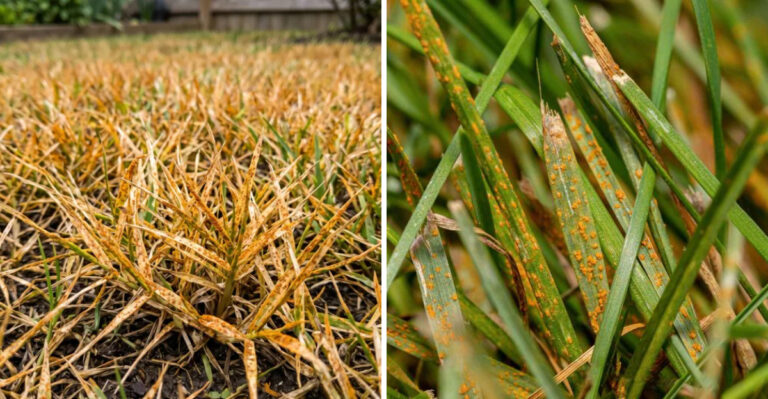
Arborvitae gets treated like the answer to every privacy problem in Ohio, right up until the spot gets too wet, too windy, too shady, too dry, or just too difficult for it to stay full and healthy. That is when the cracks start to show.
Bare patches appear, stress sets in, and the screen that was supposed to make life easier starts turning into a chore. That is why more gardeners are starting to look past the usual evergreen row.
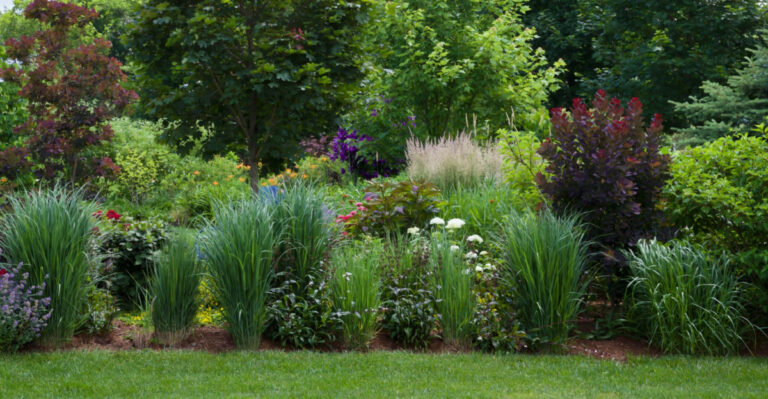
In tough spots, some native Ohio shrubs can handle the pressure far better while still giving that sense of shelter, softness, and separation people want around a yard. They bring more than coverage too.
Better adaptability, stronger wildlife value, and a look that feels more natural in the landscape can make a huge difference.
Once you stop forcing arborvitae into places it does not love, better options start coming into focus, and some of them may suit your yard a whole lot better.
1. Arrowwood Viburnum Brings Dense Cover Without The Fuss
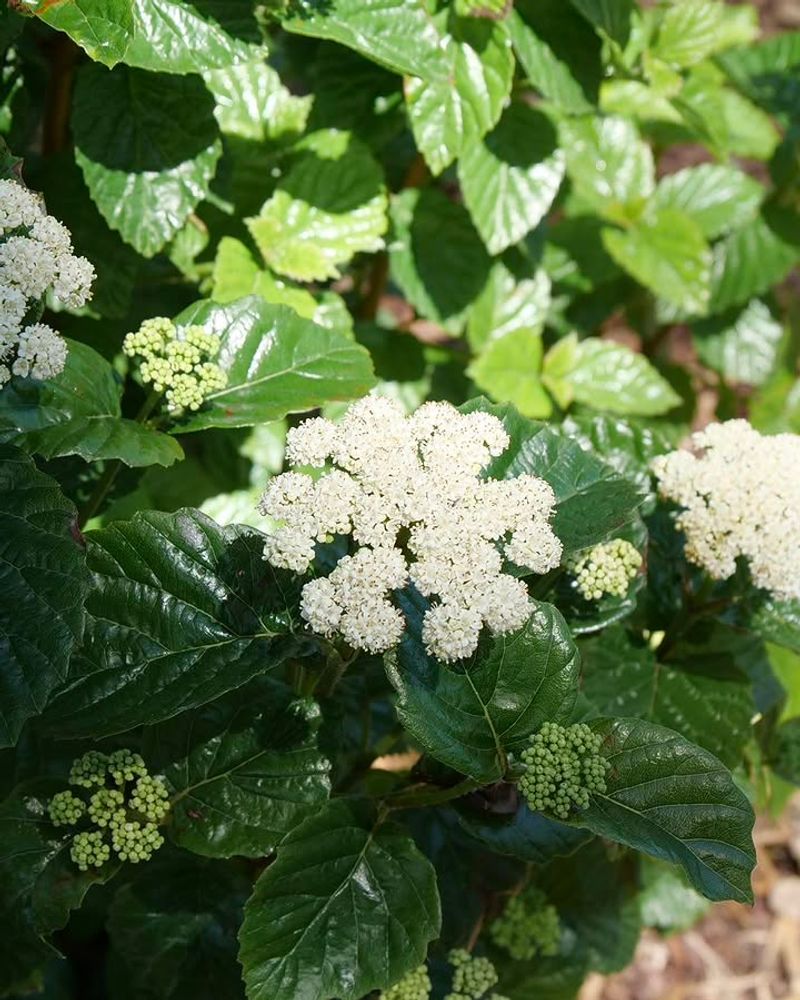
Few native shrubs match the quiet reliability of Arrowwood Viburnum when it comes to building a real privacy screen without constant babysitting.
Viburnum dentatum is a multi-stemmed, upright shrub that typically reaches 6 to 10 feet tall and nearly as wide, filling in with a density that makes it genuinely useful as a visual barrier.
Its branching pattern stays full from the base upward, which is exactly what you want in a screening plant.
Unlike arborvitae, which can thin out at the bottom over time or struggle in heavy clay, Arrowwood Viburnum handles a wide range of Ohio soil conditions. It tolerates clay, adapts to both moist and moderately dry sites, and performs well in full sun to partial shade.
That kind of flexibility is rare and genuinely helpful for yards that do not offer ideal conditions.
Spring brings flat clusters of creamy white flowers that pollinators love. By late summer, blue-black berries appear and attract birds well into fall.
The foliage often turns a satisfying reddish-purple before dropping in autumn. Ohio State University Extension recognizes Viburnum dentatum as a valuable native shrub well-suited to Ohio landscapes, and its screening performance in real gardens backs that up.
For gardeners who want dependable coverage without fussing over fertilizer or irrigation schedules, Arrowwood Viburnum delivers season after season.
2. Ninebark Handles Tough Ohio Spots Better Than It Looks
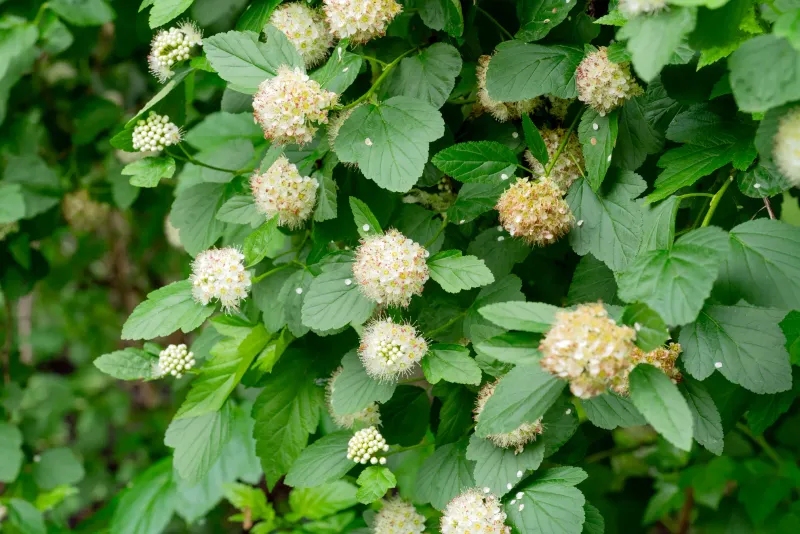
Walk past a mature Ninebark on a dry, sun-baked slope and you start to understand what toughness really looks like in a shrub.
Physocarpus opulifolius is a native Ohio plant that shrugs off compacted soil, clay, drought, and neglect in ways that would finish off most ornamental shrubs.
It grows in an arching, fountain-like form that can reach 5 to 10 feet tall and wide, creating a naturally full silhouette that works well as a privacy screen in informal settings.
The screening value comes from its dense, multi-stemmed habit and its willingness to fill space quickly. Creamy-white flower clusters appear in late spring and draw in pollinators.
Your Ohio Garden Changes Every Week. Your Plan Should Too.
Gardening in Ohio changes quickly throughout the season. Every Friday you’ll receive a simple weekly plan showing exactly what to plant, prune, fertilize, harvest, and protect so you never miss the right timing.
After the blooms fade, reddish seed capsules add texture and interest through summer. Then winter arrives and reveals what makes Ninebark truly distinctive: the bark peels away in thin, papery layers, exposing warm cinnamon and tan tones underneath.
It is genuinely attractive in a season when most deciduous shrubs look completely bare.
Cultivated varieties with deep burgundy or gold foliage are widely available, but the straight species is equally valid and blends naturally into Ohio’s native plant communities.
According to Ohio State University Extension, Physocarpus opulifolius is well-adapted to Ohio conditions and tolerates a broader range of sites than many comparable shrubs.
For difficult spots where other plants give up, Ninebark tends to thrive.
3. Spicebush Fills Shadier Privacy Gaps With Native Charm
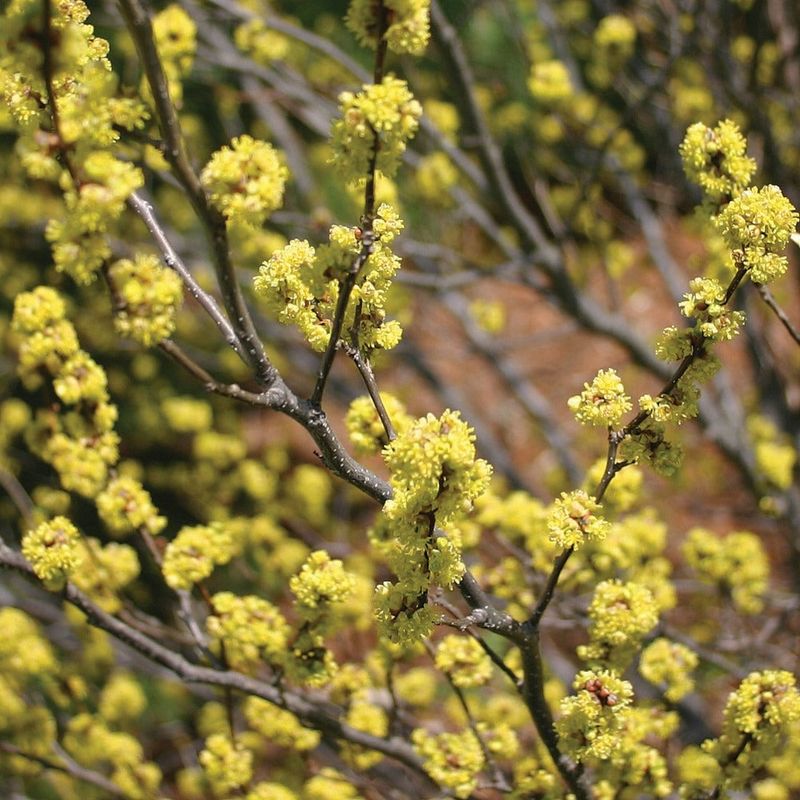
Shady corners and woodland edges are exactly where arborvitae tends to underperform, dropping needles, thinning out, and eventually looking scraggly. Lindera benzoin, known as Spicebush, was practically made for those spots.
It thrives in part shade to full shade and grows naturally along Ohio stream banks and forest understories, which means it already knows how to handle the low-light, moisture-retaining conditions that challenge most screening plants.
Mature Spicebush plants typically reach 6 to 12 feet tall with a rounded, multi-stemmed form that fills in nicely over time.
The screening it provides is not a solid wall, but layered within a mixed planting it closes off sightlines effectively, especially in naturalistic or woodland-style landscapes.
Early spring brings tiny yellow flowers that bloom before the leaves even open, giving the shrub an almost glowing appearance on gray March days.
Come fall, the foliage turns a warm, clear yellow, and female plants produce glossy red berries that Spicebush Swallowtail caterpillars and migrating birds depend on heavily.
Ohio State University Extension highlights Lindera benzoin as a native shrub with strong wildlife value and good adaptability to Ohio’s woodland and edge environments.
Crushing a leaf releases a spicy, aromatic scent that is genuinely pleasant and memorable. For shaded privacy gaps where little else performs well, Spicebush is a smart, ecologically rich solution.
4. Winterberry Holly Keeps Screening Interest Going Into Cold Weather
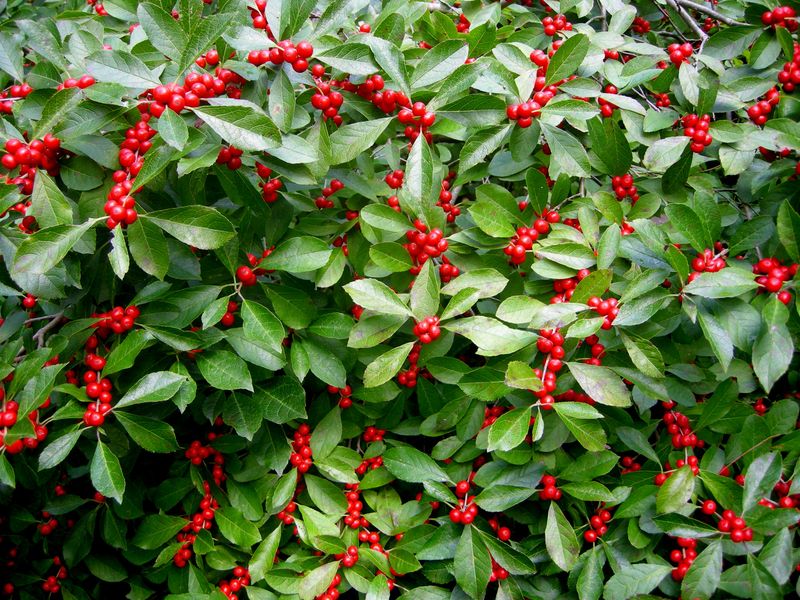
Most deciduous shrubs disappear visually once November arrives, leaving privacy plantings looking thin and forgotten. Winterberry Holly does something completely different.
Ilex verticillata holds its brilliant red berries tightly on bare branches well into winter, creating a striking visual presence that few other native shrubs can match in the cold months.
It earns its place in a privacy planting not as a solid evergreen wall, but as a standout seasonal anchor that keeps the screen feeling intentional and alive.
Mature plants typically reach 6 to 10 feet tall depending on the cultivar, with a dense, multi-stemmed form that provides reasonable coverage during the growing season.
Winterberry Holly is particularly well-suited to Ohio’s wetter problem areas: low spots, rain gardens, poorly drained corners, and stream-adjacent zones where other screening shrubs refuse to cooperate.
It actually prefers consistently moist to wet, acidic soils, which makes it useful precisely where arborvitae would decline.
One practical note worth knowing: you need both male and female plants for berry production, with one male plant capable of pollinating several nearby females.
Ohio State University Extension recommends Ilex verticillata as a top-tier native shrub for Ohio gardens, especially in moist, challenging sites.
Birds flock to the berries in late winter when other food sources run low. Layered with taller evergreens or other native shrubs, Winterberry Holly adds seasonal depth and genuine wildlife value to any privacy screen.
5. Silky Dogwood Builds A Fuller Living Wall In Problem Areas
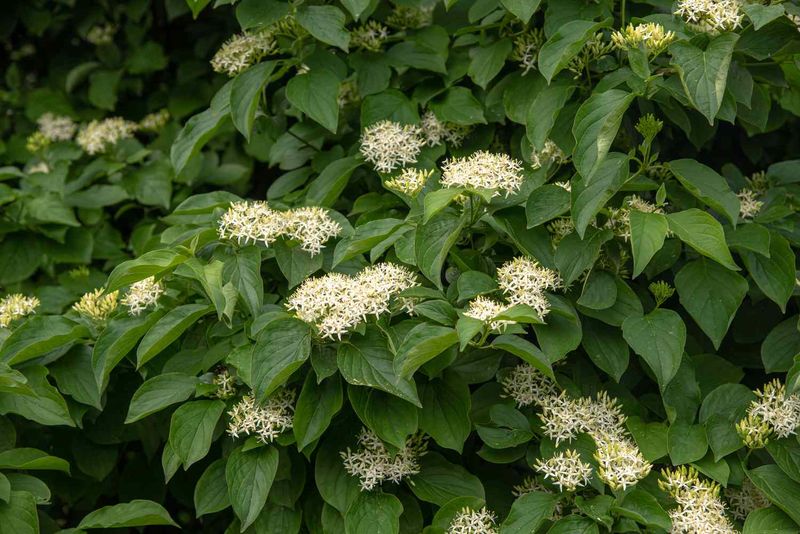
Wet, boggy, or consistently soggy ground is the kind of problem area that stops most privacy planting plans cold. Silky Dogwood, Cornus amomum, does not mind at all.
Native to Ohio’s stream banks, wetland edges, and low-lying meadows, it naturally forms dense, arching thickets that create exactly the kind of full, layered cover that works well as a naturalistic privacy screen in challenging spots.
Plants typically grow 6 to 12 feet tall with a broad, spreading habit that fills horizontal space generously.
The multi-stemmed form leafs out thickly enough during the growing season to block views effectively, and the overall mass of a established planting creates a genuine living wall feel.
Flat-topped white flower clusters appear in late spring and attract a wide range of native pollinators. By midsummer, blue-white berries ripen and become a reliable food source for wood ducks, bluebirds, and other native birds.
Silky Dogwood spreads by suckering, which is a feature rather than a flaw when you are trying to fill a difficult area with dense screening coverage. That spreading tendency does mean it works best in larger informal borders rather than tight, manicured spaces.
Ohio State University Extension notes Cornus amomum as a strong native choice for moist to wet Ohio sites, with solid value for both erosion control and wildlife habitat.
For problem areas where water lingers and other shrubs fail, Silky Dogwood is a dependable solution.
6. Blackhaw Viburnum Gives Privacy Plantings A Stronger Backbone
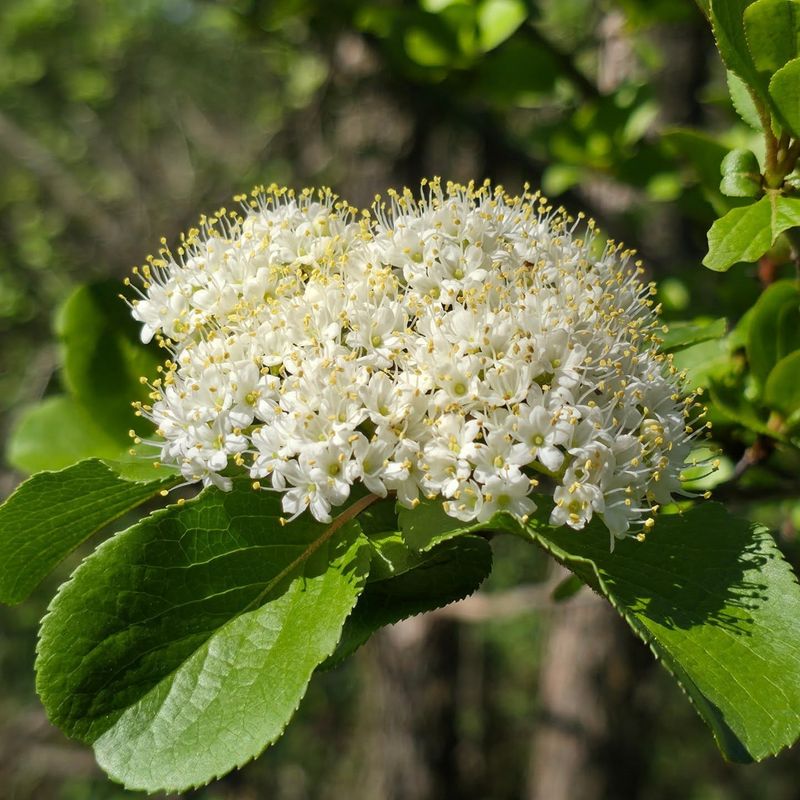
Some privacy screens need height, real height, not just a row of medium shrubs that barely clears a fence.
Blackhaw Viburnum, Viburnum prunifolium, is one of the taller native Ohio shrubs available, capable of reaching 12 to 15 feet and sometimes more under favorable conditions.
That stature makes it a natural backbone plant for mixed privacy borders, especially when you want something with genuine structure and visual weight at the back of a layered screen.
The growth form is upright and somewhat irregular, with stiff branching that stays dense enough to provide meaningful cover. White flower clusters appear in spring and carry a pleasant fragrance.
By fall, the fruit transitions from green to pink to dark blue-black, and the foliage often takes on deep burgundy and purple tones before dropping. That fall display is genuinely impressive and adds color at a time when many other privacy shrubs look tired.
Blackhaw adapts well to average to dry Ohio soils and handles both full sun and partial shade, which makes it more versatile than arborvitae in sites with variable light.
According to Ohio State University Extension, Viburnum prunifolium is native to Ohio and well-suited to a range of landscape conditions across the state.
It also tolerates urban stresses better than many native shrubs, making it a realistic choice for suburban yards where soils are compacted and conditions are less than perfect.
7. Nannyberry Viburnum Turns Tight Screening Into A Native Upgrade
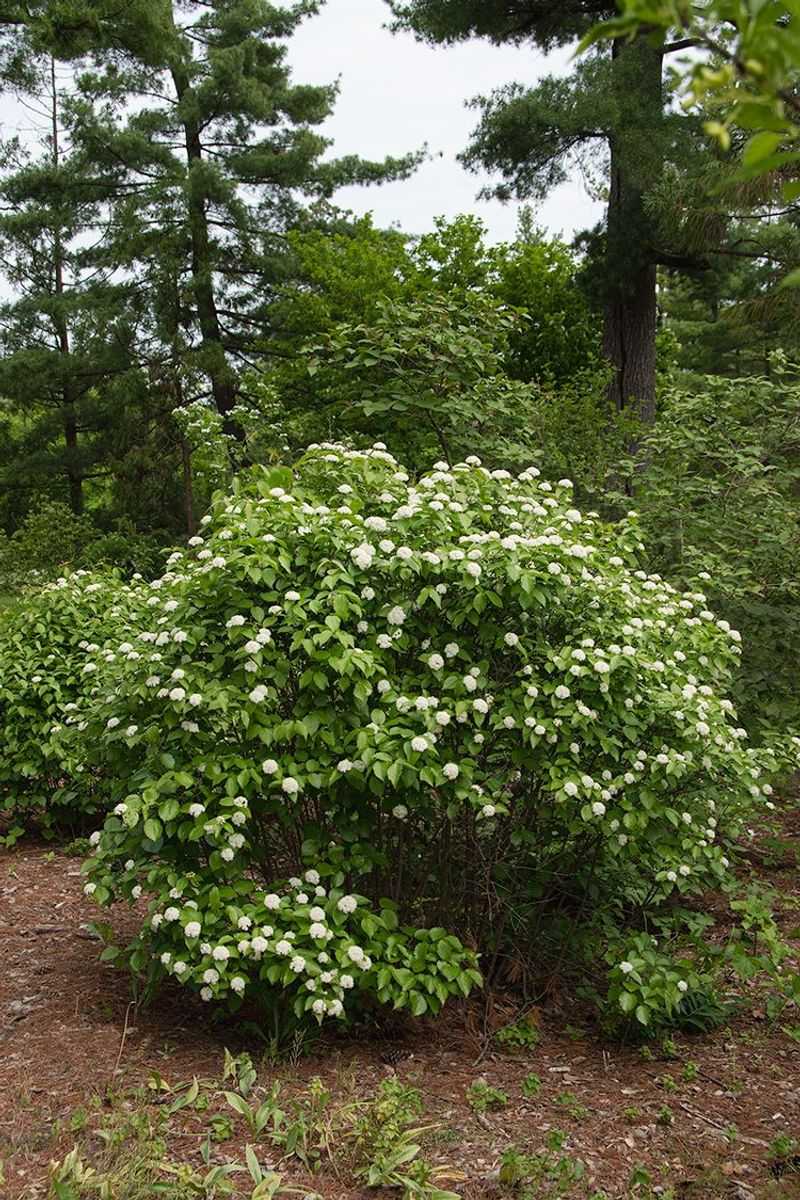
There is a particular kind of screening problem that comes up in Ohio yards where space is limited but height is still needed: the narrow side yard, the tight fence line, the awkward gap between a garage and a property edge.
Nannyberry Viburnum, Viburnum lentago, handles that situation well.
It grows in a tall, multi-stemmed, slightly arching form that can reach 15 to 18 feet in some Ohio settings, providing genuine vertical screening without spreading aggressively wide.
The foliage is glossy, dark green, and dense enough during the growing season to create real visual separation. Creamy white, flat-topped flower clusters appear in late spring and attract pollinators reliably.
The berries that follow ripen from green to yellow to deep blue-black by late summer and early fall, drawing in cedar waxwings, robins, and other fruit-eating birds. That wildlife connection adds ecological value that a row of arborvitae simply cannot replicate.
Nannyberry adapts to a wide range of Ohio soil types and tolerates both moist and moderately dry conditions.
Ohio Department of Natural Resources and Ohio State University Extension both recognize Viburnum lentago as a native Ohio species found across a broad range of the state’s habitats.
Its combination of height, density, seasonal interest, and adaptability makes it one of the most underused native alternatives for homeowners who want privacy screening with genuine long-term value built in.
8. Red Osier Dogwood Brightens Rough Sites While Adding Cover
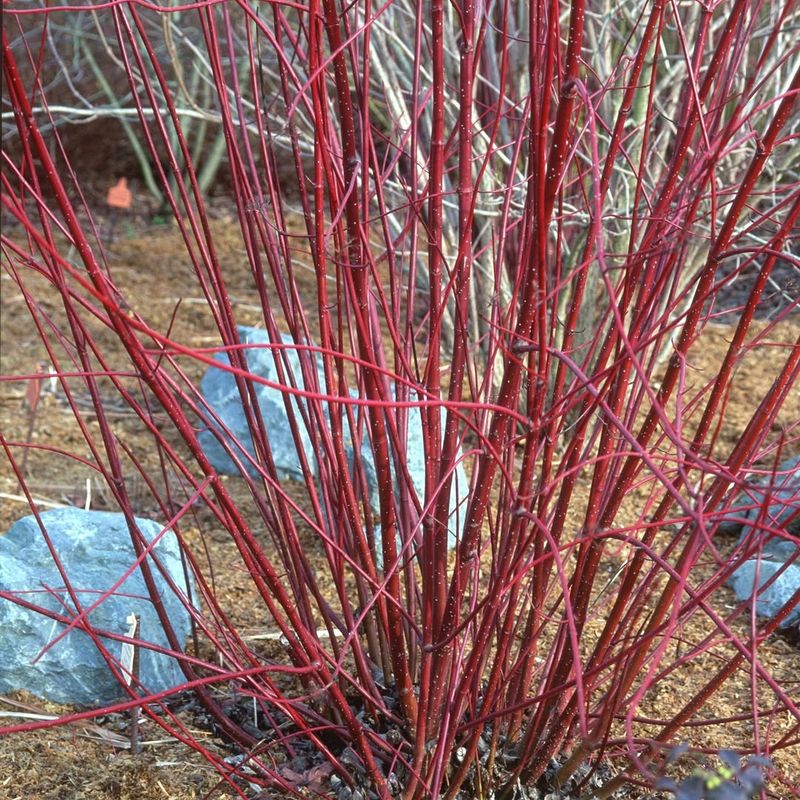
Bright red stems in January are not something most people expect from a privacy shrub, but Red Osier Dogwood delivers exactly that.
Cornus sericea is a native Ohio shrub that earns its place in rough, wet, or generally difficult sites by combining solid screening coverage during the growing season with one of the most visually striking winter displays of any plant in the Ohio landscape.
Those glowing red stems are at their most vibrant after the leaves drop, giving the planting visual presence even in the coldest months.
Red Osier Dogwood grows in a spreading, multi-stemmed thicket that typically reaches 6 to 9 feet tall and can spread considerably wider over time through root sprouting.
That thicket-forming habit is what makes it genuinely useful for covering rough, wet, or low-lying areas where more refined shrubs struggle to establish.
White flower clusters appear in late spring, followed by white to bluish-white berries that birds consume readily through summer and fall.
Wet soils, stream edges, and poorly drained corners are where Red Osier Dogwood performs best, and Ohio State University Extension recognizes Cornus sericea as a strong native choice for moist Ohio sites with real erosion control and wildlife habitat value.
For formal, tightly clipped hedges it is not the right fit.
In informal, layered, or naturalistic privacy screens along problem areas, though, it is genuinely hard to beat for toughness, seasonal appeal, and ecological contribution.