Florida Privacy Plants To Add In April
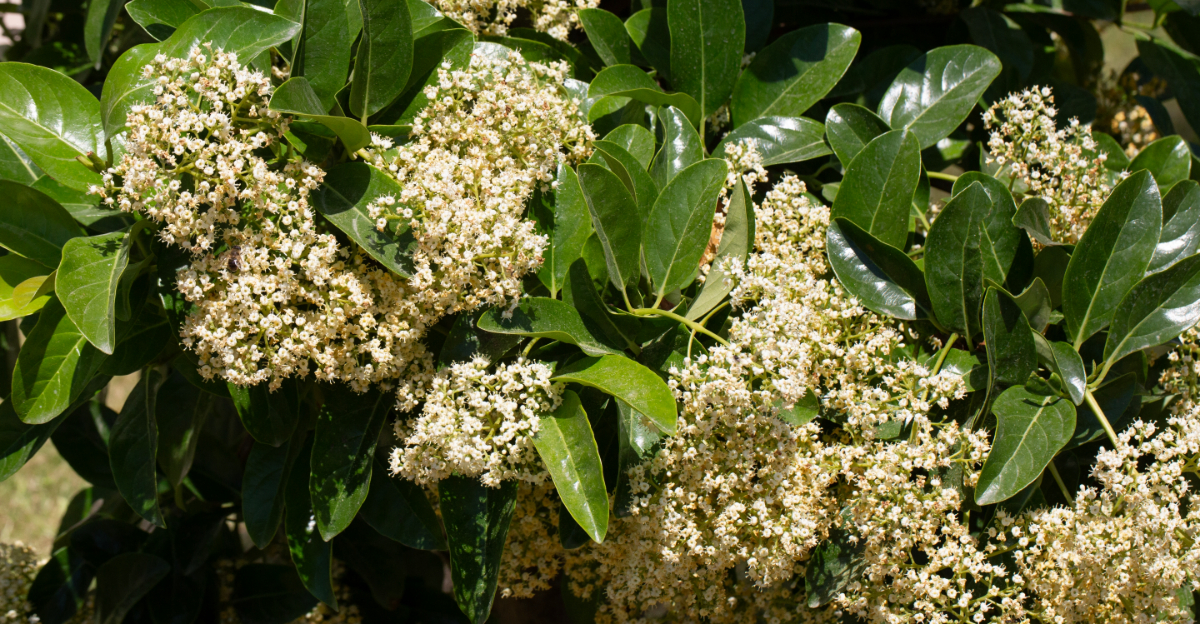
You know that moment in spring when the yard starts waking up and suddenly everything feels a little too exposed. The patio, the side fence, that one window facing the neighbor’s driveway.
April is usually when Florida homeowners start noticing where they want more softness, more shade, and a little more breathing room outside.
That is why privacy plants are such a smart move this time of year. Florida’s warmth gives many shrubs, grasses, and screening plants a strong start in April, before summer turns the yard into a full-time watering project.
The trick is picking plants that fit Florida conditions and actually fill in the way people hope they will.
Some grow fast but get unruly. Others stay handsome, dense, and useful without turning into a constant chore.
A few may surprise you, especially for entryways, patios, and fence lines that need help right now.
1. Cocoplum For Dense Green Privacy
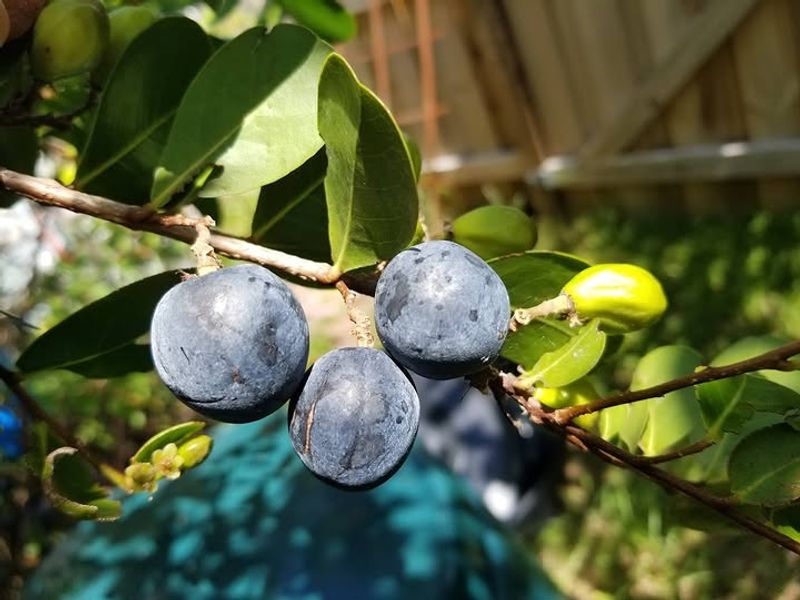
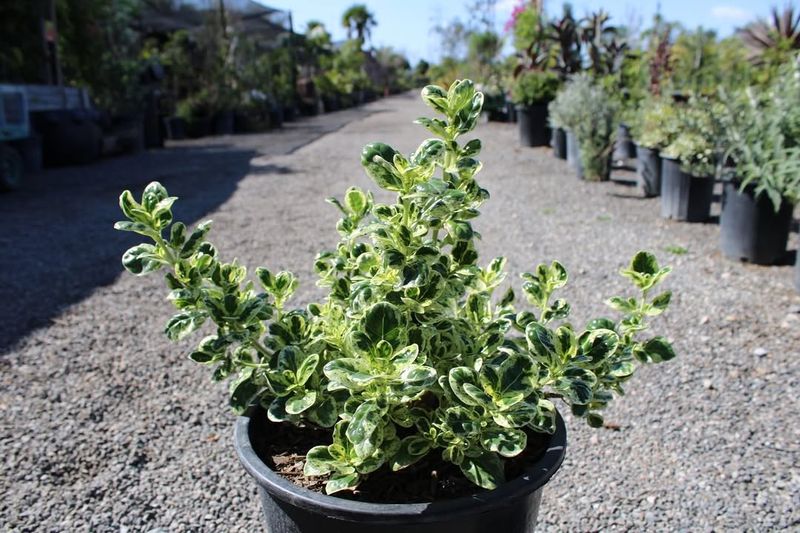
One look at Cocoplum makes it easy to see why it is one of Florida’s most popular native privacy plants. With its thick, round, shiny leaves and dense branching habit, this shrub creates a solid green wall that blocks out neighbors, traffic, and noise without needing much fuss from you.
Planting Cocoplum in April is a smart move for Florida gardeners. The warm but not scorching temperatures help the roots settle in quickly, and the spring rains give the plant a natural head start.
Cocoplum grows in full sun to partial shade, which means it works in many different spots around your yard.
One fun detail most people do not know is that Cocoplum actually produces small edible fruits that are enjoyed by local wildlife like birds and butterflies. So you are not just adding privacy to your Florida home, you are also creating a little habitat for your local ecosystem.
Mature Cocoplum shrubs can reach heights of six to fifteen feet, making them tall enough to serve as a true privacy screen. They are also salt-tolerant, which is a huge bonus for Florida homeowners near the coast.
Regular light trimming keeps the hedge neat and full. Once established, Cocoplum is drought-tolerant and low-maintenance, making it a go-to choice for busy homeowners who still want a beautiful, private outdoor space in Florida.
2. Simpson’s Stopper For A Polished Native Screen
If you have never heard of Simpson’s Stopper, you are in for a pleasant surprise. This Florida native is a slow-growing evergreen shrub that packs a lot of personality into a tidy, dense form.
Its small white flowers are fragrant, its red berries attract birds, and its dark green leaves stay lush all year, making it a standout choice for a living privacy screen.
April is a wonderful time to get Simpson’s Stopper in the ground across Florida. As temperatures warm up and rainfall picks up, newly planted shrubs can focus their energy on growing strong roots before summer arrives.
Plant it in full sun to partial shade and give it well-drained soil, and it will reward you with steady, reliable growth.
Your Florida Garden Changes Every Week. Your Plan Should Too.
Gardening in Florida changes quickly throughout the season. Every Friday you’ll receive a simple weekly plan showing exactly what to plant, prune, fertilize, harvest, and protect so you never miss the right timing.
Did you know this plant is named after Charles Torrey Simpson, a famous Florida naturalist who loved and studied the state’s unique plant life? That little bit of history makes growing it feel even more special.
Simpson’s Stopper typically reaches heights of ten to fifteen feet when left to grow naturally, but it responds well to pruning if you prefer a more compact hedge. It is also highly salt-tolerant, which is great news for Florida coastal gardeners.
Because it is a true Florida native, it requires very little extra watering once established, saving you time and money on irrigation. For a low-effort, high-reward privacy plant, Simpson’s Stopper truly delivers across the board.
3. Yaupon Holly For Easy Evergreen Coverage
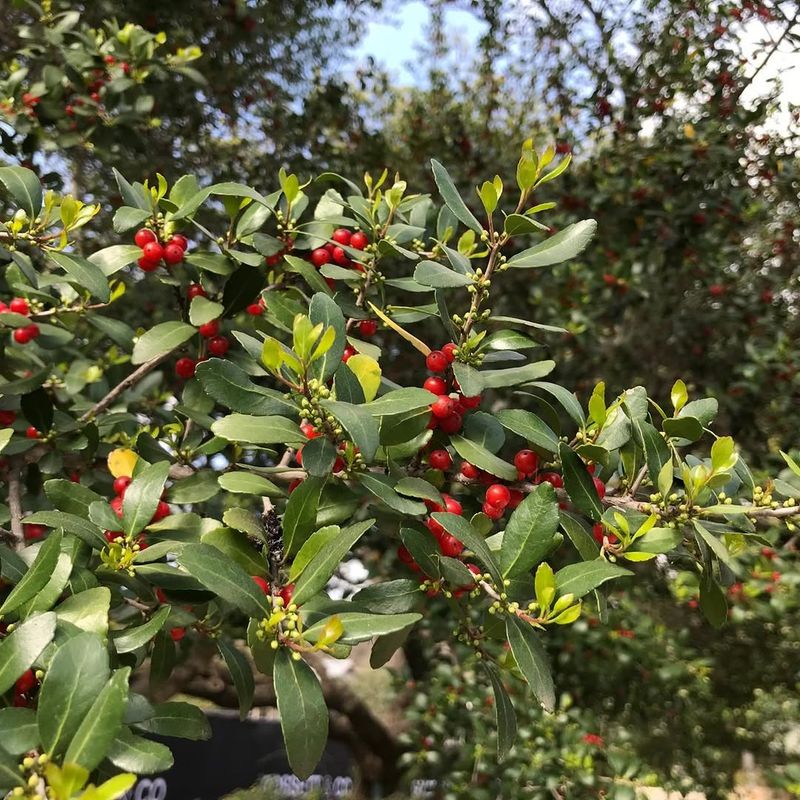
Tough, adaptable, and surprisingly underrated, Yaupon Holly is the kind of plant that earns its place in a Florida yard and then some. It handles heat, drought, salt spray, and even poor soil without skipping a beat.
For homeowners who want a reliable, year-round privacy screen in Florida, Yaupon Holly is a top-tier option that rarely disappoints.
Planting in April sets Yaupon Holly up for success. Spring warmth encourages new growth, and the plant can develop a strong root system before Florida’s intense summer sun takes over.
It thrives in full sun to partial shade, and it is not picky about soil type, which makes it easy to fit into almost any landscape situation.
Female Yaupon Holly plants produce clusters of bright red berries in winter, adding seasonal color to your privacy hedge and providing food for mockingbirds, cedar waxwings, and other Florida birds. It is a living bird feeder that also happens to block your neighbor’s view into your yard.
Yaupon Holly can grow anywhere from five to twenty-five feet tall depending on the variety you choose, so you have a lot of flexibility. Dwarf varieties work well for lower borders, while larger cultivars create impressive tall screens.
Pruning is simple and keeps the hedge tight and full. As a Florida native, it requires minimal watering once established, making it a budget-friendly and eco-conscious choice for your April planting project.
4. Wax Myrtle For Fast Fill And Soft Texture
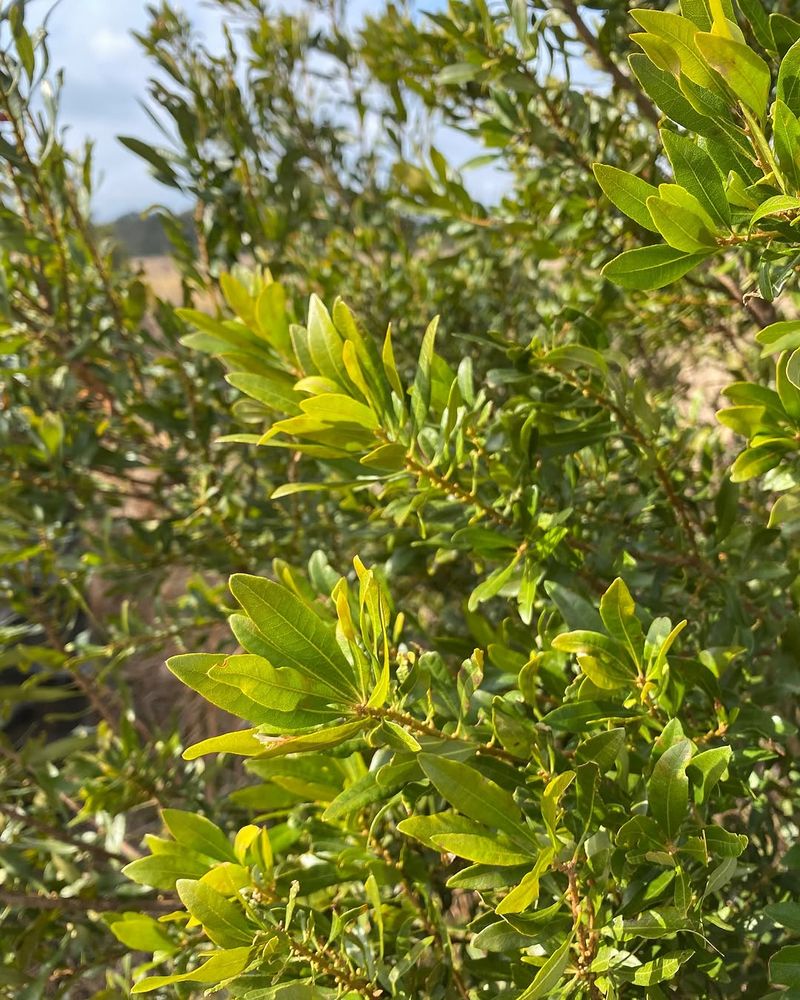
Florida gardeners tend to fall for Wax Myrtle fast. It grows quickly, smells amazing when the leaves are brushed against, and creates a thick, feathery privacy screen that looks natural and lush.
If you want results without waiting years to see progress, Wax Myrtle is your answer.
April is an ideal planting window for Wax Myrtle throughout Florida. The mild spring conditions allow the roots to spread out and anchor before summer heat arrives.
Wax Myrtle is incredibly flexible when it comes to growing conditions. It handles full sun, partial shade, wet soil, dry soil, and even salt exposure, which is a rare combination of strengths that few plants can match.
Left to grow on its own, Wax Myrtle can reach up to twenty-five feet tall, making it one of the tallest natural privacy screens you can plant in Florida. Regular pruning keeps it at whatever height works best for your yard.
The waxy gray-blue berries it produces are a favorite food source for migratory birds, including yellow-rumped warblers that visit Florida each winter.
Because Wax Myrtle is a Florida native, it has built-in resistance to local pests and diseases, which means less spraying and less worrying for you. It also fixes nitrogen in the soil, which actually improves the ground around it over time.
For fast-growing, wildlife-friendly, low-maintenance privacy in Florida, Wax Myrtle is hard to beat at any price point.
5. Walter’s Viburnum For A Neat Florida Hedge
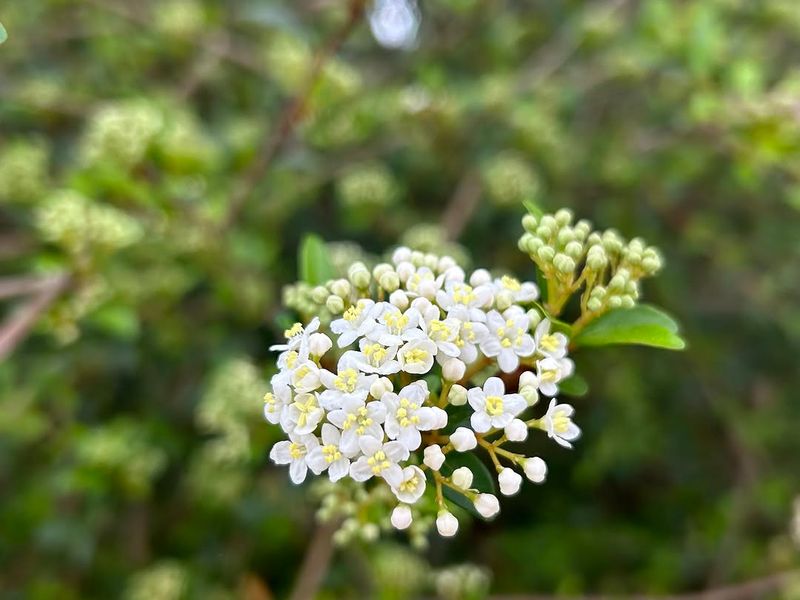
Walter’s Viburnum might just be one of the most underappreciated privacy plants in Florida. This native evergreen shrub grows densely, responds beautifully to shaping, and bursts into clouds of tiny white flowers each spring.
It is the kind of plant that makes your yard look professionally landscaped without requiring constant upkeep.
Getting Walter’s Viburnum in the ground during April gives it the best possible start. Spring planting allows roots to establish during mild weather, and by the time summer arrives, the shrub is already working on pushing out new growth.
It prefers full sun to partial shade and grows well in a wide range of Florida soil types, including sandy soils that challenge many other plants.
One impressive fact about Walter’s Viburnum is its potential height. Given room and time, it can grow up to twenty feet tall, creating a serious privacy wall along property lines or fence lines.
Most gardeners keep it trimmed to a more manageable six to ten feet, which still provides excellent coverage and a clean, polished look.
Birds are drawn to the small dark berries that follow the spring flowers, adding wildlife value to your privacy hedge. Walter’s Viburnum is also highly drought-tolerant once established, which is a major advantage during Florida’s dry season.
For a plant that balances beauty, function, and low maintenance in one tidy package, Walter’s Viburnum deserves a spot in every Florida privacy garden planted this April.
6. Sweet Viburnum For Quick Backyard Privacy
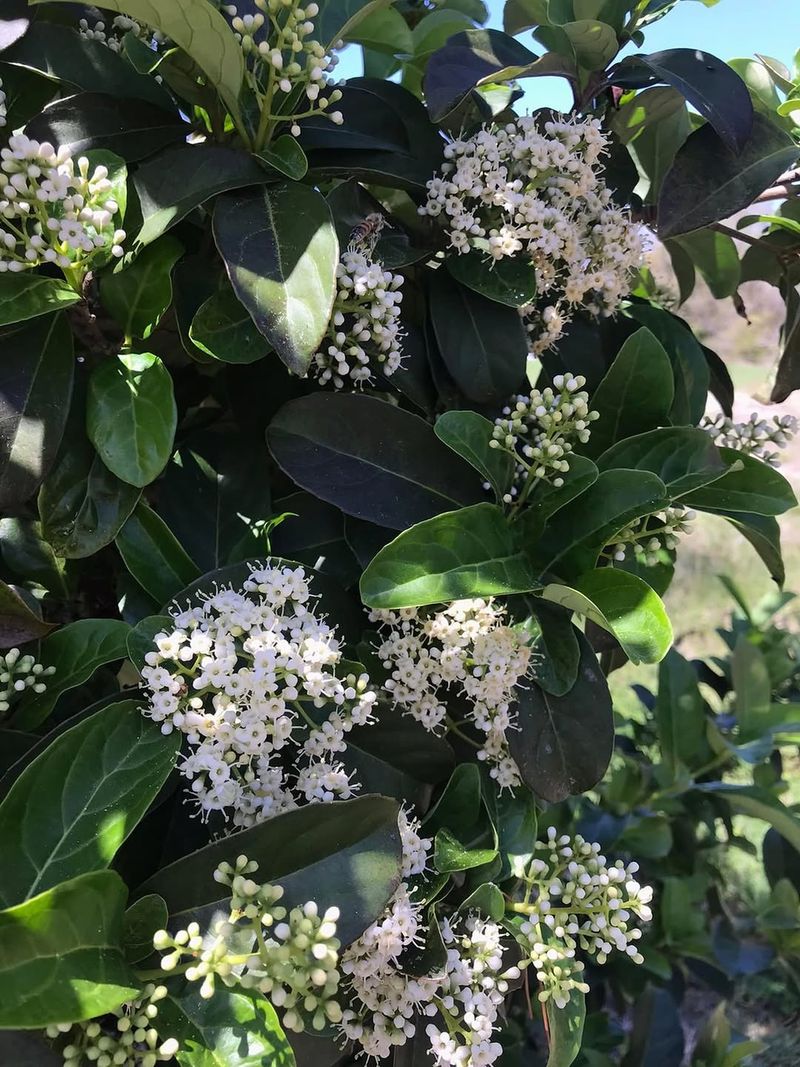
Few plants bring the combination of fragrance, beauty, and function that Sweet Viburnum delivers in a Florida yard. When this shrub blooms in spring, the air around it fills with a sweet, jasmine-like scent that makes spending time outdoors even more enjoyable.
Beyond the lovely smell, Sweet Viburnum grows into a thick, tall hedge that provides serious privacy for Florida homeowners.
April planting works wonderfully for Sweet Viburnum across Florida. The warm spring temperatures encourage fast establishment, and the plant quickly begins filling in to create a solid green screen.
It performs best in full sun to partial shade and prefers well-drained soil, though it adapts well to the sandy loam soils common throughout much of Florida.
Sweet Viburnum can reach heights of twelve to twenty feet, making it one of the tallest shrubs on this list. Its large, glossy, deep green leaves stay on the plant year-round, giving you consistent coverage through every season.
The white flower clusters appear in spring and are followed by small red berries that ripen to black, attracting mockingbirds and other Florida wildlife to your yard.
Pruning Sweet Viburnum is straightforward and keeps the hedge dense and shapely. Unlike some fast growers that become scraggly over time, Sweet Viburnum maintains a full, lush appearance with just occasional trimming.
For Florida gardeners who want privacy and beauty in the same plant, Sweet Viburnum is an outstanding April addition that will reward you for many years ahead.
7. Podocarpus For A Clean Upscale Look
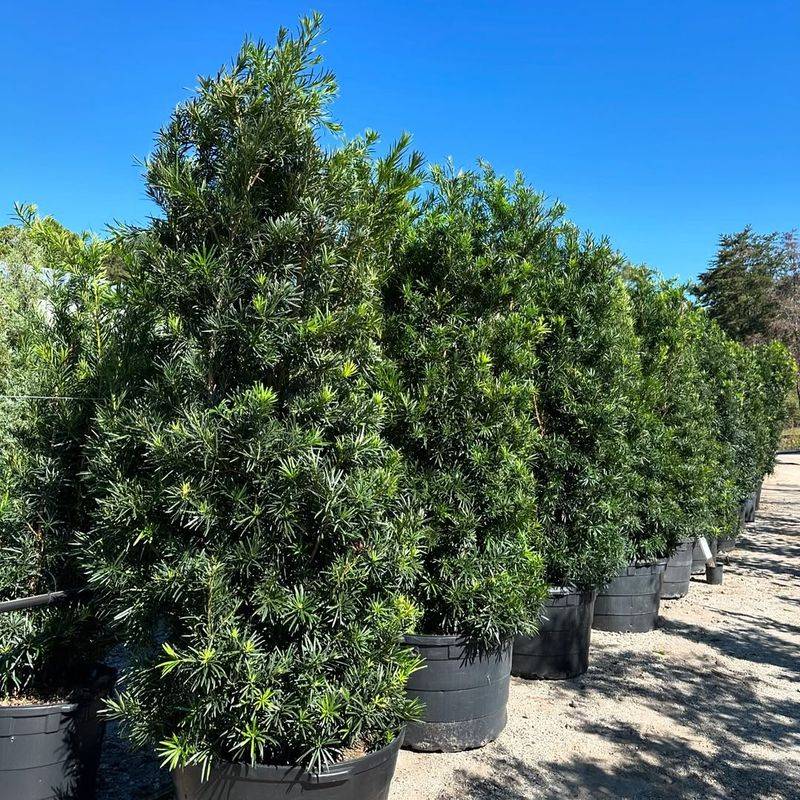
For a formal, structured privacy hedge that stays clean and polished all year, many Florida homeowners turn to Podocarpus. Sometimes called Japanese yew or Buddhist pine, this versatile evergreen takes shaping extremely well, which is why you see it trimmed into tall, neat walls along driveways, fences, and property lines all across Florida.
Planting Podocarpus in April is a great strategy. The mild spring conditions in Florida help new plants settle in without the stress of extreme heat or cold.
Podocarpus grows in full sun to partial shade and tolerates a variety of soil types, including the sandy, slightly acidic soils found throughout much of the state. It is also salt-tolerant, which makes it a solid choice for Florida coastal properties.
Growth rate is moderate, but the results are worth the wait. Podocarpus can reach heights of fifteen to forty feet when grown as a tree, though most gardeners keep it trimmed to a manageable six to fifteen feet as a hedge.
The dense, narrow dark green leaves pack tightly together, creating a nearly impenetrable visual barrier that holds up beautifully through Florida’s hot summers and mild winters.
Maintenance is simple. A couple of trims per year keeps Podocarpus looking sharp and full.
It has few serious pest problems in Florida and requires minimal fertilizing once established. For a reliable, long-lasting, and attractive privacy screen that works in almost any Florida yard, Podocarpus is a smart April investment you will not regret.
8. Wild Coffee For Lush Privacy In Shade
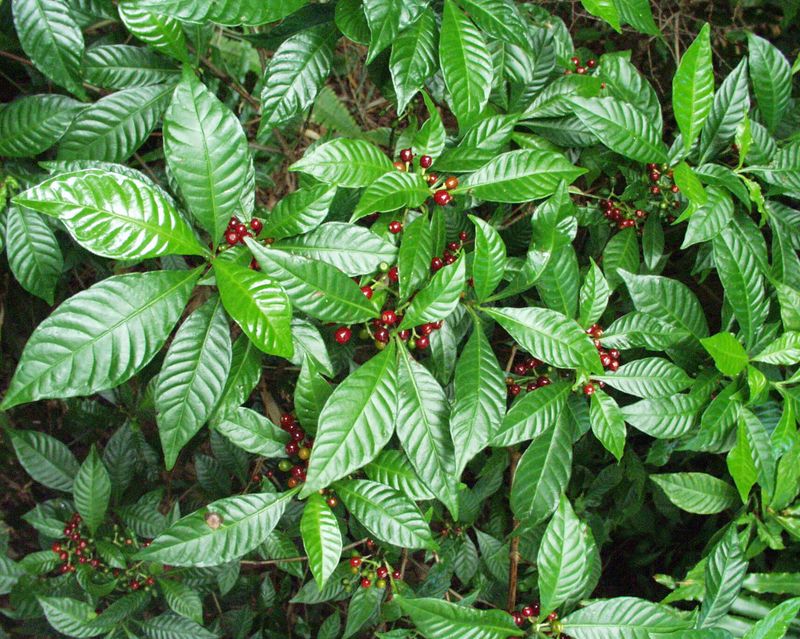
Few native shrubs bring the same tropical, lush vibe to Florida gardens as Wild Coffee. Its large, deeply veined, glossy leaves give it a bold, eye-catching look, and when the small white flowers appear, they attract pollinators from all around the neighborhood.
If you have a shaded or partially shaded spot that needs privacy, Wild Coffee is the answer you have been looking for.
April is a perfect time to plant Wild Coffee in Florida. As the weather warms and spring rains arrive, newly planted shrubs can establish roots in comfortable conditions before the intense heat of summer rolls in.
Wild Coffee thrives in partial to full shade, which sets it apart from many other privacy plants that demand full sun. Under a tree canopy or along a shaded fence line, it grows thick and full with minimal encouragement.
The bright red berries that appear after flowering look remarkably similar to coffee cherries, which is exactly how this plant got its charming common name. Birds love the berries, and the shrub becomes a favorite stop for Florida’s native wildlife throughout the year.
Wild Coffee typically grows four to ten feet tall, making it ideal for medium-height privacy screens in smaller yards or garden corners.
Because it is a true Florida native, Wild Coffee is well adapted to many Florida landscapes, especially in warm, sheltered spots. Once established, it is moderately drought-tolerant but benefits from extra water during dry stretches.
For shaded Florida spaces that need a privacy boost, Wild Coffee is a charming, wildlife-friendly April planting choice.