The Surprising Benefits Of Growing Nasturtiums In Michigan Gardens
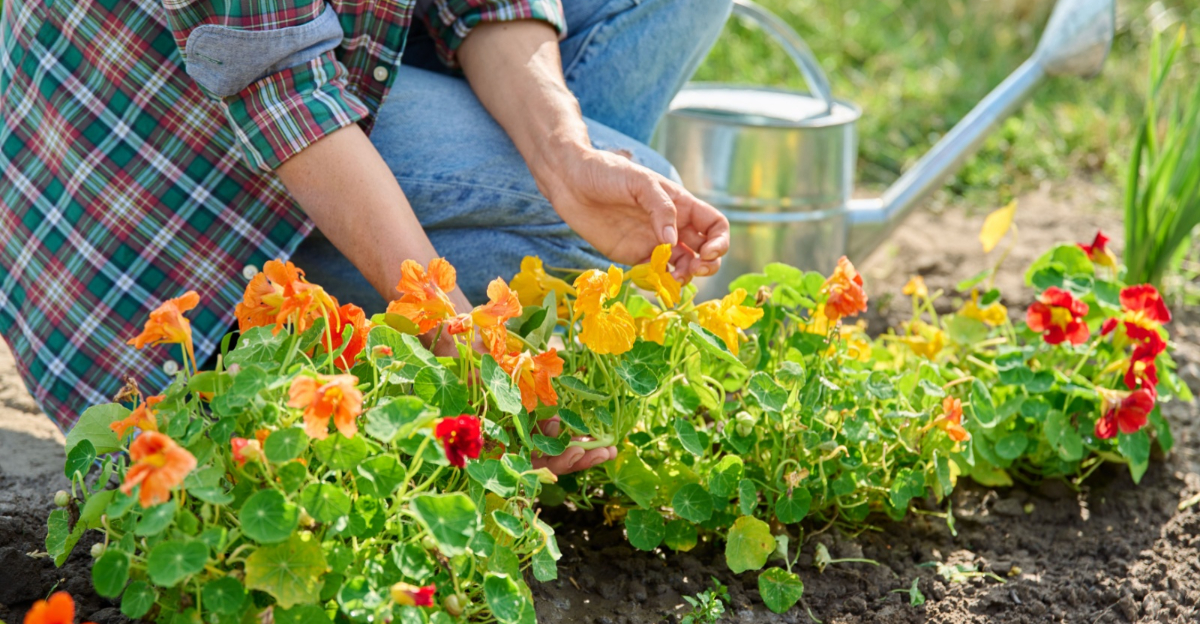
Michigan gardeners are always on the lookout for plants that do more than just look pretty, and nasturtiums are quickly becoming a favorite across the state.
These cheerful, fast-growing annuals bring bright splashes of orange, yellow, and red to gardens from the Upper Peninsula down to the southern counties.
What makes nasturtiums so exciting is that they offer a surprising range of benefits beyond their good looks, from supporting local pollinators to helping manage common garden pests naturally.
If you have not tried growing nasturtiums in your Michigan garden yet, you might be missing out on one of the most hardworking and rewarding plants around.
1. Attract Pollinators To The Garden
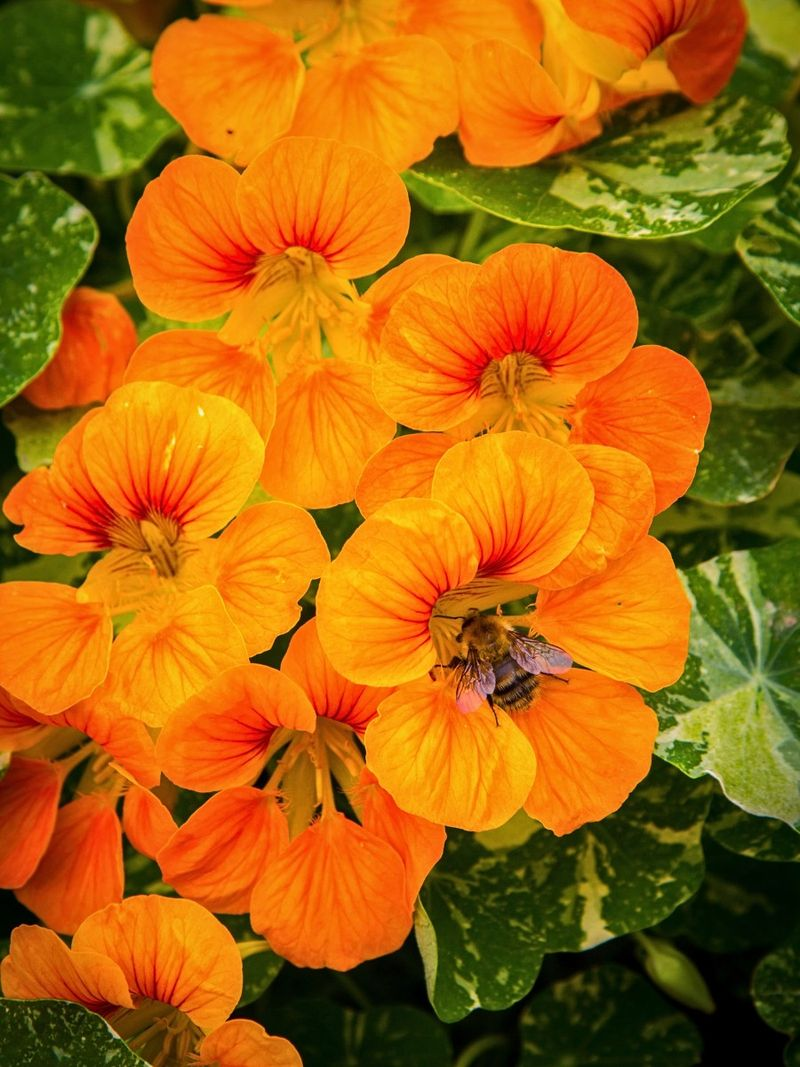
Michigan gardeners know how much pollinator activity matters when it comes to getting a productive vegetable patch or flower bed. Bees, butterflies, and even hummingbirds are drawn to nasturtiums because of their wide, open blooms and generous nectar supply.
Planting them near tomatoes, squash, or cucumbers can noticeably increase the number of pollinator visits those crops receive.
The funnel-shaped flowers of nasturtiums are especially appealing to long-tongued bees and butterflies, which are common throughout Michigan during the summer months.
Because nasturtiums bloom reliably from late spring through early fall, they provide a consistent food source during the entire growing season.
That kind of steady availability is something many flowering annuals simply cannot match.
Gardeners in Michigan who have noticed a drop in bee activity in recent years often find that adding nasturtiums brings more life back to their outdoor spaces.
Planting a few near the edges of raised beds or along garden borders gives pollinators easy access without competing with vegetables for space.
The result is a livelier, more balanced garden that tends to produce better yields across the board.
2. Help Distract Common Garden Pests
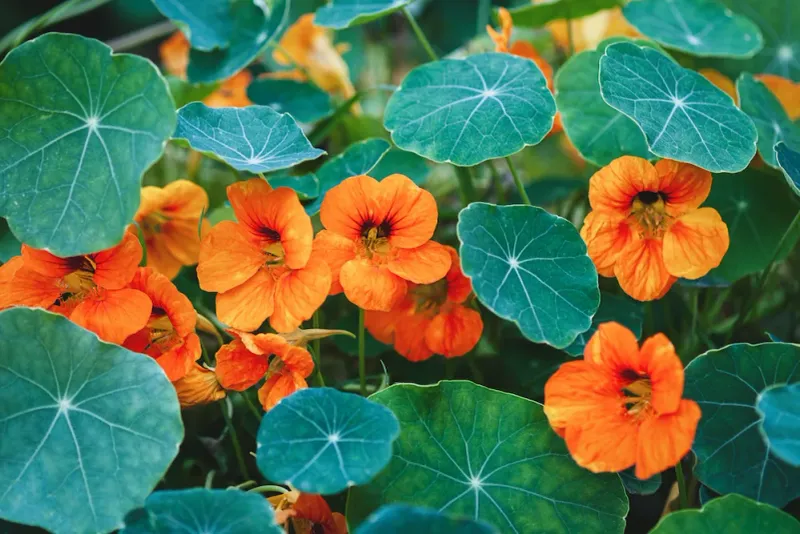
One of the more clever tricks Michigan gardeners use involves planting nasturtiums as a kind of decoy crop near their vegetables.
Aphids, whiteflies, and squash bugs tend to be drawn to nasturtiums before they target nearby plants like beans, broccoli, or cucumbers.
By luring pests toward the nasturtiums, gardeners give their more valuable crops a fighting chance without reaching for chemical sprays.
This strategy, known as trap cropping, works because nasturtiums are genuinely attractive to many soft-bodied insects. Once pests concentrate on the nasturtium plants, they can be managed more easily through hand removal or a strong spray of water.
It is a practical, low-cost approach that fits well with organic and sustainable gardening methods popular across Michigan.
Planting nasturtiums around the perimeter of a vegetable bed or tucking them between rows adds a layer of natural protection that many Michigan gardeners find surprisingly effective.
Results can vary depending on pest pressure and garden size, but most gardeners notice at least some reduction in damage to their main crops.
For anyone trying to reduce their reliance on pesticides, nasturtiums are a smart and colorful tool worth adding to the garden plan.
3. Grow Well In Poor Soil Conditions
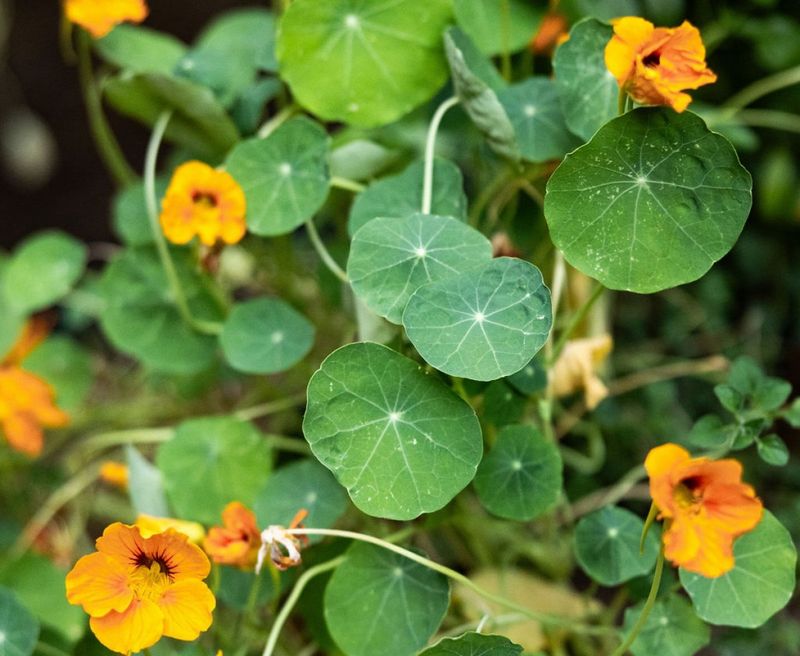
Michigan soil varies widely across the state, from the sandy stretches near the Great Lakes shoreline to the heavy clay found in many suburban yards. Not every gardener has access to rich, loamy soil, and amending large areas can be expensive and time-consuming.
Your Michigan Garden Changes Every Week. Your Plan Should Too.
Gardening in Michigan changes quickly throughout the season. Every Friday you’ll receive a simple weekly plan showing exactly what to plant, prune, fertilize, harvest, and protect so you never miss the right timing.
Nasturtiums are one of the few flowering plants that genuinely thrive in low-fertility conditions, often blooming more freely when soil nutrients are limited.
When nasturtiums grow in overly rich soil, they tend to produce lush, leafy growth at the expense of flowers. Lean soil encourages the plant to put its energy into blooming, which means more color and more nectar for pollinators.
This counterintuitive behavior makes nasturtiums a great choice for spots in the Michigan garden that other plants struggle to fill.
They prefer well-draining soil and full sun, though they can manage in partial shade with slightly reduced flowering.
Raised beds filled with basic garden soil, sandy spots near driveways, or even gravelly areas near the house are all places where nasturtiums can settle in and perform well.
For Michigan gardeners dealing with less-than-ideal growing conditions, these plants offer an easy, rewarding solution that requires very little soil preparation.
4. Add Edible Leaves And Flowers
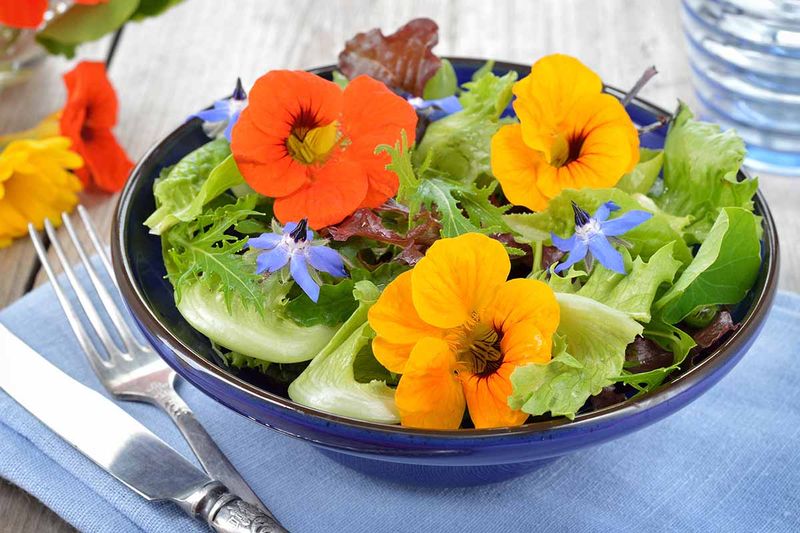
Few garden plants offer the kind of kitchen versatility that nasturtiums bring to the table. Both the leaves and flowers are completely edible, carrying a bright, peppery flavor that is often compared to watercress.
Michigan home cooks have been discovering how easy it is to toss a handful of nasturtium blossoms into a salad or use the leaves to add a little kick to sandwiches and wraps.
The flowers come in shades of orange, red, and yellow, which makes them as visually appealing on a plate as they are in the garden. They also contain vitamin C and other beneficial compounds, adding a small nutritional boost to fresh summer meals.
Even the unripe seed pods can be pickled and used as a substitute for capers, which is a fun culinary experiment for adventurous home cooks.
Harvesting nasturtiums for the kitchen is simple – just pick the flowers and leaves as needed throughout the growing season. The more you harvest, the more the plant tends to produce, so regular picking actually encourages continued blooming.
For Michigan gardeners who enjoy growing edible plants, nasturtiums bridge the gap between ornamental and food gardens in a way that feels both practical and genuinely enjoyable.
5. Provide Fast Ground Cover
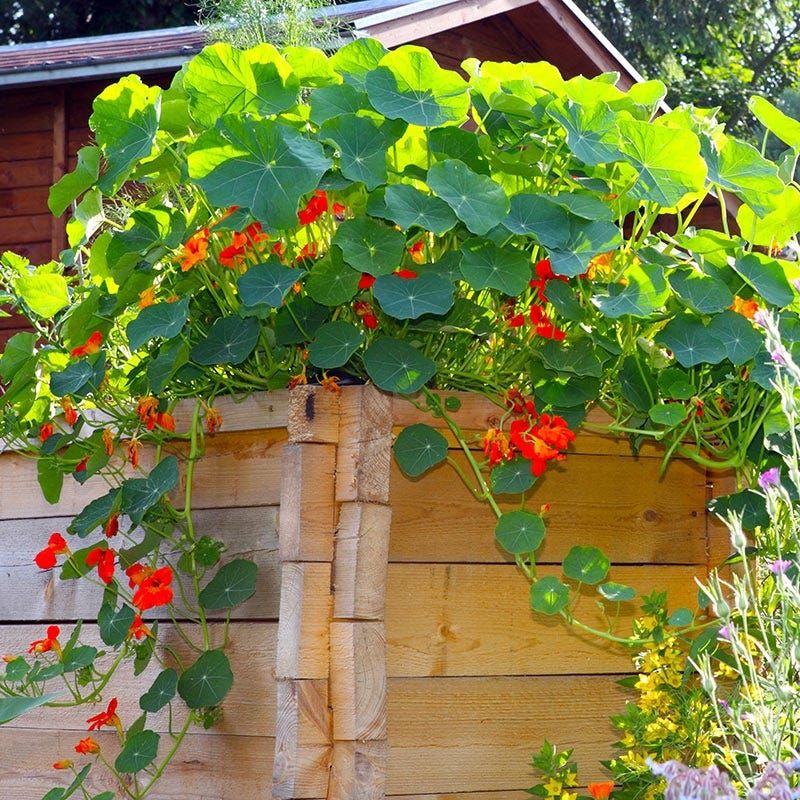
Bare patches of soil in a Michigan garden are an open invitation for weeds to move in and take over.
Nasturtiums spread quickly once established, forming a low, trailing carpet of round green leaves that shades the soil below and reduces the space available for unwanted plants to sprout.
For gardeners trying to fill in gaps between shrubs or along the edges of beds, nasturtiums offer a fast and colorful solution.
Trailing varieties can spread several feet in a single season, making them especially useful for covering slopes, filling raised bed corners, or tumbling over the edges of retaining walls. Bush varieties stay more compact and work well as ground cover in smaller spaces.
Both types begin spreading noticeably within a few weeks of germination, which is a welcome quality in a Michigan growing season that can feel short.
Unlike some aggressive ground covers, nasturtiums are annuals that complete their life cycle in one season and do not spread invasively from year to year. They may self-sow under the right conditions, but they are easy to manage.
For Michigan gardeners who want quick, attractive coverage without committing to a permanent planting, nasturtiums hit a sweet spot between speed and control.
6. Adapt Well To Containers
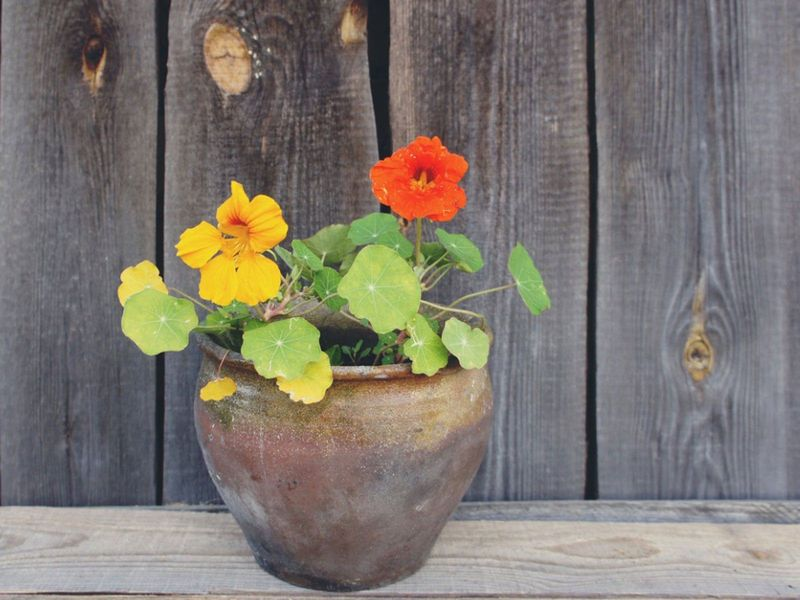
Container gardening has grown steadily in popularity across Michigan, especially among urban gardeners, apartment dwellers, and homeowners with limited yard space.
Nasturtiums are among the most container-friendly plants available, thriving in pots, window boxes, hanging baskets, and even recycled containers like old colanders or wooden crates.
Their trailing habit makes them especially well-suited for hanging displays where the vines can cascade freely.
One of the practical advantages of growing nasturtiums in containers is the ability to control soil quality and drainage precisely.
Since nasturtiums prefer lean, well-draining growing conditions, a basic potting mix without added fertilizer tends to work well.
Overfeeding container-grown nasturtiums can lead to the same leafy, flower-sparse growth seen in overly rich garden beds, so holding back on fertilizer is genuinely the better approach.
Containers also make it easier to position nasturtiums where they will get the most sun, which is typically six or more hours per day. On Michigan patios and balconies, a few pots of nasturtiums can transform a plain outdoor space into something bright and productive.
Moving containers to protected spots during unexpected late-spring cold snaps is also a simple way to extend the growing season and protect plants from frost damage.
7. Require Minimal Maintenance
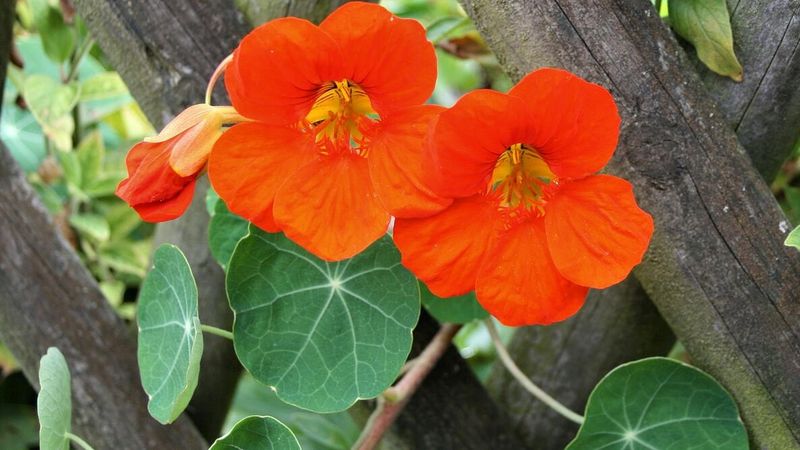
For busy Michigan gardeners juggling work, family, and a yard full of plants, finding something that practically looks after itself is a genuine relief.
Nasturtiums rank among the easiest annuals to grow, needing little more than a sunny spot, reasonable drainage, and occasional watering during dry stretches.
They do not require regular fertilizing, frequent pruning, or complicated care routines to perform well.
Direct sowing nasturtium seeds into the garden after the last frost date – typically mid-May across much of Michigan – is the most straightforward way to get started. The seeds are large and easy to handle, germinate quickly, and rarely need thinning.
Once the plants are up and growing, they largely take care of themselves through the summer months.
Deadheading spent blooms can encourage continued flowering, but even without it, nasturtiums tend to keep producing throughout the season.
Watering during extended dry periods helps maintain healthy growth, but these plants show reasonable drought tolerance once established.
For Michigan gardeners who want reliable color and garden benefits without a heavy time commitment, nasturtiums deliver a strong return for very little effort. They are the kind of plant that rewards beginners and experienced gardeners alike with minimal fuss.
8. Support Beneficial Insects
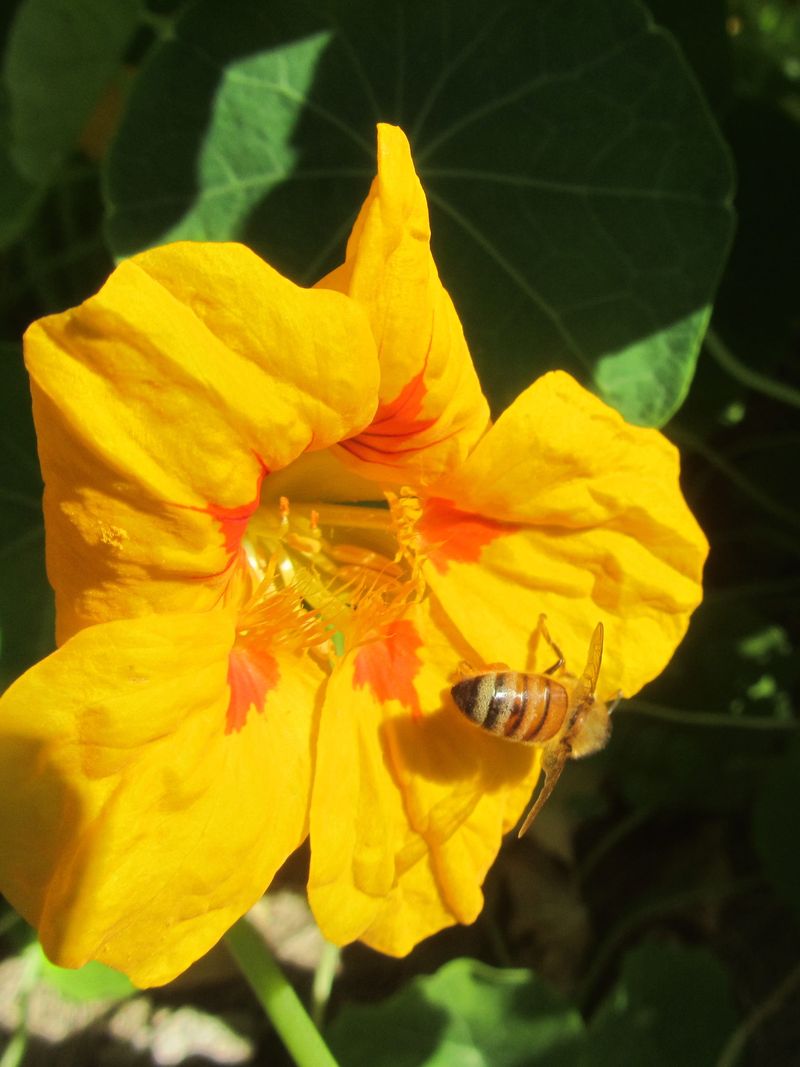
Beyond attracting pollinators, nasturtiums play a quieter but equally important role by supporting a broader range of beneficial insects.
Hoverflies, parasitic wasps, and ground beetles are among the garden helpers that are drawn to nasturtiums, either for their nectar or because the plants create habitat and activity that supports the broader insect ecosystem.
These insects contribute to natural pest management by preying on or parasitizing common garden pests.
Michigan gardens that include a mix of flowering plants alongside vegetables tend to support healthier insect populations overall.
Nasturtiums contribute to that diversity in a meaningful way, especially when planted in groups or drifts rather than as isolated specimens.
The combination of flowers, foliage, and the insects they attract creates a more dynamic and balanced garden environment.
Gardeners who have moved toward more ecological approaches to managing their outdoor spaces often find that nasturtiums fit naturally into that framework.
By supporting beneficial insects, nasturtiums help reduce the need for intervention when pest pressure builds up during Michigan’s warm summer months.
The relationship between nasturtiums and beneficial insects is one of those quiet garden dynamics that does not always get the attention it deserves but makes a real difference in how the garden functions from season to season.
9. Tolerate Cooler Spring Temperatures
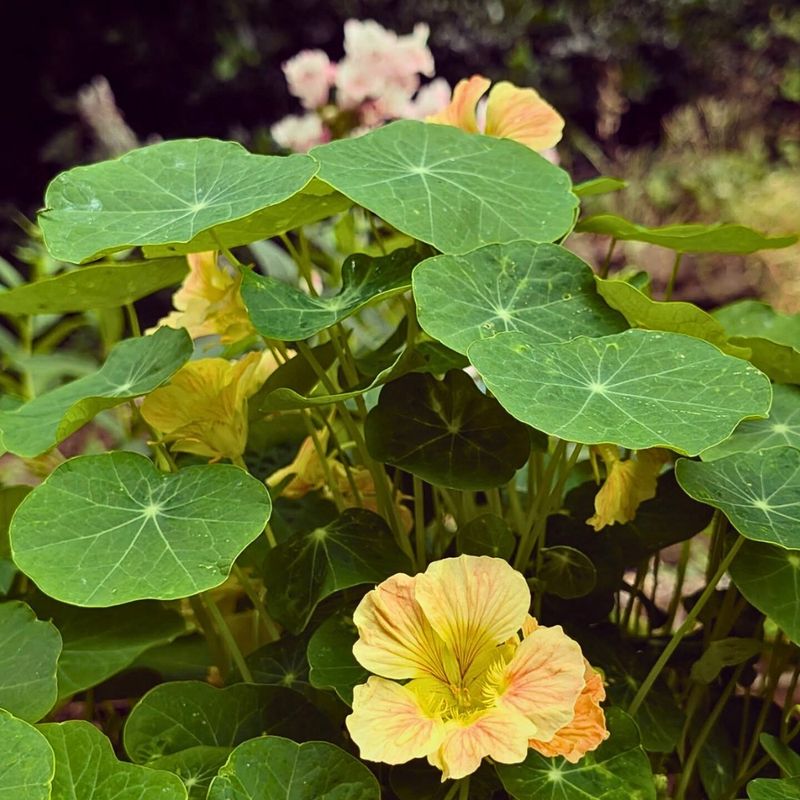
Spring in Michigan can be unpredictable, with warm days followed by sudden cold snaps that catch many tender plants off guard.
Nasturtiums are more tolerant of cool temperatures than many other warm-season annuals, which gives them a head start in the Michigan gardening calendar.
Seeds can be direct-sown shortly after the last expected frost, and young plants can handle light chills without much setback.
While nasturtiums are not frost-hardy in the way that kale or pansies are, they bounce back from brief cool periods better than plants like basil or impatiens.
This resilience means Michigan gardeners can get nasturtiums established earlier in the season, giving them more time to spread, bloom, and support pollinators before midsummer heat arrives.
Starting them early also means they are well-rooted before the driest part of the season hits.
In northern Michigan, where the growing season is shorter and spring arrives later, this cold tolerance is especially valuable.
Getting color and ground coverage into the garden sooner rather than later makes a real difference when the frost-free window is tight.
Nasturtiums reward that early planting with vigorous growth that fills in quickly as temperatures warm through May and into June across the state.
10. Add Bright Seasonal Color
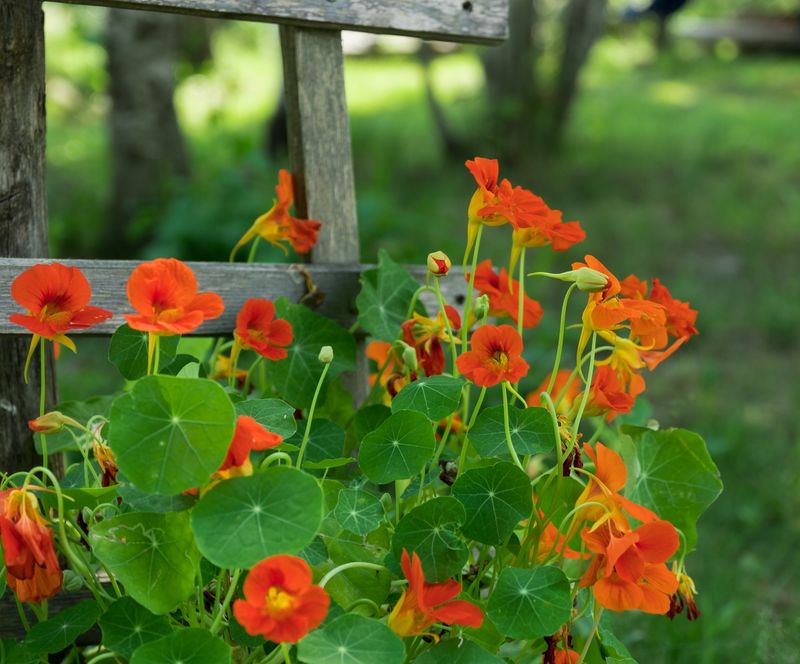
Walk past a Michigan garden in full summer bloom and chances are something bright and cheerful is catching your eye.
Nasturtiums deliver some of the most vivid color available in the annual garden, with blooms ranging from deep crimson and burnt orange to soft peach and sunny yellow.
They start flowering relatively early in the season and keep going strong until the first hard frost arrives in fall.
What sets nasturtiums apart from many other colorful annuals is the way their round, lily-pad-like leaves complement the flowers rather than competing with them.
The contrast between the cool blue-green foliage and the warm-toned blooms creates a visually satisfying combination that works well in borders, containers, and cottage-style garden beds.
Michigan gardeners who enjoy a naturalistic planting style often find that nasturtiums fit right in without looking forced or overly formal.
Color can do a lot for a garden’s overall feel, and nasturtiums bring that energy from early summer all the way through September in most parts of Michigan.
Mixing different varieties – some trailing, some bushy, some with variegated leaves – adds even more visual interest.
For anyone looking to brighten up a dull corner or add seasonal warmth to a patio space, nasturtiums are a reliable and genuinely joyful choice.