Miniature Dwarf Sunflowers That Thrive In North Carolina Gardens And Containers
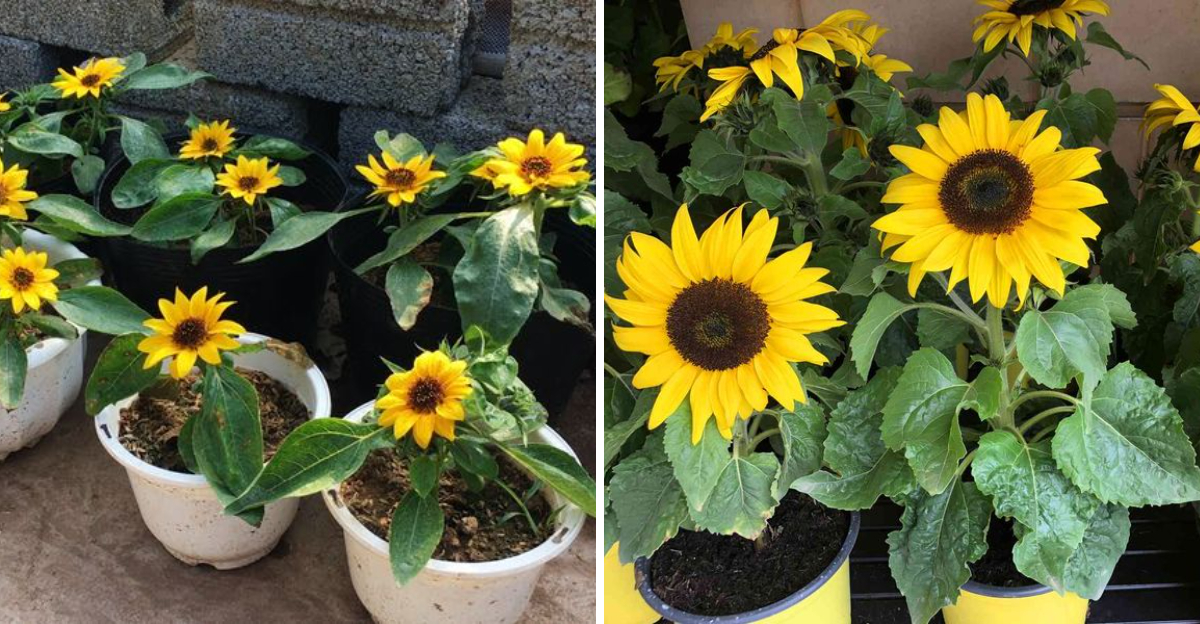
Miniature dwarf sunflowers bring big charm to North Carolina gardens without taking up much space. These compact plants are perfect for small yards, patios, and containers, making it easy to enjoy bright, cheerful blooms almost anywhere.
Unlike taller varieties, dwarf sunflowers stay manageable while still producing eye catching flowers that stand out all summer. They handle North Carolina’s warm weather well and grow quickly, which makes them a fun and rewarding choice for gardeners of all skill levels.
Whether you are planting them in pots or along garden edges, they add color and energy in a simple way. Their smaller size also makes them easier to care for, with less need for staking or extra support.
If you want a low effort plant that still makes a strong visual impact, these sunflowers are a great option to consider this season.
1. True Dwarf Sunflowers Stay Compact And Container-Friendly
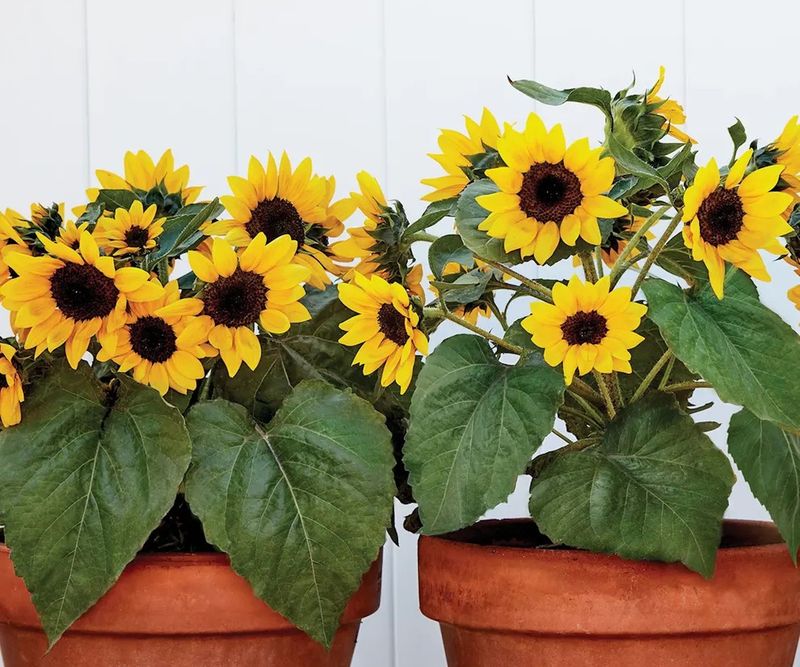
Compact plants that fit almost anywhere are hard to come by, but miniature dwarf sunflowers are exactly that.
Belonging to the species Helianthus annuus, these varieties have been carefully bred to stay between 12 and 36 inches tall, which is a huge difference from the towering 6-foot giants you might picture.
Popular varieties like Dwarf Sunspot and Carousel are especially loved across North Carolina for their tidy, manageable size.
Container gardening becomes so much more exciting when you add these little sun-lovers to the mix. A standard 12-inch pot works perfectly for a single plant, and larger containers can hold two or three plants for a fuller, showier display.
Patios, balconies, front porches, and small garden beds in cities like Raleigh, Charlotte, and Wilmington are all fair game for growing these cheerful flowers.
One of the best things about their compact nature is that they rarely need staking or extra support, even when summer storms roll through. Their sturdy stems hold up well in the heat and wind that North Carolina summers often bring.
Whether you are planting in the ground or in a pot on your back deck, these plants bring serious brightness without demanding much space at all.
2. Full Sun And Summer Heat Are Their Best Friends
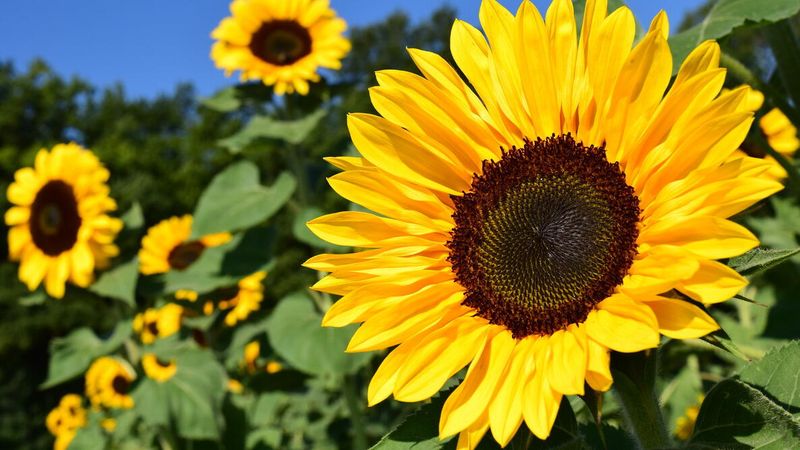
Sunflowers earned their name for a very good reason. Dwarf varieties are no different from their taller cousins when it comes to craving sunlight, needing at least six to eight hours of direct sun every single day to perform their best.
In North Carolina’s Piedmont and Coastal Plain regions, summer sunshine is practically guaranteed, which makes these plants feel right at home.
What surprises many first-time growers is just how well dwarf sunflowers handle intense heat.
Once established, they can push through temperatures in the upper 90s without skipping a beat, which is great news for gardeners in areas like Fayetteville, Greensboro, and the Outer Banks where summer heat can be relentless.
The key is making sure they get enough water during those peak heat weeks so their roots stay healthy and hydrated.
Placing containers in spots that receive morning sun and some afternoon shade can actually help in the hottest parts of the state, preventing the soil from drying out too quickly.
Your North Carolina Garden Changes Every Week. Your Plan Should Too.
Gardening in North Carolina changes quickly throughout the season. Every Friday you’ll receive a simple weekly plan showing exactly what to plant, prune, fertilize, harvest, and protect so you never miss the right timing.
However, most North Carolina gardens offer enough sun exposure to keep these plants thriving from late spring all the way through early fall.
Strong light drives flower production, keeps stems firm, and gives blooms that rich, saturated yellow color that makes dwarf sunflowers so irresistibly eye-catching in any outdoor space.
3. From Seed To Bloom Faster Than You Expect
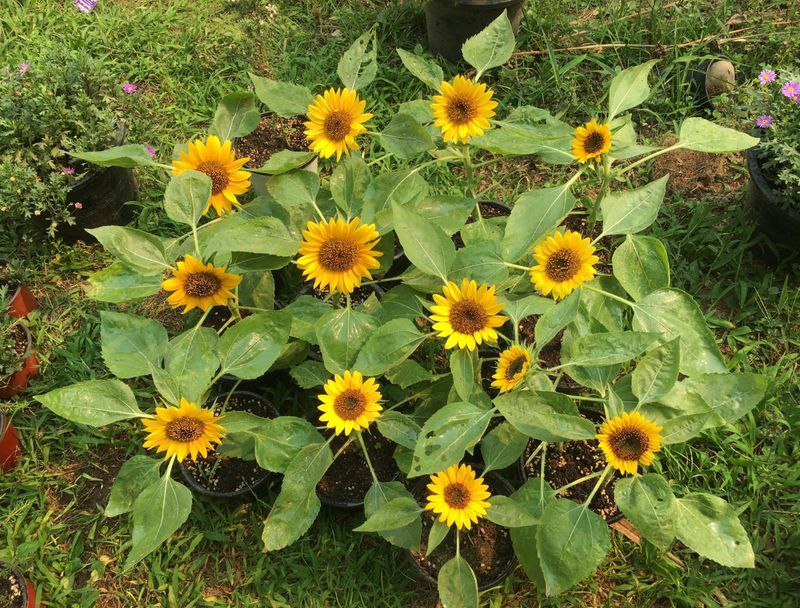
Speed is one of the biggest selling points of growing miniature dwarf sunflowers. Most varieties go from seed to full bloom in just 50 to 70 days, which means you can plant in late April or early May and be looking at gorgeous flowers well before midsummer.
That kind of quick turnaround is genuinely exciting for anyone who loves seeing results fast.
North Carolina’s long growing season is a serious advantage here. The state’s warm spring temperatures allow seeds to germinate quickly, usually within 7 to 10 days of planting when soil temperatures reach at least 55 to 60 degrees Fahrenheit.
Direct sowing seeds right into the garden or container is the simplest approach, and it works beautifully across most parts of the state.
Because the growing season stretches well into October in many areas of North Carolina, you can actually do two or even three rounds of plantings throughout the year.
Starting a second batch of seeds in late June gives you a fresh wave of blooms heading into late summer and early fall, keeping your garden looking vibrant for months.
Staggering your planting dates is one of the smartest tricks experienced North Carolina gardeners use to keep color going strong from spring all the way through the cooler days of October without a single dull week in between.
4. Well-Drained Soil Makes All The Difference In Containers
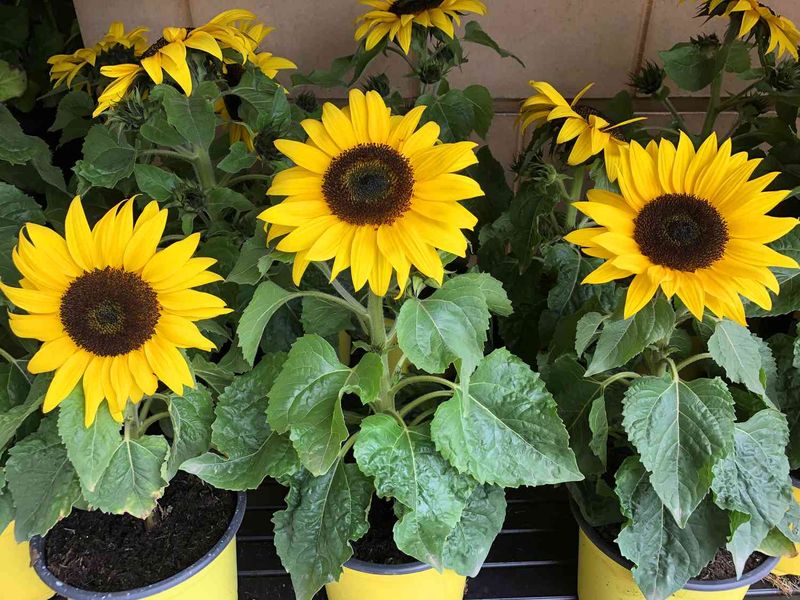
Roots that sit in soggy soil are roots that struggle, and dwarf sunflowers are particularly sensitive to waterlogged conditions.
Using a high-quality, loose potting mix with good drainage is one of the most important steps you can take when growing these plants in containers.
Adding perlite or coarse sand to your potting mix improves drainage even further and helps roots breathe properly.
North Carolina summers bring a combination of heavy rain and high humidity that can quickly turn a container into a waterlogged mess if drainage is poor.
Making sure your pots have at least one large drainage hole at the bottom is non-negotiable, and placing a layer of gravel or broken pottery pieces at the base of the pot can help water flow freely.
Raised garden beds across the state also benefit from amended soil that drains well rather than holding moisture for too long.
A soil pH between 6.0 and 7.5 is the sweet spot for dwarf sunflowers, and most standard potting mixes fall right within that range.
If you are planting directly into North Carolina’s native clay soil, mixing in compost and coarse sand will dramatically improve drainage and give roots the loose, airy environment they need to grow strong.
Healthy roots lead to stronger stems, more branching, and ultimately far more flowers throughout the entire growing season.
5. Watering Smart Keeps Blooms Coming All Season
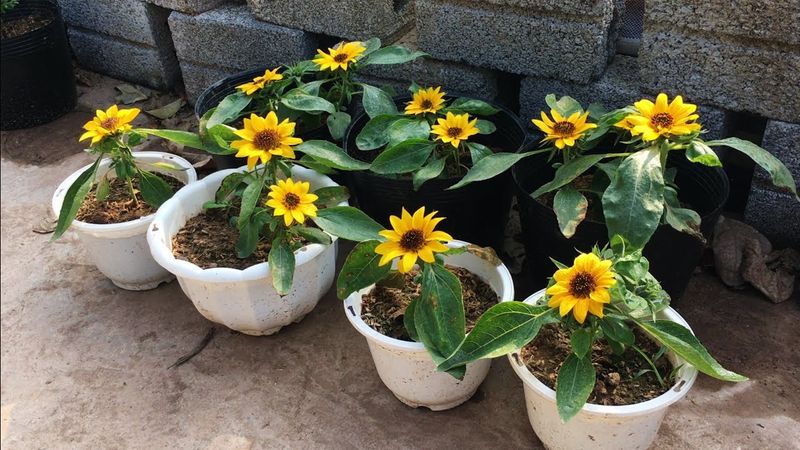
Getting the watering routine right is one of those small details that makes a noticeable difference in how many blooms your plants produce.
Dwarf sunflowers prefer deep, thorough watering followed by a period where the top inch or two of soil dries out slightly before you water again.
This back-and-forth rhythm encourages roots to grow deeper and makes plants stronger overall.
Container plants in North Carolina dry out much faster than in-ground plants, especially during the scorching months of July and August when temperatures regularly climb into the 90s.
Checking soil moisture daily during peak summer heat is a smart habit, and it only takes a few seconds to stick your finger an inch into the soil to see whether it needs water.
Terra cotta pots dry out faster than plastic or glazed ceramic containers, so keep that in mind when choosing your pot type.
Overwatering is actually a more common problem than underwatering for container-grown sunflowers, and it shows up as yellowing lower leaves and soft, mushy stems near the base of the plant.
Finding that middle ground, where the soil stays consistently moist but never waterlogged, is the secret to keeping blooms coming from early summer all the way into fall.
Mulching the soil surface in garden beds also helps retain moisture between waterings, cutting down on how often you need to grab the hose.
6. Multi-Branching Varieties Deliver More Blooms Per Plant
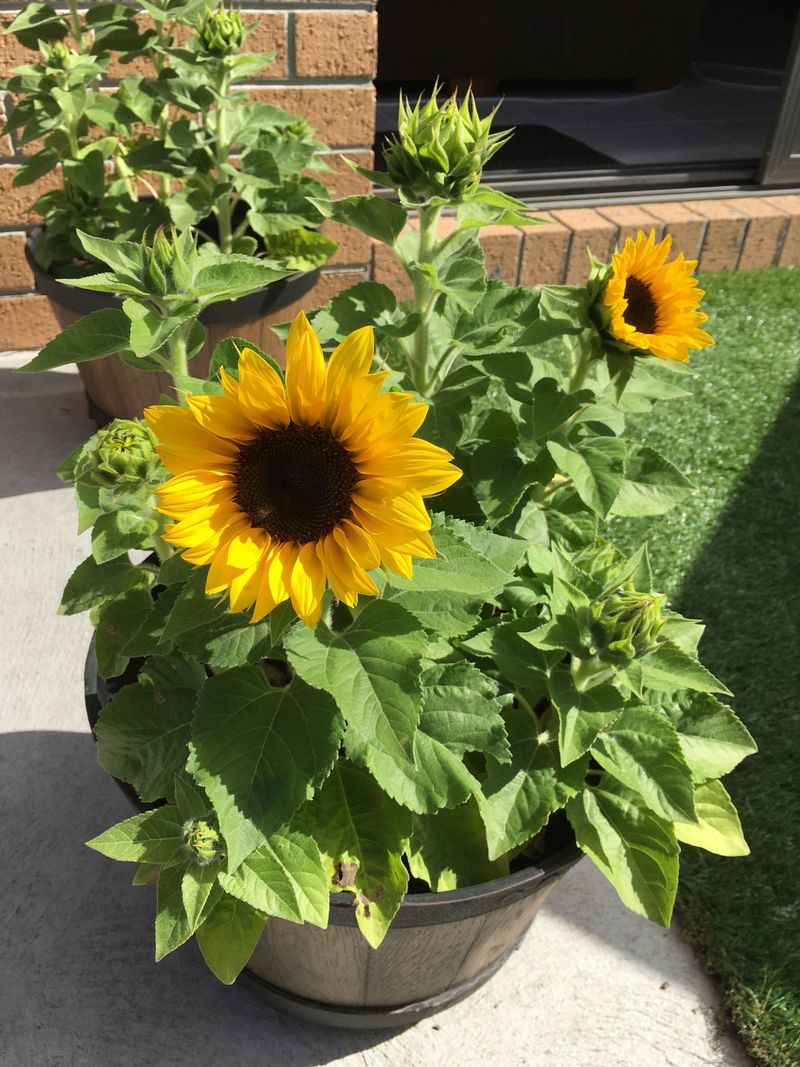
Single-stem sunflowers produce one dramatic bloom and then they are done, but multi-branching dwarf varieties play an entirely different game.
Varieties like Sunfire, Elf, and Little Becka are bred specifically to produce multiple flower heads on each plant, which means you get a continuous parade of blooms rather than just one big show.
For small spaces and containers, that kind of non-stop flower production is absolutely worth seeking out.
North Carolina’s warm and sunny conditions are perfect for encouraging this kind of branching behavior.
As temperatures stay consistently warm through summer, these plants keep pushing out new side shoots and flower buds, creating a fuller and more impressive display with every passing week.
Deadheading spent blooms, which simply means pinching off faded flowers, encourages even more branching and keeps the plant focused on producing fresh buds.
Gardeners across North Carolina who grow multi-branching varieties in containers often find that a single well-cared-for plant can produce anywhere from 10 to 20 flowers over the course of a season, which is remarkable for such a compact plant.
Pairing a few of these in a large pot creates a burst of color that rivals any full-size garden bed.
The Teddy Bear variety, known for its fluffy double blooms, is a particularly fun multi-branching option that always draws compliments from neighbors and visitors alike.
7. Pollinators Flock To These Flowers Even In Tiny Spaces
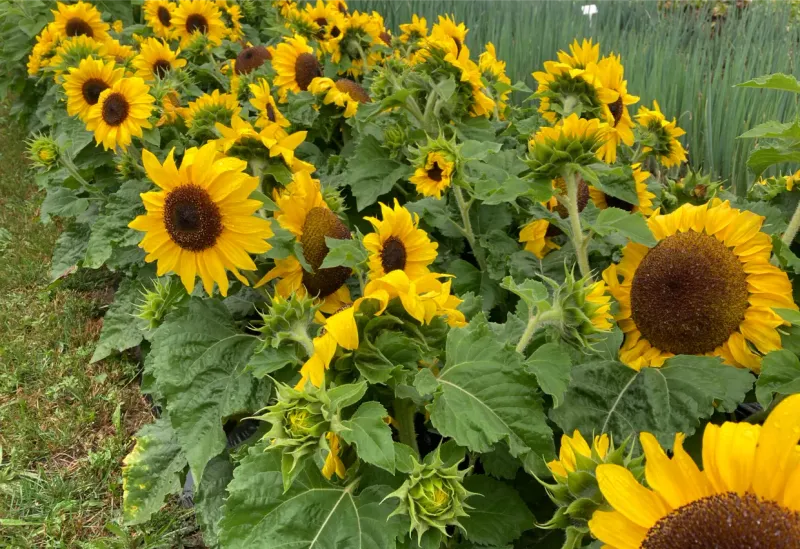
Bees absolutely love miniature dwarf sunflowers, and the feeling seems to be mutual. Even in the smallest containers on the tiniest patios, these flowers provide a generous supply of pollen and nectar that keeps bees, butterflies, and other beneficial insects coming back day after day.
Supporting pollinators does not require a large garden, just a few well-placed pots of the right flowers.
North Carolina is home to an impressive variety of native bees, including bumblebees, sweat bees, and mason bees, all of which are active throughout the growing season from spring through early fall.
Placing containers of dwarf sunflowers near vegetable gardens or other flowering plants creates a mini pollinator corridor that benefits everything growing nearby.
Gardeners in urban areas of Charlotte, Durham, and Asheville have found that even rooftop and balcony container gardens attract meaningful pollinator activity when dwarf sunflowers are part of the mix.
Beyond bees and butterflies, goldfinches and other seed-eating birds are drawn to the seed heads that form after blooms fade, adding another layer of wildlife interest to your garden.
Allowing a few spent flower heads to remain on the plant rather than removing them gives birds a natural snack station through late summer and into fall.
Growing dwarf sunflowers is genuinely one of the easiest ways to turn any North Carolina outdoor space into a buzzing, fluttering, living ecosystem that benefits both wildlife and the gardener enjoying it all.