What To Fertilize In Texas Gardens In April (And What To Skip)
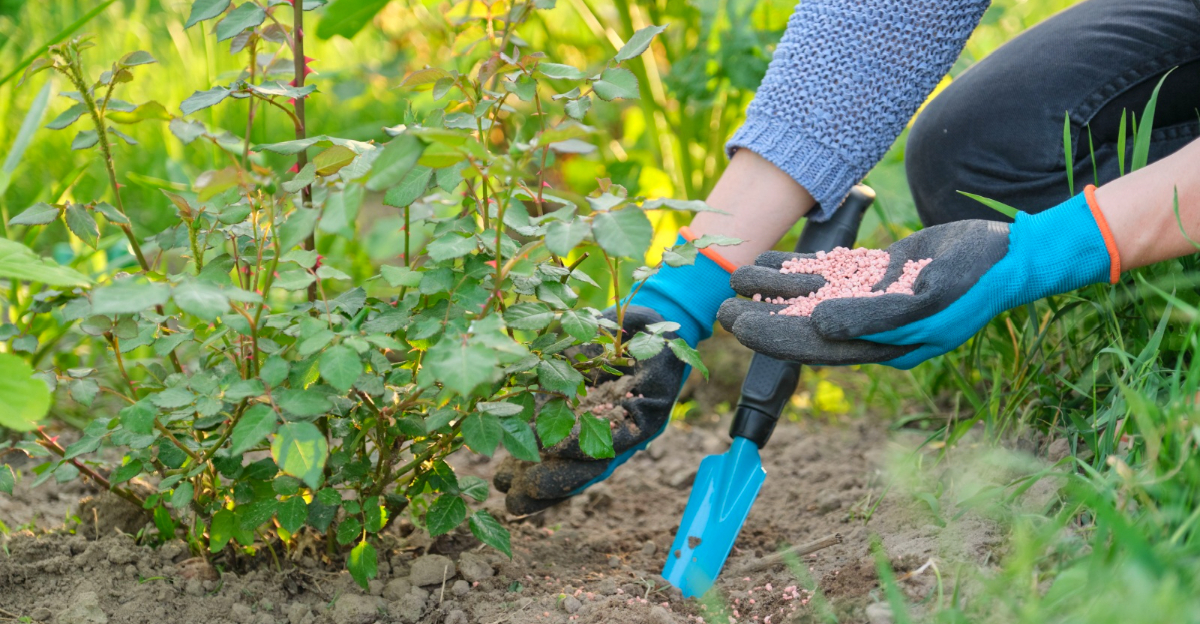
April in Texas feels like a race against the clock: the soil is waking up, blooms are bursting, and that legendary summer heat is already peering over the horizon.
It’s the ultimate “make or break” month for your garden.
Feeding your plants right now can be the secret to surviving a record-breaking July, but here is the catch – fertilize the wrong plant at the wrong time, and you might actually do more harm than good.
Knowing exactly what to boost and what to leave alone in April is the difference between a crispy yard and a thriving sanctuary.
1. Roses Benefit From Spring Feeding
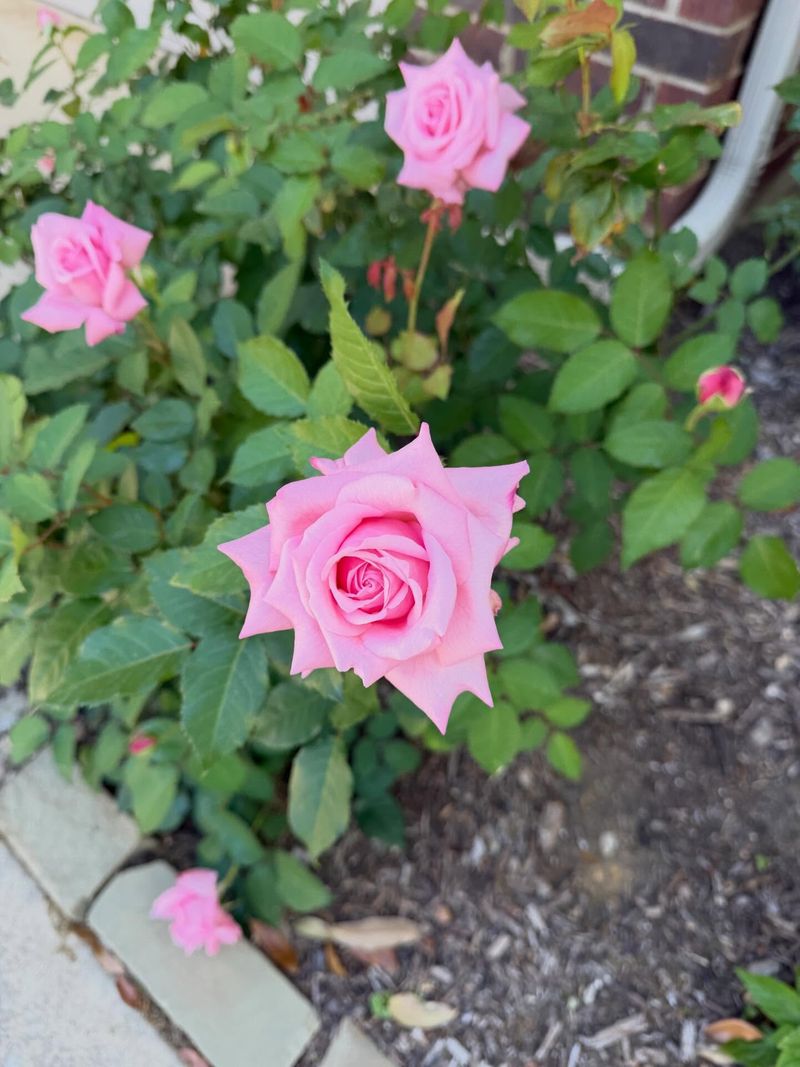
Warm April temperatures in Texas signal rose bushes to push out fresh canes and buds, making this one of the best times to give them a nutritional boost. As new growth becomes visible, applying a balanced, slow-release fertilizer helps support that energy surge.
Look for a product formulated specifically for roses, or use a general balanced formula such as a 10-10-10 blend applied according to label directions.
Scatter granules evenly around the drip line of each plant rather than directly against the canes, then water thoroughly to help nutrients move into the soil.
Roses in Texas can be heavy feeders during active growth periods, so keeping up with feeding every four to six weeks through spring and early summer makes a noticeable difference in bloom quantity and overall plant strength.
If your roses are showing pale yellowing leaves or producing fewer flowers than expected, that can be a signal that nutrients are running low.
Adding a light layer of compost around the base along with your fertilizer application also improves soil structure over time, which benefits root health throughout the growing season.
2. Citrus Trees Need A Nutrient Boost In Warm Areas
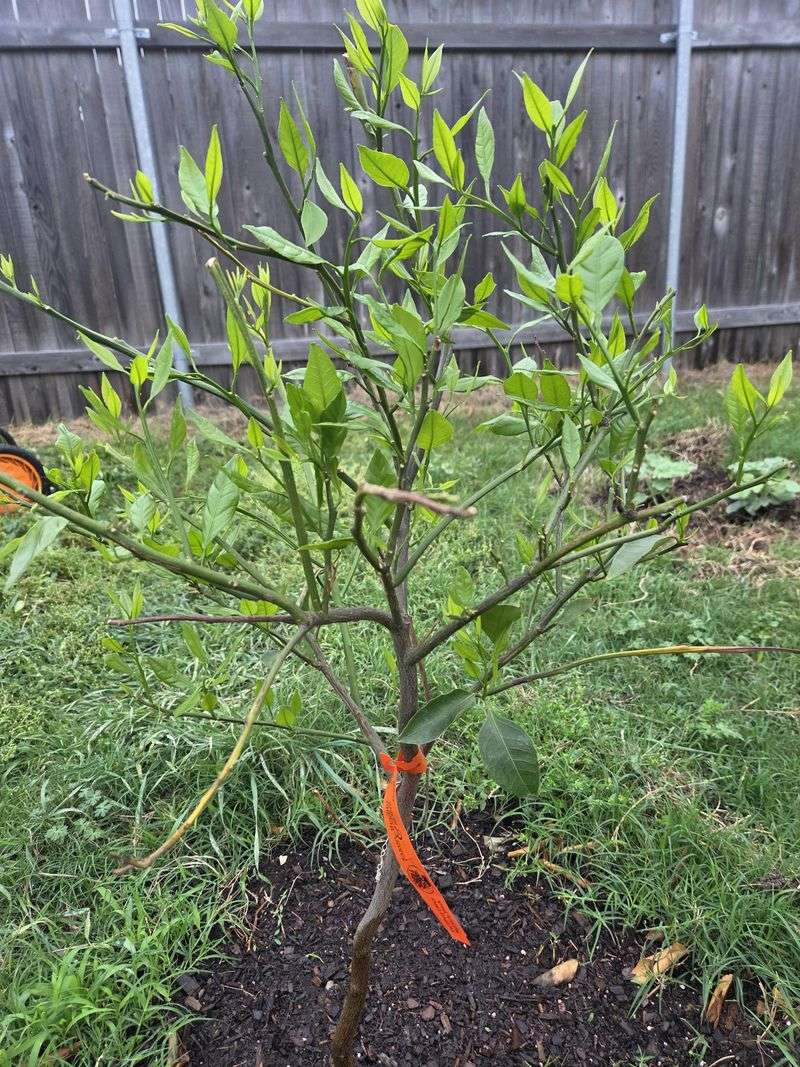
South and Central Texas gardeners growing citrus trees know that April marks the beginning of serious growth activity.
Citrus trees benefit from a fertilizer application in early spring as they come out of their slower winter period and start pushing new leaves and flowers.
Using a fertilizer specifically labeled for citrus and fruit trees is the most reliable approach because these products are formulated with the right nutrient ratios, including micronutrients like iron and zinc that citrus trees use heavily.
Apply the fertilizer according to package directions, spreading it evenly under the canopy out to the drip line and watering it in well.
In Texas, where alkaline soils are common in many regions, citrus trees frequently show signs of iron deficiency, which shows up as yellowing leaves with darker green veins.
If you notice this, a foliar spray or soil drench containing chelated iron can help correct the issue alongside your regular fertilizer routine.
Younger citrus trees need lighter applications than established ones, so adjusting the amount based on tree size is important.
Feeding citrus in April sets the foundation for fruit development that will continue through summer and into fall across much of Texas.
3. Warm Season Crops Need Early Support
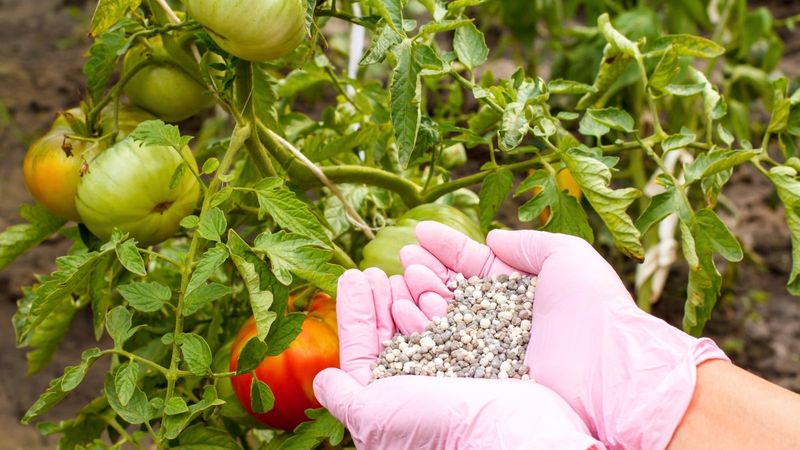
By April, many Texas gardeners have already planted warm-season vegetables like tomatoes, peppers, squash, and cucumbers, and those plants are hungry for nutrients as they settle into the soil and start growing in earnest.
Your Texas Garden Changes Every Week. Your Plan Should Too.
Gardening in Texas changes quickly throughout the season. Every Friday you’ll receive a simple weekly plan showing exactly what to plant, prune, fertilize, harvest, and protect so you never miss the right timing.
A balanced fertilizer applied at transplanting time gives young plants the early support they need to develop strong root systems before the Texas summer heat arrives.
For vegetable gardens, a balanced granular fertilizer worked lightly into the soil before planting or a diluted liquid fertilizer applied after transplanting works well.
Once plants begin flowering, switching to a fertilizer with slightly lower nitrogen and higher phosphorus and potassium levels encourages fruit production rather than excessive leafy growth.
Too much nitrogen on flowering plants can result in lush green foliage but disappointing fruit set.
Pay attention to how your plants look throughout the month. Yellowing lower leaves, slow growth, or pale coloring can indicate nutrient deficiencies.
Raised bed gardens and container vegetable gardens in Texas often need more frequent feeding because watering leaches nutrients from the soil faster than in ground-level beds.
Keeping a consistent, moderate fertilizing schedule rather than applying large amounts all at once leads to steadier, healthier plant development.
4. Flowering Annuals Bloom Better With Feeding
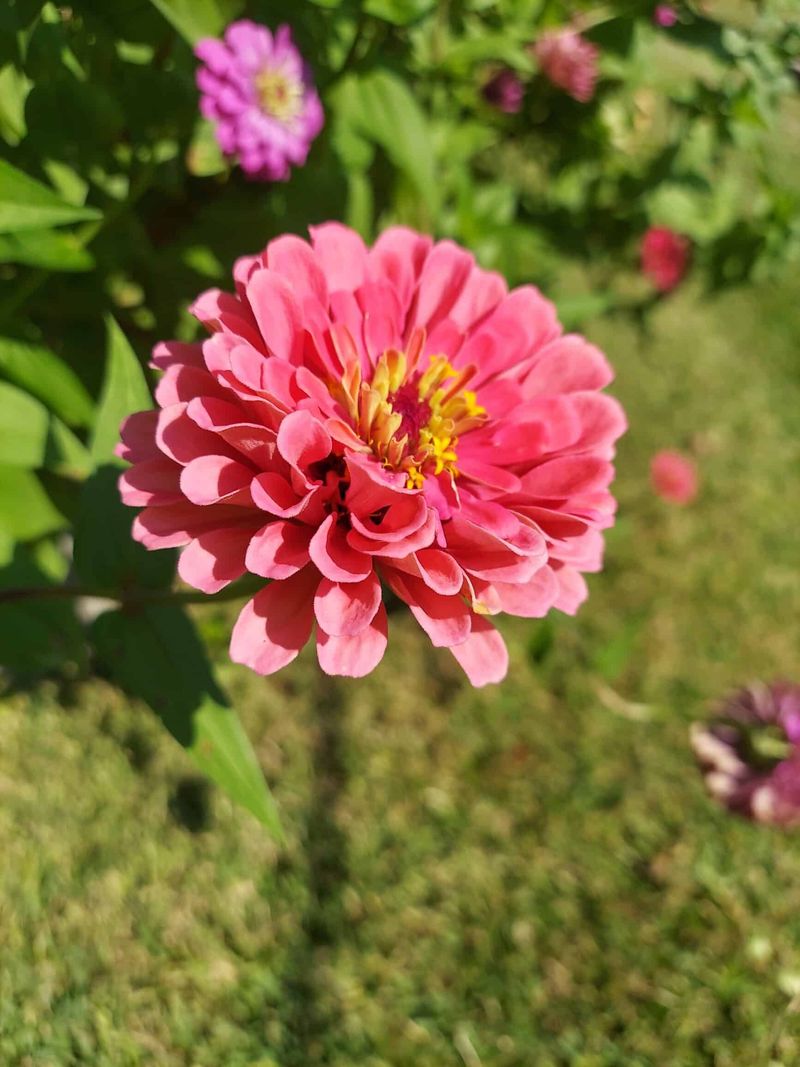
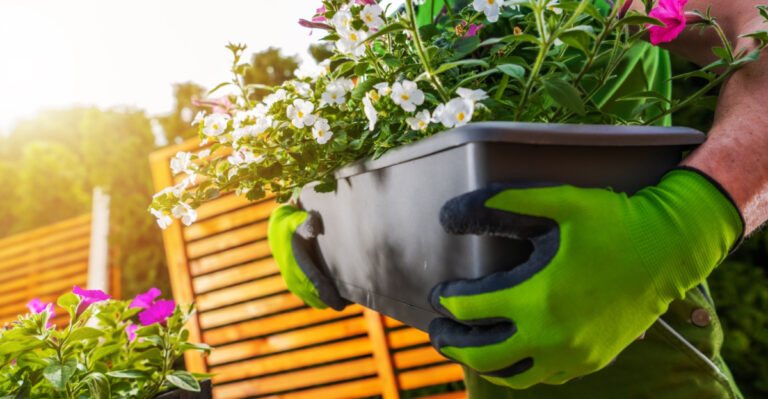
Spring annuals planted in Texas gardens in March and April have one goal: to produce as many flowers as possible before the summer heat peaks. Giving them a nutritional foundation early in the season helps them do exactly that.
A slow-release granular fertilizer mixed into the planting bed at the time of planting is one of the easiest ways to feed annuals consistently without requiring frequent reapplication.
For annuals already in the ground and actively growing, a balanced water-soluble fertilizer applied every two to three weeks keeps them performing at their best.
Petunias, zinnias, marigolds, and vinca are popular Texas choices that respond noticeably well to regular feeding.
Look for products with a moderate nitrogen level and decent phosphorus content, since phosphorus supports flower production specifically.
One practical tip Texas gardeners rely on is deadheading spent blooms alongside a regular feeding schedule. Removing old flowers encourages plants to keep producing new ones rather than putting energy into seed development.
Feeding without deadheading can sometimes result in plants that grow larger but bloom less.
Combining both practices through spring gives flowering annuals the best possible chance at putting on a long, colorful show before summer sets in across Texas.
5. Container Plants Need Regular Nutrients
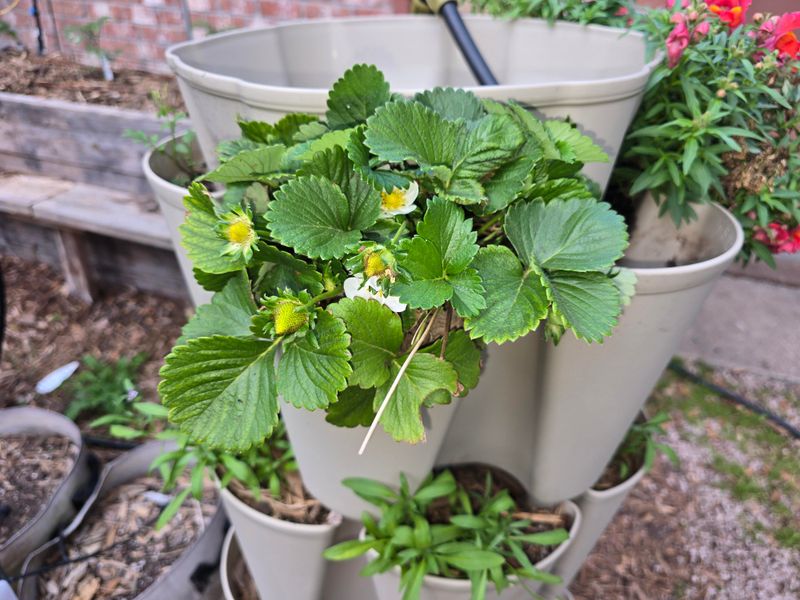
Plants growing in containers face a challenge that in-ground plants do not: every time you water, nutrients wash out through the drainage holes at the bottom of the pot.
By April in Texas, when temperatures are climbing and container plants are being watered more frequently, that nutrient loss adds up quickly.
Regular fertilizing is not optional for container gardens – it is simply part of keeping those plants alive and healthy through the season.
A slow-release granular fertilizer applied at the start of the season is a convenient starting point, but supplementing with a liquid fertilizer every two weeks gives container plants the more immediate nutrient access they often need during active growth.
Liquid seaweed fertilizers and fish emulsions are popular organic options that also help improve soil biology inside the container over time.
Watch for signs that container plants are running low on nutrients, including pale or yellowing leaves, slow growth, and reduced flowering.
Texas patios and balconies can get quite warm even in April, which speeds up both plant growth and nutrient depletion.
Repotting container plants that have been in the same soil for more than a year or two is also worth considering in spring, since old potting mix loses its structure and nutrient-holding capacity over time.
6. Fruit Trees Benefit From Early Feeding
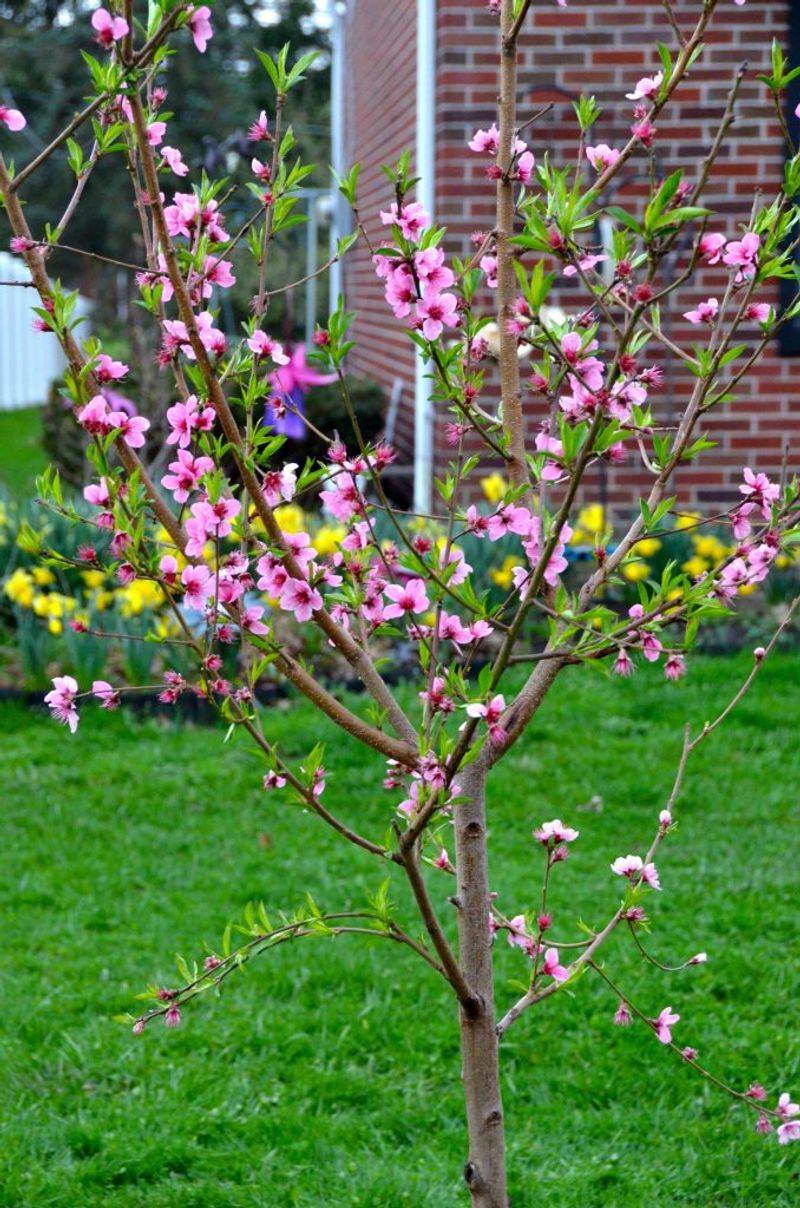
Peach, plum, fig, and pear trees are among the most popular fruit trees grown in Texas, and April is a productive month for getting them off to a strong start.
Many of these trees bloom in late winter or very early spring, meaning that by April they are already developing small fruits and pushing out new leafy growth.
Feeding them during this active phase helps support both fruit development and the overall structure of the tree.
A balanced fertilizer such as a 10-10-10 blend applied in early spring works well for most backyard fruit trees.
Scatter the granules evenly under the canopy from the trunk out to the drip line, avoiding direct contact with the bark, and water thoroughly after application.
Young trees in their first few years need lighter amounts than mature, established trees, so scaling the application to the size and age of the tree is a sensible approach.
Fruit trees in Texas can also benefit from a soil test before fertilizing, since some regions have naturally high phosphorus or potassium levels that make additional supplementation unnecessary.
Overfertilizing fruit trees, particularly with too much nitrogen, can lead to excessive leafy growth at the expense of fruit production, which is the opposite of what most Texas home orchardists are hoping for.
7. Perennials Respond Well To Light Fertilizer
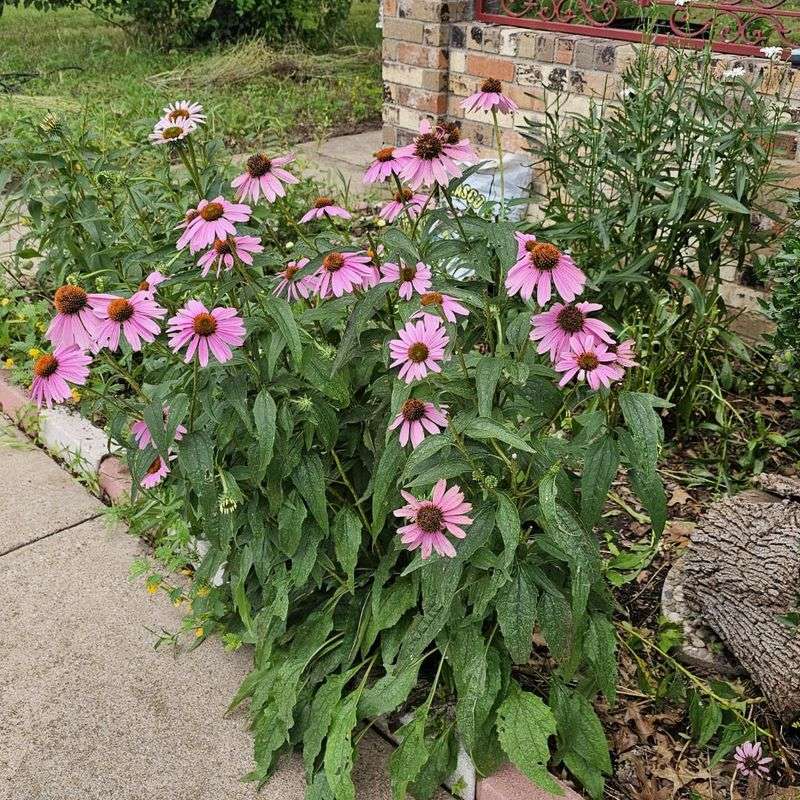
Perennials are some of the most rewarding plants in a Texas garden because they come back year after year, and April is when many of them are just beginning to show serious growth after winter dormancy.
A light fertilizer application in early spring can help them establish strong new growth and build toward their summer blooming period without overwhelming the root system with too many nutrients at once.
Slow-release granular formulas are a popular choice for perennials because they deliver nutrients gradually over several weeks, which matches the natural pace of plant growth better than a single heavy feeding.
Apply according to label instructions, working lightly around the base of each plant without disturbing surface roots.
Compost worked into the soil around perennials is another effective and gentle option that improves soil health alongside providing nutrients.
Texas gardeners growing heat-tolerant perennials like salvia, coneflower, black-eyed Susan, and lantana will notice that these plants generally do not need heavy feeding to thrive.
A single light application in April followed by a second one in early summer is often enough to keep them looking healthy through the season.
Overfertilizing perennials, especially with high nitrogen, can result in floppy, overly tall plants that flop over rather than standing upright and blooming well.
8. However, Newly Planted Trees And Shrubs Should Be Left Alone
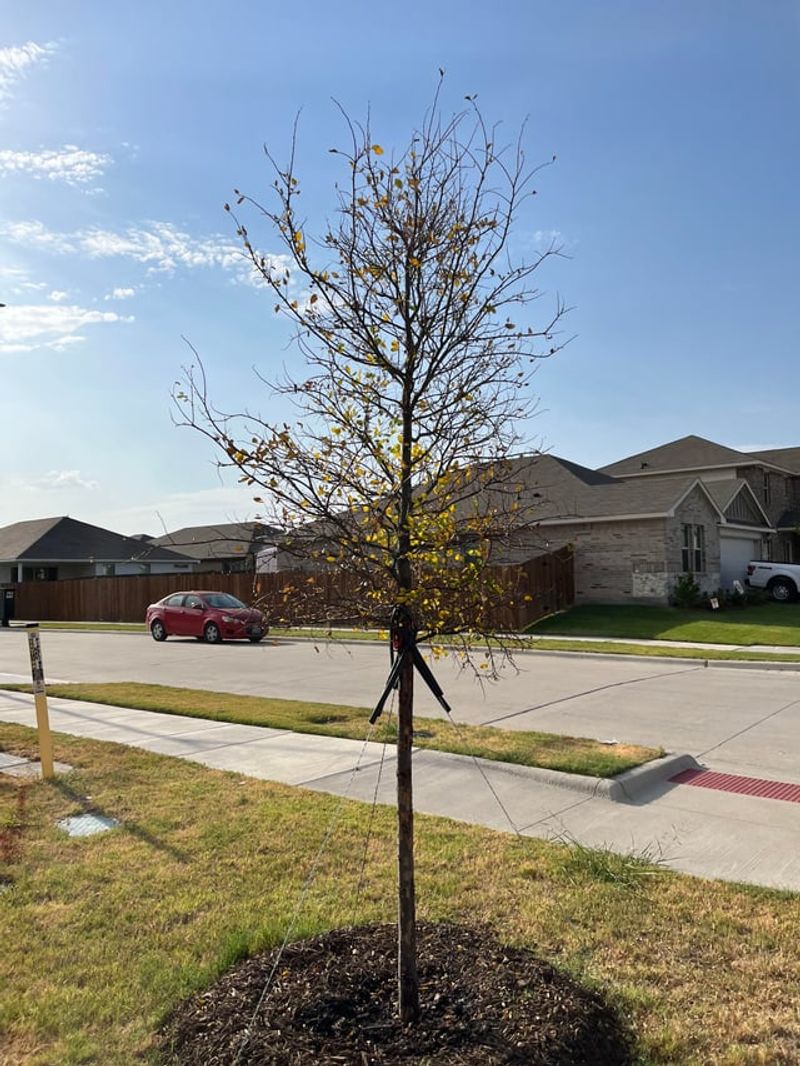
There is a common gardening instinct to fertilize new plants right after putting them in the ground, as if feeding them immediately will speed up their establishment. With newly planted trees and shrubs in Texas, that instinct can actually work against you.
During the first several weeks after planting, these plants are focused entirely on growing new roots into the surrounding soil, not on producing new top growth.
Applying fertilizer too soon after planting can push leafy growth before the root system is ready to support it, creating an imbalance that stresses the plant.
In Texas, where spring temperatures can shift quickly toward summer heat, a stressed newly planted tree or shrub may struggle far more than one that was left to establish on its own terms.
Water is far more important than fertilizer during this early establishment phase.
Most horticulture guidance suggests waiting until a newly planted tree or shrub has completed at least one full growing season before beginning a regular fertilizing schedule.
If you want to give new plantings a gentle boost, a light application of compost worked into the planting hole at the time of installation is a safer approach than adding concentrated fertilizer.
Patience during establishment leads to far stronger long-term results in Texas landscapes.
9. Native Drought Tolerant Plants Need Little To No Feeding
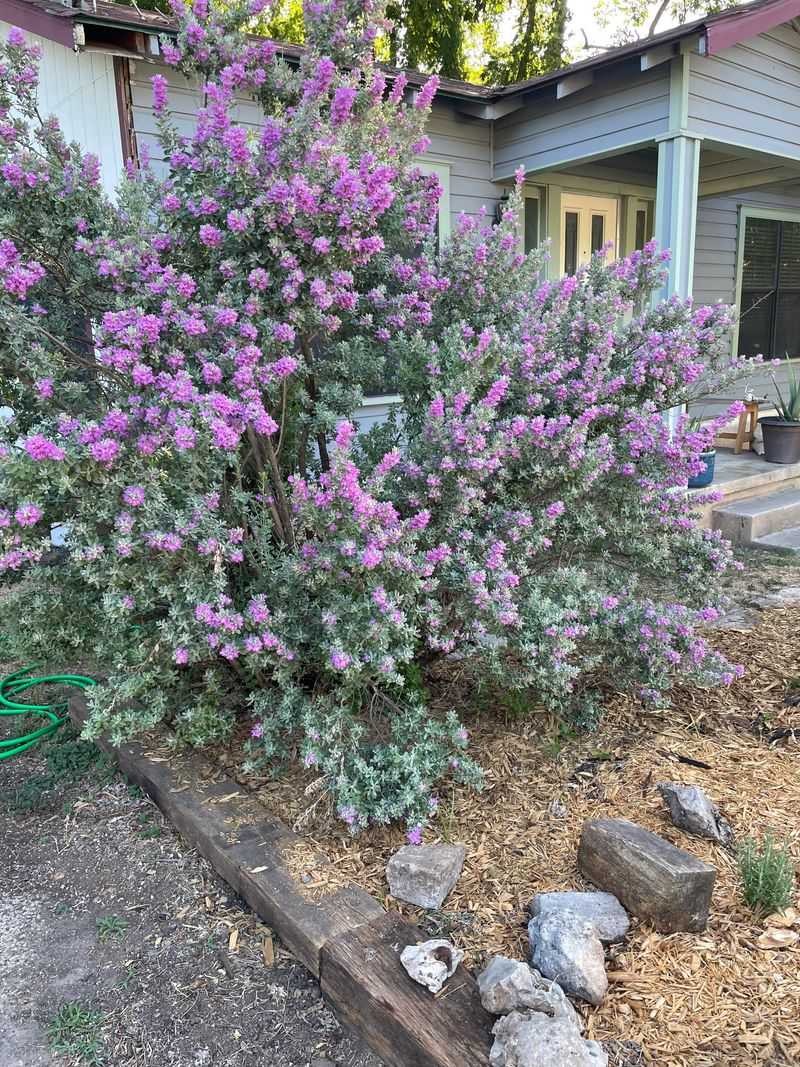
One of the great advantages of growing native Texas plants is that they evolved in local soils over thousands of years, which means they are already adapted to conditions that many non-native plants find challenging.
Native drought-tolerant plants like Texas sage, yucca, native grasses, and cenizo have modest nutrient requirements compared to hybrid garden plants, and adding fertilizer to their routine can sometimes do more harm than good.
Heavy fertilizer applications on native plants, especially those high in nitrogen, can trigger excessive soft growth that is more vulnerable to pest pressure and heat stress.
These plants are built for lean conditions, and pushing them with nutrients they do not need can disrupt their natural growth patterns.
In April, when Texas soils are becoming more active, native plants generally have everything they need from the existing soil ecosystem without additional feeding.
If a native plant is looking genuinely unhealthy – sparse, pale, or failing to grow at all – the issue is more likely related to drainage, soil compaction, or moisture levels than nutrient deficiency.
Addressing those underlying conditions will produce better results than fertilizing.
For most native Texas plants, the best approach in April is simply to water them appropriately and let them do what they naturally do well.
10. Spring Flowering Shrubs Should Be Fed After Bloom
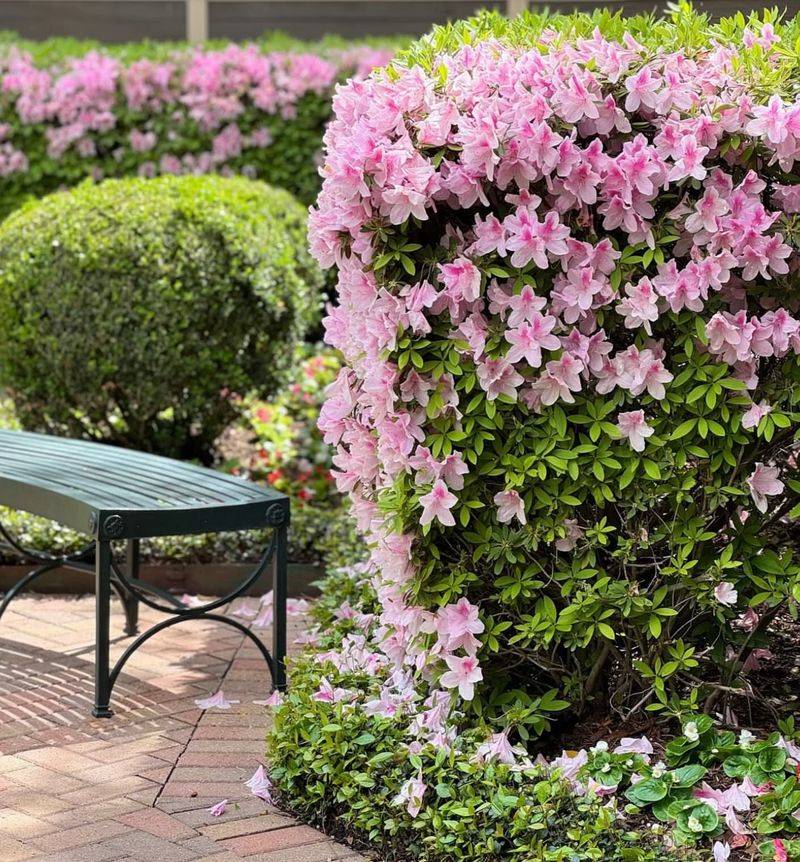
Timing is everything when it comes to fertilizing spring-blooming shrubs, and April is a month when getting that timing right makes a real difference.
Shrubs like azaleas, forsythia, and flowering quince bloom on growth they produced the previous season, which means their flower buds are already formed and opening during spring.
Fertilizing these plants while they are actively blooming does not enhance the current flower display and can actually redirect the plant’s energy away from blooming.
The right window for feeding spring-blooming shrubs is right after the flowers fade, not before or during bloom. Once the blooms drop and the shrub begins pushing out new leafy growth, that fresh growth is exactly what will carry next year’s flower buds.
Feeding at this post-bloom stage with a balanced fertilizer supports the development of strong new stems that will become the flowering wood for the following spring.
Azaleas in particular need an acidic fertilizer formulated specifically for acid-loving plants, since Texas soils in many regions tend toward alkalinity.
Using the wrong fertilizer type on azaleas can lock up nutrients even when they are present in the soil.
Waiting for the blooms to finish before feeding is a simple but genuinely impactful habit that experienced Texas gardeners follow every spring.
11. Stressed Plants Should Not Be Fertilized
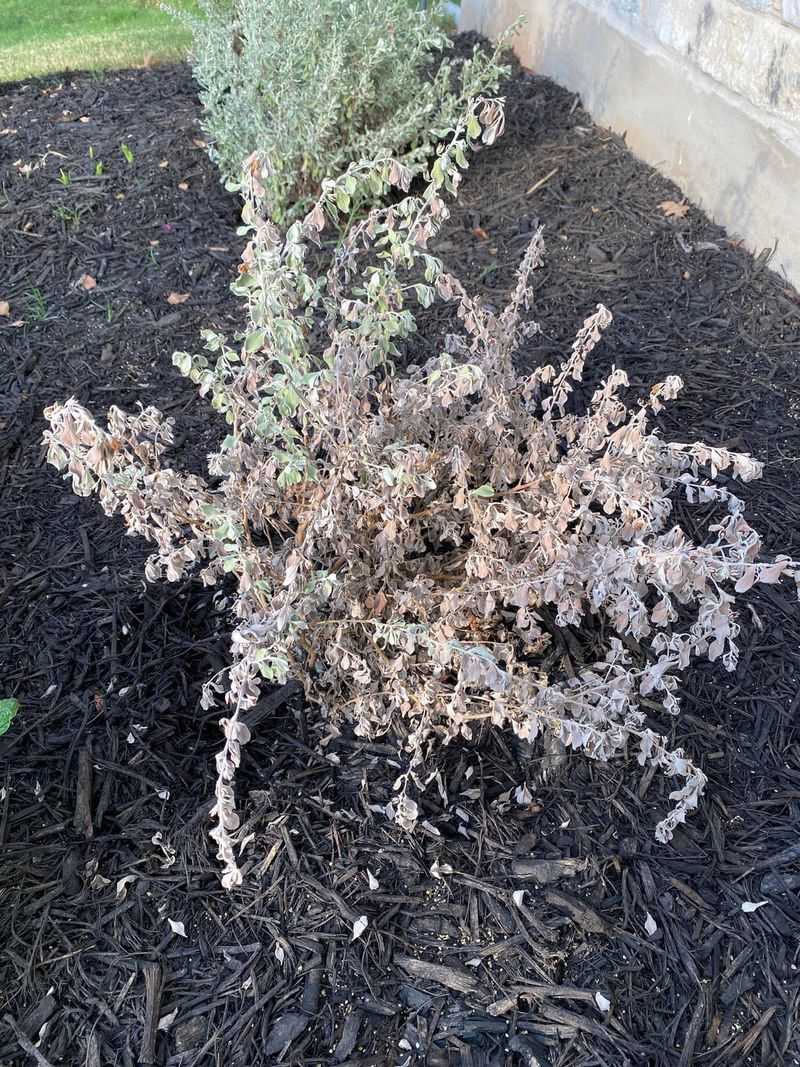
Reaching for a bag of fertilizer when a plant looks unhealthy is one of the most common mistakes home gardeners make, and in Texas, where spring conditions can swing between late cold snaps, strong winds, and early heat, plant stress is not unusual in April.
Fertilizing a stressed plant does not help it recover – it typically adds to the burden the plant is already trying to manage.
A plant that is wilting from drought stress, recovering from root damage, dealing with transplant shock, or showing signs of pest or disease pressure is not in a position to absorb and use fertilizer effectively.
The root system of a stressed plant is often compromised, meaning it cannot take up nutrients normally.
Adding fertilizer in this condition can lead to salt buildup in the soil, which makes water uptake even harder for the plant’s already struggling roots.
Before fertilizing any plant that looks off in April, spend time diagnosing the actual problem.
Check soil moisture levels, look for signs of insects or fungal issues, and assess whether the plant was recently moved or exposed to unusual conditions.
Addressing the root cause of the stress with appropriate watering, pest management, or physical support will do far more for recovery than any fertilizer application could at that point.