What North Carolina Hydrangeas Need In April For Their Best Bloom Season
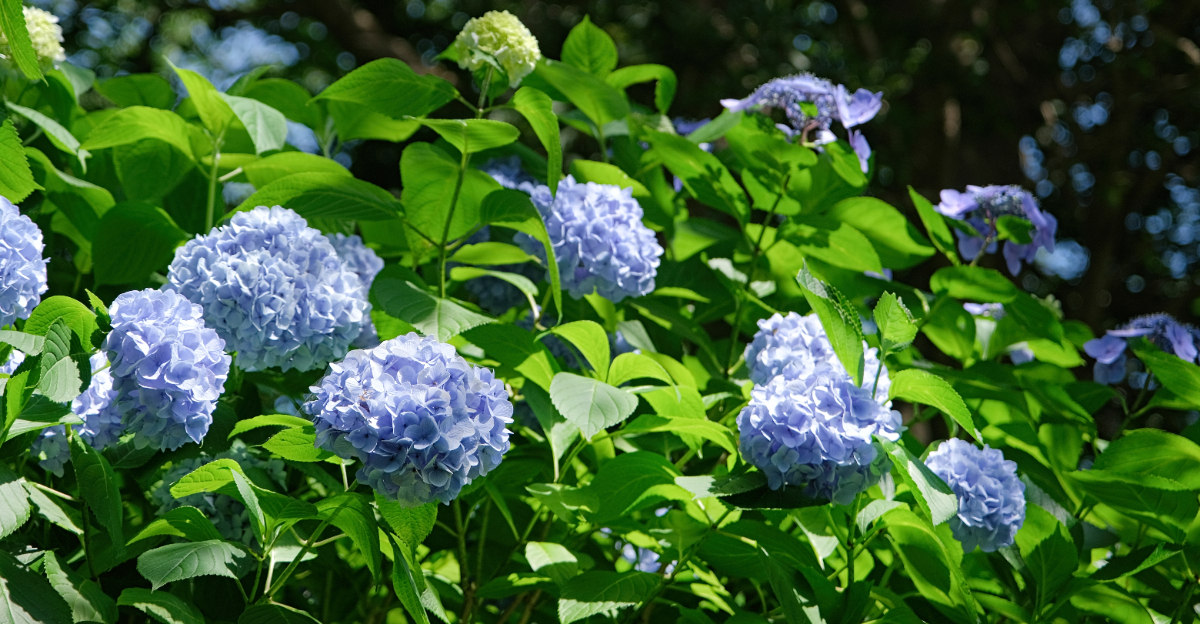
April is a turning point for hydrangeas in North Carolina, and what you do now can shape the entire bloom season ahead.
As temperatures rise and new growth begins, these shrubs start putting energy into forming buds that will become summer flowers. This early stage is when small steps can make a big impact.
From checking soil moisture to making sure plants get the right amount of light, each detail helps support strong, healthy growth.
North Carolina’s mix of warm days and cool nights creates a perfect window to give hydrangeas the care they need before the heat of summer arrives. Skipping this moment can lead to fewer blooms or weaker plants later on.
With a little attention in April, your hydrangeas can grow fuller, stronger, and ready to produce a beautiful display when the season peaks.
1. Correct Pruning Based On Type
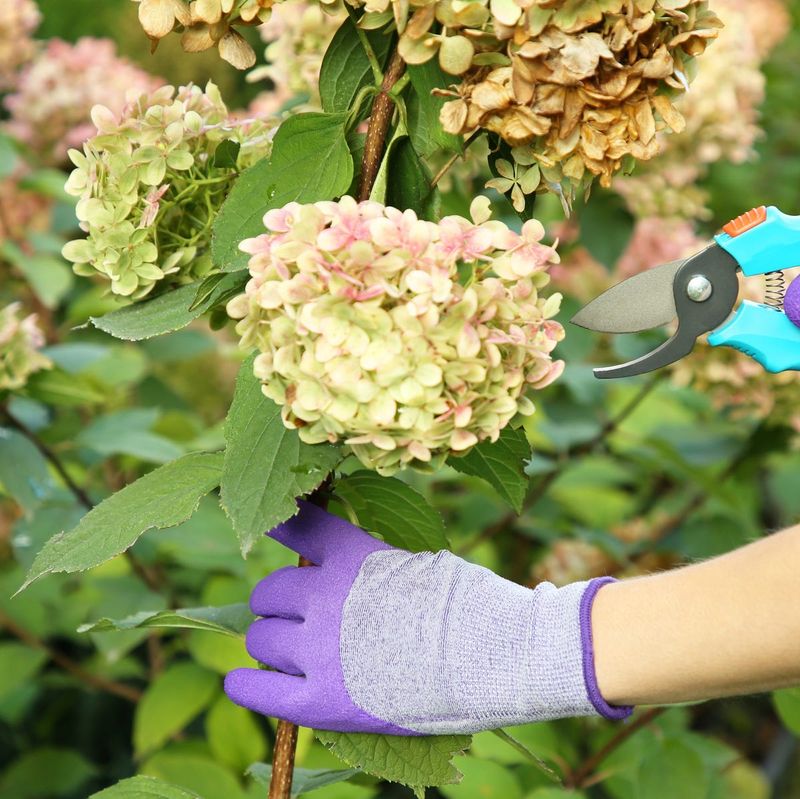
Not all hydrangeas play by the same rules, and pruning is where most North Carolina gardeners make their biggest mistake. Knowing your hydrangea type before you pick up those shears is absolutely essential.
Bigleaf hydrangeas (Hydrangea macrophylla) and oakleaf hydrangeas (Hydrangea quercifolia) bloom on old wood, meaning the flower buds formed last fall are sitting right there on those stems waiting for spring.
If you cut those stems back in April, you are removing the very buds that would have given you gorgeous summer blooms.
Smooth hydrangeas (Hydrangea arborescens) and panicle hydrangeas (Hydrangea paniculata), on the other hand, bloom on new wood grown this season, so early April pruning actually helps them push out stronger, more vigorous growth.
In North Carolina, many gardeners get excited about spring cleanup and accidentally prune their old-wood types at exactly the wrong time.
A quick tip: if you are unsure of your type, skip pruning entirely this April and just remove any clearly broken or crossing branches.
Watch how your plant behaves this season, and you will have a much clearer picture by next year.
The right pruning approach matched to your specific hydrangea type is truly one of the most powerful things you can do for a spectacular bloom season ahead.
2. Consistent Moisture Without Waterlogging
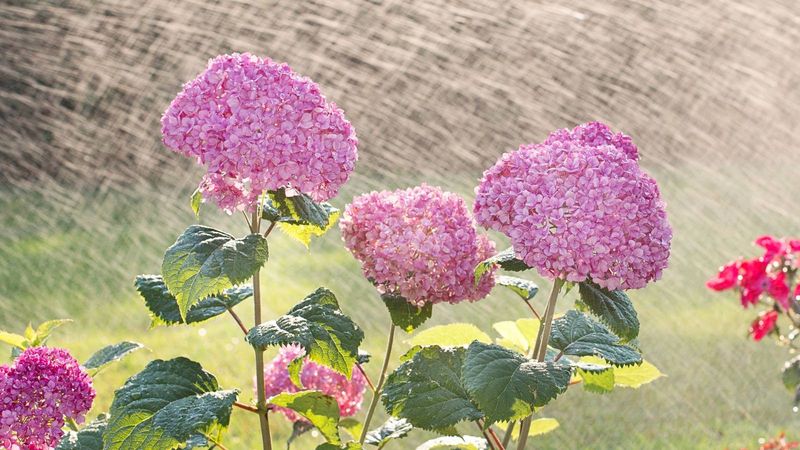
Hydrangeas are thirsty plants, and April is when they really start pushing energy into bud formation and fresh leaf growth.
Getting the watering balance right during this period can genuinely make or break your bloom season.
Too little water causes stress that slows bud development, while too much water sitting around the roots leads to oxygen-starved soil that plants simply cannot thrive in. North Carolina’s spring weather throws a real curveball here.
Piedmont gardeners often deal with heavy clay soils that hold onto water long after a rain, while those in the Coastal Plain region work with sandy soils that drain almost too quickly.
Checking your soil moisture before watering is a smart habit to build right now. Push a finger about two inches into the soil near the base of your plant, and water only when it feels dry at that depth.
Your North Carolina Garden Changes Every Week. Your Plan Should Too.
Gardening in North Carolina changes quickly throughout the season. Every Friday you’ll receive a simple weekly plan showing exactly what to plant, prune, fertilize, harvest, and protect so you never miss the right timing.
Aim to give your hydrangeas about one inch of water per week, factoring in any rainfall. Deep, slow watering is far better than shallow, frequent sprinkles because it encourages roots to grow downward and anchor themselves firmly.
A consistent watering schedule in April helps your North Carolina hydrangeas build strong root systems that support heavy, full blooms all summer long. Healthy moisture management right now pays off in a big way come June and July.
3. Apply Mulch To Protect Roots
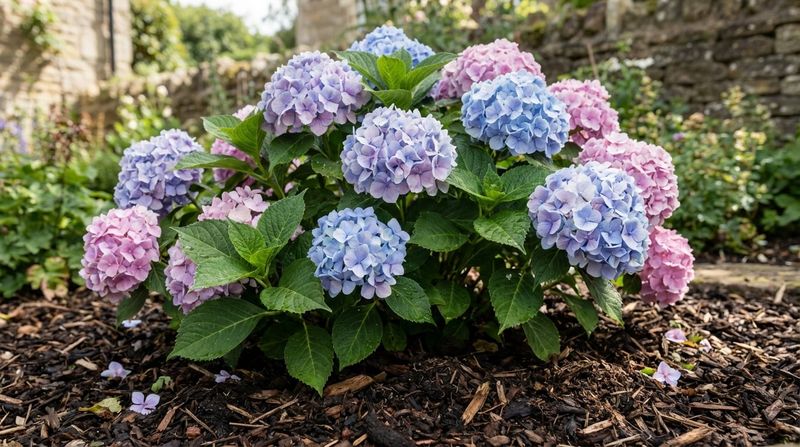
Pine straw is practically a North Carolina tradition, and hydrangeas absolutely love it.
Spreading a fresh two to three inch layer of pine bark or pine straw mulch around the base of your plants in April is one of the easiest and most rewarding things you can do this month.
It takes maybe fifteen minutes but pays dividends all season long. Hydrangeas have surprisingly shallow root systems that sit close to the soil surface, making them sensitive to both drying out and temperature swings.
Mulch acts like a cozy blanket that locks in soil moisture after watering or rain, keeping roots comfortable even as temperatures start climbing.
It also helps slow down weed growth, which means less competition for water and nutrients that your hydrangeas need.
North Carolina summers can get intensely hot, especially in the Piedmont and Coastal Plain regions.
Applying mulch now, before that summer heat really kicks in, gives your plants a head start on staying cool and hydrated.
Keep the mulch pulled back a few inches from the main stem to avoid trapping moisture right against the bark, which can invite unwanted fungal issues. A neat ring of mulch spreading outward from the plant base is the perfect setup.
Your hydrangeas will reward this small effort with stronger roots and bigger, more vibrant blooms when the season peaks.
4. Feed Lightly, Not Heavily
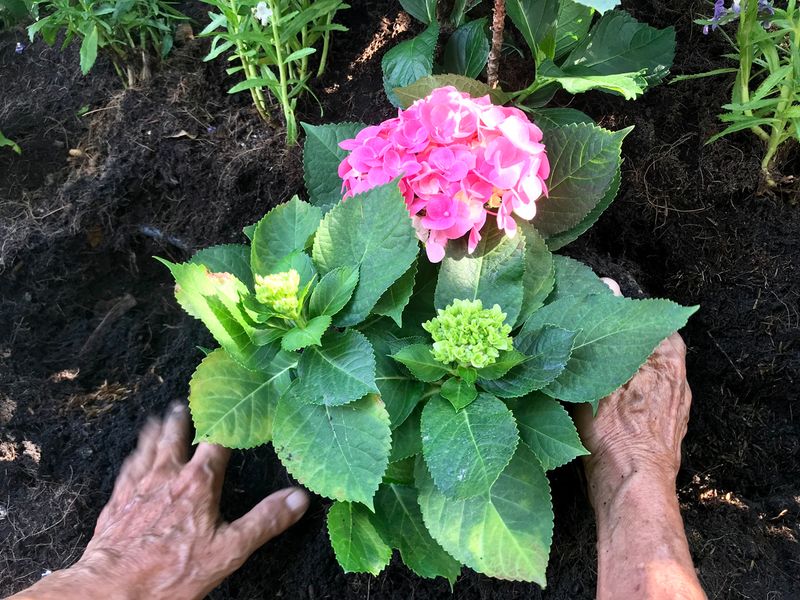
More fertilizer does not always mean more flowers, and with hydrangeas in North Carolina, this truth really hits home.
Overfeeding your plants, especially with a high-nitrogen fertilizer, pushes them to produce loads of leafy green growth while the blooms take a back seat.
April is the right time to feed, but the key word here is lightly. A balanced slow-release fertilizer, something like a 10-10-10 formula, applied once in early spring is usually all your hydrangeas need to get started on the right foot.
North Carolina soils, particularly in the Piedmont where organic matter tends to be decent, can already be fairly nutrient-rich after winter decomposition.
Adding too much fertilizer on top of that just pushes excessive vegetative growth that looks lush but blooms poorly.
Sprinkle the fertilizer evenly around the drip line of the plant, which is the outer edge of the leaf canopy, rather than piling it right against the stem. Water it in well after applying so the nutrients begin moving into the root zone.
If your hydrangeas looked healthy and bloomed well last year, you might only need a very light feeding or even none at all this April.
Letting the plant tell you what it needs, rather than following a heavy feeding schedule, produces far better blooming results across all regions of North Carolina.
5. Check Soil pH For Bloom Color Control
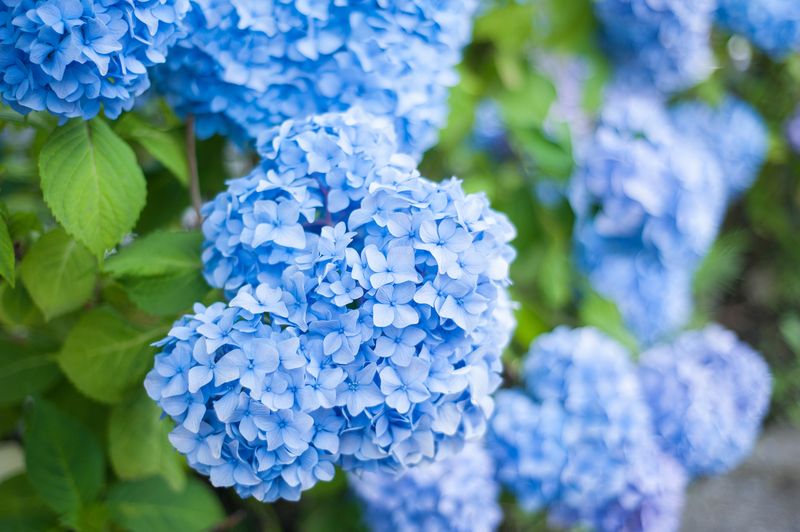
Did you know the color of your bigleaf hydrangea flowers is actually controlled by your soil?
It is one of the most fascinating quirks in all of gardening, and April is a smart time to test and adjust if you want to influence what color shows up this summer.
Acidic soils with a pH below 6.0 tend to produce striking blue flowers, while soils closer to neutral or slightly above produce warmer pink tones.
North Carolina soils are naturally on the acidic side in many areas, which is why blue hydrangeas are so common in mountain and Piedmont gardens.
However, soil pH can vary quite a bit depending on your specific location, past amendments, and even the type of water you use.
A simple soil test kit from a garden center gives you a clear reading in just a few minutes and takes all the guesswork out of the equation.
To shift blooms toward blue, add garden sulfur or aluminum sulfate to lower the pH. To push toward pink, add garden lime to raise it.
Make changes gradually and retest before adding more, since dramatic pH swings can stress your plants.
Keep in mind that white hydrangea varieties do not change color based on pH, so this tip applies specifically to bigleaf types.
Getting your soil pH dialed in this April sets up a truly colorful and satisfying display all season long.
6. Protect From Late Frost In The Mountains And Piedmont
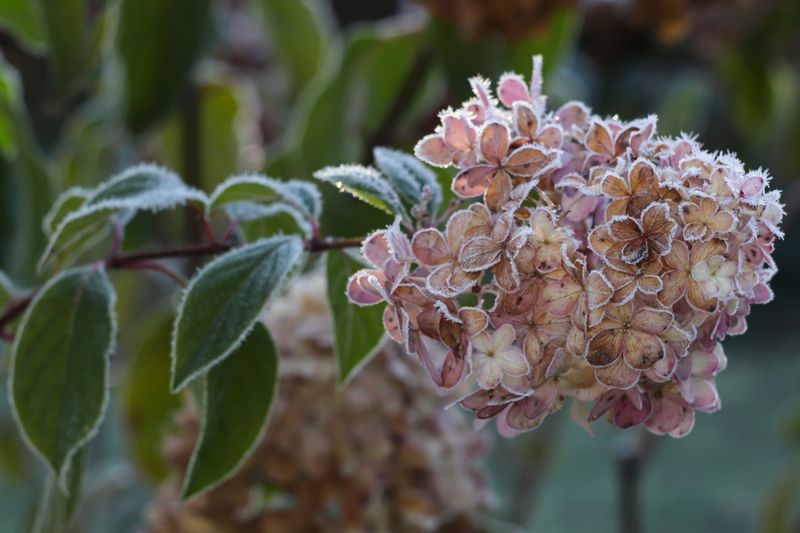
April in North Carolina can feel like full-on spring one day and then surprise you with a cold snap the very next morning.
This is especially true in the Mountain region and cooler parts of the Piedmont, where late frosts can sneak in well into the month.
For hydrangeas that bloom on old wood, those developing buds are incredibly vulnerable to frost damage, and losing them means no flowers until next year.
Keeping an eye on the local weather forecast throughout April is genuinely one of the most useful habits you can build as a North Carolina gardener.
When temperatures are expected to drop below 32 degrees Fahrenheit overnight, covering your hydrangeas with a frost cloth, old bedsheet, or burlap wrap before sundown gives the plant just enough protection to make it through safely.
Remove the covering in the morning once temperatures rise above freezing. Avoid using plastic sheeting directly on the plant since it traps cold rather than holding warmth.
A breathable fabric works much better and is gentler on the tender emerging growth.
Container-grown hydrangeas have the advantage here since you can simply move them into a garage or shed on frosty nights.
Taking these small protective steps in April can be the difference between a hydrangea covered in blooms and one that stays frustratingly bare all summer.
North Carolina gardeners in higher elevations especially should stay alert through late April.
7. Improve Drainage Where Needed
Soggy roots are a silent problem that can quietly undermine your hydrangeas all season without you realizing what went wrong.
North Carolina’s Piedmont region is particularly known for its heavy clay soils, which compact easily and hold water long after a rainstorm passes.
While hydrangeas love consistent moisture, they absolutely cannot tolerate sitting in waterlogged soil for extended periods.
If you notice puddles lingering near your hydrangea beds for more than a day after rain, that is a clear signal that drainage needs attention.
Mixing compost or coarse pine bark into the existing soil is one of the most effective ways to open up clay and improve its structure.
For severely compacted spots, planting your hydrangea slightly elevated in a raised mound, just a few inches above the surrounding soil level, allows excess water to flow away from the root zone naturally.
Raised garden beds are another excellent solution for North Carolina gardeners dealing with persistent drainage problems.
Filling a bed with a blend of quality topsoil, compost, and pine bark creates the ideal loose, well-draining environment that hydrangeas truly thrive in.
Good drainage does not mean dry conditions. It means water moves through the soil at a healthy pace, keeping roots moist but never suffocated.
Fixing drainage issues this April before the heavy spring rains really get going gives your hydrangeas the breathing room they need to build strong, healthy roots and bloom confidently all season.
8. Ensure Proper Sun Exposure
Sunlight is one of those factors that gardeners sometimes overlook once a plant is already in the ground, but it makes an enormous difference in how well hydrangeas bloom.
Most hydrangea varieties grown in North Carolina perform their absolute best with morning sun and afternoon shade.
That combination gives them the light energy they need for strong growth while shielding them from the intense heat that builds up during late afternoon hours.
Too much shade is a common problem, especially in older, established gardens where trees have grown significantly over the years.
A hydrangea that once thrived in a sunny spot might now be sitting in deep shade, producing plenty of green leaves but very few flowers.
On the flip side, full afternoon sun in North Carolina, especially from June onward, can stress plants and cause wilting even when soil moisture is adequate.
April is a great time to step back and honestly evaluate the sun exposure your hydrangeas are actually receiving.
Walk through your garden at different times of day and observe where light falls and where shade creeps in.
If a plant is clearly getting too much afternoon sun, adding a shade structure or transplanting it to a better-suited spot before summer arrives is a smart move.
Getting sun exposure right this April gives your North Carolina hydrangeas the ideal growing conditions for producing full, lush, jaw-dropping blooms all season long.