Best Herbs To Plant In Western North Carolina
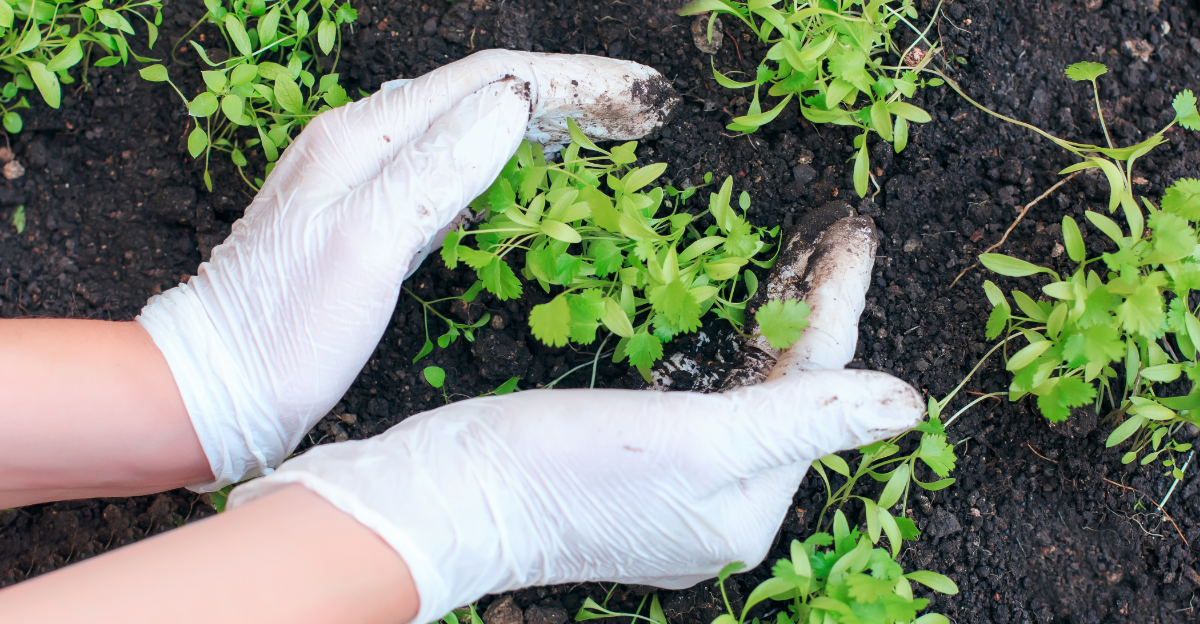
There is something genuinely nice about stepping outside and cutting fresh herbs right before dinner. No extra errand, no plastic clamshell from the store, just a quick trip to the porch, patio, or garden bed for something that smells good and tastes even better.
In Western North Carolina, spring is a wonderful time to get that started while the season still feels soft and manageable.
The mountains and foothills offer strong growing potential, but they also come with their own quirks. Cool nights, changing temperatures, and damp spells can make one herb thrive while another struggles to get established.
That is why the best picks are not just flavorful. They also need to handle the local rhythm of spring.
Plenty of favorite herbs grow beautifully here and keep producing through the season. Some fit neatly into containers near the kitchen door, while others settle happily into garden beds and become part of the routine before long.
1. Basil For Fresh Summer Flavor
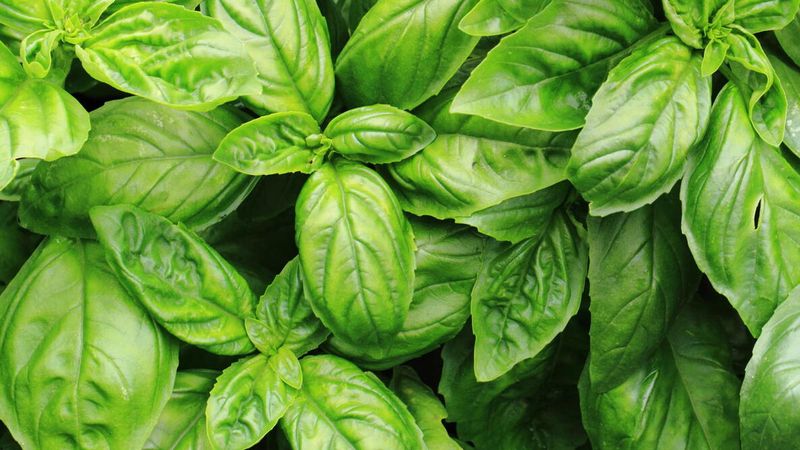
Few herbs bring as much excitement to a summer garden as basil. With its bold, sweet aroma and gorgeous bright green leaves, basil is practically a superstar in the herb world.
In Western North Carolina, basil thrives during the warm months, making it one of the most popular choices for home gardeners throughout the region.
Basil is a warm-season annual, which means it loves heat and sunshine. You should wait until after the last frost before planting it outdoors, which may be around mid-April in lower parts of Western North Carolina but later in cooler mountain areas.
Choose a spot that gets at least six hours of direct sunlight each day, and make sure your soil drains well so the roots do not sit in standing water.
One of the best things about growing basil is how quickly it rewards you. Within just a few weeks of planting, you can start harvesting leaves for homemade pesto, pasta sauces, salads, and even fresh lemonade.
Regular harvesting is actually good for the plant because it encourages bushier, fuller growth and slows down flowering. Once basil starts to flower, the leaves can lose some of their signature sweetness.
If you live in a higher elevation area of Western North Carolina where temperatures can drop quickly, consider growing basil in containers that you can bring indoors on cooler nights. Varieties like Genovese, Sweet Basil, and Thai Basil all perform beautifully in this region.
Adding compost to your soil before planting gives basil a strong, healthy start. With just a little attention and care, basil will become one of the most productive and satisfying herbs in your entire garden all summer long.
2. Cilantro For Quick Cool-Season Picks
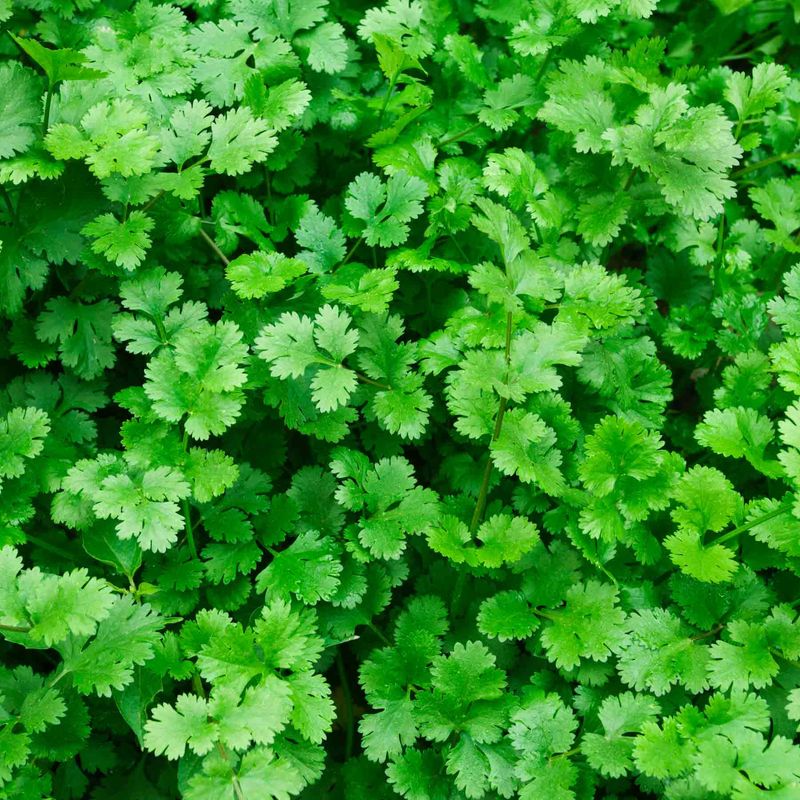
Love it or strongly dislike it, cilantro is one of the most talked-about herbs in any garden. Interestingly, some people are genetically wired to taste a soapy flavor in cilantro, while others find it bright, citrusy, and absolutely delicious.
If you fall into the fan category, you will be happy to know that Western North Carolina offers a great environment for growing this versatile herb.
Your North Carolina Garden Changes Every Week. Your Plan Should Too.
Gardening in North Carolina changes quickly throughout the season. Every Friday you’ll receive a simple weekly plan showing exactly what to plant, prune, fertilize, harvest, and protect so you never miss the right timing.
Cilantro actually prefers cooler temperatures, which makes it a fantastic choice for early spring and fall planting in Western North Carolina. It can bolt, meaning it goes to seed quickly, during the hottest weeks of summer.
To enjoy a steady supply, try planting new seeds every two to three weeks throughout the spring season. This technique, called succession planting, keeps fresh cilantro available for longer without gaps.
Plant cilantro in a spot with partial to full sun and well-drained, fertile soil. The mountain regions of Western North Carolina tend to stay cooler longer in spring, which is actually a bonus for growing cilantro.
Water regularly but avoid overwatering, since soggy soil can cause root problems that weaken the plant over time.
Cilantro is used heavily in Mexican, Indian, and Southeast Asian cooking, making it a must-have for anyone who loves bold, global flavors. Beyond the leaves, the seeds, known as coriander, are also edible and have their own warm, nutty flavor.
Harvesting the leaves frequently keeps the plant productive and delays the bolting process. If you let some plants go to seed, you can collect coriander seeds for cooking or save them to plant again next season, giving you a never-ending supply of this flavorful herb.
3. Dill For Feathery Flavor And Charm
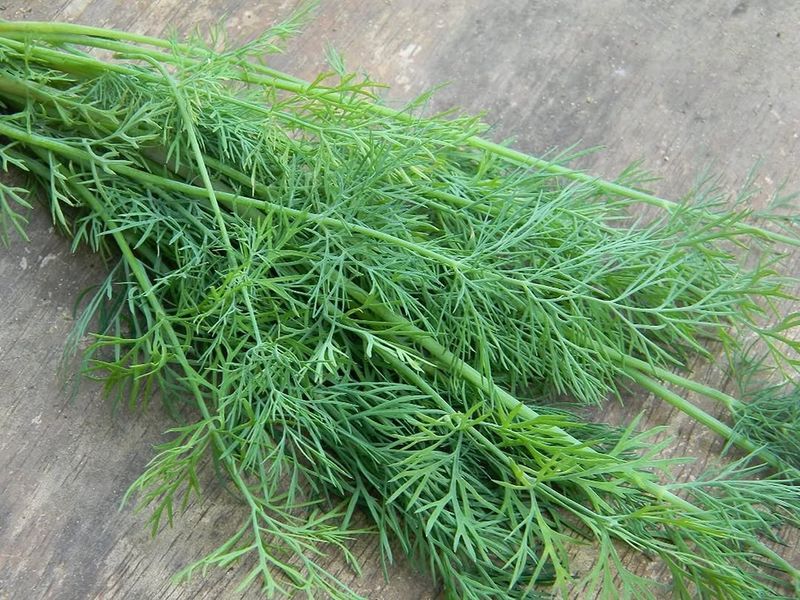
Its tall, wispy fronds and cheerful yellow flower clusters make it one of the most visually striking herbs you can grow in a Western North Carolina garden. Beyond its looks, dill delivers a fresh, slightly tangy flavor that is absolutely essential in homemade pickles, potato salads, and creamy sauces.
Growing dill in Western North Carolina is surprisingly straightforward. It prefers full sun and well-drained soil, and it actually does quite well when planted directly from seed in early spring.
Dill does not love being transplanted because it develops a long taproot, so it is best to sow seeds right where you want the plants to grow. Thin the seedlings to about twelve inches apart so each plant has enough room to reach its full height.
One fun fact about dill is that it is a magnet for beneficial insects. Butterflies, ladybugs, and parasitic wasps are all drawn to dill flowers, making it a wonderful companion plant for vegetable gardens.
If you grow tomatoes, cucumbers, or squash nearby, having dill in the mix can actually help protect those plants naturally.
In Western North Carolina, dill can be planted in both spring and early fall for two harvesting seasons per year. The cooler mountain temperatures in the region actually slow down the bolting process, giving you more time to enjoy the flavorful leaves before the plant goes to seed.
Harvest dill fronds in the morning when their essential oils are at their peak for the best flavor. Both the leaves and seeds are useful in the kitchen, making dill one of the most versatile herbs you can add to your garden this year.
4. Fennel For Fragrant Fronds And Seeds
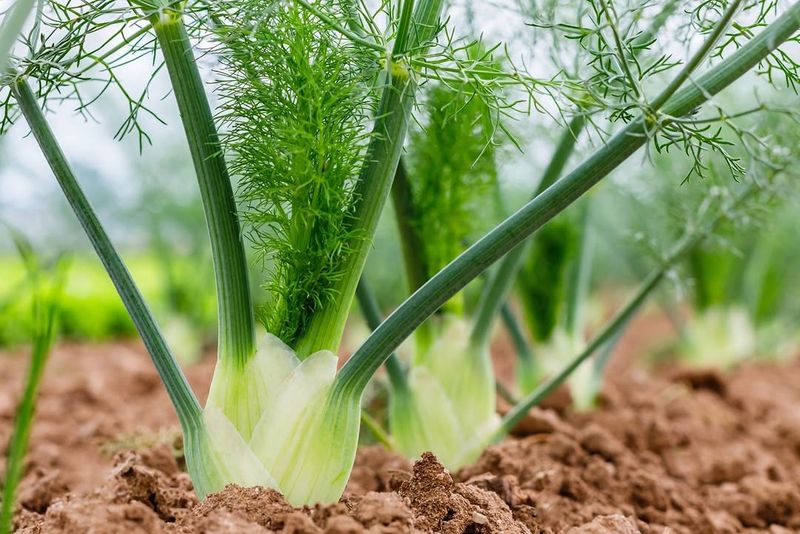
Fennel is the herb that surprises people most often. Its tall, graceful stalks, feathery fronds, and sweet, licorice-like aroma make it stand out in any garden.
Many home gardeners in Western North Carolina overlook fennel, but those who grow it quickly become devoted fans because almost every part of the plant, from the bulb to the seeds, is useful in the kitchen.
In Western North Carolina, fennel grows best in full sun with well-drained soil. Like dill, fennel prefers to be direct-sown rather than transplanted, so plant seeds directly in the garden in early spring after the last frost.
Space plants about twelve inches apart and water consistently, especially during dry spells. Fennel is fairly drought-tolerant once established, which is a nice bonus during hot summer stretches in the region.
One important planting tip is to give fennel its own space, since it is often grown separately from nearby vegetables and herbs. Fennel is commonly kept separate in the garden, but specific effects on nearby plants can vary and are not as predictable as this suggests.
Giving fennel its own dedicated corner of the garden keeps everyone happy and thriving.
The flavor of fennel is bold and aromatic, with that signature hint of anise. The feathery fronds can be used fresh in salads and as a garnish, while the seeds are wonderful in sausage seasoning, bread, and roasted vegetables.
If you grow the bulbing variety, the entire base can be roasted, braised, or eaten raw in slaws. Western North Carolina’s long growing season gives fennel plenty of time to develop fully before the first fall frost arrives.
Adding fennel to your herb garden introduces a truly unique flavor profile that elevates everyday home cooking to something special.
5. Parsley For Everyday Garden Use
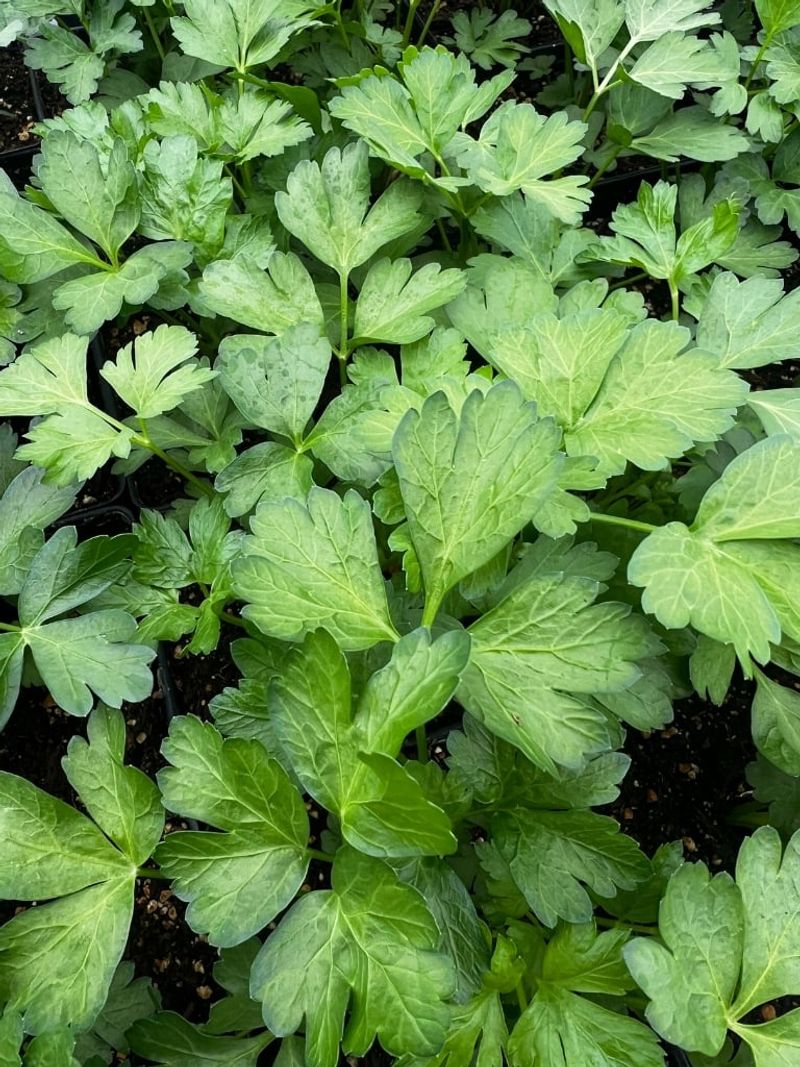
Few herbs are as dependable and hardworking in the garden as parsley. It may not get as much attention as basil or cilantro, but experienced gardeners in Western North Carolina know that parsley is one of the most useful herbs you can grow.
It adds fresh, clean flavor to soups, sauces, roasted meats, and grain salads, and it looks beautiful as a garnish too.
Technically a biennial, parsley is most commonly grown as an annual in Western North Carolina. It prefers partial shade and rich, moist, well-drained soil.
Parsley seeds can be slow to germinate, sometimes taking two to three weeks, so patience is key when starting from seed. Soaking seeds in warm water overnight before planting can speed up the germination process.
You can also purchase transplants from a local nursery if you want a head start on the season.
Flat-leaf parsley, also called Italian parsley, tends to have stronger flavor than the curly variety, making it the top choice for cooking. Curly parsley, on the other hand, is excellent as a garnish and holds up beautifully as a decorative border plant in raised garden beds.
Both types grow well in the Western North Carolina climate, especially in areas with partial shade during the hottest afternoon hours.
Parsley is also packed with vitamins C and K, making it a genuinely nutritious addition to your meals. Regular harvesting from the outer stems keeps the plant producing new growth throughout the season.
In Western North Carolina, parsley often survives mild winters and comes back strong in early spring, giving you a productive plant that stretches across two growing seasons with very little extra effort on your part.
6. Oregano For Bold Kitchen Flavor
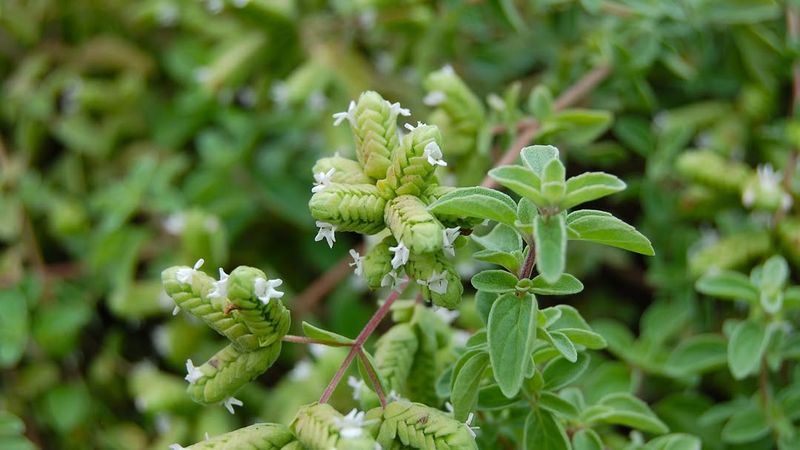
Walk past an oregano plant on a warm afternoon in Western North Carolina and the rich, savory scent will stop you in your tracks. Oregano is one of those herbs that seems to get better the longer you grow it.
As a hardy perennial, it comes back year after year with minimal fuss, making it one of the most low-maintenance and rewarding herbs you can plant in the region.
Oregano thrives in full sun and well-drained soil, and it actually prefers soil that is not overly rich or fertilized. Too much nitrogen in the soil can cause the plant to produce lots of leafy growth but reduce its aromatic oils, which are what give oregano its bold flavor.
In Western North Carolina, the well-draining mountain soils and sunny hillsides create near-perfect growing conditions for this Mediterranean herb.
Plant oregano in early spring after the last frost date, which is typically around mid-April in the lower elevations of Western North Carolina and slightly later at higher elevations. Space plants about twelve inches apart and water regularly until established.
Once oregano has settled in, it becomes quite drought-tolerant and needs very little extra attention.
Greek oregano is widely considered the most flavorful variety for cooking, while Italian oregano has a slightly milder taste that works well in everyday recipes. Both varieties perform beautifully in Western North Carolina gardens.
Oregano is a key ingredient in pizza sauces, pasta dishes, marinades, and grilled meats. Harvest stems before the plant flowers for the most intense flavor, and dry extra cuttings by hanging them upside down in a warm, airy space.
Dried oregano from your own garden tastes far better than anything you will find in a grocery store spice aisle.
7. Thyme For Low-Fuss Fragrant Growth
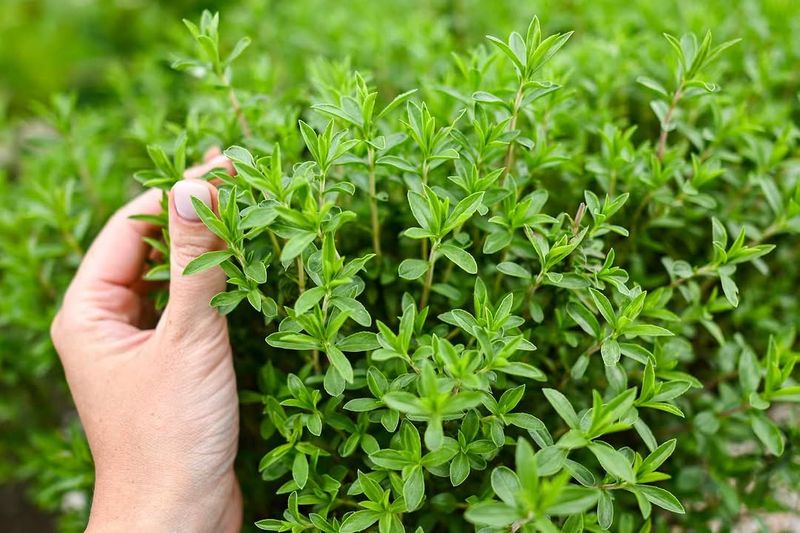
Few herbs earn their keep as quietly and reliably as thyme. It does not grow tall, it does not demand a lot of attention, and it rarely causes problems.
What it does do is produce an incredible depth of earthy, slightly minty flavor that makes it one of the most essential herbs in any kitchen. In Western North Carolina, thyme is a natural fit thanks to its love of sunny spots and well-drained soil.
As a drought-tolerant perennial, thyme comes back reliably each year in Western North Carolina gardens. Plant it in early spring after the last frost in a location that receives at least six hours of direct sunlight daily.
Thyme actually struggles in overly wet soil, so raised beds or rocky garden borders with excellent drainage are ideal. The rocky, mineral-rich soils found in many parts of Western North Carolina mimic the herb’s native Mediterranean habitat almost perfectly.
There are many wonderful thyme varieties to explore. Common thyme is the most popular for cooking, but lemon thyme adds a bright citrus note that works beautifully in chicken dishes and desserts.
Creeping thyme makes a gorgeous ground cover between garden stepping stones and produces tiny purple flowers that attract pollinators throughout the summer months.
Harvest thyme regularly by snipping stems just above a set of leaves to encourage bushy, compact growth. The flavor is strongest right before the plant flowers, so try to harvest during that window for the best culinary results.
Thyme pairs wonderfully with roasted vegetables, soups, stews, and grilled meats. Growing thyme in Western North Carolina means you get a beautiful, fragrant, edible plant that works hard in the kitchen and practically takes care of itself in the garden all season long.