9 Fast-Growing Crops That Thrive In Raised Beds In Georgia
Raised beds can make anyone feel like they have their life together. Fresh soil, neat edges, that nice little sense of order.
Then the real fun starts, because in Georgia, plenty of crops waste no time settling in and taking off.
That is a big reason raised bed gardening feels so rewarding here. Warm conditions help many edible plants grow quickly, and faster crops make the space look productive sooner.
For beginners especially, that quick progress can turn curiosity into a full-blown habit.
Not everything grows at the same pace, of course. Some crops take their sweet time, while others seem ready to prove themselves almost immediately.
The standouts for Georgia raised beds do more than fill space. They bring steady energy to the garden, keep harvest season from feeling far away, and make that first walk outside each morning a lot more exciting.
1. Radishes For A Fast First Harvest
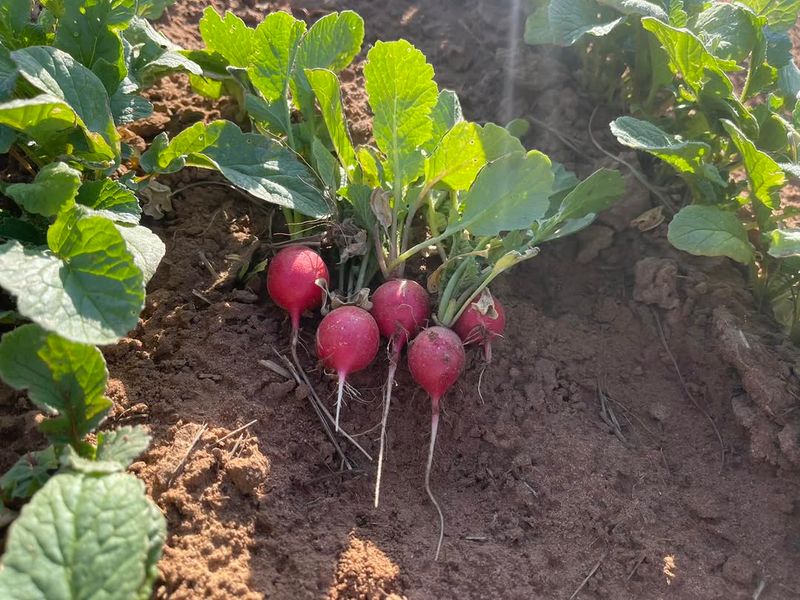
Few vegetables can match the thrill of pulling a ripe radish from the soil just three weeks after planting. Radishes are one of the fastest-growing crops you can grow in Georgia, maturing in as little as 20 to 30 days.
That kind of speed is hard to beat, especially when you are eager to see results from your raised bed garden.
Raised beds are ideal for radishes because the loose, well-draining soil allows their roots to expand freely without hitting compacted ground. Georgia gardeners can plant radishes in early spring or fall, when cooler temperatures keep the plants from bolting too quickly.
A shallow bed works just fine since radish roots do not need much depth to grow strong and healthy.
Sow seeds about half an inch deep and one inch apart, then thin them out as they grow. Water consistently to avoid cracked or bitter roots.
Radishes also work great as companion plants, helping to break up soil for slower-growing vegetables nearby. Varieties like Cherry Belle and French Breakfast are popular choices among Georgia gardeners for their crisp texture and mild flavor.
Because they grow so fast, you can plant multiple rounds in Georgia’s spring and fall planting windows for a steady supply of fresh radishes.
2. Spinach That Fills Beds In A Flash
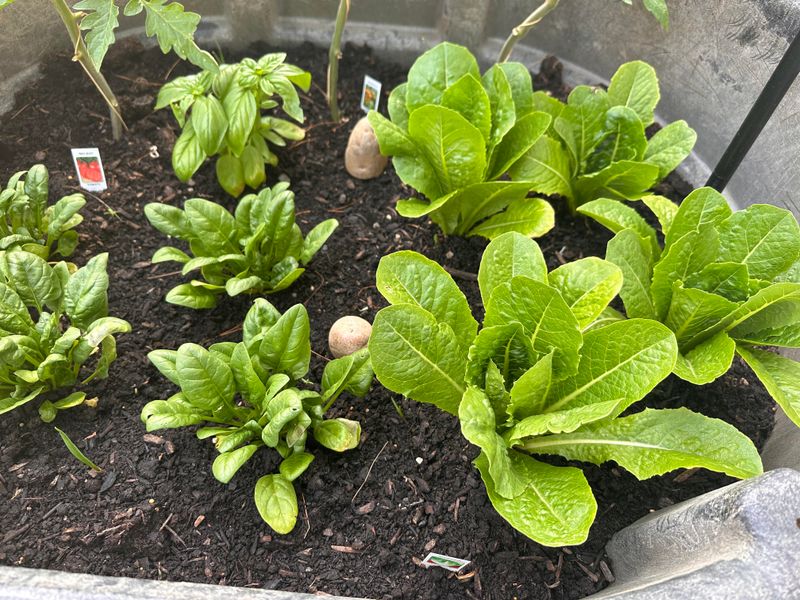
Ready to pick in about 35 to 50 days, it is a cool-season crop that absolutely loves the mild temperatures of Georgia’s early spring and fall months. Planting it in a raised bed gives you an edge because the soil warms up faster and drains better than in-ground plots.
Rich, fertile soil is what spinach craves most. Before planting, mix in plenty of compost to give your raised bed the nutrient boost spinach needs to produce those thick, dark green leaves.
Spinach also tolerates partial shade better than most vegetables, which is a bonus if your raised bed sits near a fence or taller plants.
One of the smartest strategies Georgia gardeners use is the cut-and-come-again method. Instead of pulling the whole plant, you snip outer leaves and let the center keep growing.
This stretches your harvest window by several weeks. Water regularly but avoid soaking the soil, as soggy roots can lead to rot.
Your Georgia Garden Changes Every Week. Your Plan Should Too.
Gardening in Georgia changes quickly throughout the season. Every Friday you’ll receive a simple weekly plan showing exactly what to plant, prune, fertilize, harvest, and protect so you never miss the right timing.
Varieties like Bloomsdale Long Standing and Tyee are excellent performers in Georgia raised beds. Spinach is also packed with iron, vitamins, and minerals, making every harvest a serious win for both your garden and your dinner plate.
3. Mustard With Quick Cool-Season Growth
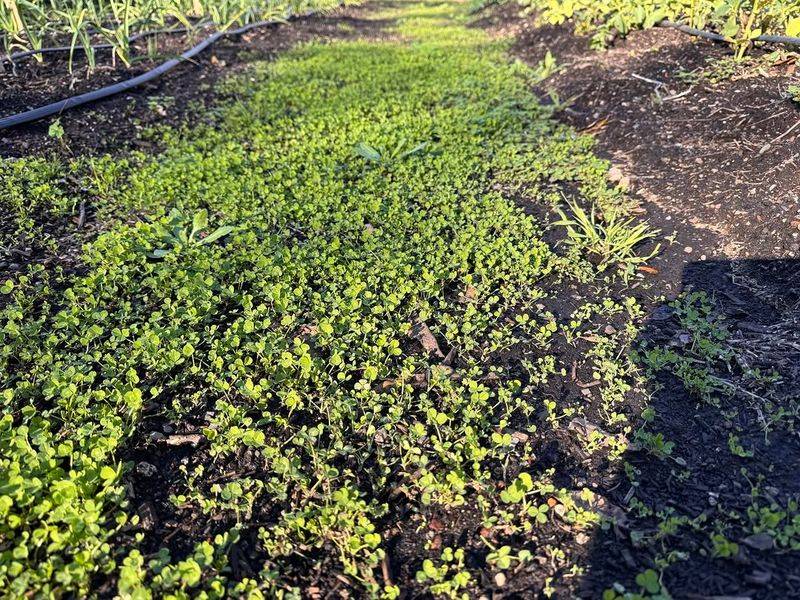
Walk through any traditional Georgia garden and you are almost guaranteed to spot a patch of mustard greens. This Southern staple has been a favorite for generations, and for good reason.
Mustard greens mature in just 30 to 45 days, making them one of the fastest leafy greens you can grow in a raised bed anywhere in the state.
Georgia’s mild spring and fall seasons create near-perfect conditions for mustard. The cooler air actually improves the flavor, giving the leaves a pleasant, slightly spicy kick that Southern cooks love.
Raised beds help by keeping the soil loose and well-drained, which prevents the waterlogging that can slow growth or cause root issues. Plant seeds about a quarter inch deep and thin seedlings to about six inches apart for the best results.
Mustard is also incredibly low-maintenance. Once established, it needs only regular watering and occasional feeding with a balanced fertilizer.
You can harvest young leaves for salads or wait for the full-sized greens that are perfect for slow-cooking with smoked turkey or ham hocks. Varieties like Southern Giant Curled and Tendergreen are especially popular across Georgia.
Because mustard grows so quickly and tolerates light frost, many Georgia gardeners manage to squeeze in two full growing seasons each year, planting once in early spring and again in early fall for back-to-back harvests.
4. Summer Squash That Takes Off Fast
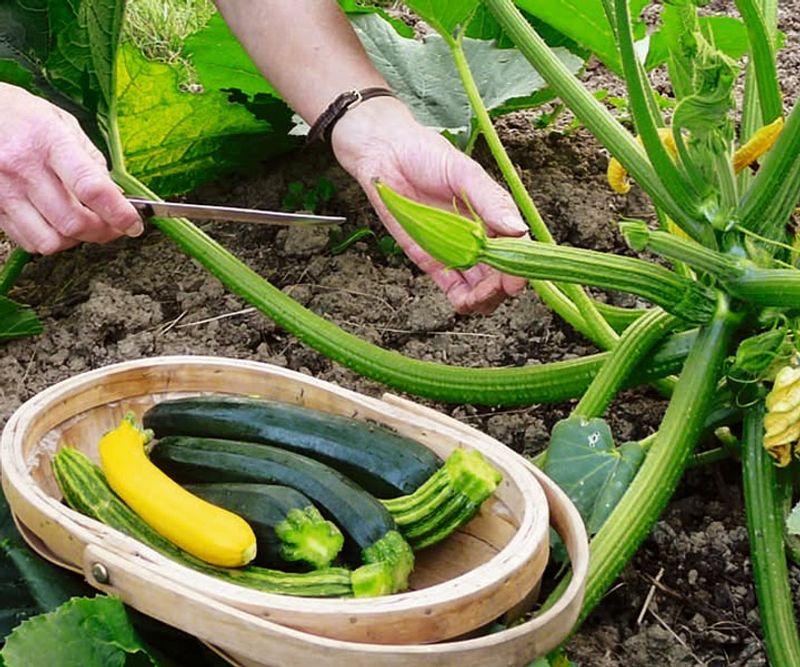
Once the plants start flowering, the squash seems to appear almost overnight. Most summer squash varieties are ready to harvest in about 40 to 55 days from planting, and Georgia’s warm weather helps them grow quickly.
Raised beds are an excellent choice for summer squash because the elevated soil temperature encourages faster germination and stronger early growth. The improved drainage also protects the roots from sitting in water during Georgia’s occasional heavy summer rains.
Give each plant plenty of room, at least 24 inches of space, since squash plants spread out as they grow. One or two plants per raised bed can produce enough squash to keep your whole family well-fed.
Pick squash when it is small to medium-sized, usually around six to eight inches long, for the best flavor and texture. Leaving them too long on the vine causes them to become tough and seedy.
Yellow Crookneck and Patio Star are two varieties that perform especially well in Georgia’s climate. Regular harvesting also encourages the plant to keep producing new fruit, so the more you pick, the more you get.
Add a layer of mulch around the base to keep moisture in and weeds out throughout the hot Georgia summer.
5. Bush Beans With Easy Early Rewards
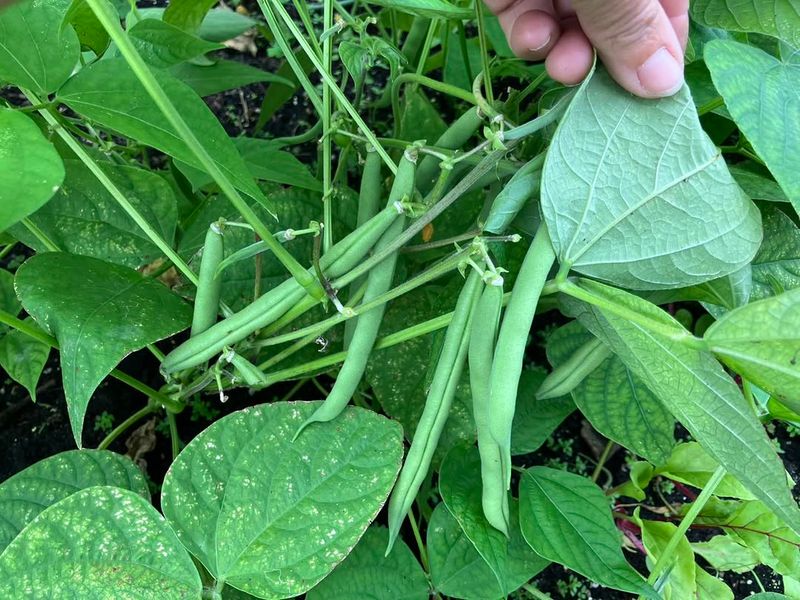
Bush beans are the kind of crop that makes every gardener look like an expert. They grow fast, produce heavily, and ask for almost nothing in return.
In Georgia’s warm climate, bush beans typically mature in 50 to 60 days, giving you a generous harvest without the need for stakes, trellises, or any complicated support systems. That makes them a natural fit for raised beds of any size.
Planting bush beans in a raised bed means your seeds go into warm, loose soil right from the start, which speeds up germination considerably. Georgia gardeners usually get their first planting in after the last frost, sometime in late March or early April, and many follow up with a second planting in late summer for a fall harvest.
Space seeds about three to four inches apart and one inch deep for a dense but manageable stand of plants.
Bush beans do not need much fertilizer, especially if your raised bed already has compost mixed in. Too much nitrogen actually reduces pod production, so keep feeding light.
Water consistently at the base of the plants to prevent leaf disease. Contender and Provider are two varieties that Georgia gardeners rely on season after season for their reliability and flavor.
Harvest the pods when they are firm and snap cleanly, before the seeds inside start to bulge. Fresh-picked bush beans from a Georgia raised bed are truly hard to beat.
6. Cucumbers That Climb And Produce Fast
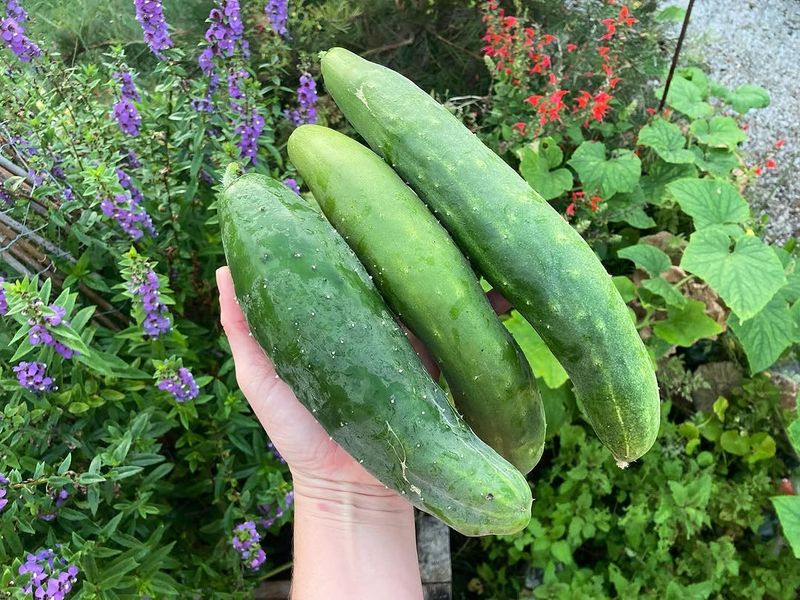
There is something deeply satisfying about reaching into a raised bed and pulling out a perfectly crisp cucumber on a hot Georgia afternoon. Cucumbers love heat, and Georgia delivers plenty of it from late spring straight through summer.
Most varieties are ready to harvest in just 50 to 65 days, and once the vines start producing, it can feel like you are picking cucumbers every single day.
Raised beds give cucumbers a real boost by warming the soil faster in spring and keeping drainage sharp during heavy rains. You can train the vines up a small trellis placed at the back of your raised bed to save space and improve air circulation around the leaves.
Better airflow helps reduce common fungal issues that tend to pop up during Georgia’s humid summer months.
Water is crucial for cucumbers. Uneven watering leads to bitter fruit, so aim for deep, consistent moisture throughout the growing season.
Mulching the surface of your raised bed helps lock in moisture and keeps the soil from overheating during Georgia’s intense July and August heat. Bush Pickle and Straight Eight are popular choices for Georgia raised beds, offering reliable production and excellent flavor.
Harvest cucumbers before they turn yellow for the crispest texture. A single raised bed planted with two or three cucumber plants can easily supply a household with fresh cucumbers from late spring all the way into early fall.
7. Kale That Gets Going Quickly
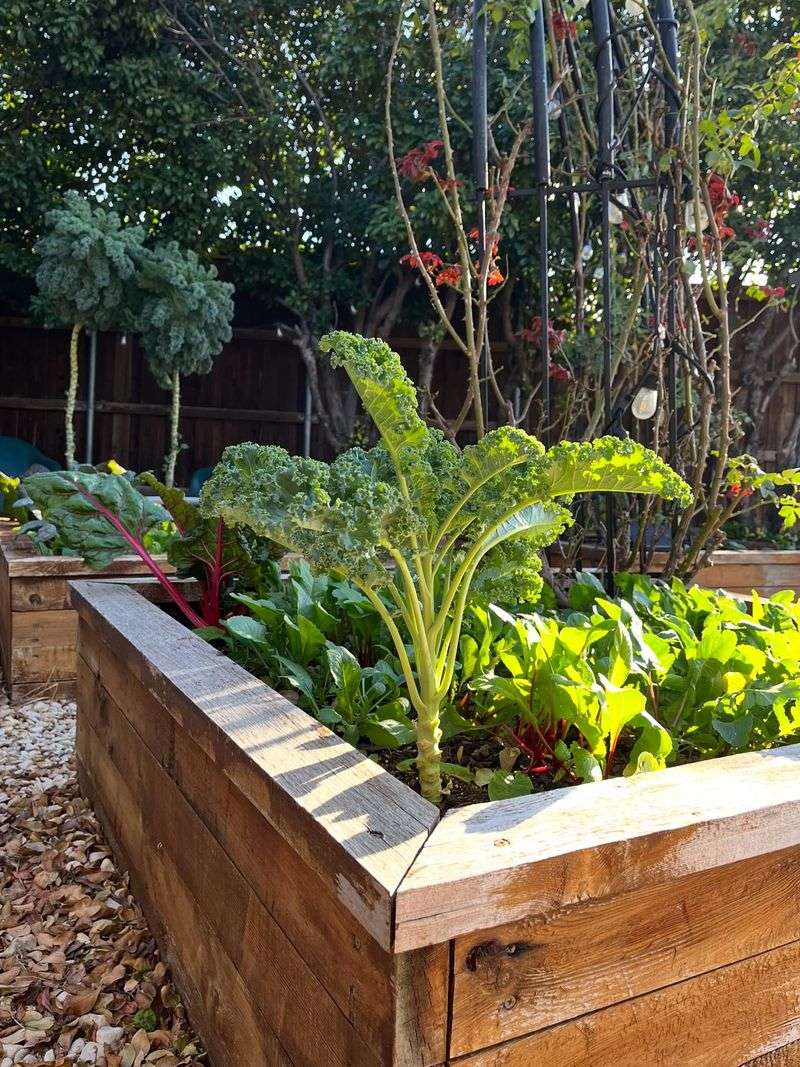
What surprises many new gardeners is just how fast it grows. Most kale varieties are ready for their first harvest in about 55 to 75 days, but you can start picking baby leaves even earlier than that.
Georgia’s long growing season means kale can stay productive from early fall all the way through winter and into spring.
One of kale’s most impressive traits is its ability to handle cold snaps. A light frost actually makes kale taste sweeter by converting some of its starches into sugars.
Georgia winters are rarely harsh enough to stop kale from growing entirely, which makes it an incredibly dependable crop for raised beds throughout the cooler months. Plant in well-amended soil with plenty of compost for the fastest and most vigorous growth.
Space kale plants about 12 to 18 inches apart to give each one room to spread. Harvest outer leaves first and let the center of the plant keep producing new growth.
Regular picking encourages the plant to stay productive for many months. Red Russian and Winterbor are two varieties that thrive particularly well in Georgia’s climate.
Kale works great in smoothies, soups, salads, and stir-fries, making it one of the most versatile crops you can grow in your Georgia raised bed garden.
8. Beets For Fast Greens And Roots
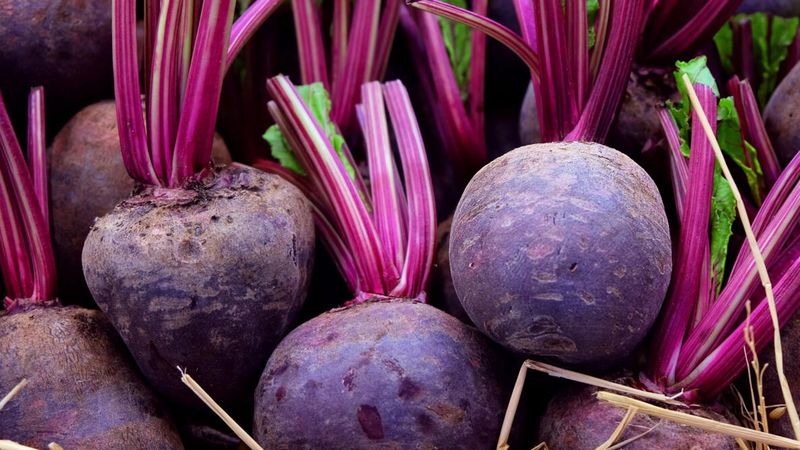
Beets are a two-for-one crop that Georgia gardeners absolutely love. You get the tender, earthy roots and the nutritious greens all from the same plant.
Beets typically mature in about 50 to 70 days, making them a solid choice for both spring and fall plantings in Georgia raised beds. The deep, loose soil of a raised bed is especially important for beets because it allows the round roots to expand without resistance.
Compact and efficient, beets do not take up much horizontal space, which makes them ideal for smaller raised beds. Sow seeds about half an inch deep and two inches apart, then thin them to four inches once the seedlings are a few inches tall.
Do not skip the thinning step, as overcrowded beets produce small, stunted roots that are much less satisfying at harvest time.
Georgia gardeners often plant beets in late summer for a fall harvest, taking advantage of the cooling temperatures that bring out the best flavor in the roots. Consistent moisture is key, since dry spells cause the roots to become tough and woody.
Detroit Dark Red and Chioggia are two classic varieties that perform beautifully in Georgia raised beds. Roast them, pickle them, toss the greens in a salad, or blend them into a smoothie.
However you choose to use them, beets from your own Georgia raised bed taste remarkably fresh and flavorful compared to anything from a grocery store shelf.
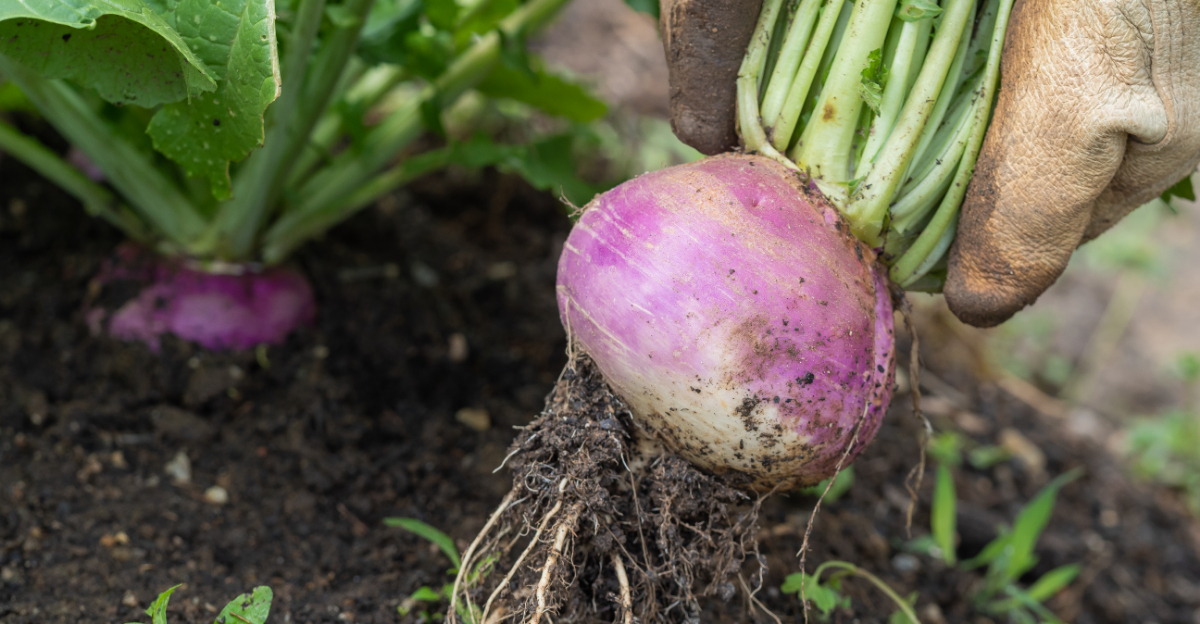
9. Turnips That Grow Faster Than Expected
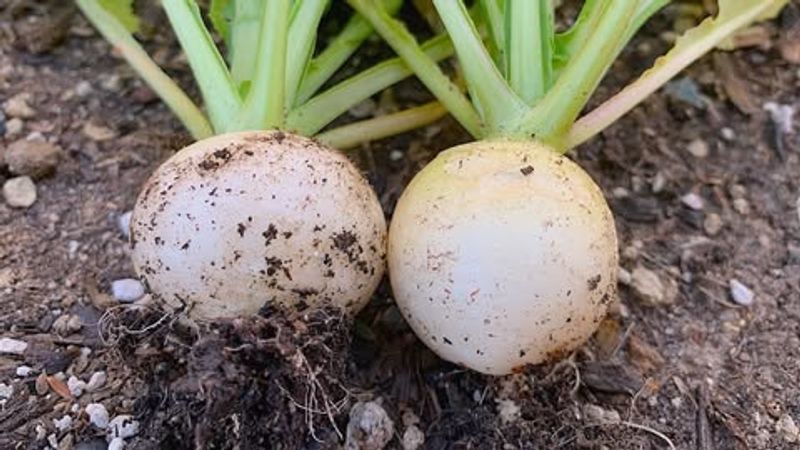
Maturing in as few as 35 to 60 days depending on the variety, turnips are one of the fastest root vegetables you can put in a raised bed. Like beets, they are a two-for-one crop, giving you both the flavorful root and the nutritious greens from a single plant.
Georgia’s mild fall season is prime time for turnips. Cooler temperatures improve both the flavor and the texture of the roots, making them sweeter and more tender than turnips grown in the heat of summer.
Raised beds are a perfect match because the loose soil makes it easy for roots to develop their characteristic round shape without running into rocks or hard clay, which is common in many parts of Georgia’s native soil.
Sow turnip seeds directly into your raised bed about a quarter inch deep and thin seedlings to about four to six inches apart. Keep the soil consistently moist for smooth, even root development.
Purple Top White Globe is a classic variety that Georgia gardeners have relied on for generations, while Hakurei turnips offer a milder, almost fruity flavor that works great eaten raw. Turnips are incredibly versatile in the kitchen, working well in soups, stews, roasted vegetable dishes, and even mashed as a low-carb alternative to potatoes.