10 Plants That Bloom All Summer Long In Ohio
Summer in Ohio has a way of exposing every weak spot in a garden. One minute everything looks full of promise, the next it feels like the color packed its bags and called it a day.
Early blooms fade fast, gaps start showing, and suddenly the yard that turned heads in June looks tired by July.
That is when things start to click for experienced gardeners. They stop chasing short bursts of color and lean into plants that can go the distance.
The kind that keep showing up, week after week, without throwing in the towel when the heat turns up.
A handful of the right choices can carry your garden through the thick of summer without missing a beat. No constant replanting, no scrambling to fill empty spaces, no watching your hard work fizzle out halfway through the season.
Just steady color, strong performance, and a yard that keeps pulling its weight all summer long.
1. Coneflower Keeps Color Through Heat And Drought
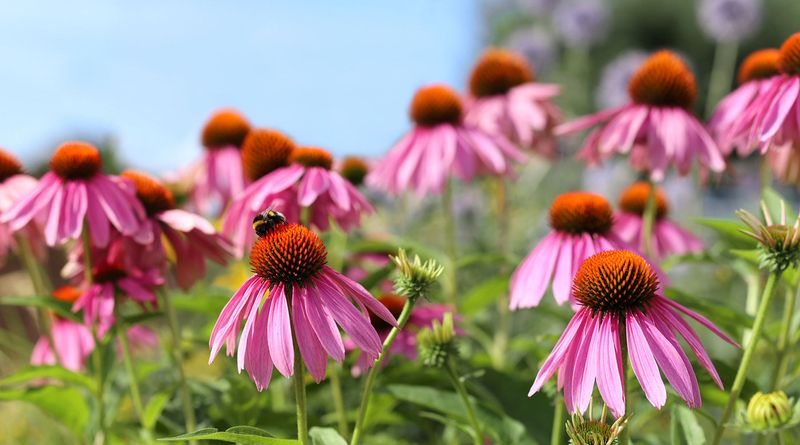
Few plants earn their place in an Ohio garden quite like coneflower. Native to the American Midwest, Echinacea purpurea has been growing in Ohio prairies long before anyone planted it in a garden bed.
Once it gets established, it handles drought with ease, which makes it a real lifesaver during those long dry stretches that Ohio summers can bring in July and August.
The bloom window on coneflower is one of the longest of any native perennial. Flowers typically open in late June and keep going strong through September if you stay on top of deadheading.
Removing spent blooms redirects the plant’s energy into producing new flower buds rather than setting seed. That one simple step can noticeably extend the color display by several weeks.
Pollinators absolutely love coneflower. Bees, butterflies, and even goldfinches flock to these blooms throughout the season.
Beyond purple, modern varieties now come in white, yellow, orange, and coral, giving gardeners plenty of options. Plant coneflower in full sun with average, well-drained soil.
Avoid heavy clay without amendment. With minimal care, established clumps return reliably every spring and actually fill in more beautifully with each passing year.
2. Black Eyed Susan Blooms Strong All Summer
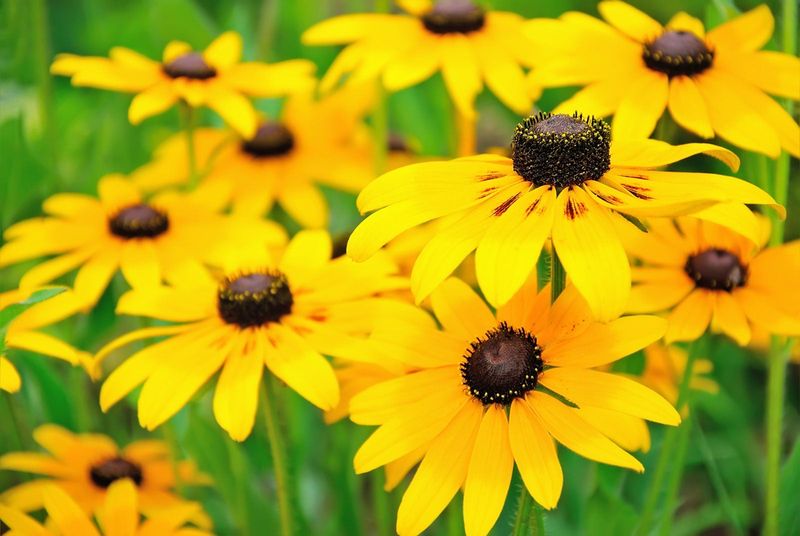
Walk past almost any Ohio roadside in July and you will spot the cheerful yellow-and-brown face of Black Eyed Susan. Rudbeckia hirta is one of the most dependable bloomers in the entire state, and for good reason.
It adapts easily to a wide range of Ohio soils, from sandy loam to heavier clay, and it does not ask for much in return beyond a sunny spot and decent drainage.
The flowering period stretches from early summer well into fall, making it a workhorse in any mixed border or pollinator garden. Bees and butterflies visit the blooms regularly, and birds will pick at the seed heads once flowering wraps up.
Some varieties, particularly the straight species, will self-seed around the garden. That can be a welcome bonus if you want more plants, but worth knowing if you prefer a tidier look.
Your Ohio Garden Changes Every Week. Your Plan Should Too.
Gardening in Ohio changes quickly throughout the season. Every Friday you’ll receive a simple weekly plan showing exactly what to plant, prune, fertilize, harvest, and protect so you never miss the right timing.
Black Eyed Susan pairs beautifully with coneflower, ornamental grasses, and salvia in a naturalistic planting. For the longest bloom display, look for cultivars like ‘Goldsturm’ or ‘Indian Summer,’ which have been selected specifically for their extended flowering habits.
Full sun and moderate watering during dry spells will keep plants looking their best all season long.
3. Coreopsis Brings Nonstop Yellow Color
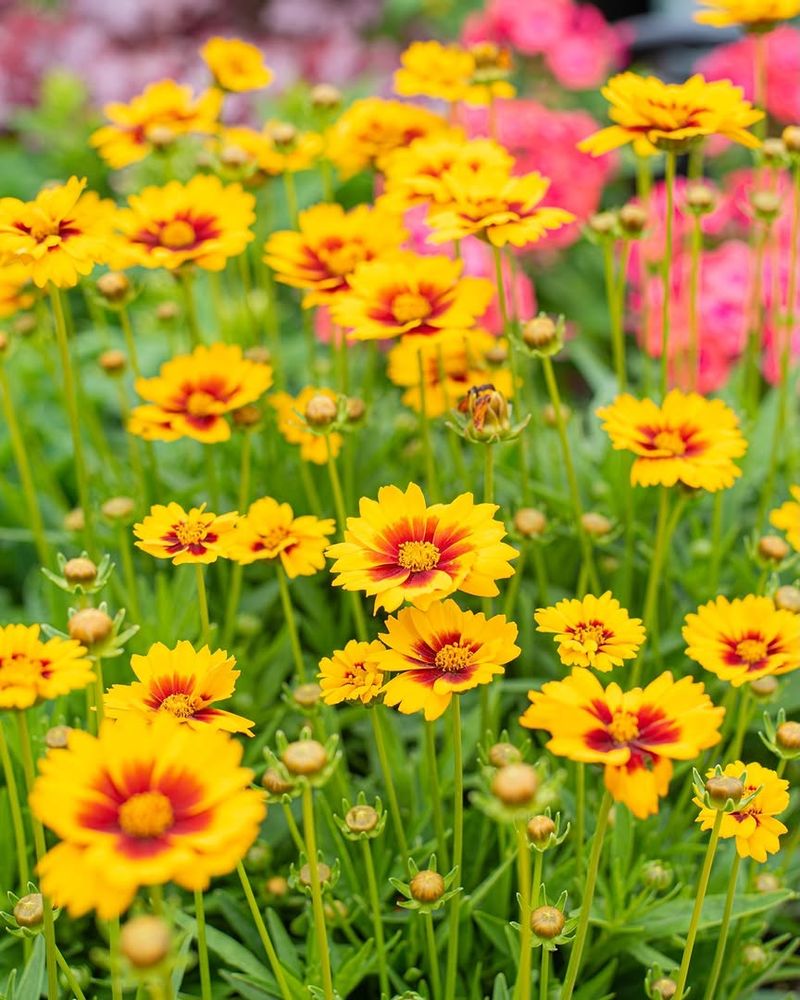
There is something almost relentlessly cheerful about a patch of coreopsis in full bloom. Also called tickseed, this perennial pours out small, daisy-like flowers in shades of golden yellow, soft pink, and warm red from late spring right into early fall.
For Ohio gardeners who want reliable color without a lot of fuss, coreopsis is hard to beat.
It thrives in full sun and handles dry conditions well once the roots have settled in. Overly rich or wet soil actually works against it, leading to floppy stems and fewer flowers.
Average garden soil with good drainage is the sweet spot. One simple maintenance trick makes a big difference: cut plants back by about one-third after the first big flush of blooms fades.
This light trim encourages a fresh round of flowering within a few weeks.
Threadleaf coreopsis varieties like ‘Zagreb’ and ‘Moonbeam’ are especially popular in Ohio gardens because they hold up well in heat and humidity. The fine, delicate foliage adds texture even when plants are not in bloom.
Coreopsis also works well along walkway edges and in container plantings. Butterflies visit the flowers often, adding an extra layer of life and movement to any sunny garden bed throughout the entire summer season.
4. Shasta Daisy Keeps Classic Blooms Coming
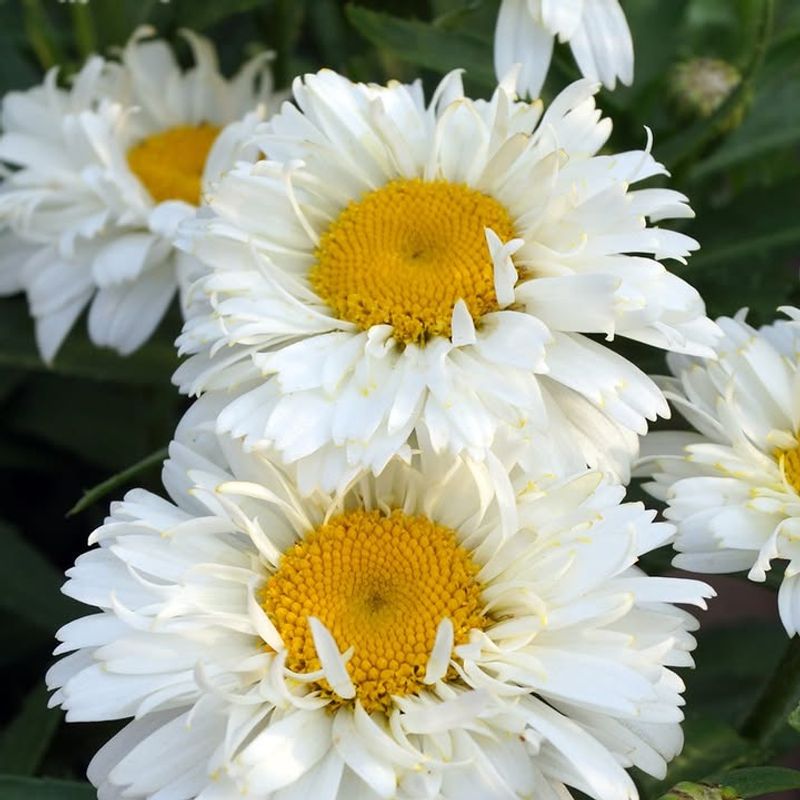
Crisp white petals around a bold yellow center, the Shasta daisy is a classic for a reason. It brings a clean, bright look to any garden bed, and when conditions are right, it blooms generously from early summer into August and sometimes beyond.
For Ohio gardeners who love a traditional cottage garden feel, Shasta daisies are practically essential.
Full sun is non-negotiable for strong performance. Plants grown in partial shade tend to stretch toward the light, producing weak stems and fewer flowers.
Well-drained soil is equally important because Shasta daisies do not tolerate soggy roots, especially over Ohio winters. Raised beds or slightly elevated planting spots help in areas where drainage is slow after rain.
Deadheading is the key to keeping the blooms coming. As each flower fades, snipping it back to the next bud or leaf node encourages the plant to push out new flowers rather than put energy into seed production.
Shasta daisies form tidy clumps that slowly expand over time, and dividing them every two to three years keeps them vigorous and blooming well.
Popular varieties like ‘Becky’ are particularly well-suited to Ohio’s climate and are known for standing tall even in summer heat without needing staking.
5. Salvia Adds Height And Long-Lasting Color
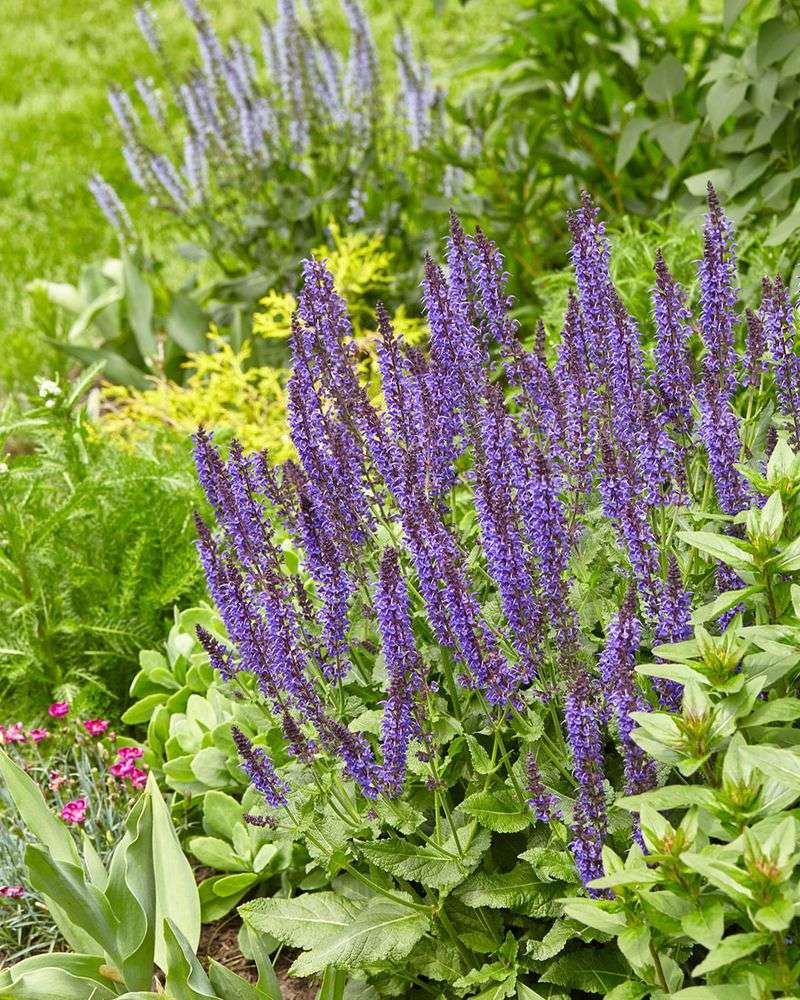
When a garden needs vertical interest without a lot of effort, salvia steps up. The tall, slender flower spikes come in rich shades of blue, purple, red, and pink, and they rise above neighboring plants in a way that gives mixed borders real structure.
Salvia nemorosa and its cultivars are especially well-suited to Ohio conditions, tolerating heat, humidity, and brief dry spells without complaint.
Pollinators go wild for salvia. Bumblebees, honeybees, and hummingbirds visit the flowers regularly, making it a smart choice for anyone trying to support local wildlife.
The first big bloom flush usually hits in late spring to early June. After that wave fades, cutting plants back by about half encourages a second or even third round of flowering that can carry color right into September.
Good drainage and full sun are the two most important requirements. Salvia struggles in heavy, wet clay soil, so amending the planting area or choosing a raised bed location helps in those situations.
Popular Ohio-friendly varieties include ‘May Night,’ ‘Caradonna,’ and ‘East Friesland.’
These are reliably perennial in most of Ohio and return each spring with minimal maintenance. Pairing salvia with coneflower or Black Eyed Susan creates a pollinator-friendly combination that looks stunning all summer long.
6. Blanket Flower Thrives In Tough Sunny Spots
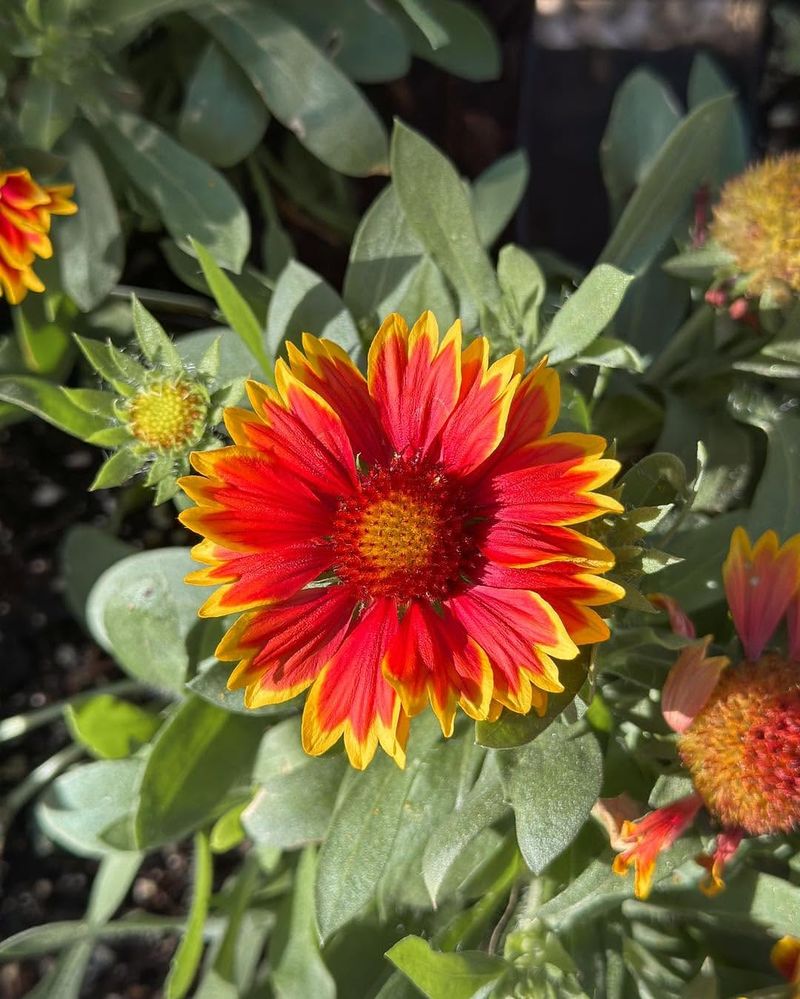
Blazing hot afternoons in July do not slow blanket flower down one bit. Gaillardia produces bold, jewel-toned blooms in fiery combinations of red, orange, and yellow that look like something straight out of a Southwest landscape painting.
The name comes from the way the flowers spread across the ground like a colorful blanket, and once you see a full patch in bloom, the comparison makes perfect sense.
What makes blanket flower particularly useful in Ohio gardens is its ability to thrive where other plants struggle. Poor, sandy, or gravelly soil is actually fine for this plant.
In fact, overly rich or fertilized soil leads to lush foliage but fewer flowers, which is the opposite of what most gardeners want. Full sun and excellent drainage are the two non-negotiable requirements.
Avoid planting in low spots where water collects after rain.
The bloom season stretches from early summer well into fall, and plants produce flowers almost continuously without much intervention. Deadheading spent blooms helps keep things tidy and can encourage fresh bud development.
Blanket flower works beautifully along garden edges, in rock gardens, or in any sunny spot that tends to dry out quickly. Butterflies are frequent visitors, adding extra charm to an already eye-catching plant throughout the entire growing season.
7. Yarrow Handles Heat With Weeks Of Blooms
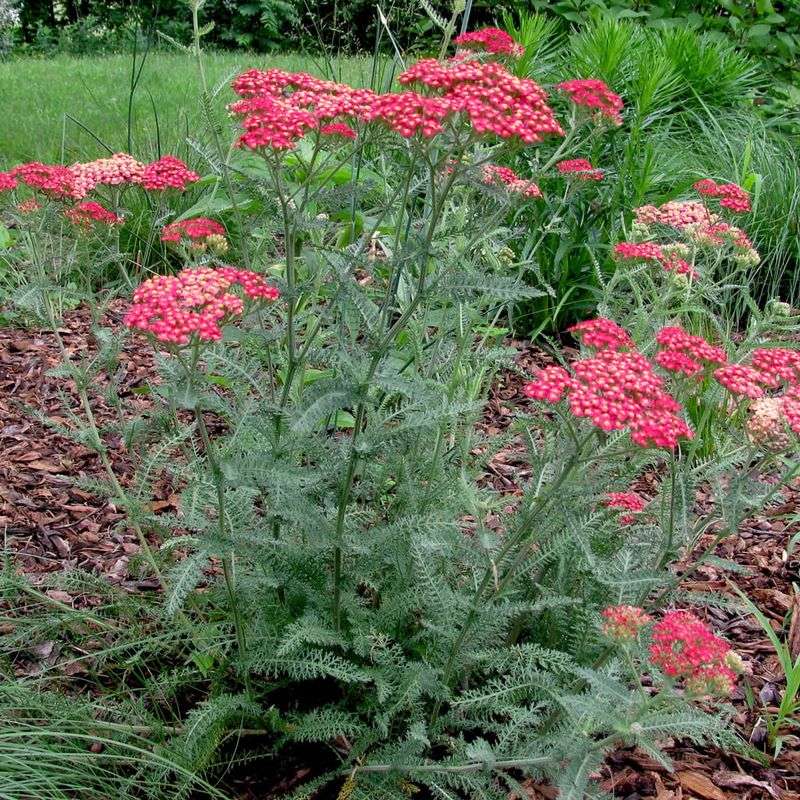
Yarrow has a reputation as one of the toughest perennials you can plant, and Ohio summers only confirm it. Achillea produces wide, flat-topped flower clusters in shades of yellow, white, pink, red, and salmon that hold their color for weeks at a time.
The flowers appear in early summer and, with a bit of deadheading after the first flush, continue producing right into late summer with minimal fuss.
Drought tolerance is one of yarrow’s strongest qualities. Once established, it rarely needs supplemental watering even during Ohio’s hottest and driest stretches.
The feathery, aromatic foliage stays attractive even when plants are between bloom cycles, giving the garden a soft, textured look.
Yarrow does spread over time through underground rhizomes, so giving it enough space from the start prevents it from crowding out neighbors.
Full sun and well-drained soil are essential. Heavy clay that stays wet will cause root problems, but average or even dry soil suits yarrow just fine.
Popular varieties like ‘Moonshine’ (soft yellow) and ‘Paprika’ (warm red) hold up especially well in Ohio’s heat and humidity. Yarrow also makes a fantastic cut flower, lasting well in a vase.
Pollinators, particularly native bees and beneficial wasps, visit the blooms throughout the entire summer season.
8. Zinnias Fill Beds With Fast Bright Color
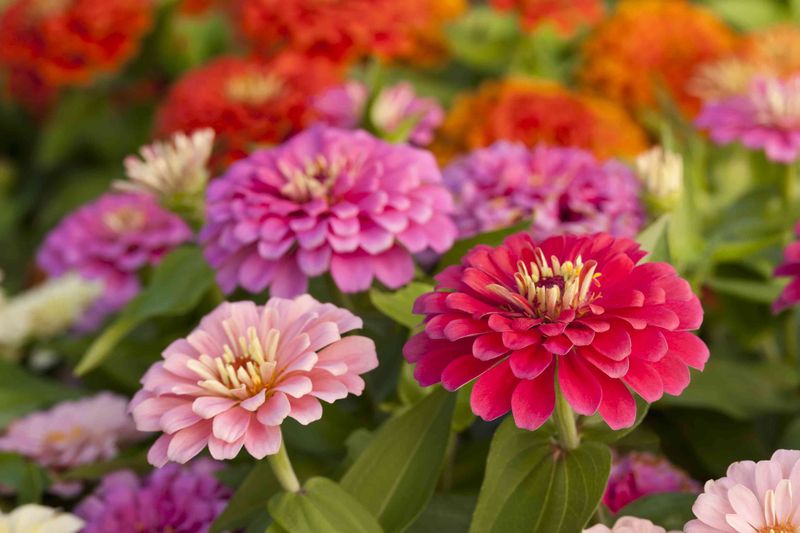
If you want maximum color in minimum time, zinnias deliver like nothing else.
These heat-loving annuals grow quickly from seed sown directly in the garden after the last frost, and within about eight weeks they are producing a nonstop parade of blooms in nearly every color imaginable.
Red, orange, pink, white, purple, and bicolors all show up in a single packet of mixed seeds.
Ohio summers are genuinely ideal for zinnias. They love heat, thrive in full sun, and keep blooming right up until the first hard frost in October.
The more you cut them, the more they bloom, which makes them a favorite for cutting gardens and fresh flower arrangements.
Leaving spent flowers on the plant slows production, so regular harvesting or deadheading is the key to keeping the display going strong.
Good airflow around plants helps prevent powdery mildew, which can be an issue in humid Ohio summers. Spacing plants according to the seed packet instructions and avoiding overhead watering are simple ways to reduce that risk.
Zinnias are also excellent for attracting butterflies, especially swallowtails and monarchs, to the garden. Starting seeds indoors is not necessary since direct sowing works perfectly well once soil temperatures warm above 60 degrees Fahrenheit in late May.
9. Petunias Bloom Strong With Regular Care
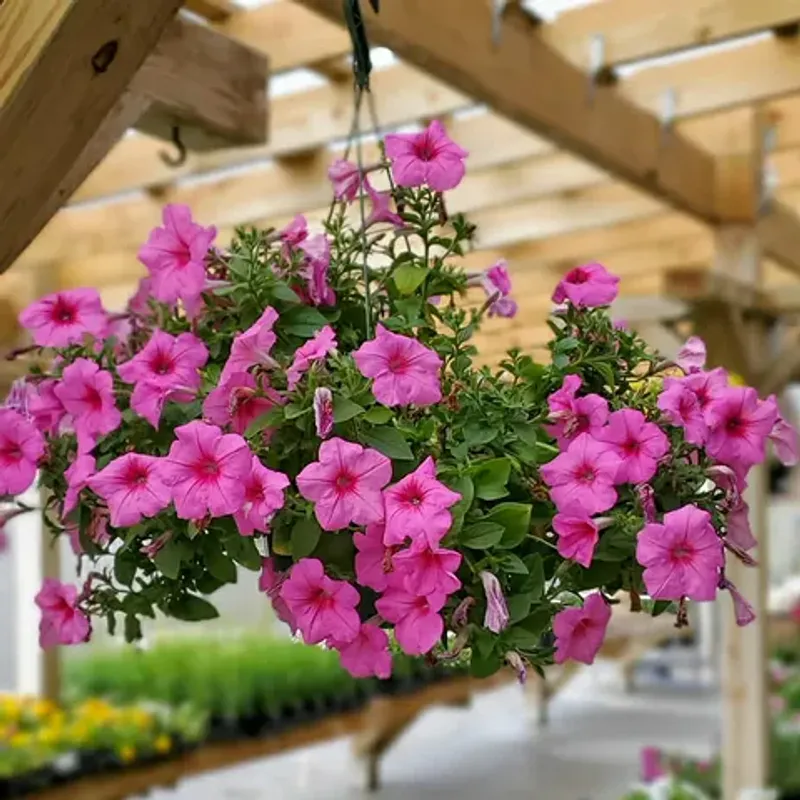
Petunias have been a summer garden staple for generations, and their popularity has never really faded.
Walk through any Ohio neighborhood in June and you will spot them spilling out of window boxes, draping over container edges, and spreading across sunny annual beds in waves of purple, pink, red, white, and coral.
They are one of the most versatile warm-season flowers available to Ohio gardeners.
Consistent care is what separates a petunia planting that looks tired by late July from one that stays vibrant all the way to frost. Regular fertilizing, about once a week with a balanced liquid fertilizer, keeps plants energized and blooming heavily.
Wave and Supertunia varieties are largely self-cleaning, meaning spent blooms drop off on their own, but giving leggy plants a light trim in midsummer helps refresh growth and encourages a fresh flush of flowers.
Full sun is important for the strongest bloom production. Plants in too much shade tend to stretch and produce fewer flowers.
In containers, consistent watering matters because pots dry out fast during Ohio’s summer heat. Petunias work equally well in raised beds, hanging baskets, and traditional garden borders.
Their wide color range and long availability at local garden centers make them one of the easiest summer flower choices for Ohio gardeners of any experience level.
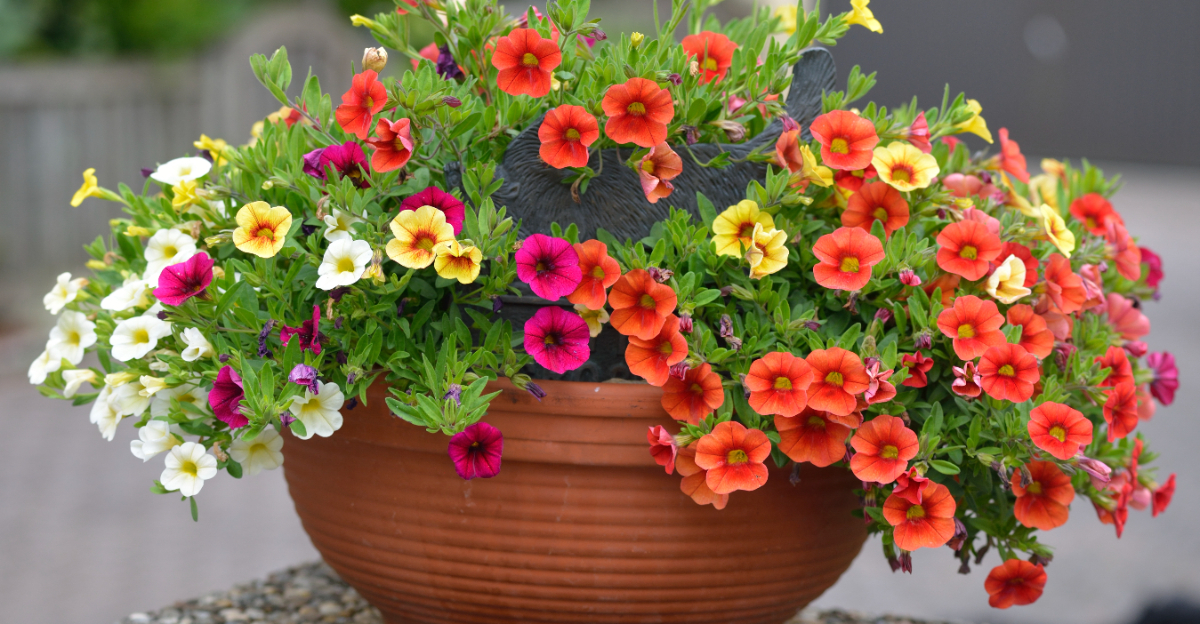
10. Calibrachoa Spills With Continuous Color
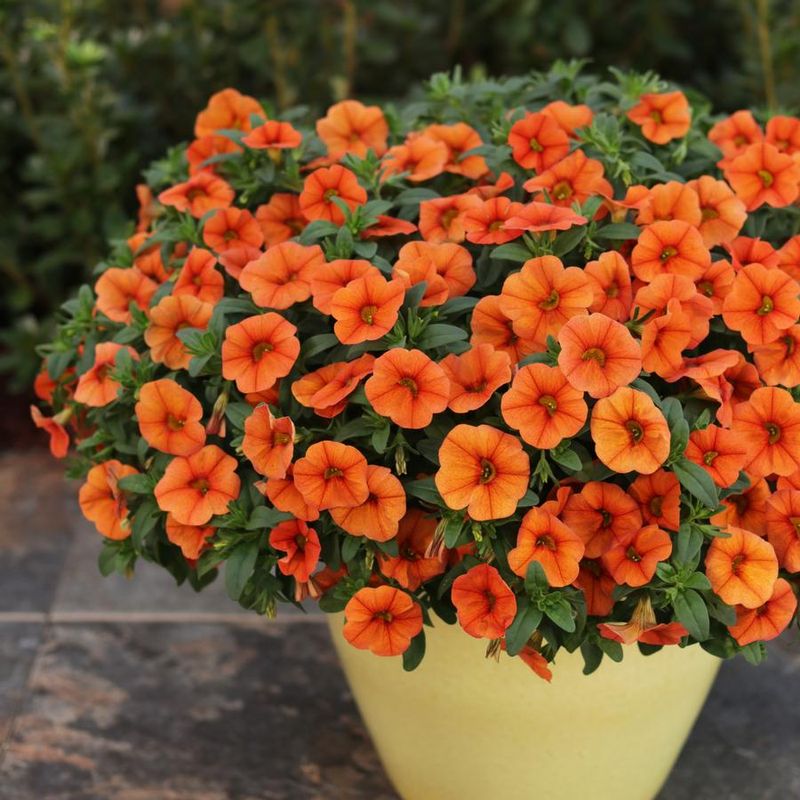
Calibrachoa looks like someone miniaturized a petunia and then cranked up the bloom count to an almost impossible level.
Also known as million bells, this trailing annual produces hundreds of tiny, trumpet-shaped flowers in shades of pink, coral, yellow, purple, white, and bicolor from late spring right through the first frost.
For Ohio porch and patio gardeners, it is one of the top container performers available.
One of calibrachoa’s biggest advantages is that it is largely self-cleaning. Spent flowers drop away on their own without requiring constant deadheading, which makes it genuinely low-maintenance compared to many other flowering annuals.
That said, it does need regular feeding to perform at its best. A slow-release fertilizer mixed into the potting soil at planting time, combined with a liquid feed every one to two weeks, keeps plants loaded with blooms all season long.
Consistent watering is essential, especially during the hottest weeks of an Ohio summer. Calibrachoa does not tolerate prolonged dryness, and containers can dry out quickly in full sun.
However, it also dislikes sitting in waterlogged soil, so containers must have good drainage holes. Full sun brings out the most flowers, though plants tolerate light afternoon shade.
Paired with upright plants like salvia or grasses, calibrachoa creates stunning container combinations that hold their appeal for the entire growing season.