These 9 Low-Growing Plants Help Control Weeds In Oregon Gardens
Bare soil in an Oregon garden is basically an open invitation. Give weeds a little space, a bit of rain, and a few mild days, and they rush in like they own the place.
That is why low-growing plants can be such a smart move. The right ones do more than fill gaps.
They spread, shade the soil, soften hard edges, and make it a lot harder for unwanted sprouts to get comfortable.
That kind of help goes a long way in Oregon, where spring moisture and mild temperatures can turn tiny weed problems into a full-blown mess before you know it.
A good ground-hugging plant can cut down on maintenance while making beds, borders, and pathways look fuller and more finished at the same time.
Some bring flowers, some stay evergreen, and some quietly do the dirty work without asking for much attention. Once they settle in, they can make the whole garden feel tidier, calmer, and much easier to stay ahead of.
1. Creeping Phlox
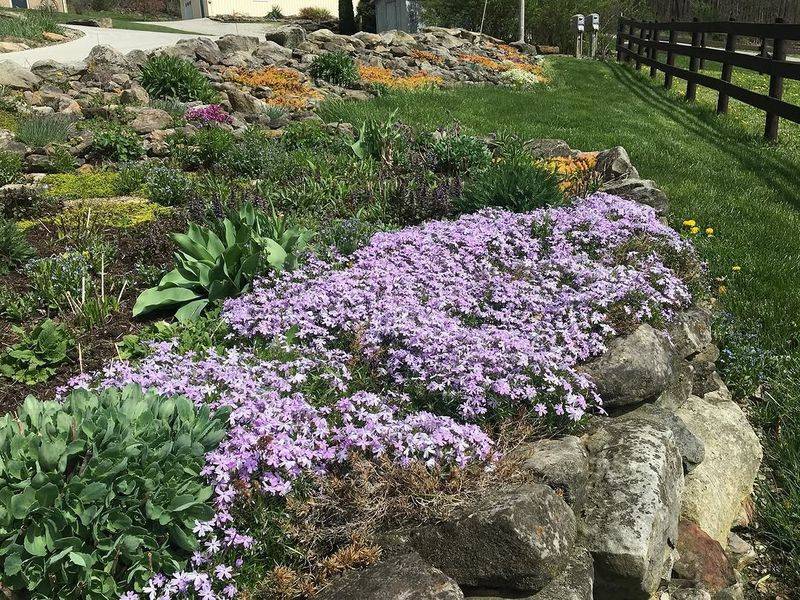
Few plants put on a show quite like Creeping Phlox does in spring. This low-growing beauty bursts into a thick carpet of pink, purple, or white flowers that can take your breath away.
It spreads steadily across the ground, forming a dense mat that leaves almost no room for weeds to sneak through.
In Oregon, Creeping Phlox thrives in well-drained soil and sunny spots. It works especially well on slopes, rocky areas, or garden edges where weeds tend to take over fast.
Once it gets established, it is surprisingly tough and needs very little attention from you.
The plant stays low, usually only about six inches tall, so it never blocks the view of taller plants nearby. It actually creates a living mulch that shades the soil and keeps weed seeds from getting the sunlight they need to sprout.
After the flowers fade, the evergreen foliage stays in place all year, continuing to suppress weeds even in winter. Gardeners across Oregon love it because it is both pretty and practical.
Pair it with bulbs or ornamental grasses for a garden that looks stunning every season.
2. Sweet Woodruff
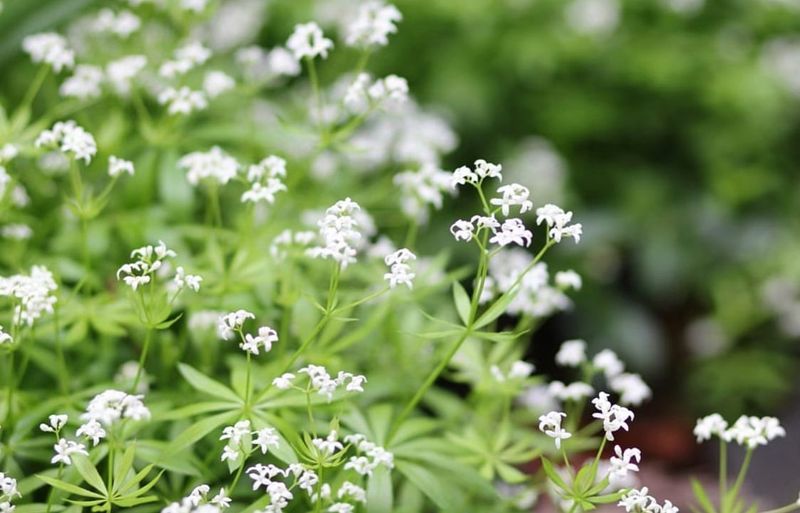
Shady spots in Oregon gardens can be tricky to manage, but Sweet Woodruff handles them with ease. This charming ground cover thrives under trees and in areas where most plants struggle to grow.
Its star-shaped leaves form a lush, soft carpet that crowds out weeds naturally.
Sweet Woodruff spreads through underground runners, filling in bare patches quickly and efficiently. By the time spring arrives, it is already blanketing the ground with fresh green growth.
In late spring, it produces tiny white flowers that add a delicate touch of beauty to shaded garden areas across Oregon.
One fun fact about Sweet Woodruff is that its leaves smell like fresh hay or vanilla when dried. People have used it for centuries to scent linens and make herbal drinks.
In the garden, though, its real superpower is weed suppression. The dense canopy of leaves blocks sunlight from reaching the soil, which prevents weed seeds from sprouting.
Your Oregon Garden Changes Every Week. Your Plan Should Too.
Gardening in Oregon changes quickly throughout the season. Every Friday you’ll receive a simple weekly plan showing exactly what to plant, prune, fertilize, harvest, and protect so you never miss the right timing.
It prefers moist, rich soil and does not handle dry conditions well. If your Oregon garden has a shady corner that always seems to fill with weeds, Sweet Woodruff might be exactly what you need to fix that problem.
3. Kinnikinnick
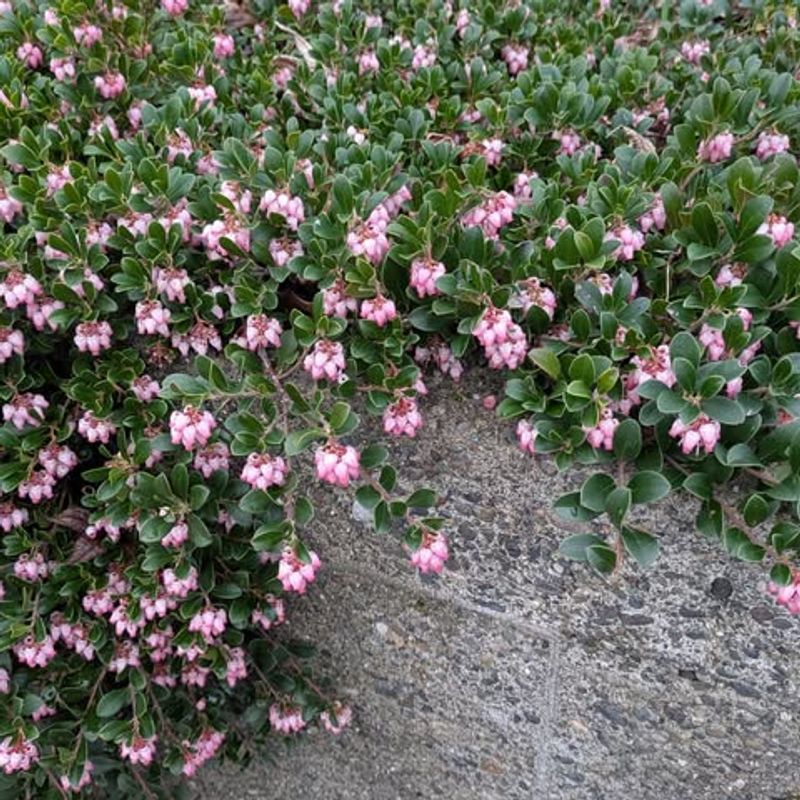
Native to Oregon and much of the Pacific Northwest, Kinnikinnick is one of the toughest ground covers you can plant. It hugs the ground with a dense mat of small, leathery, evergreen leaves that stay green all year long.
Weeds have a very hard time pushing through its thick, low growth.
What makes Kinnikinnick especially impressive is how well it handles tough conditions. Poor soil, dry summers, and rocky terrain are no problem for this plant.
Once it gets established in your Oregon garden, it basically takes care of itself. You will not need to water it much or fuss over it at all.
In spring, it produces tiny pink flowers that are absolutely adorable. Those flowers turn into bright red berries by fall, which birds absolutely love.
So while it is busy blocking weeds, it is also feeding local wildlife. That is a great deal for any Oregon gardener who wants a yard that supports nature.
Kinnikinnick grows slowly at first, so be patient during its first year. After that, it spreads steadily and fills in beautifully.
Plant it in a sunny or partly shady spot and let it do its thing.
4. Oregon Stonecrop
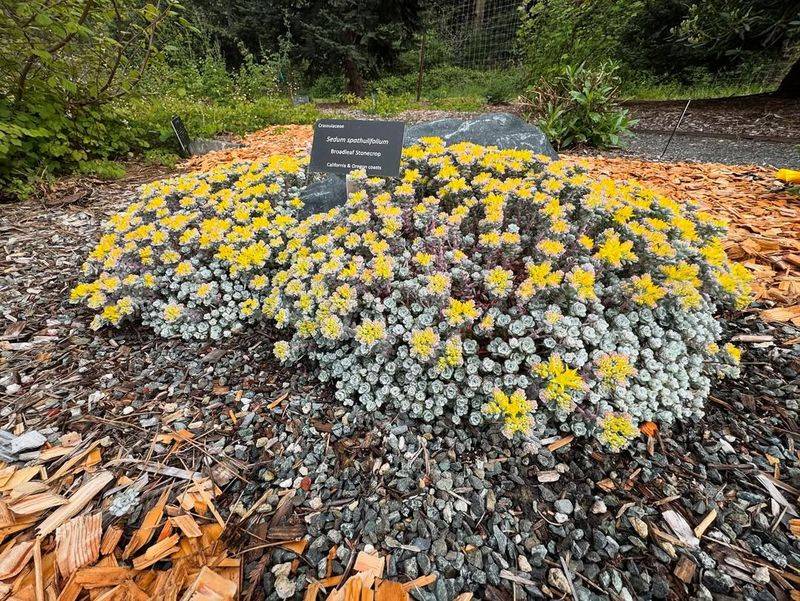
Oregon Stonecrop is a tough little succulent that was practically made for the Pacific Northwest. It stores water in its thick, fleshy leaves, which means it can handle dry spells without skipping a beat.
Gardeners across Oregon love it for its resilience and its ability to spread across areas where other plants give up.
This plant grows in dense, low mats that stick close to the ground. That tight growth pattern is exactly what makes it so good at blocking weeds.
Sunlight simply cannot reach the soil beneath it, so weed seeds never get the signal to sprout. It is a quiet, efficient weed fighter that works around the clock.
Yellow star-shaped flowers bloom in spring and early summer, giving the garden a cheerful pop of color. Oregon Stonecrop is especially useful in rocky gardens, dry slopes, and areas with poor soil where weeds tend to run wild.
It handles full sun beautifully and does not need rich soil to thrive. In fact, too much fertilizer can actually make it grow less effectively.
Keep it lean, keep it sunny, and it will reward you with years of reliable weed control and low-maintenance beauty in your Oregon outdoor space.
5. Barrenwort
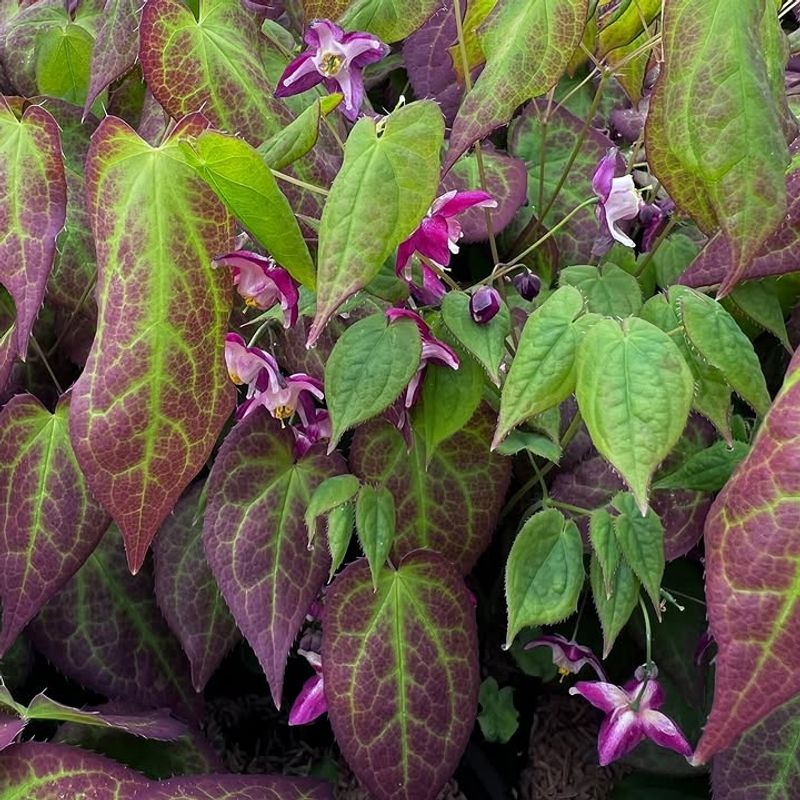
Barrenwort has one of the best reputations in the ground cover world, and Oregon gardeners are starting to take notice. It grows in conditions that most plants find impossible, including deep shade, dry soil, and areas under large trees where roots compete for every drop of water.
If you have a tough spot in your garden, Barrenwort is worth trying.
Its heart-shaped leaves are attractive on their own, but in spring, the plant also produces small, delicate flowers in shades of yellow, pink, purple, or white depending on the variety. The foliage often takes on beautiful bronze or red tones in fall, giving the garden seasonal color without any extra effort from you.
As a weed suppressor, Barrenwort works by forming a thick, overlapping layer of leaves that shades the ground completely. Weeds simply cannot compete with that kind of coverage.
It spreads slowly but steadily, and once it fills in, it is remarkably low-maintenance. In Oregon, where wet winters and dry summers can stress many plants, Barrenwort stands strong through it all.
Plant it under deciduous trees or along shady borders and watch it quietly transform a once-weedy problem area into something genuinely lovely.
6. Lady’s Mantle
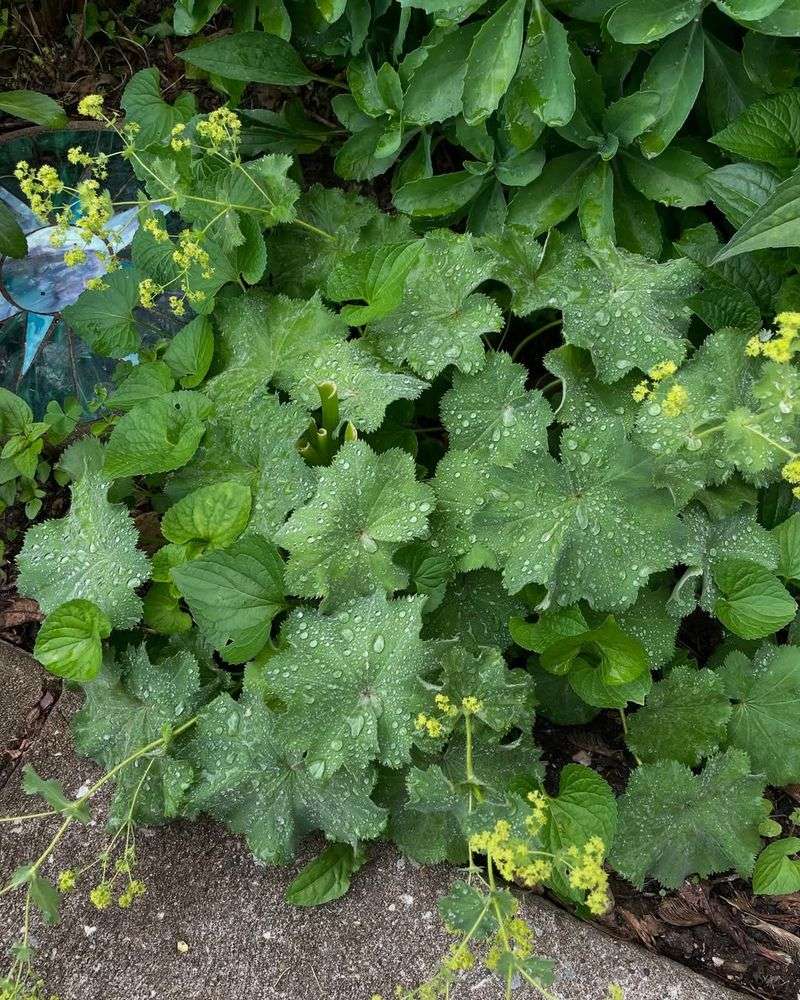
There is something almost magical about Lady’s Mantle after a rain. Water droplets bead up on its soft, velvety leaves like tiny silver pearls, making it one of the most visually interesting plants in any Oregon garden.
But beyond its good looks, this plant is a serious weed fighter that earns its place in the ground.
Lady’s Mantle forms wide, low mounds of rounded, scalloped leaves that spread outward and shade the soil beneath them. That shading effect prevents weed seeds from getting the light they need to germinate.
In late spring and early summer, it sends up frothy clusters of chartreuse-yellow flowers that look great as a cut flower too.
This plant grows best in partial shade with moist, well-drained soil, which makes it a great match for many Oregon garden conditions. It does well along borders, pathways, and the edges of flower beds where weeds tend to sneak in.
Lady’s Mantle self-seeds gently, so you may find new plants popping up nearby over time. That natural spreading habit helps it fill in gaps and keep weed pressure low across larger areas.
It is an elegant, hardworking plant that brings both charm and function to your outdoor space.
7. Lithodora
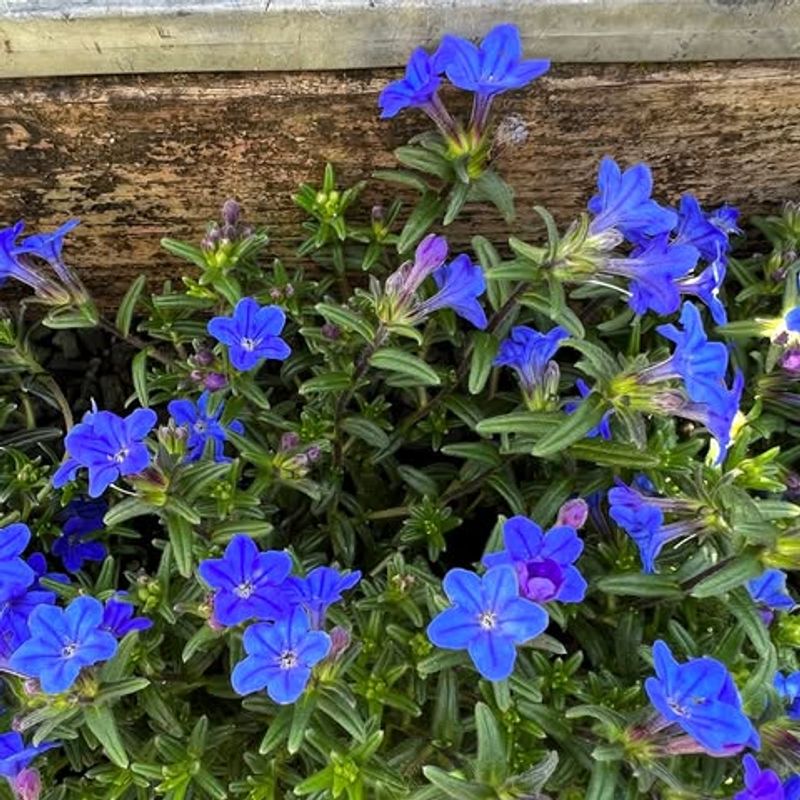
If you want a ground cover that stops people in their tracks, Lithodora is it. The flowers are an almost unreal shade of electric blue, and they bloom in such abundance that the plant looks like a piece of the sky landed in your Oregon garden.
Beyond the showstopping color, Lithodora is a reliable weed suppressor that performs well in sunny spots.
It forms a dense, low mat of dark green, narrow leaves that spread outward over time. The thick growth shades the soil and prevents weeds from finding any room to establish themselves.
Lithodora is especially popular in rock gardens, along stone pathways, and on sunny slopes where weed control can otherwise be a constant battle.
This plant prefers well-drained, slightly acidic soil and plenty of sunlight, which matches many garden conditions found across Oregon. It does not love wet feet, so avoid planting it in areas where water tends to pool.
Once established, it is fairly drought-tolerant and needs only light trimming after blooming to stay neat. Gardeners who have tried Lithodora often say they wish they had planted it sooner.
The combination of jaw-dropping beauty and dependable weed control makes it one of the most rewarding low-growing plants you can add to your garden.
8. Wild Strawberry
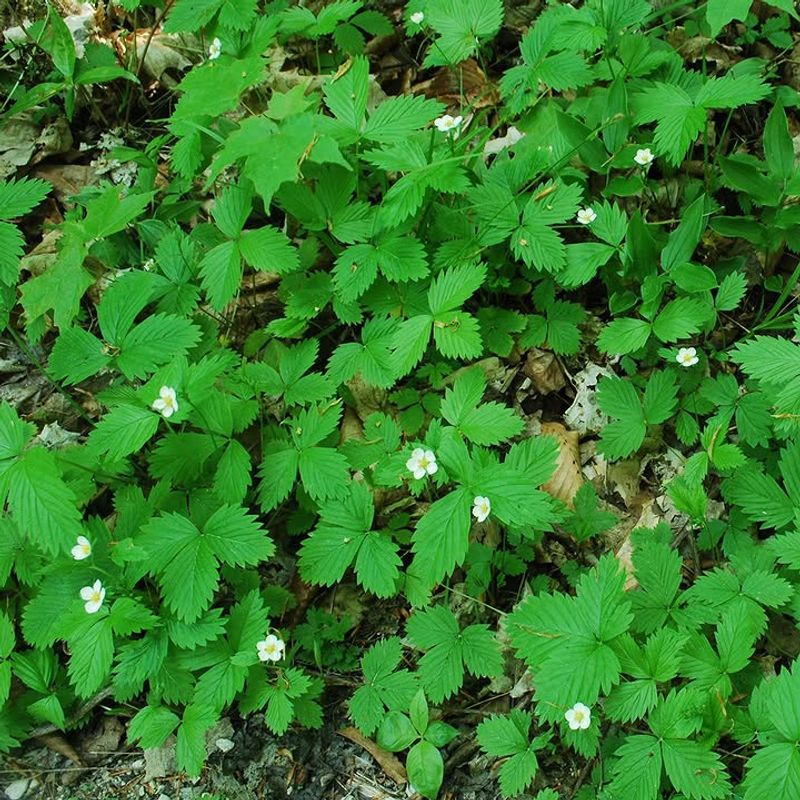
Wild Strawberry brings something fun to the garden that most ground covers simply cannot offer: snacks. The tiny red berries that appear in summer are sweet, edible, and a favorite of birds and other wildlife.
But this cheerful little plant is not just about the fruit. It is also one of the most effective weed-smothering ground covers available to Oregon gardeners.
The plant spreads by sending out runners that root wherever they touch the soil. Over time, it builds a thick, lush mat of bright green, three-lobed leaves that covers the ground completely.
That dense coverage blocks sunlight from reaching weed seeds, keeping them dormant and unable to sprout.
Wild Strawberry grows well in both sunny and partly shaded areas, which gives it a lot of flexibility in the garden. It handles Oregon’s rainy winters and dry summers reasonably well once it gets settled in.
The white flowers that appear in spring are pretty and attract pollinators, adding even more ecological value to your yard. Plant it along borders, under fruit trees, or in any open area that weeds tend to claim quickly.
It is a playful, productive, and practical ground cover that makes gardening feel a little more rewarding every single season.
9. Woolly Yarrow
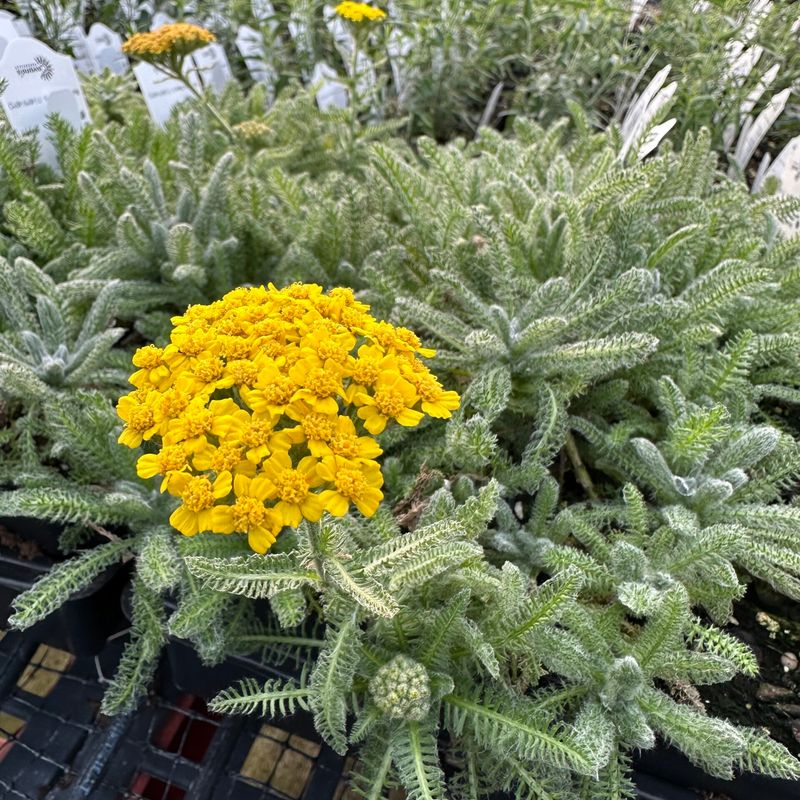
Woolly Yarrow looks like something from a fairy tale garden, with its soft, silvery-gray leaves that feel fuzzy to the touch. The texture comes from tiny hairs that cover the foliage, giving the whole plant a woolly appearance that stands out beautifully against other garden greens.
In Oregon’s sunny, dry spots, this plant is an absolute champion.
It forms a tight, low-growing mat that clings close to the ground and spreads steadily outward. That dense mat shades the soil so effectively that weeds rarely get a foothold.
Bright yellow flower clusters appear in summer, adding a cheerful pop of color that complements the silvery foliage perfectly.
Woolly Yarrow is extremely drought-tolerant once established, making it ideal for Oregon gardens that experience hot, dry summers. It thrives in full sun and well-drained soil, and it actually performs better when the soil is not too rich.
Overwatering or over-fertilizing can make it floppy and less effective as a ground cover. Use it along walkways, in rock gardens, or on sunny slopes where weed control is a constant challenge.
It handles foot traffic better than most ground covers, so it works great between stepping stones too. Oregon gardeners looking for a low-maintenance, weed-fighting plant will find Woolly Yarrow hard to beat.