How Pennsylvania Gardeners Can Grow Basil From Cuttings
Pennsylvania gardeners know the struggle of making the most of a short growing season, and growing basil from cuttings is one of the smartest “hacks” to stretch every warm week.
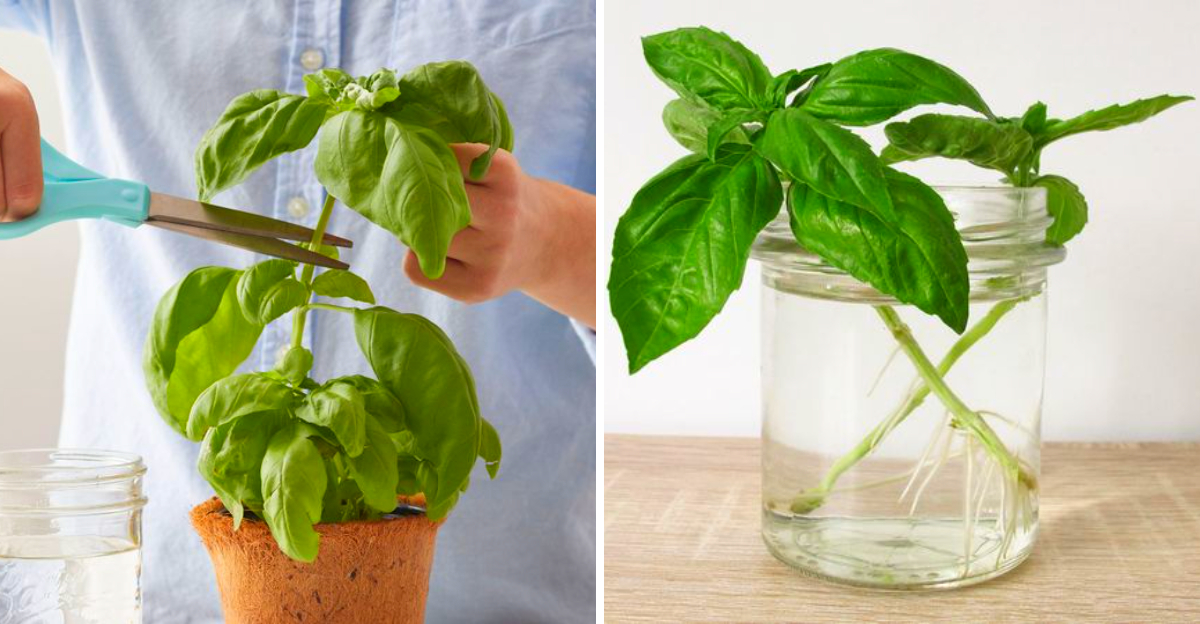
Instead of starting from scratch with seeds, you can simply snip a stem from an existing plant and root it indoors.
Since basil is a warm-season herb that can’t handle Pennsylvania’s unpredictable spring frosts, starting cuttings inside gives you a massive head start before the summer heat truly arrives.
With the right technique and a little patience, you can ensure a steady supply of fresh, aromatic basil from late spring all the way through the first fall chill.
Let’s look at how to keep your harvest going all season long.
1. Choose Healthy Basil Stems For Stronger Cuttings
Walking through a farmers market in Philadelphia or tending a backyard herb pot in Lancaster, most gardeners quickly learn that the quality of a cutting determines how well it will root.
Not every stem on a basil plant is a good candidate for propagation, and picking the right one from the start saves a lot of frustration later on.
Look for stems that are green, firm, and free from spots or yellowing. A stem that is roughly 4 to 6 inches long with several sets of healthy leaves gives you the best material to work with.
Avoid stems that are woody at the base or any that show signs of pest damage, since stressed plant tissue tends to root slowly or unevenly.
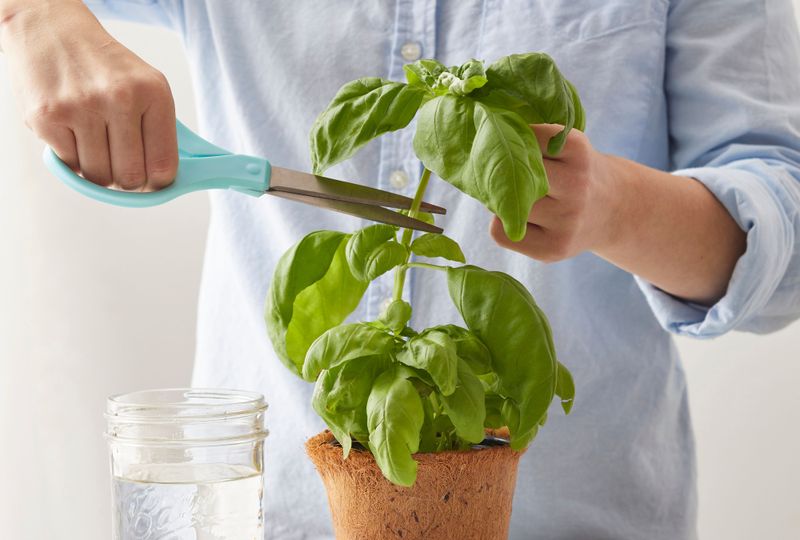
The top portion of the plant, where new growth is actively happening, generally produces the most vigorous cuttings. Snip the stem cleanly using sharp scissors or pruning shears to avoid crushing the tissue.
A clean cut heals faster and is less likely to develop fungal issues while the cutting is getting established.
If you are taking cuttings from a grocery store basil plant, which is a common and budget-friendly option for Pennsylvania gardeners, choose the most upright and leafy stems from the bunch.
Those stems tend to have the energy needed to push out roots within a reasonable amount of time.
2. Take Cuttings Just Below A Leaf Node
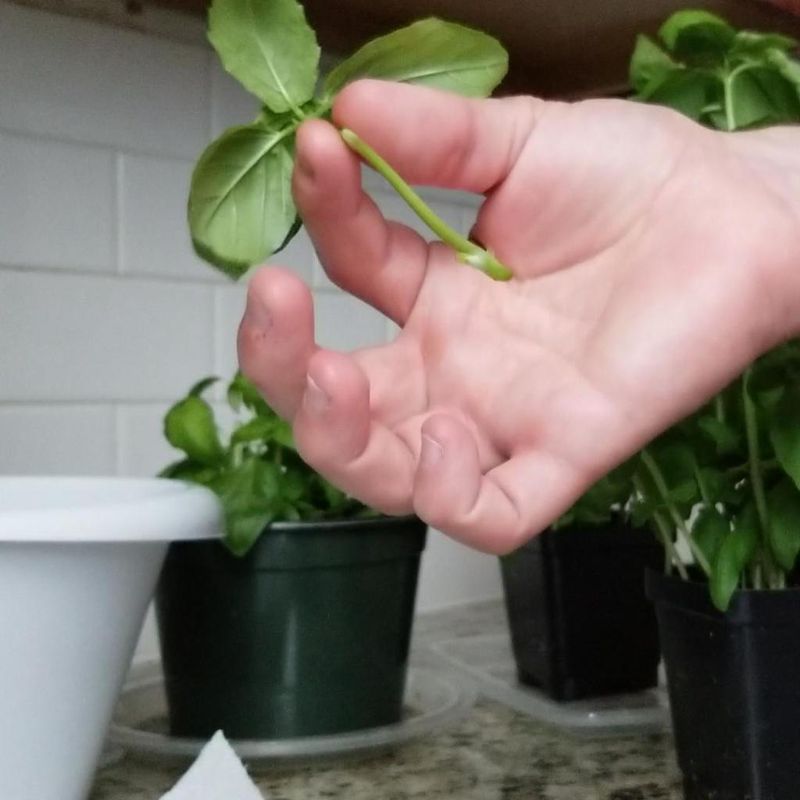
One of the most common mistakes gardeners make when propagating herbs is cutting in the wrong spot. For basil, the placement of your cut matters more than most people realize.
Cutting just below a leaf node – the small bump or joint where a leaf meets the stem – gives the cutting its best shot at producing roots quickly.
Leaf nodes contain concentrated plant hormones called auxins, which signal the stem to grow new roots. When you cut directly below one of these nodes, you are essentially giving the cutting a biological head start.
Aim to make your cut about a quarter inch below the node, keeping the cut clean and at a slight angle to maximize the surface area that will be exposed to water or soil.
A 45-degree angle cut is often recommended by experienced herb growers because it allows more of the stem’s vascular tissue to absorb moisture during the rooting process.
Your Pennsylvania Garden Changes Every Week. Your Plan Should Too.
Gardening in Pennsylvania changes quickly throughout the season. Every Friday you’ll receive a simple weekly plan showing exactly what to plant, prune, fertilize, harvest, and protect so you never miss the right timing.
It also helps prevent water from pooling on top of the cut end, which can sometimes encourage rot in humid conditions.
For Pennsylvania gardeners starting cuttings indoors in late March or early April, taking node cuttings from a healthy store-bought or overwintered plant is a practical and low-cost way to multiply your herb supply before outdoor planting season begins in earnest. Precision here sets the stage for everything that follows.
3. Remove Lower Leaves Before Placing In Water
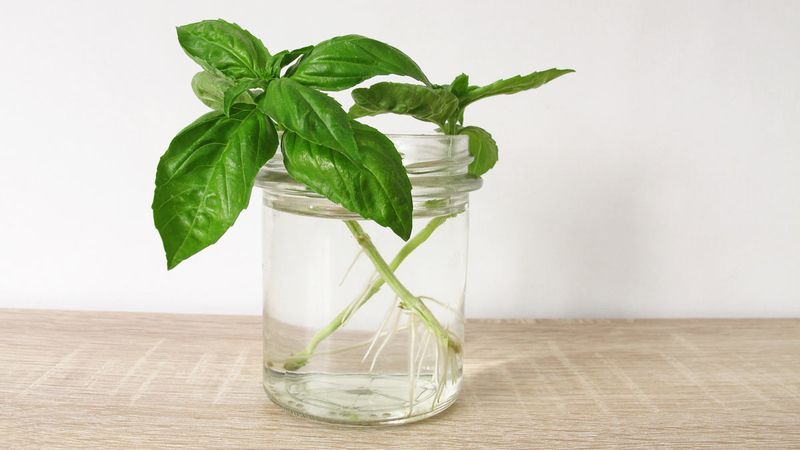
Preparing a basil cutting properly before it goes into water is a step that makes a noticeable difference in how quickly roots form.
Many beginners skip this part and end up with rotting leaves fouling the water, which slows root development and can introduce bacteria into the rooting environment.
Strip away all the leaves from the bottom two inches of the stem. You want a clean, bare section that will sit below the waterline without any foliage touching the water.
Leaves left submerged will break down quickly, cloudying the water and creating conditions that are not ideal for root growth.
Leave at least two sets of healthy leaves at the top of the cutting. Those upper leaves are doing important work – they continue to photosynthesize and provide the energy the cutting needs to push out new roots.
Removing too many leaves weakens the cutting before it has a chance to establish itself.
In Pennsylvania homes during early spring, indoor air can still be fairly dry due to heating systems running through March. Keeping a few healthy leaves on the cutting helps maintain just enough moisture exchange to keep the stem viable.
Once you have stripped the lower leaves cleanly and trimmed any damaged ones from the upper portion, your cutting is ready to go into its rooting medium without delay.
4. Root Basil Cuttings In Water Or Light Soil Mix
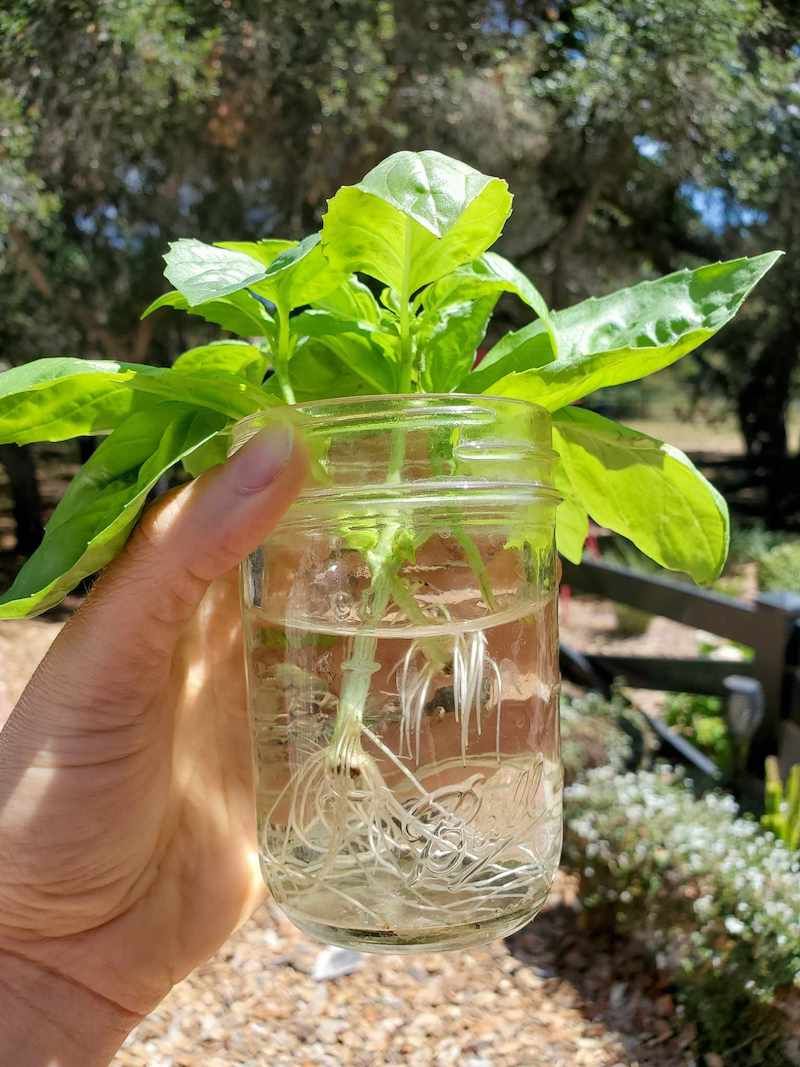
Rooting basil cuttings can be done two ways, and both approaches work well when conditions are right.
Water rooting is the most popular method because it lets you watch root development in real time, which is genuinely satisfying and also practical for catching problems early.
To root in water, place the prepared cutting in a clean glass or jar filled with room-temperature water. Only the bare stem should be submerged.
Set the glass somewhere with bright, indirect light and change the water every two to three days to keep it fresh. Roots typically begin to appear within seven to fourteen days under good conditions.
Once the roots are about two inches long, the cutting is ready to move into soil.
Rooting in a light soil mix is the other reliable option. Use a well-draining medium such as a mix of perlite and potting soil, or a commercial seed-starting mix.
Moisten the medium before inserting the cutting, and keep it consistently damp but not soggy. Covering the pot loosely with a clear plastic bag can help retain humidity during the rooting period.
Pennsylvania gardeners starting cuttings indoors in early spring may find that soil rooting skips the transplant shock that sometimes comes with moving water-rooted cuttings into soil.
Both methods have their advantages, and trying each one is a great way to figure out which works best in your particular home environment.
5. Keep Cuttings In Bright Indirect Light Indoors
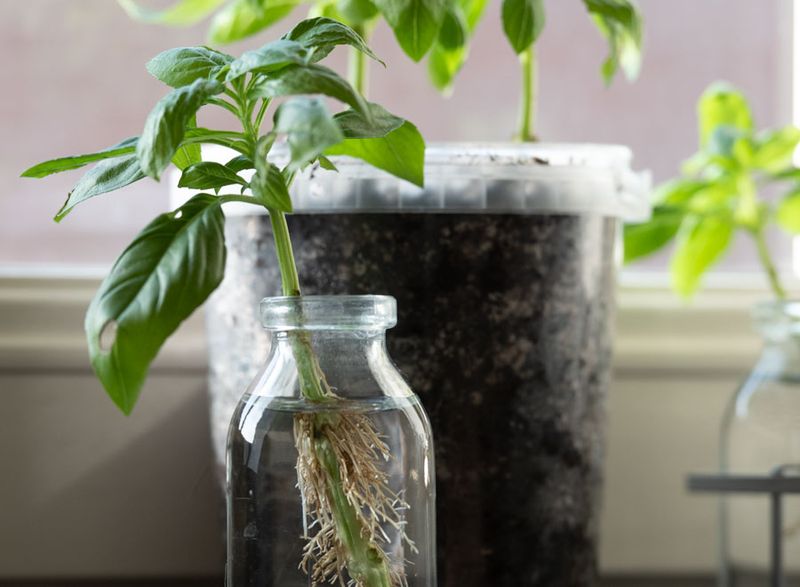
Light is one of the most important factors in successfully rooting basil cuttings indoors, and getting this part right can mean the difference between a cutting that thrives and one that slowly fades before roots ever form.
Basil loves sunlight, but freshly cut stems without an established root system are more vulnerable than mature plants.
Bright, indirect light is the sweet spot during the rooting phase.
A south- or east-facing windowsill in a Pennsylvania home tends to work well from late March through May, offering good light intensity without the harsh direct rays that can stress a cutting that is still working to grow roots.
Direct afternoon sun through a west-facing window can sometimes wilt cuttings before they have a chance to stabilize.
If natural light is limited – which is common in Pennsylvania homes during the gray stretches of early spring – a simple grow light set on a timer for 12 to 14 hours a day can provide consistent, reliable light without overheating the cuttings.
Compact fluorescent or LED grow lights work well and are widely available at garden centers across the state.
Rotate the glass or pot every couple of days if you notice the cutting leaning toward the light source.
Even light exposure encourages more balanced root and leaf development, which sets up a stronger plant when transplant time eventually arrives in the coming weeks.
6. Transplant Once Roots Are Well Established
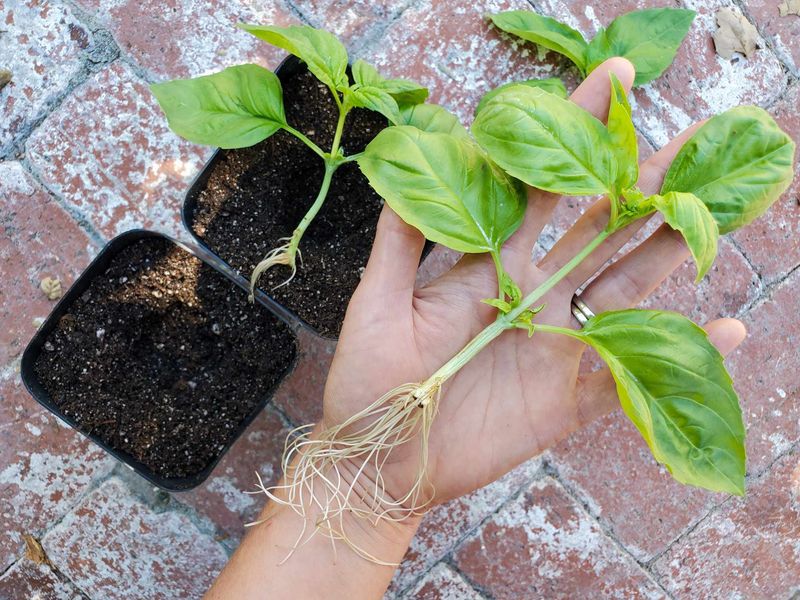
Patience pays off at this stage. Rushing to transplant a basil cutting before its roots are truly ready is one of the most common reasons newly propagated herbs struggle after being moved to soil.
Giving roots enough time to develop before the transition makes the whole process smoother.
For water-rooted cuttings, wait until the roots are at least two inches long and you can see several distinct root strands rather than just one or two thin threads.
That level of root development gives the cutting enough infrastructure to absorb water and nutrients from soil right away.
For soil-rooted cuttings, a gentle tug on the stem after two to three weeks will tell you if roots have anchored – resistance means it is ready.
Choose a pot that is slightly larger than the root ball and fill it with a rich, well-draining potting mix. Basil does not do well in compacted or waterlogged soil, so avoid heavy garden soil on its own.
A quality potting mix with some added perlite provides the drainage and aeration basil roots appreciate.
Water the newly transplanted cutting thoroughly and then allow the top inch of soil to dry out slightly before watering again. Keep the transplant indoors in a bright spot for another week or two before considering any move outdoors.
In Pennsylvania, where spring temperatures can swing unexpectedly, this indoor buffer period gives the young plant time to settle in before facing outdoor conditions.
7. Move Basil Outdoors After Temperatures Warm
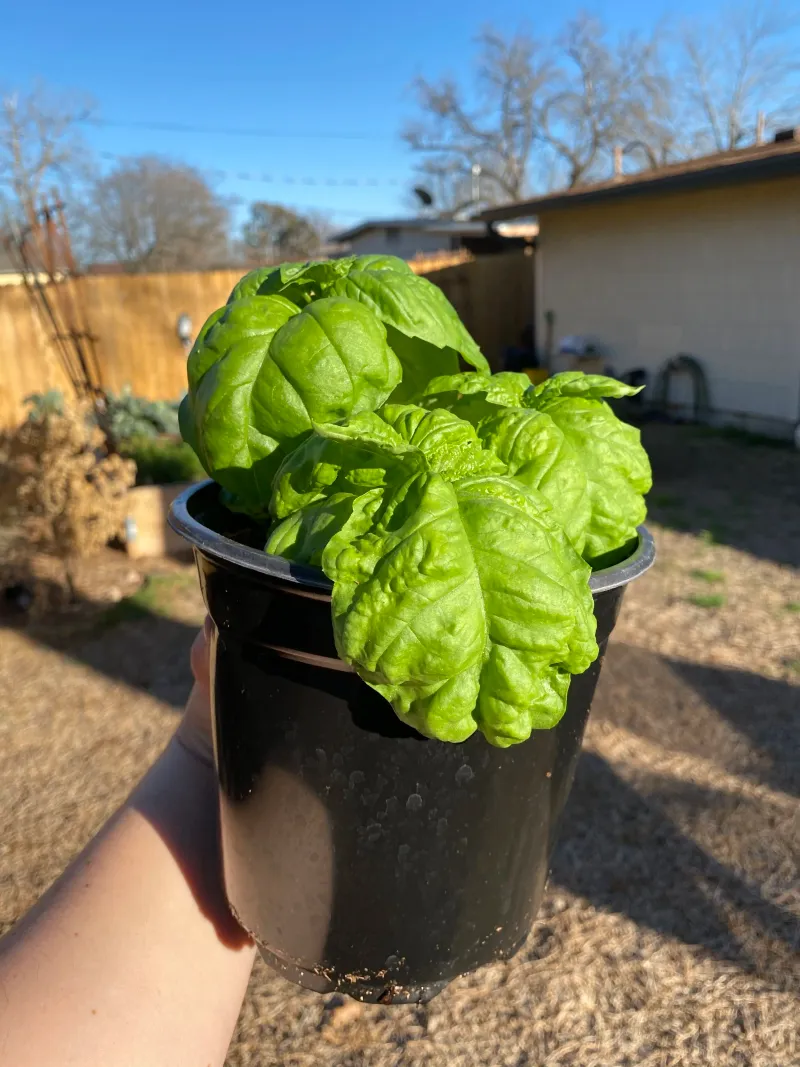
Spring in Pennsylvania is beautiful but unpredictable. A warm week in late April can quickly give way to a cold snap that catches gardeners off guard, and basil is particularly sensitive to those temperature drops.
Knowing when it is genuinely safe to move basil outside is one of the most useful things a Pennsylvania herb gardener can learn.
Most of Pennsylvania falls in USDA hardiness zones 5b through 7a, and the average last frost date varies from mid-April in the southeastern part of the state to mid-May in central and northern regions.
Checking your specific county’s frost date is worth the few minutes it takes, because moving basil out too early risks setbacks that can slow the plant’s progress for weeks.
Basil grows best when nighttime temperatures are consistently above 50 degrees Fahrenheit. Even without a frost, temperatures in the low 40s can cause basil leaves to darken and growth to stall.
A good rule of thumb is to wait until evening lows are reliably above 55 degrees before moving plants to an outdoor location.
Harden off the plants before fully committing them to outdoor life. Set them outside in a sheltered spot for a few hours each day over the course of a week, gradually increasing their exposure to direct sun and outdoor air.
This gradual transition helps the plant adjust without the shock that comes from moving it from a controlled indoor environment to full outdoor conditions all at once.
8. Pinch New Growth To Encourage Bushier Plants
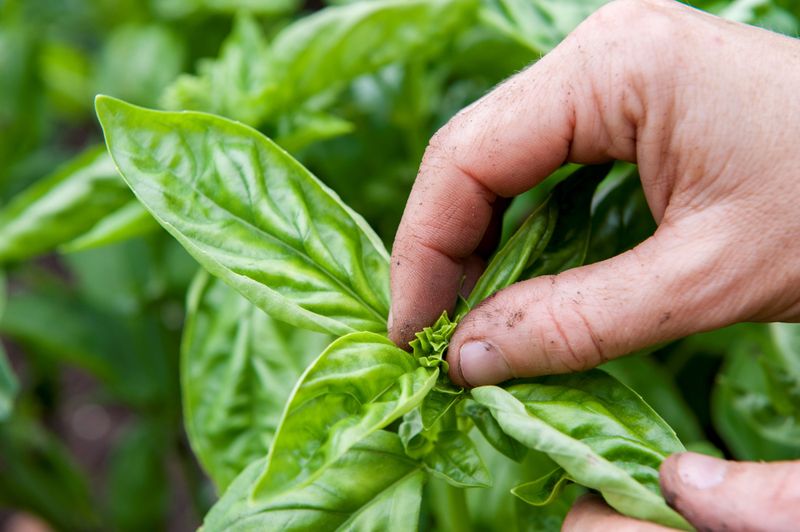
Once your basil plant is settled in and growing steadily, one simple habit can dramatically change how productive and full it becomes over the course of the season.
Pinching – removing the top growing tip of the plant with your fingers or small scissors – triggers the plant to send energy into side branches rather than continuing to grow straight up.
Each time you pinch a growing tip, two new shoots typically emerge from the leaf nodes just below the cut. Over time, this process turns a single-stemmed cutting into a wide, bushy plant with many more leaves to harvest.
For Pennsylvania gardeners working with a relatively short outdoor growing window, getting more leaf production from each plant is a practical advantage worth building into your routine.
Start pinching when the plant reaches about 6 inches tall and has at least three sets of leaves. From that point on, pinch every couple of weeks or whenever you notice a stem getting long and reaching upward.
Regular pinching also delays the plant from flowering, which is helpful because once basil blooms, the leaves tend to become smaller and can develop a slightly sharper flavor.
If flower buds do appear, remove them promptly to redirect the plant’s energy back into leaf production.
Consistent pinching throughout June, July, and into August can keep Pennsylvania basil plants productive well into early fall, giving you a generous harvest from cuttings you started indoors months earlier.