What Michigan Zone 5 And 6 Gardeners Should Do The Last Week Of April
Late April in Michigan can feel like a turning point. The ground has warmed enough to get serious work done, but there is still that lingering sense that spring could shift again without much warning.
Gardeners in Zone 5 and 6 know this stretch well. It is the moment when early plans either come together or start falling behind.
Some tasks need attention right away, while others benefit from a bit of patience before jumping in too quickly.
This is also when gardens begin showing real signs of life. Buds swell, perennials push upward, and lawns start changing color almost overnight. It creates that urge to do everything at once.
But this week is less about doing more and more about doing the right things at the right time. The difference shows up fast, especially with how quickly Michigan weather can move from mild to unpredictable.
1. Check Your Frost-Free Date Before Planting Tender Crops
Knowing your frost-free date is one of those things that can save your entire garden from a surprise cold snap. In Michigan’s Zone 5, the average last frost typically falls somewhere between May 1 and May 15.
Zone 6 gardeners in the southern parts of the state may see their last frost a little earlier, often around late April to early May. Either way, the last week of April is not the time to get overconfident about warm weather.
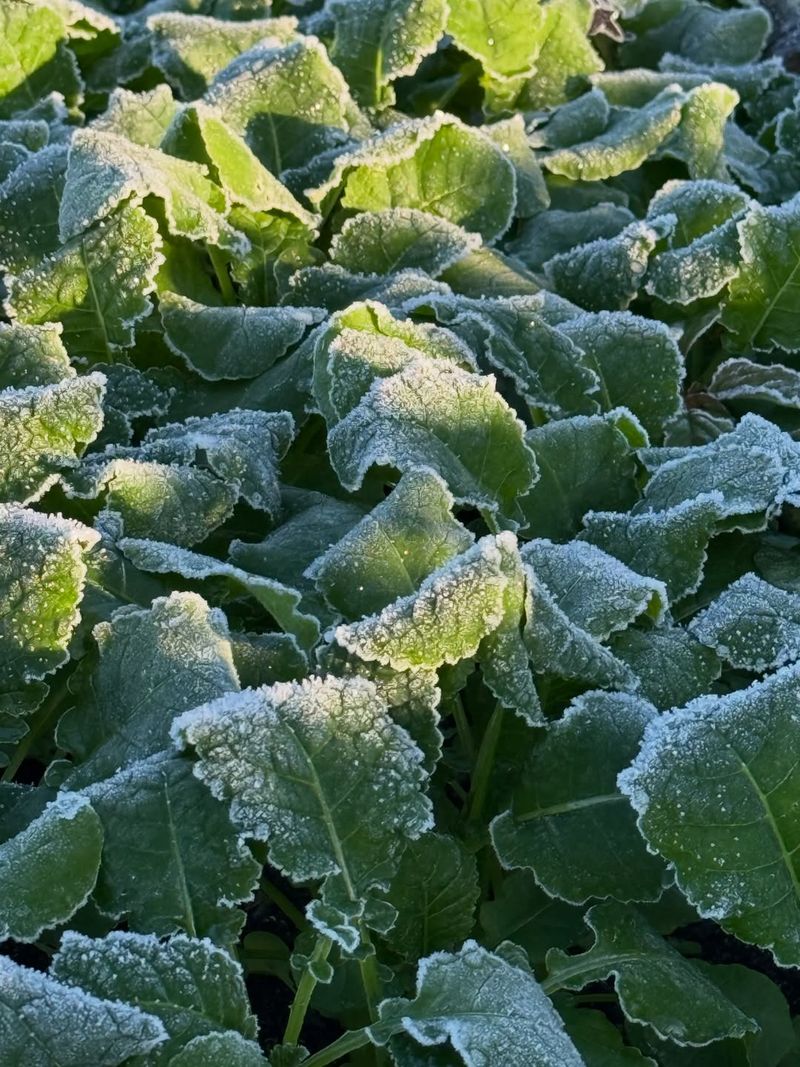
Tender crops like tomatoes, peppers, basil, and cucumbers are highly sensitive to cold temperatures. Even a brief overnight dip below 32 degrees Fahrenheit can seriously set back their growth or cause lasting damage to young transplants.
Before you put anything frost-sensitive in the ground, pull up your local frost date using your zip code on a reliable gardening resource like the Old Farmer’s Almanac or your county’s Michigan State University Extension office website.
Michigan weather in late April can be unpredictable, with warm sunny afternoons followed by cold, windy nights. Keeping a close eye on your local forecast during this final week of April is a smart habit.
If a frost warning pops up, having row covers or old bedsheets ready to protect vulnerable plants can make a real difference. Planning around your frost-free date is not about being overly cautious.
It is about giving every plant in your Michigan garden the best possible shot at a healthy, productive growing season from the very start.
2. Harden Off Seedlings Before Moving Them Outside
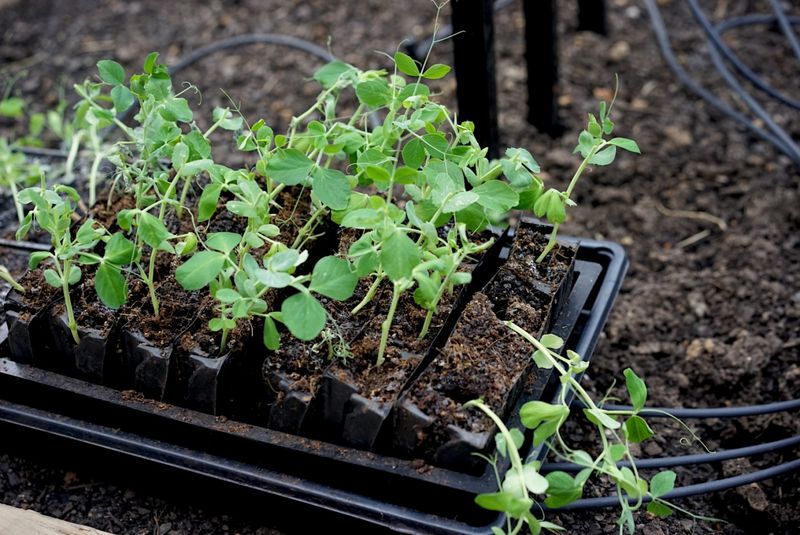
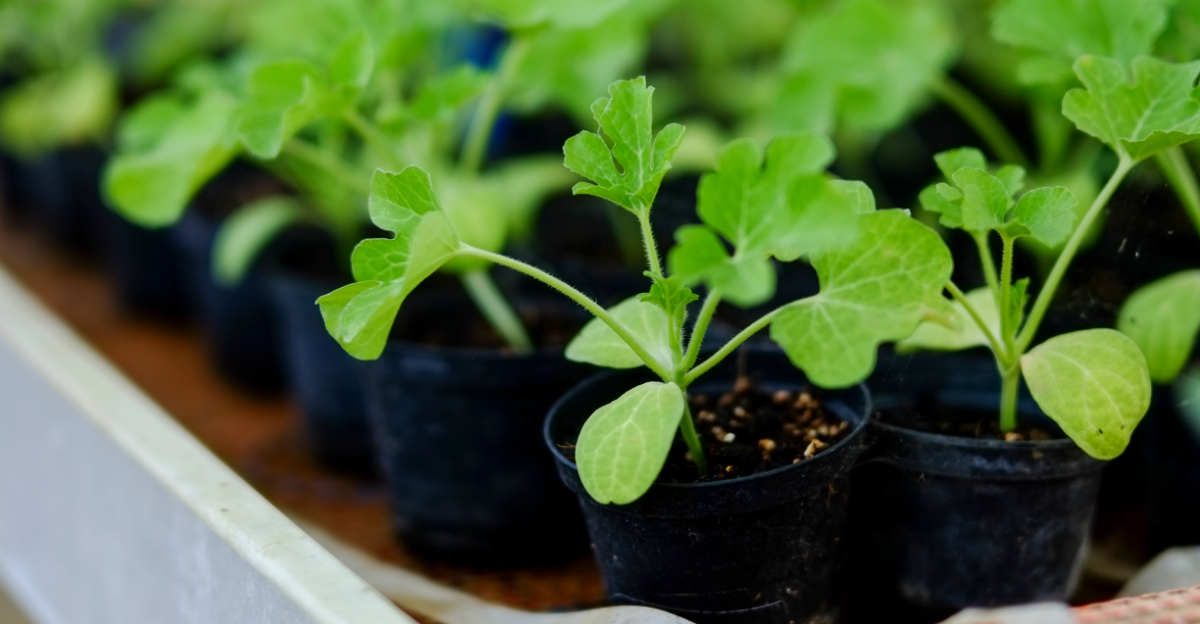
Seedlings that have been growing under grow lights or on a sunny windowsill indoors have had a pretty comfortable life so far. The transition from that cozy indoor environment to the breezy, variable conditions of a Michigan spring garden is a big one, and skipping the hardening off process can leave young plants struggling to adjust.
Hardening off simply means gradually introducing your seedlings to outdoor conditions over the course of about seven to ten days.
Start by bringing your trays outside for just an hour or two during the warmest, calmest part of the day. Keep them in a sheltered spot out of direct wind and harsh afternoon sun at first.
Your Michigan Garden Changes Every Week. Your Plan Should Too.
Gardening in Michigan changes quickly throughout the season. Every Friday you’ll receive a simple weekly plan showing exactly what to plant, prune, fertilize, harvest, and protect so you never miss the right timing.
Each day, increase the amount of time they spend outside by another hour or two. By the end of the week, they should be able to handle a full day outdoors, including some direct sunlight and light breezes without wilting or showing stress.
For Michigan Zone 5 and 6 gardeners, the last week of April is a perfect window to begin or wrap up the hardening off process for cool-season transplants like broccoli, kale, and cabbage. These crops are more cold-tolerant and can handle the process a bit faster than warm-season plants.
Pay attention to nighttime temperatures during this period. If temps are expected to drop below 40 degrees Fahrenheit, bring your trays back inside for the night.
A cold frame or mini greenhouse tunnel can also help protect seedlings overnight while still allowing daytime exposure to outdoor conditions. Taking the time to do this right means your transplants will settle into Michigan’s garden soil with far less shock and stress.
3. Plant Cool-Season Crops As Soil Conditions Allow
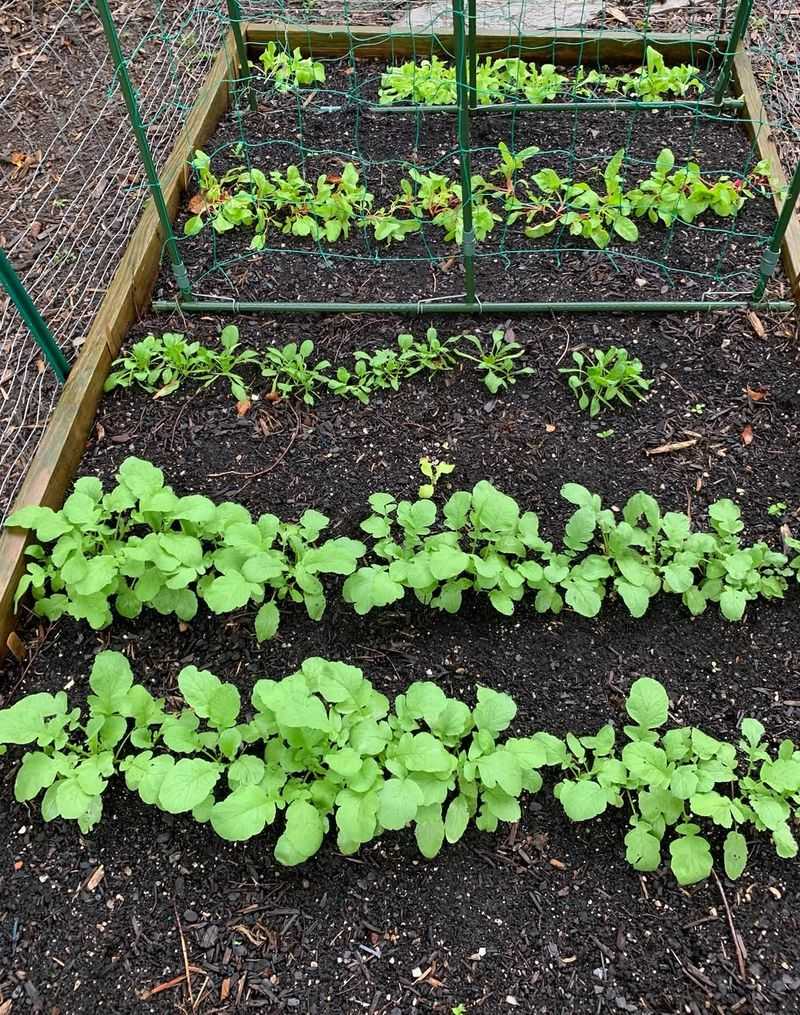
Few things are as satisfying as pressing seeds into warm spring soil after a long Michigan winter. The last week of April is genuinely one of the best times to direct sow cool-season vegetables, provided your soil is workable.
Crops like peas, spinach, lettuce, radishes, carrots, beets, and cilantro all love the cooler soil temperatures that Michigan’s spring offers right now. These plants actually prefer growing in cooler conditions and can bolt or lose flavor once summer heat sets in.
Before you start planting, do a quick squeeze test with a handful of soil. If it crumbles apart easily when you open your hand, it is ready to work with.
If it stays in a tight muddy ball, give it a few more days to dry out. Working wet soil can compact it and damage its structure, making it harder for roots to spread and water to drain properly throughout the season.
Raised beds tend to warm up and drain faster than in-ground plots, which gives Michigan gardeners in both Zones 5 and 6 a slight head start with early spring planting. If you have a raised bed, now is an excellent time to get it seeded.
For in-ground rows, adding a thin layer of compost to the surface before planting can boost soil nutrition and help seeds germinate more evenly. Succession planting is also worth considering at this stage.
Instead of sowing all your lettuce or spinach at once, plant a short row every ten days or so. That way, you will have a continuous harvest of fresh greens throughout the spring rather than everything coming in at once and going to waste.
4. Start Or Finish Soil Testing As The Ground Warms
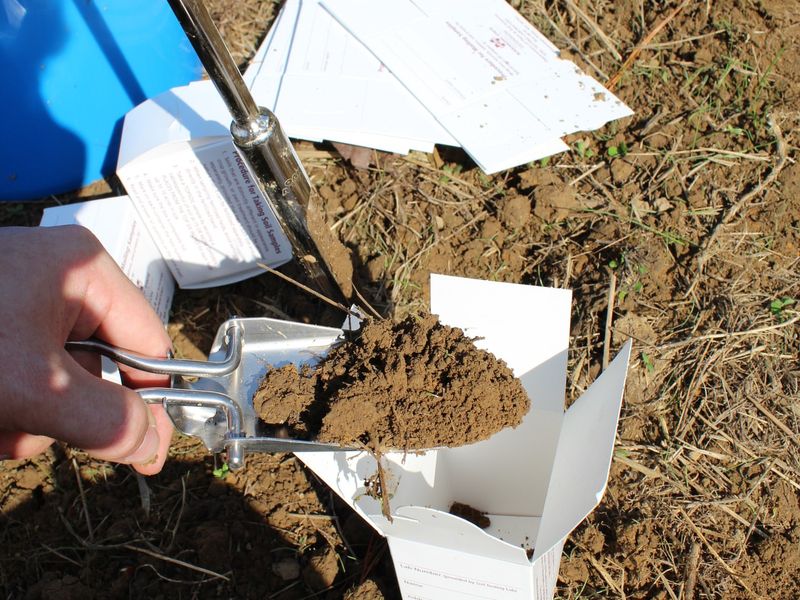
Most gardeners in Michigan skip soil testing, but it is honestly one of the most useful things you can do for your garden. A basic soil test tells you the pH level of your soil, which nutrients are present, and which ones might be lacking.
Without this information, you are essentially guessing when you add fertilizer or amendments, and guessing can lead to spending money on products your garden does not actually need.
The last week of April is a great time to either send in a soil sample or wrap up one you may have started earlier in the month. Michigan State University Extension provides soil testing guidance, but soil samples are typically analyzed through commercial labs rather than directly by the Extension.
You can also find reliable home test kits at most garden centers. Once you get your results back, you will know exactly whether your soil needs lime to raise pH, sulfur to lower it, or specific nutrients like phosphorus and potassium to support healthy plant growth.
For Zone 5 and 6 gardeners across Michigan, soil pH is especially important for vegetable gardens. Most vegetables prefer a slightly acidic to neutral pH range of about 6.0 to 7.0.
If your soil is too acidic or too alkaline, plants may struggle to absorb nutrients even if those nutrients are present in the soil. Testing now while the ground is warming up gives you just enough time to add any necessary amendments and let them begin working before your main planting season kicks off.
Doing this one step can genuinely change how productive and healthy your Michigan garden becomes over the entire growing season, making every other task you do this spring more effective and worthwhile.
5. Wait On Warm-Season Crops Until Nights Stay Warm Enough
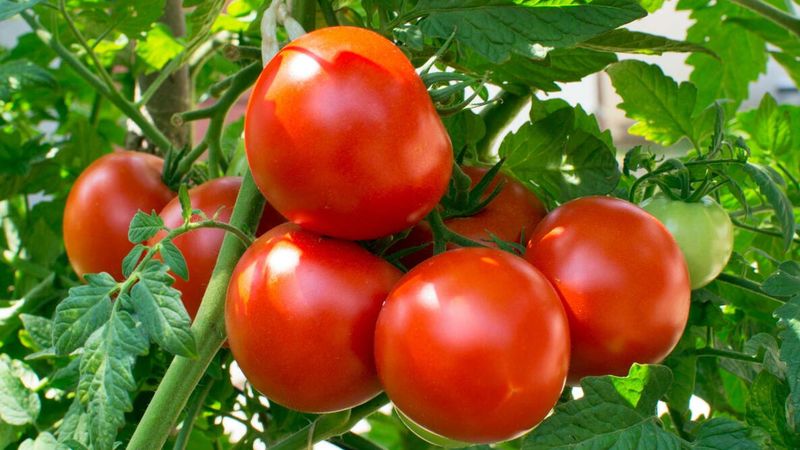
Patience is genuinely one of the most valuable tools in a Michigan gardener’s toolbox during the last week of April. It can be tempting to rush warm-season crops like tomatoes, peppers, squash, melons, and beans into the ground the moment the sun starts feeling strong.
But planting these crops too early in Michigan’s Zones 5 and 6 often backfires, leaving you with stunted, stressed plants that never quite bounce back the way they should.
Warm-season vegetables need both warm days and warm nights to thrive. Soil temperature matters just as much as air temperature.
Tomatoes, for example, prefer soil that is consistently at or above 60 degrees Fahrenheit before transplanting. Peppers and melons want it even warmer.
Even if daytime temps in Michigan feel pleasant during the last week of April, nighttime lows can still dip into the 30s and 40s across much of the state, which is far too cold for these heat-loving plants.
The best thing you can do right now is keep your warm-season seedlings in a well-lit indoor space or a heated greenhouse and continue the hardening off process if you have not started it yet. Use a soil thermometer to check your garden bed temperatures each morning before you make any planting decisions.
Most Michigan Zone 5 gardeners find that mid to late May is the safest window for transplanting tomatoes and peppers outdoors. Zone 6 gardeners may be able to move a little earlier, but checking your local nighttime forecast is still essential.
Waiting a couple of extra weeks now sets your warm-season crops up for faster, stronger growth once they are finally in the ground under the right conditions.
6. Plant Bare-Root Fruit Trees While Spring Conditions Still Suit Them
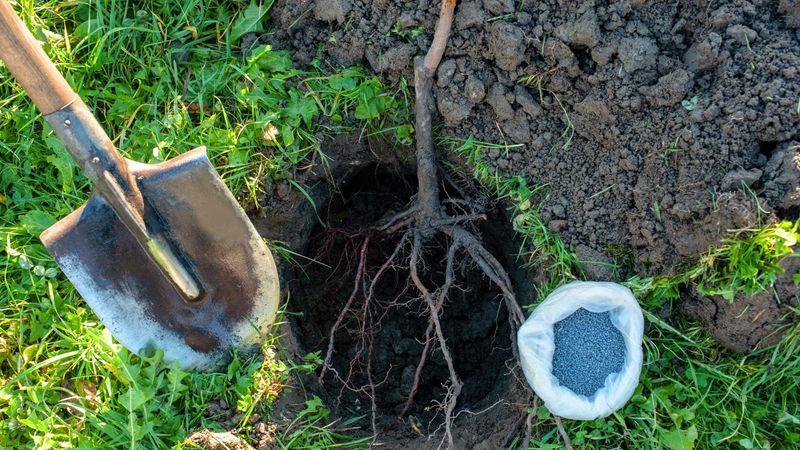
There is something almost old-fashioned and wonderful about planting a bare-root fruit tree. No fancy container, no potting mix, just roots and potential.
Bare-root fruit trees are sold without soil around their roots and need to go into the ground while they are still dormant or just beginning to leaf out. The last week of April sits right at the edge of the ideal planting window for Michigan Zone 5 and 6 gardeners, so if you have been putting this off, now is truly the time to act.
Apple, pear, cherry, and plum trees are all commonly available as bare-root stock in Michigan nurseries and online. Before planting, soak the roots in a bucket of water for several hours to rehydrate them.
Choose a location with full sun and good drainage, as fruit trees do not perform well in soggy soil. Dig a wide, shallow hole rather than a deep narrow one, spreading the roots outward naturally.
Set the tree so the graft union, the slight bump near the base of the trunk, sits just above the soil line.
Backfill with your native Michigan soil rather than amended compost, which can actually discourage roots from spreading outward into the surrounding ground. Water deeply after planting and add a ring of mulch around the base, keeping it a few inches away from the trunk to prevent rot.
Staking may be needed in windy spots. Bare-root trees planted now in Michigan’s Zones 5 and 6 tend to establish quickly because cooler spring soil temperatures encourage root development before the canopy has to support heavy leaf growth.
Getting this done before temperatures climb too high gives your new fruit trees the smoothest possible start to a long and productive life in your Michigan yard.
7. Avoid Early Spring Lawn Fertilizing And Hold Off Until May
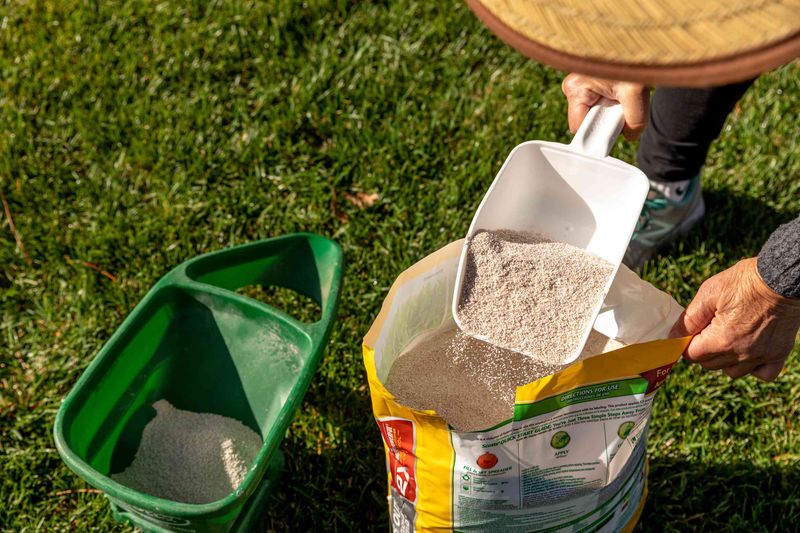
Walk through any big box store in late April and you will see lawn fertilizer displays practically calling your name. It feels like the right time to feed your grass, especially after a long Michigan winter.
But here is a surprising truth that many Michigan homeowners do not know: fertilizing your lawn too early in spring can actually do more harm than good, encouraging fast but weak top growth at the expense of deep, healthy root development.
Cool-season grasses like Kentucky bluegrass, fescue, and ryegrass, which are the most common lawn types across Michigan’s Zones 5 and 6, are naturally greening up right now on their own using nutrients stored in their root systems from last fall. Applying a nitrogen-heavy fertilizer during the last week of April pushes the grass blades to grow fast and lush, but those roots underneath are not keeping pace.
Shallow roots make lawns more vulnerable to summer drought and disease later in the season.
Michigan State University Extension guidance often supports light spring fertilization for cool-season lawns, with heavier fertilizing typically recommended in the fall rather than strictly waiting until mid to late May. By then, soil temperatures have risen enough to support balanced growth both above and below the surface.
If your lawn looks thin or patchy right now, the better move this week is to overseed bare spots with a quality grass seed blend suited for Michigan’s climate rather than reaching for the fertilizer bag. Keeping the mower blade set a little higher during these early spring mowings, around three to four inches, also helps shade out weeds and protect young grass blades as the season picks up.
A little patience with your lawn this April pays off in a noticeably stronger, greener yard all summer long.