8 Plants That Will Attract Dragonflies To Your Florida Garden This Spring
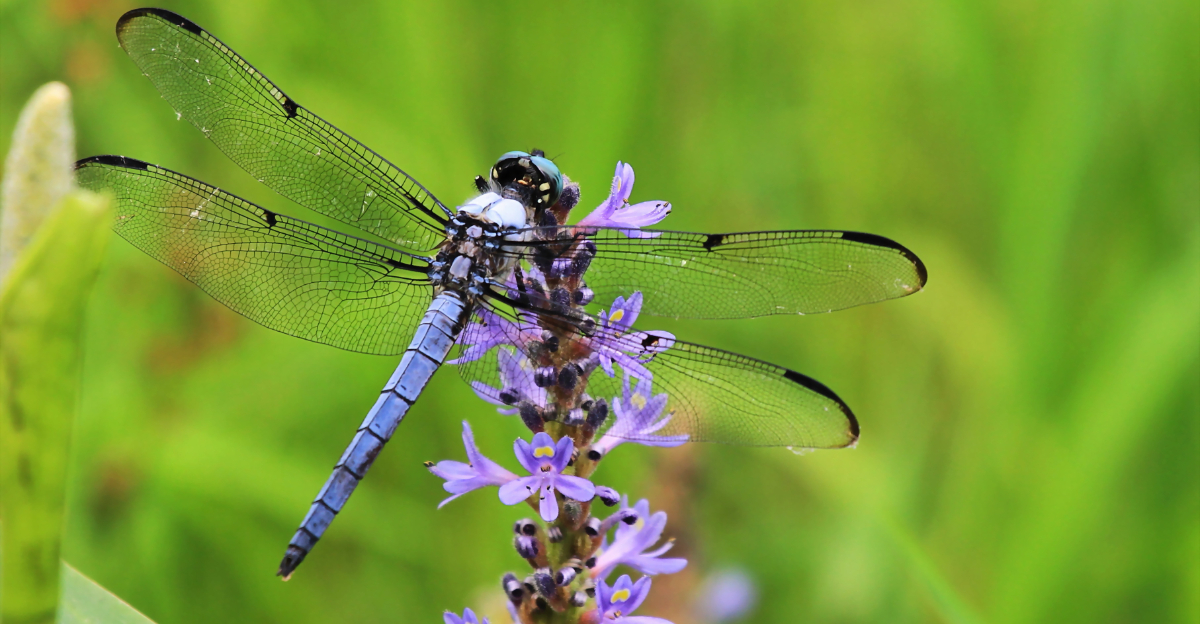
A Florida garden can feel completely different once dragonflies start showing up. The whole space seems more alive, more balanced, and a little more magical, especially on warm spring afternoons when they dart through the air like tiny flying jewels.
Most people notice them when they arrive, but not everyone knows what brings them in.
That is where plant choice starts to matter. Dragonflies are drawn to gardens that offer the right kind of shelter, resting spots, and insect activity.
A yard does not need to look wild or untidy to catch their attention. In fact, a few well-chosen plants can help create the kind of spring setup that makes them want to stick around.
For Florida gardeners, that can mean a yard that feels brighter, more active, and far more connected to the season. Once you know which plants help set the scene, it gets much easier to turn an ordinary garden into a place dragonflies actually want to visit.
1. Pickerelweed Gives Dragonflies A Place To Pause
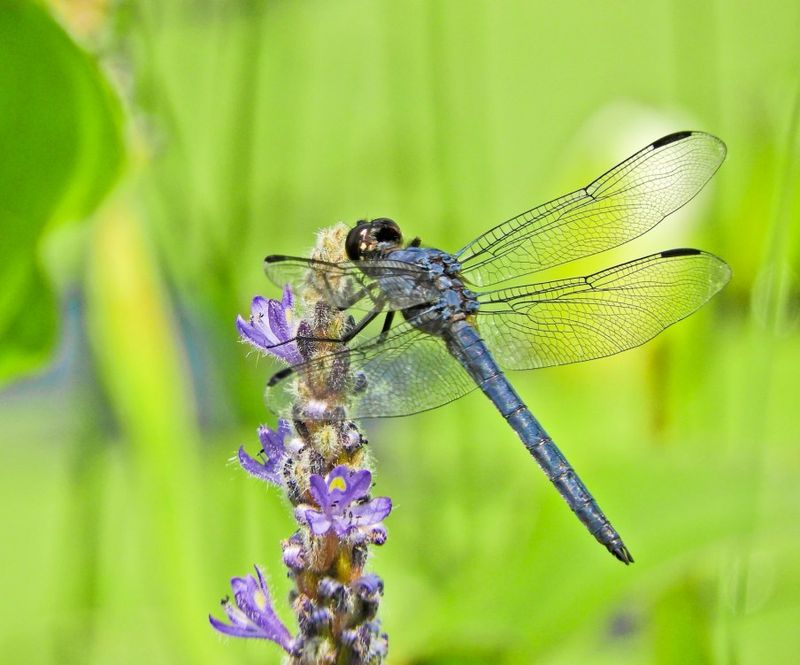
Walk along almost any Florida pond edge in spring and you will likely spot pickerelweed already doing its job.
Pontederia cordata is a Florida native aquatic perennial that sends up bold spikes of violet-blue flowers from late spring through fall, and it thrives right where dragonflies need it most: in shallow water or saturated soil along pond margins, rain garden edges, or wet swales.
What makes pickerelweed especially valuable is its upright structure. Adult dragonflies are perch hunters, meaning they scan for prey from a fixed spot and dart out to catch it.
The firm, tall stems of pickerelweed give them exactly the kind of elevated resting point they prefer near open water. The broad, heart-shaped leaves also offer shade at the water surface, which supports the aquatic insects dragonfly larvae feed on.
According to UF/IFAS, pickerelweed spreads moderately and can form dense colonies over time, so placing it where it has room to expand makes sense. In a container water garden or a defined pond shelf, it stays more manageable.
Plant it in the shallowest zone, no more than twelve inches of water, and let it anchor the wet edge of your spring habitat planting.
2. Duck Potato Helps A Water Edge Feel Alive
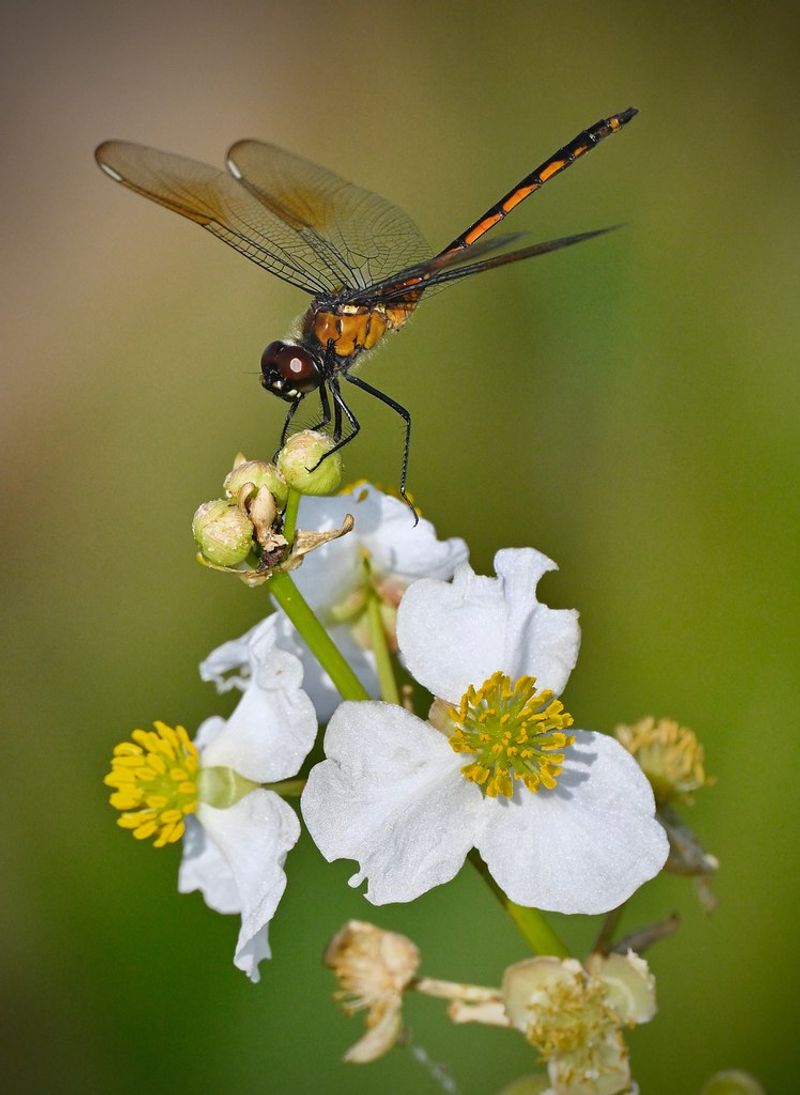
Few plants look as naturally at home in a Florida wetland as duck potato, and that ease of fit is exactly why it belongs in a dragonfly-focused planting.
Sagittaria latifolia is a native aquatic perennial with striking arrow-shaped leaves that rise cleanly above the waterline, giving the pond margin a structured, layered look that benefits both the gardener and the wildlife living nearby.
The plant grows in shallow water or along consistently muddy banks, which puts it right in the zone where dragonflies are most active.
Females of many dragonfly species lay their eggs at or just below the water surface, and emergent plants like duck potato give newly hatched larvae places to cling as they begin their underwater life.
The sturdy upright leaves also serve as perching and resting points for adults patrolling a pond edge.
Your Florida Garden Changes Every Week. Your Plan Should Too.
Gardening in Florida changes quickly throughout the season. Every Friday you’ll receive a simple weekly plan showing exactly what to plant, prune, fertilize, harvest, and protect so you never miss the right timing.
Duck potato produces small white flowers with bright yellow centers in spring and early summer, which adds visual interest while supporting the broader food web. It spreads by runners and tubers, so it works best where it has space to naturalize along a shoreline or wet garden edge.
Planted in six to twelve inches of water, it fills in naturally and keeps a wet margin looking purposeful rather than neglected.
3. Swamp Milkweed Brings More Movement To The Garden
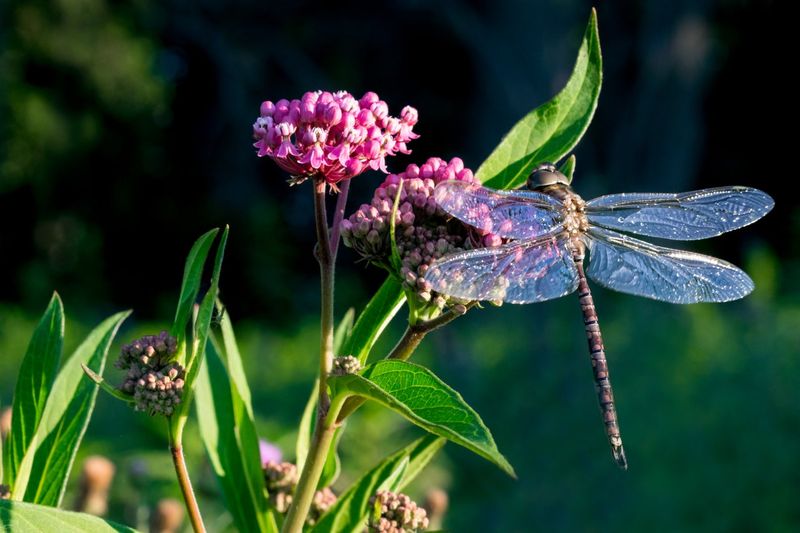
Not every plant in a dragonfly garden needs to grow in standing water, and swamp milkweed is a good example of why.
Asclepias incarnata is a Florida-friendly native perennial that thrives in rain gardens, moist wildlife beds, and low-lying areas where the soil stays reliably damp.
It does not need to be submerged, but it struggles in dry, sandy ground, so placement matters.
The clusters of pink to mauve flowers that appear in late spring and summer draw in a wide range of insects, including bees, wasps, and small butterflies. That insect activity is what connects swamp milkweed to dragonflies.
Adult dragonflies are aerial predators that feed on flying insects, and a plant that reliably pulls in small prey makes any moist garden corner more worth patrolling. More insect movement near the water edge means more dragonfly activity in the same space.
It is worth being honest here: swamp milkweed will not single-handedly fill your yard with dragonflies. Its real value comes when it is part of a larger habitat that includes open water or a consistently wet planting zone nearby.
Grown in a rain garden that connects to a pond or a damp swale, it adds another layer of food-web richness that makes the whole setup work better.
4. Buttonbush Turns A Damp Spot Into A Wildlife Magnet
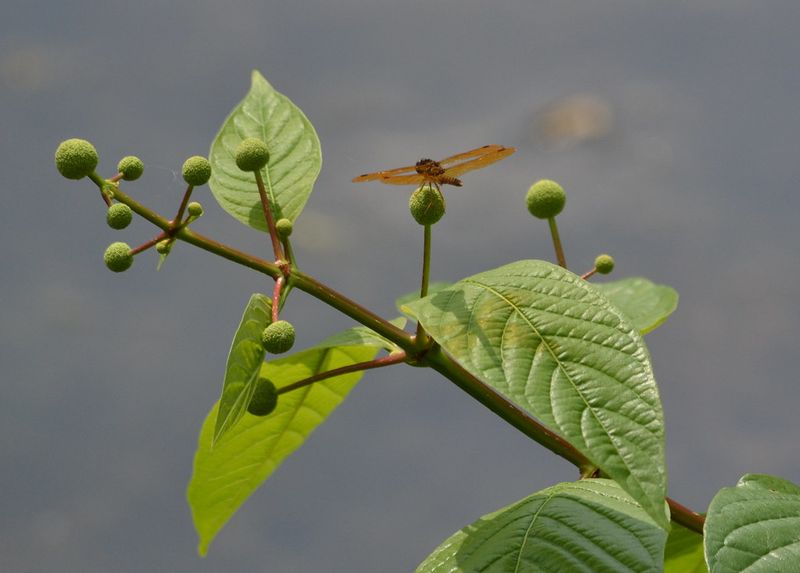
That soggy low spot at the back of the yard that never quite drains? Buttonbush was practically made for it.
Cephalanthus occidentalis is a native Florida shrub that thrives in wet soils, pond margins, retention edges, and seasonally flooded areas where most landscape plants give up.
It can handle standing water for extended periods, which makes it one of the toughest and most useful choices for a dragonfly-friendly wet planting.
The round, globe-shaped white flower clusters that appear in late spring and summer are genuinely distinctive, and they pull in an impressive range of insects.
Bees, beetles, and other small invertebrates visit the blooms in numbers, and that concentrated insect activity near a water edge creates reliable hunting territory for patrolling dragonflies.
The shrub’s branching structure also provides elevated perching spots that adult dragonflies use to survey open water.
Buttonbush can grow eight to twelve feet tall and wide under good conditions, so it works best as a background shrub along a pond edge or as a naturalized planting in a rain garden with room to spread. UF/IFAS recognizes it as a strong native choice for wet Florida landscapes.
Pruning in late winter keeps it from overtaking smaller companion plants while still allowing it to flower each spring.
5. Blue Flag Iris Makes Wet Areas Work Harder
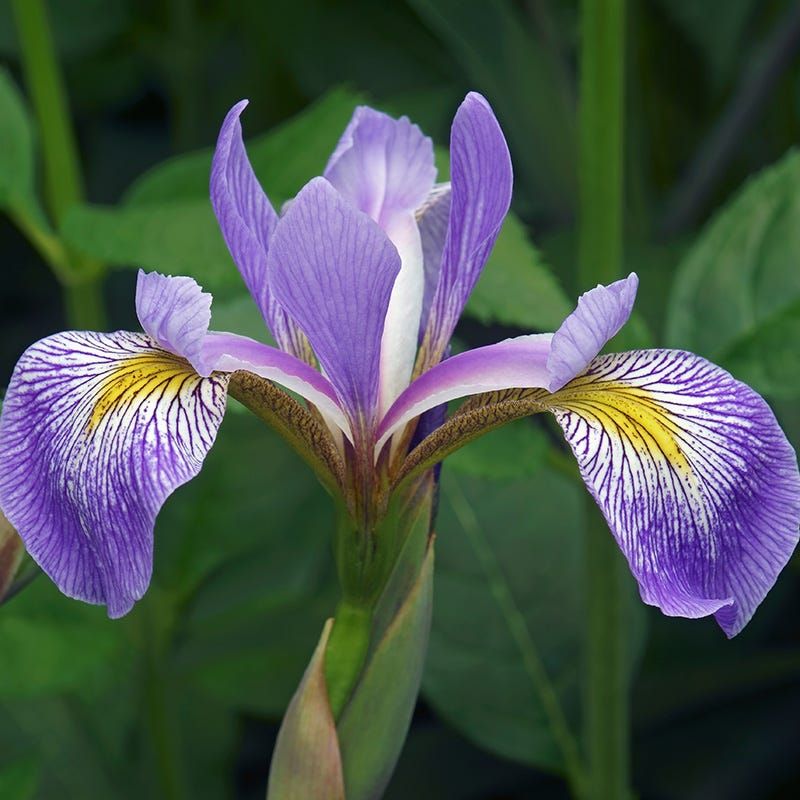
There is a particular moment in a Florida spring when blue flag iris comes into bloom at a pond edge and the whole wet planting suddenly looks intentional.
Iris virginica is a native perennial that produces elegant violet-blue flowers in spring, and it earns its place in a dragonfly habitat by doing more than looking good.
It grows in shallow water, bog gardens, and consistently saturated soil, which puts it squarely in the zone where dragonflies spend most of their time.
The sword-like upright leaves are part of what makes this plant so useful structurally. They create vertical cover along the water margin without blocking sightlines across the open water surface.
Dragonflies use that kind of habitat edge constantly, moving between open hunting areas and sheltered resting spots.
The dense leaf bases also provide microhabitat near the waterline that supports the small aquatic invertebrates dragonfly larvae feed on during their underwater stage.
Blue flag iris spreads slowly by rhizome and forms clumps over time, which makes it a reliable long-term addition to a wet bed or pond shelf. It pairs naturally with pickerelweed and duck potato to create a layered shoreline planting.
Plant it in two to six inches of water or in saturated soil just at the water’s edge for the best results in a spring Florida garden.
6. Spider Lily Brings Drama To Moist Florida Beds
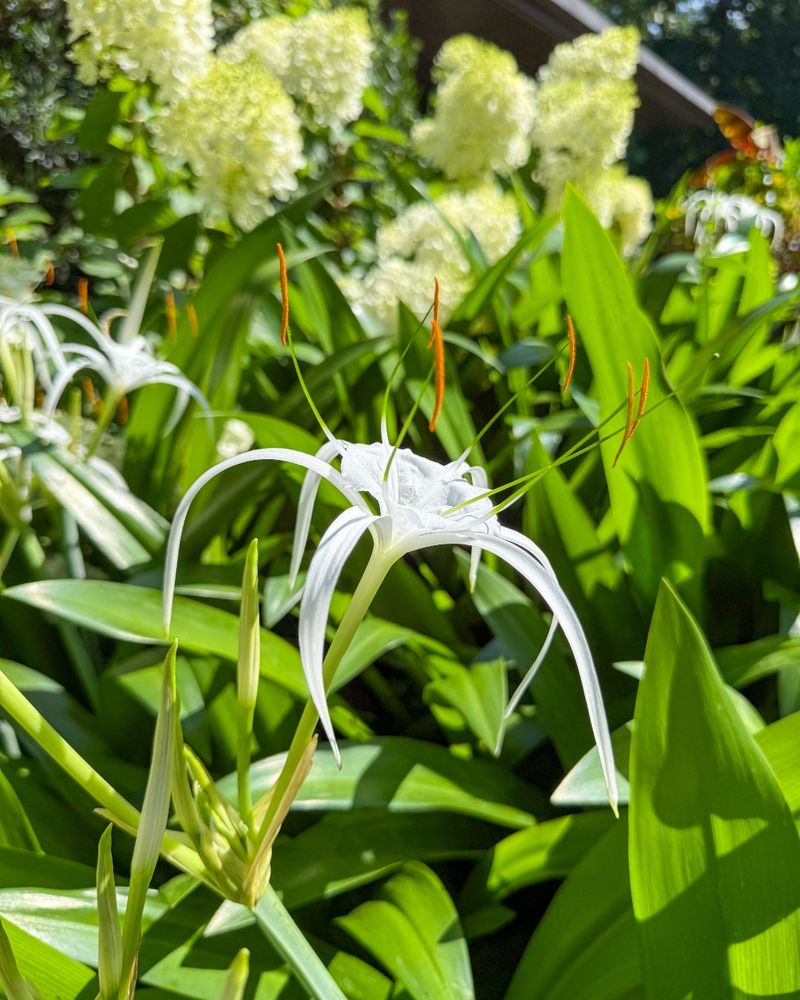
Bold, unusual, and surprisingly tough, spider lily is the kind of plant that makes visitors stop and ask what it is. Hymenocallis floridana, the Florida spider lily, is a native species that produces clusters of striking white flowers with long, spidery petals radiating from a central cup.
It blooms in spring and early summer, right when dragonfly season is picking up across the state.
Spider lily grows naturally along stream banks, pond edges, and in moist flatwoods, which tells you exactly where it belongs in a dragonfly-friendly garden. It is not a plant for dry beds.
Placed in consistently moist soil, at a rain garden edge, or along the damp margin of a pond, it becomes part of the layered shoreline structure that makes a wet habitat feel complete.
The strap-like foliage stays green for much of the year, adding visual density to the water edge even when the plant is not in bloom.
Because spider lily is a Florida native, it is well adapted to the state’s wet-dry seasonal cycles and resists most local pest pressure without much intervention. It grows in clumps that slowly expand over time, making it easy to naturalize along a moist garden edge.
Pair it with blue flag iris or pickerelweed for a shoreline planting that offers both structure and seasonal flower interest through spring and into early summer.
7. Golden Canna Adds Color Near The Waterline
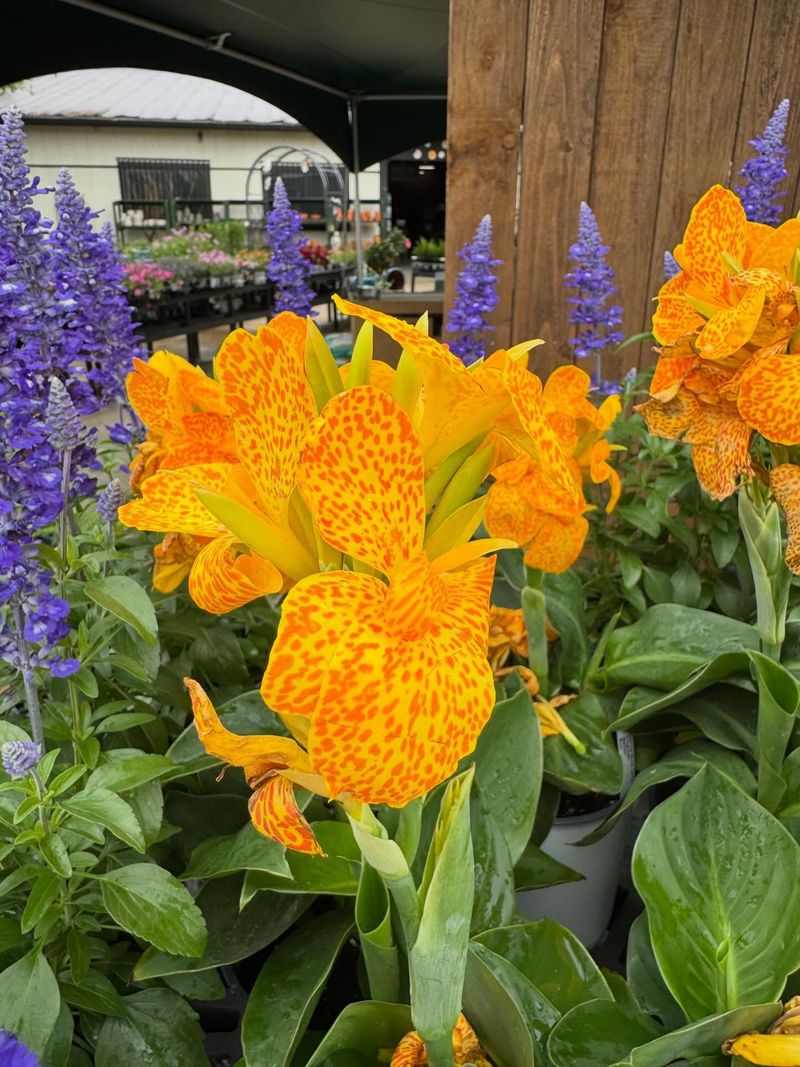
Bright yellow flowers rising above broad, paddle-shaped leaves along a Florida pond edge in spring make golden canna one of the most visually striking plants you can add to a wet habitat planting.
Canna flaccida, the native golden canna or bandana-of-the-Everglades, is distinct from the many hybrid cannas sold at garden centers.
This is the species that belongs in a Florida wetland planting, and that distinction matters when you are trying to build a habitat that actually functions.
Golden canna grows naturally in marshes, pond margins, wet prairies, and the edges of slow-moving water across Florida. It tolerates standing water and thrives in saturated soil, which makes it a strong companion to pickerelweed and duck potato along a shoreline or rain garden edge.
The large leaves create shade at the water surface and add structural mass to the planting that benefits both the visual design and the wildlife using the space.
For dragonflies, the value of golden canna is largely about what it contributes to the overall habitat. Dense emergent vegetation at the water edge creates the kind of sheltered, layered environment where dragonfly larvae develop and where adults hunt and rest.
Plant golden canna in full sun with its roots in consistently wet or flooded soil, and it will spread steadily to fill a wet margin with reliable spring color.
8. Native Water Lily Gives Dragonflies A Landing Spot
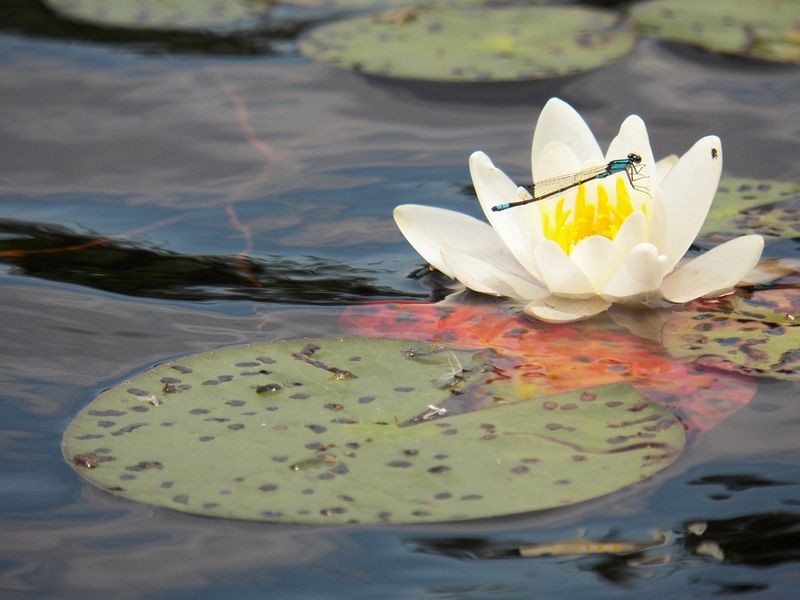
Open water without floating vegetation is a missed opportunity in any dragonfly-friendly Florida garden.
The native American white water lily, Nymphaea odorata, adds a layer to the habitat that no emergent shoreline plant can replicate: broad, flat leaves sitting right at the water surface, offering adult dragonflies a low, stable landing spot in the middle of the pond.
Dragonfly adults spend significant time perching close to or over open water, watching for prey and potential mates. A lily pad provides exactly that kind of platform, positioned right where the action is.
Below the surface, the stems and root structures of water lilies contribute to the aquatic environment that supports the invertebrates dragonfly larvae eat during the months they spend underwater before emerging as adults.
Nymphaea odorata is native to Florida and blooms with fragrant white flowers in spring and summer, typically opening in the morning and closing by afternoon. It grows in still or slow-moving water two to six feet deep, spreading by rhizomes to gradually cover more of the pond surface.
Avoid letting it cover the entire water surface, since open water patches matter for dragonfly flight and hunting.
Used thoughtfully as part of a broader water-connected habitat, a native water lily ties the whole spring planting together in a way no single shoreline plant can match.