8 Container Plants That Do Well In Pennsylvania Summer
Pennsylvania summers can be a little all over the place. One week feels pleasantly warm, the next turns hot and sticky, and your containers are suddenly drying out faster than you expected.
That is what makes choosing the right plants so important. A beautiful pot on the porch or patio is great, but it is even better when it keeps looking fresh without constant stress, drooping leaves, or daily guesswork.
The good news is that plenty of container plants are more than ready for the challenge. Some love the heat, some bounce back well after a dry day, and others keep pushing out color even when summer starts to feel heavy.
With the right picks, your containers can stay lively, full, and attractive through the busiest stretch of the season.
Whether you want bright blooms, bold foliage, or something that adds charm to a front step or backyard corner, there are plants that can handle a Pennsylvania summer without making you work overtime to keep them happy.
1. Petunias
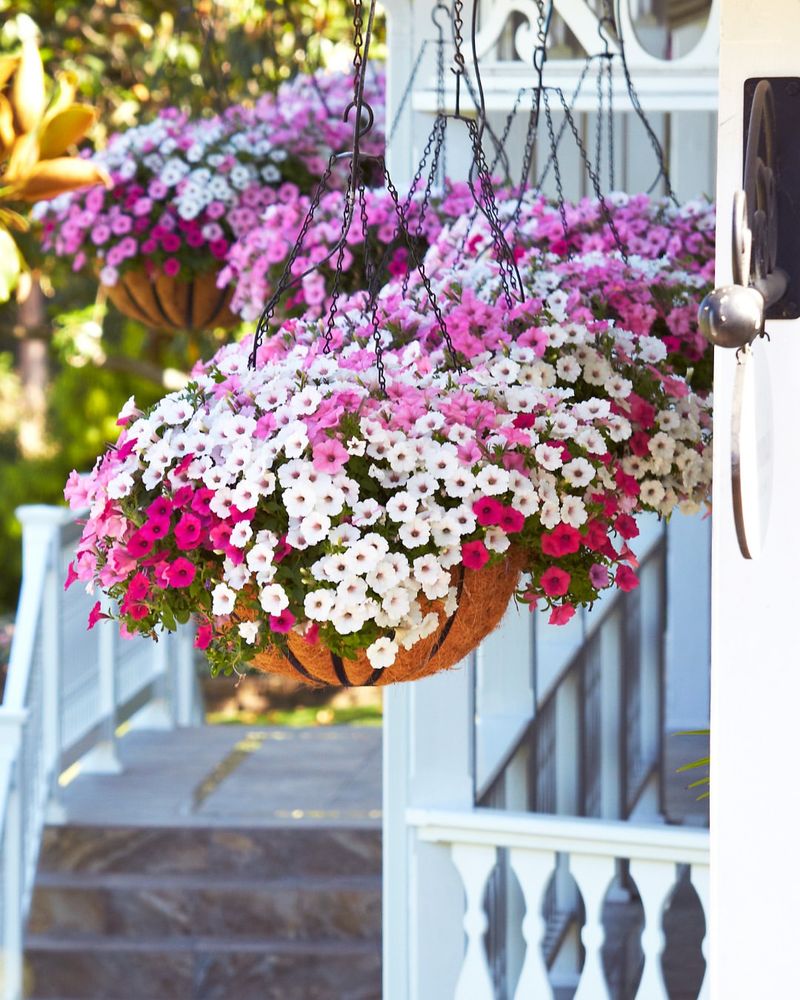
Few flowers say “summer” quite like petunias. These classic blooms have been brightening up porches, patios, and container gardens across Pennsylvania for generations.
They come in nearly every color you can imagine, from soft pastels to bold, electric shades of purple and red.
Petunias love full sun and do best when they get at least six hours of direct sunlight each day. In Pennsylvania, where summer days are long and warm, petunias really hit their stride from June through September.
They grow quickly and fill out containers and hanging baskets beautifully. One key tip is to deadhead spent blooms regularly. Removing old flowers encourages the plant to produce even more blossoms.
Water petunias when the top inch of soil feels dry, and fertilize every two weeks with a balanced liquid fertilizer. This keeps them looking full and healthy all summer.
Wave petunias are especially popular because they trail and spread, creating a lush, cascading look over the edges of pots. They handle Pennsylvania’s summer heat and humidity surprisingly well.
Just make sure your containers have good drainage so roots never sit in soggy soil. With a little care, petunias will reward you with nonstop color from late spring right through the first cool days of fall.
2. Geraniums (Pelargoniums)
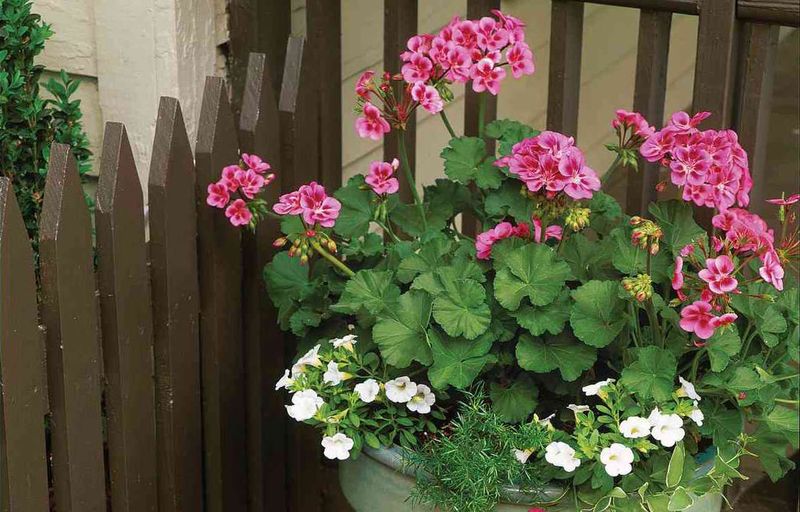
Geraniums have earned their reputation as one of the most dependable container plants around. Gardeners across Pennsylvania have trusted them for decades, and for good reason. They handle heat, sun, and the occasional missed watering without missing a beat.
Technically called Pelargoniums, these plants produce round clusters of flowers in shades of red, pink, salmon, and white. The blooms sit above thick, velvety leaves that often have interesting patterns or zones of darker color.
They look polished and put-together, whether you plant one variety or mix several in a single large pot.
In Pennsylvania, geraniums perform well from late spring through early fall. They prefer morning sun and appreciate a little afternoon shade during the hottest weeks of July and August.
Your Pennsylvania Garden Changes Every Week. Your Plan Should Too.
Gardening in Pennsylvania changes quickly throughout the season. Every Friday you’ll receive a simple weekly plan showing exactly what to plant, prune, fertilize, harvest, and protect so you never miss the right timing.
This makes them a smart choice for east-facing patios or spots that get filtered light later in the day.
Feed your geraniums every two weeks with a balanced fertilizer to keep blooms coming. Water them when the soil feels dry about an inch down, as they do not like sitting in overly wet soil.
Pinching back leggy stems encourages bushier, more compact growth. One fun fact: geraniums were grown in the gardens of ancient Egypt and have been popular in European window boxes for hundreds of years. They bring that same timeless charm to Pennsylvania container gardens today.
3. Calibrachoa (Million Bells)
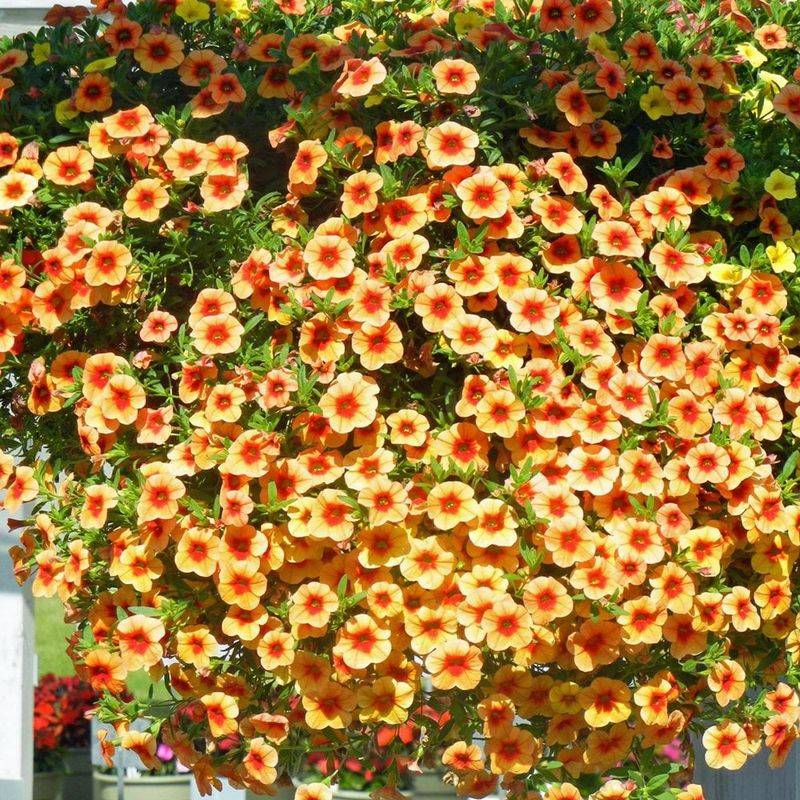
Imagine a plant that produces hundreds of tiny, petunia-like flowers from spring all the way through fall without much fuss. That is exactly what Calibrachoa delivers.
Nicknamed Million Bells, this cheerful trailing plant is a favorite in hanging baskets and mixed containers across Pennsylvania.
The flowers are small, usually about the size of a quarter, but they make up for their size in sheer numbers. You can find them in shades of pink, coral, yellow, purple, bronze, and white.
Many varieties even have a star-shaped pattern at the center, adding extra visual interest up close.
Million Bells thrives in full sun and handles Pennsylvania’s summer heat quite well. It is a self-cleaning plant, which means you do not need to deadhead spent flowers.
New blooms keep appearing on their own, which makes it a low-maintenance favorite for busy gardeners.
Water regularly because Calibrachoa dries out faster than most plants, especially in hanging baskets exposed to wind and sun. Fertilizing every week or two with a liquid fertilizer formulated for blooming plants keeps the flowers coming in strong.
It pairs beautifully with upright plants like zinnias or geraniums in combination pots. The trailing habit fills in gaps and softens container edges, creating a full, lush look that holds up all summer long in Pennsylvania’s warm weather.
4. Lantana
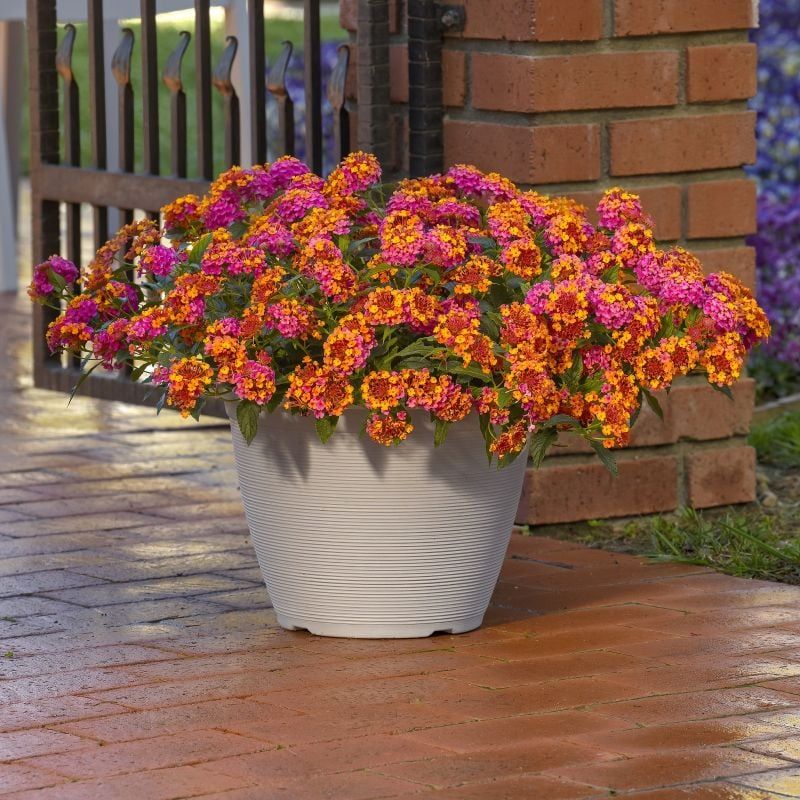
If your Pennsylvania garden spot gets blazing afternoon sun and you want a plant that actually loves it, lantana is your answer. This tough, tropical-looking plant thrives in heat that would stress most other flowers. It blooms nonstop and asks for very little in return.
Lantana produces clusters of tiny flowers that often change color as they age, so a single flower head might show yellow, orange, and red all at once. This multicolored effect gives the plant a festive, eye-catching look.
Colors range from classic orange and yellow to pink, white, and deep purple, depending on the variety.
One of lantana’s biggest strengths is its ability to attract pollinators. Butterflies absolutely love it.
In Pennsylvania, you can expect to see swallowtails, monarchs, and skippers visiting your lantana containers throughout the summer. Hummingbirds occasionally stop by as well.
Lantana is drought-tolerant once established, making it forgiving if you forget to water for a day or two. It does best in containers with excellent drainage and prefers to dry out slightly between waterings.
Fertilize lightly once a month since too much fertilizer can actually reduce blooming. Trim back any leggy stems to encourage fresh, bushy growth.
In Pennsylvania, lantana is treated as an annual since it cannot survive cold winters, but its incredible summer performance more than makes up for that.
5. Zinnias
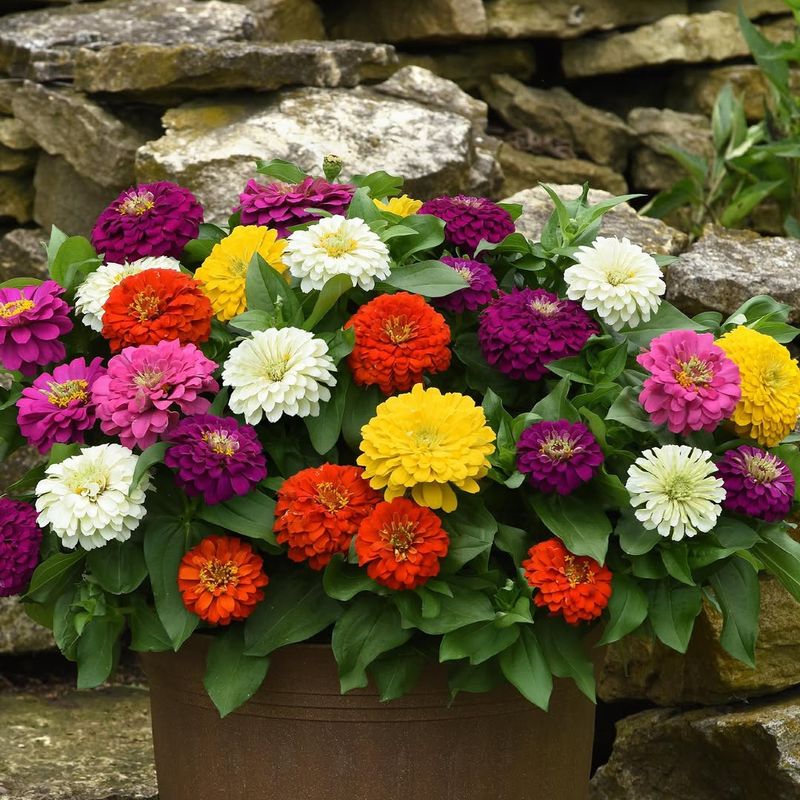
Zinnias are one of those plants that make you smile every time you walk past them. Their bold, daisy-like flowers come in almost every color of the rainbow, and they just keep blooming all summer long.
For Pennsylvania gardeners who want maximum impact with minimum fuss, zinnias are a top pick.
These flowers were originally brought to Europe from Mexico in the 1700s and quickly became garden favorites. Today, they are a staple in summer containers and cutting gardens across the country.
In Pennsylvania, they really shine from late June through September, thriving in the warm, sunny conditions the season provides.
Zinnias need full sun, meaning at least six to eight hours of direct sunlight daily. They grow best in larger containers, at least 12 inches wide, where their roots have plenty of room to spread.
Good air circulation around the plants helps prevent powdery mildew, which can be a concern during humid Pennsylvania summers.
Water at the base of the plant rather than overhead to keep foliage dry. Deadheading spent flowers regularly encourages continuous blooming and keeps plants looking tidy.
Compact varieties like Thumbelina or Zahara work especially well in containers. Zinnias also make outstanding cut flowers, so you can bring some of that summer color indoors.
They attract butterflies and bees too, adding extra life and movement to your Pennsylvania patio or deck.
6. Coleus
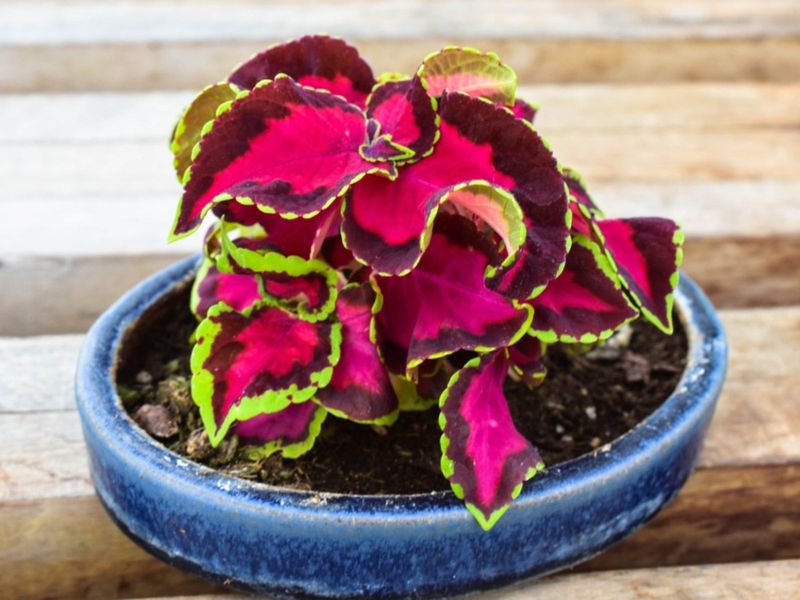
Not every Pennsylvania patio or porch gets full sun, and that is where coleus truly earns its place. This plant is all about the leaves.
Forget waiting for flowers because coleus puts on a show with its foliage alone, offering colors and patterns that rival any bloom.
Coleus leaves come in combinations of red, burgundy, lime green, orange, pink, chartreuse, and nearly black. Some varieties have ruffled edges, others are streaked or splashed with contrasting colors.
The variety is genuinely stunning, and you can mix several types in a single container for a living work of art.
Most coleus varieties prefer shade to partial shade, which makes them perfect for covered porches, north-facing patios, or spots under trees. Pennsylvania summers can be intense, and having a beautiful container plant that does not need full sun is a real advantage.
Some newer sun-tolerant varieties can handle more light, but they still appreciate protection from the harshest afternoon rays.
Keep the soil consistently moist but not waterlogged. Coleus grows quickly, so pinch back the tips regularly to encourage bushy, full growth and prevent the plant from getting leggy.
If small flower spikes appear, pinch them off to keep the plant focused on producing those spectacular leaves. Fertilize every two to three weeks with a balanced fertilizer.
Coleus holds its color and stays vibrant all the way through Pennsylvania’s warm summer months.
7. Begonias
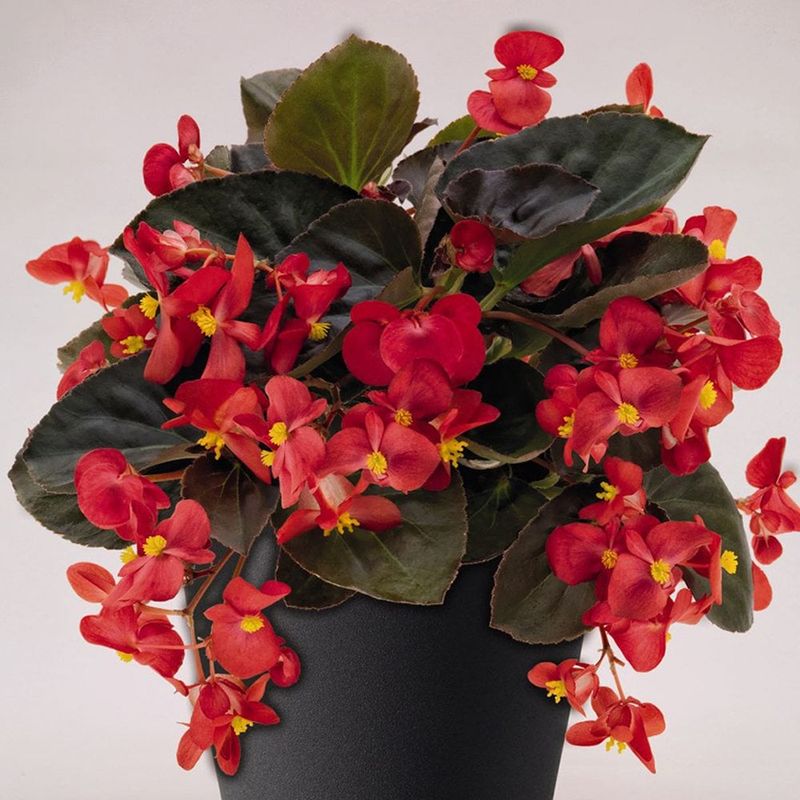
Shaded patios and porches across Pennsylvania have a reliable star in begonias. These plants handle humidity like champions, which is great news because Pennsylvania summers can feel sticky and muggy.
Rather than struggling in the heat, begonias just keep blooming away without complaint. Wax begonias are the most common type for containers. They produce glossy, rounded leaves in green or bronze tones and clusters of small flowers in red, pink, or white.
Tuberous begonias are showier, with large, rose-like blooms that look almost too beautiful to be real. Both types work wonderfully in containers and window boxes.
One of the best things about begonias is how long they bloom. Plant them in late spring, and they will keep producing flowers continuously until the first frost arrives.
They do not need deadheading, either. Old flowers drop off cleanly on their own, which saves you time and effort.
Begonias prefer moist, well-draining soil. Water them regularly but avoid letting the roots sit in standing water.
A light fertilizer every two weeks supports steady growth and consistent blooming. They work especially well in combination containers paired with coleus or ferns for a lush, layered look.
In Pennsylvania, begonias are a go-to choice for shaded spots where other flowering plants might struggle to perform. They bring reliable color to even the darkest corners of your outdoor living space all season long.
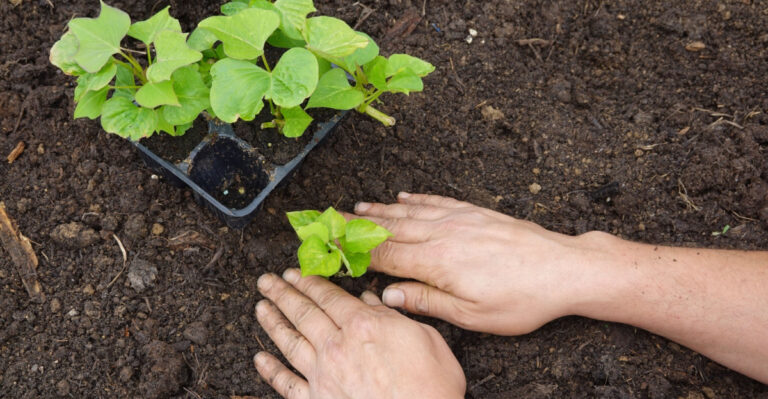
8. Sweet Potato Vine (Ipomoea Batatas)
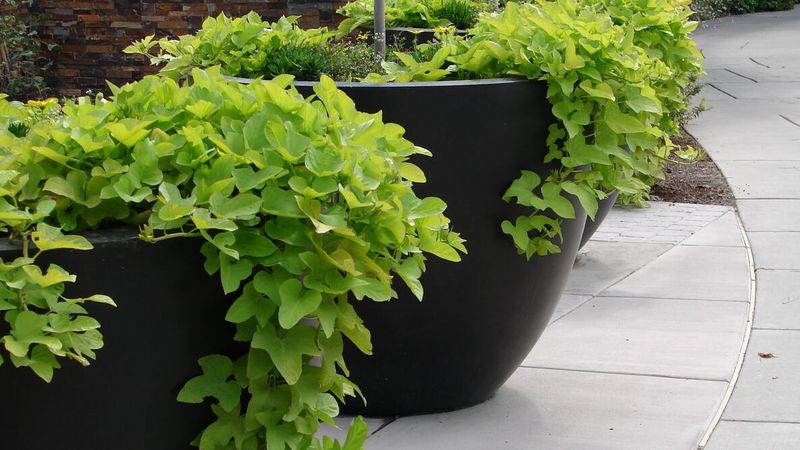
Sweet potato vine is the secret weapon of container gardening. It does not compete for attention with its flowers because it barely produces any.
Instead, it wins the crowd over entirely with its foliage. The leaves are bold, fast-growing, and absolutely stunning in containers across Pennsylvania all summer.
The most popular varieties come in two main color groups: bright, almost neon lime green and deep, dramatic purple-black. Both are eye-catching on their own, but planting them together in the same pot creates a striking contrast that looks professionally designed.
They trail beautifully over the edges of containers, filling in gaps and softening hard lines. Sweet potato vine grows fast, and that is one of its biggest strengths. In Pennsylvania’s warm summer months, it can spread several feet in a single season.
This makes it ideal for filling out large containers or window boxes that might otherwise look sparse. It pairs well with upright plants like zinnias, geraniums, or lantana.
Full sun to partial shade both work for sweet potato vine, giving you flexibility in placement. Water regularly to keep the soil moist, especially during dry stretches.
It does not need much fertilizer, but a light feeding once a month keeps growth vigorous. Trim back any stems that get too long to maintain a tidy appearance.
Fun fact: the tubers that form underground are actually edible, just like regular sweet potatoes, though the ornamental varieties are much smaller than grocery store ones.