8 Herbs That Grow Better With Regular Pruning In Arizona
Herbs in Arizona can look full and healthy, then suddenly start stretching out and losing that rich flavor people expect. Stems get longer, the center thins, and the plant stops producing the same way, even though it still looks alive and green.
Spring heat pushes quick growth, but that growth does not stay balanced on its own. Plants focus on length instead of fullness, and the result is a weaker shape with less usable leaves.
What seems like progress can quietly turn into something less productive. Regular pruning helps bring that growth back under control.
It encourages fresh shoots, keeps plants compact, and supports stronger leaf production as temperatures rise.
The difference shows up in both appearance and flavor, especially once heat becomes more intense and herbs need to stay resilient.
1. Basil Grows Fuller With Regular Trimming
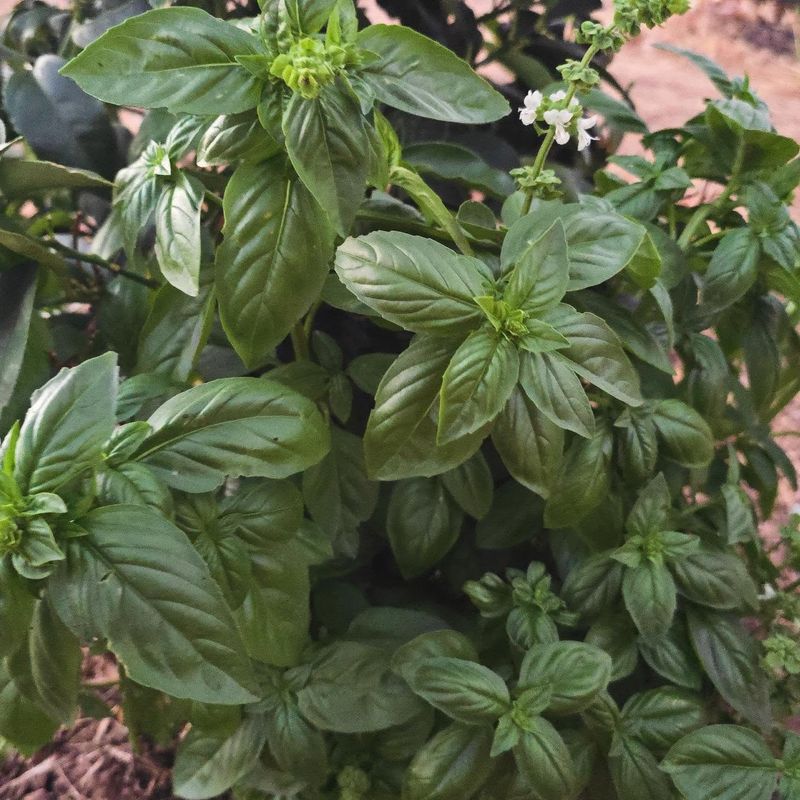
Skip a week of trimming basil in the Arizona summer heat and you will likely find flowers where you wanted leaves. Basil bolts fast here, especially from late spring through early fall, and once it flowers, the leaf flavor shifts noticeably.
Pinching off the top two sets of leaves every week or so keeps that from happening.
When you snip just above a leaf node, two new stems branch out from that spot. Do that consistently and one spindly seedling turns into a full, rounded plant with plenty of leaves to harvest.
It does not take much time, but it makes a real difference in how much usable basil you get.
In Arizona, basil grows fast during warm months, so it can handle frequent trimming without any stress. Morning is a good time to prune since the plant has cooled overnight.
Avoid cutting more than a third of the plant at once, and remove any flower buds as soon as you spot them.
Growing basil in containers works well in Arizona because you can move pots to afternoon shade when temperatures climb above 100 degrees.
Even with shade cloth or afternoon cover, regular trimming remains the single most effective habit for keeping basil producing through the brutal summer months.
Light feeding with a balanced liquid fertilizer every few weeks can also help basil keep pushing out fresh leaves instead of slowing down in the Arizona heat.
2. Mint Stays Fresh When Cut Back Often
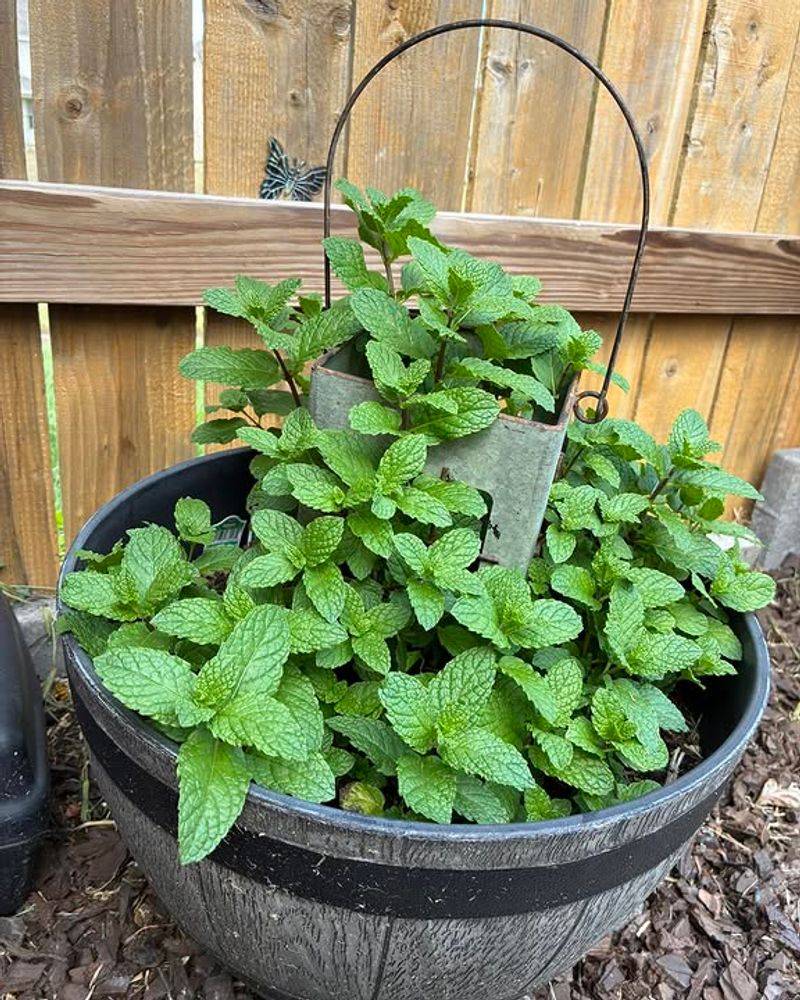
Mint has a reputation for taking over wherever it grows, and in Arizona that aggressive energy can work in your favor if you channel it with regular cutting. Left alone, stems get long and floppy, leaves shrink, and the flavor becomes noticeably weaker.
Cut it back and the plant responds almost immediately.
Trimming mint by about one-third every few weeks keeps the growth compact and the leaves aromatic. New shoots that come in after a trim tend to be more tender and flavorful than older stems.
That fresh regrowth is exactly what you want for teas, cocktails, or just adding to a glass of water on a hot Tucson afternoon.
Most experienced Arizona gardeners keep mint in containers rather than in-ground beds. It spreads aggressively through runners, and containers give you better control over both growth and watering.
Your Arizona Garden Changes Every Week. Your Plan Should Too.
Gardening in Arizona changes quickly throughout the season. Every Friday you’ll receive a simple weekly plan showing exactly what to plant, prune, fertilize, harvest, and protect so you never miss the right timing.
Mint prefers consistent moisture, which is a bit different from other drought-tolerant herbs, so grouping it with other thirsty plants makes irrigation easier.
After flowering, cut the whole plant down to a few inches above the soil. It will push out a fresh flush of growth within a couple of weeks.
Doing this two or three times through the growing season keeps mint looking full and tasting strong rather than tired and overgrown.
3. Oregano Gets Thicker With Frequent Snips
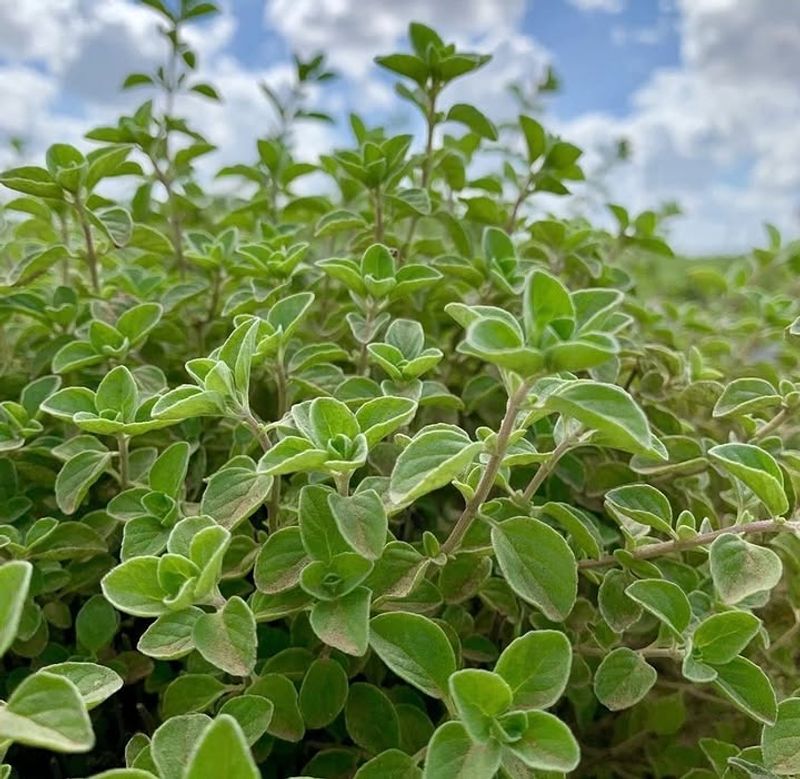
Oregano left to its own devices tends to sprawl, go woody at the base, and produce fewer of the tender leaves that actually taste good in cooking. In Arizona, where the growing season stretches long and warm, that woody buildup can happen faster than expected.
Regular trimming interrupts that cycle before it gets out of hand.
Cutting oregano back by about half before it flowers keeps the plant producing soft, flavorful growth instead of tough stems. Once flowers appear, the leaf quality drops and the plant starts putting energy into seeds rather than foliage.
Staying ahead of that shift is really the whole point of frequent pruning.
Oregano is surprisingly heat-tolerant, which makes it a solid choice for Arizona gardens. It handles full sun well and does not need much water once it is established in the ground.
That toughness means it can take regular trimming without any setback, as long as you are not cutting all the way down into the oldest woody sections near the base.
After a heavy trim, a light feeding with a balanced fertilizer can help the plant push out new growth faster. Do not overdo it though, since too much nitrogen can reduce the essential oils that give oregano its flavor.
A little restraint with fertilizing and a lot of consistency with pruning is the better approach for Arizona gardeners.
4. Thyme Stays Neat With Light Trimming
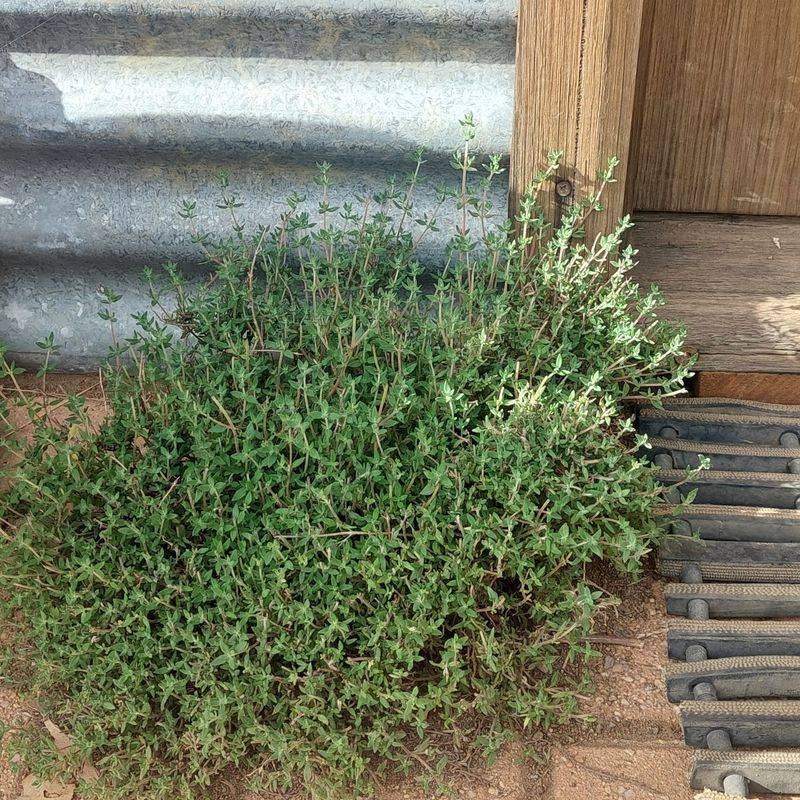
Thyme is one of those herbs that looks deceptively easy to grow, but without occasional trimming it turns into a tangled, woody mess within a single season.
The stems at the center of the plant age quickly, and if you never cut them back, the outer growth becomes thin and the whole plant loses its shape.
Light trimming every few weeks, removing just the top inch or two of green growth, keeps thyme dense and tidy. You do not need to do a dramatic cut.
Gentle, consistent snipping is all it takes to encourage the plant to branch out rather than stretch up and get leggy.
In Arizona, thyme does well in containers and in-ground beds alike. It handles heat reasonably well and prefers well-draining soil, which is something most Arizona gardeners already have.
The dry climate actually suits thyme since it does not like sitting in soggy conditions. Just make sure not to cut into the older woody stems at the base, as those do not regenerate easily.
Spring is the best time for a slightly heavier trim before temperatures really climb. That early-season pruning sets the plant up for productive summer growth.
A quick tidy-up after any flowering period also helps redirect the plant’s energy back into leaf production, which is ultimately what most Arizona cooks are after when they grow thyme at home.
5. Rosemary Grows Better With Small Cuts
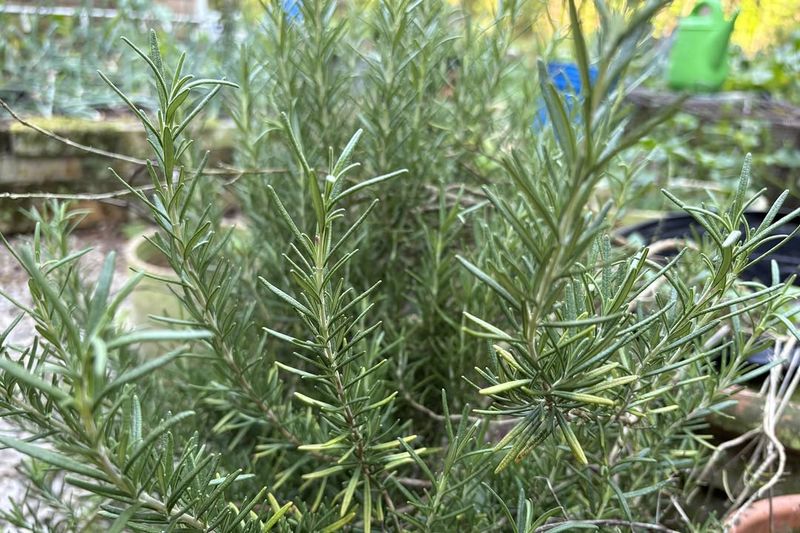
Rosemary can grow into a large, woody shrub in Arizona with almost no help from you. The warm winters and long growing season mean it rarely goes dormant, and without occasional shaping it can quickly outgrow its space.
Small, frequent cuts do more for the plant than one dramatic annual chop.
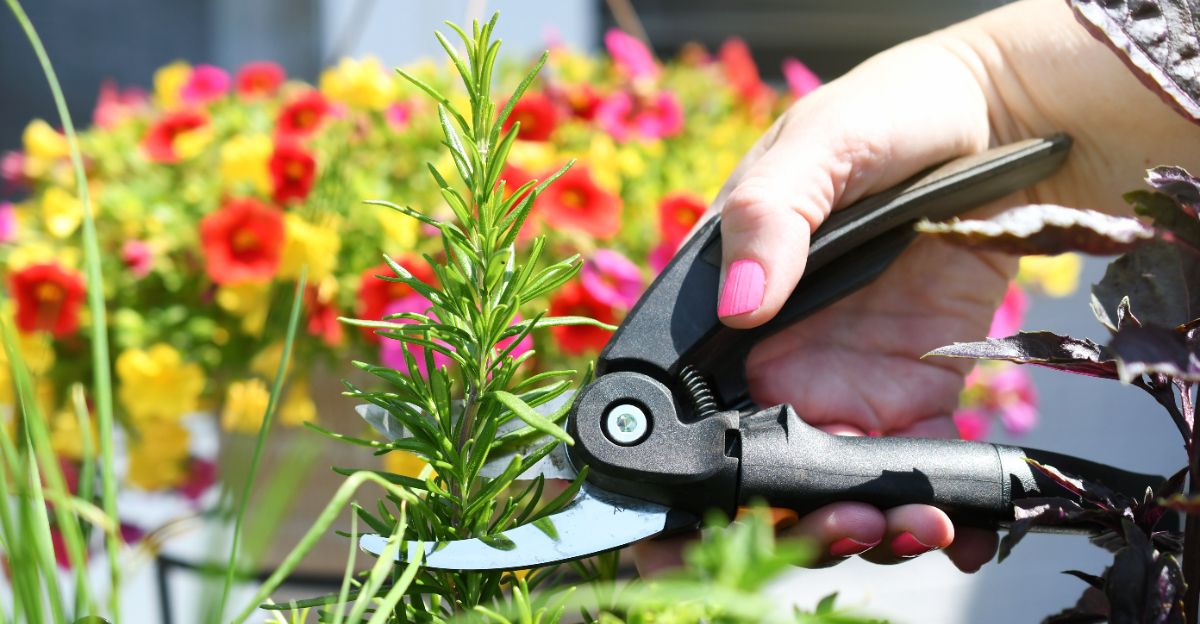
Snipping the green tips of stems throughout the year encourages side branching and keeps the plant from becoming a single-stemmed woody trunk.
Rosemary produces new growth from the green portions of its stems, not from old brown wood, so staying in the green zone with your pruning shears is important.
Cut too far back into the woody base and those sections may not recover.
Arizona gardeners often find that rosemary thrives with minimal water and full sun, making it one of the more forgiving herbs in the desert garden. But even tough plants benefit from regular attention.
Pruning after flowering, which can happen more than once a year in warmer Arizona regions, helps keep the plant compact and encourages fresh aromatic growth.
Using clean, sharp shears matters more with rosemary than with most other herbs because its stems are dense and resinous. Dull tools crush the stem instead of cutting cleanly, which can slow healing.
A quick wipe with rubbing alcohol between plants also helps prevent any spread of disease, especially if you are tending multiple herbs in the same session.
6. Sage Stays Bushy When Trimmed
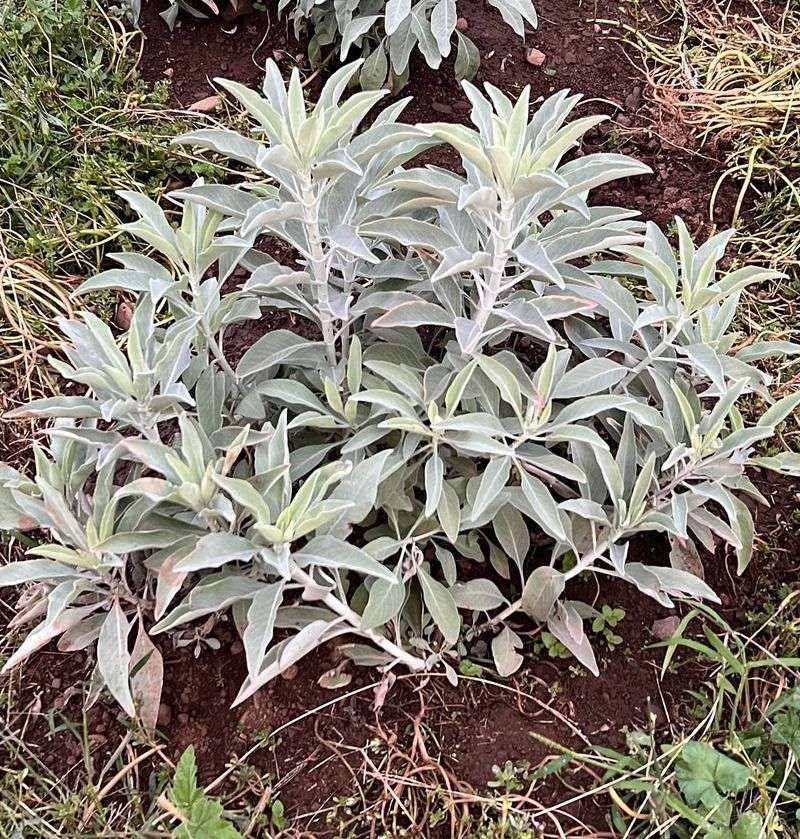
Sage has a tendency to get leggy and open in the center if you let it go too long without any attention. Older stems become thick and woody, and new growth ends up concentrated at the tips while the middle of the plant looks bare.
A little regular trimming prevents that uneven shape from developing in the first place.
Cutting sage back by about one-third after it flowers redirects energy into fresh leafy growth rather than seed production. In Arizona, sage can flower in spring and sometimes again in fall depending on temperatures.
Catching those flowering periods and trimming promptly keeps the plant looking full and producing the aromatic leaves that make sage worth growing.
Sage is well-suited to Arizona conditions because it tolerates heat and dry soil without much complaint. It does prefer good drainage, so raised beds or sandy soil amendments can help in areas where the ground stays compacted.
Even in tough conditions, consistent pruning gives the plant a better structure to work from.
One thing worth knowing about sage in Arizona is that intense summer heat can stress even heat-tolerant plants. Pruning heavily right before a heat wave is not ideal.
Instead, time your trims for early spring and early fall when temperatures are more moderate, and stick to light shaping during the peak of summer. That timing adjustment alone can noticeably improve how well your sage bounces back.
7. Chives Grow Back Fast After Cutting
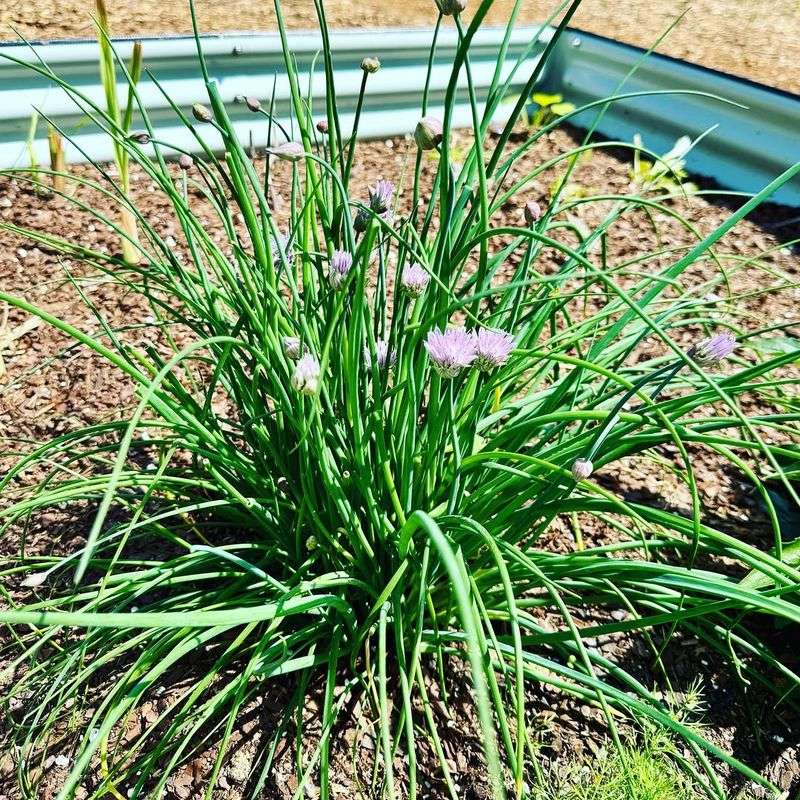
Chives are one of the most satisfying herbs to prune because the results are almost immediate. Cut them down to about two inches above the soil and within a week or two, bright new shoots push up looking fresh and full of flavor.
That quick turnaround makes chives one of the most reliable herbs for continuous harvesting in Arizona.
Letting chives grow tall without cutting leads to tough, hollow stems and a weaker flavor overall. The older the stem, the less tender it becomes, and the plant starts putting energy into flowers and seeds rather than the green shoots you actually want.
Cutting before flowering keeps that cycle in check.
Chive flowers are edible and mildly onion-flavored, so letting a few bloom occasionally is not a problem. But if your goal is consistent leaf production, trimming before or right after flowering gives you a better ongoing harvest.
After a full cutback, the regrowth comes in softer and more flavorful than what was there before.
In Arizona, chives do best in cooler months, roughly fall through spring, since extreme summer heat can slow their growth significantly. During the cooler season, plan on cutting them back every three to four weeks.
Growing them in containers also gives you the flexibility to move them into shadier spots as temperatures rise in late spring, which can extend your harvest window by several weeks.
8. Cilantro Lasts Longer When Picked Often
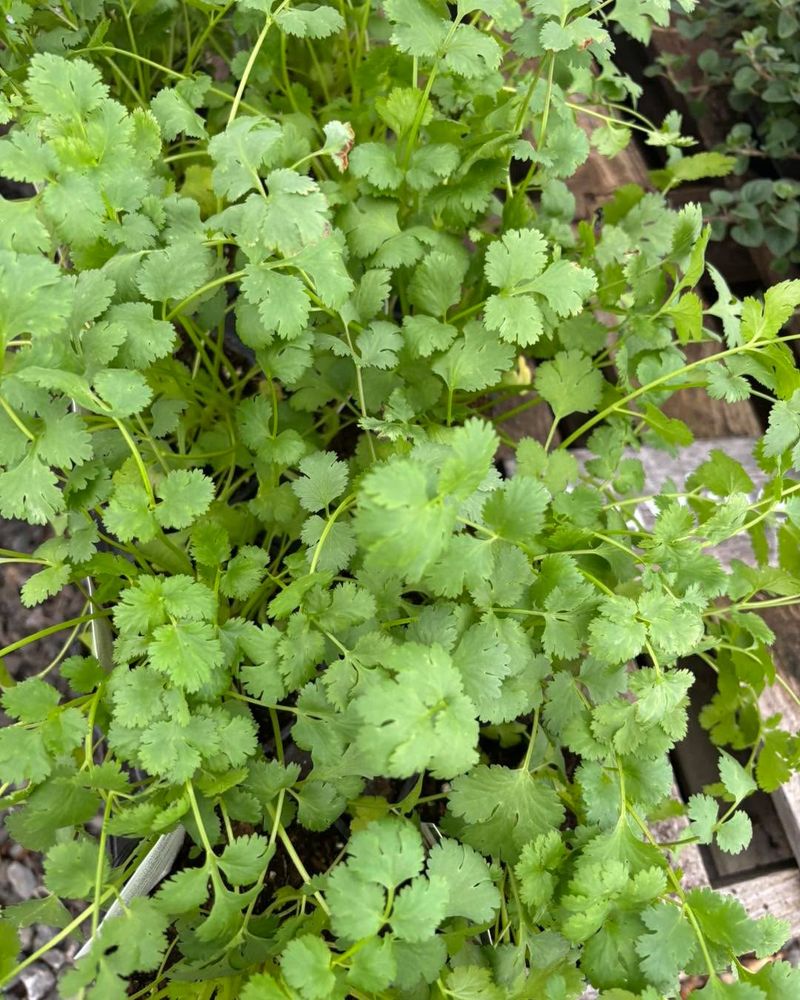
Cilantro is notorious for bolting quickly, and in Arizona that process happens at warp speed once temperatures climb above 85 degrees. Regular picking slows that process down enough to extend your usable harvest by a few weeks.
It will not stop bolting entirely, but frequent harvesting genuinely buys you more time with fresh leaves.
Picking from the outer stems rather than the center encourages the plant to keep producing new growth from the inside out. Taking too much at once, especially from the middle, can stress the plant and speed up bolting.
Small, frequent harvests distributed across the whole plant tend to work better than occasional large cuts.
Timing matters a lot with cilantro in Arizona. Planting in late summer for a fall harvest, or in late winter for a spring crop, gives you the best chance of a productive run before heat shuts things down.
Even with perfect timing, expect your cilantro window to be relatively short compared to cooler climates.
When you do see a flower stalk forming, you have two choices. Snip it off immediately to delay bolting a little longer, or let it go to seed and collect coriander for cooking.
Both are valid options depending on what you need from the plant. Either way, consistent picking throughout the plant’s life is the habit that gets you the most out of every cilantro planting in the Arizona garden.