The 11 Flowers To Add To Your Oregon Garden Before April Ends
April has a sneaky way of making Oregon gardens feel full of promise and a little unfinished at the same time. The trees are waking up, the weeds are making their move, and suddenly every bare patch starts begging for color.
That is exactly why this stretch of spring feels so important. Get the right flowers in now, and your garden can shift from sleepy and patchy to lively, layered, and full of personality before summer even gets going.
Oregon gardeners know spring does not always play nice. One day feels soft and sunny, the next feels like the sky changed its mind.
Still, late April is a sweet spot for adding flowers that can settle in before the season races ahead.
A few smart picks can bring brighter borders, happier pollinators, and that satisfying feeling that your garden is finally starting to look like something special instead of a work in progress.
1. Pansies
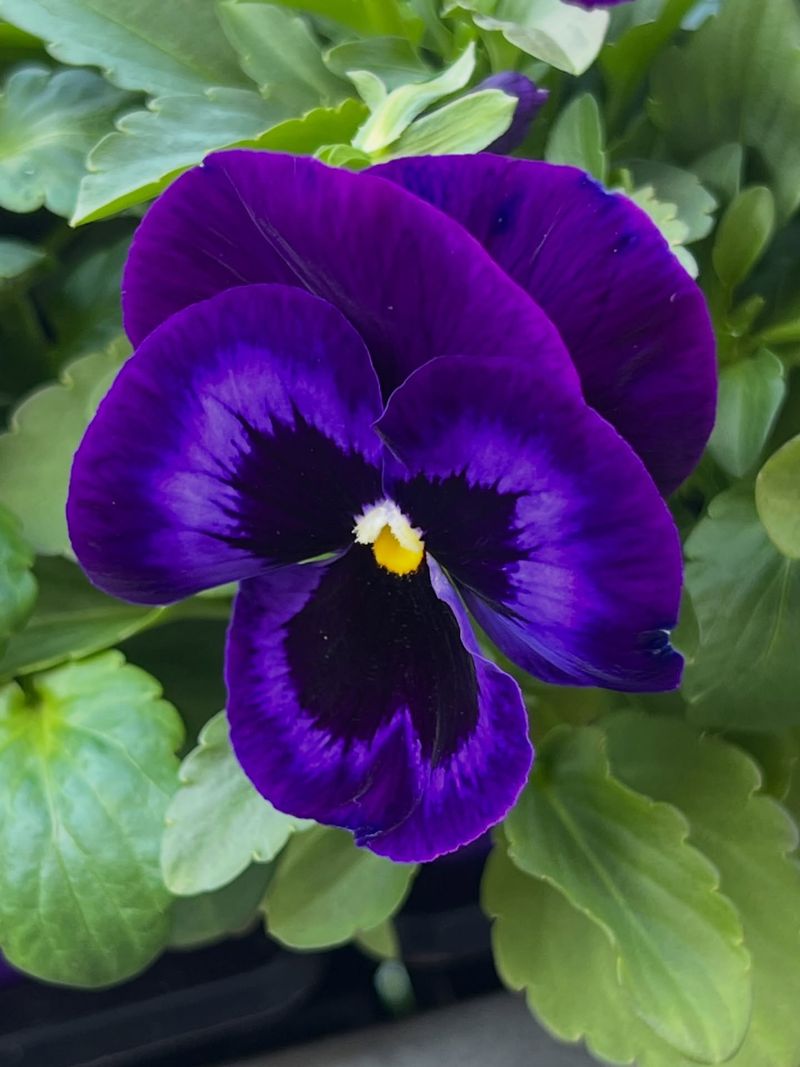
Few flowers bring as much cheerful color to a spring garden as pansies. These little bloomers come in nearly every shade you can think of, from deep purple to sunny yellow, and they thrive in Oregon’s cool, damp April weather.
They are one of the easiest flowers to find at local nurseries right now.
Pansies love cool temperatures and can even handle a light frost without much trouble. That makes them a fantastic choice for Oregon gardeners who want color early in the season.
Plant them in a spot that gets morning sun and some afternoon shade for the best results.
You can tuck pansies into garden beds, window boxes, or containers on your porch. They grow quickly and start blooming almost right away.
Water them regularly and remove any old blooms to keep the flowers coming strong through late spring. If you have never grown pansies before, this is a great flower to start with.
They are forgiving, fun, and packed with personality.
2. Violas
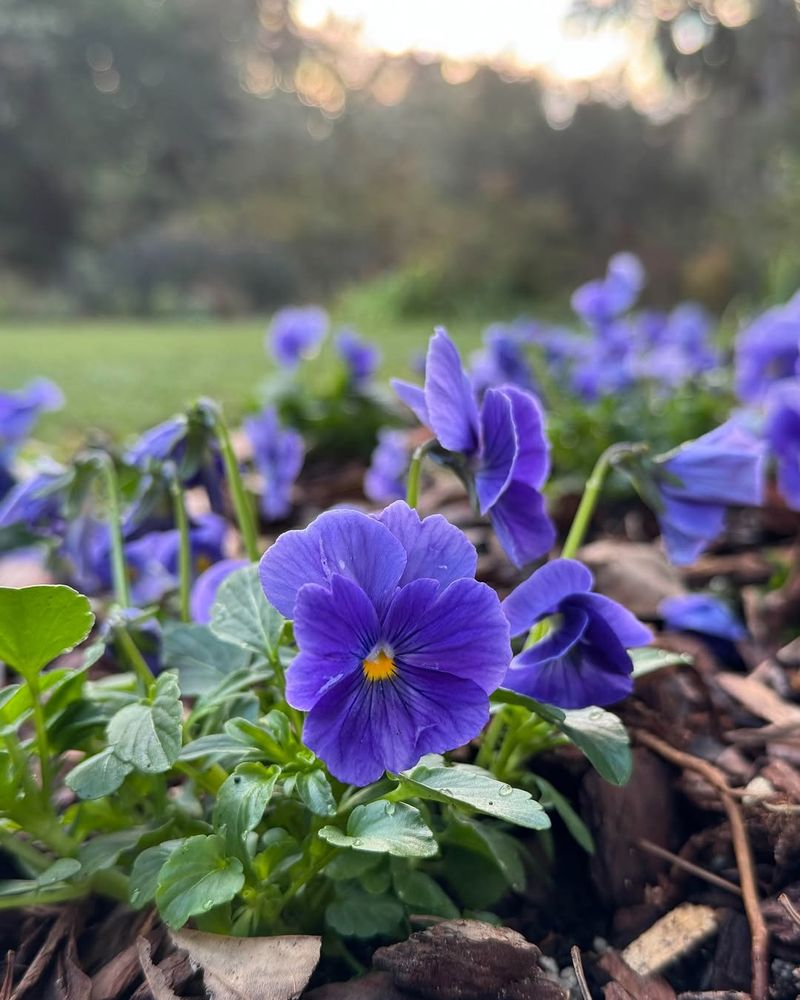
Violas are like pansies’ smaller, wilder cousins, and they bring a lot of charm to any Oregon garden. They have tiny, cheerful faces and come in a wide range of colors, including lavender, cream, yellow, and deep violet.
Many gardeners actually prefer violas because they tend to bloom more freely than pansies.
One of the best things about violas is how tough they are. They can handle Oregon’s unpredictable spring weather without skipping a beat.
Cool nights and rainy days do not slow them down at all. In fact, those conditions are exactly what they love most.
Plant violas along garden borders, between stepping stones, or in hanging baskets for a pop of color in unexpected places. They spread nicely over time and fill in gaps beautifully.
Make sure the soil drains well so the roots do not sit in too much water. Violas are also edible, which makes them a fun addition to salads or as a garnish for spring dishes.
They are a wonderful, low-effort flower that rewards you with weeks of color.
3. Snapdragons
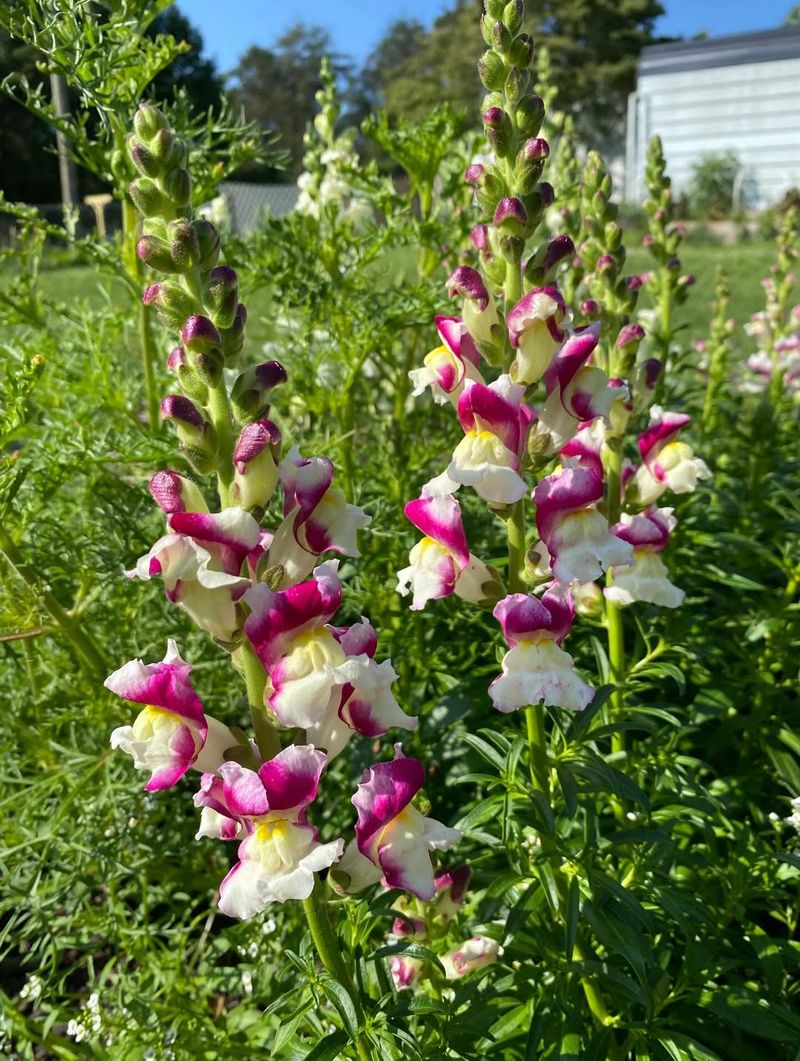
Snapdragons have a special kind of magic that makes them hard to resist. Their tall, vertical blooms in shades of red, pink, orange, yellow, and white add real drama to any garden space.
Your Oregon Garden Changes Every Week. Your Plan Should Too.
Gardening in Oregon changes quickly throughout the season. Every Friday you’ll receive a simple weekly plan showing exactly what to plant, prune, fertilize, harvest, and protect so you never miss the right timing.
Kids especially love them because if you gently squeeze the sides of a bloom, the flower opens and closes like a little dragon mouth.
In Oregon, April is the sweet spot for planting snapdragons. The cool, moist weather helps them establish strong roots before the warmer months arrive.
They prefer full sun but will manage in partial shade as well. Rich, well-draining soil gives them the best start.
Snapdragons work beautifully as cut flowers, so you can bring some of that garden color indoors too. Plant them in rows for a classic cottage garden look, or mix them with shorter flowers for contrast.
Pinch off the top of young plants to encourage bushier growth and more blooms. Keep the soil evenly moist and feed them with a balanced fertilizer every few weeks.
Snapdragons are a reliable spring performer for Oregon gardens of all sizes.
4. Primroses
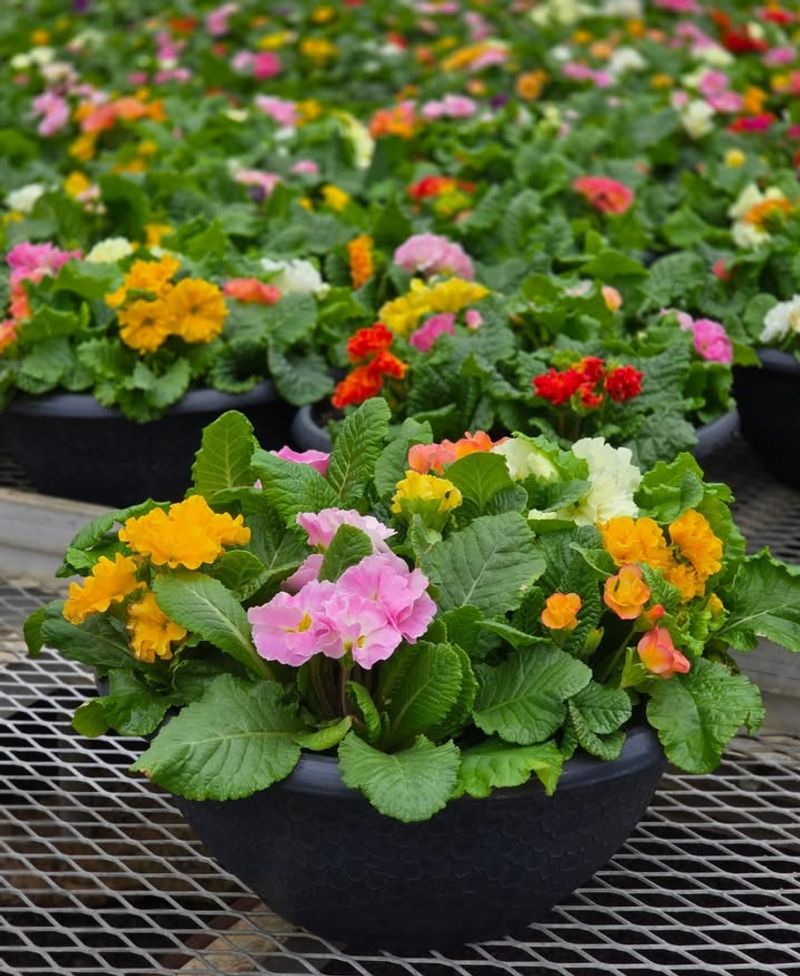
Walk into almost any Oregon garden center in April and you will likely spot a big display of primroses near the entrance. These vibrant, low-growing flowers are practically synonymous with spring in the Pacific Northwest.
Their bold clusters of blooms in red, yellow, pink, purple, and white are impossible to miss.
Primroses prefer cool weather and partial shade, which makes them a natural fit for Oregon’s spring climate. They do especially well under trees or along the north side of a house where direct sun is limited.
Rich, moist soil helps them thrive without much extra effort on your part.
You can use primroses in garden beds, borders, or containers near your front door for an instant burst of color. They are relatively short plants, usually reaching only about six to eight inches tall, so they work best at the front of a planting area.
Water them consistently and avoid letting the soil dry out completely between waterings. Primroses are a dependable spring staple across Oregon and a great way to add bold, reliable color to your garden before the season really heats up.
5. Calendula
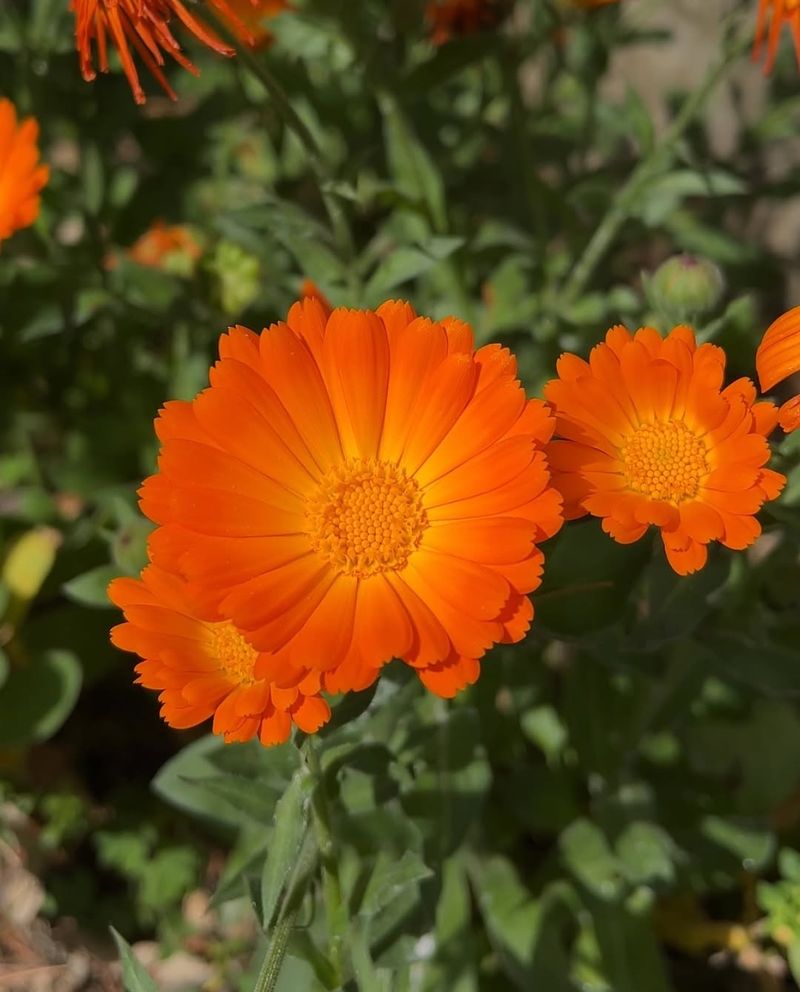
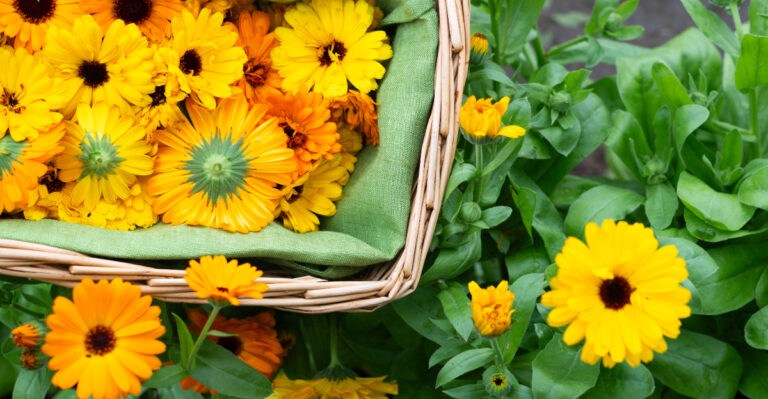
Known by many gardeners as pot marigold, calendula is one of those flowers that earns its place in the garden in more ways than one. The blooms are a warm, cheerful mix of orange, yellow, and gold that light up any garden bed.
Beyond looks, calendula has a long history of use in herbal remedies and skin care products.
Calendula is a cool-season flower, which means Oregon’s April weather suits it perfectly. It can even handle a light frost, so early spring planting is completely safe.
Direct sow seeds into the ground or transplant starts from a local nursery for faster results. Either way, this plant gets going quickly.
One of the best reasons to grow calendula in Oregon is how long it blooms. With regular deadheading, meaning removing old flowers before they go to seed, calendula can keep producing blooms well into fall.
It also attracts bees and other beneficial insects to your garden, which helps your other plants too. Plant it in full sun with well-draining soil, and you will have a low-maintenance flower that delivers big rewards all season long.
6. Sweet Alyssum
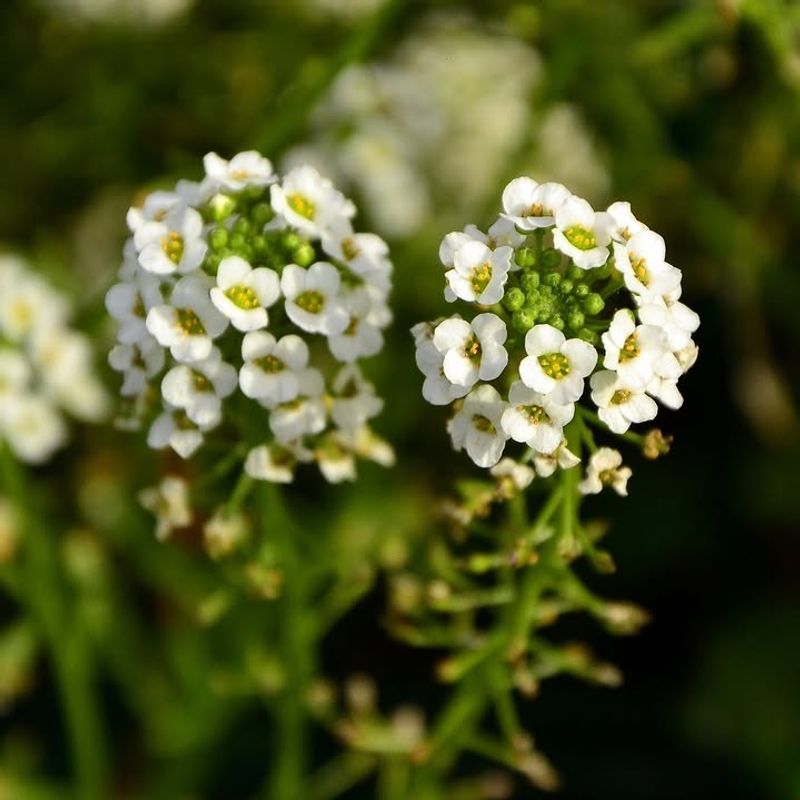
If you have ever walked past a garden and noticed a sweet, honey-like scent drifting through the air, there is a good chance sweet alyssum was nearby. This low-growing flower forms a soft carpet of tiny blooms in white, pink, or purple, and it smells absolutely wonderful on a warm spring afternoon in Oregon.
Sweet alyssum is incredibly easy to grow. You can scatter seeds directly on the soil surface and water them in, or pick up transplants from a local garden center.
Either way, it fills in quickly and starts blooming fast. It works beautifully along garden borders, between pavers, or at the base of taller plants.
This flower also pulls its weight in the garden by attracting beneficial insects like hoverflies and parasitic wasps, which help control common garden pests naturally. That makes it a smart companion plant for vegetables and other flowers.
Sweet alyssum prefers full sun but tolerates partial shade without much fuss. Keep the soil lightly moist and trim it back if it starts to look tired mid-season.
It will bounce back quickly, especially in Oregon’s mild late-spring temperatures, and bloom again with renewed energy.
7. Dianthus
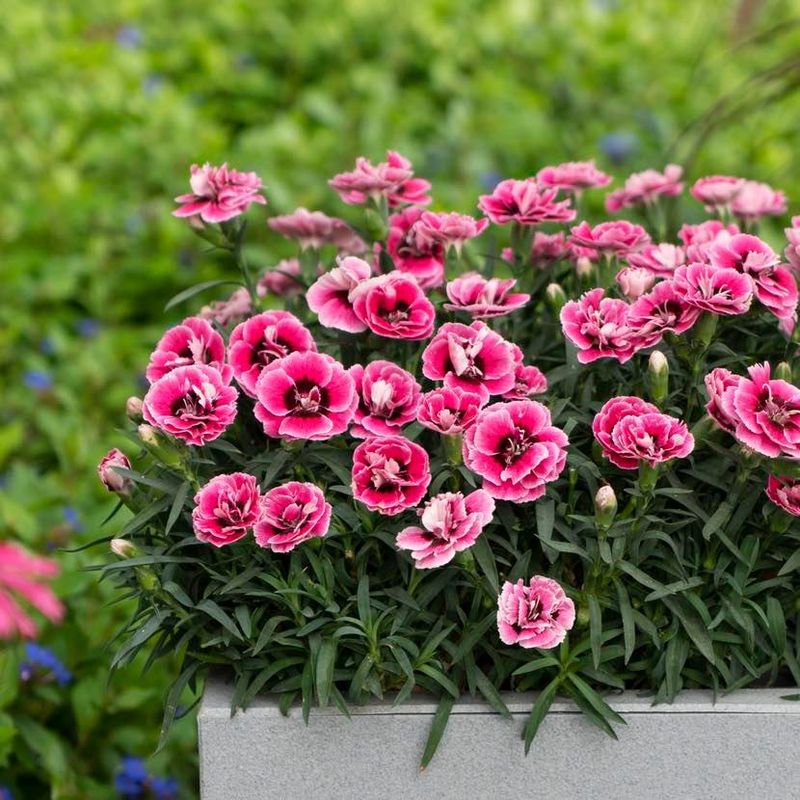
Dianthus goes by many names, including pinks, carnations, and sweet William, depending on the variety. Whatever you call them, these flowers bring a spicy, clove-like fragrance and beautiful fringed petals to any garden.
They are a classic spring choice for Oregon gardeners who want both color and scent.
April is a great time to get dianthus in the ground across Oregon. The cool, moist conditions help roots settle in before summer warmth arrives.
Choose a spot with full sun and well-draining soil for the best performance. Raised beds and garden borders are especially good locations for these tidy, compact plants.
Dianthus comes in a wide range of colors, from pure white to deep red, with many bicolor varieties that have contrasting edges or centers. They look stunning when planted in groups or mixed with other spring bloomers like pansies or snapdragons.
Regular deadheading keeps the plants looking tidy and encourages more flowers to form. Some varieties of dianthus are perennials, meaning they may come back year after year in Oregon’s climate with minimal care.
Check the label at the nursery to know which type you are buying before planting.
8. English Daisies
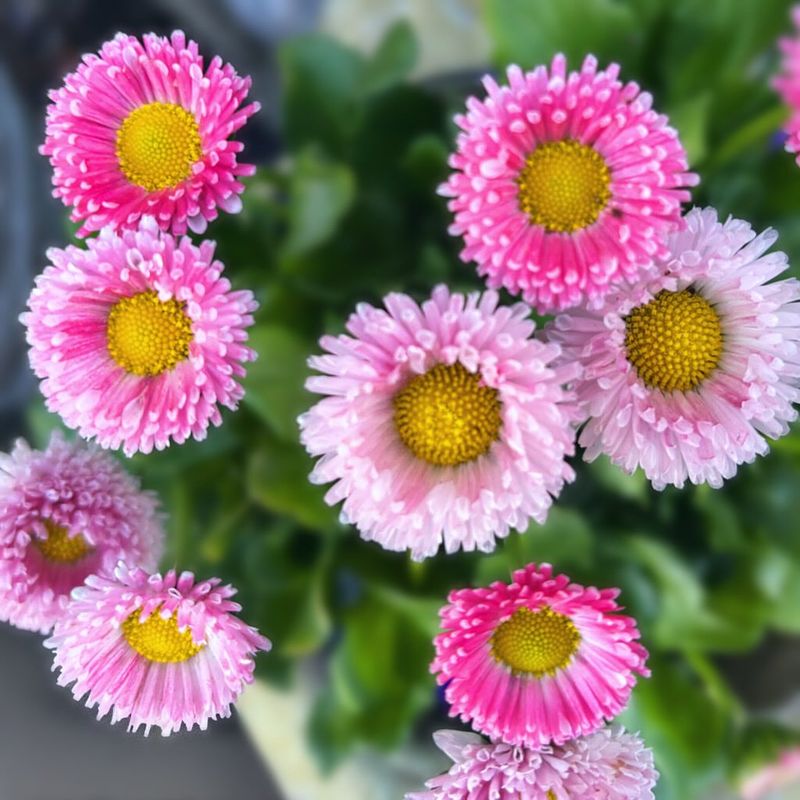
There is something timeless about English daisies. Their cheerful white or pink petals surrounding a bright yellow center have been brightening up gardens for centuries.
In Oregon, they are perfectly at home in the cool, rainy conditions of early spring and make wonderful additions to cottage-style garden beds.
English daisies are low-growing plants that typically reach only six to twelve inches tall. That makes them ideal for the front of a garden border or tucked between taller plants.
They prefer cool weather and will actually start to fade once summer heat kicks in, so getting them planted in April gives you the longest possible bloom window.
You can start English daisies from seed or pick up transplants at an Oregon nursery for quicker results. They prefer moist, fertile soil and do well in full sun or partial shade.
Deadheading spent blooms regularly helps extend the flowering season. These daisies are also great for attracting early pollinators like bees and butterflies to your garden.
If you let a few flowers go to seed at the end of the season, you may find them popping up on their own next spring, which is a pleasant surprise for any gardener.
9. Nemesia
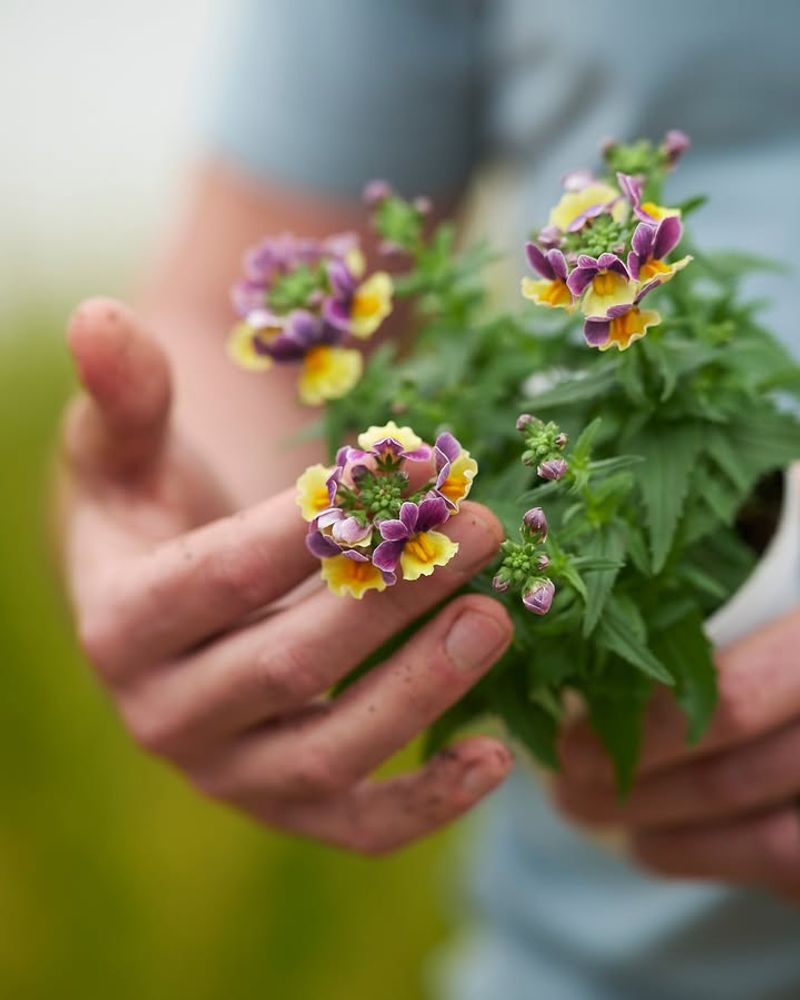
Nemesia is a flower that many Oregon gardeners have not yet discovered, but once you try it, you will wonder why it took so long. Originally from South Africa, nemesia produces clusters of small, orchid-like blooms in a spectacular range of colors, including orange, yellow, red, pink, white, and bicolors with striking two-tone patterns.
What makes nemesia a great choice for Oregon is its love of cool, mild weather. April conditions across much of the state are basically perfect for this plant.
It grows quickly and starts flowering in no time. Plant it in full sun to partial shade with well-draining soil, and it will reward you with weeks of colorful blooms.
Nemesia works well in containers, window boxes, or mixed garden beds. It pairs beautifully with other cool-season flowers like violas and sweet alyssum.
If the plant starts to look stretched out or leggy mid-season, trim it back by about one-third and it will fill in again with fresh growth and new blooms. Fertilize every couple of weeks with a balanced liquid fertilizer for best results.
Nemesia is a hidden gem worth adding to Oregon gardens this April.
10. Osteospermum
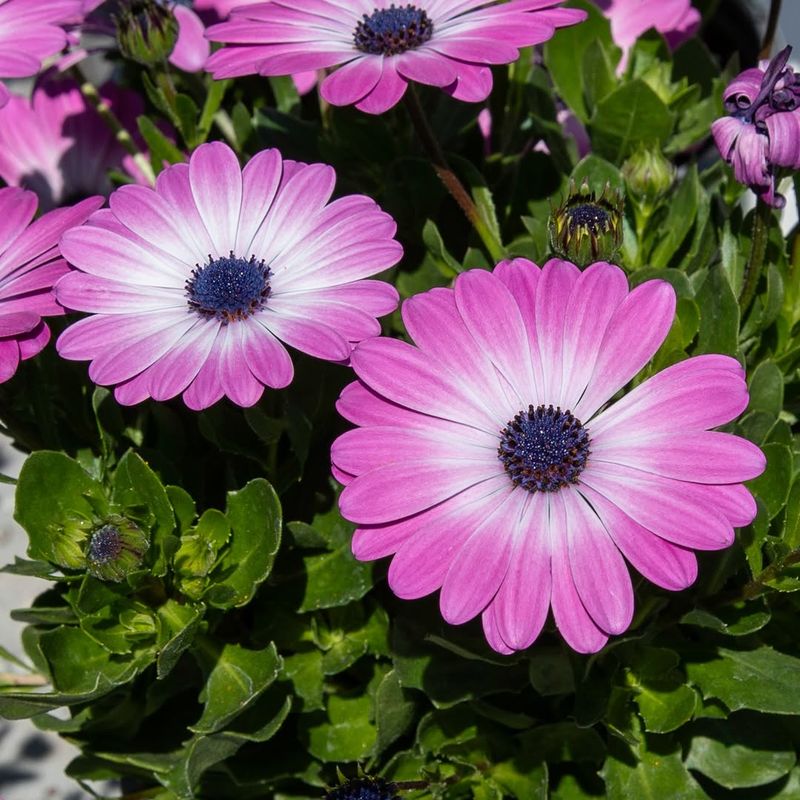
Osteospermum, often called African daisy, is one of those flowers that stops people in their tracks. The blooms are large, daisy-like, and come in shades of purple, pink, white, orange, and yellow, often with a contrasting center that adds extra visual interest.
They have a clean, modern look that works in both formal and casual garden styles.
In Oregon, osteospermum thrives during the cool spring months. April is an ideal time to plant because the mild temperatures encourage strong root development before summer arrives.
Choose a sunny location with good drainage for the best performance. These plants do not like soggy roots, so avoid low spots in the garden where water tends to collect.
One thing that surprises many gardeners is that osteospermum blooms close at night and on very cloudy days. That is a natural response to low light and nothing to worry about.
Regular deadheading keeps the plant tidy and promotes continuous flowering. In Oregon’s mild coastal areas, osteospermum can sometimes overwinter and return the following spring.
Feed it with a balanced fertilizer every two to three weeks during the growing season for the most abundant blooms possible throughout spring and early summer.
11. California Poppy
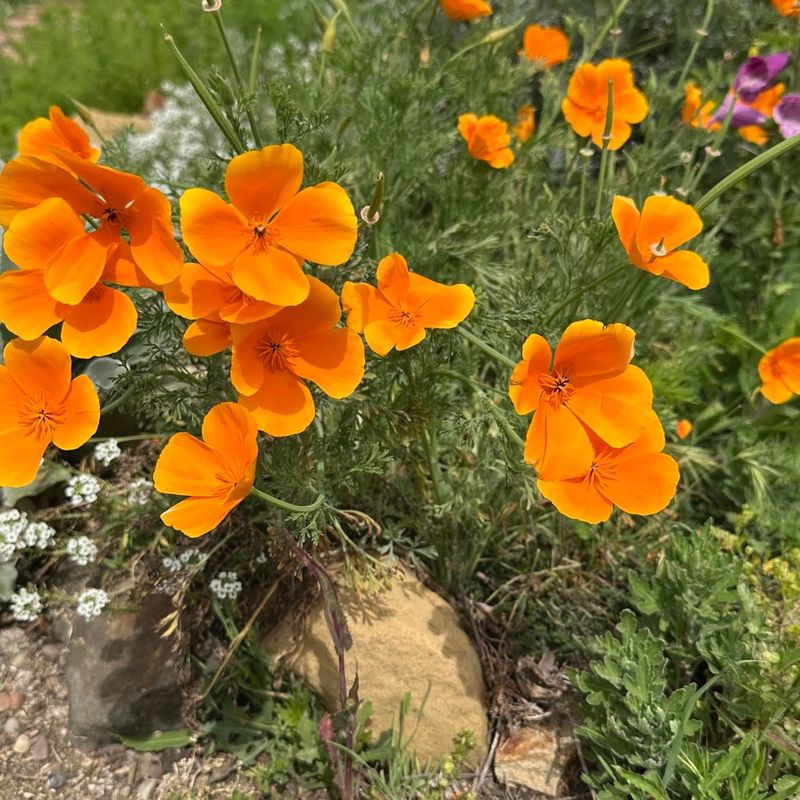
Do not let the name fool you. California poppy grows beautifully in Oregon and has actually naturalized across much of the Pacific Northwest.
Its vivid orange blooms are almost neon in their brightness, and they have a delicate, silky texture that makes them look almost too pretty to be real. They are a true showstopper in any spring garden.
California poppy is one of the easiest flowers to grow from seed. Simply scatter seeds over prepared soil, press them in lightly, and water.
The seeds need light to germinate, so do not cover them with soil. They sprout quickly in April’s cool temperatures and start blooming within a few weeks.
Once established, they are remarkably drought-tolerant.
These poppies prefer full sun and sandy or well-draining soil. They actually struggle in rich, overly fertile soil, so do not add too much compost or fertilizer.
Let them do their thing naturally and they will reward you with waves of golden-orange color. California poppies also self-seed readily, meaning they may return on their own next year without any effort from you.
For Oregon gardeners looking for a low-maintenance, high-impact flower, this one is hard to beat.