This Is What Texas Gardenias Need Before Summer Heat Arrives
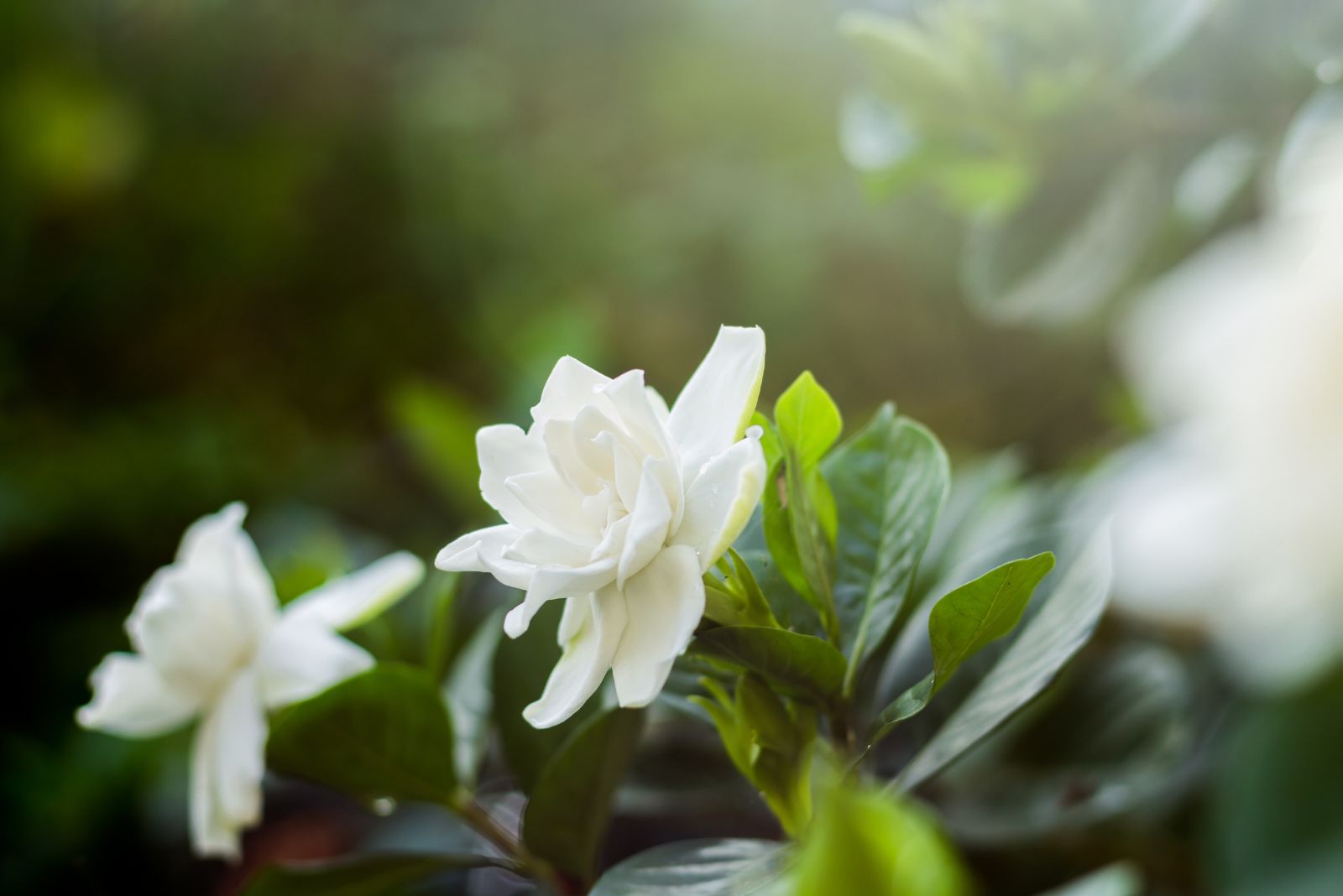
Gardenias can be a little high-maintenance, but when they are happy, they are hard to beat. The glossy leaves, creamy blooms, and rich scent make them feel like one of the stars of the yard.
In Texas, though, that beauty comes with a catch. Once summer heat starts building, gardenias can go from healthy and full to stressed and disappointing pretty quickly.
Yellow leaves, dropped buds, and weak flowering often show up when these shrubs are not given what they need early enough in the season.
That is why the time before summer matters so much. Spring is when gardenias need the right mix of moisture, feeding, light, and soil conditions to build strength before the toughest weather arrives.
A plant that goes into summer already stressed usually does not recover gracefully once the real heat sets in.
For Texas gardeners, a little attention now can make the difference between a shrub that barely hangs on and one that stays lush, blooms well, and handles the season with a lot less trouble.
1. Acidic Soil (Right PH Early On)
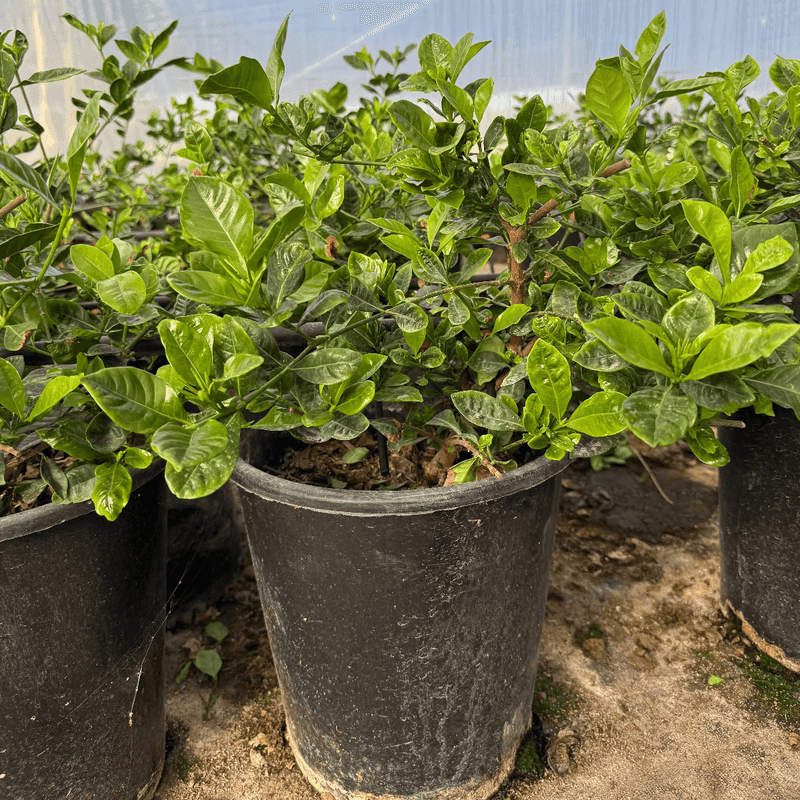
Most Texas gardeners are surprised to find out that their native soil is working against their gardenias from the very start. Across much of Texas, the soil leans alkaline, sometimes reaching a pH of 7.5 or higher.
Gardenias, though, are picky plants that need acidic soil with a pH between 5.0 and 6.0 to truly thrive.
When the soil pH is too high, gardenias struggle to absorb key nutrients like iron and manganese. This leads to yellowing leaves, weak growth, and fewer blooms.
Getting a simple soil test in early spring is the smartest first move any Texas gardener can make.
Soil test kits are easy to find at garden centers or your local Texas A&M AgriLife Extension office. Once you know your pH, you can add elemental sulfur or acidifying fertilizer to bring it down.
Work the amendment into the top few inches of soil around your gardenias for best results.
Keep in mind that changing soil pH is not an overnight fix. It takes a few weeks for sulfur to break down and shift the pH.
Testing again after four to six weeks lets you know if more adjustments are needed before summer heat arrives in Texas.
Pine bark mulch and pine needle mulch, used as a top layer, also help slowly acidify soil over time. Pairing mulch with a soil amendment gives you a one-two punch for better pH control.
Staying on top of soil pH every spring is one of the best habits a Texas gardenia grower can build.
2. Consistent Moisture (But Not Soggy Soil)
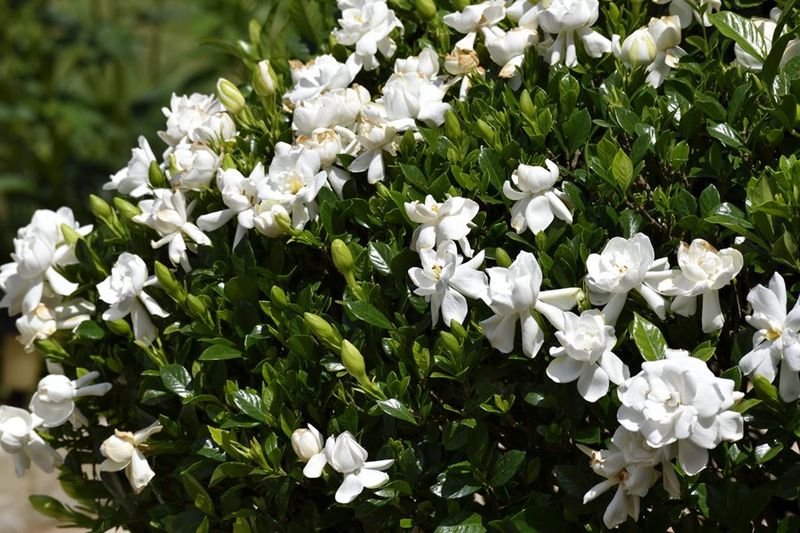
Water is everything for gardenias, but too much of a good thing can cause real problems fast. Gardenias need soil that stays evenly moist, not bone dry and not soaking wet. Finding that sweet spot is one of the most important skills for growing gardenias in Texas.
During spring, rainfall can be unpredictable across Texas. Some weeks bring plenty of rain, while others leave your garden parched.
Your Texas Garden Changes Every Week. Your Plan Should Too.
Gardening in Texas changes quickly throughout the season. Every Friday you’ll receive a simple weekly plan showing exactly what to plant, prune, fertilize, harvest, and protect so you never miss the right timing.
Checking the soil moisture with your finger before watering helps you avoid both overwatering and underwatering your gardenias.
Stick your finger about two inches into the soil near the base of the plant. If it feels dry, it is time to water. If it still feels moist, hold off for another day or two and check again.
Deep, slow watering is much better than a quick sprinkle. When you water deeply, the moisture reaches the roots where it is needed most.
Shallow watering encourages roots to stay near the surface, where they are more exposed to summer heat stress in Texas.
Good drainage is just as important as watering habits. If your gardenias sit in soggy soil for too long, the roots can rot, and the plant will start to decline quickly.
Raised beds or amended soil with added compost can improve drainage in heavy Texas clay soils.
Watering in the morning is also a smart move. It gives the leaves time to dry before evening, which helps prevent fungal issues.
Keeping a steady watering routine in spring sets your gardenias up for a healthier summer ahead.
3. Morning Sun And Afternoon Shade
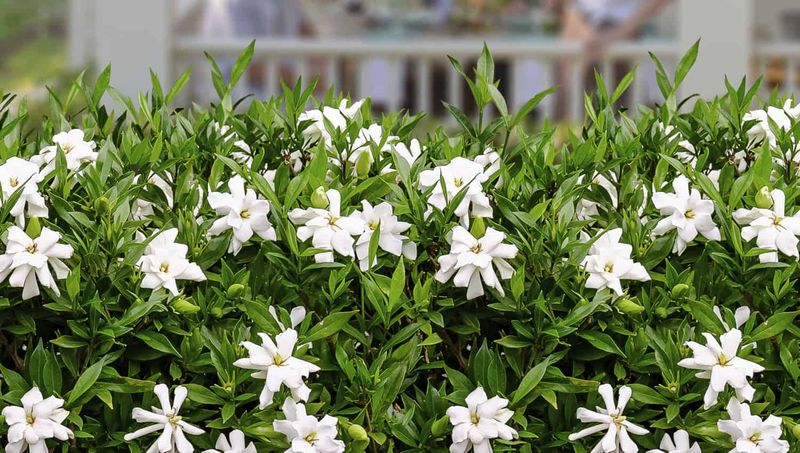
Sunlight is a tricky thing in Texas. The state is famous for its blazing summer sun, and while gardenias do need light to grow and bloom, too much direct sun can really hurt them. The secret is giving them the right kind of light at the right time of day.
Gardenias do best with bright morning sunlight and protection from harsh afternoon rays. Morning sun is gentler and helps the plant photosynthesize without causing leaf scorch. By the time the afternoon heat peaks in Texas, your gardenias should be in the shade.
Planting your gardenias on the east side of your home, a fence, or a large tree is a smart strategy. These spots naturally receive morning sun and then shift into shade as the day goes on. It is a simple placement trick that makes a big difference come summer.
If your gardenias are already planted in a spot that gets too much afternoon sun, you have options. A shade cloth rated at 30 to 40 percent can be draped over plants during the hottest part of the day.
This is a popular solution among Texas gardeners who want to protect established plants without moving them.
Leaf scorch shows up as brown, crispy edges on the leaves. It is a clear sign your gardenia is getting too much direct afternoon exposure.
Catching this early in spring and making adjustments before summer arrives can save your plant from a tough season.
Paying attention to sun patterns in your yard during spring helps you plan smarter placements for new gardenias going forward.
4. Mulch To Keep Roots Cool
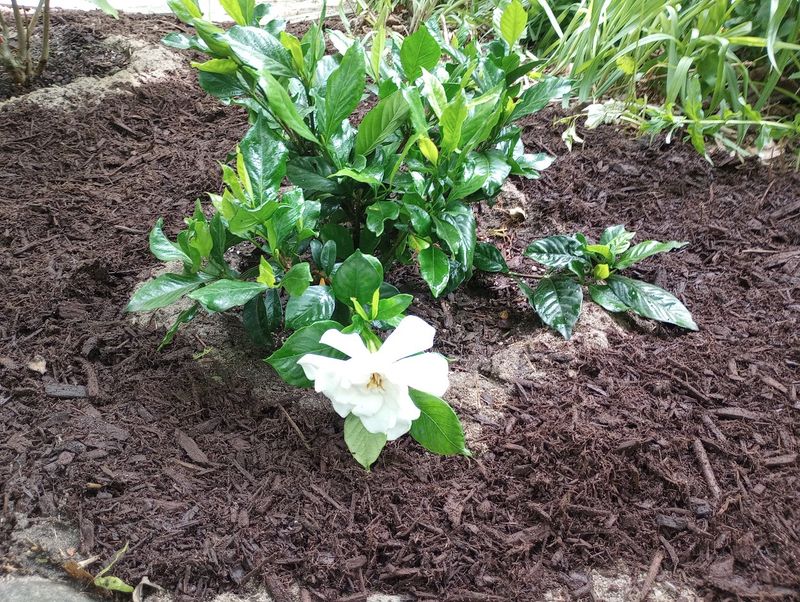
Mulch might not look exciting, but it is one of the most powerful tools in a Texas gardener’s toolkit. A good layer of mulch around your gardenias does several important jobs all at once, especially as temperatures start climbing in spring and head toward summer.
Applying two to three inches of organic mulch around the base of your gardenias helps the soil hold onto moisture much longer. In Texas, where the sun beats down hard and soil can dry out fast, that moisture retention is a game-changer.
Less water evaporates, which means you spend less time watering and your gardenias stay more comfortable.
Pine bark and pine needles are excellent mulch choices for gardenias specifically. Both break down slowly and release mild acidity into the soil as they decompose.
Since gardenias love acidic soil, using pine-based mulch gives you a bonus benefit on top of moisture control.
Mulch also acts like a natural insulator for the root zone. Gardenia roots are shallow and sensitive to temperature swings.
A thick layer of mulch keeps the soil temperature more stable, protecting roots from the extreme heat that Texas summers are known for delivering.
One important tip is to keep the mulch a few inches away from the main stem of the plant. Piling mulch directly against the stem traps moisture and can cause the base of the plant to rot over time.
A small gap around the stem keeps air circulating properly. Refreshing your mulch layer each spring before summer heat arrives is a simple habit that pays off in a big way for your Texas gardenias.
5. Balanced Fertilizer For Acid-Loving Plants
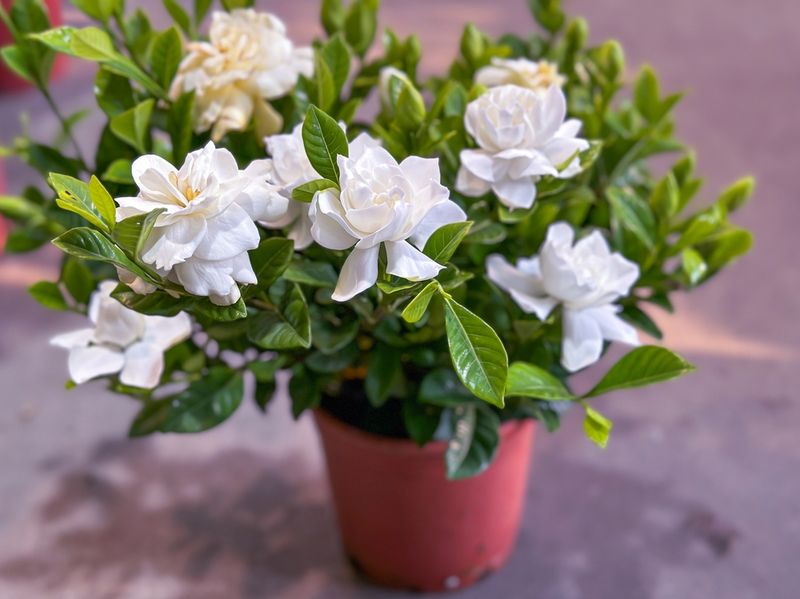
Feeding your gardenias at the right time with the right food makes a noticeable difference in how well they bloom. Spring is the perfect window to fertilize gardenias in Texas, right before the growing season kicks into high gear.
Waiting too long means your plants miss out on nutrients when they need them most for bud development.
Look for fertilizers labeled for azaleas, camellias, or gardenias at your local Texas garden center. These blends are specially formulated to support acid-loving plants.
They typically contain a mix of nitrogen, phosphorus, and potassium along with micronutrients like iron that gardenias depend on for healthy, deep green leaves.
Slow-release granular fertilizers are a great choice for gardenias. They deliver nutrients steadily over several weeks instead of all at once.
A sudden rush of nutrients from fast-release fertilizers can actually stress the plant or cause a flush of weak, tender growth that struggles in summer heat.
Follow the package directions carefully when applying fertilizer. More is not always better, and over-fertilizing can burn the roots or cause other problems.
Spreading the granules evenly around the drip line of the plant and watering it in well helps nutrients reach the root zone efficiently.
Avoid fertilizing your gardenias after midsummer in Texas. Late-season fertilizing encourages new soft growth that may not have time to harden off before cooler fall temperatures arrive.
Sticking to a spring feeding schedule keeps your gardenias strong without creating unnecessary stress.
A well-fed gardenia going into summer is a resilient gardenia, one that is far more likely to reward you with those gorgeous, fragrant white blooms all season long.
6. Protection From Heat Stress And Wind
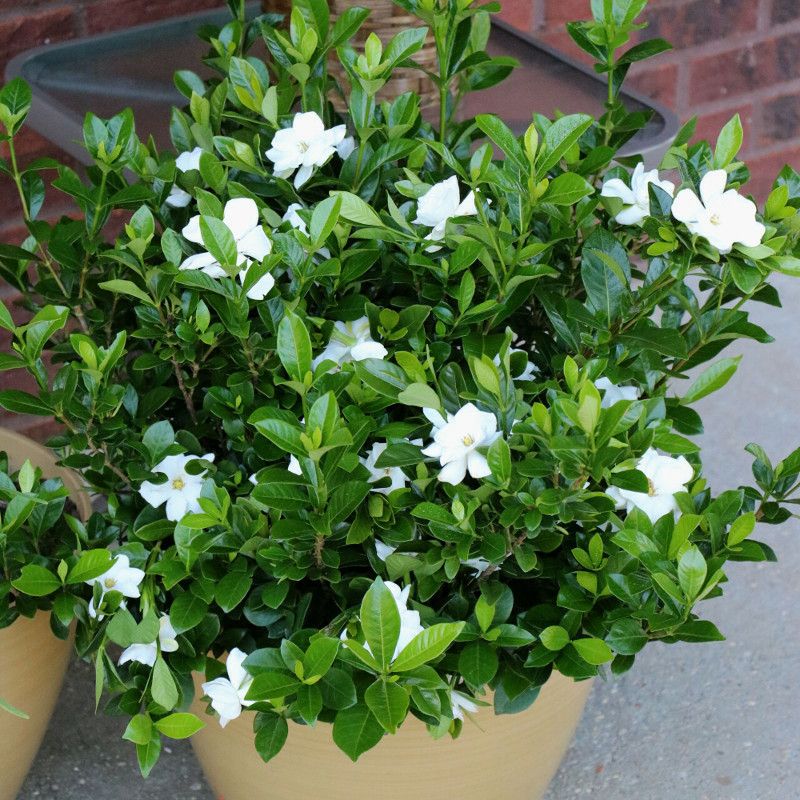
Texas weather can be relentless, and it is not just the heat that gardenias have to deal with. Hot, dry winds are another major source of stress for these sensitive plants.
Wind pulls moisture right out of the leaves faster than the roots can replace it, leaving gardenias looking wilted and worn out even when the soil is moist.
Choosing a sheltered planting spot is one of the smartest things you can do for gardenias in Texas. Locations near a fence, a wall, or a row of larger shrubs offer natural windbreaks.
These barriers slow down the wind before it reaches your gardenias, which keeps the plants from losing moisture too quickly during hot, breezy Texas afternoons.
Heat stress shows up in gardenias as bud drop, which is when flower buds fall off before they even open. This is one of the most frustrating things that can happen after you have waited all spring for those beautiful blooms.
Protecting plants from extreme heat exposure helps prevent bud drop from happening in the first place.
You can also use anti-transpirant sprays, which create a thin protective coating on leaves to slow moisture loss during heat waves.
These sprays are available at most Texas garden supply stores and are safe for gardenias when used as directed. They work especially well during the transition from spring into summer.
Grouping gardenias together with other plants can also create a mini microclimate that feels a bit cooler and less windy. Plants naturally release moisture into the air around them, which raises local humidity slightly.
In a dry Texas summer, even a small humidity boost can help your gardenias stay comfortable and continue blooming strong.