Plants California Gardeners Regret Waiting Too Long To Plant In Spring
Spring moves quickly in California, and timing has a way of sneaking up on people. One week feels like the perfect moment to plant, and the next brings warmer temperatures that change how well certain plants settle in.
Many gardeners have had that experience of waiting just a little too long. Life gets busy, the weather seems fine, and then suddenly the window for easy planting starts closing faster than expected.
Some plants struggle to catch up once conditions shift. This is especially true in regions where spring turns into summer heat without much warning. Plants that would have taken off earlier end up working harder just to establish themselves.
That is why timing matters more than it first appears. Knowing which plants benefit from an earlier start can save a lot of frustration and lead to a garden that feels fuller, healthier, and easier to manage as the season moves forward.
1. Tomatoes That Need An Early Start
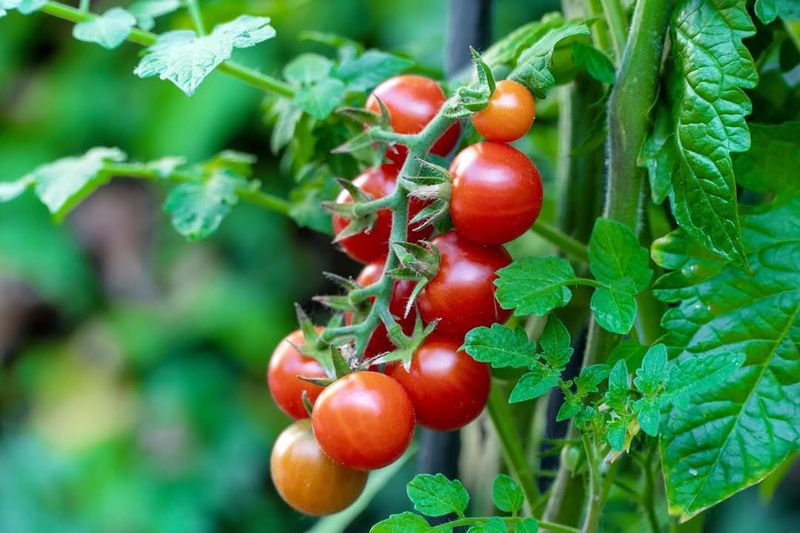
Ask almost any California gardener what they wish they had planted earlier, and tomatoes will top the list every single time. Tomatoes need a long, warm growing season to really shine, and every week you wait in spring is a week of potential harvest you are leaving on the table.
Getting transplants in the ground as soon as nighttime temperatures stay consistently above 50 degrees can mean the difference between picking fruit in July versus waiting until September.
In California, especially in warmer inland areas like the Central Valley and the Inland Empire, the heat of summer arrives fast. Tomatoes that go in the ground in early to mid-March have time to establish strong root systems before the blazing heat sets in.
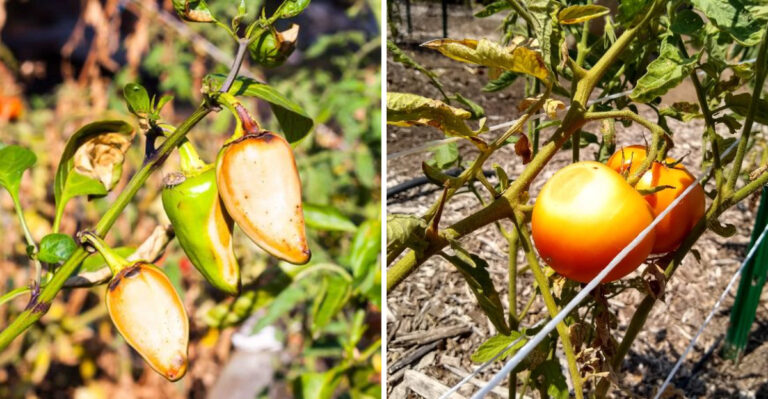
Plants that go in late often struggle to set fruit properly because extreme heat causes blossoms to drop before they can turn into tomatoes.
Starting seeds indoors six to eight weeks before your local transplanting date gives you a real head start. Look for heat-tolerant varieties like Early Girl, Celebrity, or Sweet 100 cherry tomatoes, which are popular choices among California home gardeners.
Make sure your transplants get at least eight hours of direct sunlight daily and water deeply but infrequently to encourage deep root growth. Adding a thick layer of mulch around the base helps keep soil moisture locked in during those warm spring days that can sneak up on you fast.
2. Peppers That Struggle In Late Heat
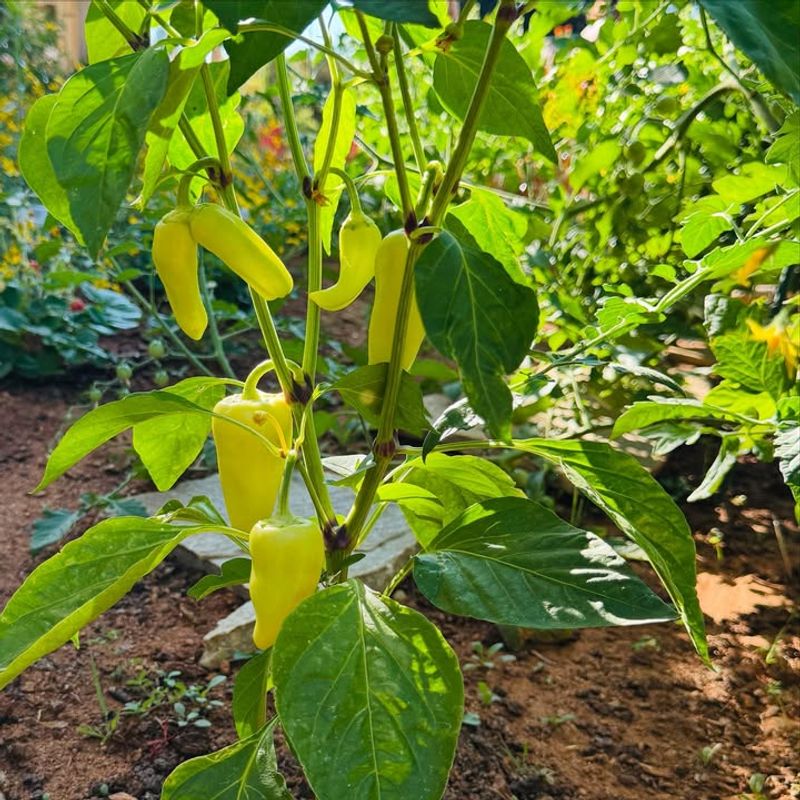
Among vegetables, peppers tend to reward patient early planters and quietly punish those who wait too long. They are slower to mature than most gardeners expect, with many varieties taking 70 to 90 days from transplant to first harvest.
That timeline makes early spring planting in California not just helpful, but honestly essential if you want a full, productive season.
Unlike tomatoes, peppers are particularly sensitive to cold soil. They sulk and stall when soil temperatures drop below 60 degrees Fahrenheit, which means planting too early can backfire just as badly as planting too late.
The sweet spot for California gardeners is getting transplants in the ground in mid-March to early April, once the soil has warmed up nicely and nighttime temperatures are reliably mild.
Your California Garden Changes Every Week. Your Plan Should Too.
Gardening in California changes quickly throughout the season. Every Friday you’ll receive a simple weekly plan showing exactly what to plant, prune, fertilize, harvest, and protect so you never miss the right timing.
Did you know that peppers actually originated in Central and South America and thrive in warm, sunny climates? That makes California an ideal home for them, as long as you give them enough time.
Whether you love sweet bell peppers, tangy banana peppers, or fiery jalapeños, starting seeds indoors eight to ten weeks before transplanting gives you the strongest plants. Once in the ground, peppers love full sun, well-draining soil, and consistent watering.
Gardeners in hotter California regions should consider afternoon shade cloth during peak summer heat to keep plants comfortable and productive throughout the entire growing season.
3. Eggplant That Loves Warm Head Starts
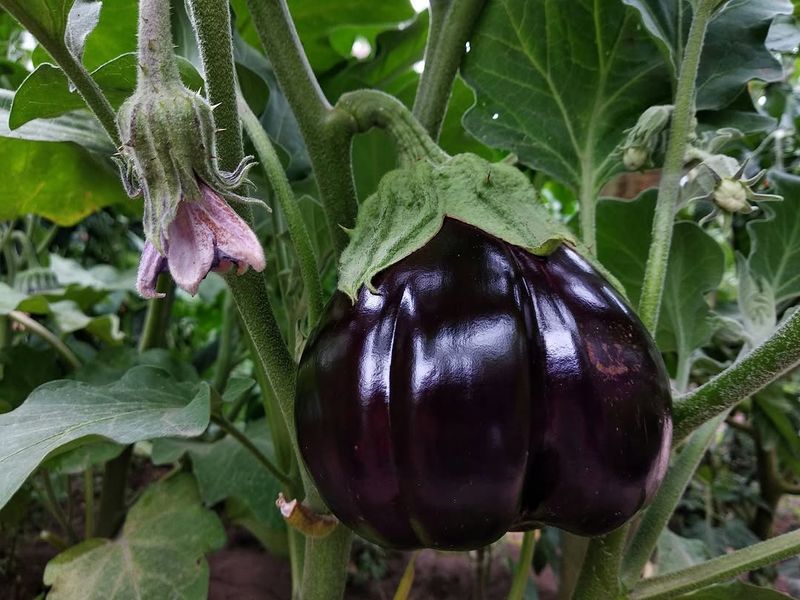
Eggplant is one of the most heat-loving vegetables you can grow, which makes it sound like a natural fit for California. And it truly is, but only if you give it enough time.
Eggplant takes even longer to mature than peppers, often needing 80 to 100 days from transplant to harvest. When California gardeners delay planting until late spring, they are essentially cutting the growing season short before it even gets going.
Warm soil is absolutely non-negotiable for eggplant. Cold or even cool soil stunts root development and slows growth to a crawl, which is why planting in well-warmed garden beds is so important.
In Southern California and the Central Valley, gardeners who get transplants in the ground by late March or early April tend to enjoy a long, generous harvest window that stretches well into fall.
Eggplant comes in a surprising variety of shapes, colors, and sizes beyond the classic deep purple globe type. Japanese eggplants, Italian varieties, and small round Thai types are all worth exploring.
They all share the same love of sunshine, warmth, and fertile, well-drained soil. Regular deep watering keeps plants strong and productive, while consistent fertilizing with a balanced fertilizer supports steady growth.
One fun gardening tip for California growers is to use black plastic mulch around eggplant beds to warm the soil faster and hold moisture longer throughout the season, giving your plants a noticeable boost right from the start.
4. Cucumbers That Grow Best Before Heat Spikes
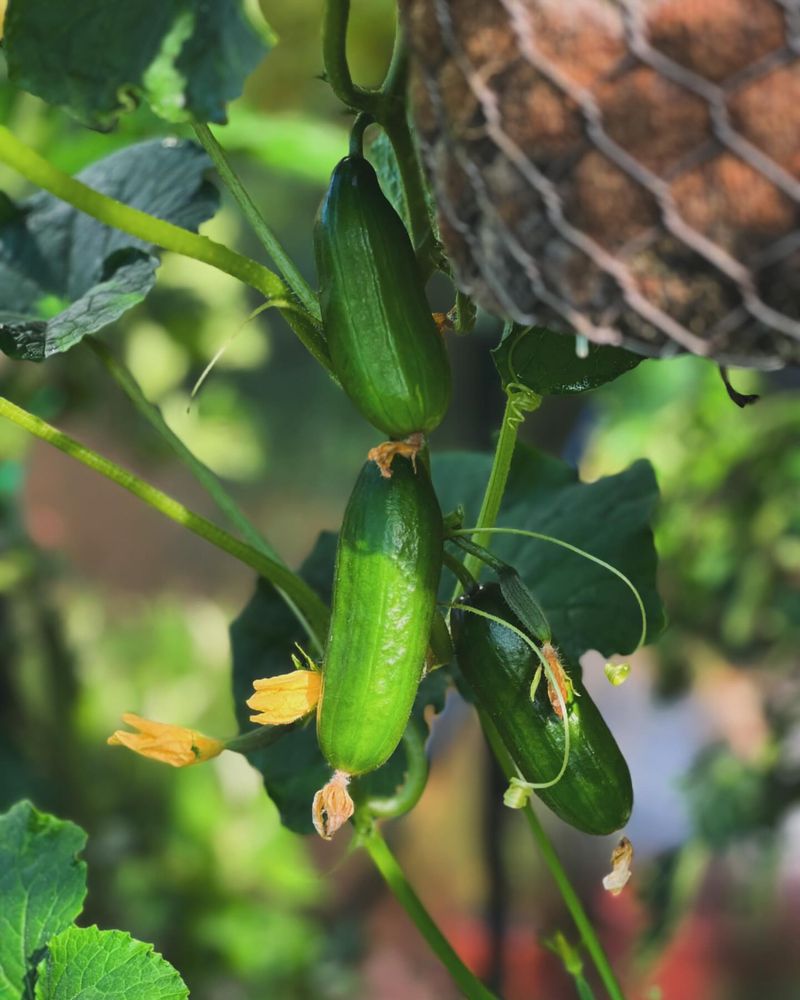
Few vegetables are as refreshing to harvest on a warm California afternoon as a crisp, cool cucumber straight from the vine. But cucumbers are fast-growing plants that also have a surprisingly short productive window, especially once summer heat peaks.
Getting them in the ground early in spring gives California gardeners the best chance of enjoying a long, generous harvest before the plants wear themselves out in the heat.
Cucumbers prefer soil temperatures of at least 60 degrees Fahrenheit to germinate and grow well. In most parts of California, that means direct sowing seeds or transplanting seedlings from late February through April, depending on your specific location.
Coastal gardeners may need to wait a touch longer for soils to warm, while inland and Southern California growers can often get started earlier than they think.
One of the most practical tips for growing cucumbers in California is to use a trellis. Vertical growing keeps fruit clean, improves air circulation, and makes harvesting much easier.
Cucumbers grow quickly once they get going, so checking plants every day or two during peak season prevents oversized fruits from sneaking up on you. Varieties like Marketmore, Spacemaster, and Armenian cucumber are favorites among California home gardeners for their reliable production and great flavor.
Consistent watering is critical because uneven moisture leads to bitter-tasting cucumbers. A good layer of straw mulch around the base of your plants will help keep soil moisture steady and roots cool during warm California afternoons.
5. Squash That Takes Off Early
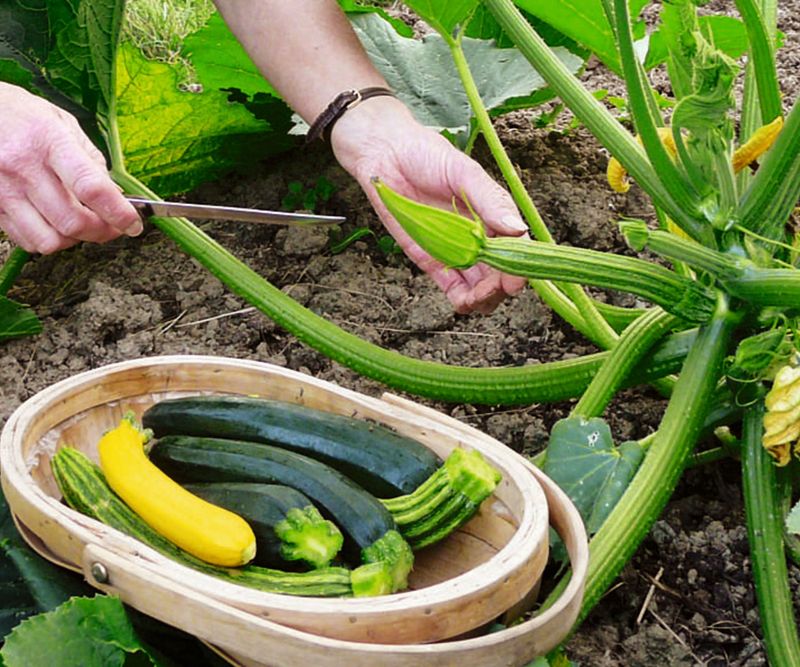
Known as one of the easiest vegetables to grow, squash has a reputation that is well earned. But even squash rewards early planters with noticeably better results.
California gardeners who get squash seeds or transplants in the ground in early spring often end up with plants so productive they are practically giving away zucchini to neighbors by midsummer. Wait too long, and you end up playing catch-up all season.
Both summer squash varieties like zucchini and yellow squash, and winter squash types like butternut and acorn, need a decent stretch of warm weather to produce well. Summer squash matures relatively quickly, often within 50 to 60 days, but winter squash varieties can need 80 to 110 days, making early planting especially critical for those types.
In California, sowing squash directly in the garden from late February through April is ideal for most regions.
Squash plants are heavy feeders, meaning they love rich, fertile soil loaded with compost. Giving them plenty of space is equally important because these plants spread out enthusiastically.
Planting in hills, a traditional method where several seeds are grouped together in a slightly raised mound, improves drainage and warms soil faster. Powdery mildew is a common challenge for squash growers across California, so choosing resistant varieties and watering at the base of plants rather than overhead helps keep plants healthy.
Regular harvesting of summer squash encourages plants to keep producing all the way into early fall.
6. Beans That Prefer Milder Conditions
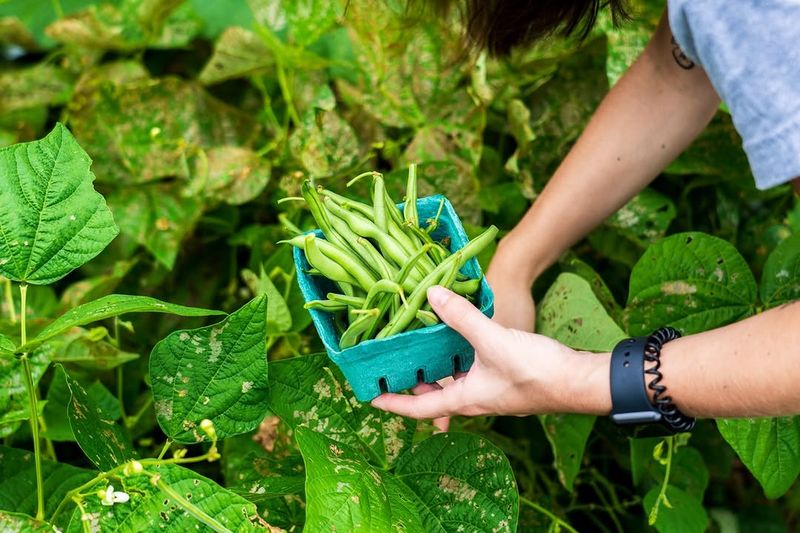
A low-maintenance, plant-and-forget crop might come to mind with beans, but timing still matters more than most California gardeners realize. Beans are warm-season plants that need soil temperatures of at least 60 degrees Fahrenheit to sprout reliably.
Plant them in cold or damp soil and the seeds are likely to rot rather than germinate, which means a frustrating replanting delay that eats into your growing season before it really begins.
The good news is that once conditions are right, beans grow fast. Bush beans can go from seed to harvest in as little as 50 to 60 days, while pole beans take a bit longer but reward you with a much longer harvest window.
In California, direct sowing beans in the garden from March through May works well across most of the state. Gardeners in warmer inland areas can often start a bit earlier than those along the cooler coast.
Beans are one of the few vegetables that actually improve your garden soil over time. They are nitrogen-fixing plants, which means they work with bacteria in the soil to pull nitrogen from the air and convert it into a form that feeds other plants.
That makes them a smart addition to any California vegetable garden rotation. Pole bean varieties like Kentucky Wonder and Blue Lake are longtime favorites, while bush bean varieties offer a more compact growing habit perfect for smaller garden spaces.
Water consistently and harvest pods regularly to keep plants producing at their very best all season long.
7. Basil That Thrives With A Head Start
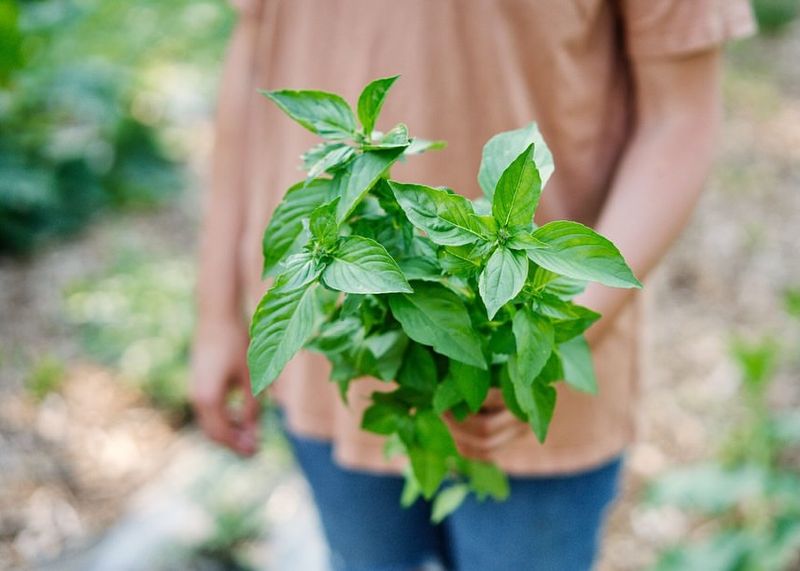
There is something almost magical about a thriving basil plant in a California garden. The scent alone is enough to make you want to spend more time outdoors.
Basil is one of the most popular herbs grown across the state, and for good reason. It is incredibly versatile in the kitchen and surprisingly easy to grow, as long as you do not wait too long to get it started in spring.
Basil is extremely sensitive to cold temperatures. Even a light frost can blacken its leaves overnight, and cool soil will stunt its growth significantly.
In California, many gardeners wait until it feels fully warm outside before planting basil, which can shorten the early growing window in some regions. Aiming to transplant basil seedlings outdoors once nighttime temperatures stay consistently above 50 degrees Fahrenheit gives plants the warm start they need to thrive.
Starting basil from seed indoors four to six weeks before your last expected frost date is a great strategy for California home gardeners. Once transplanted outside, basil loves full sun and well-drained soil.
Pinching off flower buds as soon as they appear keeps the plant producing flavorful leaves much longer. Left to flower, basil quickly becomes bitter and less productive.
Sweet Genovese, Thai basil, and Lemon basil are all wonderful varieties to try. Growing basil near tomatoes is a classic garden pairing that many California gardeners swear by for both practical and flavorful reasons throughout the season.
8. Corn That Needs A Full Season
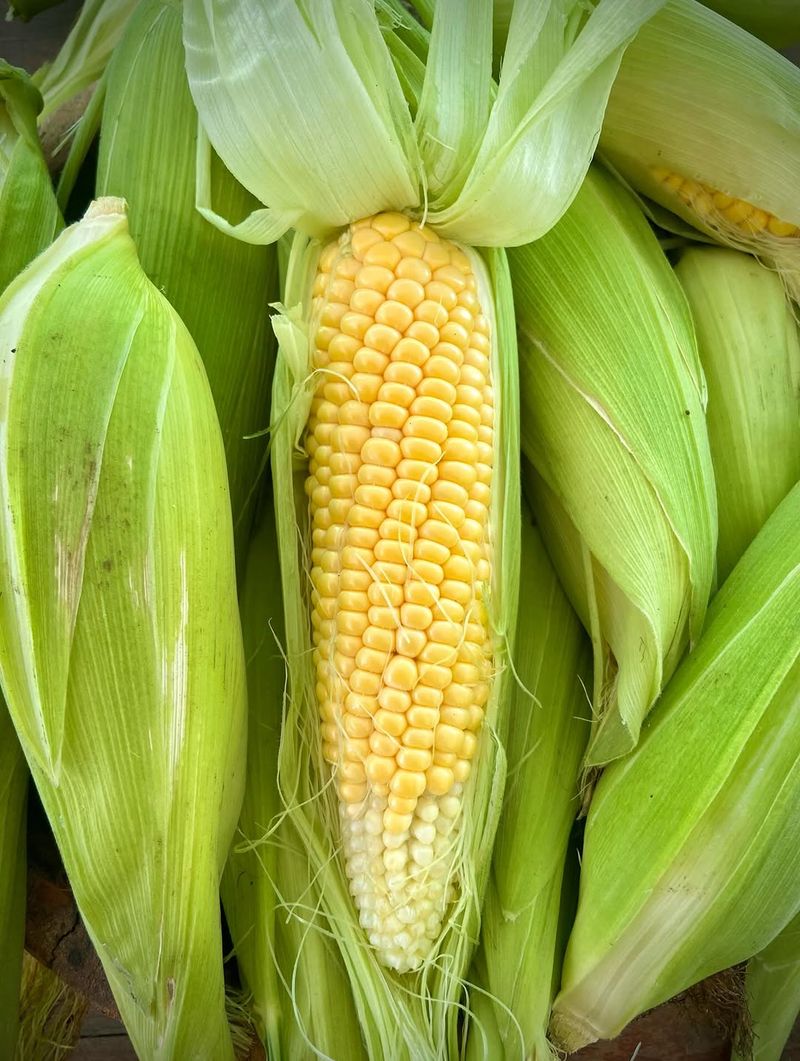
Growing corn in a backyard California garden is one of those experiences that never gets old. Biting into an ear of sweet corn you grew yourself, still warm from the afternoon sun, is a summer memory worth planning for.
But corn is also one of those crops where late planting in spring can really come back to haunt you by the time harvest season rolls around.
Corn needs a long stretch of warm weather to mature properly, and most sweet corn varieties take between 70 and 90 days from planting to harvest. In California, that means getting seeds in the ground no later than mid-April in most regions if you want to enjoy ripe ears before the end of summer.
Corn also needs warm soil to germinate well, with a minimum soil temperature of around 60 degrees Fahrenheit for reliable sprouting.
One detail that surprises many first-time corn growers is that corn is wind-pollinated, not bee-pollinated. That means planting in blocks of at least four rows rather than single long rows dramatically improves pollination and results in fully filled-out ears.
In California gardens where space is limited, this block-planting method is especially worth keeping in mind. Varieties like Honey Select, Silver Queen, and Peaches and Cream are popular picks for home gardeners across the state.
Corn is a heavy feeder, so amending your soil generously with compost before planting and side-dressing plants with nitrogen fertilizer partway through the season keeps growth strong and steady right through harvest time.