8 Fast-Growing Crops For Florida Raised Beds
Raised beds have a way of making Florida gardeners feel like they are in the fast lane. The soil warms up quickly, crops take off faster, and before you know it, little sprouts start turning into something worth picking.
That kind of progress is hard to beat. In a state where heat, rain, and humidity can change the game in a hurry, fast-growing crops make a whole lot of sense.
They give gardeners quicker wins, fill empty space before weeds move in, and keep the garden feeling lively instead of slow as molasses. That is a big deal for anyone who wants fresh food without a long, nail-biting wait.
A smart crop choice can turn a raised bed into a steady source of harvests in less time than many people expect. For Florida gardeners itching to see results, these quick growers know how to hit the ground running.
1. Radishes Are Ready Before You Know It
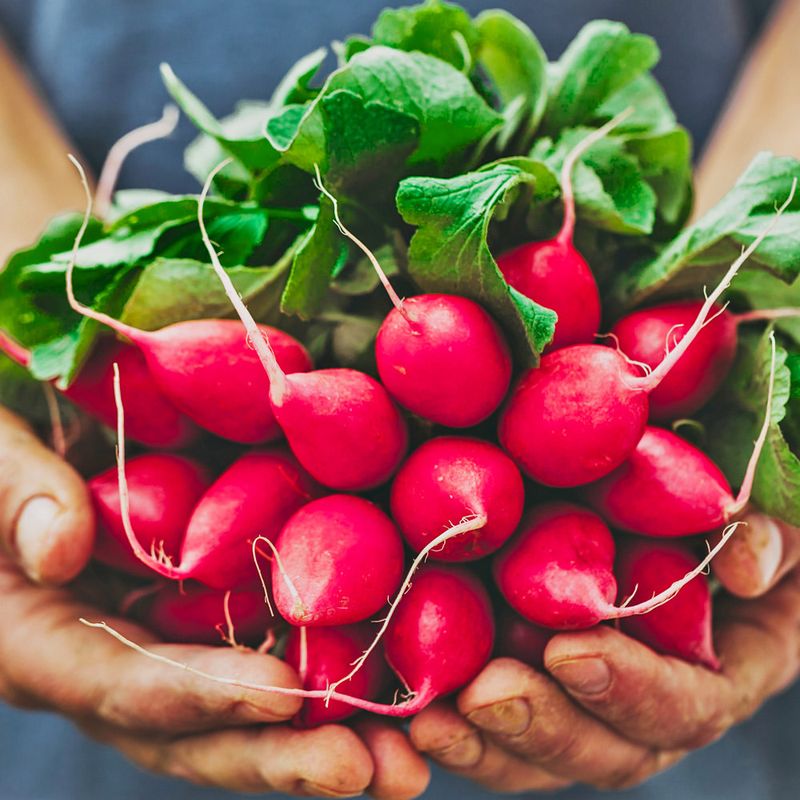
Planting something and eating it within the same month feels almost too good to be true, but radishes make it happen. They are one of the fastest crops you can grow anywhere, and in Florida raised beds, they practically sprint to harvest.
Most varieties are ready in just 20 to 30 days, which means you can squeeze in multiple rounds during the cooler months of fall, winter, and early spring.
Raised beds suit radishes especially well because these roots need loose, well-draining soil to develop properly. When roots hit compacted ground, they can crack or grow misshapen.
A raised bed filled with a good mix of compost and garden soil gives them the soft environment they need to swell up round and smooth.
Plant seeds about half an inch deep and space them roughly two inches apart. They prefer full sun but can handle some light afternoon shade in Central and South Florida during warmer spells.
Water consistently so the soil stays evenly moist, but never soggy. Thin seedlings early so each plant has room to develop a full root.
One solid tip: sow a new row every ten days so you always have a fresh batch coming in rather than one big harvest all at once.
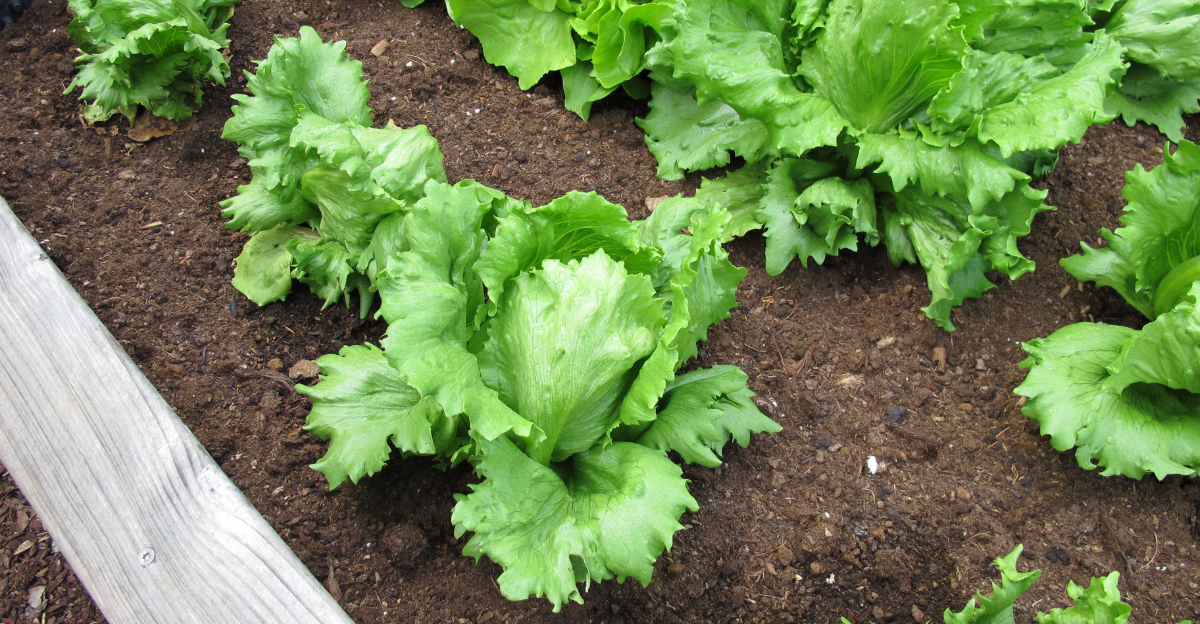
2. Lettuce Fills Beds Fast In Cooler Weeks
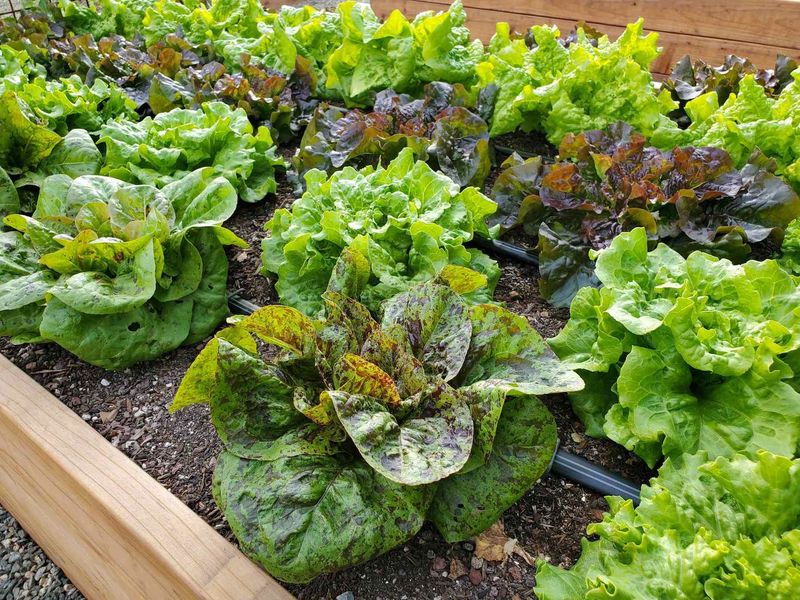
Walking out to the garden on a cool January morning and snipping fresh salad greens right into a bowl is one of the best parts of Florida winter gardening.
Loose-leaf lettuce varieties like Black-Seeded Simpson, Oak Leaf, and Buttercrunch thrive during Florida’s mild season, which runs roughly from October through March depending on where you live in the state.
Most loose-leaf types are ready to harvest in 30 to 45 days from seed. Raised beds work especially well for lettuce because the soil warms and drains faster than in-ground plots, which keeps roots healthy and prevents rot during rainy stretches.
Aim for at least six hours of sun, though afternoon shade can actually help extend the harvest window in South Florida where temperatures climb faster.
Space transplants or seeds about eight inches apart and water regularly to keep the soil from drying out. Lettuce is mostly water, so consistent moisture makes a big difference in leaf quality and tenderness.
Your Florida Garden Changes Every Week. Your Plan Should Too.
Gardening in Florida changes quickly throughout the season. Every Friday you’ll receive a simple weekly plan showing exactly what to plant, prune, fertilize, harvest, and protect so you never miss the right timing.
Succession planting is the real secret here. Instead of planting one big batch, sow seeds every two weeks so fresh heads are always maturing in the bed.
Harvest outer leaves first rather than cutting the whole plant and the bed will keep producing for weeks longer than you might expect.
3. Bush Beans Take Off With Little Effort
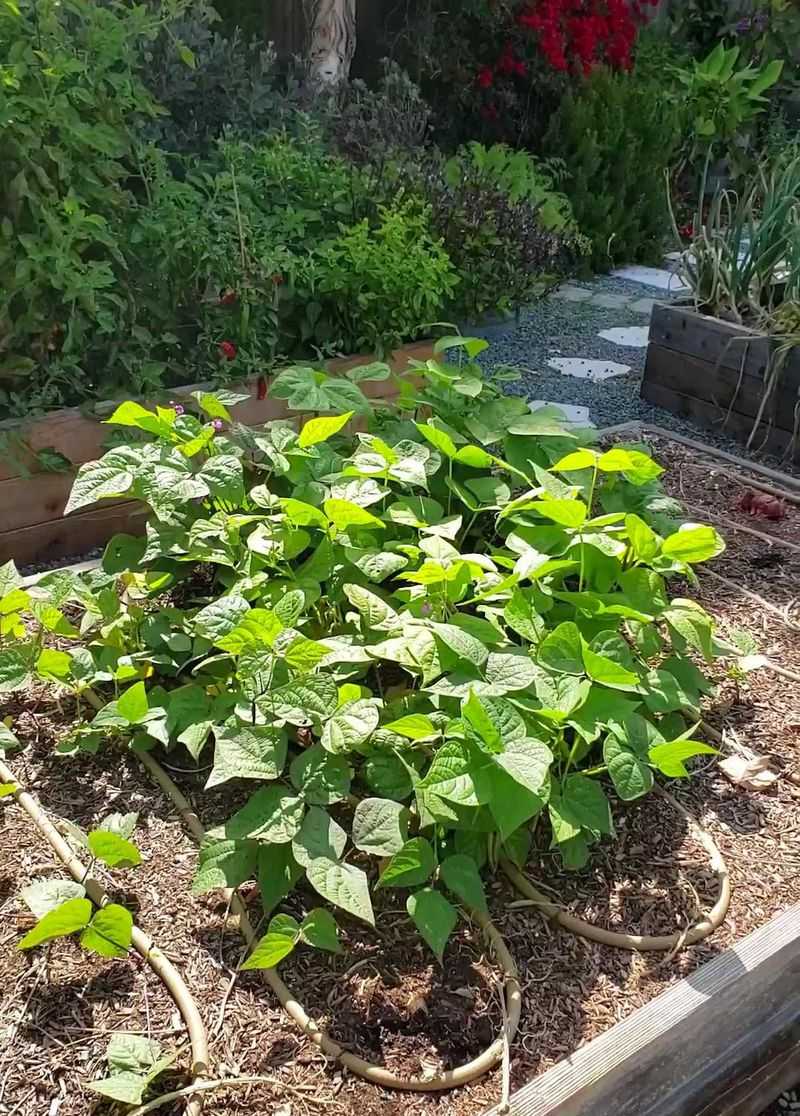
Few crops reward a beginner gardener as quickly and generously as bush beans. Drop the seeds into warm soil, keep them watered, and within about 50 to 60 days you will have more beans than you know what to do with.
In Florida, spring planting works best when soil temperatures are consistently above 60 degrees, which usually arrives in February or March across most of the state.
Bush beans are built for raised beds. Their roots are shallow and spread wide, so the loose, well-aerated soil in a raised bed lets them establish fast without fighting compaction.
Unlike pole beans, they do not need any trellis or support, which keeps setup simple and gives you more room to focus on other crops nearby.
Direct sow seeds about one inch deep and space them four to six inches apart in rows. Full sun is a must, so pick the sunniest spot in your garden.
Water at the base of the plants rather than overhead to reduce the chance of fungal issues, which can be a real concern during Florida’s humid stretches. Once pods start forming, check the bed every couple of days.
Beans left on the vine too long get tough and woody, but picking them at the right moment encourages the plant to keep pushing out a fresh round of pods.
4. Cucumbers Climb Fast And Produce Early
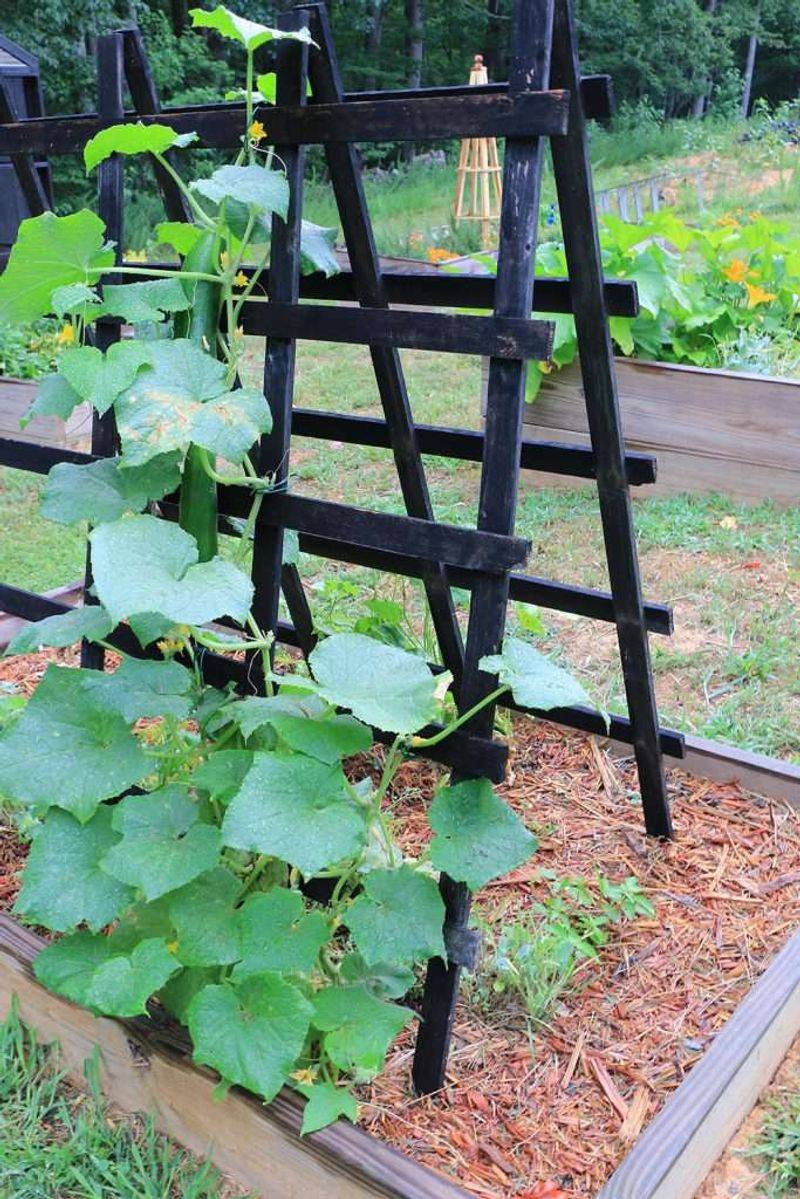
Give cucumbers a trellis and warm soil and they will practically race to the top.
This is one of the most satisfying crops to watch grow in a Florida raised bed because the vines move fast, flowers appear early, and the first cucumbers show up sooner than most gardeners expect.
From seed to first harvest typically takes around 50 to 65 days depending on the variety, with slicing types like Straight Eight and bush types like Spacemaster being popular Florida choices.
Raised beds give cucumbers a real advantage by providing the warm, well-drained root zone they need to get established quickly. Cold, waterlogged soil slows germination and stresses young plants.
A raised bed avoids that entirely, letting seeds sprout in just a few days when temperatures are right. Plant after the last frost date for your area, which can be as early as January in South Florida.
Space plants about 12 inches apart and set up a vertical trellis to keep vines off the soil and improve airflow. Full sun is essential.
Water deeply but allow the top inch of soil to dry between sessions. One helpful trick is to pick cucumbers as soon as they reach usable size rather than letting them get oversized and seedy.
Consistent harvesting signals the plant to keep producing, which means your raised bed stays productive well into the warm season.
5. Summer Squash Starts Strong And Keeps Going
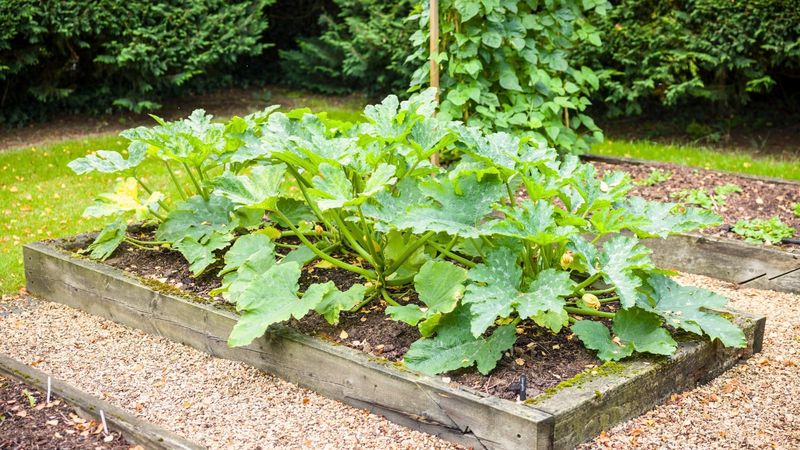
There is a reason experienced Florida gardeners always seem to have more squash than they can give away.
Summer squash, including zucchini and yellow crookneck, establishes itself fast and hits a production stride that can feel almost overwhelming in the best possible way.
From direct seeding, most varieties reach first harvest in about 50 to 60 days, but once they start producing, the bed barely slows down for weeks.
Raised beds are a natural fit for squash because good drainage is critical. Florida rains can be intense, and squash roots that sit in saturated soil are vulnerable to root rot.
A raised bed with compost-rich soil drains excess water quickly while still holding enough moisture to support those large, thirsty leaves. Position plants in full sun and give each one plenty of room, at least 18 to 24 inches apart, since the foliage spreads wide.
Consistent watering at the root zone keeps production steady. Irregular moisture can cause blossom end problems or misshapen fruits.
Hand-pollinating flowers with a small paintbrush in the morning can boost early fruit set if you notice a lot of flowers dropping without producing. Powdery mildew is a common issue in Florida humidity, so make sure air can circulate around the base of the plants.
Removing lower leaves as they age helps keep the bed healthy and productive longer.
6. Okra Loves Heat And Grows At Full Speed
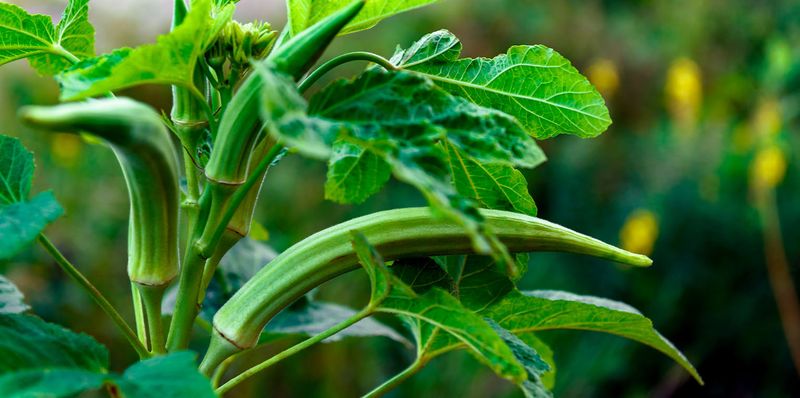
When Florida summer heat arrives and most cool-season crops have long since finished, okra is just getting started. This is a crop that genuinely thrives in conditions that would stress most other vegetables.
Once air temperatures climb into the upper 80s and 90s, okra takes off fast. Seeds germinate in about a week when soil is warm, and plants can reach harvestable pod size in as little as 50 to 60 days after planting.
Raised beds give okra the deep, warm, well-drained root zone it prefers. The tall plants, which can reach four to six feet, anchor better in the loose soil of a raised bed and develop strong stems that hold up pods without flopping.
Space plants about 12 to 18 inches apart and make sure they get full sun all day. Okra planted in partial shade produces far fewer pods and stretches toward the light in ways that weaken the stem over time.
Water deeply once or twice a week rather than giving light daily sprinkles. Okra handles short dry spells better than most crops, but consistent moisture during flowering improves pod production significantly.
Harvest pods when they are two to four inches long and still tender. Pods left on the plant too long become tough and fibrous, and they also signal the plant to slow down production.
Regular harvesting keeps the plant focused on pushing out new pods all season long.
7. Arugula Sprouts Quickly And Keeps Coming Back
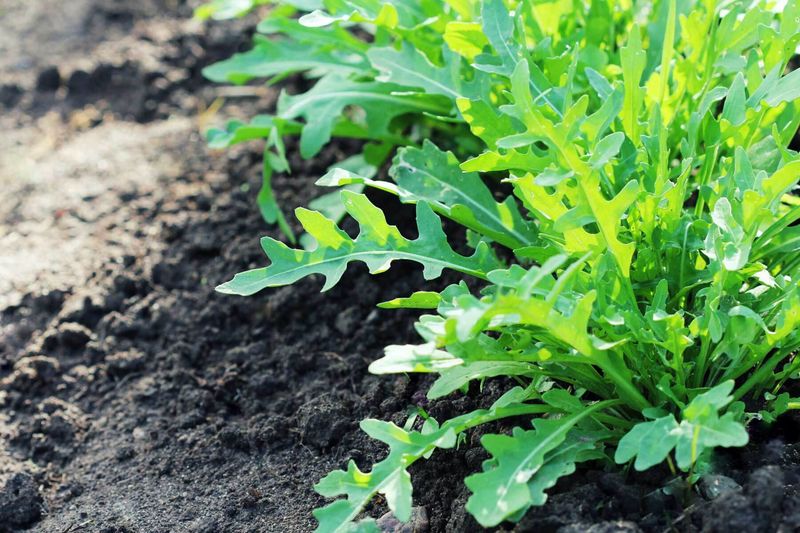
Seven days from seed to sprout is hard to beat, and that is exactly what arugula delivers in Florida’s cooler months.
This peppery green is one of the easiest crops to establish in a raised bed and one of the most rewarding for gardeners who want frequent harvests without replanting constantly.
Most arugula is ready for a first cut in 20 to 40 days, and because it regrows after harvesting, one planting can feed you for several weeks straight.
Florida’s fall and winter months are prime arugula season. In North and Central Florida, plant from September through February.
South Florida gardeners can often stretch that window even further into spring. Raised beds are ideal because arugula prefers well-drained, fertile soil and does not compete well with weeds.
The contained environment of a raised bed keeps weed pressure low and lets the shallow roots spread freely.
Broadcast seeds across the bed surface and press them lightly into the soil. Thin plants to about four to six inches apart once they sprout.
Full sun works well in cooler months, but some afternoon shade helps in warmer spells to slow the plant from bolting and turning bitter. Water regularly but avoid soaking the foliage, since wet leaves in humid conditions can invite disease.
When harvesting, cut outer leaves first and leave the center growth intact so the plant rebounds quickly and keeps the bed productive.
8. Cherry Tomatoes Grow Fast And Keep Producing
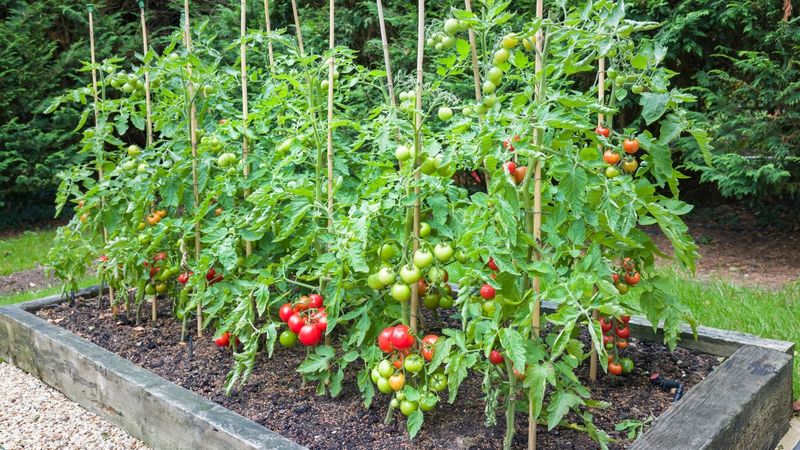
Among all the tomato options available to Florida gardeners, cherry tomatoes stand out for one simple reason: they fruit faster and more consistently than almost any other type.
Varieties like Sweet 100, Juliet, and Florida 91 can go from transplant to first ripe fruit in as little as 60 to 70 days.
Once they start, the clusters just keep coming, making them one of the most productive crops per square foot in any raised bed setup.
Raised beds give cherry tomatoes the excellent drainage and warm soil temperatures they need to establish quickly after transplanting.
Florida’s spring season moves fast, so getting transplants in the ground as early as late January in South Florida, or February to March in Central and North Florida, gives plants time to produce before summer heat pushes temperatures above 95 degrees, which can cause blossoms to drop.
Plant transplants deep, burying the stem up to the lowest set of leaves so the plant develops a stronger root system. Space plants at least 18 to 24 inches apart and provide a sturdy cage or stake from day one so you are not wrestling with a sprawling plant later.
Water consistently and feed with a balanced fertilizer every two to three weeks once fruiting begins. Mulching around the base of each plant helps retain moisture, moderate soil temperature, and reduce splash-back that can spread soil-borne issues to lower leaves.