How To Get Bigger Blooms From Roses In Pennsylvania
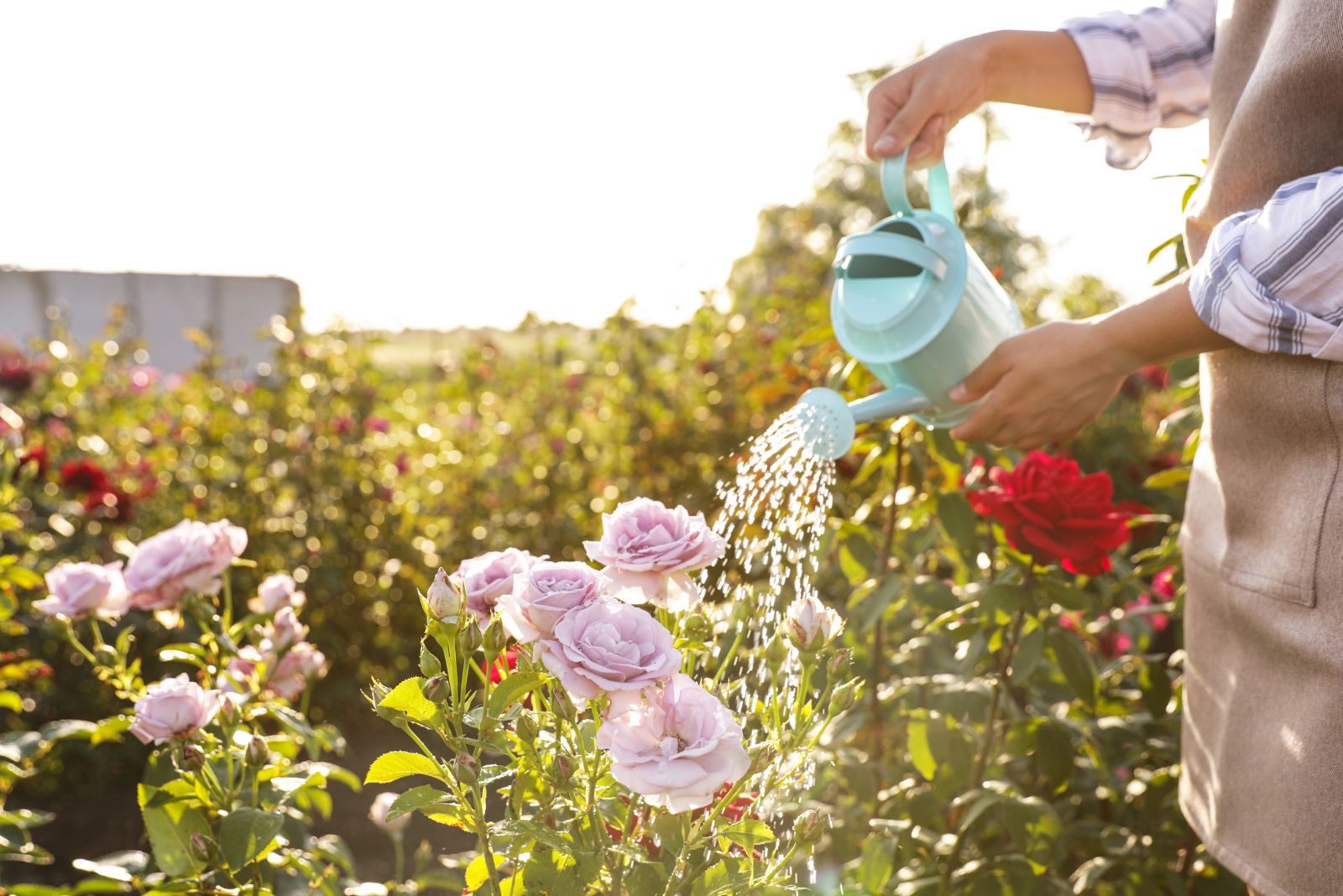
Every rose grower knows the feeling of waiting for that one spectacular bloom. You water, prune, feed, and watch closely, hoping your rose bush will reward you with flowers that are full, vibrant, and impossible to ignore.
Then the season arrives and the blooms look smaller than expected. They are still pretty, of course, but not quite the showstoppers you had in mind.
In Pennsylvania, roses have plenty of potential, but bigger blooms do not happen by accident. Weather swings, soil conditions, pruning habits, and even the timing of your care routine can all make a noticeable difference.
A bush may look healthy overall and still fall short when it comes to flower size. That is why a few smart adjustments can go a long way.
Once you understand what roses need to put more energy into blooming, the results can be surprisingly satisfying. Bigger flowers are not just for expert gardeners.
With the right approach, your Pennsylvania roses can put on a much more impressive show.
1. Give Roses Full Sun
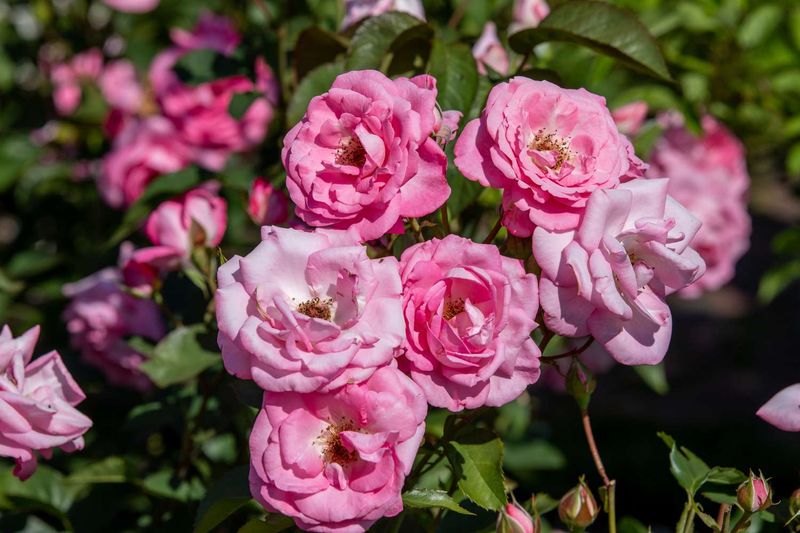
Sunlight is like fuel for your roses. Without enough of it, your plants will struggle to grow strong and produce the big, beautiful blooms you are hoping for.
Roses need at least six to eight hours of direct sunlight every single day to truly thrive. In Pennsylvania, the growing season runs from late spring through early fall. During that time, the sun can be your best gardening tool.
Pick a spot in your yard that gets morning sun especially. Morning light helps dry dew off the leaves quickly, which reduces the chance of fungal problems.
Afternoon shade is okay in the hottest parts of summer, but too much shade all day long will make your roses weak and leggy. Leggy plants put their energy into reaching for light instead of making flowers. That means smaller blooms and fewer of them.
If your current rose spot is too shady, think about moving the plants in early spring before new growth starts. Roses can handle being transplanted if it is done carefully and at the right time of year.
Just make sure the new location gets that golden six to eight hours of sun. Many Pennsylvania gardeners find that south-facing garden beds work best. They catch the most sunlight throughout the day.
Avoid planting near tall trees or buildings that cast long shadows. Once your roses are soaking up full sun, you will notice a real difference in how big and bold those blooms become.
2. Feed With The Right Fertilizer
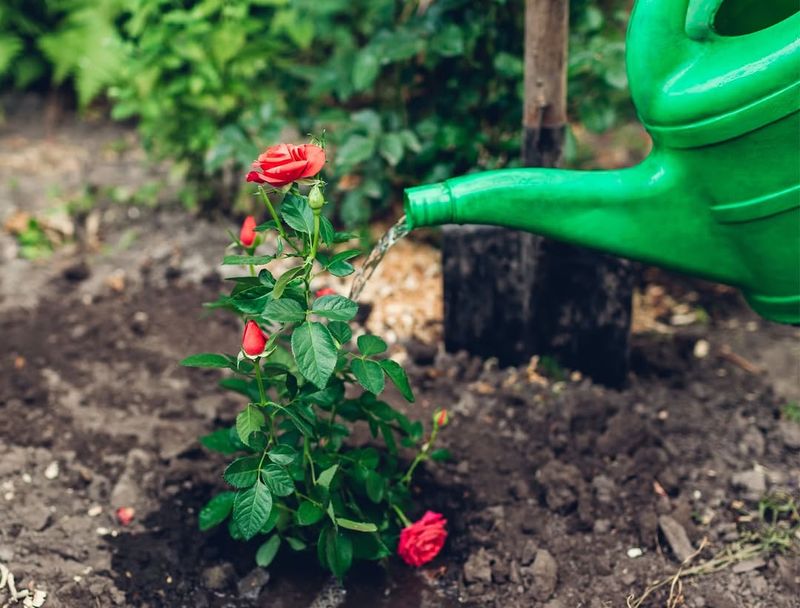
Roses are hungry plants. They need regular feeding to produce those showstopper blooms you see on the covers of gardening magazines.
But not just any fertilizer will do. Using the wrong one can actually make things worse instead of better.
A balanced rose fertilizer, something with equal or near-equal amounts of nitrogen, phosphorus, and potassium, works really well. Look for a product labeled specifically for roses at your local Pennsylvania garden center.
Start feeding in early spring when you see the first new leaves appearing on the canes. Nitrogen helps with leafy green growth, but too much of it sends all the plant’s energy into leaves rather than flowers. That is why balance matters so much.
Your Pennsylvania Garden Changes Every Week. Your Plan Should Too.
Gardening in Pennsylvania changes quickly throughout the season. Every Friday you’ll receive a simple weekly plan showing exactly what to plant, prune, fertilize, harvest, and protect so you never miss the right timing.
Phosphorus is the nutrient that really supports strong root development and bigger blooms. Potassium keeps the whole plant healthy and helps it handle stress from heat or pests.
Apply a second round of fertilizer after the first big bloom of the season. This encourages your roses to keep flowering through summer and into fall, which is especially helpful in Pennsylvania where the growing window is limited.
Stop fertilizing about six weeks before the first expected frost in your area. Feeding too late in the season pushes new growth that will not have time to harden before cold weather arrives.
In most parts of Pennsylvania, that means stopping fertilizer applications by late August or early September. Stick to a consistent feeding schedule and your roses will reward you with blooms that are noticeably larger and more vibrant all season long.
3. Water Deeply And Consistently
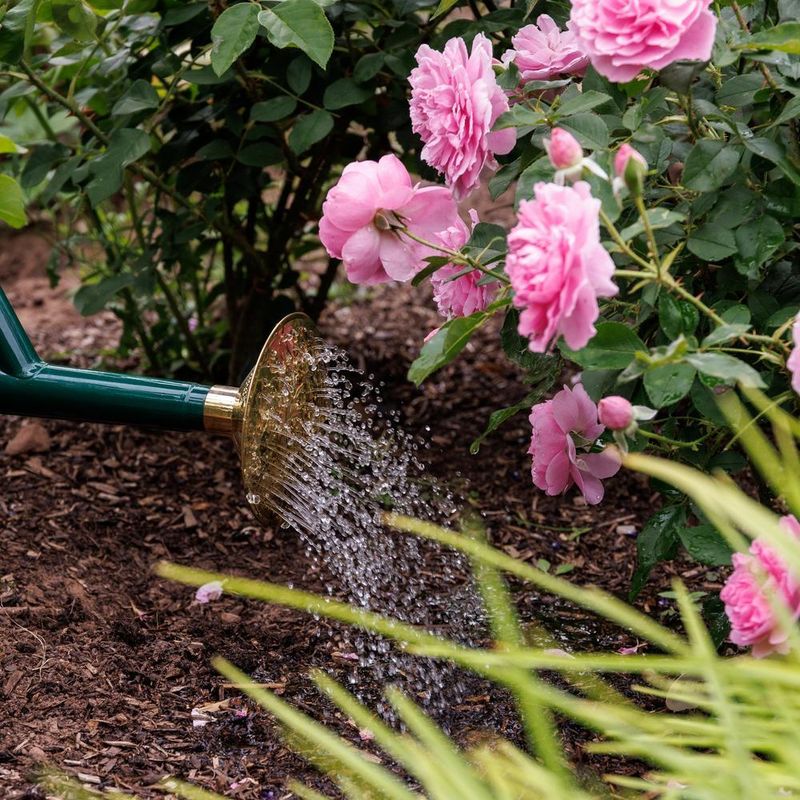
Picture this: it is a hot July afternoon in Pennsylvania, and your roses look droopy and sad. Chances are they are not getting the right kind of water.
Shallow, frequent watering is one of the most common mistakes rose growers make, and it leads to weak roots and smaller flowers.
Roses need deep watering. That means letting water soak down into the soil six to eight inches deep, where the roots actually live.
When you water deeply, the roots grow downward to follow the moisture. Deep roots make for a stronger, more resilient plant that can support bigger blooms.
Aim for about one inch of water per week during the growing season. In the heat of a Pennsylvania summer, you may need to water more often.
Stick your finger two inches into the soil near the base of the plant. If it feels dry, it is time to water.
Always water at the base of the plant, not from above. Wet leaves invite fungal diseases like black spot, which is very common in Pennsylvania’s humid summers.
A soaker hose or drip irrigation system works great for this. It delivers water right to the roots without wetting the foliage.
Try to water in the morning so any accidental splashing on leaves has time to dry before evening. Consistent moisture, not too much and not too little, is the secret to healthy roots and large, full blooms.
Think of watering as a routine, like brushing your teeth. Do it right, do it regularly, and your roses will flourish.
4. Prune Properly In Early Spring
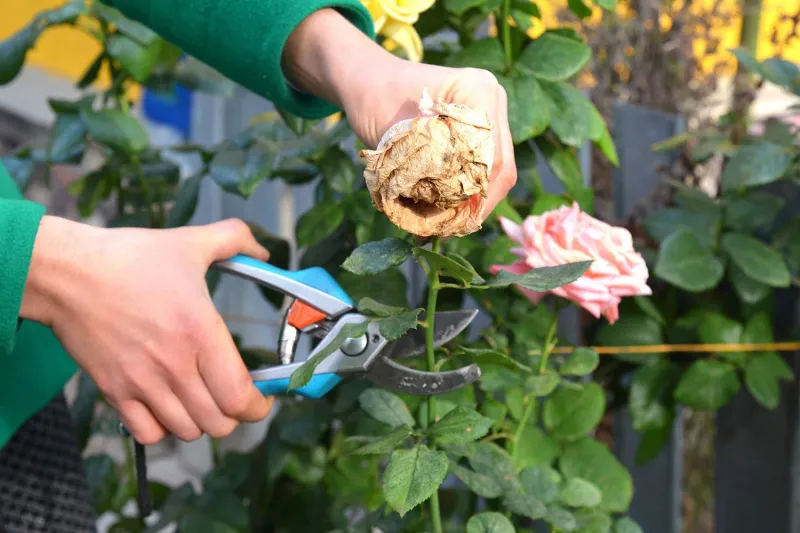
Early spring pruning might feel a little scary at first. Cutting back your rose bushes can seem like you are hurting them.
But the truth is, proper pruning is one of the best things you can do to get bigger, bolder blooms later in the season.
In Pennsylvania, the right time to prune roses is when you start to see the forsythia bushes bloom in your neighborhood. That bright yellow flower is nature’s way of telling you the soil is warming up and it is safe to start cutting.
Usually that falls somewhere between late March and mid-April depending on where you are in the state.
Use sharp, clean pruning shears. Dull blades crush the canes instead of cutting cleanly, which can lead to disease.
Cut out any canes that look weak, thin, or damaged. Also remove any canes that are crossing over each other, because those create crowding and reduce airflow through the plant.
Cut the remaining healthy canes back to about 12 to 18 inches from the ground. This might look severe, but it is exactly what roses need.
By removing weak growth, you redirect the plant’s energy into fewer, stronger canes. Those canes will produce much larger blooms than a crowded, unpruned plant ever could.
Make each cut at a 45-degree angle, about a quarter inch above an outward-facing bud. This encourages new growth to spread outward, opening up the center of the plant to sunlight and air.
Clean tools between plants to avoid spreading any disease from one bush to another across your Pennsylvania garden.
5. Deadhead Regularly
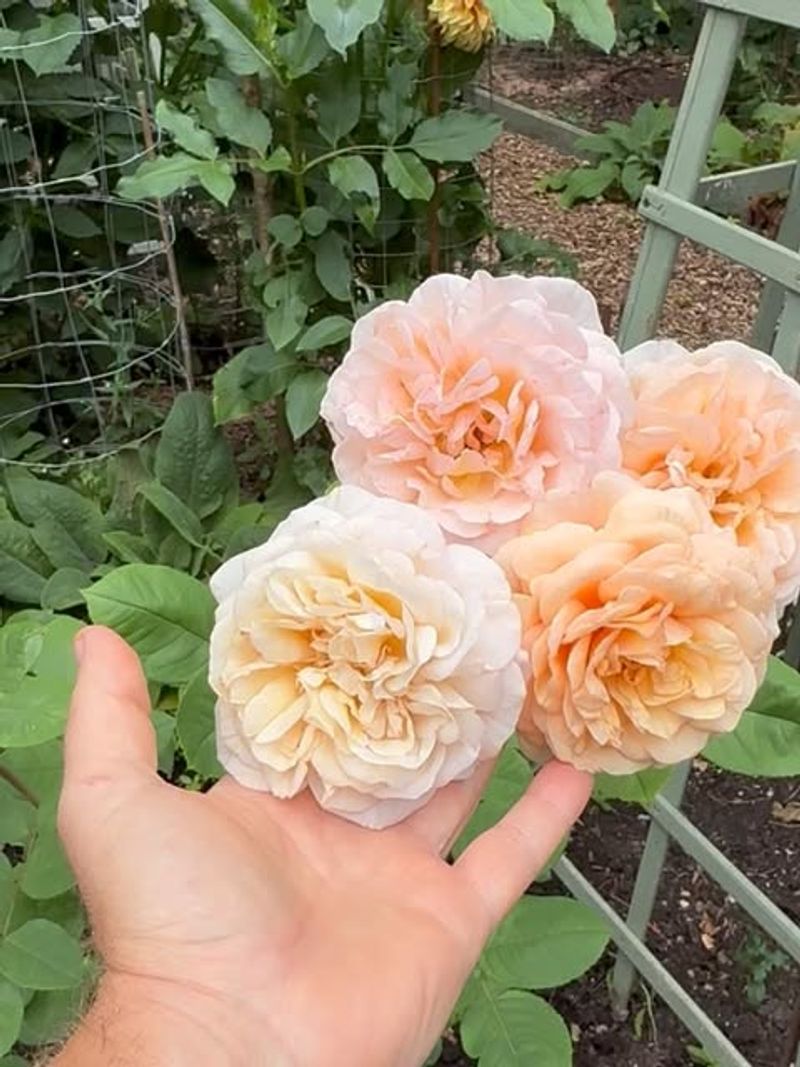
Here is a simple gardening trick that makes a huge difference: remove your spent rose blooms as soon as they start to fade.
This process is called deadheading, and it is one of the easiest ways to keep your Pennsylvania rose garden pumping out big, beautiful flowers all season long.
When a rose finishes blooming, the plant naturally wants to form a seed pod, called a rose hip. Making seeds takes a lot of energy.
If you let that happen, the plant focuses on seed production instead of making new flowers. Deadheading tricks the plant into thinking it needs to try again, so it puts that energy into fresh new blooms instead.
To deadhead correctly, find the spent flower and trace the stem down to the first set of five leaves. Make your cut just above that leaf set at a slight angle.
New growth will sprout from just below your cut, and a new flower bud will follow. It is almost like magic once you see it happen for the first time.
Try to walk through your garden every few days during peak blooming season. In Pennsylvania, that is typically from late May through September.
Regular deadheading keeps the plant tidy and productive at the same time. It also makes your garden look much neater and more inviting.
Some rose varieties, like Knock Out roses, are self-cleaning, meaning they drop their old blooms on their own. But most hybrid teas and other classic varieties need your help.
Make deadheading a habit and your roses will bloom bigger and longer than you ever thought possible.
6. Improve Soil With Organic Matter
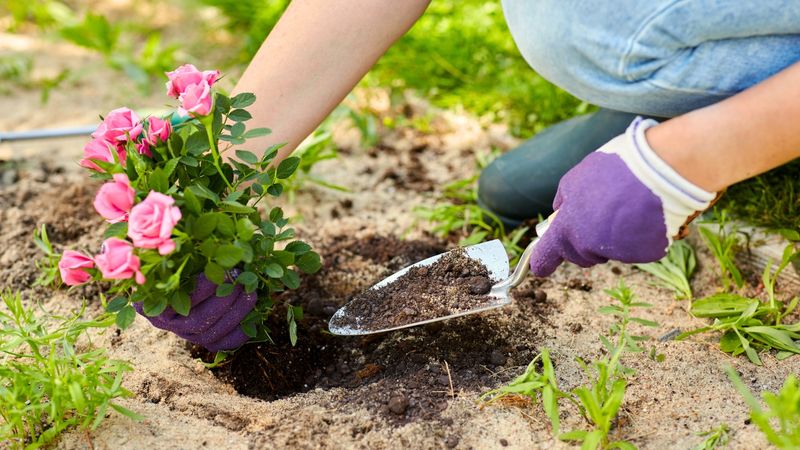
Soil might not be the most exciting part of gardening, but it is absolutely the foundation of everything. Great soil equals great roses.
If your Pennsylvania garden soil is hard, compacted, or lacking nutrients, your roses will struggle no matter how much sun or water they get.
Roses love rich, well-draining soil with a slightly acidic pH, somewhere between 6.0 and 6.5. Pennsylvania soils vary a lot from region to region.
Some areas have heavy clay that holds too much water, while others have sandy soil that drains too fast. Either extreme makes it harder for roots to absorb the nutrients they need for big blooms.
Adding organic matter is the fix for both problems. Compost, aged manure, or shredded leaves mixed into your garden bed improves drainage in clay soil and helps sandy soil hold moisture longer.
Work several inches of compost into the top foot of soil before planting, or spread it as a top dressing around established bushes each spring.
Organic matter also feeds the beneficial microbes that live in healthy soil. Those tiny organisms break down nutrients into forms that plant roots can actually absorb.
More available nutrients means bigger, healthier flowers. Think of it as building a living pantry right under your rose bushes.
A layer of organic mulch on top of the soil, about two to three inches deep, helps too. It keeps moisture in, regulates soil temperature during Pennsylvania’s unpredictable spring weather, and slowly breaks down to add more organic matter over time.
Improving your soil is a long-term investment that pays off with stunning blooms year after year.