These Easy Flower Pairings Bring Spring Color To Georgia Gardens
Spring in Georgia brings color fast, but not every garden looks as good as it could once everything starts to bloom. Some flower beds feel full and bright right away, while others look uneven even with healthy plants in place.
The way flowers are combined plays a bigger role than most expect. Color, height, and bloom time can work together in a way that makes the whole space feel more balanced without adding anything extra.
You can notice it as the season moves forward and beds begin to fill in. Certain areas stand out in a clean, natural way, while others never quite come together the same way.
A few simple pairings can shape how the garden looks from the start and keep that spring color feeling smooth, connected, and easy to enjoy through the season.
1. Tulips And Pansies Create Early Spring Color
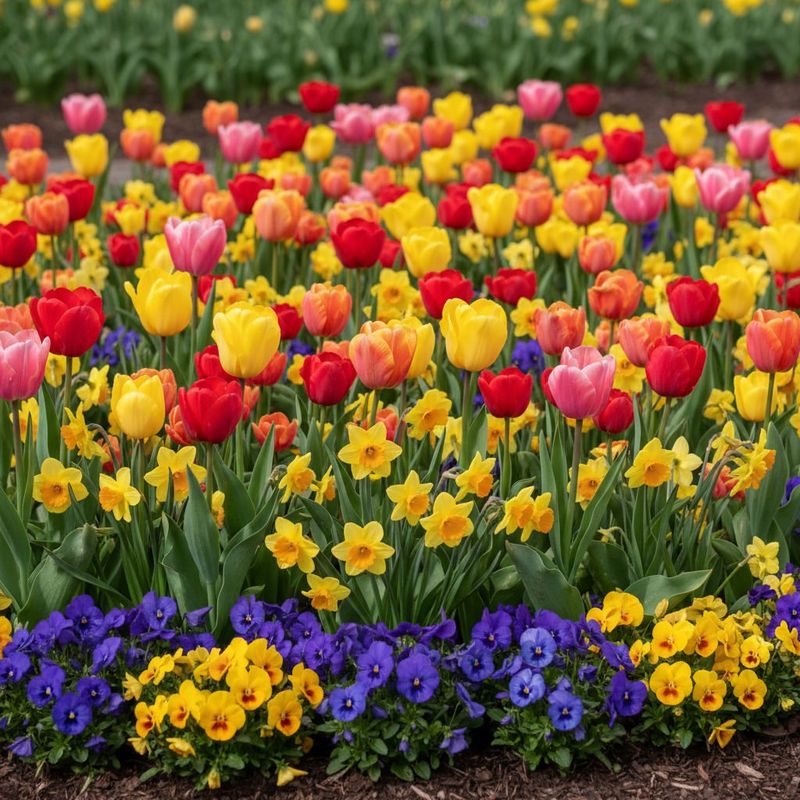
Planting tulips without a companion flower is a missed opportunity — the bare soil around their stems looks unfinished, and pansies solve that problem completely.
In Georgia, both of these flowers handle the late-winter and early-spring temperature swings better than most people expect.
Pansies can take a light frost without much trouble, and tulip bulbs planted in November or December tend to bloom right alongside pansy transplants set out in late winter.
The color combinations here are almost endless. Purple pansies beneath red or yellow tulips create a layered look that feels intentional without requiring much planning.
Yellow pansies alongside white tulips give a softer, sunnier feel. Either way, you get ground-level color filling the gaps while the tulips stand upright above them.
One thing Georgia gardeners need to keep in mind: tulips here are typically treated as annuals. The summer heat does not give bulbs the cold dormancy period they need to rebloom reliably the following year.
So enjoy the show while it lasts, usually from late February through April depending on your part of the state. Pansies will often keep blooming even after the tulips fade, carrying color well into May before the heat finally gets to them.
Once tulip foliage starts to yellow, letting it fade back naturally while keeping pansies lightly watered helps the bulbs store energy while the bed still looks full and finished.
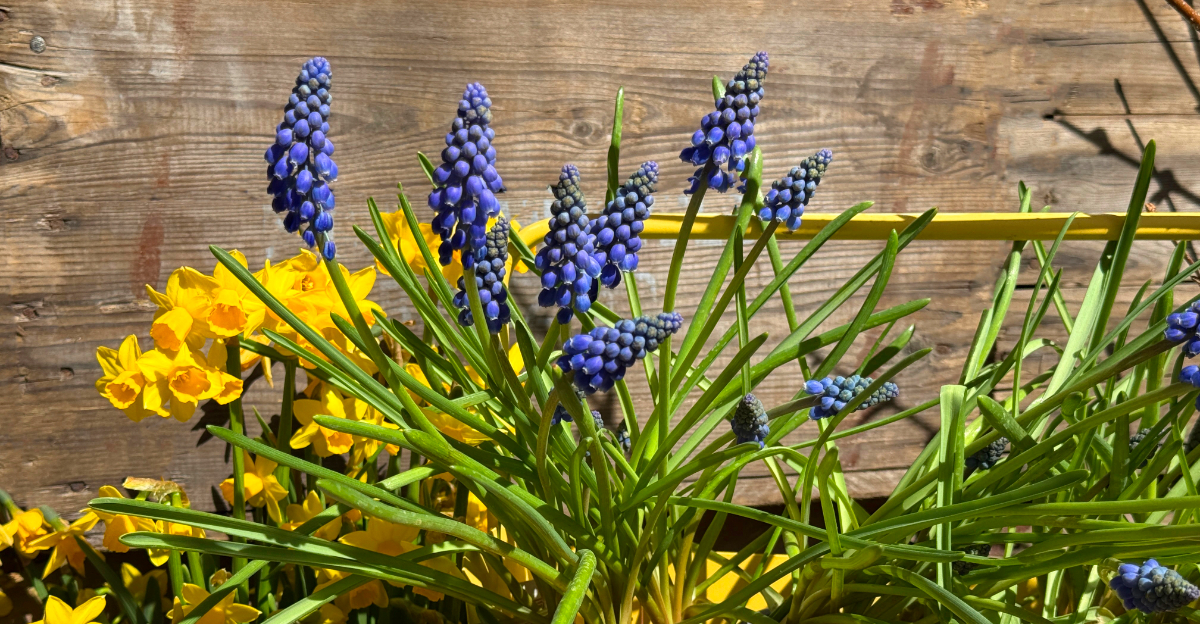
2. Daffodils And Hyacinths Bloom Together In Layers
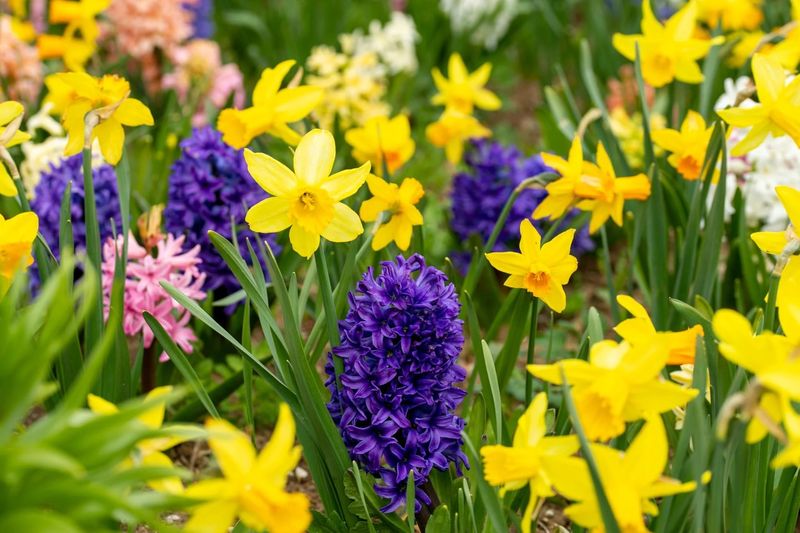
Few combinations signal spring as clearly as daffodils and hyacinths coming up together.
Both are planted in fall, both emerge in late winter, and both tend to peak around the same time — which makes timing pretty straightforward compared to mixing bulbs with different bloom windows.
In most parts of Georgia, you can expect them showing up anywhere from late January in the south to early March in the northern counties.
Height plays a big role in why this pairing works. Daffodils typically stand taller, with their nodding yellow blooms rising above the shorter, denser hyacinth spikes.
Planting hyacinths in front and daffodils behind gives the bed a natural layered look without any complicated spacing tricks. The fragrance from the hyacinths carries across the yard, which is a bonus you just do not get with most spring flowers.
Your Georgia Garden Changes Every Week. Your Plan Should Too.
Gardening in Georgia changes quickly throughout the season. Every Friday you’ll receive a simple weekly plan showing exactly what to plant, prune, fertilize, harvest, and protect so you never miss the right timing.
Squirrels tend to leave both of these bulbs alone, which is a real advantage if your yard has wildlife pressure. Daffodil bulbs especially are not appealing to most digging animals.
Plant them in a spot that gets at least six hours of sun, and make sure the soil drains well — sitting water in winter will cause bulbs to rot before they ever bloom. Raised beds or slightly sloped ground in Georgia yards handles drainage issues naturally.
After blooming, avoid cutting back the foliage too early, since those leaves are what help both bulbs store energy for the next season.
3. Petunias And Verbena Add Long Lasting Spring Color
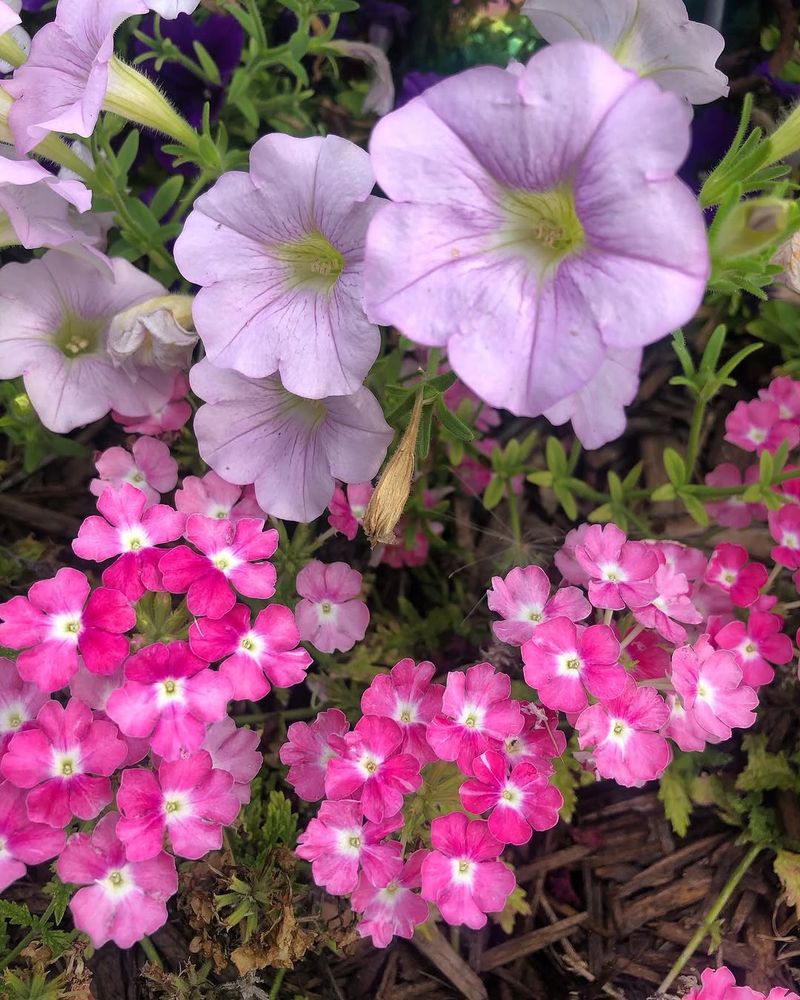
Verbena does not get nearly enough credit in Georgia gardens. Paired with petunias, it creates a low-growing carpet of color that spreads naturally and fills gaps without much help from the gardener.
Both of these flowers prefer full sun and can handle the warming temperatures that come in April and May across the state, making them practical choices for beds that bake in the afternoon.
Petunias come in a wide range of colors, from deep purple to bright coral to pale white, so matching them with verbena is mostly a matter of personal taste. Red verbena next to deep purple petunias is a bold combination.
Softer pink petunias alongside lavender verbena gives a more relaxed, cottage-garden feel. Either way, both plants bloom continuously through spring and often push well into summer if they get regular water and occasional trimming.
Deadheading helps both plants keep producing flowers instead of going to seed too quickly.
Pinching back leggy stems on petunias every few weeks keeps them from getting straggly, which is especially helpful in Georgia where warm temperatures cause fast growth.
Verbena tends to sprawl naturally, so give it room to spread rather than crowding it against taller plants. Together, they cover a lot of ground and hold color through some of the most unpredictable weeks of Georgia’s spring season.
4. Snapdragons And Alyssum Handle Cool Spring Weather
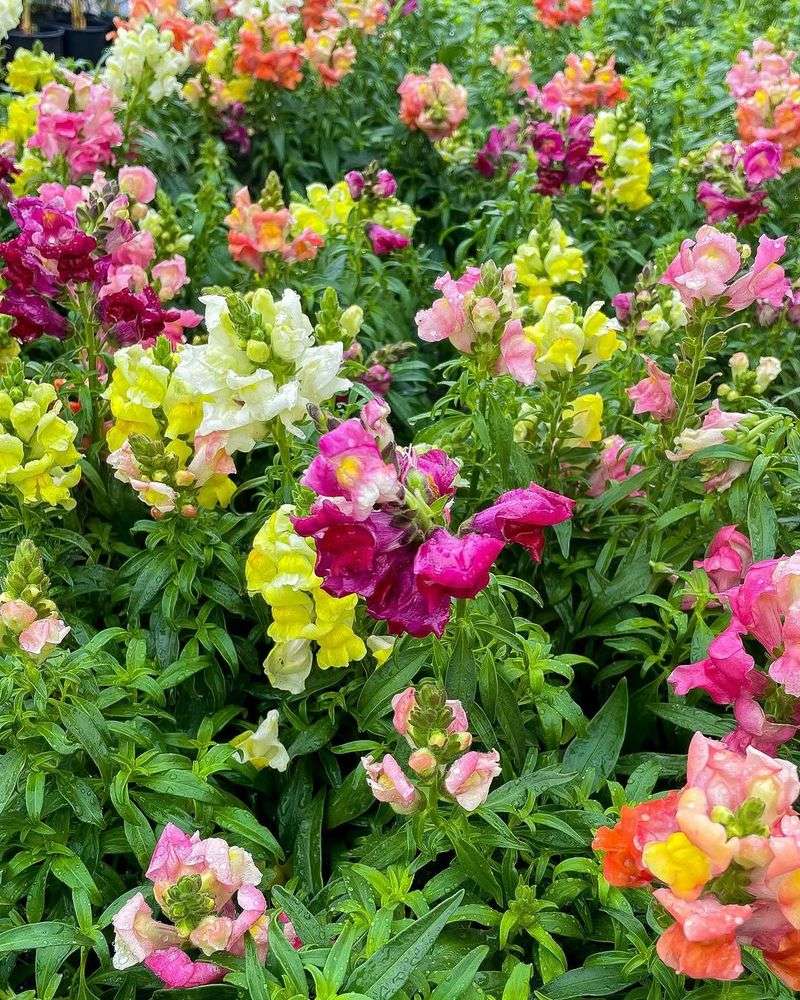
Snapdragons are underused in Georgia, and that is a shame because they genuinely shine here in late winter and early spring. They prefer cooler soil and air temperatures, which puts them right in their element from February through April across most of the state.
Once the heat of late May arrives, they tend to slow down — but by then, they have already put on a long and impressive show.
Alyssum is a natural partner for snapdragons because it stays low and spreads outward while the snapdragons shoot upward. The contrast in height creates visual interest without any complicated design thinking.
White alyssum is the most common choice, and it works well against almost any snapdragon color. The honey-like fragrance from the alyssum is mild but noticeable, especially on warm mornings when the air is still.
Both plants can handle a light frost, which matters in Georgia because late cold snaps in March are not unusual, especially in the northern part of the state.
Set transplants out in late January or February for the best results, giving them time to establish before the real warmth arrives.
Snapdragons benefit from pinching the top growth early on — it encourages branching and more flower spikes rather than a single tall stem. Alyssum mostly takes care of itself once it settles in, needing only occasional watering during dry spells.
5. Phlox And Dianthus Bloom Well In Spring Borders
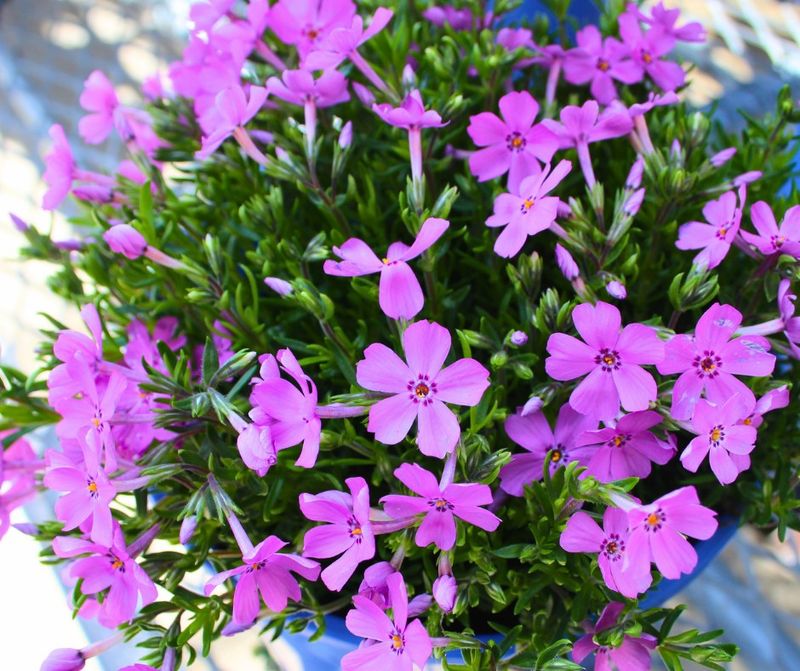
Creeping phlox earns its place in Georgia gardens by doing something most spring flowers struggle with — it spreads horizontally and covers ground quickly, softening the edges of beds and borders in a way that looks natural rather than planted.
Paired with dianthus, which grows upright with spiky blue-green foliage and carnation-like blooms, the two create a contrast in form that holds visual interest from multiple angles.
Dianthus comes in shades ranging from white to deep red, often with bi-color patterns that look almost painted on. Planting them behind or among creeping phlox gives the combination a layered effect even in a flat bed.
Both prefer well-drained soil and do best with at least five or six hours of direct sun, which is easy to find in most Georgia yards during spring.
Phlox blooms heavily for a few weeks in early spring, then slows down significantly. Dianthus tends to have a longer bloom window and often reblooms if spent flowers are removed regularly.
Together they cover the early and mid-spring period reliably. One practical note: creeping phlox does not like sitting in wet soil, so avoid low spots in the yard where water collects after rain.
Georgia’s clay-heavy soil in some areas may need some amendment with sand or compost before planting to keep drainage adequate.
6. Columbine And Bleeding Heart Thrive In Partial Shade
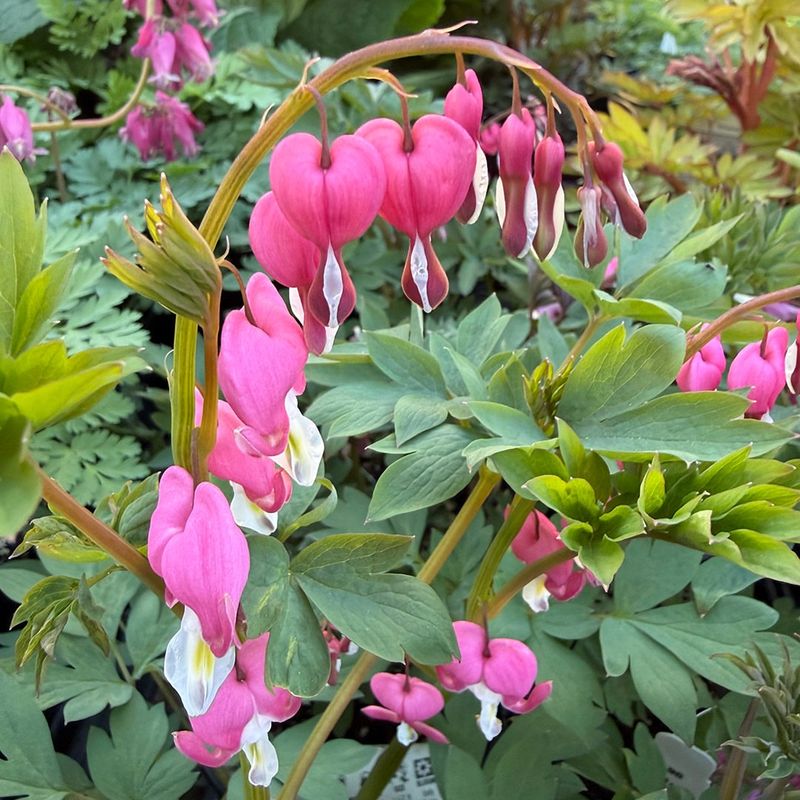
Shady spots in Georgia yards can feel like a design challenge, but columbine and bleeding heart are two plants that actually prefer those conditions. Full sun tends to shorten their bloom time and stress the foliage, especially as temperatures climb in May.
A spot under a tree canopy or along the north side of a structure gives them the filtered light they need to stay comfortable and blooming longer.
Columbine has spurred, nodding blooms that come in combinations of purple, red, yellow, and white. Bleeding heart produces arching stems lined with small, heart-shaped flowers that hang like ornaments.
The two together create a layered, woodland-style planting that looks intentional even with minimal arrangement.
Bleeding heart tends to go dormant by midsummer, and columbine foliage fades back as well — so pairing them with ferns or hostas helps fill the gap they leave.
Both plants reseed fairly reliably in Georgia gardens, which means you may find new seedlings popping up in nearby spots the following spring.
Columbine especially tends to spread this way, and the seedlings often produce slightly different colors than the parent plant, which keeps things interesting.
Avoid heavy clay soil without amendment, as both plants prefer a loose, slightly acidic mix with good drainage. Compost worked into the bed before planting goes a long way toward keeping roots healthy through Georgia’s wet spring periods.
7. Coreopsis And Blanket Flower Brighten Late Spring Beds
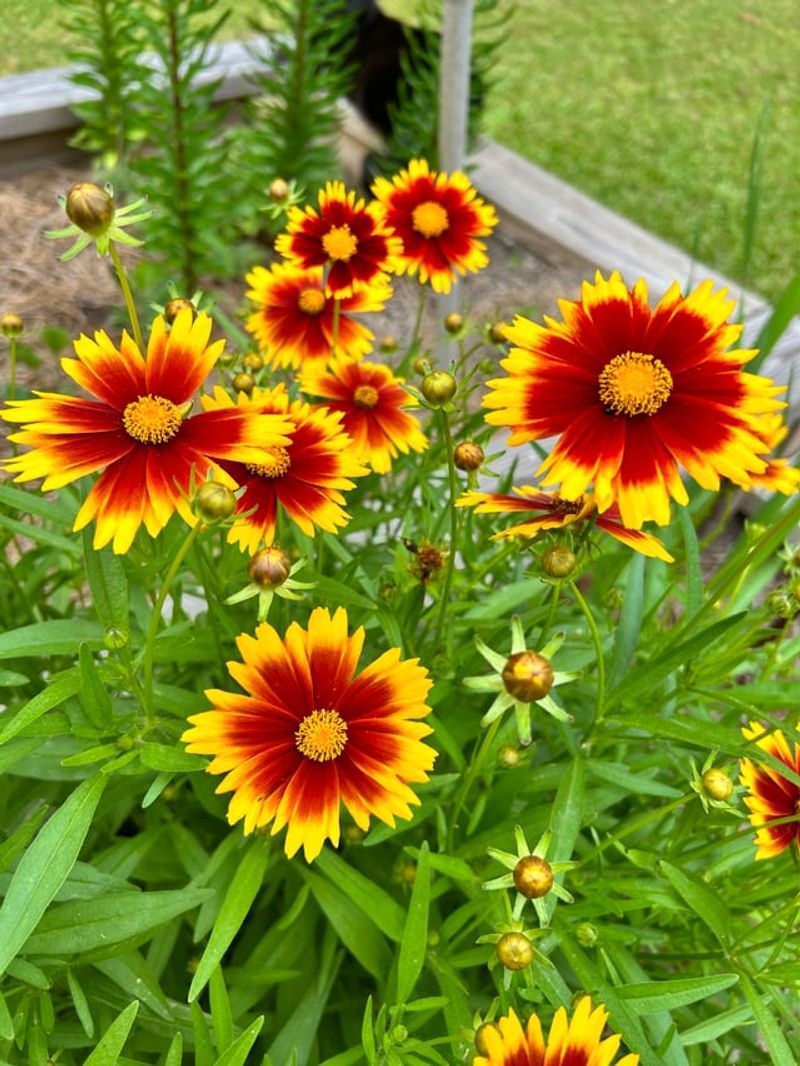
By late spring in Georgia, the temperature is climbing and some of the cool-season flowers are already fading. Coreopsis and blanket flower step in right when that gap opens up, and both are well-suited to the heat and sun that define Georgia’s May and early June.
Neither needs much fussing over, though a bit of deadheading keeps both plants producing new blooms rather than going to seed prematurely.
Coreopsis produces cheerful yellow daisy-like flowers on thin, wiry stems that move in the breeze. Blanket flower brings in deeper tones — typically red, orange, and yellow in bold combinations — which create a warm contrast against the purer yellow of coreopsis.
Together, they give a bed a late-spring energy that feels distinctly Southern in its bright, sun-drenched quality.
Both plants prefer lean, well-drained soil. Rich, heavily amended soil can actually cause them to produce too much foliage at the expense of flowers.
In Georgia’s red clay areas, raised beds or bermed planting areas work well for keeping drainage in check.
Blanket flower can handle short dry stretches once it has been in the ground a few weeks, which is useful during the unpredictable rain patterns that Georgia experiences in late spring.
Coreopsis is similarly adaptable and tends to spread gradually over time, slowly filling in more of the bed each season.
8. Salvia And Foxglove Add Height And Contrast
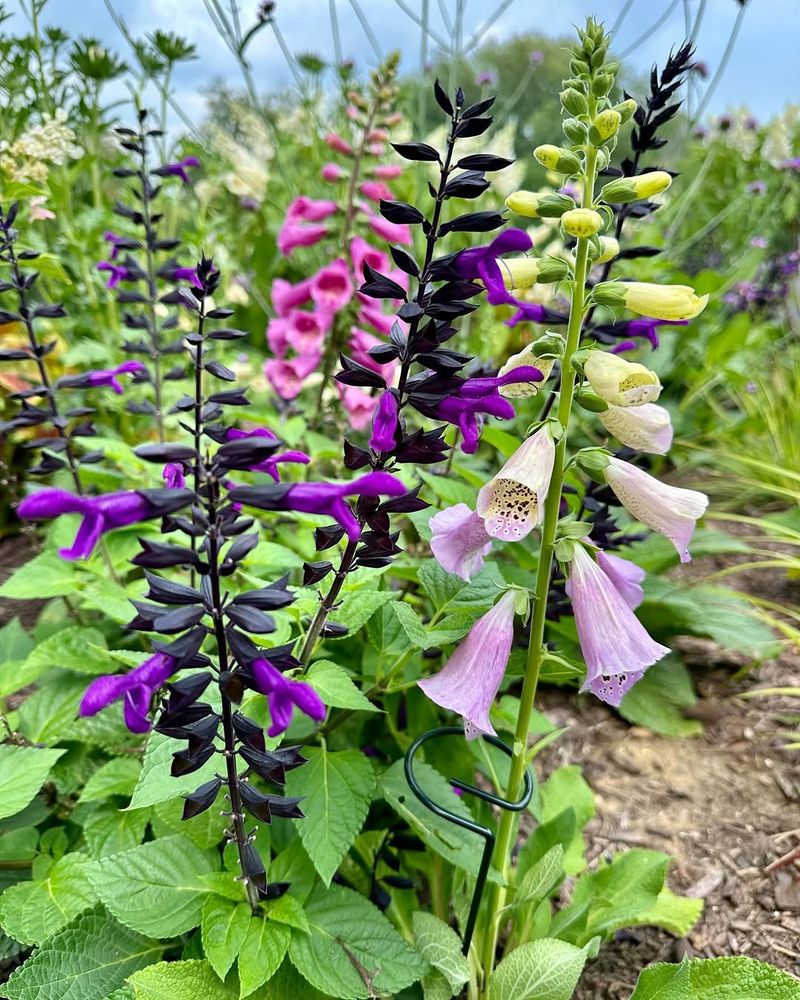
Most spring garden beds stay low to the ground, which is fine — but adding some vertical interest changes the entire feel of a planting.
Salvia and foxglove both grow upright, and together they bring height, structure, and strong color to spaces that might otherwise feel flat.
Salvia produces dense spikes of purple or blue flowers that hummingbirds visit regularly, while foxglove towers above most other spring plants with tubular blooms spotted on the inside.
Foxglove is technically a biennial, meaning it produces foliage the first year and flowers the second. Buying transplants in early spring rather than growing from seed is the easier route for most Georgia gardeners who want flowers this season.
Salvia, on the other hand, blooms reliably in its first season and keeps going through much of spring and into early summer, especially in the warmer parts of the state.
Spacing matters with this combination. Foxglove can reach four to five feet tall in good conditions, so placing it toward the back of a bed keeps it from shading out shorter plants.
Salvia works well in the middle ground, bridging the gap between low border plants and the taller foxglove behind it. Both prefer well-drained soil and at least partial sun.
In Georgia’s warmer southern counties, afternoon shade can actually extend the bloom window for foxglove, which tends to struggle once temperatures push consistently past the mid-80s.