The Best Cold-Hardy Plants For Northern Pennsylvania Gardens
In northern Pennsylvania, a beautiful garden has to earn its place. Winters are not gentle, spring can take its time, and cold snaps have a way of testing every plant that looked promising at the garden center.
That is why choosing the right plants matters so much. You do not want to spend time and money on something that gives up the moment temperatures drop or struggles to come back once the snow is gone.
The good news is that plenty of plants are more than ready for the challenge. Some handle freezing temperatures with no fuss, bounce back after rough winters, and still bring color, texture, and life to the yard when the growing season gets going.
Instead of constantly replacing tender plants, you can build a garden that feels dependable and full of character year after year.
Cold-hardy choices are not just practical in northern Pennsylvania. They also give you more confidence as a gardener.
When your plants are built for the climate, everything feels easier, and your garden has a much better chance to look good in every season that matters.
1. Coneflower (Echinacea Purpurea)
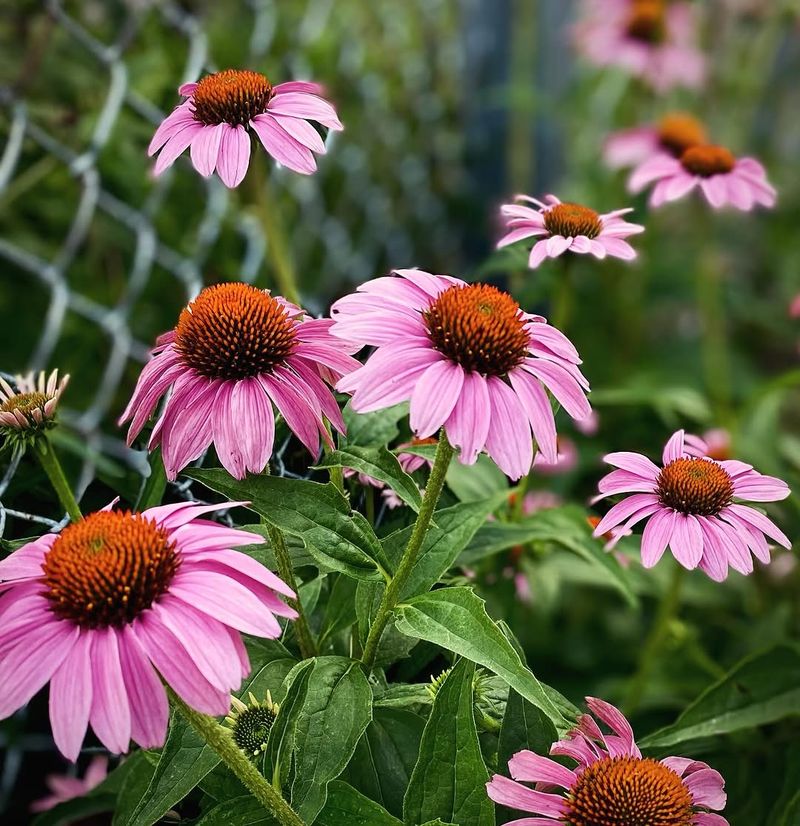
Few plants earn their keep in a northern Pennsylvania garden quite like the coneflower. Bold, cheerful, and almost impossibly tough, this native perennial has been thriving in the region long before anyone called it a garden plant.
Its purple-pink petals surround a spiky orange-brown center, creating a look that feels both wild and polished at the same time.
Coneflowers love full sun and do best in well-drained soil. Once they are established, they are remarkably drought-tolerant and need very little attention.
Plant them in spring or fall, water them through the first season, and then step back and let them do their thing. They typically bloom from midsummer into early fall, giving your garden weeks of color.
One of the best things about coneflowers is how much wildlife they attract. Bees and butterflies flock to the blooms all summer long.
In late fall, goldfinches and other songbirds feed on the seed heads, so consider leaving them standing through winter. They add visual interest even after the growing season ends.
In northern Pennsylvania, coneflowers are rated for USDA Hardiness Zone 4, which means they handle the region’s coldest winters without any trouble. They spread gradually over the years, filling in garden beds beautifully.
Dividing clumps every few years keeps them vigorous and gives you more plants to spread around your yard.
2. Black-Eyed Susan (Rudbeckia Hirta)
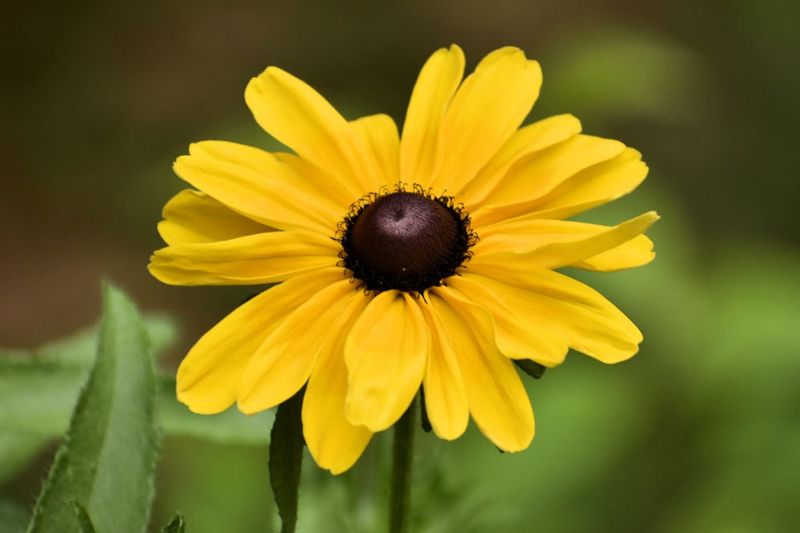
Walk past a garden full of Black-Eyed Susans on a sunny summer afternoon and you will understand why so many northern Pennsylvania gardeners swear by them.
The golden-yellow petals radiating from a rich dark center are like little bursts of sunshine, and they keep blooming from midsummer well into fall. Few plants deliver that much color for that little effort.
Black-Eyed Susans are native wildflowers, which means they are perfectly adapted to the local climate. They handle freeze-thaw cycles without complaint, bounce back reliably each spring, and actually spread over time to fill in bare spots.
Your Pennsylvania Garden Changes Every Week. Your Plan Should Too.
Gardening in Pennsylvania changes quickly throughout the season. Every Friday you’ll receive a simple weekly plan showing exactly what to plant, prune, fertilize, harvest, and protect so you never miss the right timing.
They grow best in full sun and tolerate a wide range of soil types, including dry or rocky ground that other plants struggle with.
These plants are also excellent pollinator magnets. Bees, butterflies, and even some species of beetles are drawn to the blooms throughout the season.
Leaving the seed heads in place after flowering provides winter food for birds, which is a nice bonus for northern Pennsylvania gardeners who enjoy watching wildlife in their yards.
Caring for Black-Eyed Susans is about as easy as gardening gets. They need minimal watering once established and rarely require fertilizer.
Deadheading spent blooms can encourage more flowers, but it is completely optional. These cheerful, no-fuss plants are a perfect starting point for anyone building a cold-hardy garden in the region.
3. Daylilies (Hemerocallis Spp.)
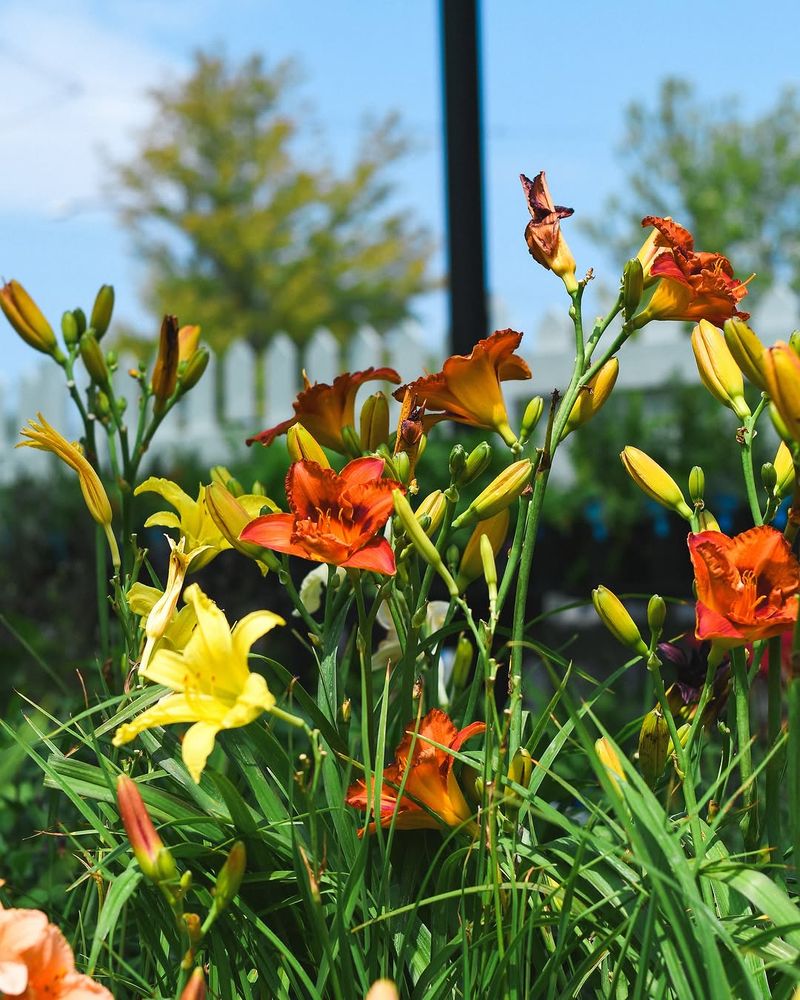
Daylilies are the kind of plants that make even the most neglected garden look intentional. They are tough, adaptable, and available in an almost endless range of colors, from soft peach and pale yellow to deep red and vibrant orange.
In northern Pennsylvania, where cold winters test every plant in the ground, daylilies simply shrug it off and come back stronger every spring.
One of the most remarkable things about daylilies is how forgiving they are. Poor soil, occasional drought, and even competition from weeds rarely slow them down.
They grow in full sun or partial shade, which gives gardeners a lot of flexibility when choosing planting spots. Each individual flower lasts only one day, but each plant produces dozens of blooms over a long season, so the display never feels short.
Daylilies spread steadily over time by forming larger and larger clumps. Every three to four years, it is a good idea to divide the clumps to keep them blooming at their best.
Dividing is also a great way to multiply your plants for free, filling more of your northern Pennsylvania garden without spending extra money.
Spring planting works well for daylilies, but fall planting is also effective as long as the ground has not frozen yet. Water them in well after planting and they will settle in quickly.
Once established, these plants practically take care of themselves, which is exactly what a busy gardener needs.
4. Hostas
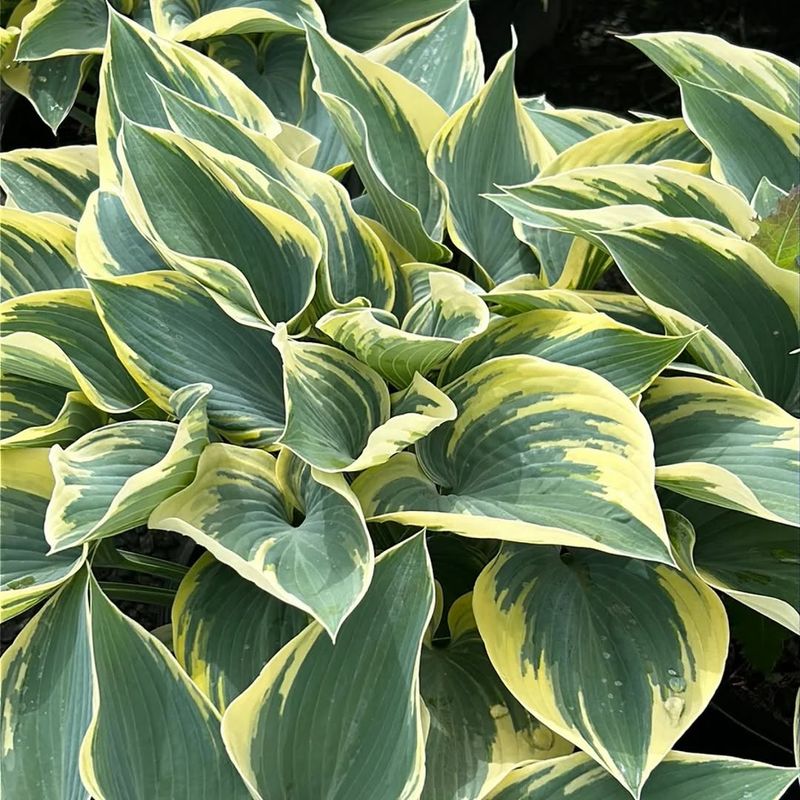
If your northern Pennsylvania yard has a shady corner that feels impossible to fill with color, hostas are your answer. These leafy perennials thrive in low-light conditions where most flowering plants struggle to survive.
They come in an incredible variety of sizes, from tiny mounded varieties the size of a dinner plate to giant specimens with leaves bigger than a shovel blade.
Hostas are grown primarily for their foliage, which ranges from deep forest green and blue-green to bright chartreuse and creamy white variegated patterns. The leaf textures vary too, with some being smooth and glossy and others heavily ribbed or puckered.
That variety makes it easy to mix and match different cultivars for a layered, visually interesting shade garden.
Come late fall, hosta foliage fades and the plants go fully dormant. The roots survive even the harshest northern Pennsylvania winters underground, and new growth emerges again each spring with impressive vigor.
This reliable cycle makes hostas one of the most dependable perennials you can plant in the region.
Hostas do need consistent moisture, especially during dry summer stretches, so mulching around the base of the plants helps retain soil moisture and regulate temperature. Slugs can occasionally be a problem, but choosing thicker-leaved varieties offers natural resistance.
Plant hostas in spring or early fall for the best results, and expect them to grow larger and more impressive with each passing year.
5. Peonies (Paeonia Spp.)
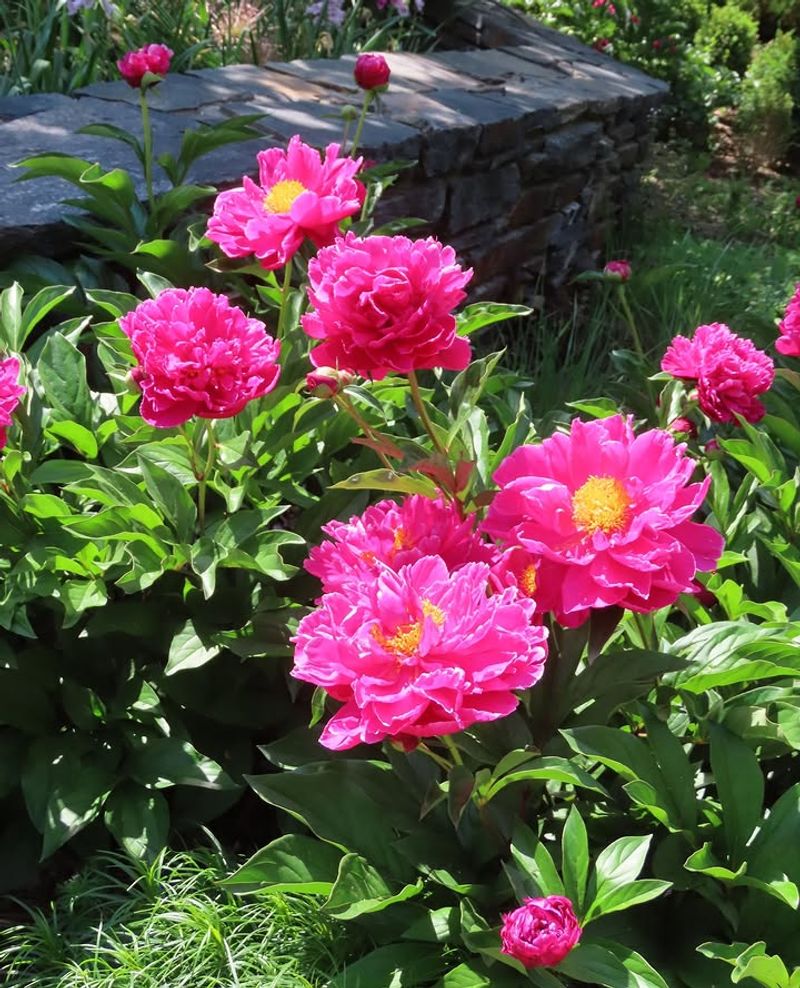
There is something almost magical about the first peony bloom of the season. The flowers are enormous, deeply fragrant, and so lush they look almost too beautiful to be real.
For northern Pennsylvania gardeners, peonies are a true treasure because the cold winters here actually help them perform better. These plants need a period of cold temperatures to set their flower buds properly, making the region’s climate nearly ideal.
Peonies are long-lived perennials that reward patience. They may not bloom heavily in their first year or two after planting, but once established, they can bloom reliably for decades with very little care.
Some peony plantings have been known to outlast the gardeners who planted them, continuing to flower for fifty years or more in the same spot.
Plant peonies in full sun with well-drained soil. The most common mistake gardeners make is planting them too deep.
The eyes, which are the small reddish buds on the crown of the root, should sit no more than one to two inches below the soil surface. Planting too deeply prevents blooming and is one of the most frequent reasons peonies fail to flower.
In northern Pennsylvania, peonies typically bloom in late May or early June. The blooms attract bees and make stunning cut flowers for indoor arrangements.
After flowering, the attractive dark green foliage remains handsome through summer and fall, giving the plant season-long appeal well beyond its brief but spectacular bloom period.
6. Sedum (Stonecrop)
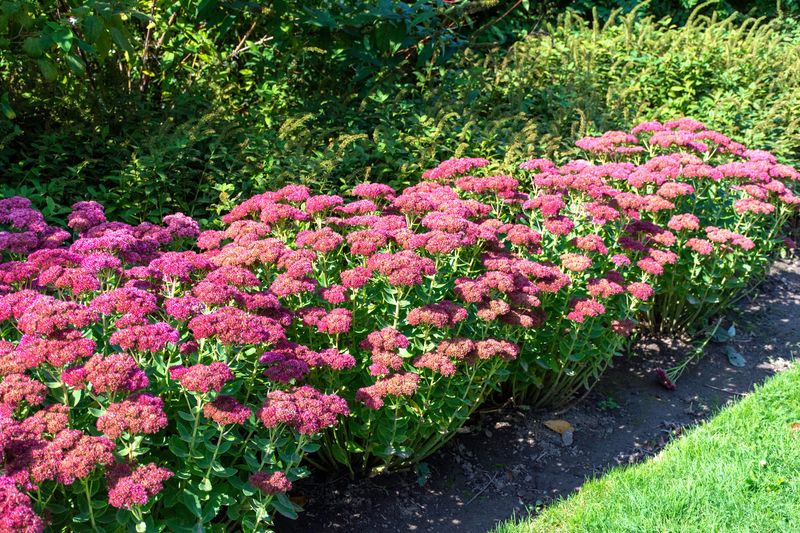
Sedum, commonly called stonecrop, is one of those plants that seems almost too easy to grow. It stores water in its thick, fleshy leaves, which means it handles dry spells with ease.
In northern Pennsylvania, where summer can bring stretches of heat and low rainfall, having a plant that manages its own water needs is a genuine advantage.
Taller sedum varieties, like the popular Autumn Joy cultivar, form upright clumps that reach about two feet tall. They produce flat-topped clusters of tiny flowers that open as soft pink in late summer and gradually deepen to a rich rusty-red as fall arrives.
Even after frost, the dried flower heads hold their shape and add structure to the winter garden, making sedum a four-season performer.
Sedum grows best in full sun and well-drained or even poor soil. It is one of the few ornamental plants that actually struggles in overly rich, fertile soil, which causes it to flop over.
A lean, sunny spot is exactly what this plant wants, making it a great choice for rocky slopes or raised beds in northern Pennsylvania yards.
Cold hardiness is one of sedum’s strongest qualities. Most varieties are rated to Zone 3 or Zone 4, which means northern Pennsylvania winters pose no real threat to them.
Divide clumps every few years in spring to keep them full and upright. Pollinators, especially bees and butterflies, love the late-season blooms when other flowers are winding down.
7. Switchgrass (Panicum Virgatum)
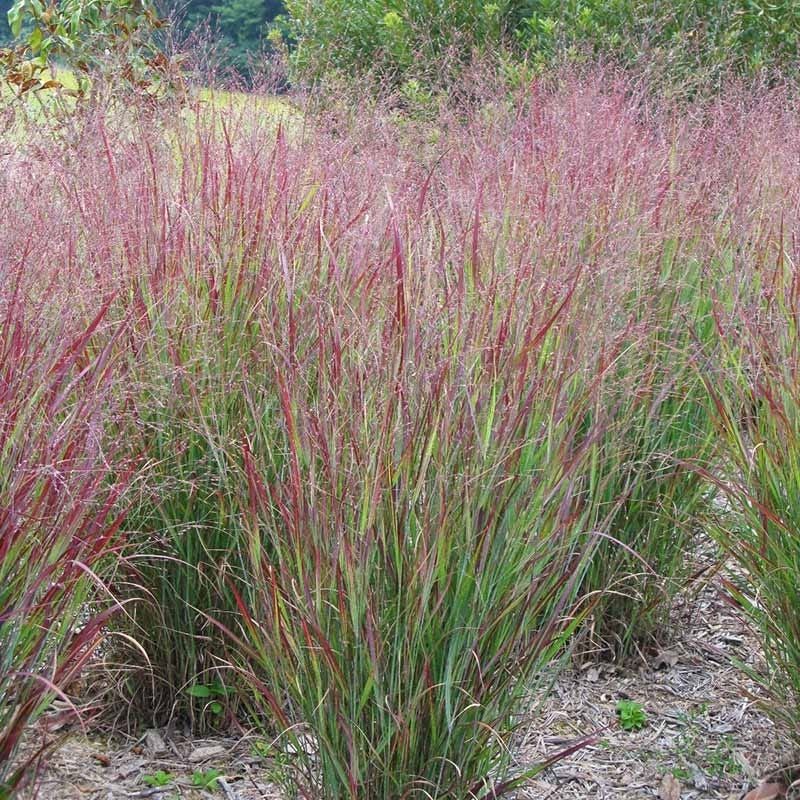
Switchgrass brings a kind of wild, natural beauty to northern Pennsylvania gardens that is hard to replicate with any other plant. As a native ornamental grass, it has evolved alongside the region’s climate for thousands of years.
That means it handles cold winters, summer heat, and everything in between without missing a beat. It is one of those plants that genuinely belongs here.
During the growing season, switchgrass forms upright, airy clumps of narrow green or blue-green leaves. In late summer, delicate, cloud-like seed heads emerge above the foliage, catching light and moving gracefully in the breeze.
By fall, the entire plant transforms into shades of gold, orange, and red, creating a stunning display that carries all the way into winter.
One of switchgrass’s greatest strengths is its versatility. It grows well in full sun to partial shade and tolerates wet soils, dry soils, and everything in between.
That adaptability makes it useful in a wide range of garden situations, from rain gardens and naturalized areas to formal borders and foundation plantings across northern Pennsylvania.
Cut switchgrass back to about four to six inches from the ground in late winter or very early spring before new growth begins. This is essentially the only regular maintenance the plant requires.
It rarely needs fertilizer or supplemental watering once established. For gardeners looking to add year-round structure and movement to their landscape, switchgrass is an outstanding and deeply underused choice.
8. Eastern Redbud (Cercis Canadensis)
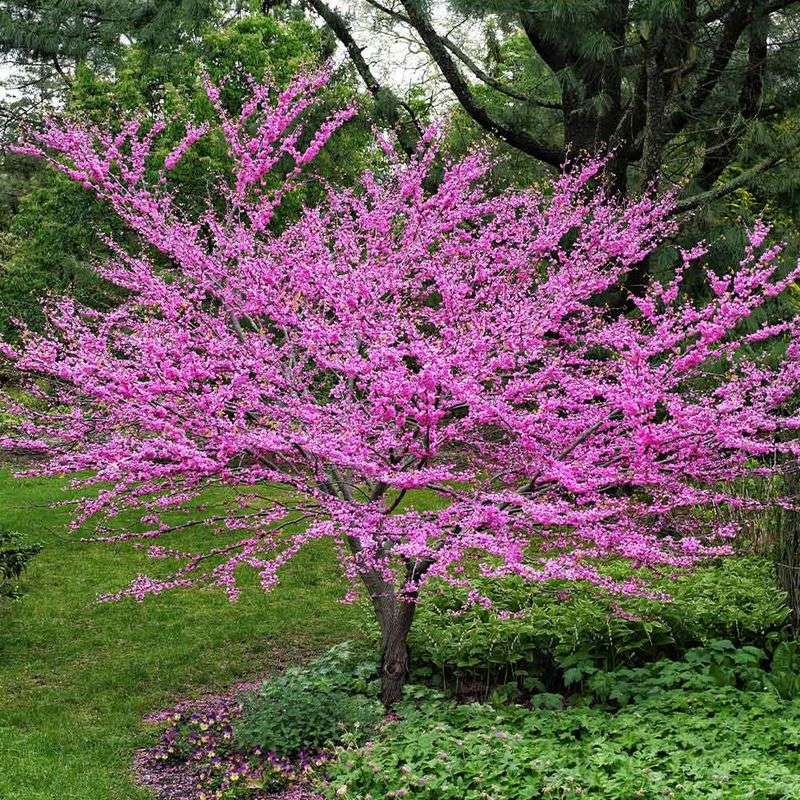
Every spring in northern Pennsylvania, Eastern Redbud trees put on one of the most breathtaking shows in the plant world. Before the leaves even appear, the bare branches erupt in dense clusters of rosy-pink to magenta flowers that cover the entire tree from top to bottom.
It is one of the earliest flowering trees of the season, and it never fails to stop people in their tracks.
Eastern Redbud is a small native tree, typically reaching fifteen to thirty feet tall at maturity. Its modest size makes it a great fit for residential yards and smaller landscapes where a full-sized tree would feel overwhelming.
After flowering, heart-shaped leaves emerge in a lovely reddish-purple tone before maturing to green, giving the tree attractive foliage all the way through fall.
In northern Pennsylvania, Eastern Redbud grows best in full sun to partial shade. It prefers well-drained soil and benefits from a layer of mulch around its base to retain moisture and protect the roots during cold winters.
Young trees may need some protection in their first winter, but established trees handle the region’s cold temperatures without difficulty.
Did you know that Eastern Redbud flowers are actually edible? They have a slightly sweet, mildly tangy flavor and can be tossed into salads for a colorful garnish.
Beyond that fun fact, this tree also provides excellent habitat for pollinators in early spring when food sources are still scarce. Planting an Eastern Redbud is one of the most rewarding decisions any northern Pennsylvania gardener can make.