These Are The Tall Plants That Create Natural Privacy In Oregon Yards
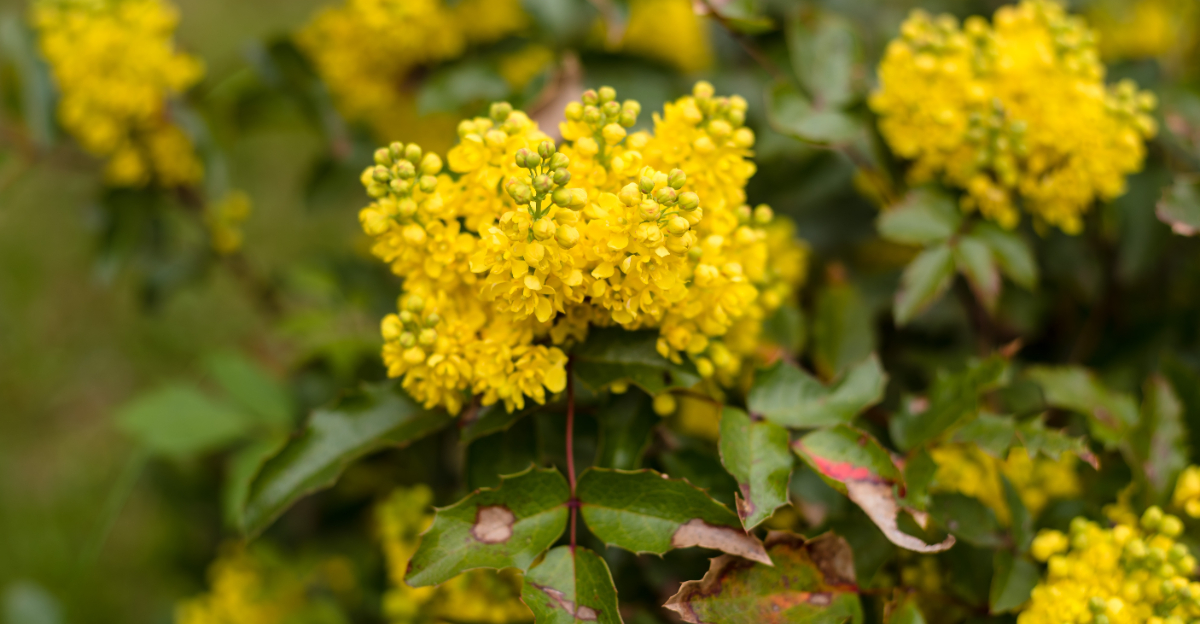
Privacy in an Oregon yard can feel a little tricky. Fences do the job, sure, but they can also make a space feel boxed in, heavy, or a bit too plain.
Tall plants change the mood completely. They soften the edges, add movement, and create that tucked-away feeling without making the yard look closed off from the world.
Suddenly the space feels calmer, greener, and much more inviting. That is a big reason so many gardeners lean on living privacy instead of hard barriers alone.
The right tall plants can block an awkward view, buffer a street, muffle a little noise, and make the whole yard feel more layered and intentional.
In Oregon, they can also bring the bonus of seasonal beauty, texture, and wildlife interest while pulling their weight as a screen.
Some grow upright and narrow, some fill out into lush walls of green, and some do both so well that you start wondering why more yards do not use them.
1. Western Serviceberry
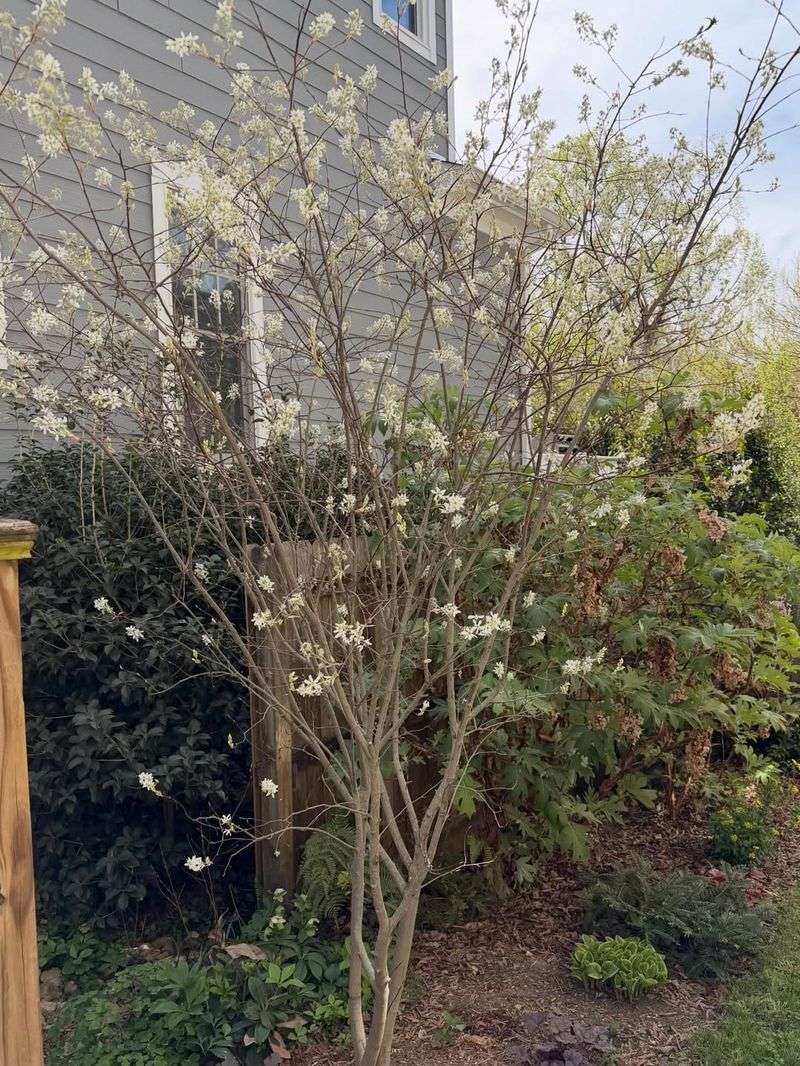
Few plants in Oregon can match the charm of Western Serviceberry. It bursts into clouds of white flowers every spring, making your yard look like something out of a fairy tale.
Then, by summer, it produces small berries that birds absolutely love.
This plant can grow anywhere from 6 to 20 feet tall, depending on how much space and sunlight it gets. That height makes it a solid choice for blocking sightlines from neighbors or busy streets.
It works especially well when planted in a row along a property line.
Western Serviceberry is native to Oregon and thrives in the region’s mild, wet winters and dry summers. It handles both full sun and partial shade without any fuss.
Once it gets established, it needs very little watering or extra care.
The fall colors are a bonus you will not want to miss. Leaves turn brilliant shades of orange, red, and yellow before dropping.
If you want a privacy plant that earns its keep in every season, this one is a smart pick for any Oregon yard.
2. Douglas Hawthorn
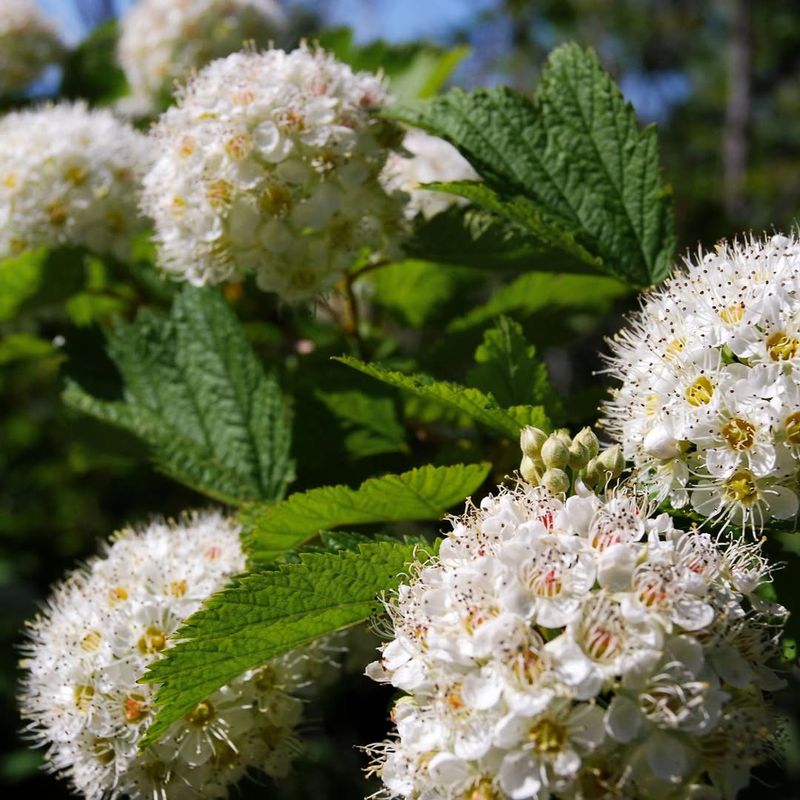
If you want a privacy plant with a little attitude, Douglas Hawthorn delivers. Its sharp thorns make it practically impenetrable, which means it works as both a screen and a security barrier.
People and animals think twice before pushing through it.
Native to the Pacific Northwest, this tough tree thrives across Oregon without much help from gardeners. It can reach heights of 15 to 30 feet, giving you a serious wall of green when planted in groups.
The dense branching structure keeps nosy eyes out even in winter when the leaves fall.
Spring brings clusters of small white flowers that smell lightly sweet and attract pollinators from all over the neighborhood. By fall, bright red berries appear and stick around for months, giving birds a reliable food source through Oregon’s colder months.
Douglas Hawthorn grows well in a wide range of soil types, from heavy clay to sandy loam. It handles wet Oregon winters without complaint.
If you are looking for a low-maintenance, native privacy option that also supports local wildlife, this hardworking tree should be near the top of your list.
Your Oregon Garden Changes Every Week. Your Plan Should Too.
Gardening in Oregon changes quickly throughout the season. Every Friday you’ll receive a simple weekly plan showing exactly what to plant, prune, fertilize, harvest, and protect so you never miss the right timing.
3. Osoberry
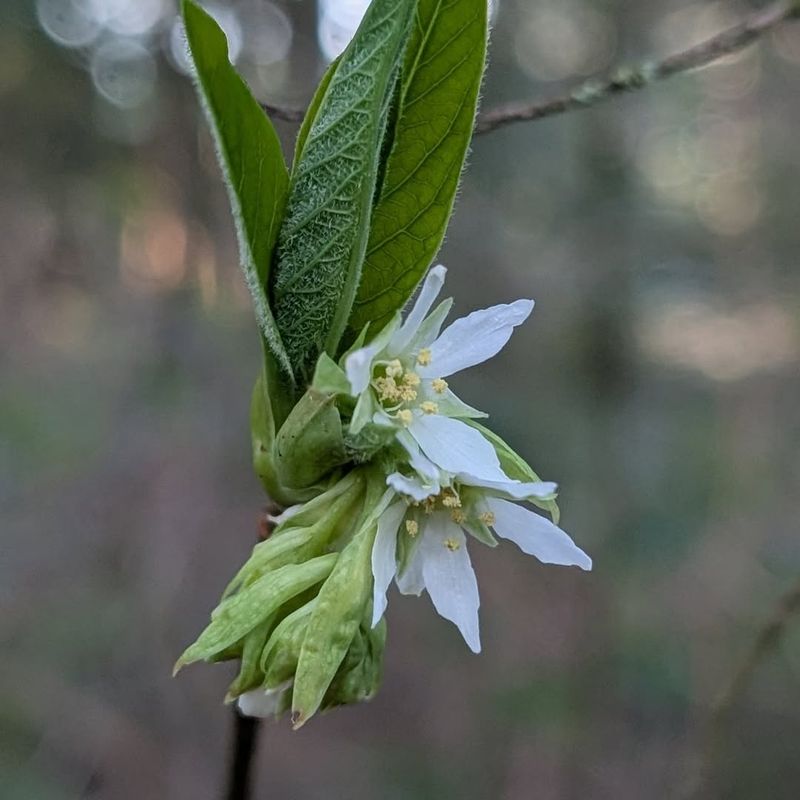
Osoberry is one of those plants that makes Oregon gardeners feel smart for choosing it. It is one of the first shrubs to leaf out and flower in late winter, bringing life to the yard when everything else is still dormant.
That early energy is part of what makes it so special.
Growing 6 to 15 feet tall, Osoberry forms a thick, upright clump that blocks views nicely along fences or property edges. The stems grow densely, especially when the plant is happy, creating a natural screen that fills in quickly over a few seasons.
Small white flowers hang in clusters like tiny bells and are followed by small plum-like fruits that ripen to a dark purple by midsummer. Birds go wild for these berries, so expect your yard to become a popular stop on the local wildlife circuit.
Osoberry thrives in Oregon’s moist, shaded environments and does particularly well near streams or in woodland garden settings. It tolerates clay soil, which is a huge plus for many Oregon homeowners.
Plant it in a shady corner where other shrubs struggle, and watch it take over beautifully.
4. Blue Elderberry
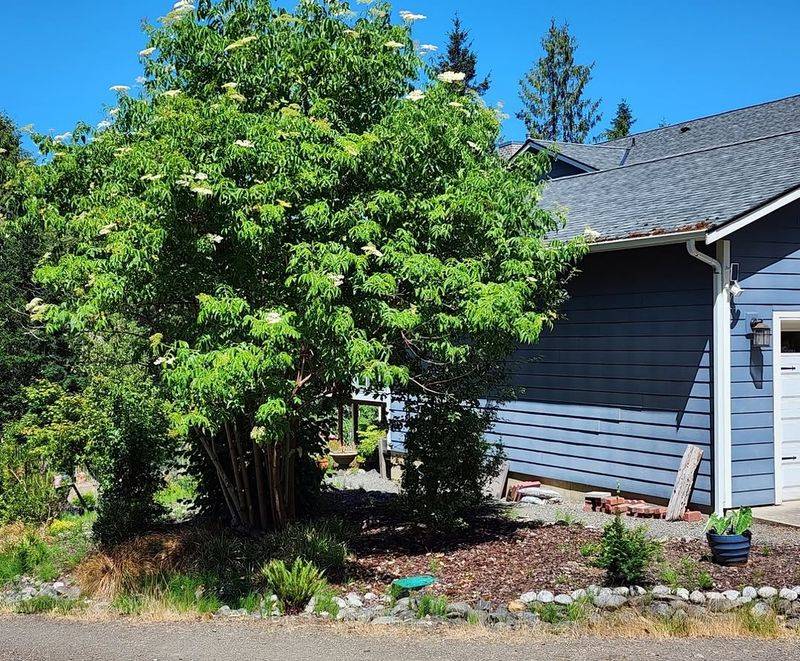
Blue Elderberry is the kind of plant that makes a yard feel like a wild, productive garden. It grows fast, reaches impressive heights of 10 to 20 feet, and produces enormous flat-topped clusters of creamy white flowers every summer.
The visual impact is hard to beat.
After flowering, the plant is covered in clusters of small blue-black berries that are beloved by birds and wildlife across Oregon. These berries have also been used for generations to make jams, syrups, and herbal remedies.
It is a plant that gives back in more ways than one.
For privacy purposes, Blue Elderberry is a powerhouse. Its large leaves and dense branching habit create a thick visual barrier that works well along fences, driveways, or property boundaries.
It fills in quickly, especially in moist, rich soil.
Blue Elderberry is native to Oregon and grows naturally along stream banks, roadsides, and open woodlands throughout the state. It prefers full sun but tolerates light shade.
Once established, it is drought-tolerant and rarely needs extra attention. If you want fast, lush privacy with a wild and natural look, Blue Elderberry is an excellent choice.
5. Tall Oregon Grape
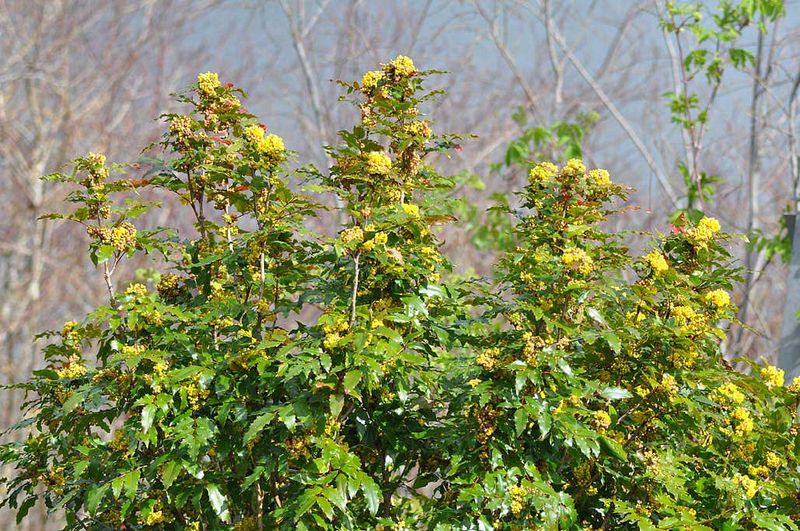
Oregon even has a plant named after it, and Tall Oregon Grape lives up to the honor. This bold, upright shrub is the official state plant of Oregon and grows naturally throughout the region.
It brings structure, color, and year-round interest to any yard.
Growing up to 6 feet tall, it may not be the biggest plant on this list, but its dense, holly-like leaves create a solid visual screen. The leaves are deep green and glossy, with spiny edges that discourage people and animals from getting too close.
That makes it both a privacy plant and a natural deterrent.
In early spring, clusters of bright yellow flowers appear and fill the air with a light fragrance. These are followed by dark blue-purple berries that look like tiny grapes and attract birds throughout Oregon’s summer and fall seasons.
Tall Oregon Grape is incredibly adaptable. It grows in full sun or deep shade, handles dry summers, and thrives in rocky or poor soils.
It is also deer-resistant, which is a major bonus for Oregon homeowners in rural or suburban areas. Plant it in a row and let it grow into a striking, low-maintenance privacy hedge.
6. Mock Orange
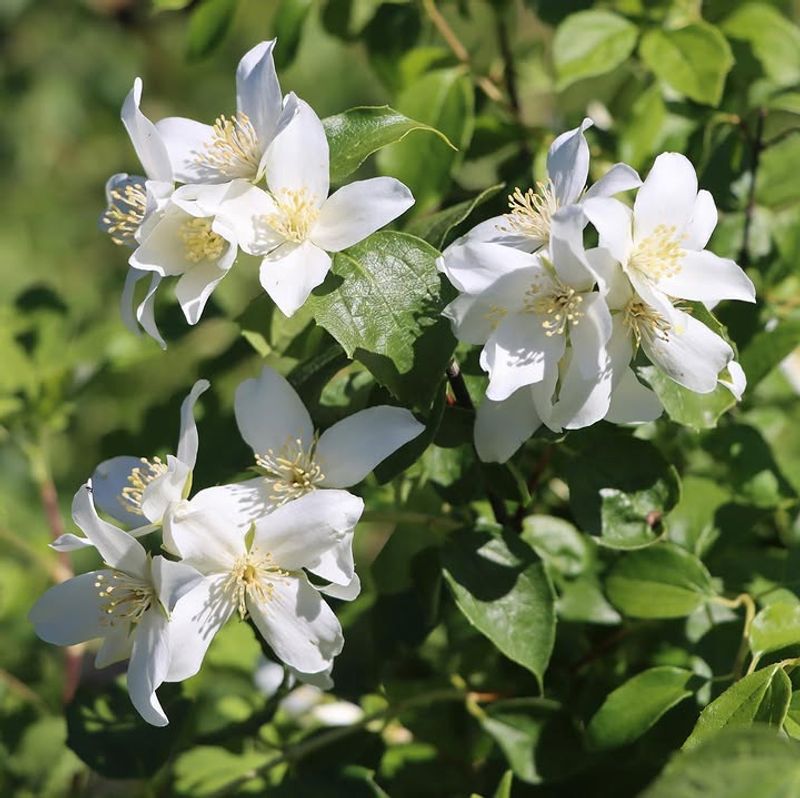
Walk past a Mock Orange in full bloom and you will stop in your tracks. The flowers smell exactly like fresh orange blossoms, sweet and citrusy, even though the plant has nothing to do with actual oranges.
That incredible scent alone is reason enough to plant it.
Mock Orange can grow 6 to 10 feet tall and spreads generously, making it a great option for filling in gaps along a fence or creating a fragrant privacy wall. The arching branches fill out nicely and produce masses of white four-petaled flowers every late spring and early summer.
It grows well throughout Oregon in a variety of soil conditions, from average garden soil to slightly dry or rocky ground. Full sun encourages the most blooms, but it handles partial shade without a problem.
Once it gets settled in, it is very drought-tolerant and low-maintenance.
Pruning after flowering keeps Mock Orange looking tidy and encourages more blooms the following year. It is a forgiving plant that bounces back quickly after being cut back.
If you want a privacy shrub that doubles as an outdoor air freshener every June, Mock Orange is an absolutely delightful addition to any Oregon yard.
7. Red Flowering Currant
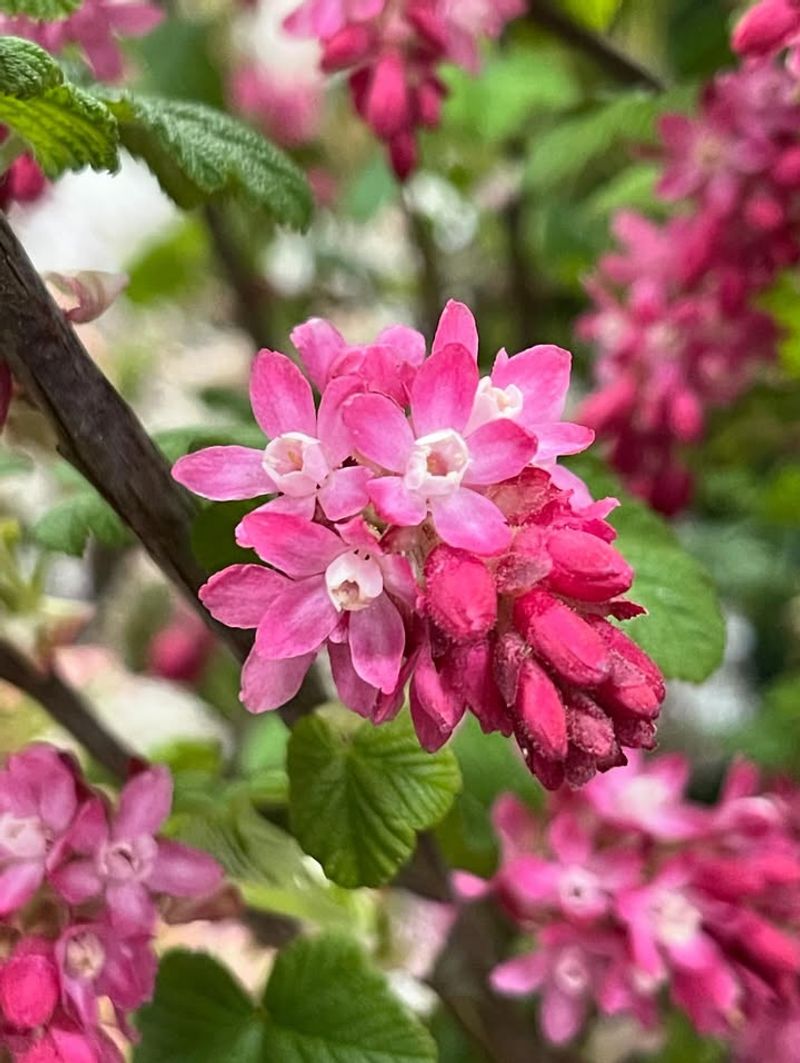
Every spring in Oregon, Red Flowering Currant puts on a show that is hard to ignore. Dangling clusters of hot pink to deep red flowers appear before the leaves even fully open, painting the shrub in vivid color.
Hummingbirds arrive almost immediately, drawn in by the bright blooms.
This native Oregon shrub grows 5 to 12 feet tall and develops a dense, multi-stemmed structure that provides solid privacy coverage. When planted in a row, the shrubs knit together quickly to form a thick, colorful hedge.
It is one of the most striking privacy options available for Pacific Northwest gardens.
Red Flowering Currant is incredibly easy to grow throughout Oregon. It thrives in full sun to partial shade and handles the region’s dry summers with minimal watering once established.
It is not picky about soil type, which makes it a reliable choice for a wide range of yard conditions.
By late summer, small dark blue-black berries appear and attract birds and other wildlife. The berries are edible but quite tart, so most people leave them for the animals.
If you want a privacy plant that brings color, wildlife, and low-maintenance beauty to your Oregon yard, this one delivers all three.
8. Oceanspray
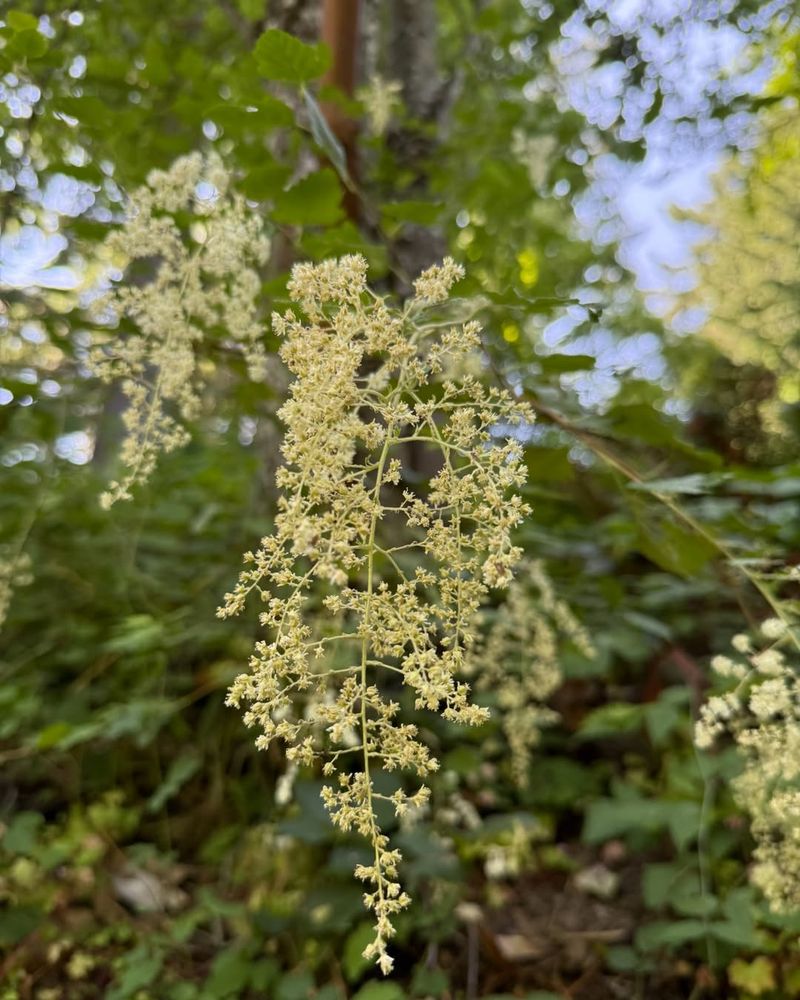
Named for its frothy, wave-like flower plumes, Oceanspray is one of the most visually dramatic native shrubs you can grow in Oregon. When it blooms in early summer, the long clusters of creamy white flowers cascade off the branches like foam on a breaking wave.
It is genuinely stunning.
Oceanspray grows 6 to 15 feet tall and develops a strong, upright form that works beautifully as a privacy screen. The dense branching structure fills in well over time, and even after the flowers fade, the dried seed clusters add texture and interest through fall and winter.
This shrub is native to Oregon and grows naturally in open woods, rocky slopes, and along roadsides throughout the state. It is extremely tough, tolerating poor soils, rocky ground, and dry summers once established.
Full sun produces the most flowers, but it handles light shade without losing its vigor.
Oceanspray is also a valuable plant for Oregon’s native wildlife. Insects, birds, and small mammals all rely on it for food and shelter throughout the year.
Planting it along a property edge creates a privacy screen that also functions as a mini wildlife corridor. That kind of double-duty value is hard to find in any single plant.
9. Snowberry
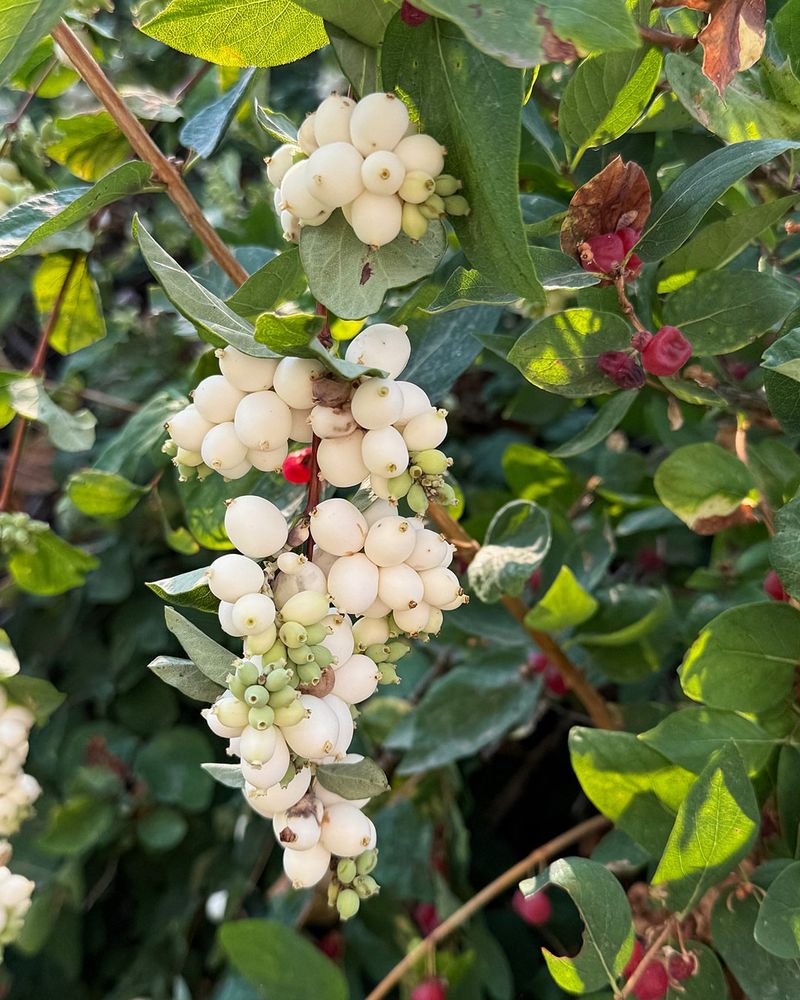
Snowberry earns its name in the most satisfying way possible. By late summer and fall, the shrub is absolutely loaded with clusters of bright white berries that look like little snowballs hanging off every branch.
It is one of the most unique-looking plants you can add to an Oregon yard.
Growing 3 to 6 feet tall, Snowberry works best as part of a layered privacy planting rather than a standalone screen. Combine it with taller shrubs like Blue Elderberry or Douglas Hawthorn to fill in the lower gaps and create a dense, multi-level hedge that blocks views completely.
This native Oregon shrub is incredibly tough. It handles shade, drought, poor soil, and even root competition from nearby trees.
Those qualities make it one of the most versatile privacy plants available for challenging spots where other plants struggle to survive.
Snowberry also spreads slowly by underground runners, gradually filling in bare areas and forming a dense thicket over time. That spreading habit makes it excellent for erosion control on slopes or along stream banks common in many Oregon properties.
The white berries persist well into winter, giving birds a food source during the coldest months of the year.
10. Arborvitae
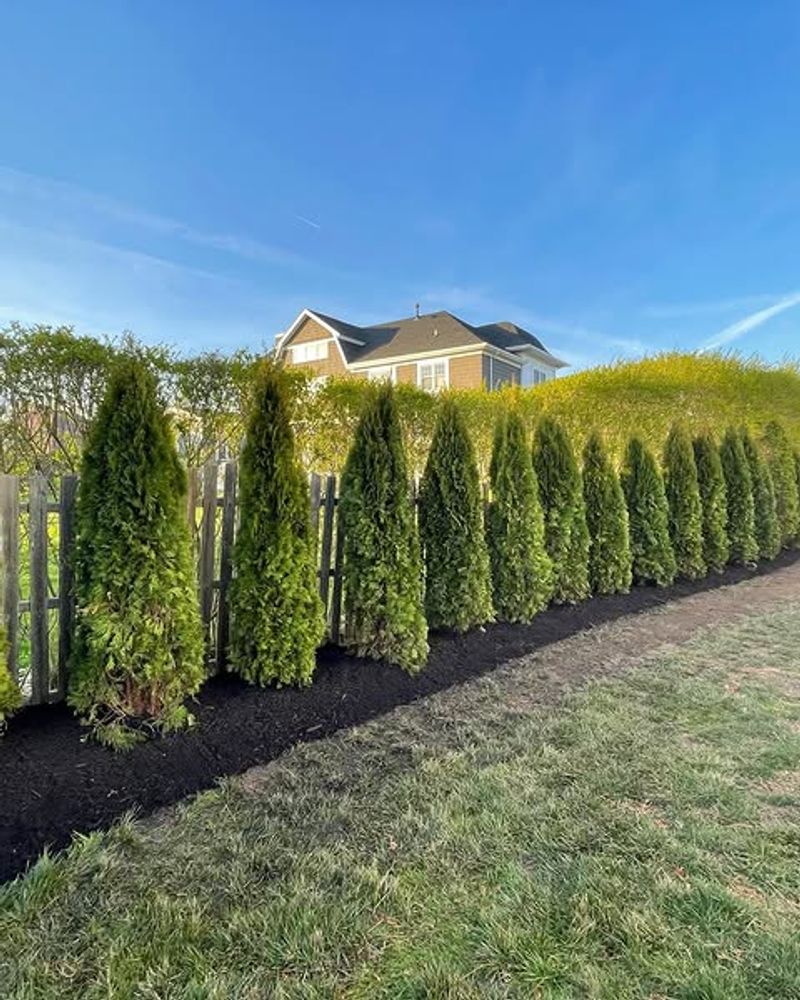
When it comes to no-fuss, year-round privacy, Arborvitae is the gold standard for Oregon yards. These dense, columnar evergreens grow 1 to 2 feet per year and can reach 12 to 14 feet tall at maturity.
Plant them in a row and you have a solid green wall that never loses its leaves.
Arborvitae stays green through Oregon’s wet winters and dry summers without missing a beat. The foliage is soft, feathery, and aromatic, giving off a pleasant cedar-like scent when you brush against it.
That texture and color hold steady all year, which is exactly what most homeowners want from a privacy plant.
Spacing is key when planting Arborvitae for privacy. Set them 3 to 4 feet apart and they will grow together into a seamless hedge within a few seasons.
They stay fairly narrow, usually 3 to 4 feet wide, so they work well in yards where space is limited but height is needed.
Arborvitae requires very little maintenance once it is established in Oregon soil. It does not need heavy pruning, heavy fertilizing, or constant watering.
If you want reliable, evergreen privacy that looks polished and professional without demanding much of your time, Arborvitae is one of the smartest choices you can make.