The 7 Native California Trees To Plant Instead Of Crape Myrtle
Crape myrtle has had a long run in California yards, but plenty of gardeners are starting to look past the usual pick and aim for something that feels more in tune with the landscape around them. That is where native trees start getting a lot more attention.
They can bring beauty, shade, seasonal interest, and character, but they also come with the kind of local advantage that makes a yard feel smarter, not just prettier.
A good native tree does more than fill space. It can handle California conditions with less fuss, support local wildlife, and give a garden that grounded, natural look that so many planted yards are missing.
Some offer flowers, some bring striking foliage, and some have silhouettes that stand out in all the right ways.
Once you start looking at what native trees can do, crape myrtle stops feeling like the obvious answer. Suddenly the more interesting choice is the one that has been part of California all along.
1. Western Redbud
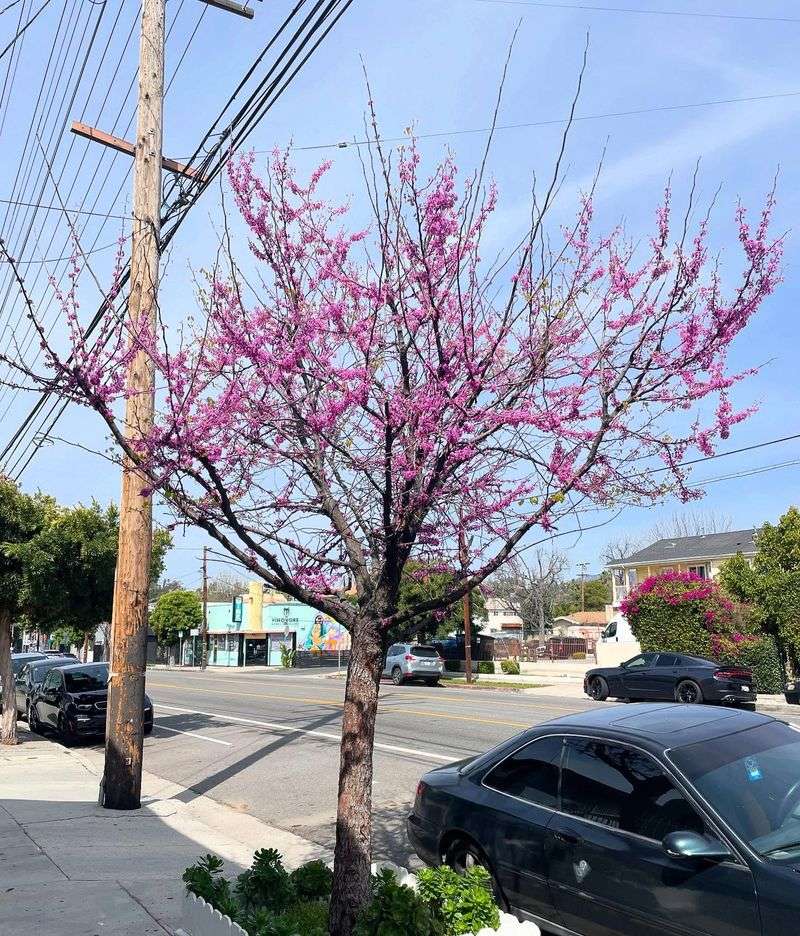
Few trees put on a show quite like the Western Redbud in early spring. Before a single leaf appears, the branches explode with vivid magenta-pink blossoms that practically glow in the California sunshine.
It is one of those trees that makes neighbors stop and stare.
Native to California’s foothills and canyons, Western Redbud (Cercis occidentalis) is a small deciduous tree that typically grows between 10 and 20 feet tall. That makes it a great fit for smaller yards or as an accent tree near a patio or driveway.
After the flowers fade, heart-shaped leaves emerge and turn a warm yellow in the fall, giving you two seasons of stunning color.
This tree is also incredibly tough. Once established, it handles drought well and thrives in well-drained soils with full sun or partial shade.
It is a fantastic choice across many parts of California, from the Sierra Nevada foothills to coastal inland valleys. Native bees absolutely love the flowers, so planting one supports local pollinators right in your own backyard.
If you want a low-maintenance, eye-catching replacement for crape myrtle, Western Redbud belongs at the top of your list.
2. Desert Willow
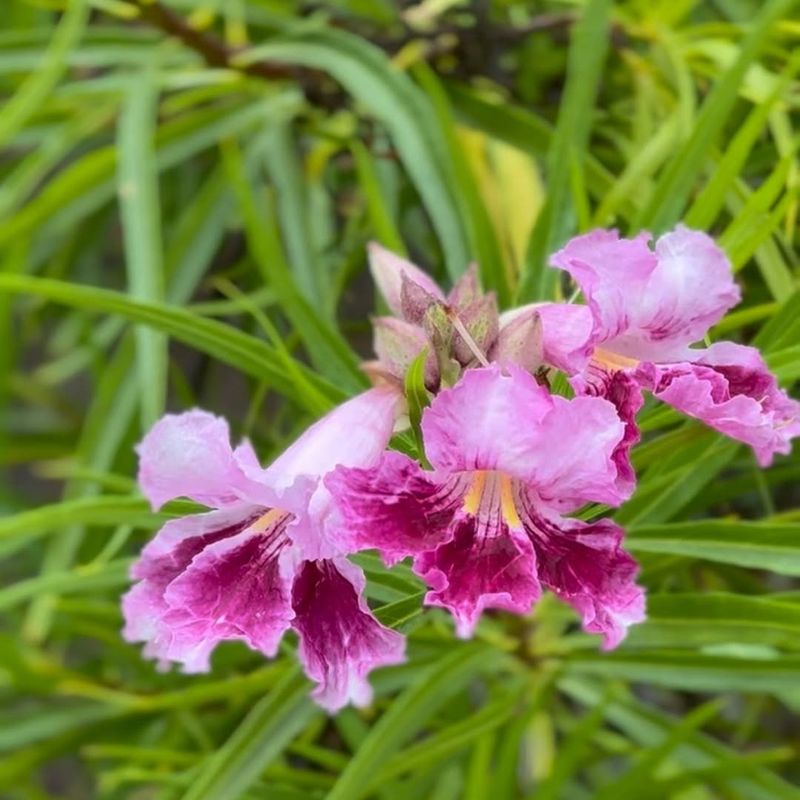
If you live in a hot, dry part of California and you have been searching for a flowering tree that actually loves the heat, Desert Willow might be exactly what your yard needs. This tree blooms from late spring all the way through summer, producing gorgeous trumpet-shaped flowers in shades of pink, lavender, and white.
Hummingbirds cannot resist them.
Chilopsis linearis is not a true willow, but its long, slender leaves give it that graceful, flowing look. It grows between 15 and 30 feet tall and stays relatively narrow, which makes it a smart pick for tighter spaces.
In Southern California and other arid regions of the state, it performs beautifully with very little water once it settles in.
One of the best things about Desert Willow is how forgiving it is. Plant it in full sun and well-drained soil, and it will reward you season after season with minimal fuss.
Your California Garden Changes Every Week. Your Plan Should Too.
Gardening in California changes quickly throughout the season. Every Friday you’ll receive a simple weekly plan showing exactly what to plant, prune, fertilize, harvest, and protect so you never miss the right timing.
It handles heat, drought, and poor soil far better than crape myrtle ever could in California’s driest areas. For gardeners tired of babying non-native trees through summer, Desert Willow is a welcome breath of fresh, warm air.
3. Pacific Dogwood
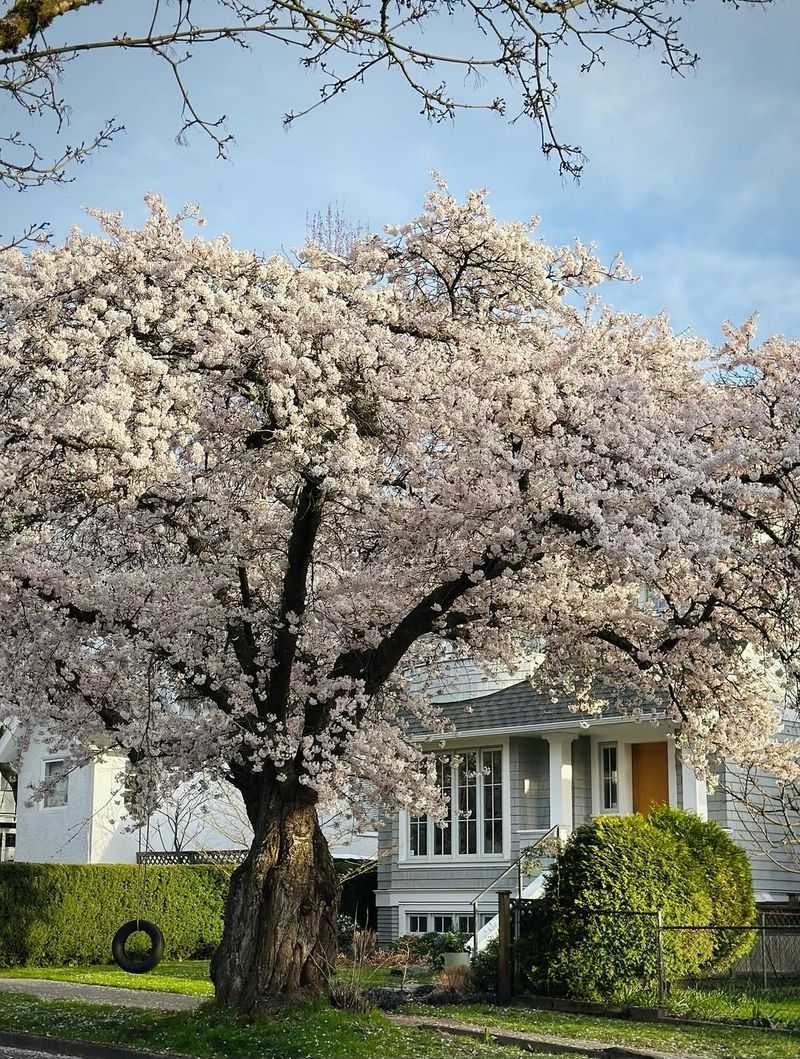
Walk through a Northern California forest in spring and you might spot something magical: large, creamy white blossoms floating among the trees like nature’s own decoration. That is Pacific Dogwood, and it is one of the most beautiful native trees the state has to offer.
It is the kind of tree that makes you feel like you stumbled into a painting.
Cornus nuttallii grows naturally in the forests of Northern and Central California, usually reaching between 15 and 40 feet tall. It prefers partial shade, making it a wonderful understory tree beneath larger oaks or conifers.
In fall, the leaves turn brilliant shades of orange and red, and clusters of bright red berries appear, drawing in songbirds from across the neighborhood.
Pacific Dogwood does best in moist, well-drained soil with good air circulation. It is not the most drought-tolerant native on this list, so it suits wetter regions of California better than the desert south.
But in the right spot, it is absolutely breathtaking and practically care-free. If you want a tree with four-season interest, stunning flowers, fall color, and wildlife value, Pacific Dogwood is a showstopper worth every bit of attention it demands.
4. California Buckeye
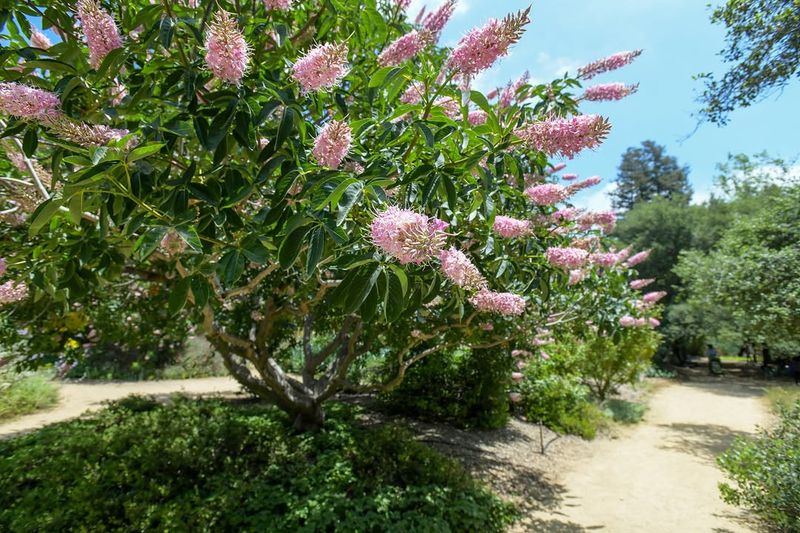
Long before European settlers arrived, California Buckeye was already a landmark tree across the state’s rolling hills and oak woodlands. Native Californians used its large, shiny seeds for food and medicine.
Today, it remains one of the most striking native trees you can plant in a California garden.
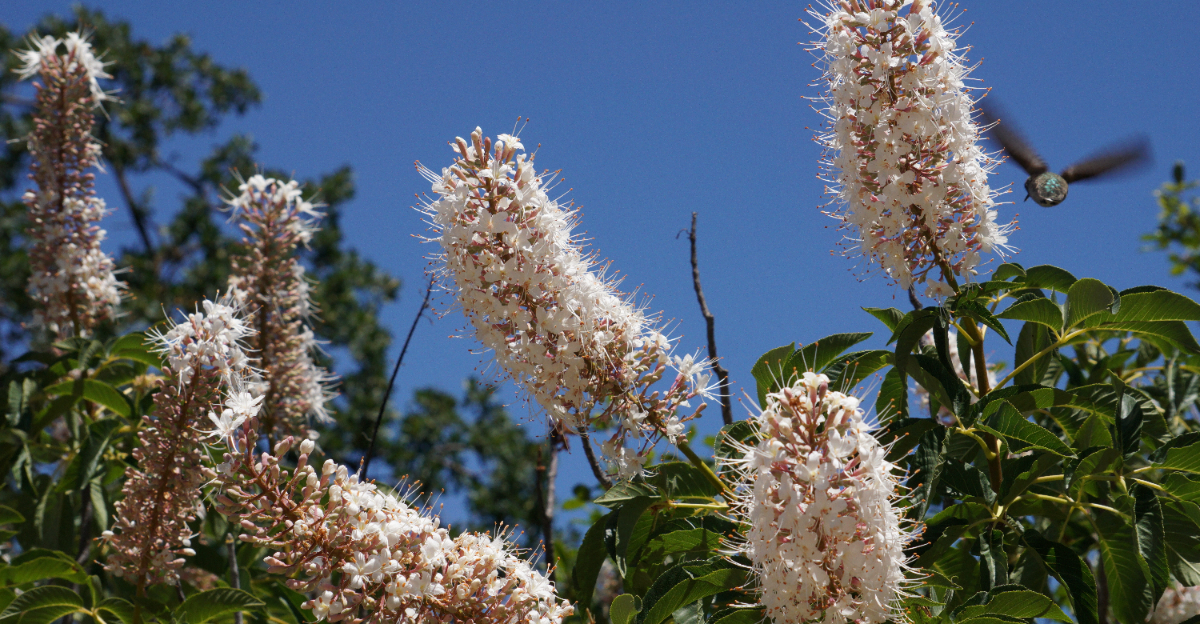
Aesculus californica lights up the landscape in late spring with tall, cone-shaped clusters of white to pale pink flowers. The scent is sweet and noticeable, and bees swarm to it eagerly.
After blooming, large, pear-shaped seed pods develop and eventually split open to reveal those familiar smooth, chestnut-like seeds.
Here is what makes California Buckeye especially interesting: it goes summer-dormant. The leaves drop in late summer, which can surprise new gardeners, but this is completely normal.
It is the tree’s smart way of conserving water during California’s dry season. It grows well in full sun to partial shade and handles poor, rocky soils with ease.
Mature trees can spread 20 to 30 feet wide, so give it room to stretch. For anyone in Central or Northern California looking for a bold, wildlife-friendly alternative to crape myrtle, this native beauty is absolutely worth considering.
5. Hollyleaf Cherry
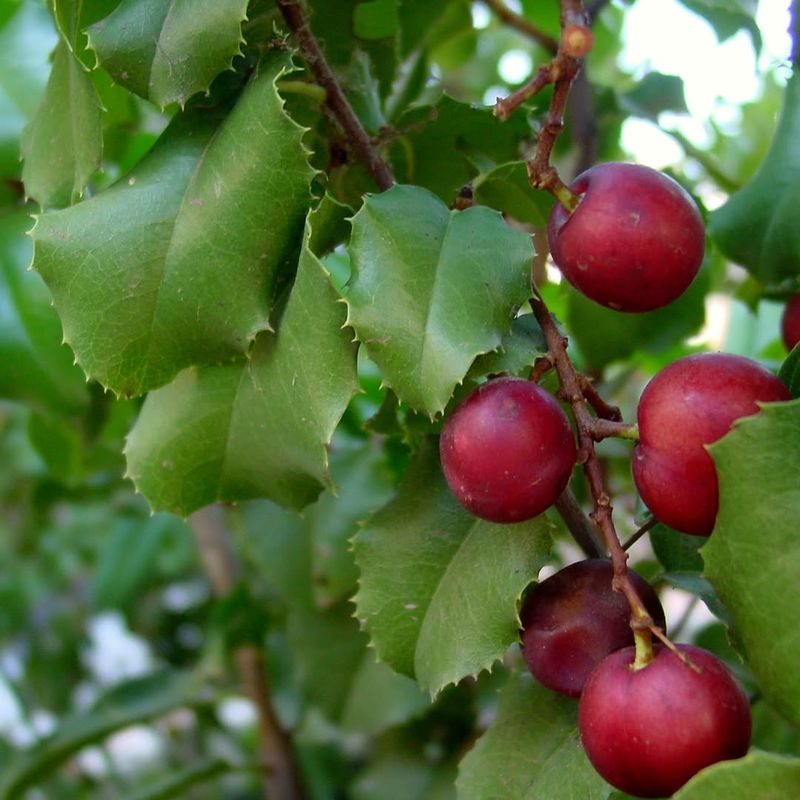
Tough, handsome, and genuinely useful to wildlife, Hollyleaf Cherry is a California native that deserves far more attention than it gets. The glossy, spiny leaves look similar to holly, giving the tree a rich, dark green look year-round.
In spring, small clusters of delicate white flowers appear, filling the air with a light, sweet fragrance.
Prunus ilicifolia is native to coastal and inland areas of California, particularly Southern California and the Coast Ranges. It typically grows as a large shrub or small tree, reaching anywhere from 8 to 25 feet tall depending on conditions.
Birds love the dark purple cherries that follow the flowers, making this tree a natural feeding station for local wildlife.
What really sets Hollyleaf Cherry apart is its toughness. It thrives in poor soils, handles drought like a champ, and grows well in full sun or partial shade.
Once established, it needs very little irrigation, which is a huge plus in a state where water conservation matters more every year. It also works well as a privacy screen or windbreak.
For California gardeners who want a low-fuss, wildlife-supporting evergreen tree that looks polished all year long, Hollyleaf Cherry is a smart, satisfying choice.
6. Catalina Cherry
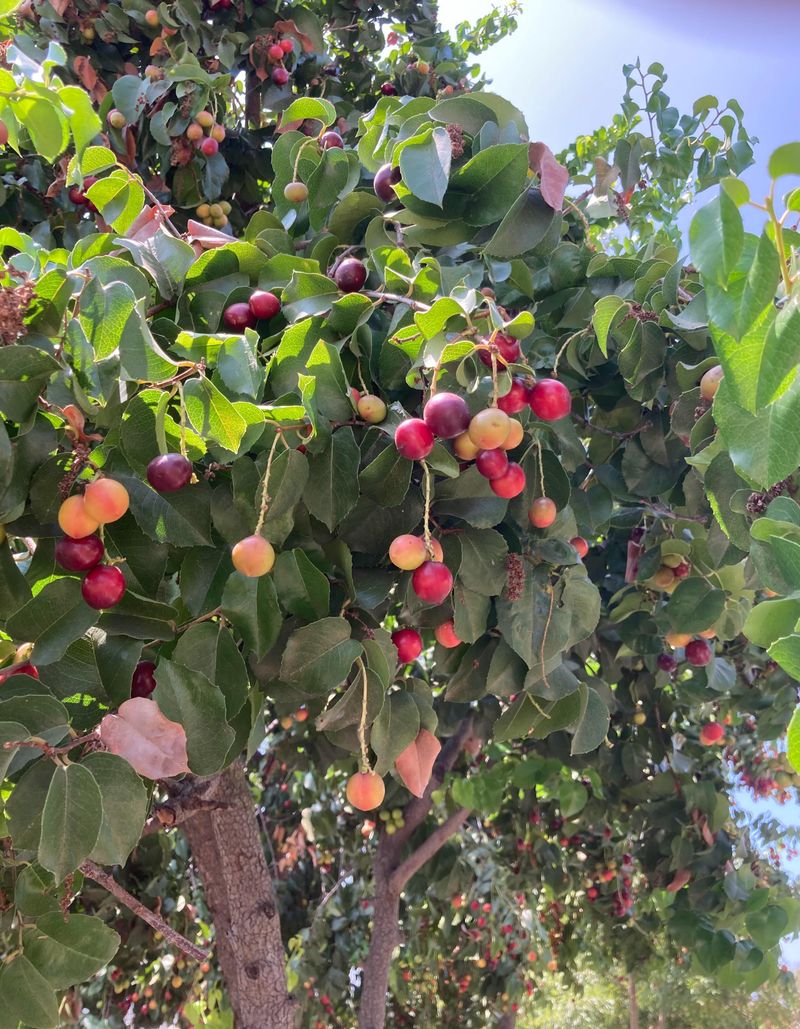
Bigger, bolder, and faster-growing than its close relative Hollyleaf Cherry, Catalina Cherry is a California native that brings real presence to any landscape. Originally from the Channel Islands off the Southern California coast, this tree has found a happy home in gardens across the state.
It grows quickly and looks impressive doing it.
Prunus lyonii can reach 15 to 35 feet tall, with a full, rounded canopy of large, deep green, glossy leaves. In spring, long drooping clusters of white flowers appear and look absolutely stunning against the dark foliage.
Those flowers give way to large, dark purple cherries that birds go absolutely wild for, especially mockingbirds and cedar waxwings.
Catalina Cherry is one of the best choices for Southern California gardeners who want a fast-growing shade tree that also supports wildlife. It handles heat, drought, and coastal conditions with ease.
Plant it in full sun or partial shade in well-drained soil, and it will establish quickly with minimal watering. It also works beautifully as a privacy screen or tall hedge when planted in a row.
Compared to crape myrtle, Catalina Cherry gives you more shade, more wildlife value, and a deeper connection to California’s own natural heritage.
7. Toyon
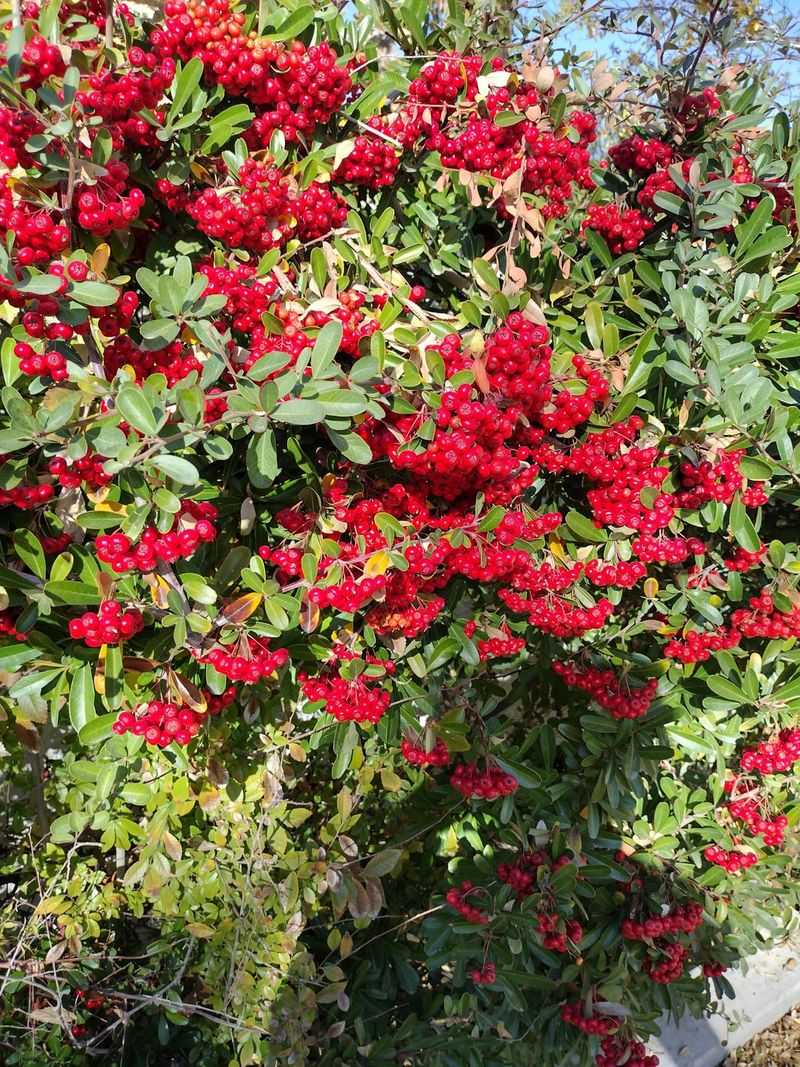
Did you know that Hollywood, California may have gotten its name from Toyon? Early settlers saw so many of these shrubs covered in bright red berries across the hills that the area reminded them of English holly.
Whether that story is true or not, Toyon is absolutely one of California’s most iconic native plants.
Heteromeles arbutifolia grows as a large evergreen shrub or small tree, typically reaching 6 to 15 feet tall. In summer, it produces flat-topped clusters of small white flowers that attract bees and butterflies.
By winter, those flowers transform into brilliant clusters of red berries that feed robins, cedar waxwings, and many other birds through the colder months.
Toyon is remarkably adaptable. It grows well across much of California, from coastal gardens to hot inland valleys.
It handles drought, poor soil, and full sun without complaint. Established plants need almost no supplemental water, making Toyon one of the most water-wise native trees you can add to a California landscape.
It also provides excellent habitat and cover for small birds and animals. If you want year-round beauty, seasonal drama, and a tree with deep roots in California’s history and ecology, Toyon is the perfect native to plant.