10 Desert Plants To Plant In April In California Before Extreme Heat Sets In
There is a short stretch in desert gardening when everything feels possible, and then the brutal heat shows up and starts calling the shots. That is why this planting moment matters so much.
Get desert plants into the ground while conditions are still on the gentler side, and they have time to root in, settle down, and build a little stamina before summer turns intense.
That head start can make a huge difference in California’s hotter regions, where a tough-looking plant can still struggle after a poorly timed planting. Right now, the garden still has some breathing room, and that opens the door for bold choices with real payoff.
Desert plants are not shy, either. They bring sculptural shapes, vivid blooms, silvery foliage, and the kind of personality that makes a yard look deliberate instead of thrown together.
Plant a few at the right time, and your garden can head into the hottest months looking sharper, stronger, and a whole lot more confident.
1. Desert Mallow
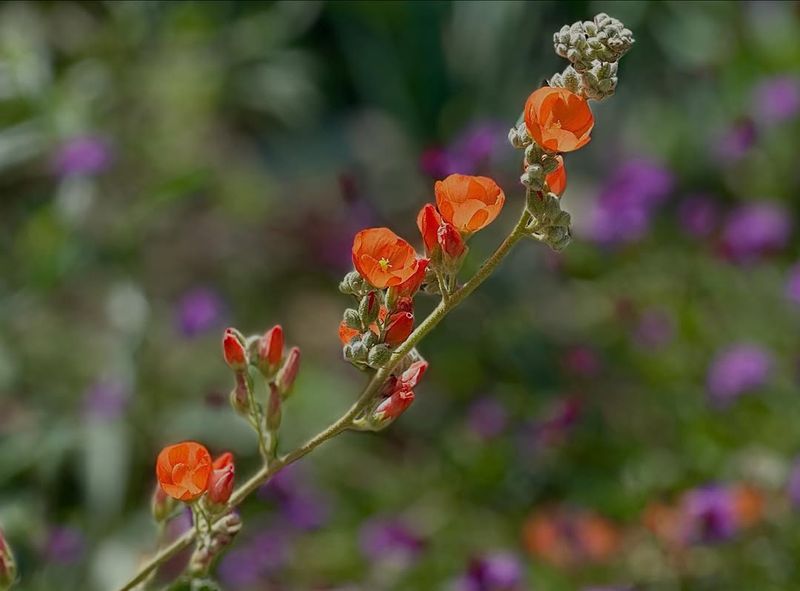
Few plants put on a show quite like Desert Mallow. Those bold, cup-shaped orange flowers practically glow under the California sun, and they keep blooming for months without much help from you.
It is one of the most cheerful plants you can add to a desert garden, and it asks for very little in return.
Planting in April gives Desert Mallow the warm soil it loves without throwing it straight into peak summer stress. It thrives in full sun and well-draining sandy or rocky soil, which makes it a natural fit for many parts of Southern and Eastern California.
Once established, it handles long dry spells with ease.
Water it deeply right after planting, then slowly back off as the weeks pass. By the time summer heat arrives, the roots will be strong and settled.
Pollinators like bees and butterflies absolutely love the flowers, so you are also doing your local ecosystem a favor. Trim it back lightly after a heavy bloom period to encourage fresh new growth.
Desert Mallow stays compact and tidy, usually reaching about three feet tall, making it great for borders, slopes, or open garden beds across California.
2. Desert Wishbone Bush
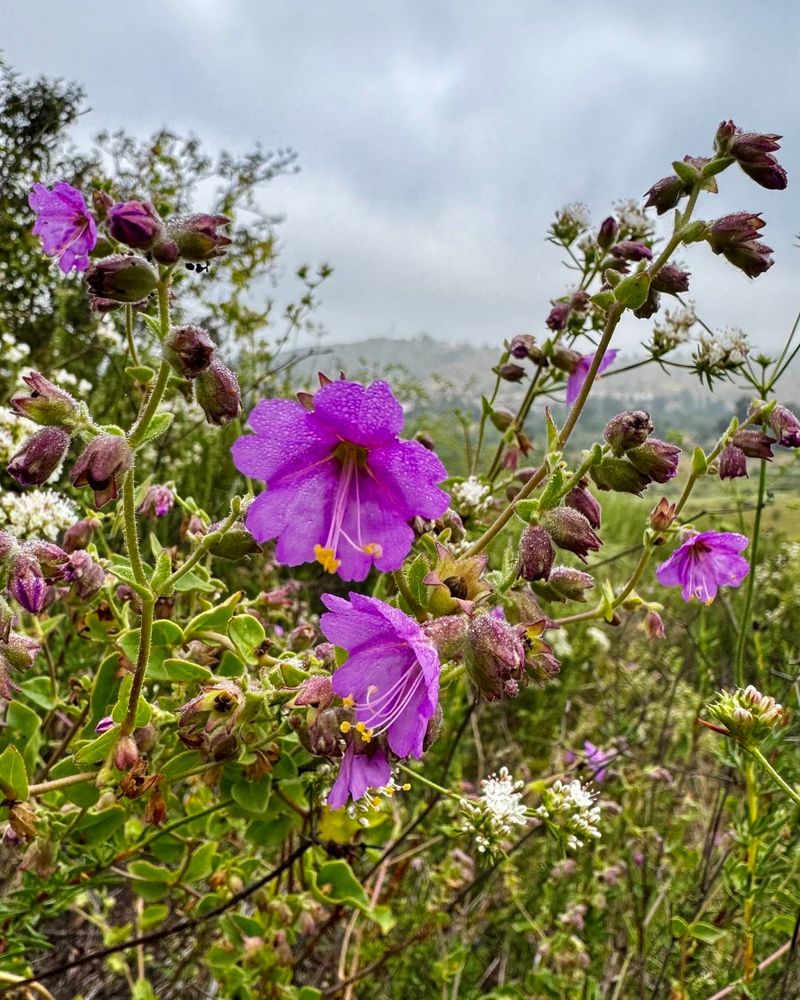
Not every desert plant gets the attention it deserves, and Desert Wishbone Bush is a perfect example. This low-growing, spreading shrub has a quiet kind of charm with its tiny tubular flowers and airy, branching structure.
It blends naturally into rocky slopes and open desert floors across California.
April is an ideal time to get it in the ground. The mild temperatures allow the plant to stretch its roots outward before the brutal heat of summer arrives.
It prefers gravelly or sandy soil with excellent drainage and full sun exposure, which is exactly what most California desert gardens offer. Overwatering is the one thing to avoid with this plant.
Once established, Desert Wishbone Bush becomes incredibly self-sufficient. It is a favorite among native plant enthusiasts because it supports local wildlife, offering shelter and food for small insects and birds.
Your California Garden Changes Every Week. Your Plan Should Too.
Gardening in California changes quickly throughout the season. Every Friday you’ll receive a simple weekly plan showing exactly what to plant, prune, fertilize, harvest, and protect so you never miss the right timing.
The branching pattern of the stems is where the name comes from, and it gives the plant a sculptural look that adds visual interest even when it is not in bloom. If you are building a low-water California landscape, this underrated native deserves a spot near the front of your planting list.
3. California Fuchsia
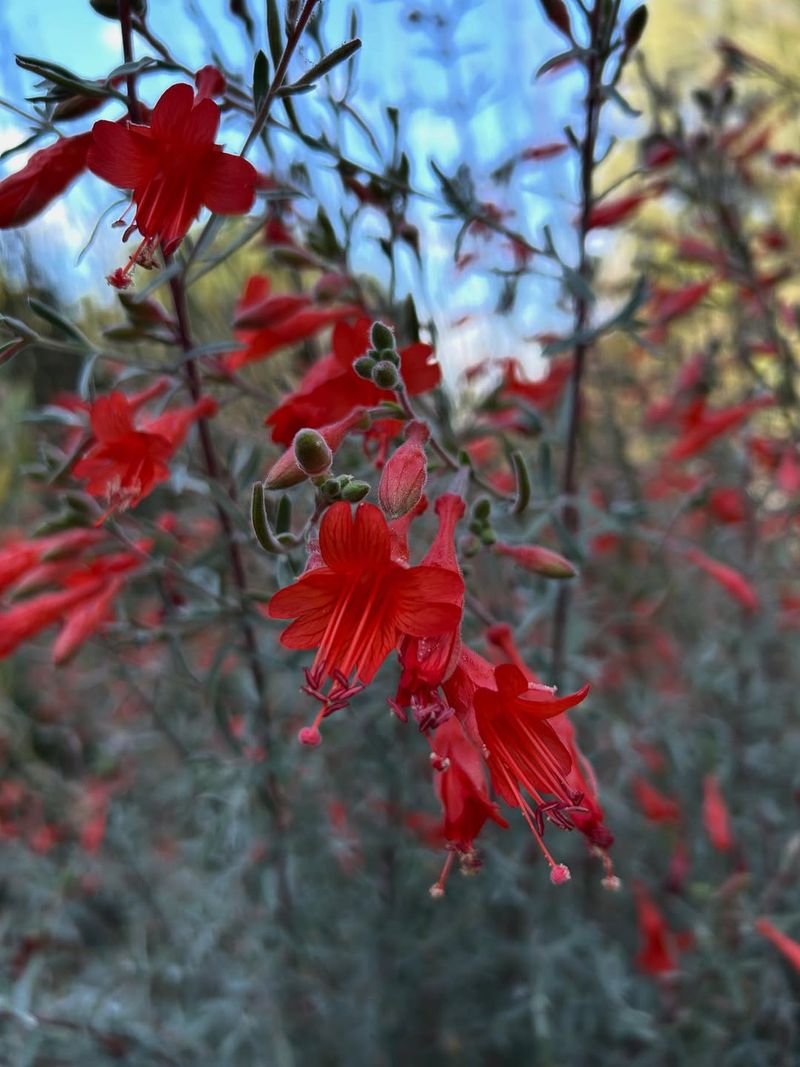
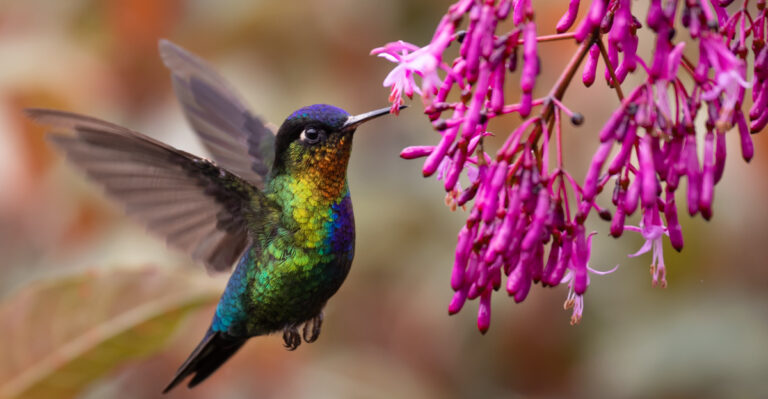
Hummingbirds go absolutely wild for California Fuchsia. Those vivid red-orange tubular flowers are like a neon sign that says “free lunch” to every hummingbird passing through your California yard.
It blooms heavily in late summer and fall, but planting it in April gives it time to build a strong foundation first.
This native perennial is built for California’s tough conditions. It handles heat, drought, and poor soil better than most ornamental plants, and it spreads gradually to fill in open areas beautifully.
Full sun is where it truly shines, though it can handle a bit of afternoon shade in the hottest inland areas of California.
Keep the soil well-draining and avoid heavy clay. Water regularly during the first few weeks after planting, then cut back as the plant adjusts.
By midsummer, California Fuchsia will be thriving on its own. The silvery-green foliage looks attractive even before the flowers appear, so it earns its keep all season long.
Cut it back hard in late winter to encourage bushy, full regrowth the following year. It is a low-fuss, high-reward plant that earns its place in any California desert or Mediterranean-style garden.
4. California Buckwheat
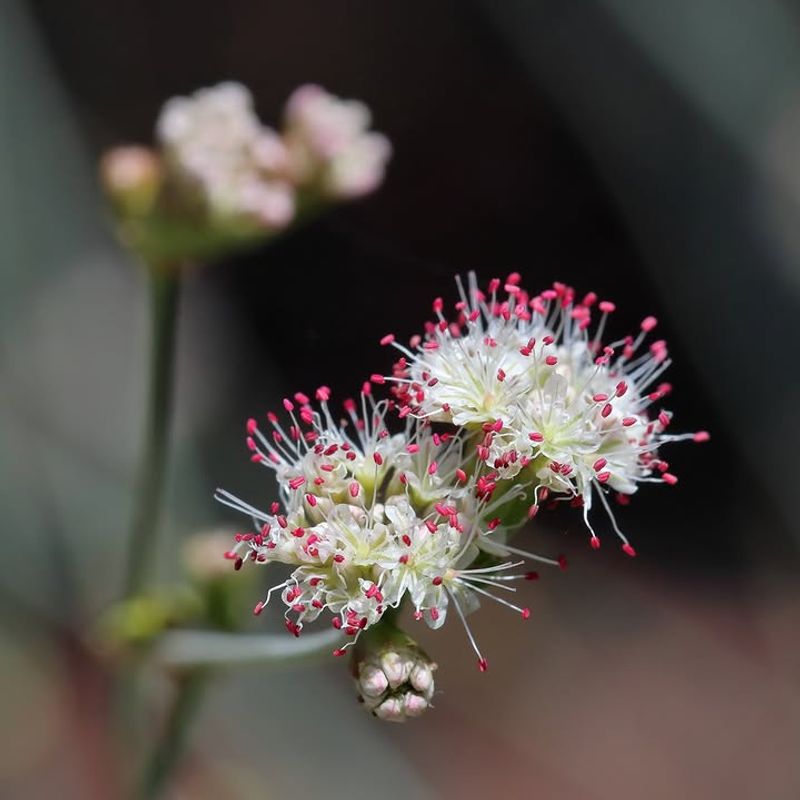
California Buckwheat is one of those plants that looks different every season, and that is part of what makes it so interesting. In spring, it produces clusters of tiny white and pink flowers.
As summer progresses, those flowers fade into warm rusty-red seed heads that stay decorative well into fall. It is a plant that keeps giving.
Planting in April works perfectly for California Buckwheat because it gets to experience mild weather before the intense heat rolls in. It is extremely drought-tolerant once established and thrives in poor, rocky, or sandy soil.
You do not need to amend your soil heavily, and that is actually good news for most California desert gardeners.
Beyond its looks, California Buckwheat is an ecological powerhouse. It supports over 100 species of butterflies and moths, making it one of the most wildlife-friendly native plants in the state.
Bees and other pollinators swarm it when it is in bloom. Plant it on slopes or open areas where you want coverage without a lot of maintenance.
It grows into a rounded mound about two to four feet tall and wide, filling space naturally and beautifully in California gardens.
5. Brittlebush
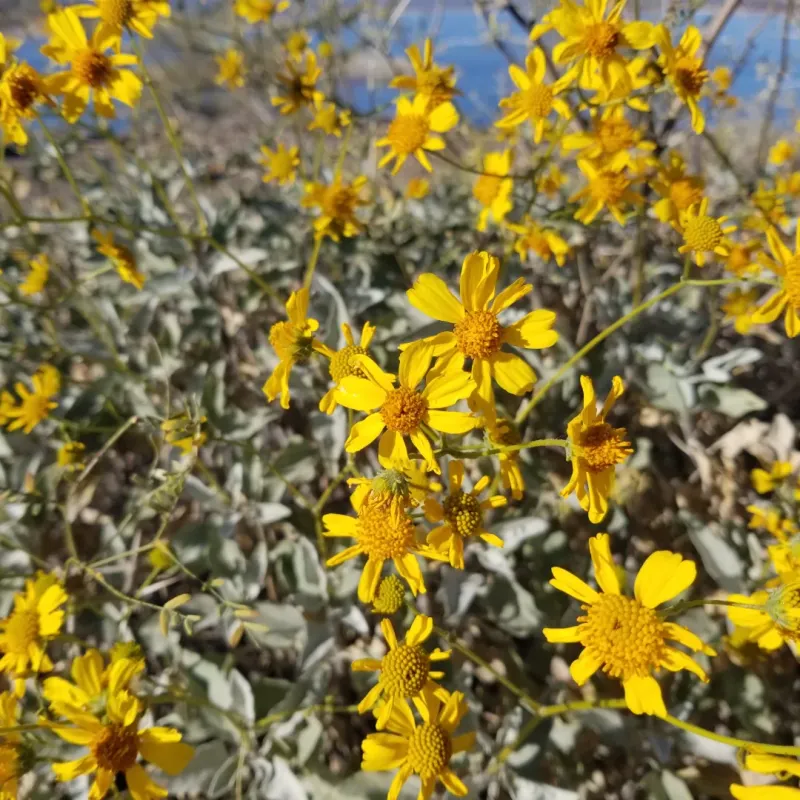
Walk through almost any wild stretch of Southern California in spring and you will likely spot Brittlebush lighting up the hillsides with its sunny yellow flowers. It is one of the most recognizable and beloved native shrubs in the region, and for good reason.
Few plants are this easy to grow and this rewarding to look at.
The silvery-gray leaves are aromatic when crushed and help reflect sunlight, which is a smart natural trick for surviving intense California heat. Planting in April means Brittlebush gets a head start before temperatures climb.
It loves full sun and rocky or sandy soil with excellent drainage. Standing water is its biggest enemy, so avoid low spots in the garden.
Once established, Brittlebush is remarkably self-sufficient. It requires very little water during summer, going partially dormant to conserve energy during the hottest months.
In fall, cooler temperatures and a little rain bring it back to life with fresh foliage and eventually more flowers. Trim it back after the main bloom to keep it tidy and encourage new growth.
At two to five feet tall, Brittlebush works well as a border plant, slope cover, or accent shrub throughout California’s desert and coastal regions.
6. Chuparosa
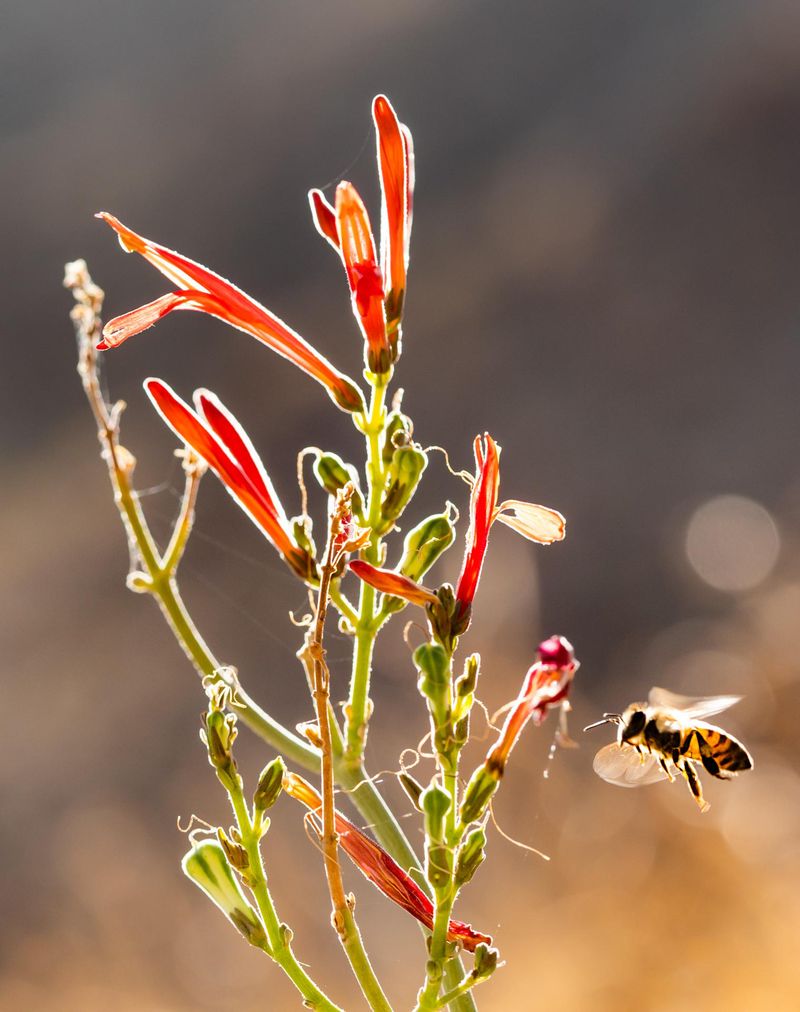
The name Chuparosa literally means “rose sucker” in Spanish, a nod to the hummingbirds that cannot resist its brilliant red tubular flowers. It is one of the most hummingbird-friendly plants you can grow in a California desert garden, and it blooms at exactly the time when those birds need a reliable food source most.
April is a great month to plant Chuparosa in California because the soil is warming up and conditions are still manageable. It prefers full sun and sandy, rocky, or gravelly soil that drains quickly.
It naturally grows along desert washes and rocky slopes, so it is well adapted to California’s dry, rugged terrain. Avoid planting it in heavy clay or spots that stay wet.
After planting, give it consistent water for the first month to help roots establish, then gradually reduce irrigation. By summer, it should be handling the heat on its own.
Chuparosa can grow quite large, up to six feet tall and wide, so give it space to spread. It stays mostly evergreen in mild California winters and may lose some leaves during cold snaps, but it bounces back reliably.
A truly wild-hearted plant with incredible garden presence.
7. Ocotillo
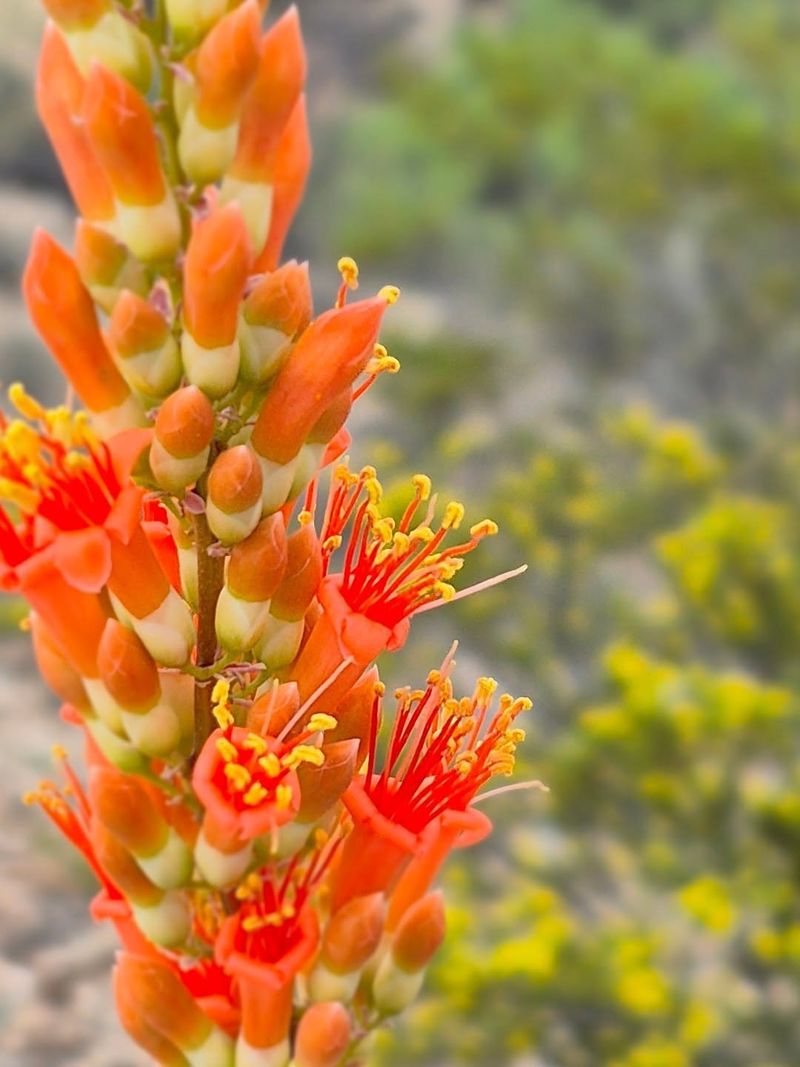
Ocotillo is one of the most dramatic plants in the California desert, and it looks like nothing else in the plant world. Long, spiny canes shoot up from the base and reach heights of up to twenty feet.
When it rains or gets a good watering, tiny green leaves pop out along the stems almost overnight. Then come those brilliant red flower clusters at the very tips, which are absolutely stunning.
Planting Ocotillo in April gives it a chance to root in while temperatures are still reasonable. It needs full sun and extremely well-draining soil.
Sandy or rocky ground is ideal. One important tip: Ocotillo can be slow to show signs of new growth after transplanting, so be patient and do not assume something is wrong right away.
Water it once a week for the first month, then back off to once or twice a month as it settles in. Ocotillo is native to the Sonoran and Chihuahuan deserts and fits beautifully into California desert landscapes, especially in the Coachella Valley and Mojave Desert regions.
It provides structure, drama, and wildlife value all at once. Hummingbirds love the flowers, and the spiny canes create natural barriers that even double as living fences.
8. Blue Palo Verde
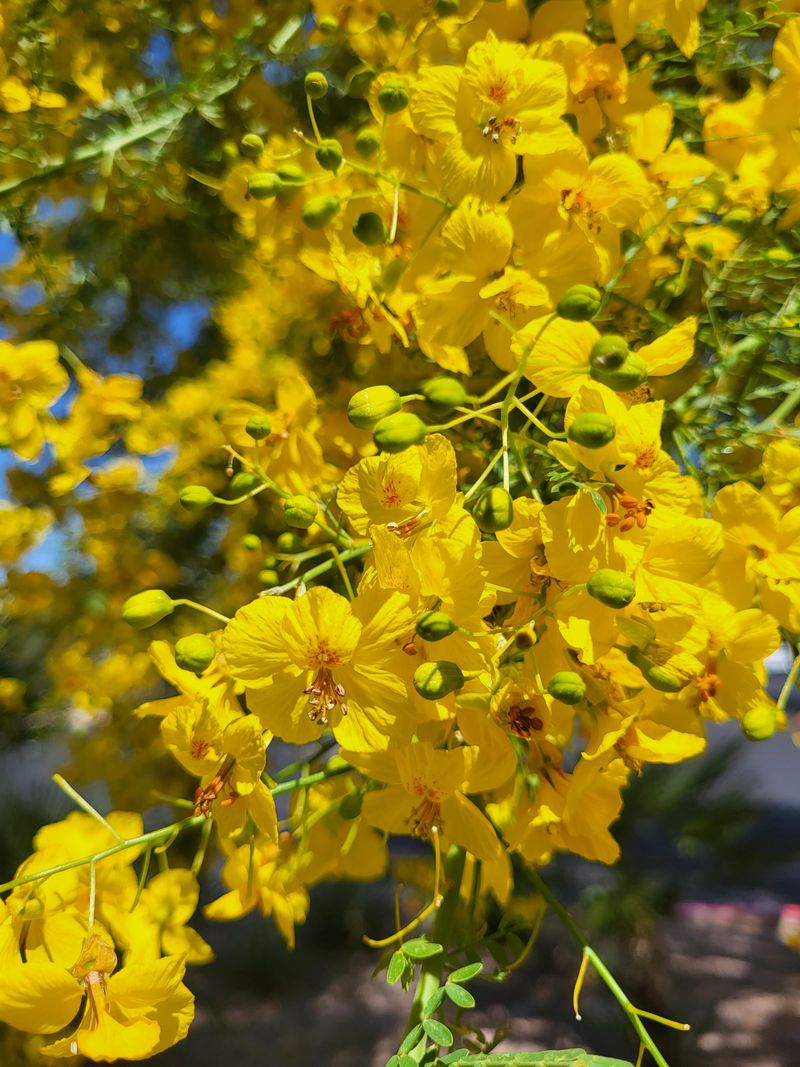
When a Blue Palo Verde bursts into bloom, the entire tree looks like it caught a cloud of yellow butterflies. Every spring, this tree covers itself so completely in tiny yellow flowers that you can barely see the green bark underneath.
It is one of the most spectacular flowering trees in all of California’s desert regions.
The green bark is not just pretty, it actually performs photosynthesis, which means the tree can keep producing energy even when it drops its small leaves during dry spells. That is a clever survival strategy for one of California’s hottest climates.
April planting allows the tree to root before summer heat intensifies, giving it the best possible setup for long-term success.
Blue Palo Verde grows quickly once established, sometimes adding two or more feet per year under good conditions. It prefers full sun and well-draining, sandy or gravelly soil.
Water deeply but infrequently after the first establishment period. Mature trees are remarkably drought-tolerant and require almost no supplemental irrigation in most California desert areas.
They also provide valuable shade and habitat for birds and insects. Plant one as a specimen tree or use it to anchor a larger native plant garden in your California yard.
9. Desert Willow
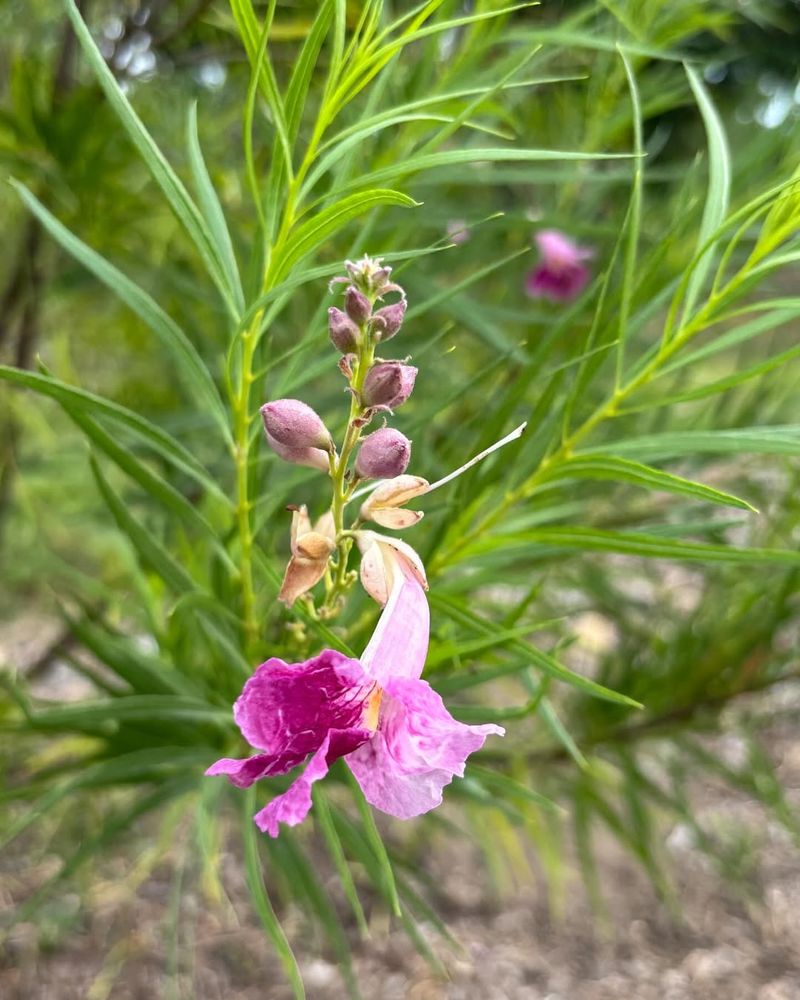
Despite the name, Desert Willow is not actually a willow at all. It belongs to the trumpet vine family, and once you see those large, fragrant, trumpet-shaped flowers in shades of pink, lavender, and purple, the family resemblance makes total sense.
It is one of the showiest flowering trees you can grow in California’s desert regions.
Planting in April sets Desert Willow up for a spectacular first bloom season. It loves full sun and thrives in the sandy, rocky soils common across California’s Mojave and Sonoran desert areas.
Good drainage is essential. The long, narrow leaves give it an elegant, fine-textured look that contrasts beautifully with chunkier desert plants like cacti and agave.
Water consistently during the first growing season to help the roots spread deep. After that, Desert Willow becomes impressively drought-tolerant and needs very little attention.
It can grow fifteen to thirty feet tall over time, making it useful as a shade tree or a tall focal point in a large garden. Hummingbirds, bees, and butterflies flock to the flowers all summer long.
In winter, it drops its leaves and goes dormant, then returns with fresh growth and flowers each spring. A truly rewarding tree for California gardeners.
10. Beavertail Cactus
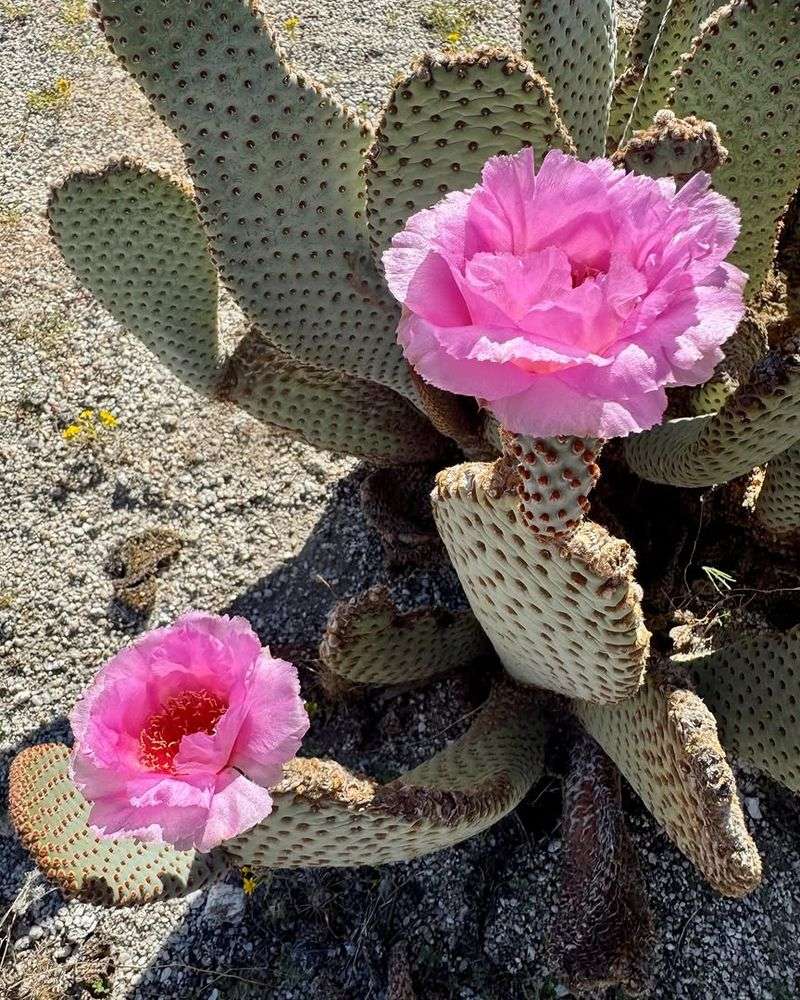
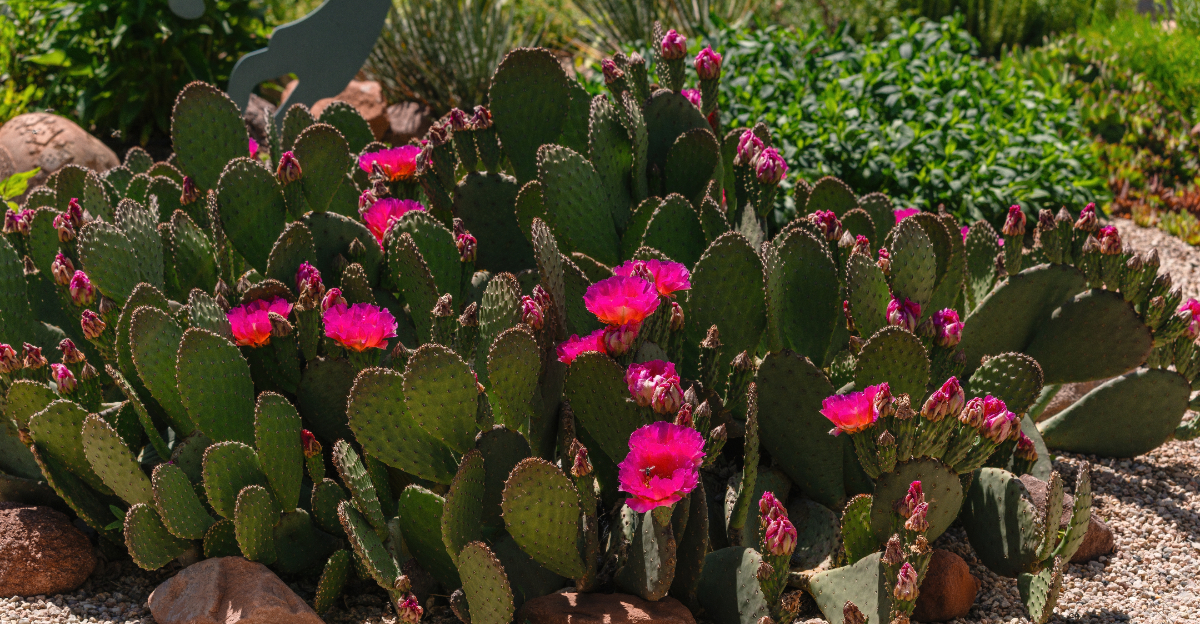
There is something undeniably fun about a Beavertail Cactus. Those flat, paddle-shaped pads really do look like a beaver tail, and when the hot-pink magenta flowers open up in spring, the whole plant looks like it is celebrating.
It is a native California cactus that brings serious personality to any desert garden.
April is a wonderful time to plant Beavertail Cactus because it can get settled before the harshest summer temperatures arrive. It grows naturally across the Mojave Desert and other arid parts of California, so it is already built for the conditions.
Full sun and extremely well-draining, sandy or rocky soil are the two most important requirements. Never let water pool around the base.
One thing to know before planting: Beavertail Cactus does not have large spines like some cacti, but it does have tiny, hairlike spines called glochids that can irritate skin. Use thick gloves when handling it.
Plant it in spots where foot traffic is minimal. Once in the ground, it needs almost no care.
An occasional deep watering during the driest months is plenty. Over time, it spreads into a low, spreading clump that blooms reliably every spring, making it one of the most satisfying low-maintenance plants in any California desert landscape.