9 Plants That Thrive With Coffee Grounds In Georgia Gardens
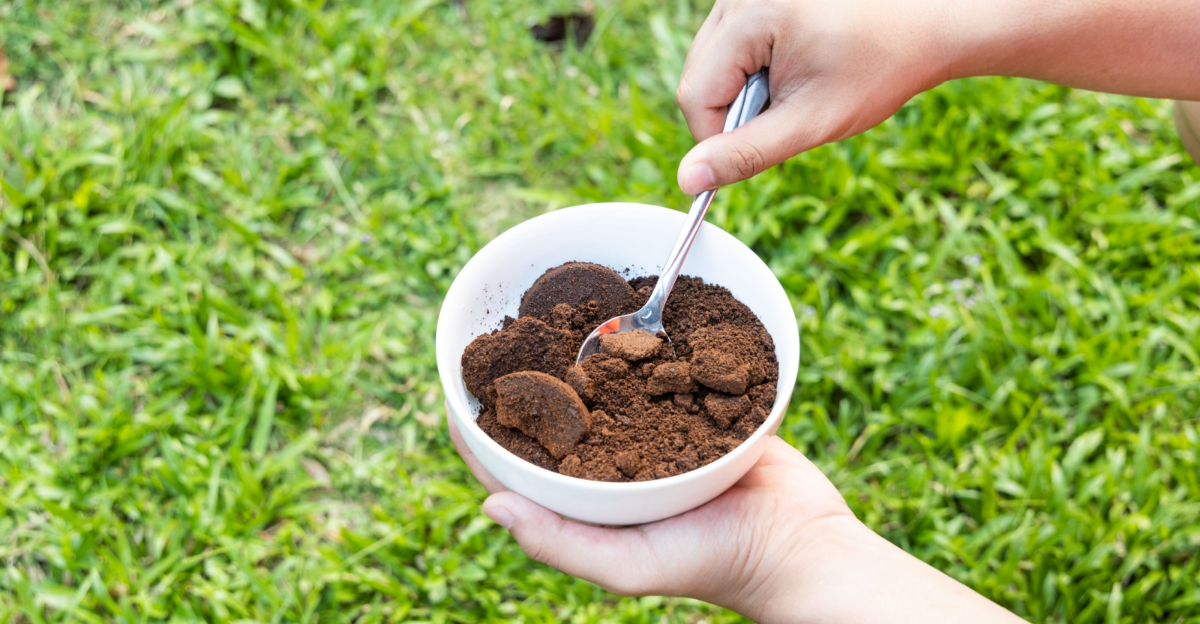
Ever wonder if your morning caffeine fix could be the secret weapon your garden is craving?
Instead of tossing those used coffee grounds, you could be fueling a lush, green paradise right in your own Georgia backyard.
While they aren’t a “magic” overnight fertilizer, these grounds are a sustainable goldmine for improving soil structure and adding vital organic matter without the harsh chemicals.
For local favorites like acid-loving azaleas or juicy berry bushes, a little recycled coffee waste goes a long way.
If you’re looking for a low-cost, eco-friendly way to boost your soil’s health, your kitchen counter might already hold the answer. Let’s spill the beans on gardening with coffee!
1. Azaleas Benefit From Organic Matter In Acidic Soil
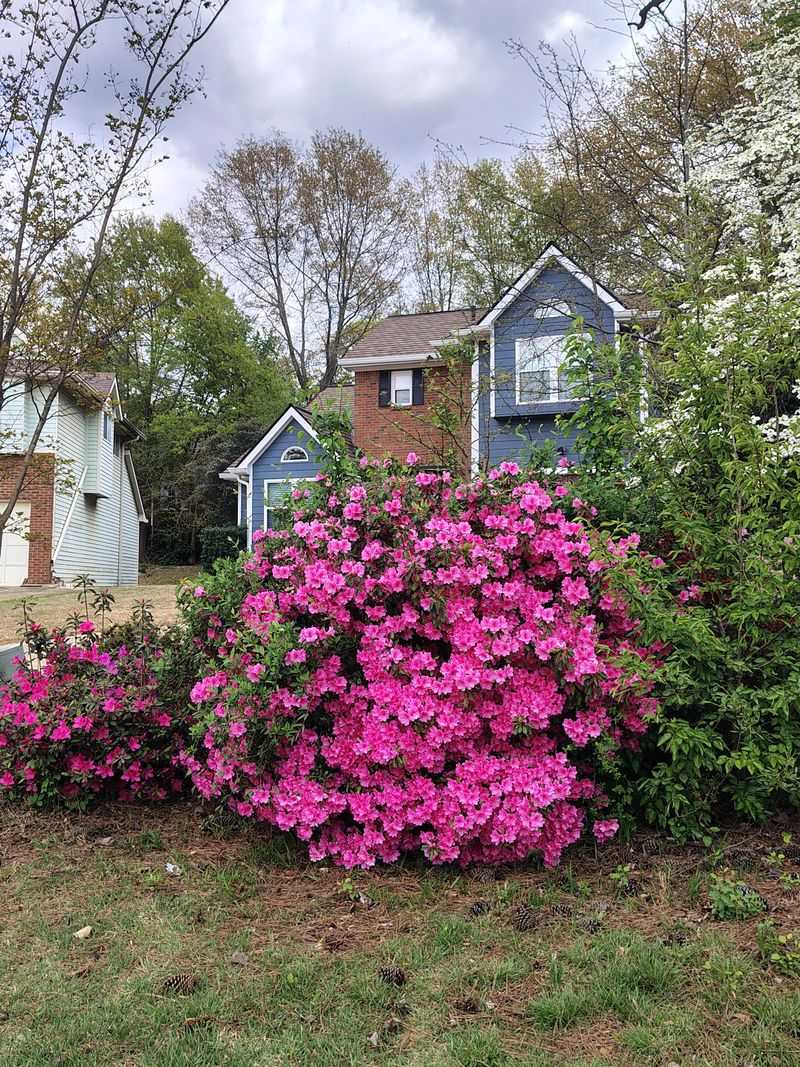
Georgia’s red clay soil can be tricky for acid-loving plants, and azaleas are a great example of a shrub that responds well when organic matter is worked into the ground around it.
Azaleas prefer a soil pH between 4.5 and 6.0, which aligns with conditions that composted coffee grounds can help support over time.
Rather than dumping fresh grounds directly onto the soil, composting them first helps break down the material and reduces the risk of mold or compaction.
Spreading a thin layer of compost that includes coffee grounds around the base of your azaleas, while keeping it away from the stems, can gradually improve soil texture and encourage beneficial microbial activity.
Specialists recommend testing your soil before making any amendments so you have a clear understanding of your starting point.
Coffee grounds alone will not dramatically shift pH, but as part of a broader composting routine, they contribute to the kind of loose, organic-rich soil azaleas appreciate.
Pairing coffee grounds with pine bark mulch, which is commonly used in Georgia, creates a layered approach to soil improvement.
Azaleas in well-amended beds tend to show healthier foliage and more consistent blooming season after season.
2. Camellias Respond Well To Improved Soil Structure
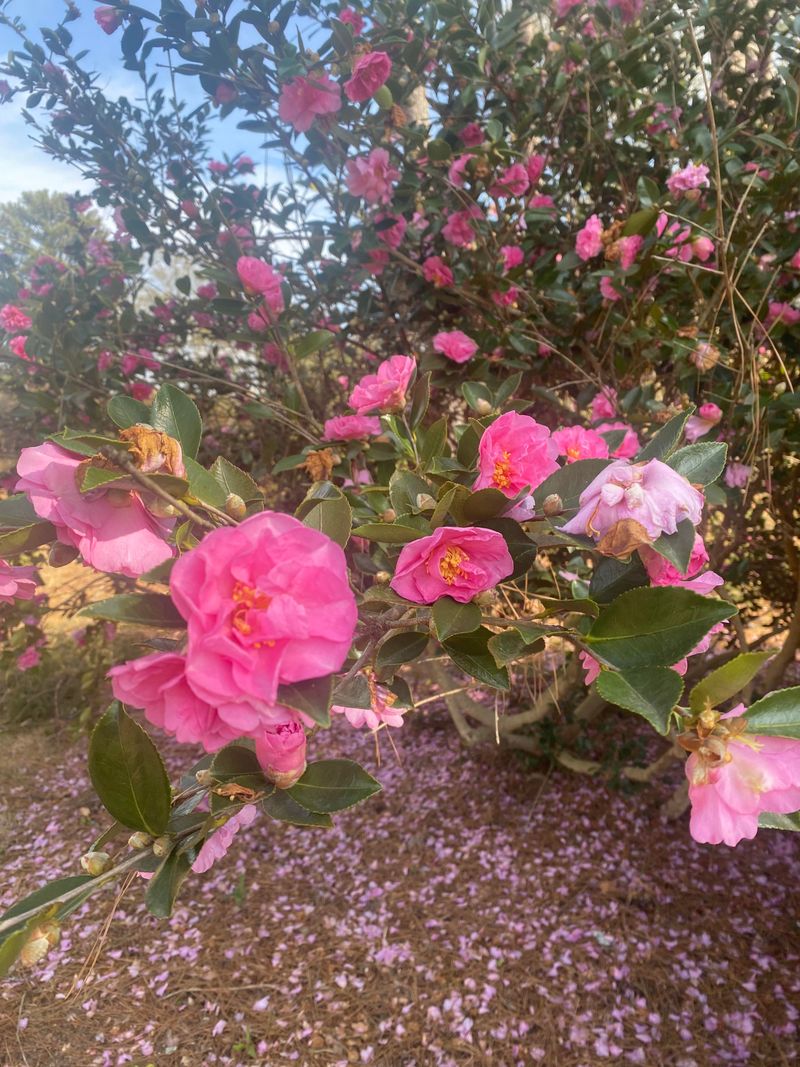
Few flowering shrubs feel as quintessentially Southern as the camellia, and Georgia gardeners have grown them for generations in front yards and along fences.
Camellias prefer slightly acidic soil, typically in the pH range of 5.5 to 6.5, and they do best when the soil drains well while still retaining some moisture.
Heavy clay soils common across parts of Georgia can work against these conditions, which is where organic amendments come in.
Working composted coffee grounds into the soil around camellias can help loosen compacted clay and introduce organic matter that supports better drainage. The key word here is composted.
Fresh coffee grounds applied in thick layers can form a crust that actually repels water rather than helping it soak in. A thin, even layer of compost mixed with grounds, applied two or three times a year, is a more reasonable approach.
Camellias are also sensitive to root disturbance, so surface application rather than digging is usually the safer method.
Mulching over the amended area helps retain moisture, which is especially useful during Georgia’s warm summers.
Your Georgia Garden Changes Every Week. Your Plan Should Too.
Gardening in Georgia changes quickly throughout the season. Every Friday you’ll receive a simple weekly plan showing exactly what to plant, prune, fertilize, harvest, and protect so you never miss the right timing.
Healthy soil structure gives camellia roots the breathing room they need to support lush foliage and reliable blooming each season.
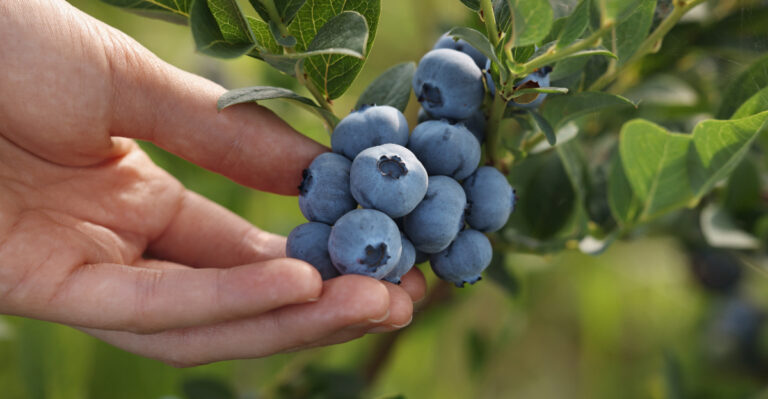
3. Blueberries Thrive In Slightly Acidic, Organic-Rich Soil
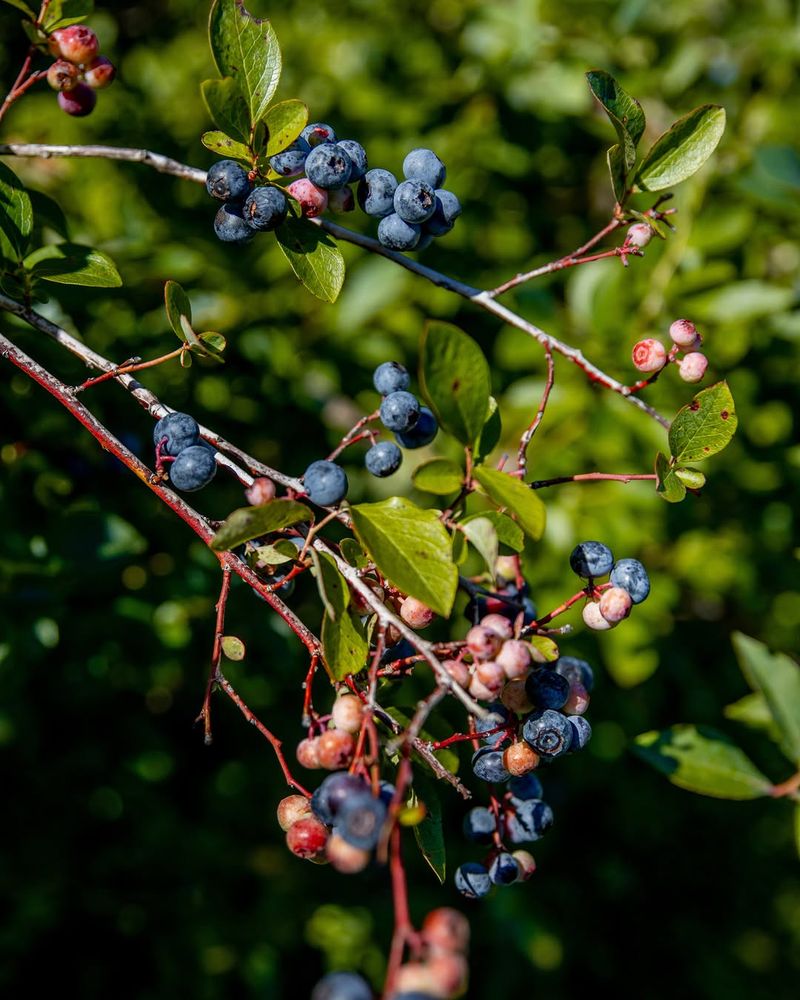
Growing blueberries in Georgia is genuinely rewarding, and the state’s climate supports several popular varieties including Rabbiteye and Southern Highbush types.
Blueberries are one of the most pH-sensitive fruits you can grow, preferring soil in the range of 4.5 to 5.5.
Getting that range right is more important than almost any other factor when it comes to fruit production and overall plant health.
Coffee grounds, when composted and blended into the soil at planting time or applied as a top dressing around established bushes, can contribute small amounts of nitrogen and organic matter.
They are not a substitute for sulfur amendments or acidifying fertilizers, but they can play a supporting role in a broader soil improvement plan.
Georgia’s native soils, especially in the Piedmont region, often need significant amendment before blueberries will truly settle in and produce well.
Mixing composted grounds with pine bark, aged wood chips, or other organic materials creates a more balanced amendment than using coffee grounds alone.
Blueberry roots are shallow and fine, so surface applications that break down gradually tend to work better than deep incorporation.
Keeping the soil consistently moist but not waterlogged is equally important, especially during Georgia’s hot summer months when moisture evaporates quickly.
4. Hydrangeas Show Subtle Changes With Soil Adjustments
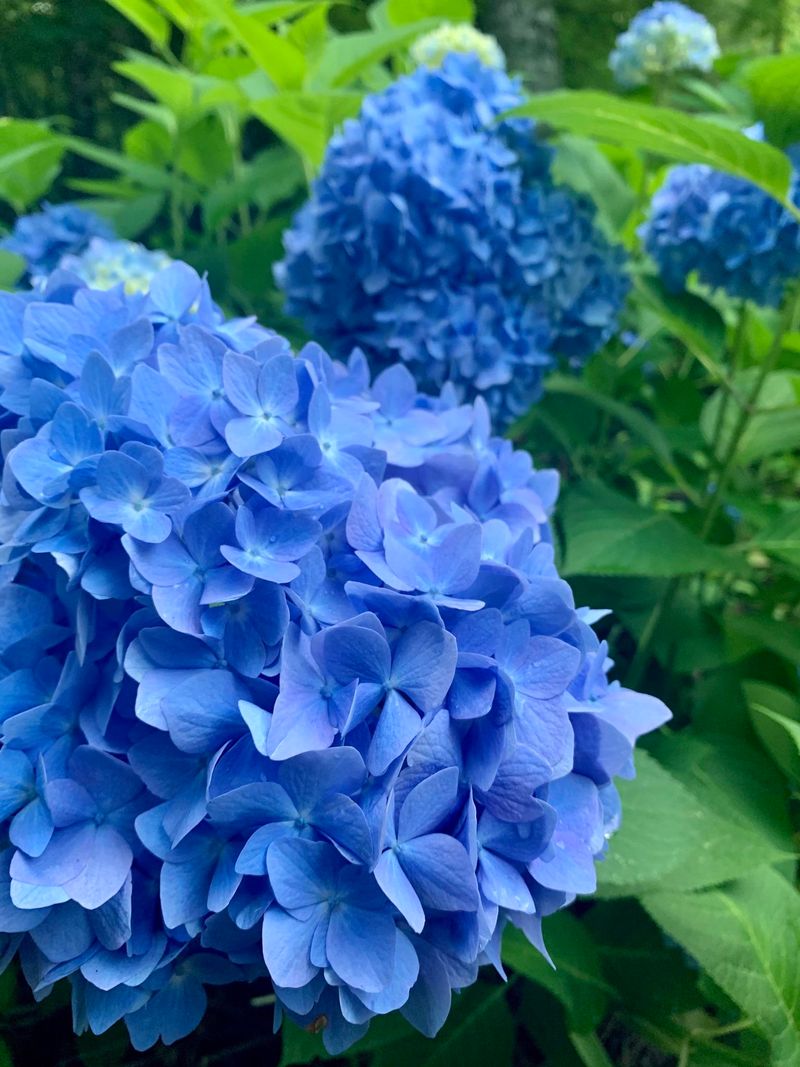
One of the most talked-about garden experiments among Georgia homeowners involves using soil amendments to shift hydrangea bloom color.
Bigleaf hydrangeas, in particular, can shift toward blue tones when soil becomes more acidic, and toward pink when it is more alkaline.
Coffee grounds, as part of a composting routine, may contribute to a slightly more acidic environment over time, though the change is rarely dramatic or quick.
Soil pH in Georgia varies quite a bit by region, so testing before making any adjustments gives you a clearer picture of what your plants actually need.
Hydrangeas generally prefer a pH between 5.5 and 6.5 depending on the variety, and most Georgia soils already fall somewhere in that range.
When using coffee grounds around hydrangeas, composting them first and applying a light layer around the drip line is the most practical approach. Avoid piling amendments against the main stem.
Hydrangeas also appreciate consistent moisture, and the organic matter from composted grounds can help soil hold water more effectively during Georgia’s drier stretches in late summer.
Patience is key, as soil changes happen gradually.
5. Rhododendrons Appreciate Loose, Well-Amended Soil
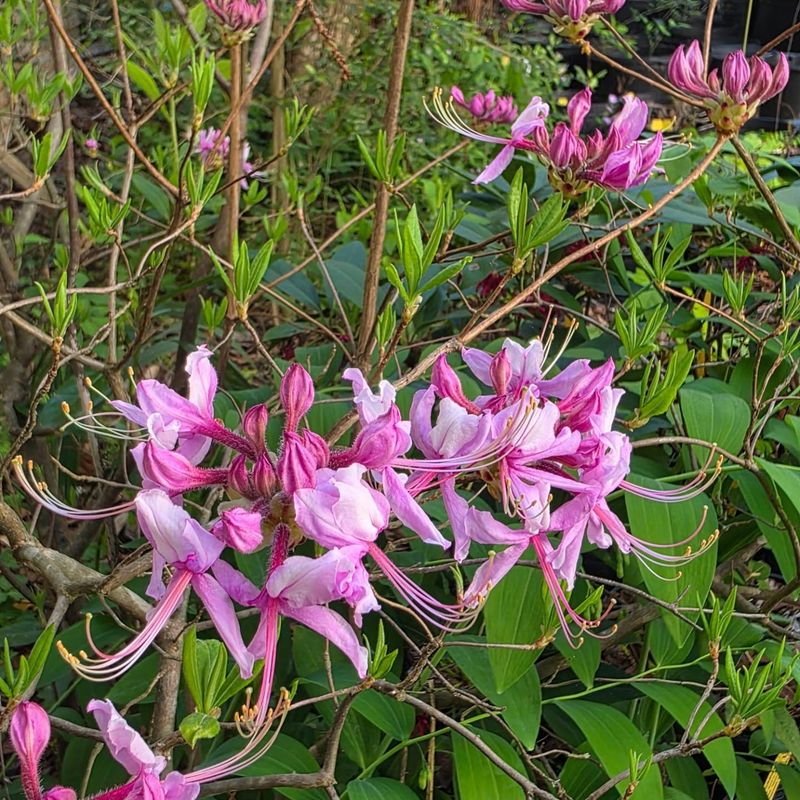
Rhododendrons can be a bit particular, and Georgia gardeners who have struggled with them often discover that soil preparation makes all the difference.
These shrubs share a close botanical relationship with azaleas and have similar soil preferences, favoring a pH between 4.5 and 6.0 and conditions that are loose, well-drained, and rich in organic matter.
Compacted or heavy clay soils are among the most common reasons rhododendrons underperform in Georgia landscapes.
Composted coffee grounds, worked into the planting area before installation or top-dressed around established plants, can help introduce organic matter that improves both drainage and aeration.
Because rhododendrons have shallow, fibrous root systems, they benefit from a soil environment that stays loose and easy for roots to spread through.
A few inches of organic mulch on top of the amended soil helps maintain those conditions over time.
Georgia’s variable rainfall means rhododendrons may experience dry spells followed by heavy rain, and well-amended soil handles both extremes more gracefully than dense clay.
Coffee grounds should always be composted before use to avoid matting on the soil surface.
Incorporating them alongside leaf mold or pine straw compost gives rhododendrons a richer soil environment to establish in, especially during the first few growing seasons in a new bed.
6. Gardenias Grow Better With Rich, Organic Additions
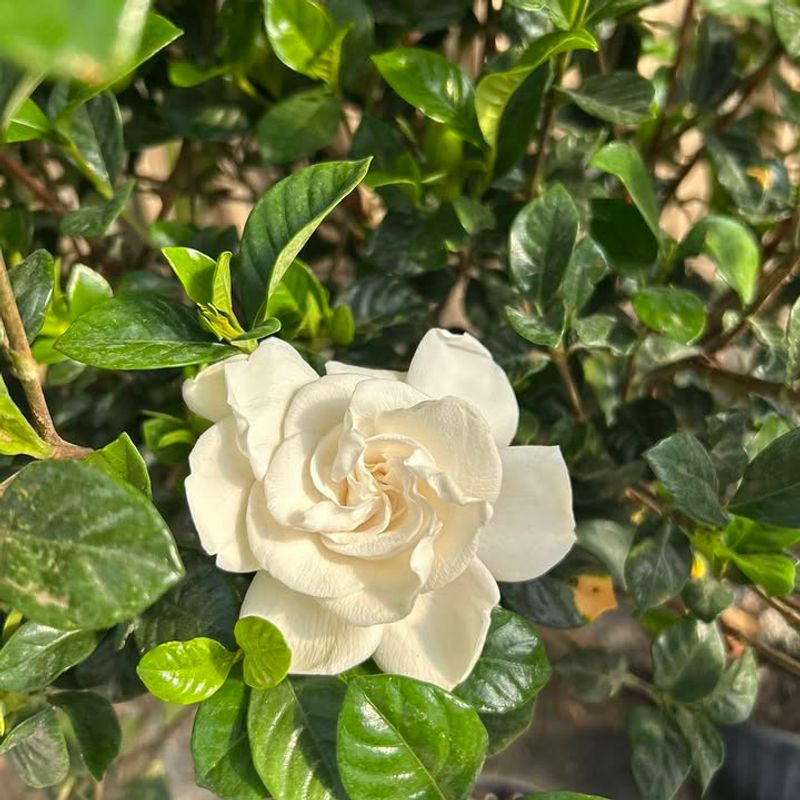
The fragrance of gardenias on a warm Georgia evening is one of those sensory experiences that gardeners remember for years. Getting gardenias to thrive, though, requires some attention to soil quality.
They prefer a pH between 5.0 and 6.0 and tend to show signs of stress, including yellowing leaves, when soil conditions drift too far from that range or when organic matter is lacking.
Composted coffee grounds can be a useful addition to gardenia beds when applied thoughtfully.
A light top dressing of compost that includes coffee grounds, spread around the drip line and kept away from the main stem, introduces organic material that breaks down slowly and feeds soil microbes.
Those microbes play a key role in nutrient availability, particularly for nitrogen, which gardenias use to support their glossy, dark foliage.
Georgia’s warm, humid summers create conditions where soil organic matter breaks down relatively quickly, which means regular additions throughout the growing season can help maintain soil quality.
Gardenias also appreciate consistent moisture, and organic-rich soil tends to hold water more evenly than sandy or heavily compacted ground.
Pairing composted grounds with a layer of pine bark mulch is a practical combination that many Georgia gardeners find works well for these fragrant, classic Southern shrubs.
7. Holly Adapts Well To Soil With Added Organic Matter
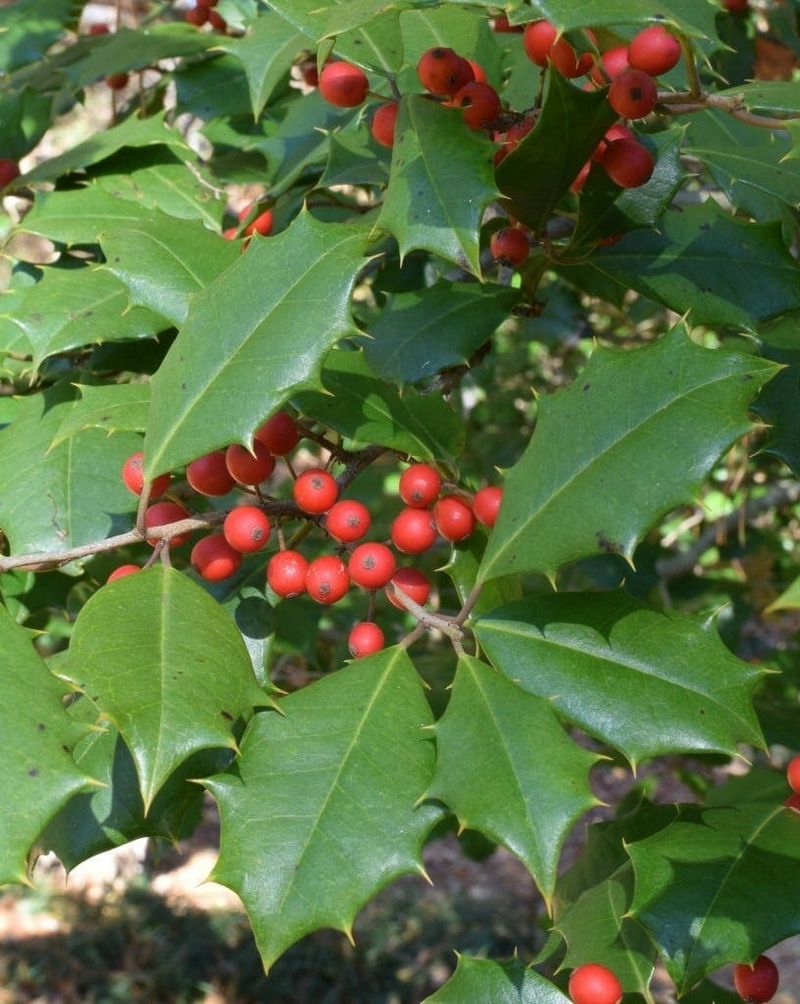
Holly is one of the most versatile and widely planted shrubs across Georgia, appearing in foundation plantings, hedgerows, and naturalized areas throughout the state.
Native species like American holly and popular cultivars such as Nellie Stevens adapt to a fairly wide range of soil conditions, but they tend to perform better when soil is slightly acidic and rich in organic matter.
A pH between 5.0 and 6.0 is generally considered a comfortable range for most holly varieties.
Adding composted coffee grounds to the soil around holly plants contributes organic material that supports microbial life and gradually improves soil texture.
This matters more in Georgia’s clay-heavy soils, where drainage can be a limiting factor for root development.
Loose, organically amended soil allows holly roots to establish more easily and access water and nutrients more efficiently throughout the growing season.
Holly is a fairly forgiving plant, so it does not require dramatic soil adjustments to grow well. Modest, consistent additions of compost that include coffee grounds are more effective than large, infrequent applications.
Spreading a thin layer of amended compost around the base each spring, followed by a few inches of mulch, creates conditions that support steady growth.
Georgia’s mild winters and long growing seasons give holly plenty of time to benefit from improved soil year after year.
8. Ferns Enjoy Moist, Organic-Rich Soil Conditions
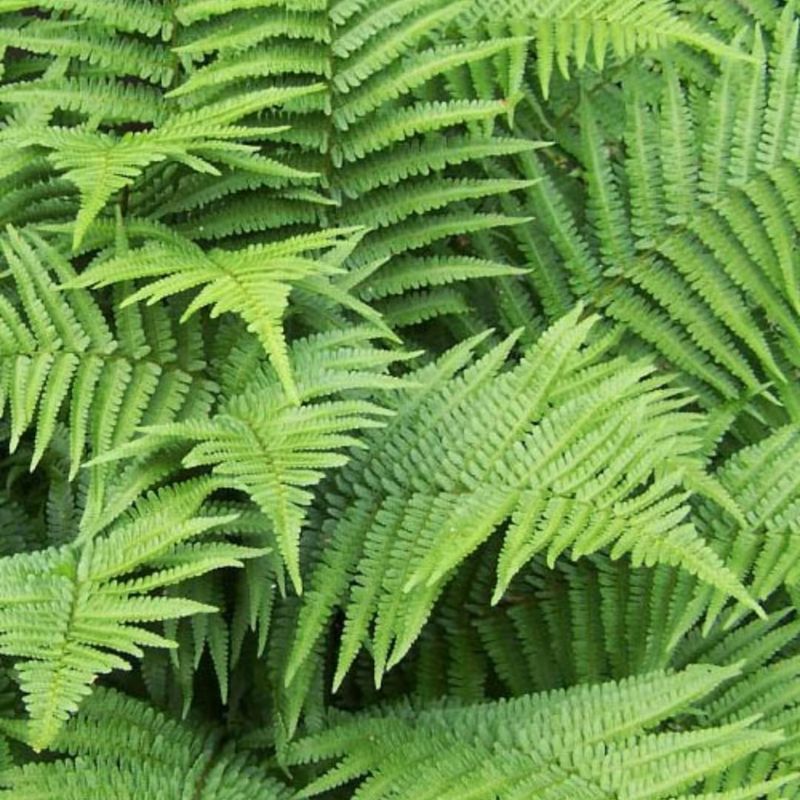
Shaded corners of Georgia gardens often belong to ferns, and for good reason. These ancient plants have thrived in woodland environments for millions of years, and they bring a lush, layered texture to spots where other plants might struggle.
Most ferns grown in Georgia gardens prefer moist, slightly acidic soil that stays rich in organic matter, conditions that mirror the forest floor environments where many of them grow naturally.
Coffee grounds, composted and mixed into the soil or added as part of a regular top dressing, contribute to the kind of spongy, organic-rich substrate that ferns find comfortable.
The organic matter helps retain moisture between rain events, which is especially helpful during Georgia’s warmer months when surface soil can dry out quickly even in shaded areas.
Fern roots tend to stay relatively shallow, so surface amendments work well without the need for deep soil disturbance.
Cinnamon fern, Southern wood fern, and Christmas fern are among the native options well suited to Georgia landscapes, and all of them appreciate the consistent moisture that organic-rich soil provides.
Mixing composted grounds with leaf litter or shredded bark creates a layered, forest-floor-like mulch that ferns respond to positively.
Keeping the application thin and even helps prevent any compaction that might otherwise reduce water movement through the soil.
9. Hostas Benefit From Improved Soil Texture And Moisture
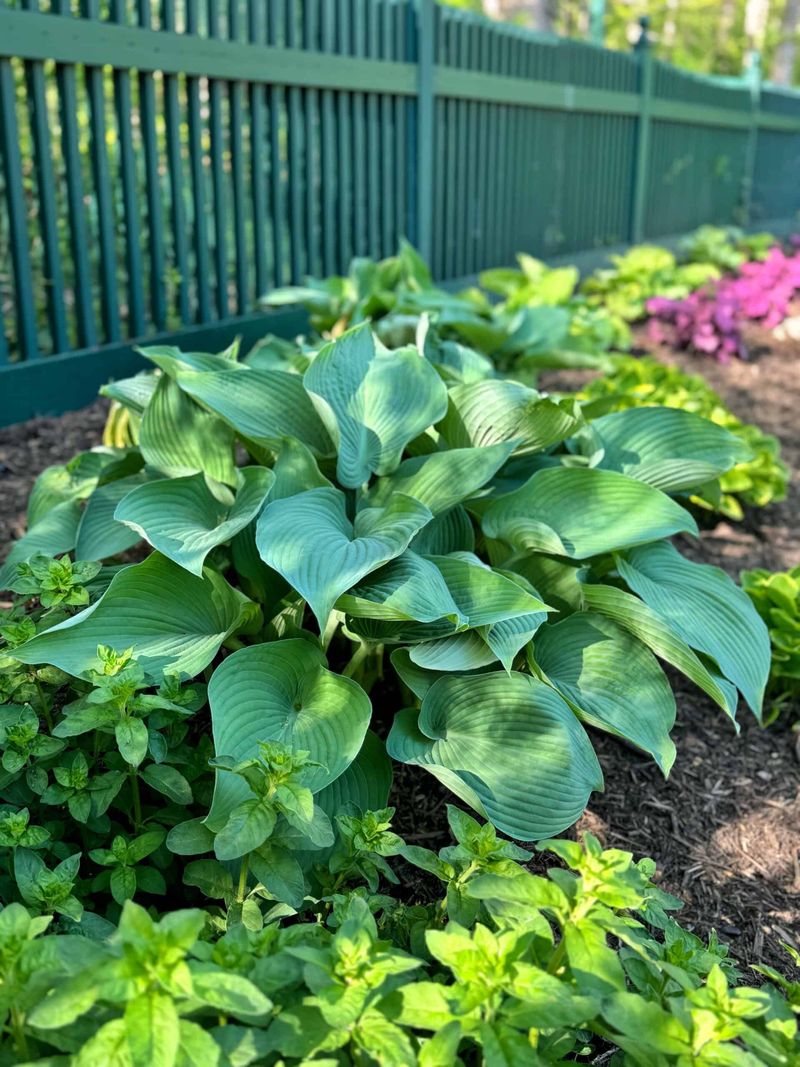
Hostas have earned a loyal following among Georgia shade gardeners, and their bold, textured leaves bring structure to spots under trees or along north-facing walls.
While hostas are known for being relatively adaptable, they genuinely do better when soil conditions support consistent moisture retention and good drainage at the same time.
Sandy soils drain too fast, and compacted clay holds too much water, so improving soil texture with organic matter makes a real difference.
Composted coffee grounds, blended into the soil or worked into existing beds as a top dressing, add organic material that helps strike that balance.
The grounds contribute to a looser soil structure over time, which allows hosta roots to spread more easily and access nutrients more efficiently.
Because hostas are heavy feeders during the growing season, a soil environment that supports microbial activity helps make nutrients more available without relying entirely on synthetic inputs.
Georgia summers can be tough on hostas, particularly in areas with afternoon sun exposure or extended dry periods.
Organic-rich soil holds moisture longer between watering sessions, reducing stress on the plant during heat spikes.
Applying composted grounds in early spring, just as new growth emerges, gives the material time to integrate into the soil before the most demanding part of the growing season begins.
A layer of shredded leaf mulch on top helps lock in that moisture.