8 Reasons Why Your Bird Of Paradise Isn’t Blooming In North Carolina (And How To Fix It)
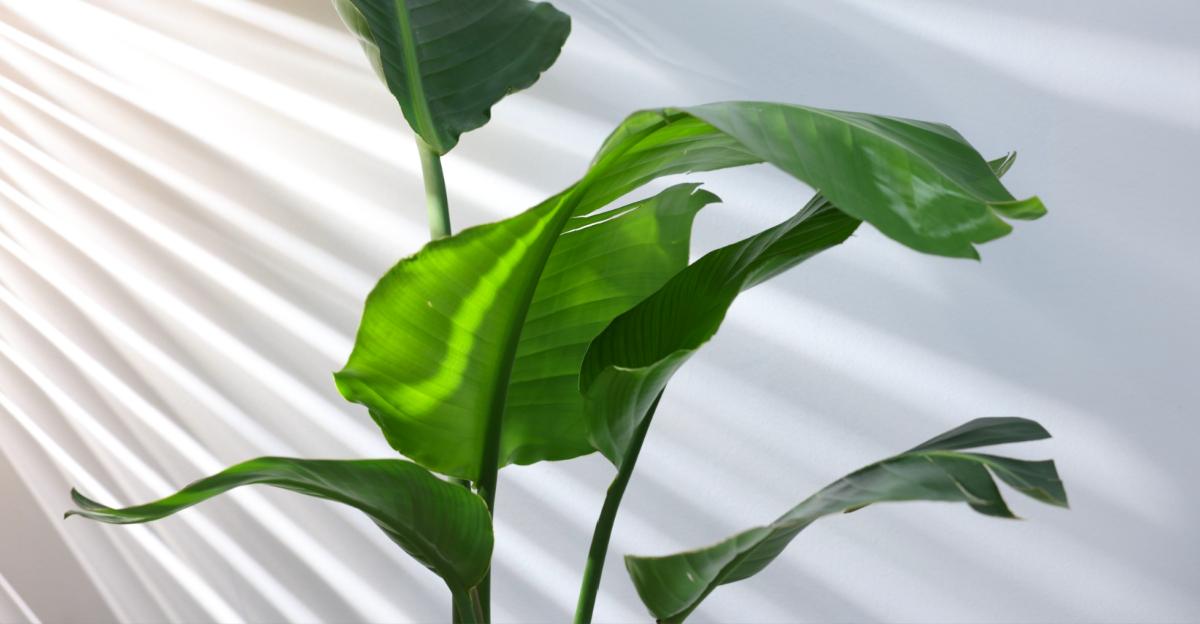
If you’ve ever stared at your Bird of Paradise in North Carolina and wondered why it looks like a lush tropical fan but won’t produce a single bloom, you aren’t alone.
These plants are famous for their stunning, crane-like flowers, yet many Tar Heel gardeners find themselves stuck with nothing but big, green leaves.
Since our climate is a far cry from the tropics, most of us treat these beauties as indoor roommates for much of the year. The secret to that elusive flower lies in North Carolina’s dramatic seasonal shifts.
Understanding how to navigate our specific light and temperature swings is the key to finally getting your Bird of Paradise to show off its colors.
1. Low Light Limits Blooming Potential Indoors
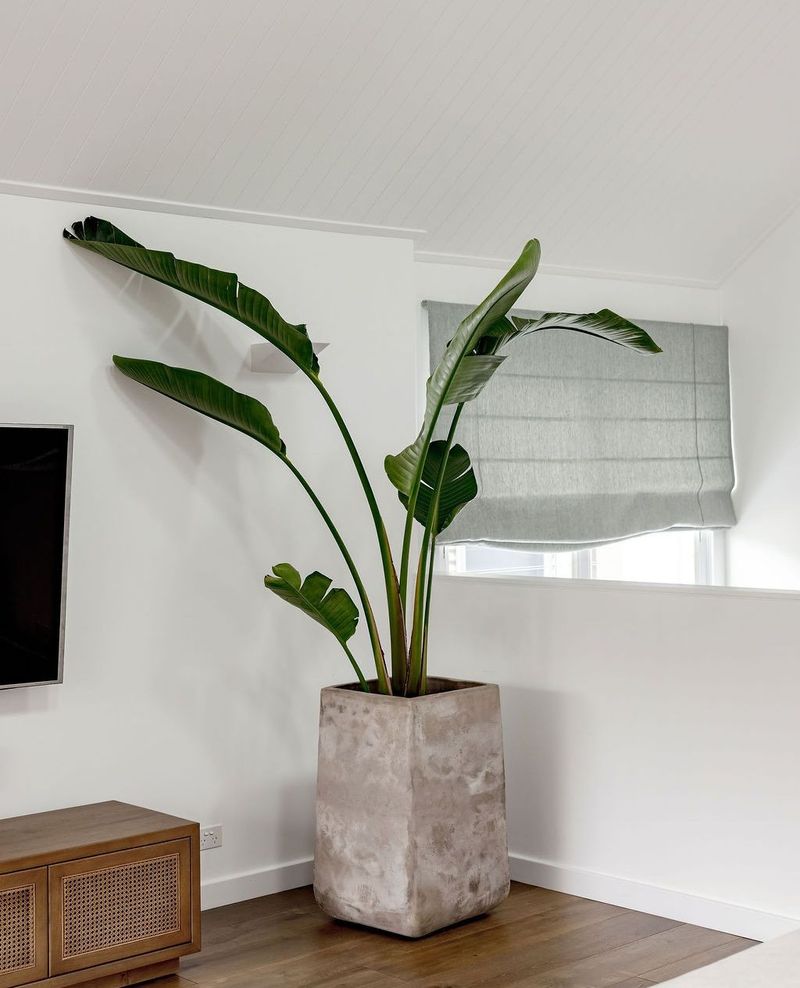
Many North Carolina homeowners keep their Bird of Paradise indoors year-round, and while that protects the plant from cold winters, it often means the plant simply isn’t getting enough light to trigger flowering.
Bird of Paradise needs at least four to six hours of direct sunlight each day to produce its iconic blooms.
When grown inside, most rooms just can’t deliver that level of brightness consistently.
South- or west-facing windows are your best option in North Carolina homes. These orientations tend to catch the most intense light throughout the day, especially during shorter winter months when the sun sits lower in the sky.
Even with a good window, light levels drop significantly compared to outdoor conditions.
If natural light is limited in your space, a full-spectrum grow light can fill in the gaps. Position the grow light close enough to the plant and run it for about 12 to 14 hours daily during fall and winter.
Once North Carolina temperatures climb above 55°F consistently in spring, moving the plant to a sunny outdoor patio or deck can provide the intense light boost it needs.
A few months of strong outdoor sunlight can actually set the stage for blooming in the following season, so don’t underestimate the value of that warm-weather light exposure.
2. Young Plants Need Time Before They Flower
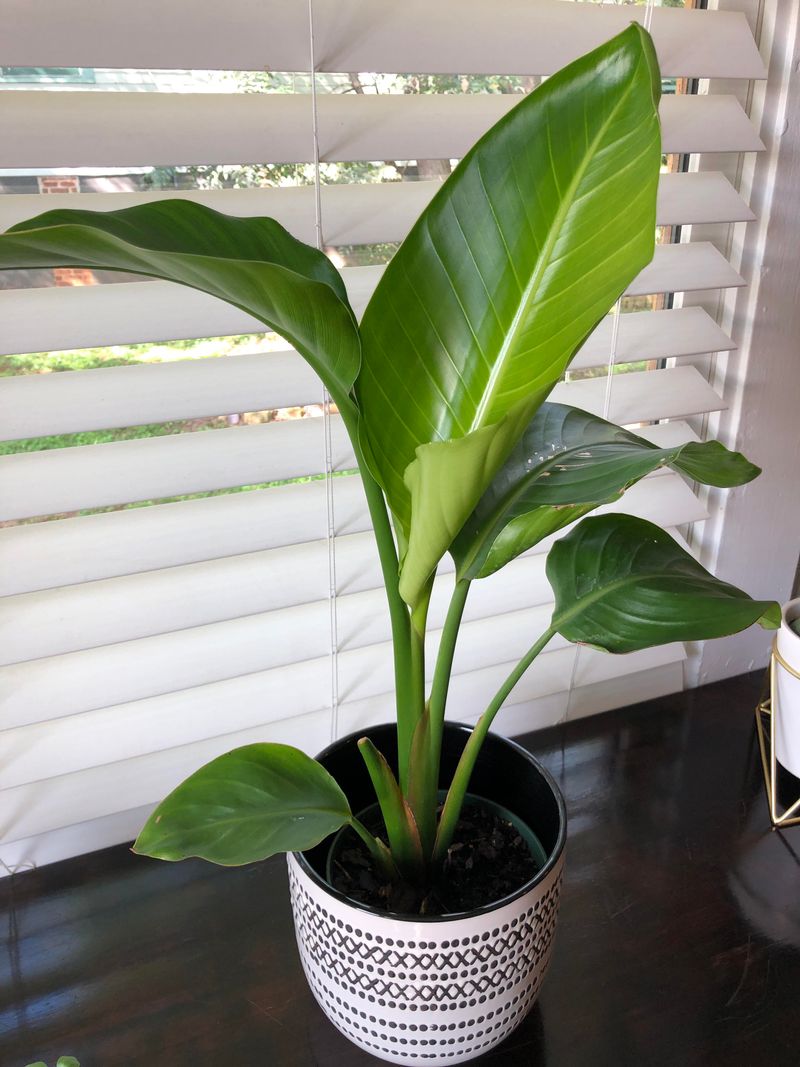
Patience is probably the most underrated tool in a North Carolina gardener’s toolkit when it comes to Bird of Paradise. Plants grown from seed can take anywhere from three to five years before they even consider producing a single flower.
Even plants started from divisions typically need two to three years to settle in and reach blooming maturity.
It can be genuinely discouraging to water and care for a plant season after season with no blooms to show for it. But strong leaf growth during those early years is actually a good sign.
The plant is building the root structure and energy reserves it needs before it shifts its focus toward flowering.
If you purchased your Bird of Paradise recently from a garden center in North Carolina, ask about its age or growing history if possible. Younger starter plants are often sold before they’re ready to bloom.
A plant that’s been in the same container for several years and has a well-established root system is far more likely to reward you with flowers. Keep providing consistent care, bright light, and seasonal outdoor time during warm North Carolina months.
Your North Carolina Garden Changes Every Week. Your Plan Should Too.
Gardening in North Carolina changes quickly throughout the season. Every Friday you’ll receive a simple weekly plan showing exactly what to plant, prune, fertilize, harvest, and protect so you never miss the right timing.
The blooms will come, but rushing the process by changing care routines too often can actually reset the plant’s flowering timeline and extend the wait even longer.
3. Too Much Nitrogen Encourages Leaves Over Flowers
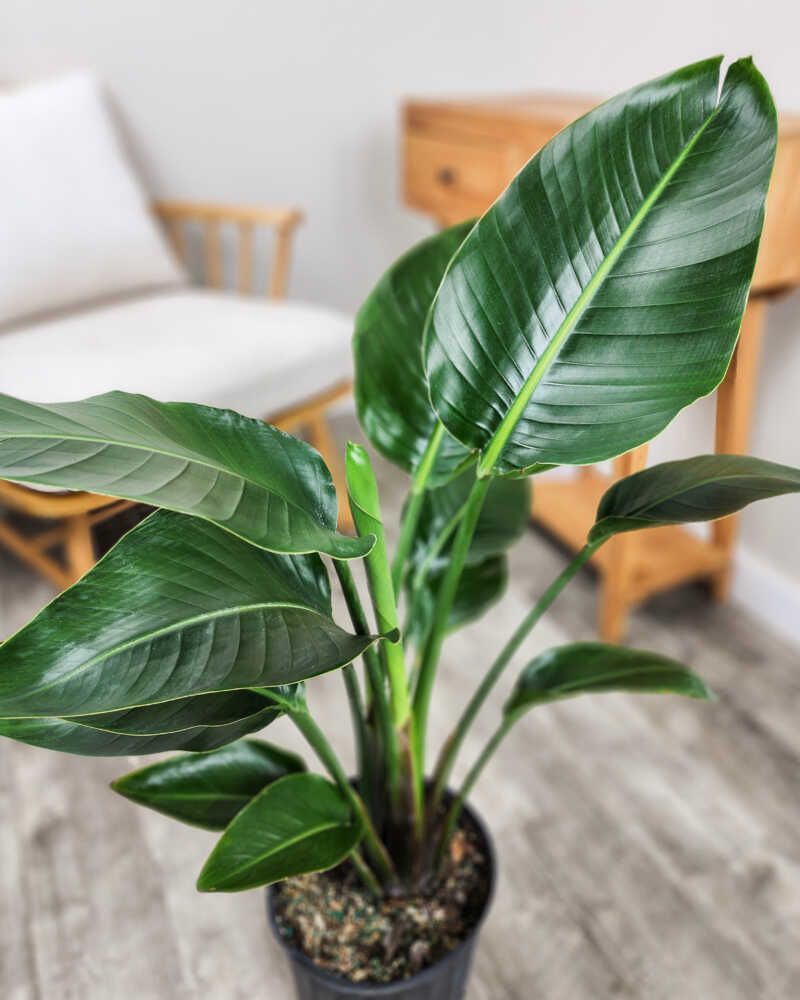
Walk into almost any garden center in North Carolina and you’ll find shelves lined with general-purpose fertilizers that are loaded with nitrogen. Nitrogen is fantastic for pushing green, leafy growth, which is why so many houseplants seem to thrive on it.
For Bird of Paradise, though, too much nitrogen is one of the sneakiest reasons blooms never show up.
When a plant receives more nitrogen than it needs, it channels most of its energy into producing foliage rather than flowers. You end up with a lush, impressive-looking plant that never blooms.
Switching to a fertilizer with a higher phosphorus content during the growing season can shift the plant’s priorities toward flowering instead.
Look for fertilizers where the middle number in the N-P-K ratio is higher than the first. Apply fertilizer during spring and summer when the plant is actively growing, and ease off during fall and winter when growth naturally slows.
In North Carolina, where indoor plants may stay in lower-light conditions through the cooler months, fertilizing too aggressively in winter can create more problems than it solves.
A slow-release granular fertilizer applied once in early spring is a straightforward approach that feeds the plant steadily without overwhelming it.
Avoid over-fertilizing altogether, since salt buildup from excess fertilizer can damage roots and further delay blooming.
4. Large Pots Can Delay Flowering
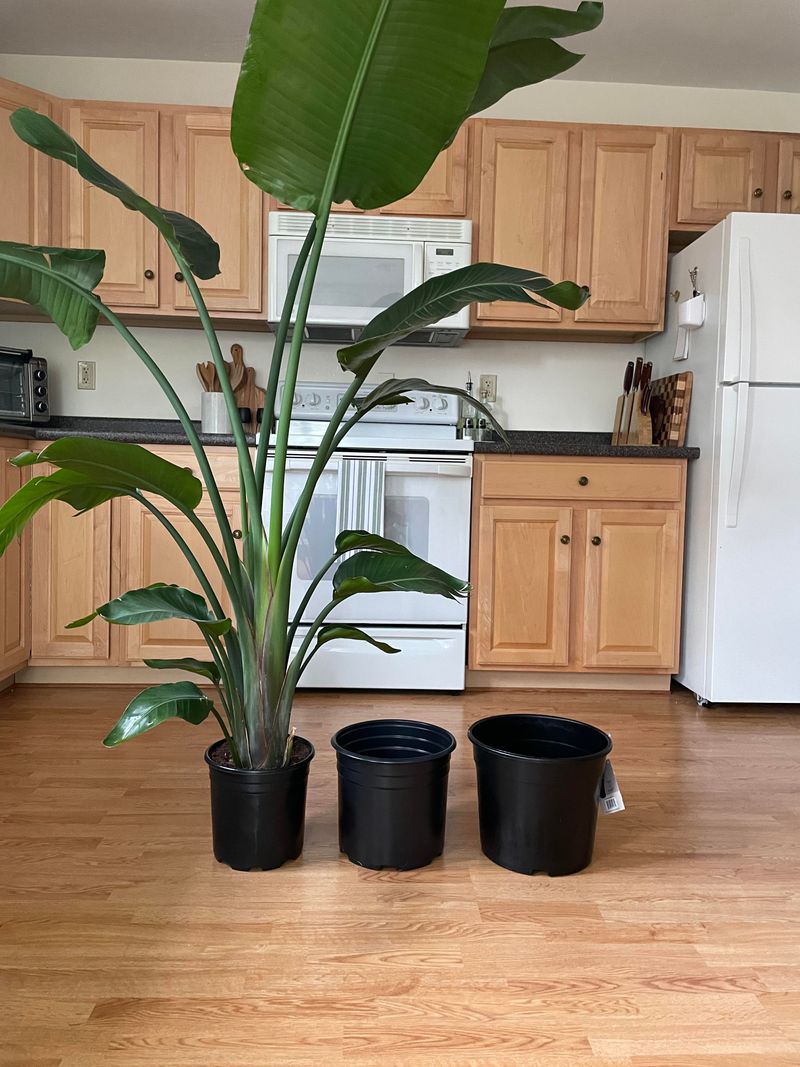
Repotting a plant into a bigger container feels like the generous thing to do, and for many houseplants it is. Bird of Paradise, however, tends to bloom more readily when its roots are a bit snug.
When you move it into a pot that’s significantly larger than its root system, the plant focuses its energy on filling that extra soil space with roots rather than producing flowers.
North Carolina gardeners who love to repot their houseplants in spring sometimes unknowingly delay blooming by going too big too fast. A pot that’s only one to two inches wider than the current root ball is usually the right move when repotting is necessary.
Going up four or more inches in diameter can set blooming back by a full growing season or longer.
If your Bird of Paradise has been sitting in a large pot for a while with no flowers, consider whether the container size might be part of the issue. You don’t necessarily need to repot it into something smaller, but avoiding another upsizing move is a smart step.
Let the roots fill the current pot naturally. Once you notice roots starting to push through the drainage holes or the plant becoming slightly top-heavy, that’s typically a signal that it’s comfortably established.
That snug root environment is often exactly what nudges a Bird of Paradise toward producing its first blooms.
5. Inconsistent Watering Can Stress The Plant
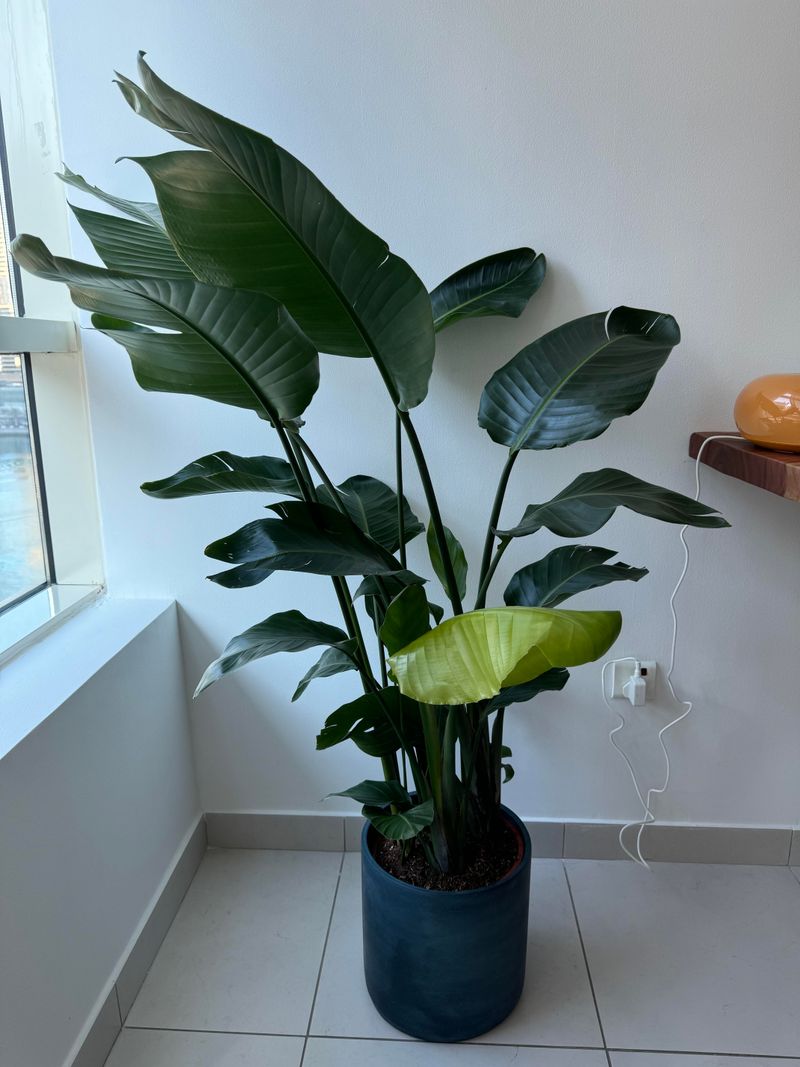
Watering habits might seem straightforward, but Bird of Paradise is surprisingly sensitive to inconsistency.
Going from soggy soil one week to bone-dry conditions the next puts the plant under stress, and a stressed plant rarely has the energy or stability to produce flowers.
In North Carolina, indoor humidity levels and temperature shifts across seasons can make it tricky to settle into a reliable watering routine.
During the active growing season in spring and summer, the goal is to keep the soil consistently moist without letting it sit in standing water.
Allowing the top inch or two of soil to dry out between waterings is a reasonable approach that prevents both drought stress and root issues from overwatering.
Make sure the pot has adequate drainage holes so excess water can escape freely.
In fall and winter, North Carolina’s lower indoor humidity and cooler temperatures mean the plant uses water more slowly. Reducing watering frequency during these months is sensible, but don’t let the soil dry out completely for extended periods.
Checking the soil with your finger before watering, rather than following a fixed schedule, helps you respond to the plant’s actual needs rather than just the calendar.
Building a steady, attentive watering routine over time creates the stable growing environment that Bird of Paradise needs to shift from survival mode into blooming mode.
6. Dry Indoor Air Reduces Growth Performance
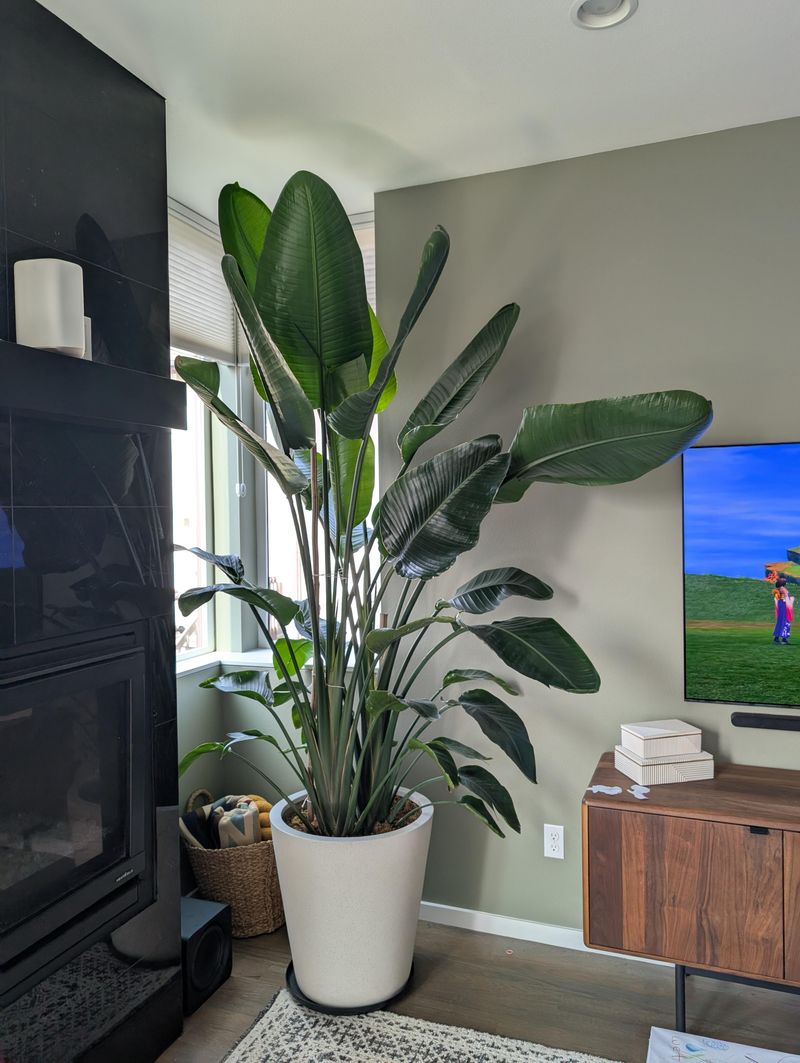
North Carolina winters might not be as brutal as those in northern states, but indoor heating systems still strip a significant amount of moisture from the air inside homes.
Bird of Paradise is a tropical plant that naturally grows in humid environments, and when indoor air becomes too dry, the plant struggles to perform at its best.
Leaf tips may brown, growth slows, and flowering becomes even less likely.
Heating vents and radiators are particularly rough on tropical houseplants. Placing your Bird of Paradise near a forced-air vent is a common setup mistake that can quietly undermine the plant’s health over an entire season.
Moving the plant away from direct heat sources is one of the simplest improvements you can make during North Carolina’s cooler months.
Adding a humidifier near the plant can genuinely help, especially in rooms where the air feels noticeably dry. Grouping it with other houseplants also raises local humidity slightly through shared transpiration.
Misting the leaves occasionally offers a small benefit, though it’s not as effective as a dedicated humidifier. Aiming for indoor humidity levels around 40 to 60 percent gives Bird of Paradise a more comfortable environment through the winter.
When warm weather returns to North Carolina and the plant moves back outside, natural outdoor humidity levels typically provide a welcome recovery period that supports healthier growth heading into the next potential bloom cycle.
7. Lack Of Seasonal Rest Can Affect Blooming
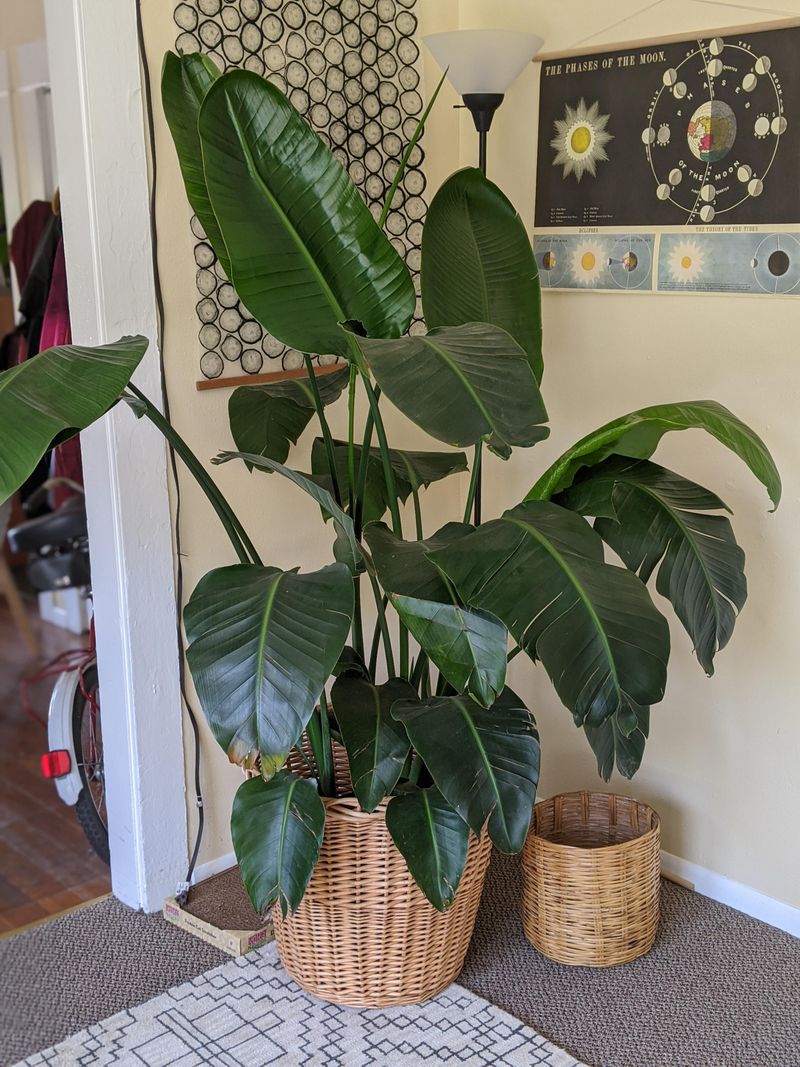
Tropical plants can sometimes fool North Carolina gardeners into thinking they need the same care year-round. Bird of Paradise actually benefits from a distinct rest period during the cooler months, and skipping that rest can interfere with its natural blooming cycle.
Without a period of reduced activity, the plant may not receive the internal cue it needs to shift into flowering mode when spring arrives.
During fall and into winter, pulling back on watering and stopping fertilization allows the plant to slow down naturally. Cooler indoor temperatures in the range of 50 to 55°F at night can actually help reinforce this rest period.
North Carolina homes that stay very warm throughout winter may inadvertently keep the plant in an active state that works against blooming.
Allowing the plant to experience slightly cooler nights near a window during late fall and winter mimics the temperature drop it would experience in its native climate. This doesn’t mean exposing it to freezing temperatures, which would cause serious harm.
A naturally cool room or a spot near a drafty but frost-free window can do the job.
Come spring, when you resume regular watering and begin fertilizing again, the plant responds to those warmer North Carolina temperatures and increasing daylight as a signal to wake up and, with any luck, start forming flower stalks over the following months.
8. Limited Outdoor Light Reduces Flowering Chances
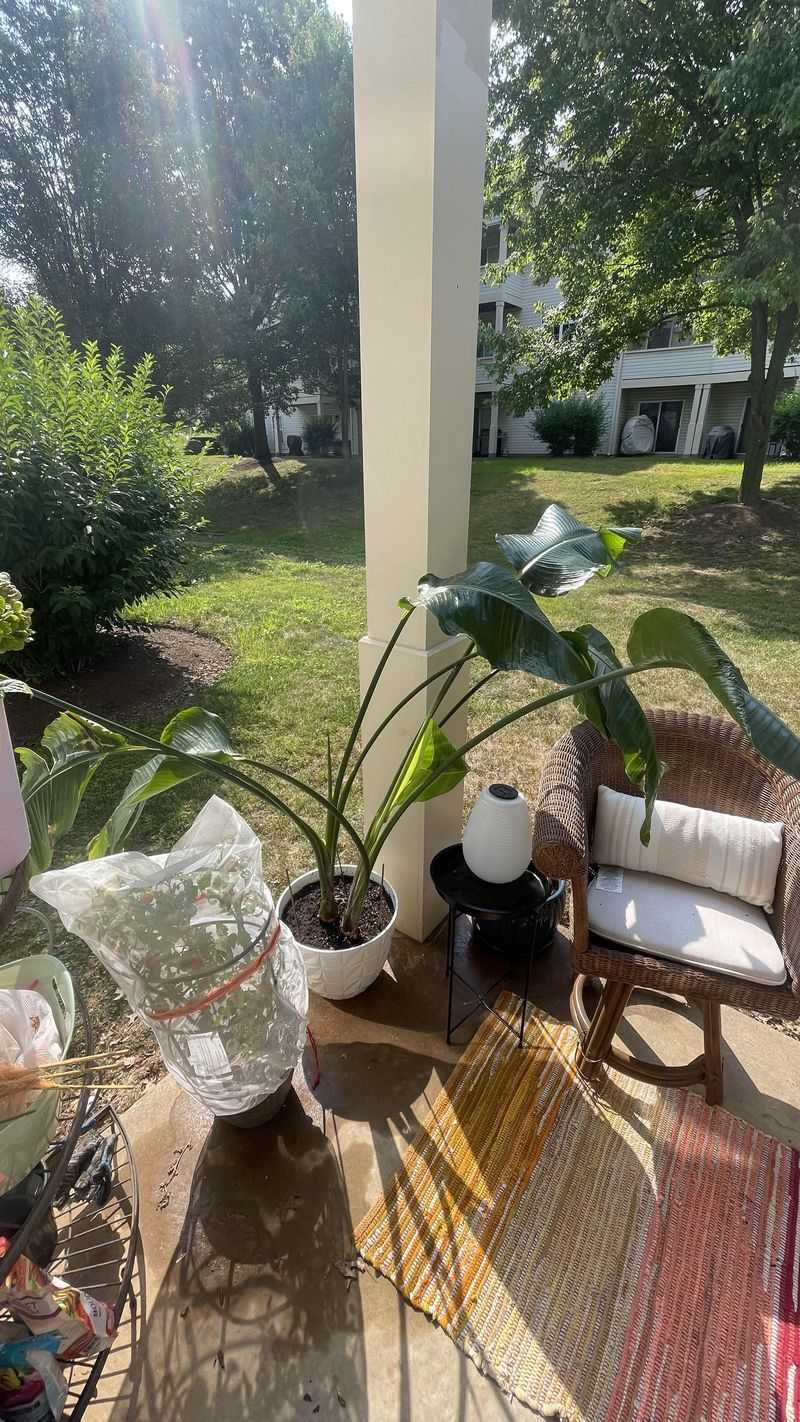
One of the most effective things a North Carolina gardener can do for a Bird of Paradise that refuses to bloom is to move it outside during the warm months. Indoor light, even from the best south-facing window, rarely matches the intensity of direct outdoor sunlight.
That gap in light quality is often the single biggest reason why container-grown Bird of Paradise plants in North Carolina look healthy but never flower.
From late spring through early fall, outdoor temperatures in most of North Carolina are warm enough for Bird of Paradise to thrive outside on a patio, deck, or sunny garden area. A spot that receives at least six hours of direct sun daily is ideal.
Acclimate the plant gradually by starting it in bright shade for a week before moving it into full sun, which helps prevent leaf scorch from the sudden intensity change.
Spending even one summer outdoors in strong North Carolina sunlight can build enough energy reserves in the plant to trigger blooming in the following season. Bring the plant back inside before nighttime temperatures drop below 55°F in fall.
With consistent outdoor summers and attentive indoor winter care, many Bird of Paradise plants that seemed permanently stuck in a no-bloom pattern do eventually produce flowers.
It takes commitment across multiple growing seasons, but the payoff of seeing that first striking bloom emerge is absolutely worth the effort.