6 Herbs You Can Still Plant In Texas In Late Spring
By late spring, it is easy to think you missed your window to plant anything useful. The main gardening season feels like it is winding down, and the Texas heat is starting to take over.
A lot of people assume it is simply too late. Herbs tell a different story. Many of them actually handle warm conditions well and can still get off to a strong start this time of year.
That is good news if you got a late start or just decided you want fresh flavor within reach. Even now, you can plant herbs that grow quickly, handle rising temperatures, and bring life to your garden and kitchen at the same time.
Instead of giving up on the season, you can still create something productive and enjoyable. In Texas, late spring is not the end of planting. It is more like a second chance that comes with plenty of flavor.
1. Basil
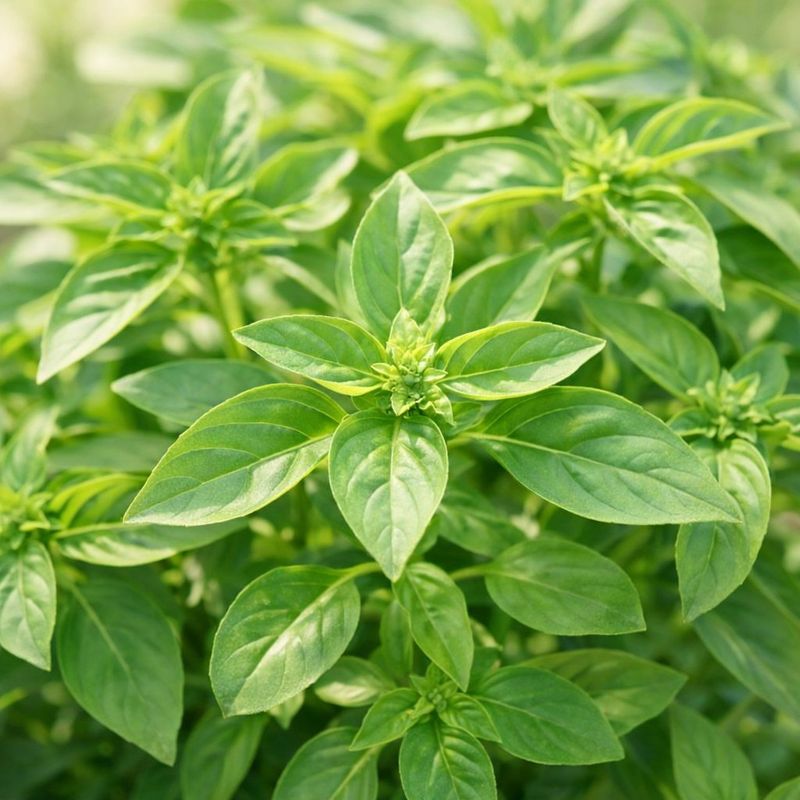
Few herbs say summer quite like basil. That sweet, peppery smell the moment you brush its leaves is almost irresistible, and the good news is that basil absolutely thrives when planted in late spring right here in Texas.
Warm soil and long sunny days are exactly what this herb needs to take off fast. Basil loves full sun, so pick a spot that gets at least six to eight hours of direct sunlight each day. Well-drained soil is a must.
If your garden soil is heavy or clay-like, mix in some compost to loosen it up and improve drainage. Basil planted in soggy ground tends to struggle, so good drainage makes a big difference.
Once your basil is in the ground, water it regularly but avoid overwatering. The top inch of soil should dry out a bit between waterings.
In the hot Texas climate, you may need to water every day during peak summer heat. Mulching around the base of the plant helps keep moisture in and soil temperatures stable.
Harvesting basil is simple and actually encourages more growth. Pinch off the top leaves regularly and remove any flower buds as soon as they appear.
Once basil starts flowering, the leaves can turn slightly bitter. Keeping those buds pinched back means you’ll have tender, flavorful leaves all season long.
Basil also does really well in containers, which is great if you have limited outdoor space. A large pot on a sunny porch works perfectly in Texas. Try growing sweet basil, Thai basil, or even lemon basil for a fun variety of flavors.
2. Oregano
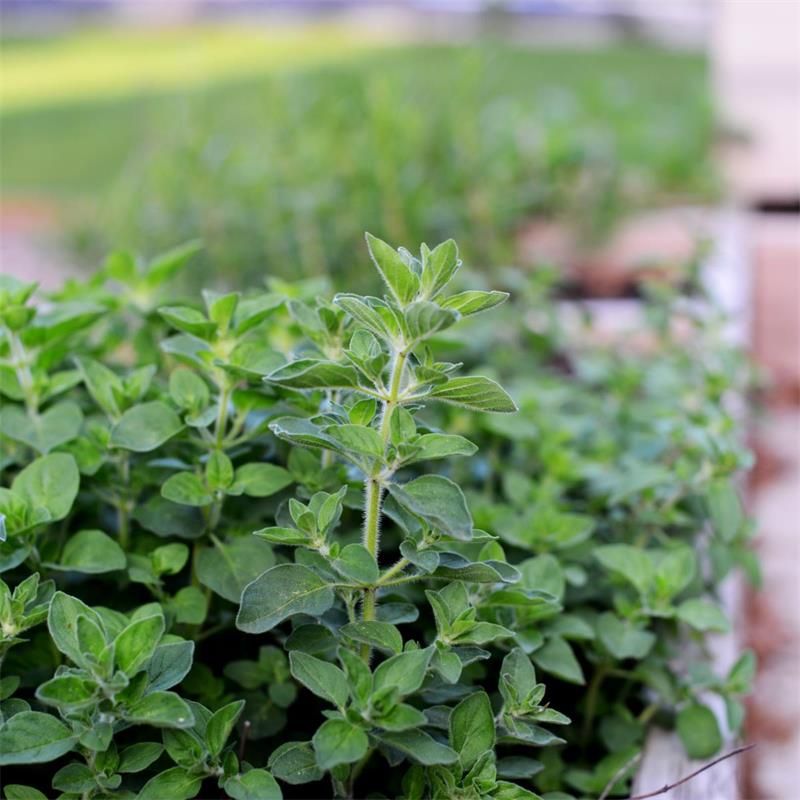
Oregano is one of those herbs that seems made for Texas. Tough, heat-tolerant, and almost impossible to ignore once it gets going, this Mediterranean herb handles the blazing Texas sun without breaking a sweat.
If you want a low-maintenance herb that keeps giving all season, oregano belongs in your garden.
Plant oregano in full sun with well-drained soil, and it will reward you generously. Sandy or loamy soil works best because oregano does not like wet roots.
In fact, this herb is naturally drought-tolerant, which is a huge advantage during those dry Texas summer stretches when watering every single plant feels like a full-time job.
Your Texas Garden Changes Every Week. Your Plan Should Too.
Gardening in Texas changes quickly throughout the season. Every Friday you’ll receive a simple weekly plan showing exactly what to plant, prune, fertilize, harvest, and protect so you never miss the right timing.
Oregano spreads nicely in garden beds, filling in gaps and creating a lush, fragrant ground cover. If you want to keep it contained, it also grows beautifully in containers or raised beds.
Space plants about twelve inches apart to give them room to spread without overcrowding each other.
One of the best things about growing oregano in Texas is how quickly it establishes itself. Within a few weeks of planting, you can begin harvesting small sprigs for cooking.
For the strongest flavor, harvest just before the plant starts to flower. The leaves are most aromatic at that stage and pack the most punch in your favorite recipes.
Did you know oregano has been used in cooking for over 2,500 years? Ancient Greeks believed it was a symbol of happiness.
Today, it’s a kitchen staple in Italian, Greek, and Mexican cuisines. Growing your own in Texas means you’ll always have fresh oregano just steps away from your stove.
3. Thyme
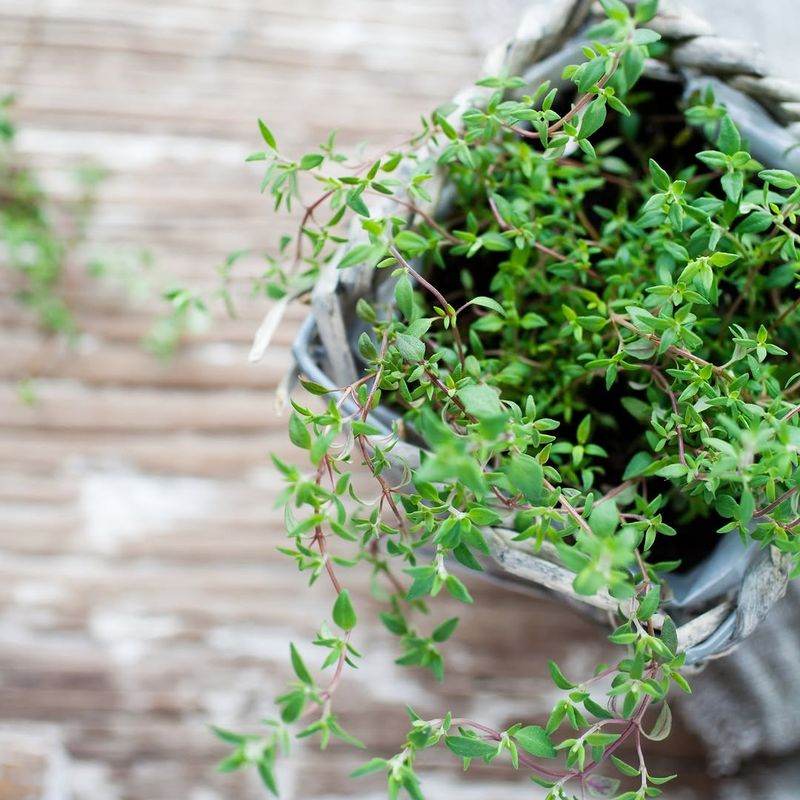
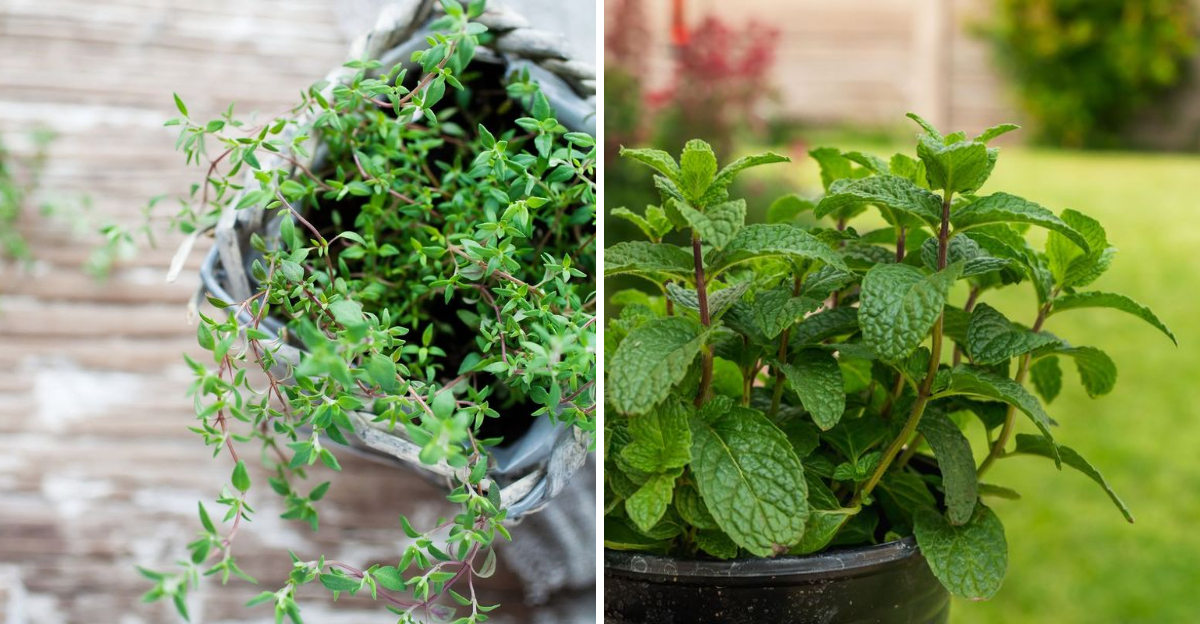
Thyme is the quiet overachiever of the herb garden. Small, low-growing, and unassuming, it just keeps thriving no matter how hot Texas gets.
If you’ve got a dry, sunny corner that you’re not sure what to do with, thyme is your answer. It was practically built for exactly that kind of spot.
Planting thyme in late spring in Texas is a smart move. The warm temperatures help it establish quickly, and once it settles in, it barely needs any attention.
Thyme thrives in full sun and prefers soil that drains well. It actually performs better in slightly lean, sandy soil than in rich, heavily amended garden beds.
Too many nutrients can make the plant leggy and reduce the intensity of its flavor. Watering thyme is easy because it truly does not need much. Let the soil dry out completely between waterings.
Overwatering is the most common mistake people make with thyme, especially in Texas where the summer heat can make gardeners feel like everything needs constant moisture. Trust the plant.
It’s tougher than it looks. Thyme works beautifully in containers, raised beds, or tucked between stepping stones in a garden path. Its low-growing habit and tiny leaves make it both practical and pretty.
In many parts of Texas, thyme can even survive mild winters and come back year after year as a perennial.
For harvesting, snip off the top few inches of stems before the plant flowers. Fresh thyme pairs wonderfully with roasted vegetables, grilled meats, and soups.
Having it growing right outside your door is a simple luxury that any Texas gardener can enjoy.
4. Rosemary
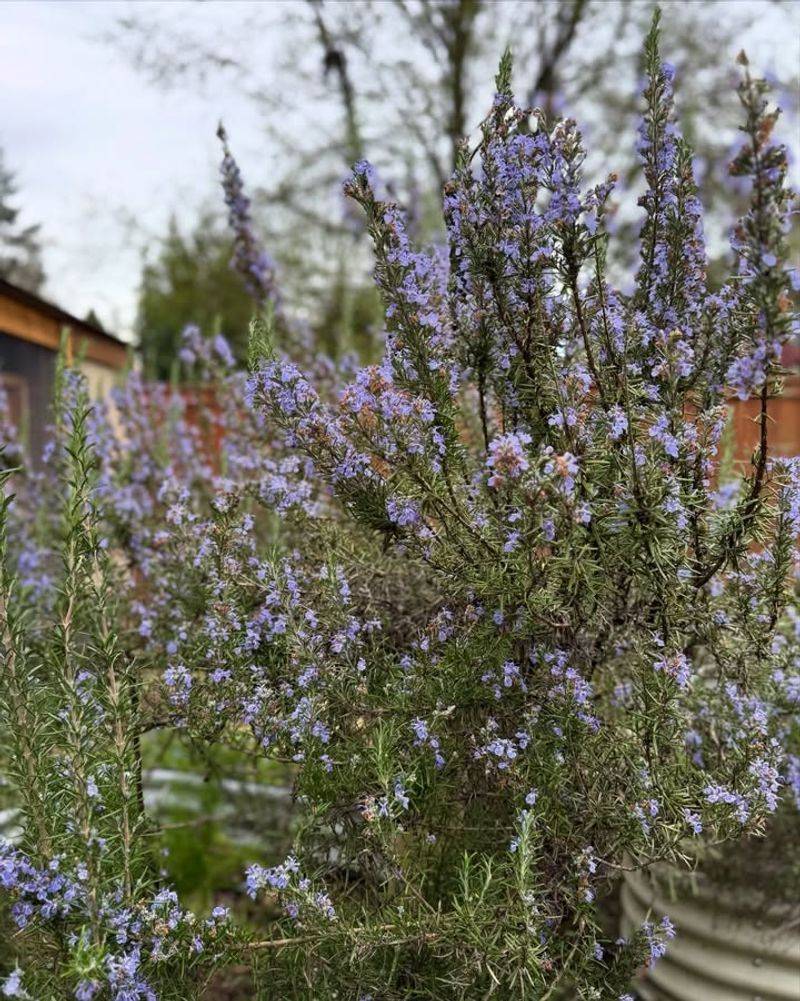
Rosemary is practically a Texas legend. Walk through almost any established Texas garden, and chances are you’ll spot a big, beautiful rosemary shrub standing tall and proud in the summer heat.
This herb doesn’t just survive in Texas, it genuinely thrives here, often growing into a large, fragrant shrub that lasts for many years.
Planting rosemary in late spring gives it the warm conditions it loves to get established quickly. Choose a spot with full sun and excellent drainage.
Rosemary has deep Mediterranean roots and is used to dry, rocky soil. It handles drought extremely well, which makes it a natural fit for the dry spells that Texas summers often bring.
Once rosemary is in the ground and established, it needs very little from you. Water it occasionally during the first few weeks to help the roots settle in, then back off.
Overwatering is the fastest way to stress a rosemary plant. After it’s established, rainfall alone is often enough to keep it going in many parts of Texas.
Rosemary can grow quite large over time, sometimes reaching four to six feet tall and wide in warmer Texas climates. Regular pruning keeps it bushy and productive.
Trim it after flowering to encourage fresh new growth. Those cuttings can even be rooted to create new plants for other spots in your garden or to share with neighbors.
In the kitchen, rosemary is a powerhouse. Its bold, piney flavor complements roasted meats, potatoes, breads, and even some desserts.
Growing your own rosemary in Texas means having a steady, reliable supply of this incredible herb all year long.
5. Mint (Best In Containers)
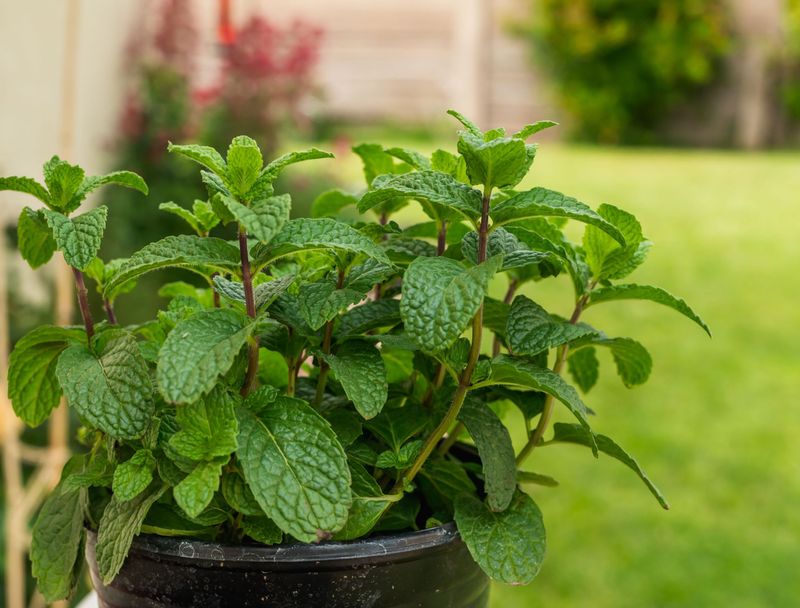
Mint is the herb world’s enthusiastic overachiever. Give it an inch and it will take the whole garden.
That’s not an exaggeration. Mint spreads aggressively through underground runners, and if planted directly in a garden bed in Texas, it will spread into every corner before you even notice. That’s exactly why containers are the way to go.
Planting mint in pots is genuinely the best approach in Texas. A large container with drainage holes keeps the roots contained while still giving the plant plenty of room to grow.
Place the pot somewhere that gets morning sun and afternoon shade. Texas afternoons can get brutally hot, and mint appreciates that break from the intense midday and afternoon rays.
Mint grows fast in warm weather, and late spring is when it really takes off. Keep the soil consistently moist but not waterlogged.
Unlike some of the other herbs on this list, mint actually prefers more moisture. Check the pot every day during hot Texas weather and water whenever the top inch of soil feels dry.
Harvesting mint is a pleasure. Pinch off stems just above a leaf node and the plant will branch out and grow even fuller.
Regular harvesting keeps mint from getting too tall and leggy. There are so many varieties to try too, including spearmint, peppermint, and chocolate mint, each with its own unique scent and flavor profile.
Fresh mint is wonderful in iced tea, lemonade, salads, and desserts. For Texas gardeners who love having fresh herbs on hand all summer long, a container of mint on the porch or patio is a simple and satisfying addition to any herb collection.
6. Lemon Balm
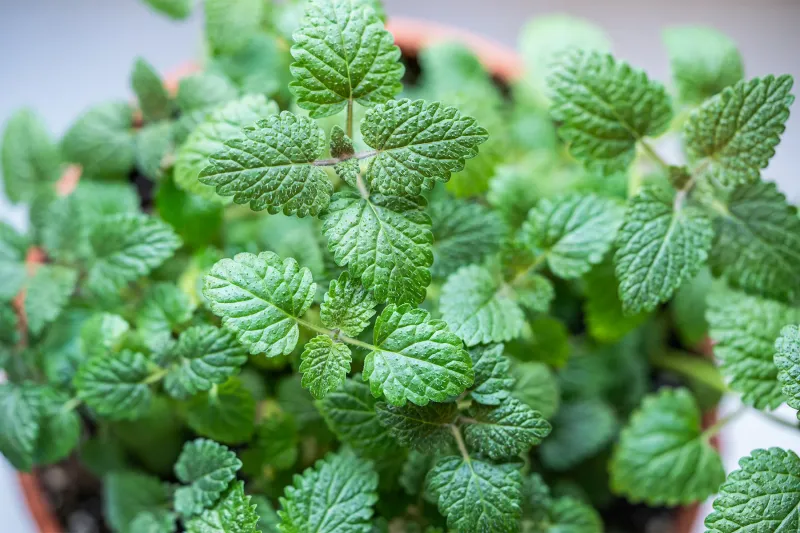
Lemon balm has a cheerful, citrusy personality that makes it a joy to grow. Brush your hand across its textured leaves and you’ll get a burst of fresh lemon scent that is both calming and uplifting.
It’s a member of the mint family, which explains its enthusiastic growth habit, and it settles beautifully into Texas gardens planted in late spring.
One thing that sets lemon balm apart from many other herbs is its preference for some afternoon shade. In Texas, where summer temperatures regularly climb past 95 degrees, that shady afternoon spot can make a real difference.
Morning sun is great for lemon balm, but protecting it from the harshest afternoon heat helps keep the leaves lush and flavorful throughout the season.
Lemon balm grows quickly in warm weather. Plant it in moist, well-drained soil and it will reward you with a full, bushy plant within just a few weeks.
It does best with consistent moisture, so don’t let it dry out completely between waterings. A layer of mulch around the base helps hold soil moisture and keeps roots cooler during Texas heat waves.
Like its mint cousin, lemon balm can spread if left unchecked. Planting it in a container or trimming it back regularly keeps it from taking over nearby plants in your garden.
Removing flower heads before they go to seed also helps prevent unwanted spreading. Lemon balm is used in teas, salads, desserts, and even homemade lemonade. It has a long history as a calming herbal remedy, with roots going back to ancient Greece.
Growing it in your Texas garden means having a fragrant, useful, and beautiful herb right at your fingertips all spring and summer.