Native North Carolina Plants That Hit Their Stride In April
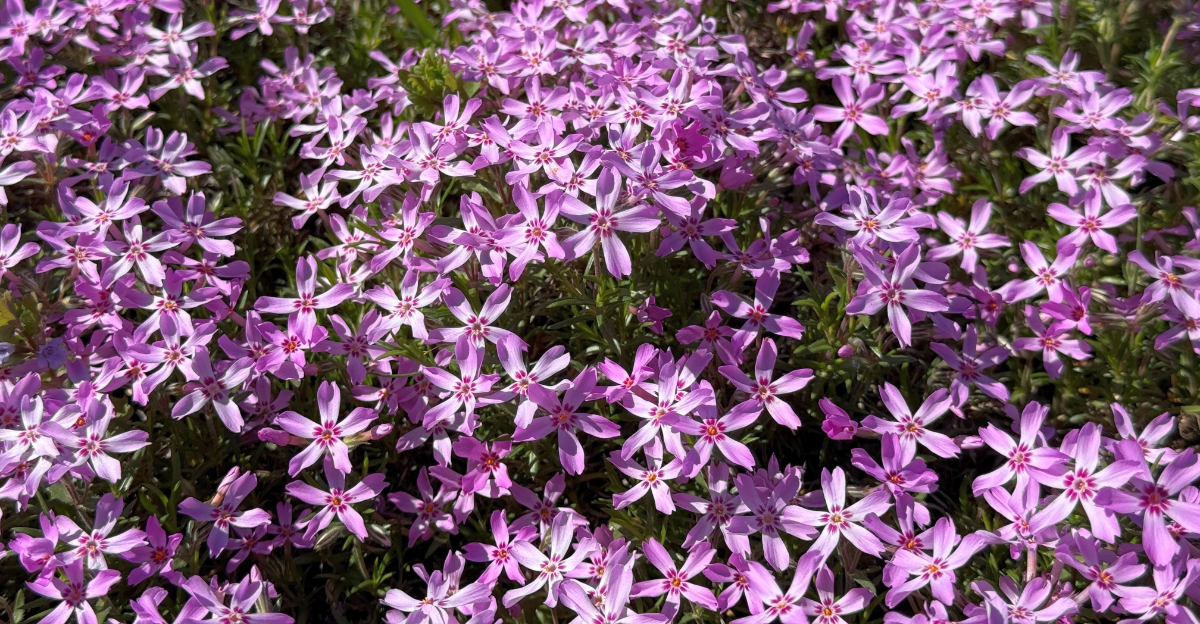
April is when many native plants in North Carolina truly come to life, responding to warmer soil, longer days, and steady spring rain. This is the moment when new growth takes off and early blooms begin to show, bringing fresh color and energy to the landscape.
Native plants are especially in tune with these seasonal changes, which helps them grow with less effort and fewer problems. They are already adapted to local conditions, so they often establish quickly and start putting on a strong display right away.
Some burst into bloom, while others focus on lush new foliage that sets the stage for months of growth. For gardeners, this is an exciting time to see the yard wake up and fill in naturally.
These plants really shine in April, making them some of the most rewarding choices for a vibrant and low stress garden.
1. Foamflower (Tiarella cordifolia)
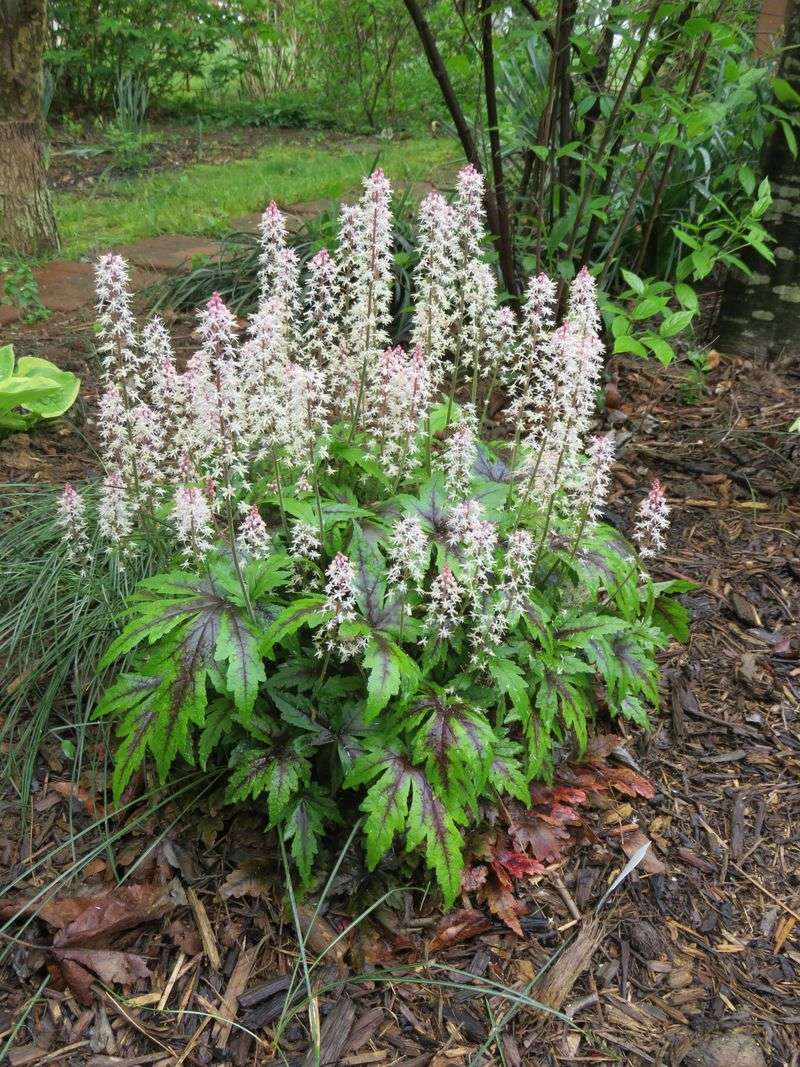
Walk into a North Carolina woodland in April and you might spot what looks like tiny white fireworks hovering just above the forest floor. That is foamflower doing exactly what it does best.
The slender, feathery flower spikes rise up from a low mound of heart-shaped leaves, creating one of the most delicate and beautiful sights of the entire spring season.
Foamflower is a native woodland perennial that thrives in the moist, shaded environments found across North Carolina, particularly in rich coves, bottomlands, and forested slopes.
It is perfectly suited to life under the tree canopy, where filtered light and consistent moisture keep it happy all season long.
Gardeners who plant it under trees or along shaded paths are always pleasantly surprised by how quickly it fills in.
One of its best qualities is how well it works as a groundcover. Over time, foamflower spreads gently to form a soft, leafy carpet that suppresses weeds naturally.
Pair it with ferns, trilliums, or wild ginger for a layered woodland look that feels completely at home in a North Carolina native garden. The blooms attract early pollinators too, making it as useful as it is beautiful.
2. Wild Columbine (Aquilegia canadensis)
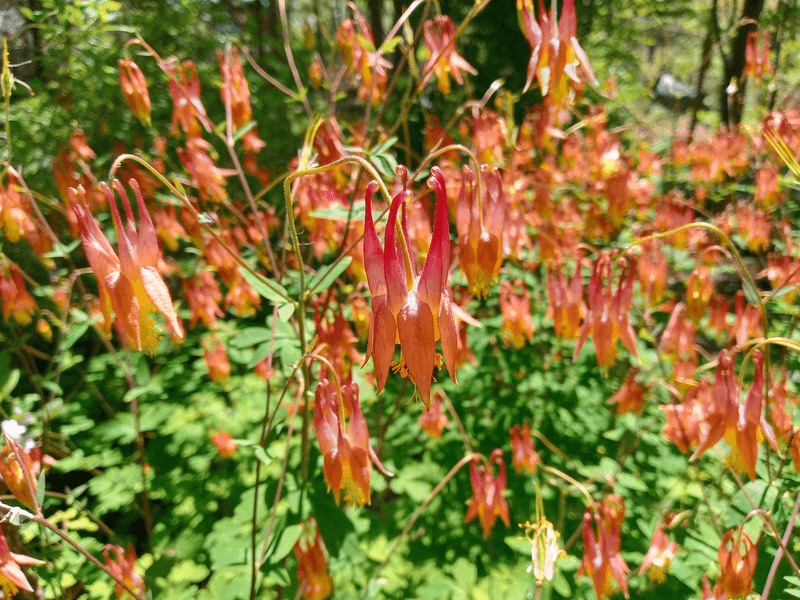
Few spring wildflowers turn heads quite like wild columbine. Its nodding red and yellow flowers hang gracefully from slender stems, swaying with the April breeze like tiny lanterns strung through the woodland edge.
Ruby-throated hummingbirds absolutely love it, and watching them hover around the blooms is one of spring’s great small pleasures in North Carolina.
Aquilegia canadensis is the only columbine truly native to North Carolina, and it earns every bit of its reputation.
It grows naturally along rocky slopes, woodland edges, and partially shaded garden beds, where it gets a few hours of sun without drying out too quickly.
April is its peak moment, when the flowers are fully open and the blue-green foliage looks fresh and full of life.
Wild columbine is surprisingly easy to grow from seed, and once established, it often self-sows gently around the garden without becoming a nuisance.
Your North Carolina Garden Changes Every Week. Your Plan Should Too.
Gardening in North Carolina changes quickly throughout the season. Every Friday you’ll receive a simple weekly plan showing exactly what to plant, prune, fertilize, harvest, and protect so you never miss the right timing.
Planting it near a window or a garden path gives you a front-row seat to the hummingbird activity it attracts every spring.
Across North Carolina, gardeners are rediscovering this native gem and finding that it fits beautifully into both formal borders and naturalized garden spaces. Give it a try and you will not regret it.
3. Creeping Phlox (Phlox stolonifera)
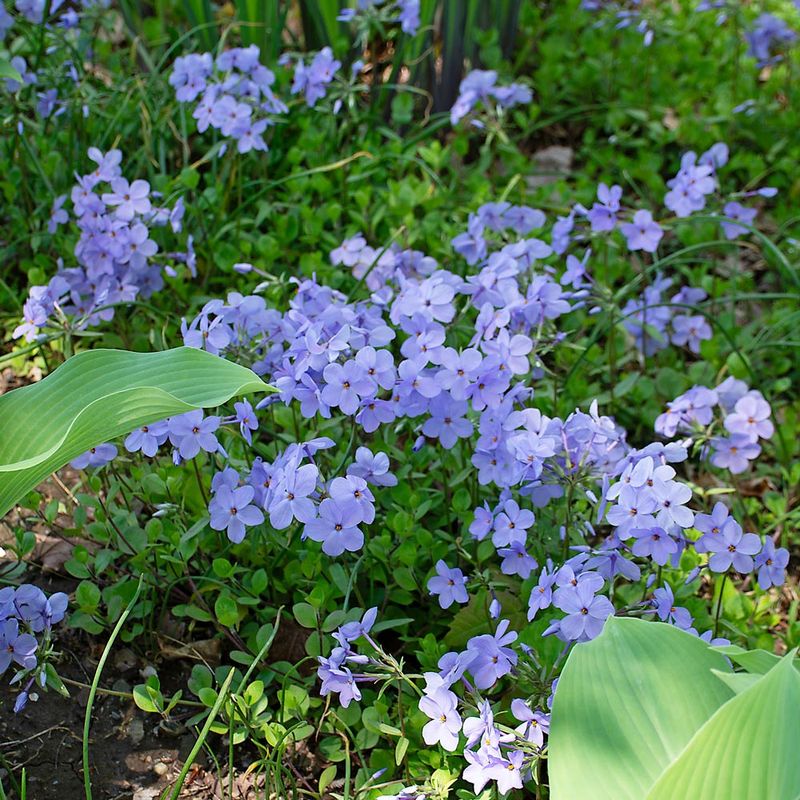
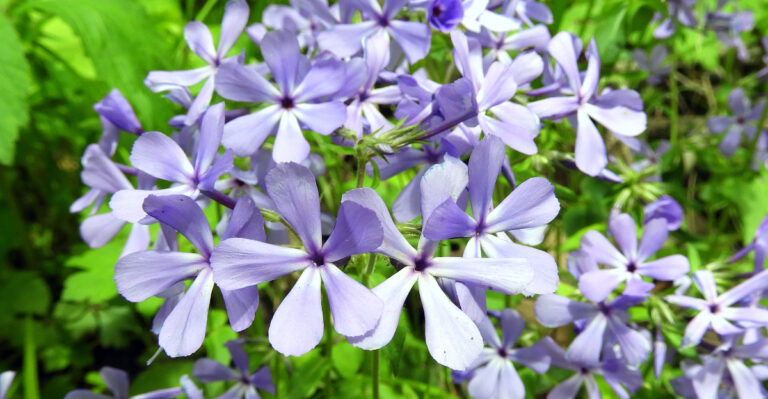
Imagine a soft purple-blue wave rolling across the ground in your garden every April. That is exactly what creeping phlox delivers, and it is one of the most satisfying sights in any North Carolina mountain garden.
This low-growing native spreads into a thick flowering mat that covers bare soil beautifully and asks for very little in return.
Native to the Appalachian mountain region, Phlox stolonifera is right at home in North Carolina’s western counties, where cool springs and rich, slightly acidic soil suit it perfectly.
It performs well in both full sun and partial shade, making it flexible enough to work in a variety of garden spots.
Along stone walls, at the front of a border, or spilling over a raised bed edge, it always looks spectacular in bloom.
Beyond its good looks, creeping phlox is genuinely useful. Its dense mat of evergreen foliage protects soil from erosion during the rainy spring months, which is especially valuable on slopes and hillsides common in western North Carolina.
Early bees and butterflies flock to the flowers for nectar when not many other plants are blooming yet. Plant it once, give it decent drainage and a little sunshine, and it will reward you with a bigger, more impressive display every single April for years to come.
4. Golden Ragwort (Packera aurea)
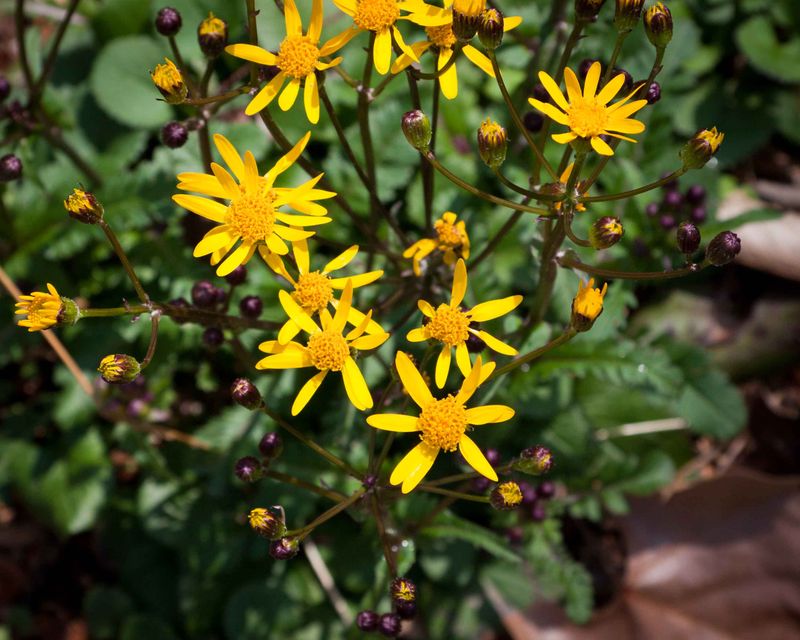
Bright, bold, and almost impossible to overlook, golden ragwort brings a burst of sunshine yellow to North Carolina gardens every April.
It is one of the earliest wildflowers to bloom in the state, and that early timing makes it incredibly valuable for pollinators that are just waking up after winter. Bees especially seem to find it before almost anything else is open.
Packera aurea grows naturally across the mountains and Piedmont of North Carolina, where it tends to show up along stream banks, in moist meadows, and at the edges of wooded areas.
In a garden setting, it thrives in consistently moist soil with partial to full shade, though it can handle more sun if the ground stays reasonably damp.
The bright yellow daisy-like flowers rise on tall stems above a rosette of dark green, heart-shaped leaves that stay attractive even when the plant is not in bloom.
What really sets golden ragwort apart is its toughness. It spreads steadily by both rhizomes and seed, eventually forming a wide colony that chokes out weeds without any help from you.
For rain gardens, low spots in the yard, or shaded areas near a downspout, it is one of the most practical native groundcovers available in North Carolina. The cheerful April blooms are just a bonus on top of all that reliable, low-effort performance.
5. Bloodroot (Sanguinaria canadensis)
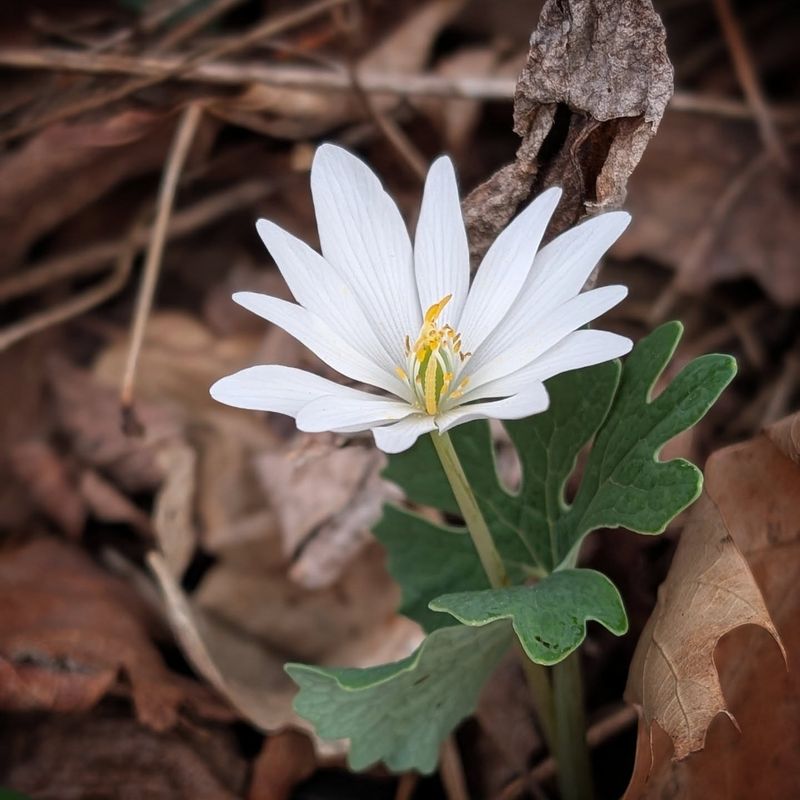
There is something almost theatrical about bloodroot. The pure white flowers appear quickly, open wide in the morning sun, and then close again by afternoon, as if they are performing on their own private schedule.
In rich North Carolina woodlands, April is when you catch bloodroot at its most dramatic, with crisp white petals surrounding a bright golden center that practically glows in the filtered forest light.
Sanguinaria canadensis gets its name from the deep red-orange sap found in its roots and stems, which Native American tribes historically used as a dye and for other purposes.
Today, it is treasured as one of the most distinctive native wildflowers found across North Carolina’s forested landscapes.
It grows best in rich, moist, well-drained woodland soil with plenty of organic matter and overhead shade from deciduous trees.
Planting bloodroot in a shaded garden bed alongside other spring natives like trillium or foamflower creates a stunning, naturalistic scene that feels like a real piece of North Carolina forest brought home.
It goes dormant by early summer, so pairing it with ferns or hostas that fill in later is a smart move.
Bloodroot spreads slowly and rewards patient gardeners who give it the right conditions. Once established in a suitable North Carolina garden spot, it returns faithfully every spring without fail.
6. Dwarf Crested Iris (Iris cristata)
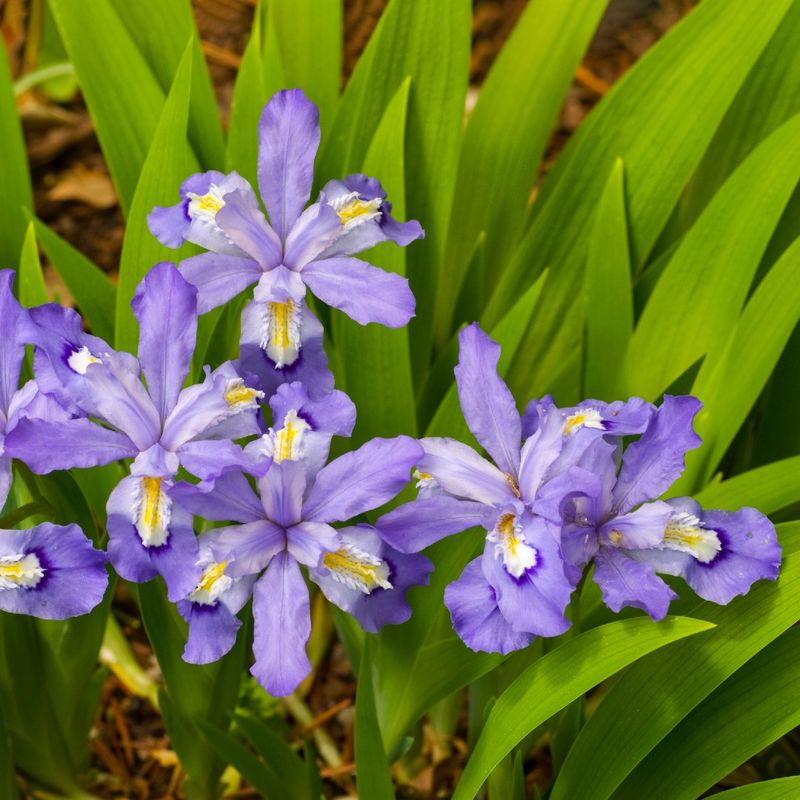
Standing just a few inches tall, the dwarf crested iris punches way above its weight in terms of visual impact. In April, its pale blue flowers with delicate golden crests appear among the leaf litter of shaded North Carolina gardens, looking almost too pretty to be real.
Up close, the detail on each flower is remarkable, with intricate veining and a soft texture that makes you want to look twice.
Iris cristata is native to North Carolina and naturally grows along wooded slopes, stream banks, and the edges of forested areas throughout the state. It prefers partial to full shade and well-drained, slightly acidic soil enriched with leaf litter or compost.
Once planted in the right spot, it spreads slowly by rhizomes to form a low, dense colony that works beautifully as a groundcover under trees or along shaded garden paths.
Gardeners across North Carolina are increasingly choosing dwarf crested iris over non-native groundcovers because it is so well adapted to local conditions and needs almost no extra care after establishment.
It also provides early nectar for queen bumblebees just starting their spring colonies. Pair it with bloodroot or wild ginger for a layered spring display that feels completely natural.
If you have a shady spot in your North Carolina yard that needs something special, this small but mighty native iris is a perfect answer.
7. Eastern Redbud (Cercis canadensis)
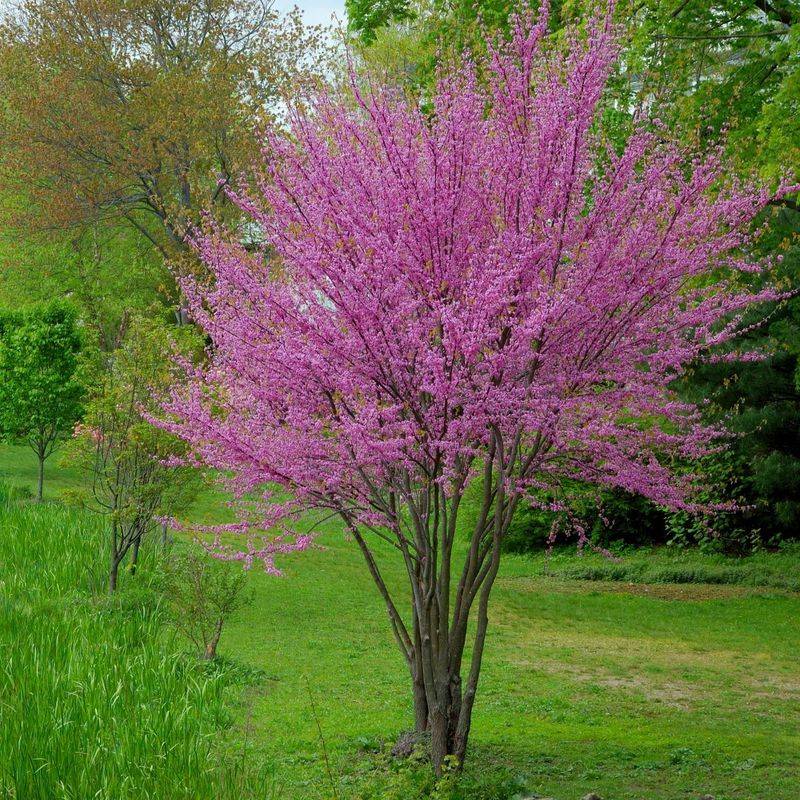
No tree announces spring in North Carolina quite like the eastern redbud. By April, its bare branches are completely smothered in vivid pink-purple flowers, creating a cloud of color that is visible from a long distance.
Before a single leaf appears, the entire tree looks like it has been dipped in magenta, making it one of the most photographed plants in the state every spring.
Cercis canadensis is native to eastern North America and grows naturally across much of North Carolina, from the Piedmont through the foothills and into the mountain valleys.
It adapts well to a wide range of soils and does best in full sun to partial shade with decent drainage.
In a home landscape, it works equally well as a standalone specimen tree, a naturalized understory planting, or a flowering backdrop for a mixed border.
Beyond the spectacular April bloom, eastern redbud offers year-round interest. Heart-shaped leaves emerge after the flowers fade, turning golden yellow in fall before dropping.
Seed pods hang on through winter, providing food for birds. The flowers themselves are a critical early nectar source for native bees in North Carolina, including specialist bees that depend on redbud pollen.
Planting one near a patio or a kitchen window means you get a front-row seat to one of spring’s most breathtaking natural performances every single year.
8. Downy Serviceberry (Amelanchier arborea)
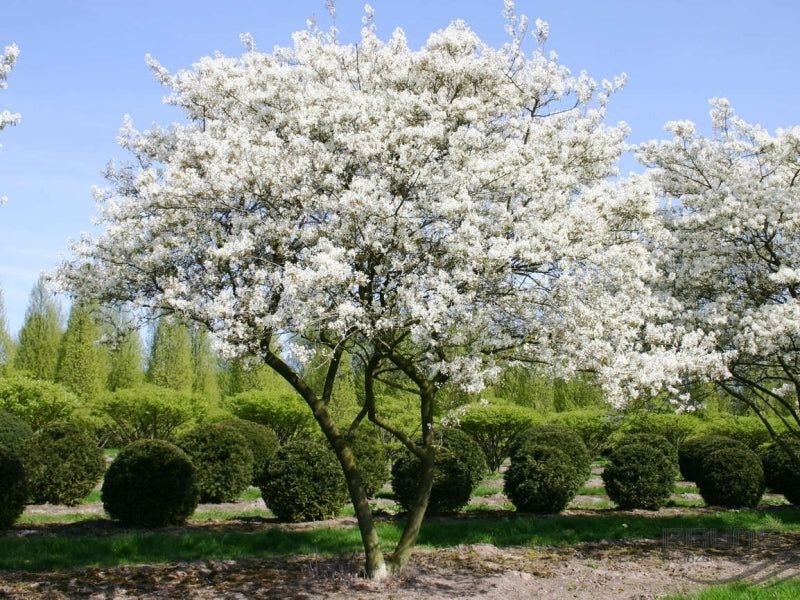
Before the forest fully wakes up in spring, downy serviceberry is already putting on a show. Clouds of small white flowers cover its slender branches in April, appearing just as the first leaves are beginning to unfurl.
Against a backdrop of bare-branched hardwoods, this native small tree stands out beautifully, bringing a soft, airy elegance to North Carolina woodlands and home gardens alike.
Amelanchier arborea is found throughout North Carolina, growing naturally on wooded slopes, rocky ridges, and along forest edges from the mountains to the coast.
It handles a wide range of conditions with ease, performing well in both moist and moderately dry soils and tolerating everything from full sun to partial shade.
That adaptability makes it one of the most versatile native trees you can add to a North Carolina garden.
The benefits do not stop at the April bloom. By early summer, downy serviceberry produces small, sweet berries that birds absolutely go after, making it a fantastic wildlife plant for any yard in the state.
Fall color ranges from orange to deep red, giving the tree a second moment of glory before winter. For gardeners who want a plant that earns its space in every season, this native tree delivers on every front.
Plant it where you can enjoy the spring flowers up close, and nature will take care of the rest.