These Are The 9 Ohio Vegetables That Thrive In Shade
Not every Ohio garden gets that picture-perfect stretch of full sun, and that can feel like a dealbreaker at first. Tall trees cast long shadows, fences block the light, and some yards just never seem to catch a full day of sunshine.
It is easy to assume vegetables will struggle or barely produce in those conditions.
That is where things get interesting. Plenty of vegetables actually handle shade better than most people expect, and some even prefer a break from intense afternoon sun.
Ohio gardeners who work with their space instead of fighting it often end up with steady harvests in spots others overlook.
A shaded corner does not have to sit empty or turn into a problem area. With the right picks, it can become one of the most productive parts of your garden, quietly pulling its weight while the sunniest beds take all the credit.
1. Lettuce Grows Fast Even With Limited Sun
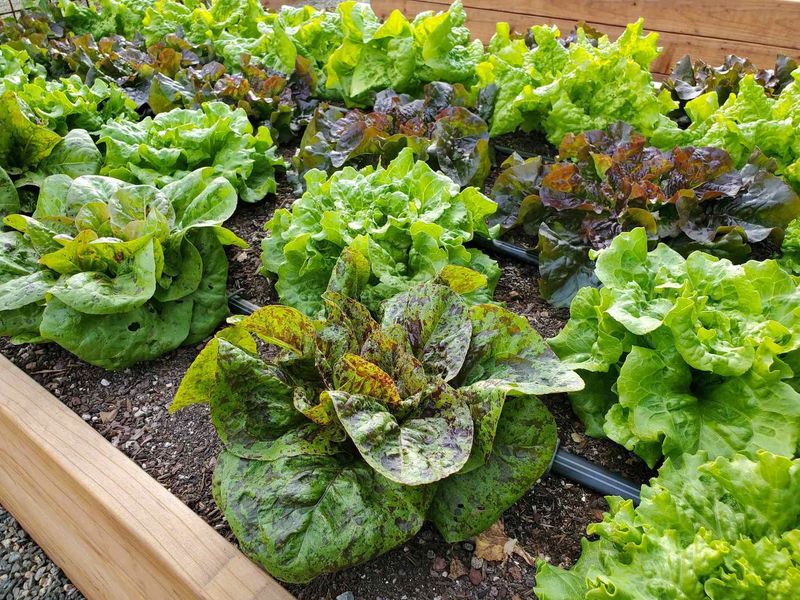
Walk past almost any Ohio community garden in early spring and you will likely spot rows of lettuce thriving under the partial cover of nearby trees or fences.
Lettuce is one of the most shade-tolerant vegetables you can grow, and it actually benefits from reduced sun exposure during warmer months.
With just three to four hours of direct sunlight per day, most lettuce varieties produce tender, flavorful leaves that are perfect for salads.
Varieties like Butterhead, Romaine, and Looseleaf are especially well-suited to partial shade conditions in Ohio.
One of the biggest advantages of growing lettuce in lower light is that less intense sun slows down bolting, which is the process where the plant shoots up a seed stalk and turns bitter.
That means your lettuce stays sweet and harvest-ready for a longer stretch of time.
Loose-leaf types are particularly forgiving and can be harvested multiple times using the cut-and-come-again method. Good soil drainage and consistent moisture are essential, especially under trees where roots may compete for water.
Start lettuce in early April in Ohio and again in late August for a fall crop that takes full advantage of cooler, shadier conditions.
2. Spinach Handles Cool Shade Better Than Most Crops
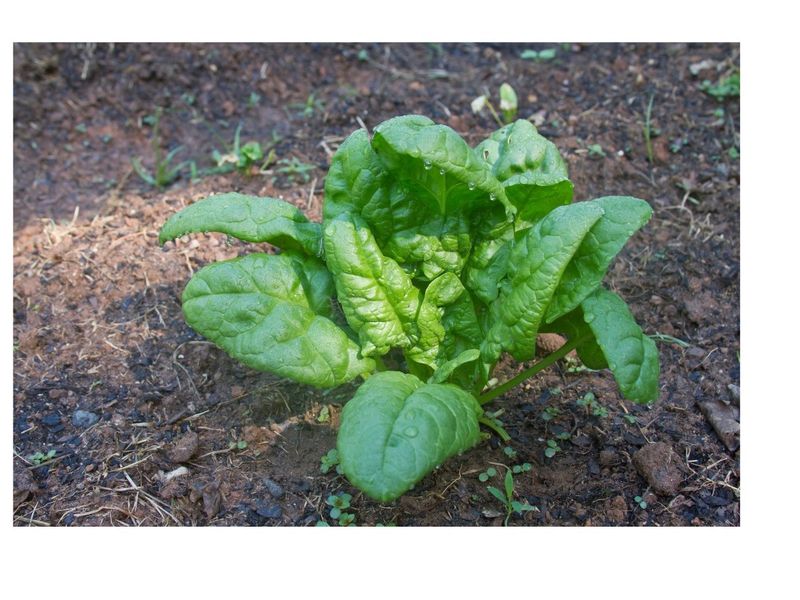
There is something satisfying about pulling fresh spinach leaves on a cool April morning in Ohio, especially when the rest of your garden is barely waking up.
Spinach is a cool-season crop that genuinely thrives in lower light, making it one of the best choices for shaded garden spots.
It performs best with three to five hours of sunlight and actually struggles in intense afternoon heat.
Varieties like Bloomsdale, Tyee, and Space are reliable performers for Ohio gardeners working with partial shade. Spinach planted in a shadier spot tends to stay productive longer into late spring because the reduced sun keeps soil temperatures cooler.
This delays bolting and gives you more time to enjoy harvests before summer heat takes over.
Plant spinach as soon as the ground can be worked in Ohio, often in late March or early April. A second planting in late August or September takes advantage of cooling fall temperatures and shorter days.
Your Ohio Garden Changes Every Week. Your Plan Should Too.
Gardening in Ohio changes quickly throughout the season. Every Friday you’ll receive a simple weekly plan showing exactly what to plant, prune, fertilize, harvest, and protect so you never miss the right timing.
Rich, well-draining soil with consistent moisture helps spinach produce thick, dark leaves even in lower-light conditions. Spacing plants about three to four inches apart encourages good airflow and reduces the chance of fungal issues in shadier spots.
3. Kale Stays Productive In Part Shade Conditions
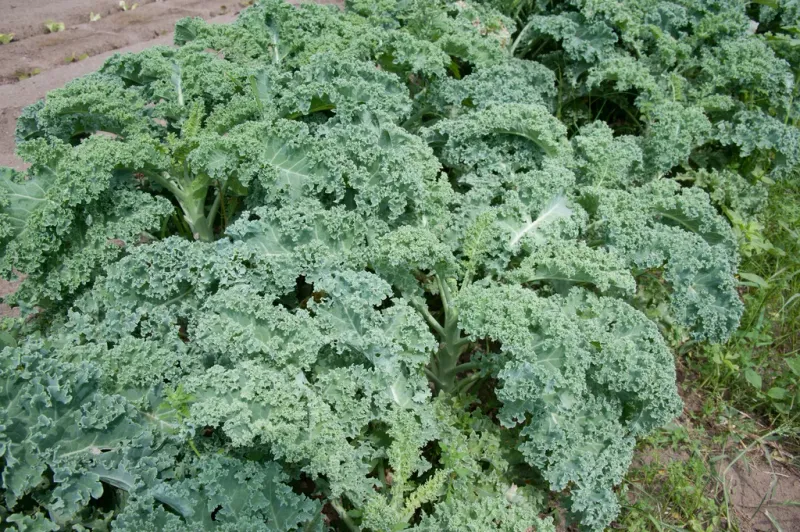
Few vegetables earn their keep in an Ohio garden quite like kale does. It is cold-hardy, nutritious, and surprisingly willing to grow in spots that do not get full sun all day.
Kale can manage well with three to five hours of direct sunlight, though you should expect somewhat slower leaf growth compared to plants in full sun. That trade-off is often worth it for gardeners with limited sunny space.
Popular varieties for Ohio include Lacinato, also called Dinosaur kale, Curly Kale, and Red Russian. Each of these handles partial shade without completely stalling out on leaf production.
The leaves may be slightly smaller than those grown in full sun, but they are still nutritious and flavorful. Cooler temperatures actually improve kale’s taste, making fall the best season to grow it in Ohio’s shadier spots.
Kale planted in late summer can continue producing well into November and sometimes beyond in milder Ohio winters. Consistent watering and nutrient-rich soil are important to keep plants healthy under lower-light conditions.
Using a balanced fertilizer or compost at planting time gives kale the nutrients it needs to stay productive. Harvest outer leaves regularly to encourage the plant to keep pushing out new growth throughout the season.
4. Swiss Chard Keeps Producing Without Full Sun
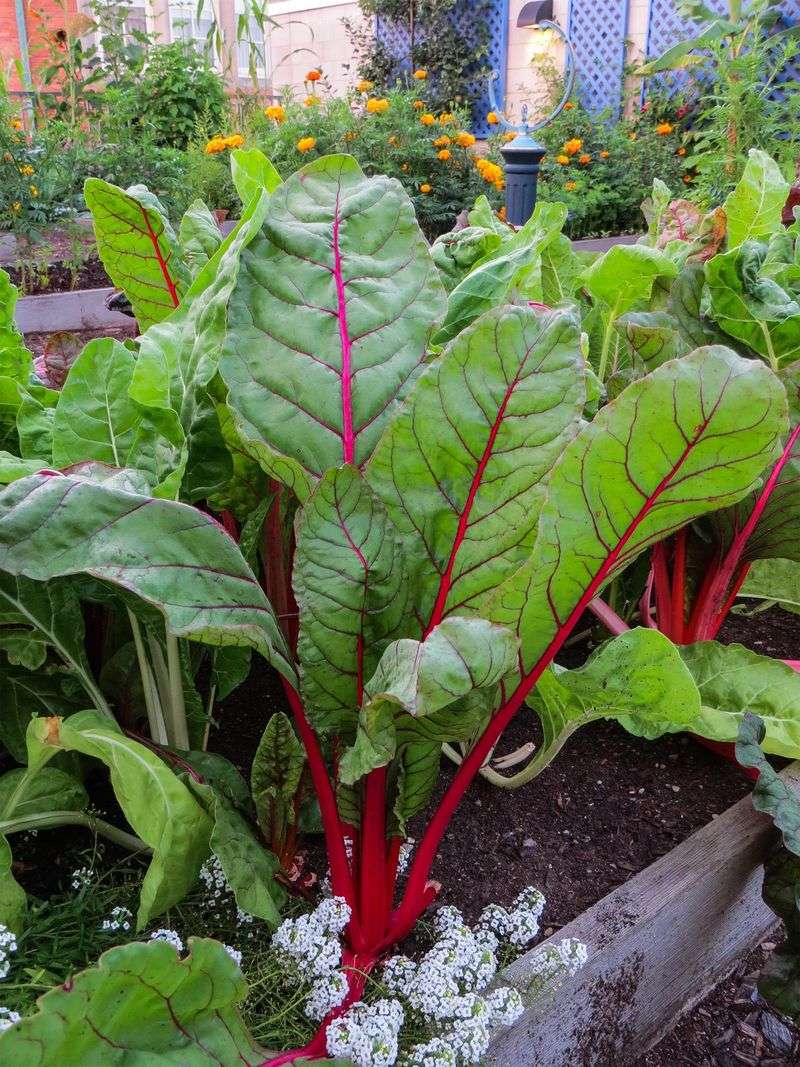
Bright stems of red, yellow, and orange make Swiss chard one of the most visually striking vegetables in any garden, and the good news is it does not need a prime sunny location to look and taste great.
Swiss chard handles partial shade better than many gardeners expect, making it a smart pick for Ohio yards where full sun is in short supply.
It grows steadily with three to five hours of daily sunlight and keeps producing leaves over a long harvest window.
Unlike many crops that shut down or bolt quickly, Swiss chard is a remarkably patient plant. You can start harvesting outer leaves when plants are about eight to ten inches tall and continue picking throughout summer and into fall.
In Ohio, this gives you months of fresh greens from a single planting, which is a real value in a shaded bed where space may be limited.
Swiss chard does best in fertile, well-drained soil with regular watering. Mulching around the base of plants helps retain moisture and keeps roots cool during warmer stretches.
If you notice slugs, which are common in shadier, moist areas, check under leaves regularly and remove them by hand. Planting in early May after the last frost date in Ohio gives chard plenty of time to establish before summer heat arrives.
5. Arugula Grows Quickly In Cooler Shadier Spots
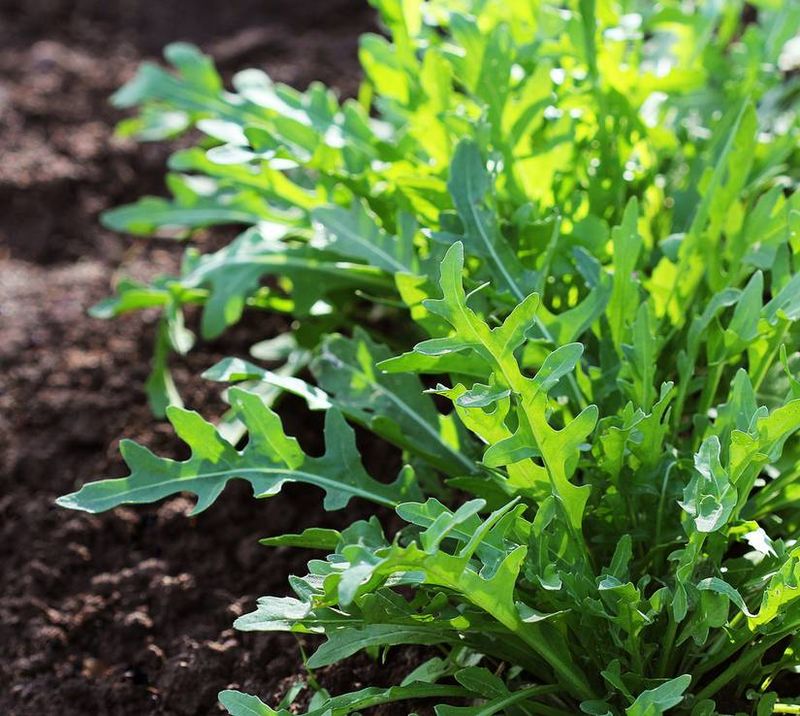
If you have ever bitten into a salad and noticed a peppery, slightly nutty kick, there is a good chance arugula was involved.
This fast-growing leafy green is a favorite among Ohio gardeners who want quick results, and it is one of the few crops that genuinely benefits from being in a shadier location.
Less intense sunlight slows down bolting, which means your arugula stays mild and harvest-ready for a longer stretch of time.
Arugula can go from seed to first harvest in as little as 30 to 40 days, making it one of the fastest vegetables you can grow. It thrives in cool weather and partial shade, especially during spring and fall in Ohio when temperatures are moderate.
Planting it in a spot that gets morning sun but afternoon shade is an ideal setup for extending the harvest season.
Sow arugula seeds directly into the soil in early spring or late summer for the best results. Because the seeds are small, scatter them thinly and thin seedlings to about four inches apart once they sprout.
Consistent moisture keeps the leaves tender and less sharp-tasting. Harvest regularly by cutting leaves at the base, which encourages the plant to keep producing fresh growth for weeks at a time.
6. Mustard Greens Tolerate Shade And Grow Fast
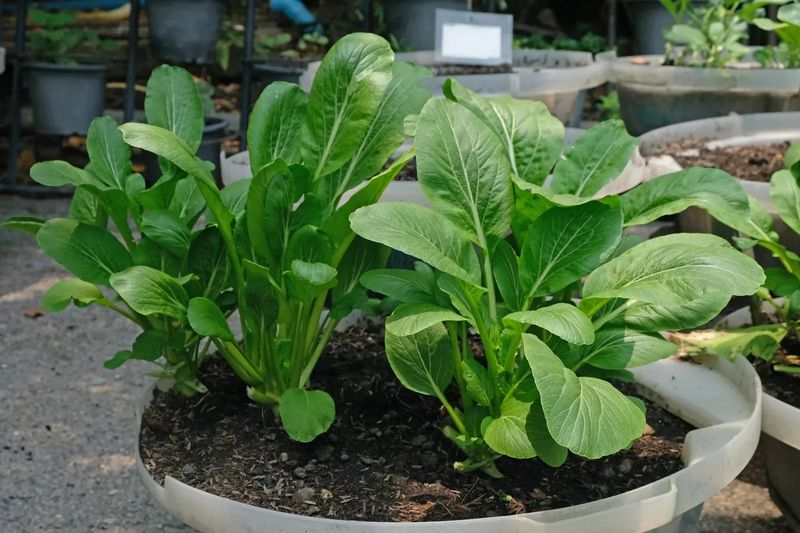
Not every vegetable needs to be babied to produce a good harvest, and mustard greens are proof of that. These bold, fast-growing leafy greens are comfortable in partial shade and can go from seed to harvest in as few as 30 to 45 days.
For Ohio gardeners with shaded beds who want something productive and low-maintenance, mustard greens are a reliable choice worth considering.
The flavor of mustard greens is sharp and slightly spicy, which actually mellows a bit when plants are grown in lower light conditions. Less intense sun reduces the heat in the leaves, making them more pleasant to eat raw or lightly cooked.
Varieties like Southern Giant Curled and Red Giant are both well-suited to Ohio’s climate and handle partial shade without much fuss.
Succession planting works especially well with mustard greens. Sow a small batch every two to three weeks from early spring through mid-fall to keep a steady supply of young, tender leaves coming in.
Each planting matures quickly, so you are rarely waiting long for a harvest. Rich soil and regular watering help plants stay vigorous even with limited sun exposure.
Thinning seedlings to about six inches apart gives each plant enough room to develop full, healthy leaves without crowding.
7. Radishes Mature Quickly Before Light Becomes A Problem
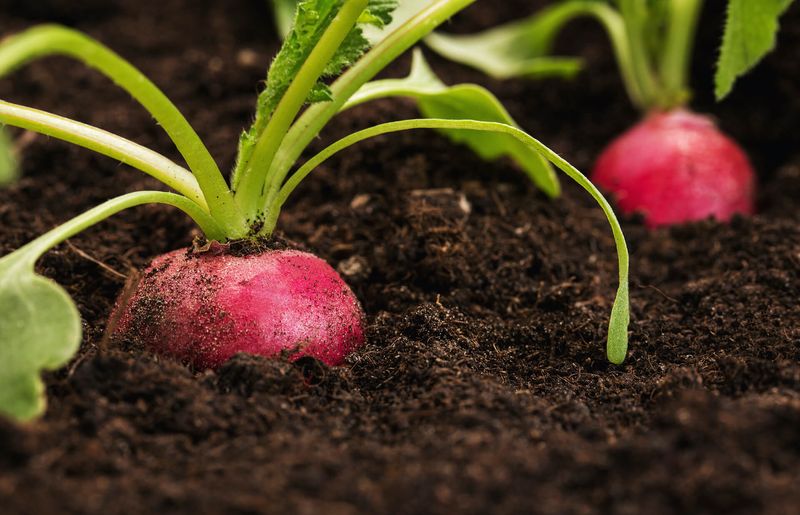
Speed is one of the most underrated qualities in a shade garden, and radishes have it in abundance.
These compact root vegetables can go from seed to table in as little as 22 to 30 days, which means they finish their growing cycle before limited light has much chance to slow them down.
For Ohio gardeners with partially shaded beds, radishes are one of the smartest crops to reach for first.
Varieties like Cherry Belle and French Breakfast are both popular in Ohio and handle partial shade conditions reasonably well.
Because radishes mature so quickly, even three to four hours of daily sunlight is often enough to produce a decent crop of crunchy, flavorful roots.
The key is planting them during cooler stretches of spring or fall when temperatures support fast, steady growth.
Radishes are also excellent for filling gaps in the garden between slower-growing crops. Tuck them into open spaces alongside kale, chard, or lettuce to make the most of every square foot in a shaded bed.
Sow seeds about half an inch deep and one inch apart, then thin to two inches once seedlings emerge. Keep the soil consistently moist to prevent the roots from becoming woody or cracked.
A late-August planting in Ohio often yields one of the best radish crops of the year.
8. Beets Produce Greens And Roots In Partial Shade
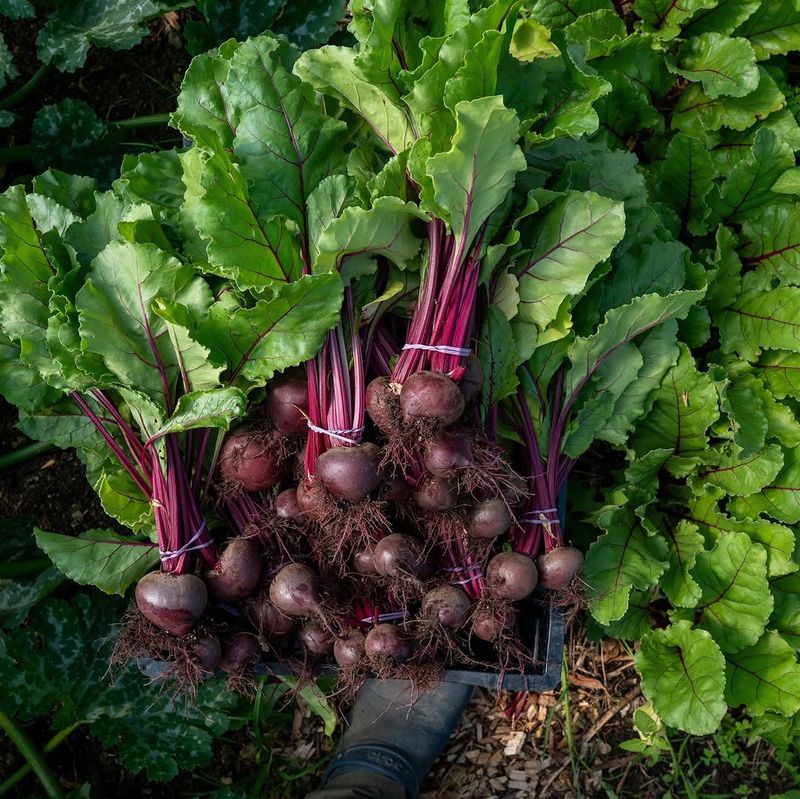
One of the best things about growing beets in a partially shaded garden is that you get two harvests from a single plant. The leafy greens can be snipped and eaten like spinach when plants are young, while the roots continue developing underground.
This dual-purpose quality makes beets a practical and efficient choice for Ohio gardeners who are working with limited sunny space.
Beets can manage with three to four hours of sunlight per day, though it is worth knowing that root development may be slower and the roots themselves could end up smaller than those grown in full sun.
That is a reasonable trade-off if shade is what you have to work with.
Detroit Dark Red is a classic variety that performs reliably in Ohio gardens and handles partial shade without completely stalling out.
Plant beet seeds about half an inch deep and two inches apart in early spring, aiming for soil temperatures of at least 50 degrees Fahrenheit. Once seedlings are a few inches tall, thin them to about four inches apart to give roots room to swell.
Consistent watering is especially important in shadier spots where soil moisture can be unpredictable near tree roots. Adding compost to the planting bed before sowing helps improve soil structure and gives beets a nutritional head start.
9. Green Onions Grow Steadily Without Full Sun
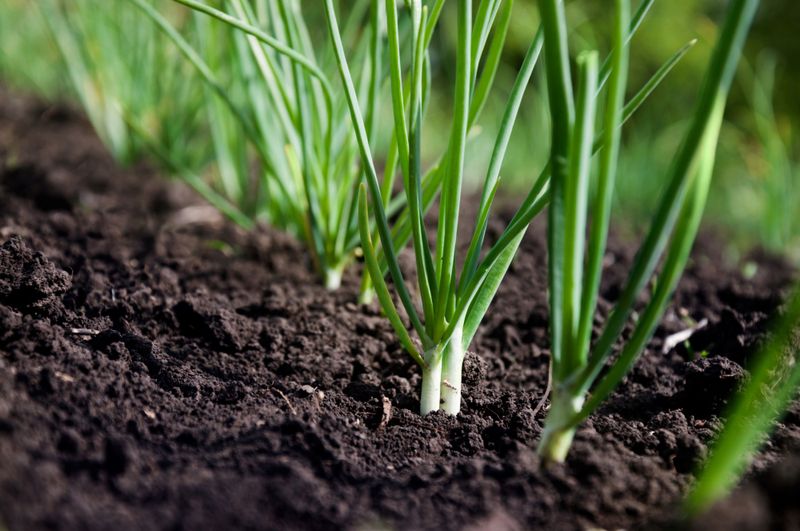
Sometimes the most useful vegetables in a garden are the ones that ask the least of you. Green onions, also called scallions, fit that description perfectly.
They take up minimal space, need only three to four hours of sunlight per day, and grow steadily without much fuss.
For Ohio gardeners working with shaded corners, containers on a partly shaded porch, or narrow beds along a fence, green onions are a practical everyday crop.
Unlike bulb onions that need full sun to develop large underground bulbs, green onions are harvested before they reach that stage. This means lower light levels do not hold them back the same way.
You can start pulling them as soon as the tops are six to eight inches tall, which typically takes four to six weeks from planting. Replanting after each harvest keeps a steady supply coming throughout the growing season.
Green onions grow well from seeds or from sets purchased at a local Ohio garden center. Plant them about half an inch deep and one inch apart in fertile, well-drained soil.
They pair nicely in a shaded bed alongside lettuce or spinach, since all three prefer similar cool, moist conditions. Regular watering and a light application of balanced fertilizer every few weeks keeps them growing at a good pace even without full sun exposure.