Ohio Native Flowers That Keep Blooming After Spring Favorites Fade
There’s always that moment in an Ohio garden when the early spring color starts to fade and things look a little… quiet. The tulips are done, the daffodils have had their show, and suddenly the yard feels like it’s in between seasons.
That’s where native flowers really step in. Many of them are built for Ohio’s climate, and they don’t mind carrying the garden forward when others slow down.
They handle the shift into warmer weather without missing a beat.
Adding the right ones keeps color going without extra work or constant replanting. Some even start picking up just as others drop off, creating a natural flow through the season.
A few of these standouts tend to surprise people with how long they keep going.
1. Purple Coneflower That Keeps The Color Going
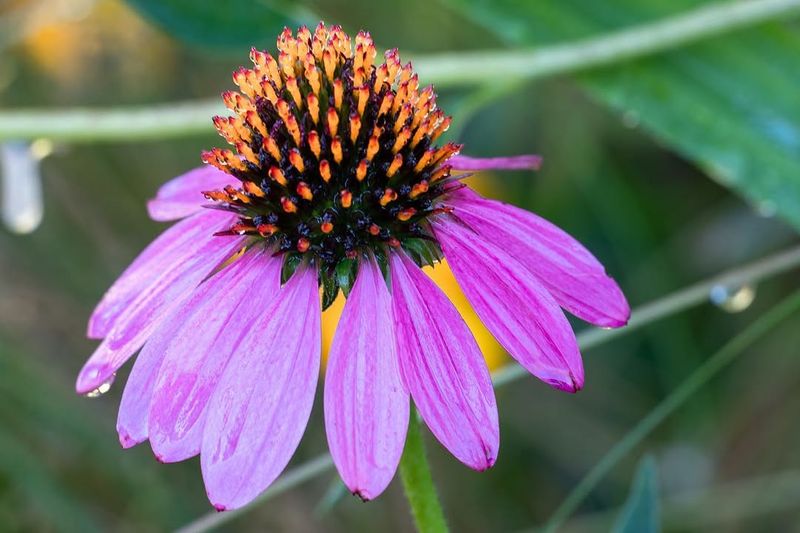
Few flowers command attention quite like the Purple Coneflower. With its bold pink-purple petals fanning out around a spiky, copper-colored center, this native Ohio plant looks like it was designed to stop you in your tracks.
It blooms from June all the way through September, giving your garden a reliable splash of color long after spring tulips have called it quits.
Purple Coneflower loves sunny spots and handles dry summers surprisingly well once it gets established. Plant it in well-drained soil and watch it reward you year after year with almost no extra effort.
It spreads gradually over time, filling in gaps and creating full, lush clusters that look stunning in any yard.
Pollinators go absolutely wild for this flower. Bees, butterflies, and even goldfinches flock to it throughout the season.
The seed heads that form after blooming provide food for birds well into winter, so there is really no reason to cut them back right away. Did you know Purple Coneflower has also been used in herbal remedies for centuries?
It is one of those rare plants that is both gorgeous and genuinely useful to the world around it.
2. Butterfly Weed That Brings Late Season Energy
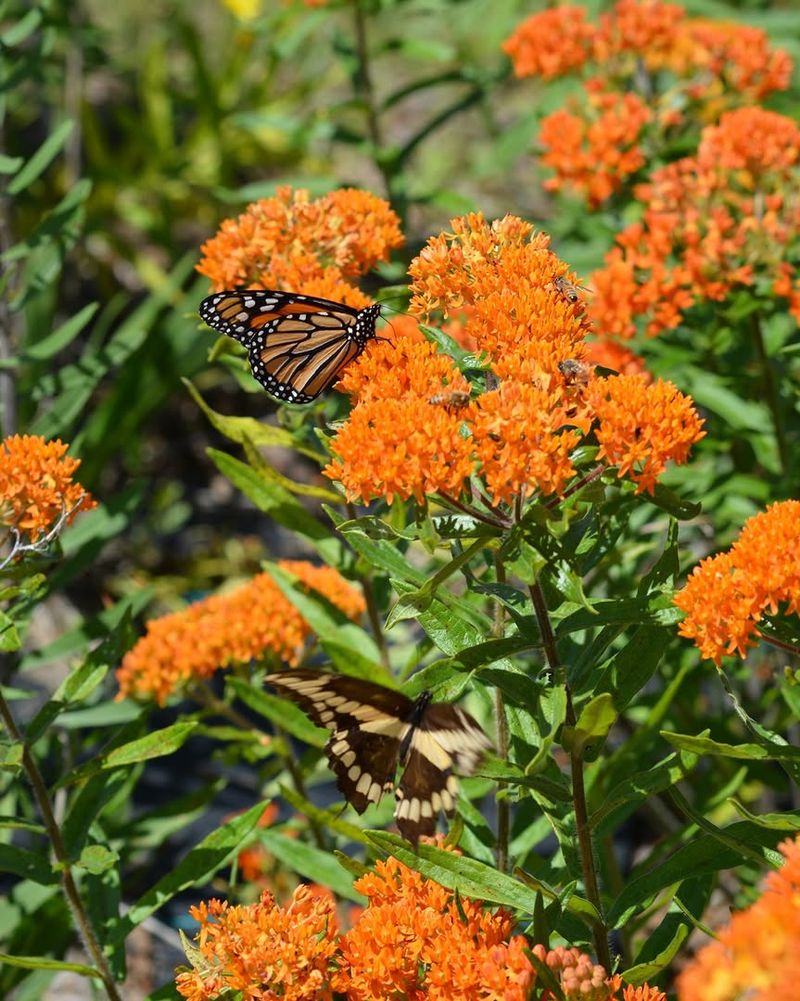
If you want to attract monarch butterflies to your yard, Butterfly Weed is your best friend. This striking native plant bursts into clusters of vivid orange flowers from June through August, creating a scene that looks almost too bright and cheerful to be real.
It is one of the most eye-catching plants you can grow in Ohio, and it earns every bit of attention it gets.
Butterfly Weed is a type of milkweed, which makes it an essential host plant for monarch butterfly caterpillars. Without milkweed, monarchs cannot complete their life cycle, so planting Butterfly Weed is genuinely one of the most helpful things an Ohio gardener can do for wildlife.
Best of all, it is incredibly tough. It tolerates poor, dry soils and full sun like a champion, making it perfect for spots where other plants struggle.
One thing to keep in mind is that Butterfly Weed is slow to emerge in spring, so be patient and mark where you planted it so you do not accidentally dig it up. Once it gets going, though, it becomes very vigorous and reliable.
Your Ohio Garden Changes Every Week. Your Plan Should Too.
Gardening in Ohio changes quickly throughout the season. Every Friday you’ll receive a simple weekly plan showing exactly what to plant, prune, fertilize, harvest, and protect so you never miss the right timing.
The seedpods that follow the blooms are fascinating too, splitting open to release silky, wind-carried seeds that almost look magical floating through the air.
3. Wild Bergamot That Stands Out In Summer
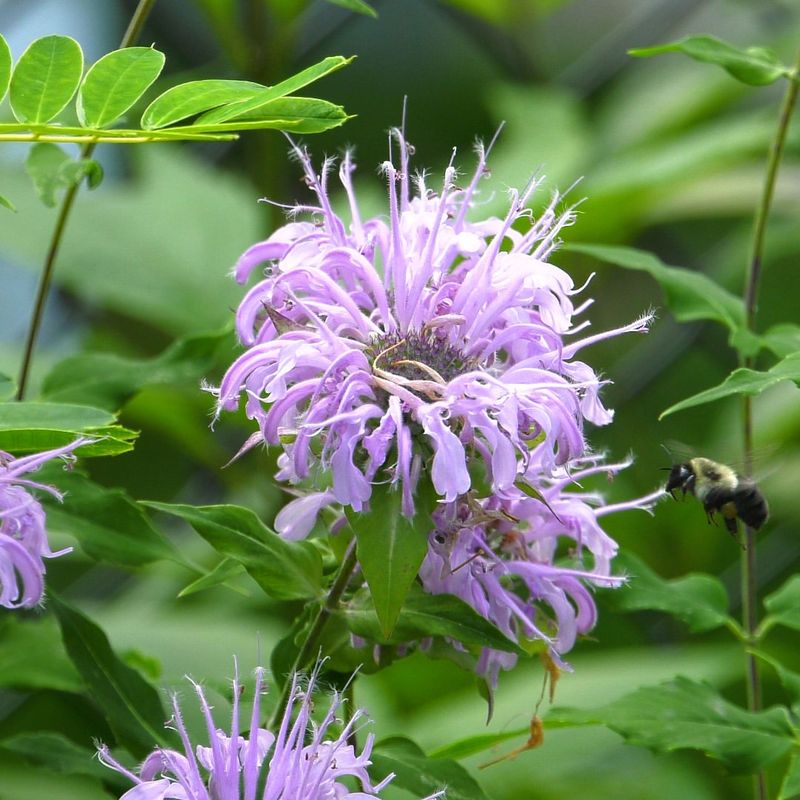
With a scent that is hard to forget, crushing one of its leaves releases a warm, herbal fragrance similar to oregano, which makes sense since it belongs to the mint family. From June through September, it produces beautiful lavender to soft pink flower heads that pollinators find completely irresistible.
Growing Wild Bergamot in Ohio is a smart move for anyone who wants a low-maintenance garden with serious wildlife appeal. It thrives in prairies, open woodlands, and average garden beds, preferring full sun but tolerating a little shade.
Once established, it spreads steadily through underground rhizomes, forming cheerful colonies that look wonderful in naturalized plantings or mixed borders.
Bees are especially fond of Wild Bergamot, and you will often find dozens buzzing around a single plant on a warm summer afternoon. Hummingbirds and various butterfly species also visit regularly.
Native peoples historically used Wild Bergamot as a medicinal herb and even as a flavoring for food and tea. That rich history adds an interesting layer to an already impressive plant.
If you have never grown it before, Wild Bergamot is a wonderful place to start your native garden journey.
4. Blazing Star That Adds Vertical Drama
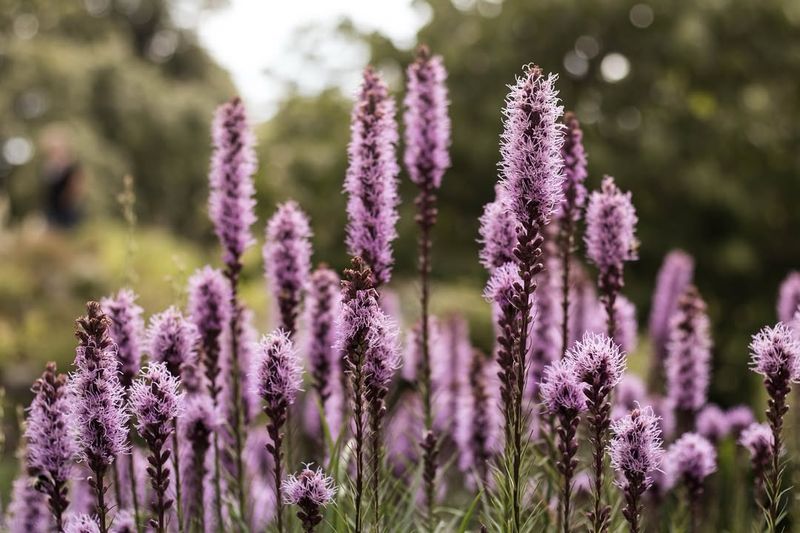
Blazing Star is one of those plants that makes you do a double take. Its tall, torch-like spikes of fluffy magenta-purple flowers bloom from the top down, which is unusual and makes it stand out instantly in any garden.
Blooming from July through September, it brings a bold vertical element to landscapes that most other native flowers simply cannot match.
Also known as Liatris, Blazing Star thrives in Ohio’s sunny meadows, prairies, and well-drained garden beds. It handles drought well once established and actually prefers not to be over-watered or over-fertilized.
Give it a sunny spot with decent soil and step back, because it will take care of itself from there with very little help from you.
Monarch butterflies are particularly drawn to Blazing Star during their late-summer migration, making it a critical fuel stop on their long journey south. Bumblebees and native bees are also frequent visitors.
After the blooms fade, the seed heads attract goldfinches and other small birds looking for a nutritious snack. Gardeners who plant Blazing Star often say it becomes one of their absolute favorites because of how dramatically beautiful it looks when it is in full bloom.
It is truly a showstopper worth every inch of garden space it takes up.
5. Joe Pye Weed That Towers With Soft Color
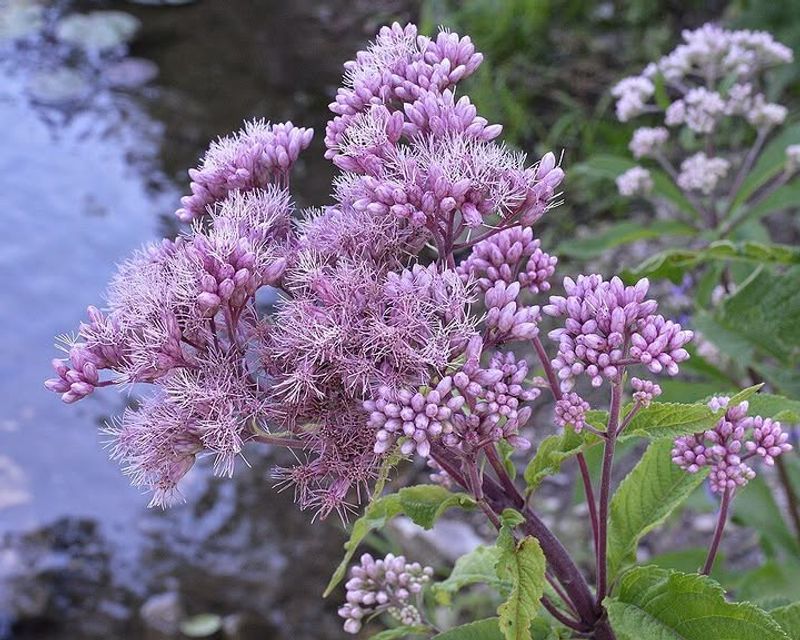
Standing anywhere from four to seven feet tall, Joe Pye Weed is the gentle giant of Ohio’s native flower world. Its massive, domed clusters of dusty pink-purple blooms appear in late July and carry on through September, creating a towering display that fills the back of a border or a naturalized area with incredible presence.
If you have a big space to fill, this is your plant.
Joe Pye Weed earned its name from a figure in early American folklore, though historians still debate the exact story. What is not debatable is how much pollinators love it.
Monarch butterflies, swallowtails, and a wide variety of native bees flock to its blooms in impressive numbers. Planting Joe Pye Weed near the edge of a woodland or along a rain garden is especially effective since it enjoys moist soil and partial to full sun.
One of the best things about Joe Pye Weed is how easy it is to grow once you find the right spot for it. It rarely needs staking despite its height, and it comes back reliably every year.
The dried seed heads add winter interest to the garden and continue feeding birds long after the growing season ends. For a native plant with true wow factor, Joe Pye Weed is hard to beat.
6. Cardinal Flower That Lights Up Shady Spots
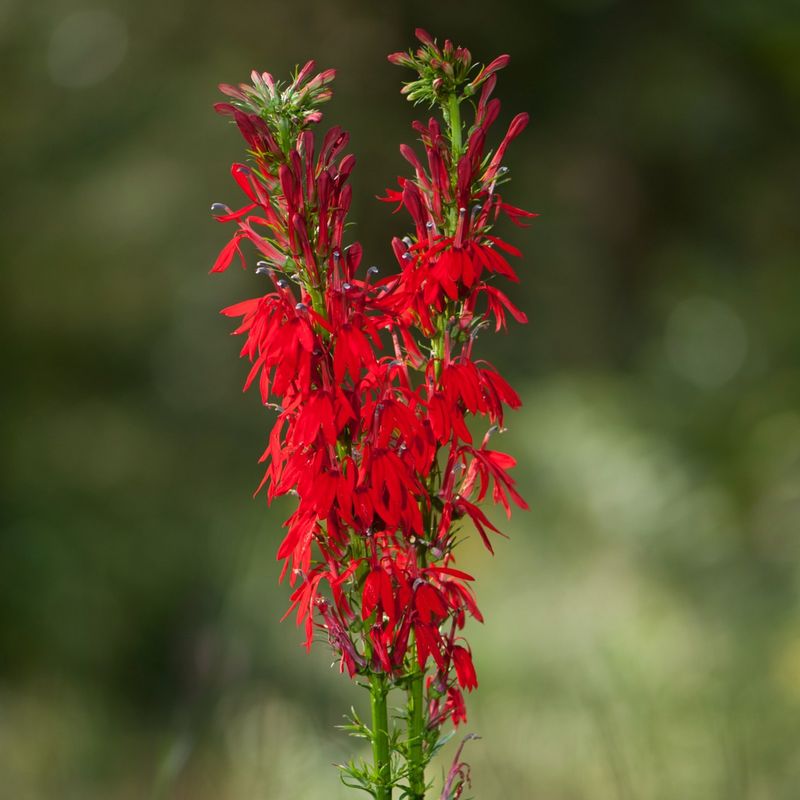
Seeing a Cardinal Flower in full bloom is genuinely breathtaking. Its spikes of brilliant, fire-engine red flowers are so vivid they almost seem to glow, especially when they catch afternoon sunlight near a stream or pond edge.
Blooming from July through September, Cardinal Flower is one of the most stunning native plants Ohio has to offer, and it thrives in the moist, wet spots where many other plants refuse to grow.
Ruby-throated hummingbirds have a deep love for Cardinal Flower that borders on devotion. The flower’s long, tubular blooms are perfectly shaped for a hummingbird’s beak, and the two have evolved together over thousands of years.
If attracting hummingbirds to your yard is on your wish list, planting Cardinal Flower is one of the surest ways to make it happen.
Cardinal Flower prefers consistently moist to wet soil and partial shade, making it ideal for rain gardens, pond margins, or low-lying areas that stay damp. It is a short-lived perennial, meaning individual plants may only last a few years, but it self-seeds readily and will spread naturally if conditions are right.
The parent plant often produces offshoots called rosettes at its base that can be divided and replanted. With just a little care, Cardinal Flower will keep appearing in your garden season after season.
7. Smooth Blue Aster That Extends The Show
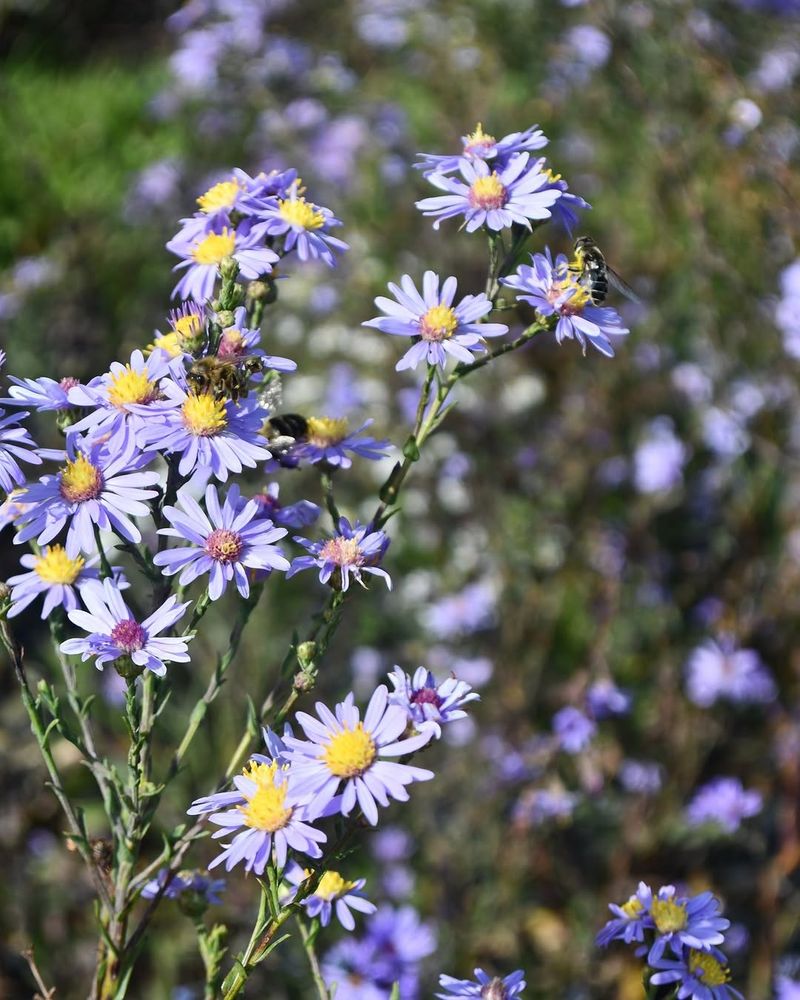
Just when you think the gardening season is winding down, Smooth Blue Aster shows up and proves that fall can be just as colorful as summer. Blooming from August through October, this elegant native Ohio wildflower produces masses of delicate light blue to soft lavender flowers, each with a cheerful yellow center that brightens up the autumn landscape beautifully.
What sets Smooth Blue Aster apart from other asters is its striking blue-green foliage and smooth stems, which give the plant a clean, polished look even before the flowers open. It grows well in full sun to partial shade and adapts to a variety of soil conditions, from dry rocky slopes to average garden beds.
Once established, it is remarkably drought-tolerant and does not need much pampering.
For pollinators preparing for winter, Smooth Blue Aster is an absolute lifeline. Bees and butterflies depend on late-season nectar sources, and this plant delivers in abundance.
It is also a host plant for Pearl Crescent butterflies, adding even more ecological value to an already impressive resume. Gardeners who add Smooth Blue Aster to their yards often find themselves looking forward to fall just as much as summer.
It is one of those quiet, understated plants that earns enormous appreciation once you see it in action.
8. New England Aster That Closes The Season Strong
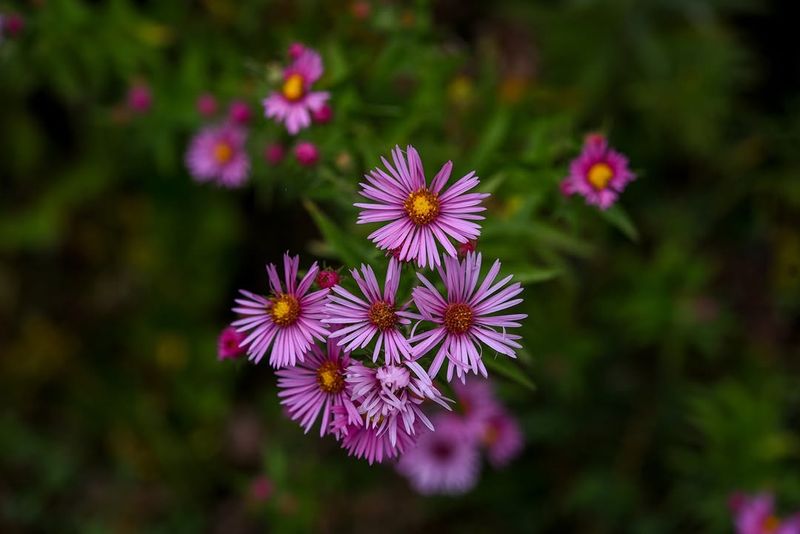
Bursting into bloom from August through October, it smothers itself in rich purple, deep pink, or sometimes white daisy-like flowers that look like a celebration of the season. On a warm fall afternoon with golden light filtering through the trees, a patch of New England Aster in full bloom is one of the most beautiful sights a gardener can enjoy.
Monarch butterflies migrating south through Ohio rely heavily on New England Aster as a critical energy source. Bees and other late-season pollinators are equally enthusiastic about it.
The plant grows tall, often reaching four to five feet, so it works beautifully at the back of a border or in a naturalized meadow setting where its height becomes an asset rather than a challenge.
Growing New England Aster is straightforward. It prefers full sun and moist to average soil, though it adapts well to drier conditions once established.
Pinching the stems back in early summer encourages bushier growth and more flowers come fall. One charming quirk of this plant is that its flowers tend to close up at night and on cloudy days, opening back up when the sun returns.
It is almost like having a living weather forecast right in your own backyard.
9. Goldenrod That Glows When Others Fade
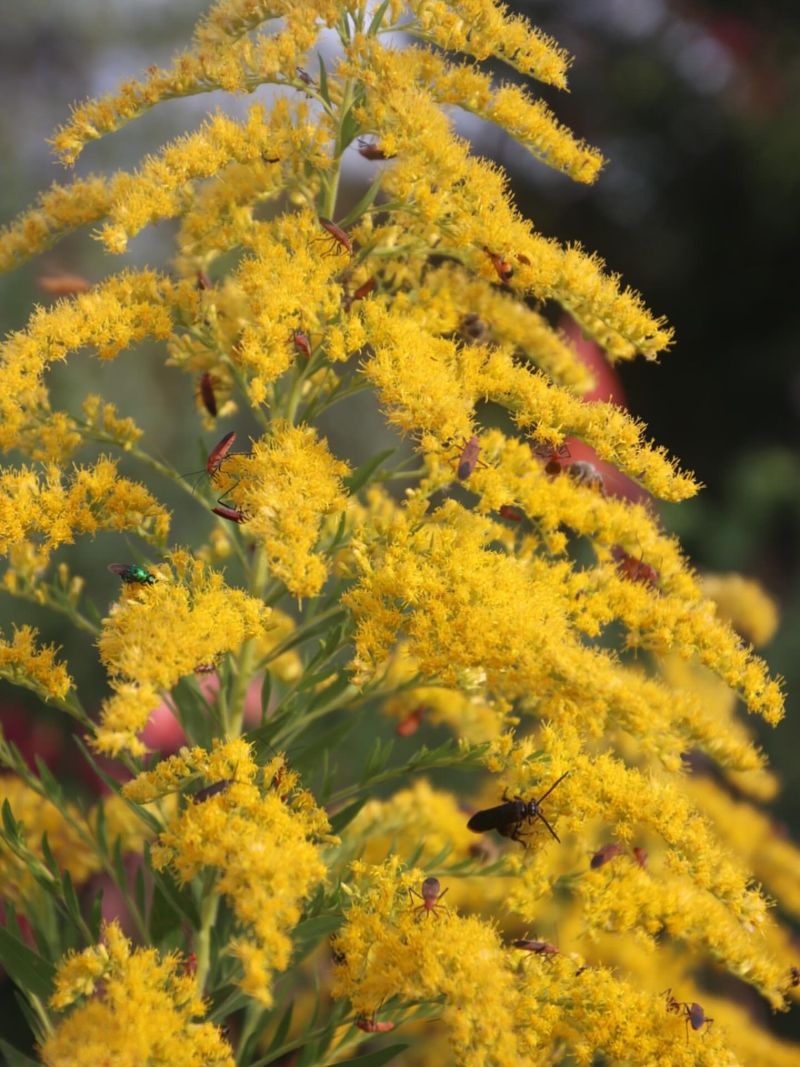
Often misunderstood, this plant gets a bad reputation it does not deserve. Many people blame it for fall allergies, but the real culprit is ragweed, which blooms at the same time and releases pollen into the air.
Goldenrod’s pollen is heavy and sticky, carried by insects rather than the wind, so it is actually one of the most allergy-friendly native plants you can grow. Spreading this fact feels like defending a friend who has been wrongly accused for years.
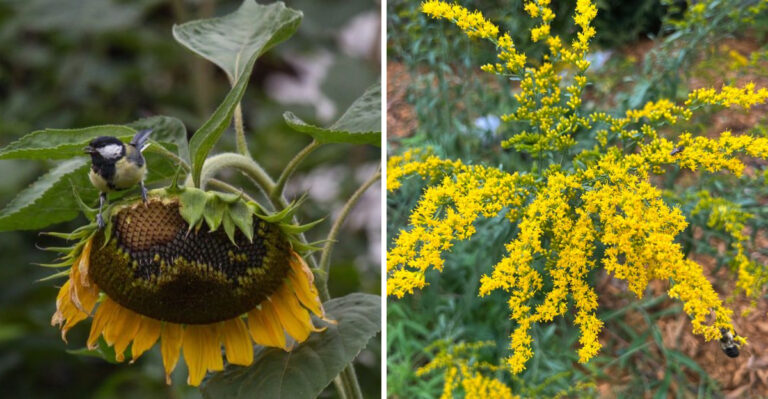
From August through October, Goldenrod lights up Ohio’s meadows, roadsides, and gardens with arching plumes of bright golden-yellow flowers. It is a powerhouse for pollinators, supporting over 100 species of bees, many of which are native to Ohio and depend on Goldenrod’s late-season nectar and pollen to survive the winter.
Few plants offer that level of ecological value.
Goldenrod is easy to grow and spreads enthusiastically, so giving it a dedicated spot where it can roam freely makes the most sense. In a naturalized area or mixed wildflower planting, it looks absolutely spectacular.
There are also clump-forming varieties available for gardeners who prefer a tidier look. Either way, Goldenrod earns its place in any Ohio native garden by delivering stunning color and feeding an impressive community of wildlife right up until frost arrives.
10. Sneezeweed That Keeps Blooming Into Fall
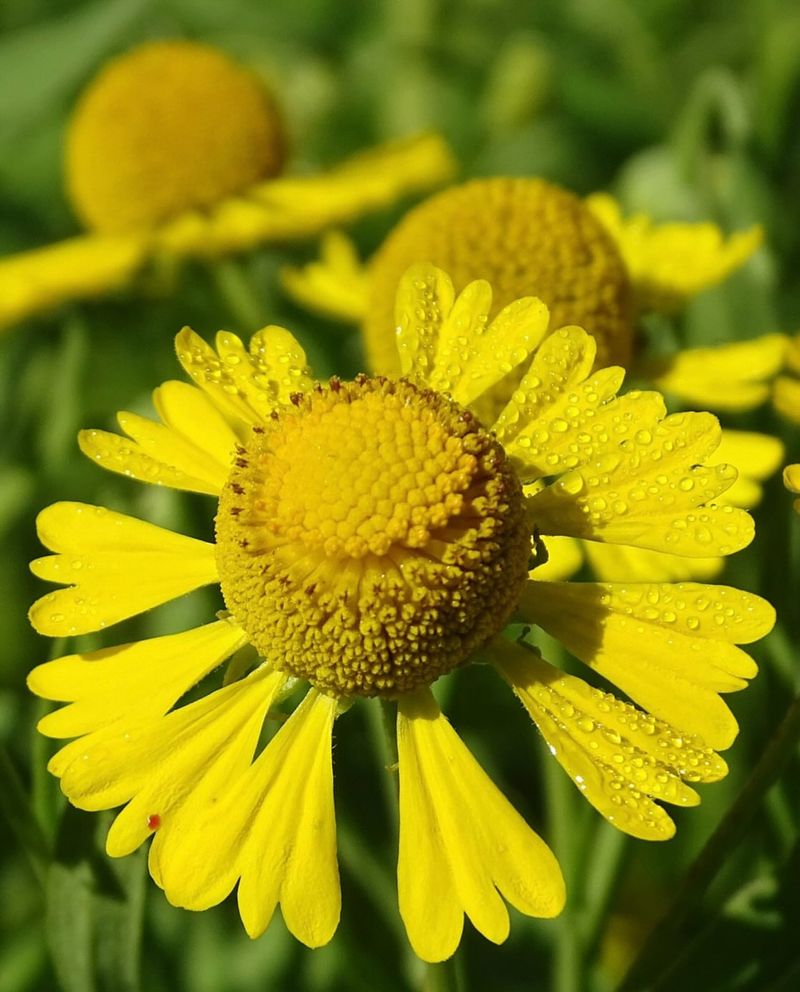
Despite its funny name, Sneezeweed has nothing to do with sneezing. The name actually comes from an old practice of drying its leaves to make a snuff that people sniffed to ward off evil spirits, which caused sneezing.
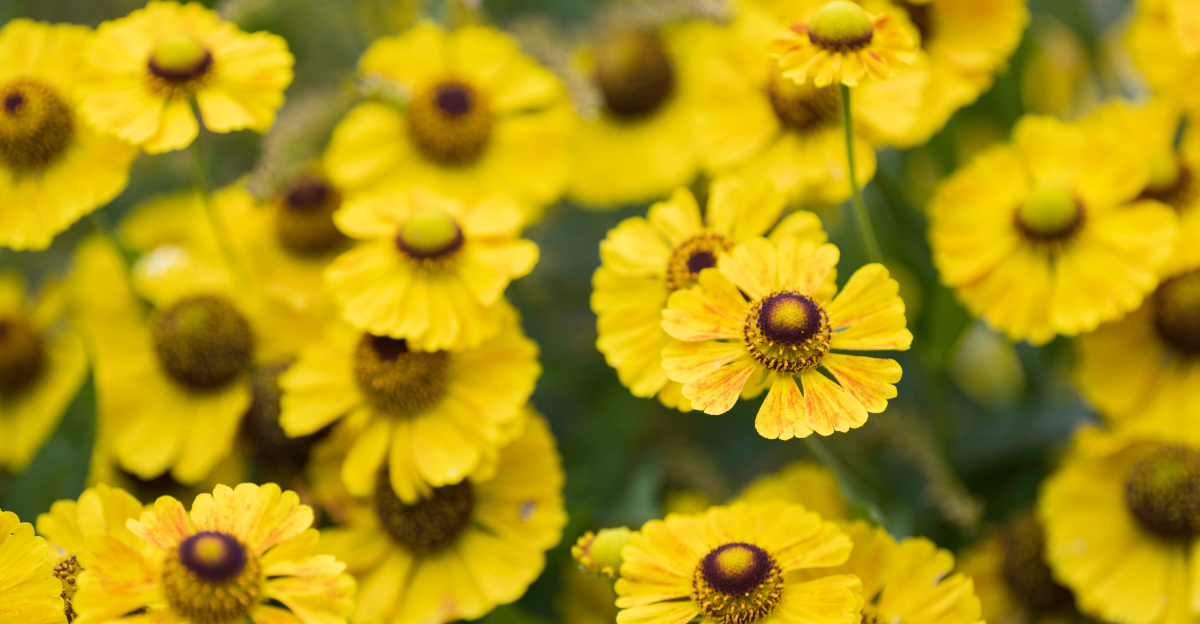
Today, Sneezeweed is celebrated simply for being one of Ohio’s most cheerful and reliable fall-blooming native wildflowers, producing waves of bright yellow daisy-like flowers from August through October.
Sneezeweed loves moisture and thrives along stream banks, pond edges, rain gardens, and low-lying areas that stay consistently damp. It grows two to five feet tall and produces an abundance of blooms that brighten up wet spots where many other flowering plants struggle.
The flowers have a distinctive, slightly drooping petal arrangement around a rounded, button-like center that gives them a playful, almost bouncy look.
Butterflies and native bees are strongly attracted to Sneezeweed’s blooms, making it a valuable addition to any pollinator garden, especially in fall when nectar sources become harder to find. The plant spreads gradually through both seeds and underground stems, forming attractive clumps over time.
Cutting the stems back by about half in early summer results in more compact growth and an even greater number of flowers. Sneezeweed proves that a quirky name can belong to a truly wonderful plant.