9 Fast-Growing Crops That Thrive In Arizona Raised Garden Beds
While most of the country is still waiting for the ground to thaw, Arizona gardeners are already holding a winning hand.
With our soaring daylight hours and rapidly warming desert soil, the “spring sprint” is officially on.
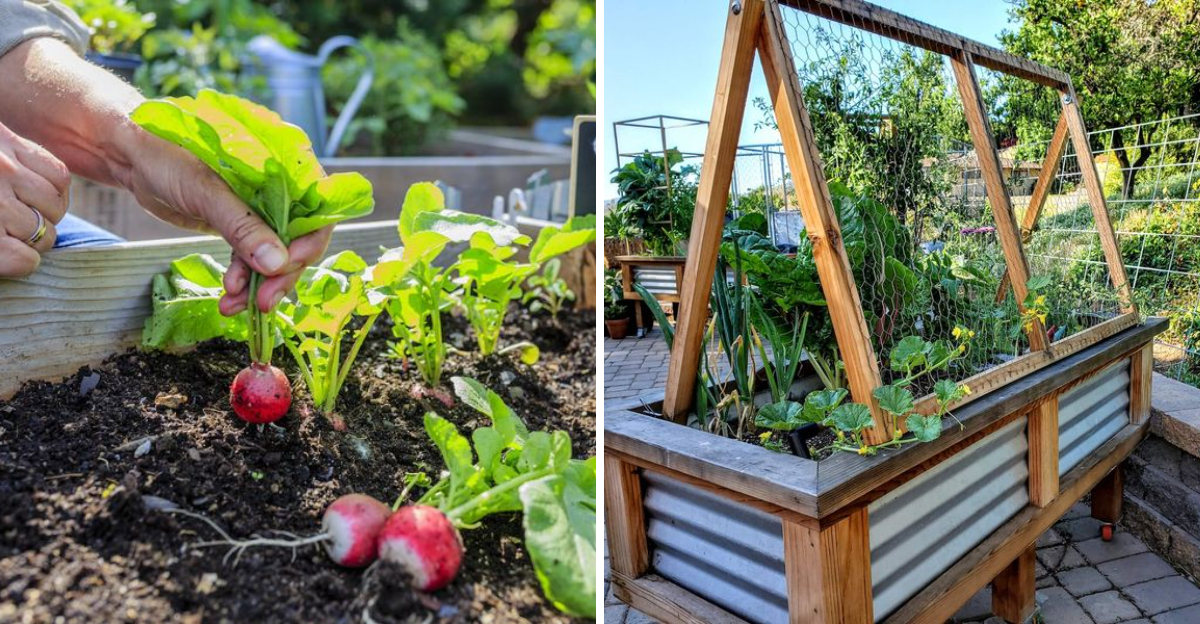
If you’ve been on the fence about raised beds, now is the time to dive in – they are the ultimate hack for managing drainage and desert heat. The secret to a legendary Arizona harvest is all about speed.
By planting quick-maturing crops right now, you’re racing against the clock to beat that brutal summer sun.
It’s the best way to ensure your garden is overflowing with abundance before the triple digits settle in for the season.
1. Lettuce Grows Quickly And Produces Tender Leaves
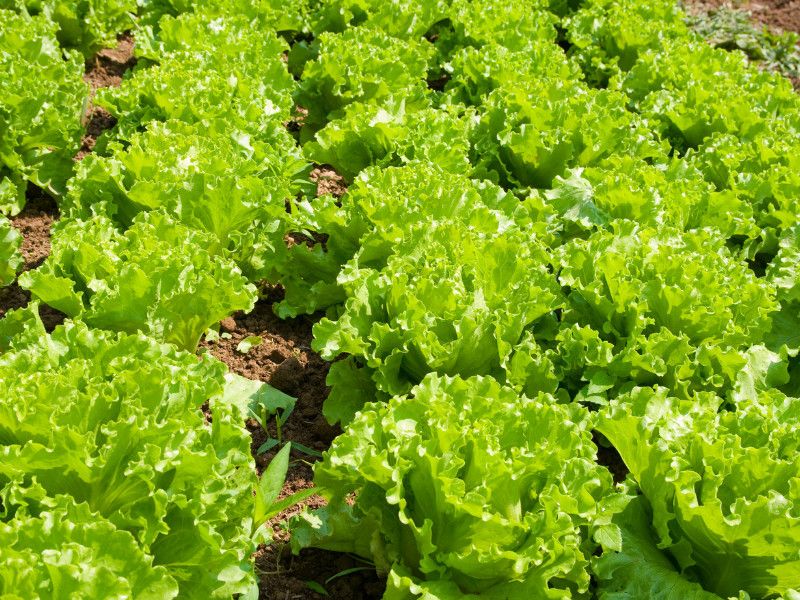
Spring mornings in Arizona’s low desert warm up faster than most gardeners expect, which makes timing everything when it comes to growing lettuce in raised beds.
In the Phoenix area, lettuce does best when planted from late January through early March, giving it time to mature before temperatures climb past 80 degrees Fahrenheit.
At higher elevations like Prescott or Flagstaff, the planting window extends a few weeks further into spring.
Raised beds are a strong match for lettuce because you control the soil mix completely. A blend of compost, peat moss or coco coir, and perlite keeps the bed loose, moisture-retentive, and well-drained.
Lettuce roots are shallow, so even a bed that is eight to ten inches deep provides plenty of growing room.
Loose-leaf varieties like Black Seeded Simpson or Red Sails tend to mature in 45 to 60 days and respond well to cut-and-come-again harvesting. Snip outer leaves regularly to encourage the plant to keep producing fresh growth.
Water consistently with drip irrigation to maintain even moisture without wetting the foliage, which can invite fungal issues in Arizona’s fluctuating spring humidity.
2. Radishes Develop Fast And Add Crunch To Salads
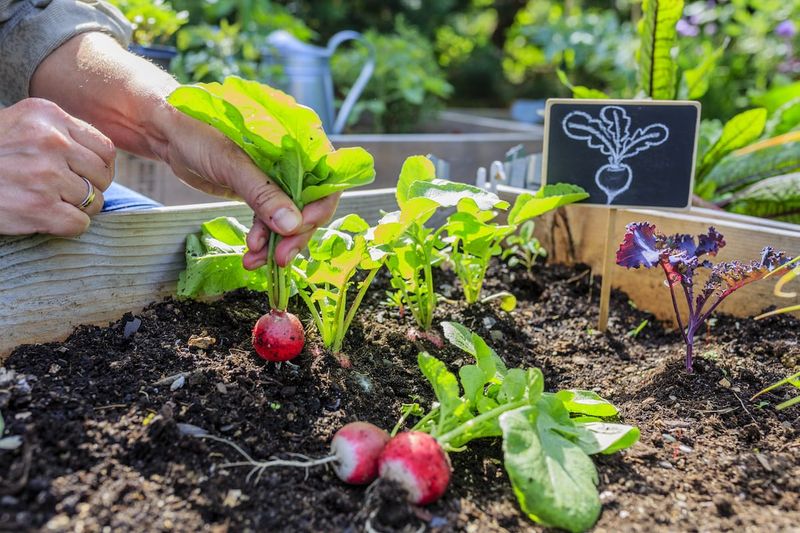
Few vegetables reward impatient gardeners quite like radishes. In Arizona raised beds, these small but mighty root vegetables can go from seed to harvest in as little as 20 to 30 days, making them one of the fastest crops you can grow.
Cherry Belle and Easter Egg varieties are popular choices in the low desert because they handle Arizona’s warm spring soil without bolting too quickly.
Radishes prefer loose, well-amended soil that allows their roots to expand without resistance. Raised beds filled with a quality compost-heavy mix are ideal for this reason.
Sow seeds about half an inch deep and one inch apart, then thin seedlings to two inches once they sprout. Crowded radishes tend to produce more leaf than root, so thinning matters.
In the Phoenix area, sow radishes from late January through early March for the best spring results. Succession planting every two weeks stretches your harvest window considerably.
Water evenly and consistently because irregular moisture causes radishes to crack or develop a pithy texture.
Harvest promptly once roots reach their expected size, since leaving them in the ground too long in Arizona’s warming soil leads to a woody, bitter flavor.
Your Arizona Garden Changes Every Week. Your Plan Should Too.
Gardening in Arizona changes quickly throughout the season. Every Friday you’ll receive a simple weekly plan showing exactly what to plant, prune, fertilize, harvest, and protect so you never miss the right timing.
3. Spinach Thrives In Cooler Spring Raised Beds
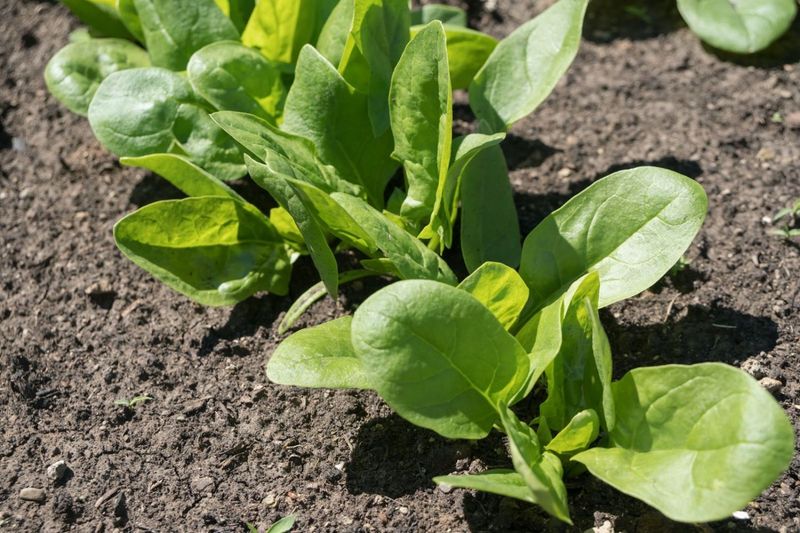
There is something satisfying about watching spinach push up through freshly amended raised bed soil in late winter, especially knowing that Arizona’s spring season is brief and productive.
Spinach is a cool-season crop that performs best when daytime temperatures stay between 50 and 70 degrees Fahrenheit.
In low desert areas like Tucson and Phoenix, the window runs roughly from late January to early March before heat causes bolting.
Rich, fertile soil makes a real difference with spinach. Work in plenty of finished compost before planting to give the crop the nitrogen boost it craves.
Raised beds are helpful here because you can amend the soil precisely without battling the caliche layers or compacted clay that challenge many Arizona ground-level gardens.
Bloomsdale Long Standing and Space are two varieties that show good heat tolerance and hold up a bit longer in warming conditions. Sow seeds about half an inch deep and three inches apart, then thin to six inches for full-size leaves.
Water regularly using drip lines to keep moisture consistent without waterlogging the roots.
At higher elevations like Flagstaff, spinach can be planted a bit later in spring and may even extend into early summer with some afternoon shade protection.
4. Arugula Delivers Peppery Flavor In Just Weeks
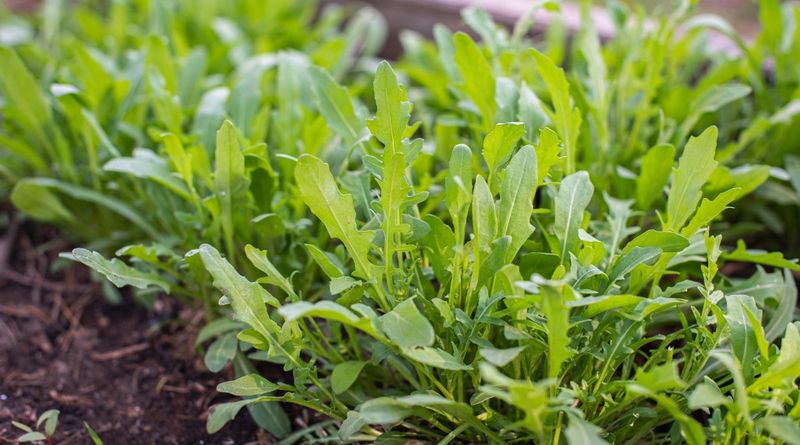
Gardeners who love bold, peppery salad greens will find arugula one of the most rewarding quick crops available for Arizona raised beds.
Under good conditions, baby arugula leaves are ready to harvest in as few as 20 to 30 days after germination, and full-sized leaves follow within 40 days.
That rapid turnaround makes it a smart choice for filling gaps between other plantings.
Direct sowing works best for arugula since it does not transplant especially well. Scatter seeds thinly across the bed surface, press them lightly into the soil, and water gently.
Germination typically occurs within five to seven days in Arizona’s warm spring soil. Thin seedlings to about four inches apart once they reach an inch tall to encourage fuller leaf development.
In the low desert, plant arugula from late January through mid-February for the strongest spring crop. As temperatures rise, arugula bolts and turns more intensely bitter, so harvesting early and often is the key strategy.
Cut leaves when they reach about three to four inches long, leaving the growing tip intact to encourage regrowth.
A light application of balanced liquid fertilizer midway through the growing cycle helps maintain vigorous leaf production throughout Arizona’s short but productive cool season.
5. Bush Beans Produce Pods Rapidly In Full Sun
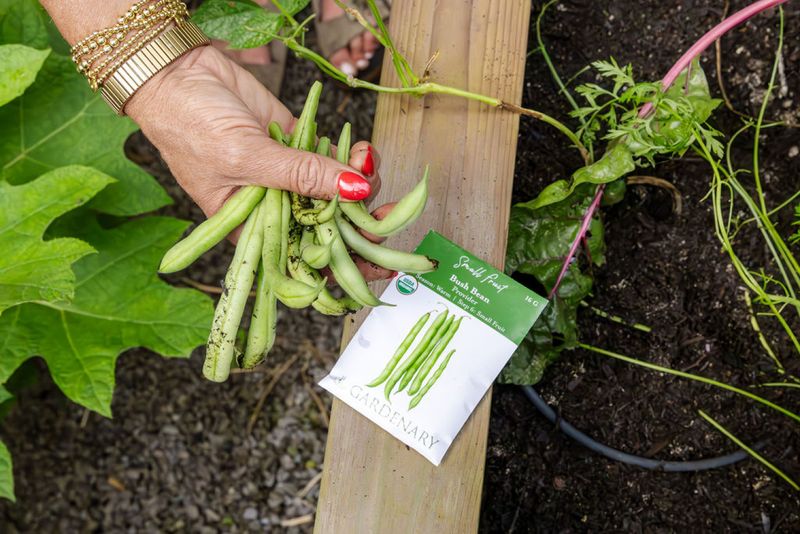
Arizona’s full sun and warm spring soil create near-ideal conditions for bush beans, which are among the most productive crops you can grow in a raised bed.
Unlike pole beans, bush varieties are compact and self-supporting, so they fit comfortably into a raised bed without the need for trellises or stakes.
Provider, Contender, and Blue Lake 274 are reliable varieties that perform consistently in desert conditions.
Wait until the soil temperature in your raised bed reaches at least 60 degrees Fahrenheit before sowing bean seeds, since cold soil slows germination and can cause seeds to rot.
In Phoenix and Tucson, that window often opens in late February or early March.
Sow seeds about one inch deep and three inches apart, then thin to six inches once seedlings are established.
Bush beans fix their own nitrogen with the help of soil bacteria, so heavy fertilizing is not necessary. However, phosphorus-rich amendments at planting time support strong root development.
Water deeply and consistently, aiming for about one inch per week through drip irrigation. Beans typically begin producing pods 50 to 60 days after sowing.
Harvest pods when they are firm and about four inches long for the best flavor and texture, and pick frequently to encourage continued pod production.
6. Zucchini Yields Summer Squash Fast And Easily
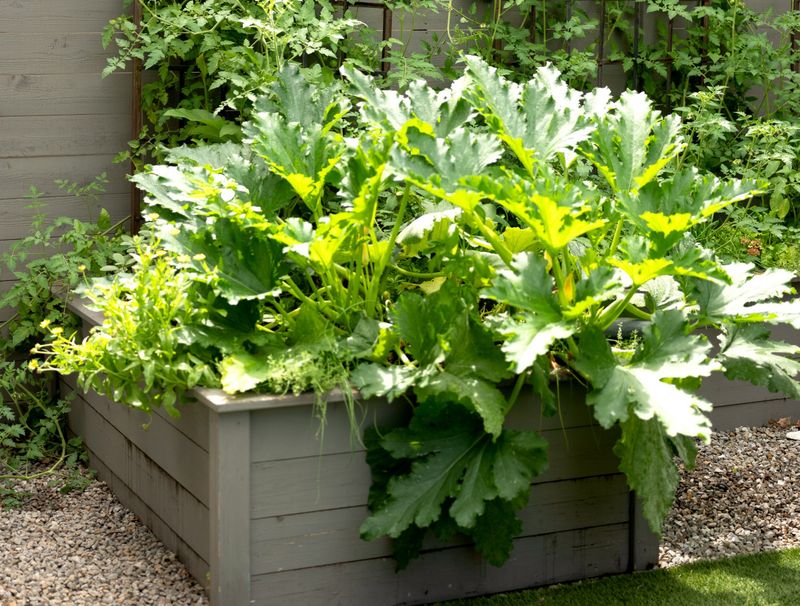
Zucchini has a well-earned reputation for being one of the most productive vegetables a home gardener can grow, and Arizona’s warm spring conditions push that productivity even further.
Once the plants begin flowering, fruits develop quickly and can reach harvestable size in just four to eight days.
Black Beauty and Patio Star are varieties that work well in raised beds because of their manageable plant size.
Give zucchini plenty of room since each plant spreads two to three feet in diameter. One or two plants per four-by-eight raised bed is generally sufficient for a good harvest.
Amend the bed heavily with compost before planting because zucchini is a heavy feeder that benefits from nutrient-rich soil throughout its growing cycle.
In Arizona’s low desert, transplant zucchini seedlings or direct-sow seeds in late February through March for a spring crop. Soil temperature should be at or above 65 degrees Fahrenheit for strong germination.
Water deeply two to three times per week using drip irrigation, and consider applying a balanced fertilizer every three to four weeks. Harvest zucchini when fruits are six to eight inches long for the best flavor and texture.
Leaving fruits on the plant too long reduces overall production and results in oversized, seedy squash.
7. Cucumbers Climb And Fruit Quickly In Raised Beds
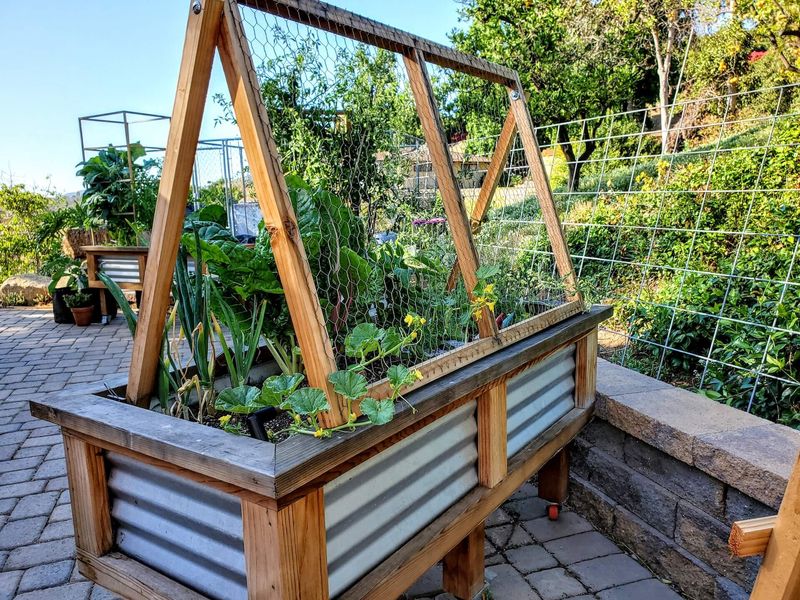
Raised beds with a small vertical trellis transform cucumber growing in Arizona from a sprawling challenge into a tidy, highly productive setup.
Cucumbers love warmth, and Arizona’s spring soil heats up quickly, which encourages fast germination and vigorous vine growth.
Varieties like Straight Eight, Spacemaster, and Bush Pickle are solid options for raised bed gardens across the state.
Sow cucumber seeds about one inch deep after the last frost date has passed and soil temperatures have reached at least 65 degrees Fahrenheit. In the Phoenix area, that typically falls in late February or early March.
Seeds germinate in seven to ten days under warm conditions, and vines begin climbing within two to three weeks of sprouting.
Cucumbers are thirsty plants that benefit from consistent moisture, especially as fruits develop.
Drip irrigation works well because it delivers water directly to the root zone without wetting the foliage, which reduces the risk of powdery mildew, a common issue in Arizona’s dry spring air.
Fruits are typically ready to harvest 50 to 70 days after sowing. Pick cucumbers when they are firm and dark green, before the skin begins to yellow.
Frequent harvesting encourages the plant to keep producing new fruits throughout the season.
8. Beets Form Sweet Roots In Well-Drained Soil
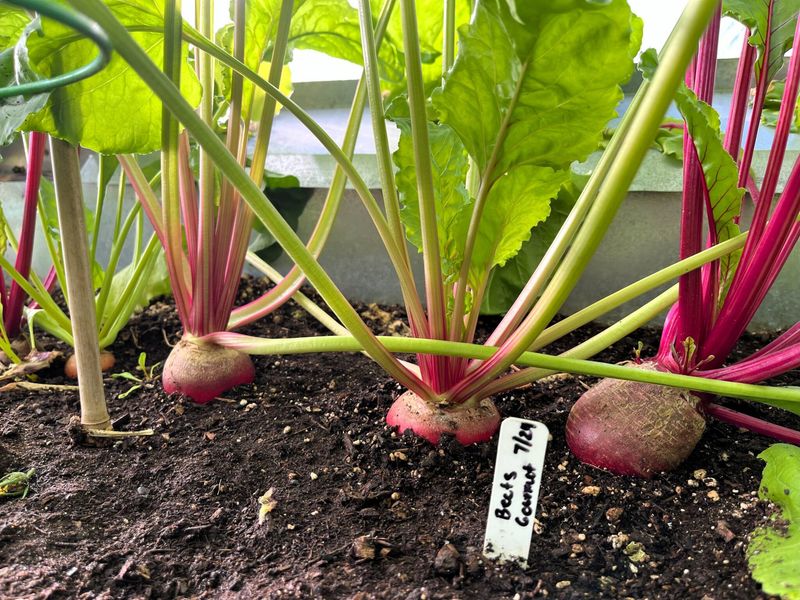
Beets are one of those vegetables that offer a double harvest, giving gardeners both tender greens for salads and sweet, earthy roots for roasting. In Arizona raised beds, beets perform well during the cooler months of late winter and early spring.
Detroit Dark Red and Chioggia are popular varieties that mature reliably in Arizona’s desert climate.
Because beet seeds are actually clusters of multiple seeds, thinning is essential. Sow clusters about one inch deep and three inches apart, then thin seedlings to four to six inches once they reach two inches tall.
Skipping this step results in crowded roots that stay small and misshapen. Raised beds make this easier because the loose, deep soil allows roots to expand without hitting compaction.
In the low desert, plant beets from late January through early March. Consistent moisture is important for smooth, evenly sized root development.
Irregular watering causes cracking and rough texture. Beets typically mature in 55 to 70 days depending on the variety.
Harvest when roots are about one and a half to two inches in diameter for the sweetest flavor. Leaving them in warming Arizona soil too long can make the roots woody and less palatable, so check regularly as harvest time approaches.
9. Bok Choy Offers Fast-Growing, Crisp Greens
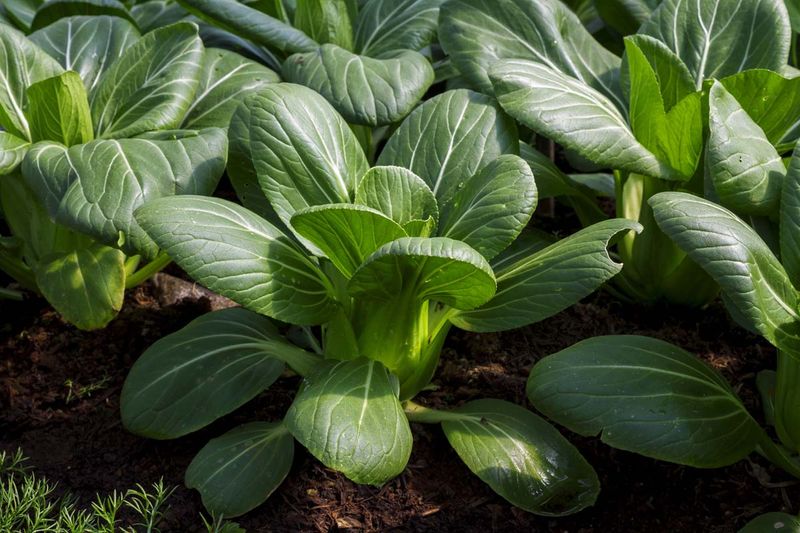
Not enough Arizona gardeners grow bok choy, which is a shame because it is one of the fastest and most rewarding cool-season crops available for raised beds.
Baby bok choy varieties like Toy Choi and Shanghai Green can be ready to harvest in as little as 30 to 45 days from transplant, making them a strong candidate for filling the gap between winter and the full heat of summer.
Bok choy prefers loose, fertile soil with good drainage, which is exactly what a well-amended raised bed provides. Work compost into the bed before planting and consider adding a balanced slow-release fertilizer to support steady growth.
Space transplants or seedlings about six to eight inches apart to allow heads to develop fully without crowding.
In Arizona’s low desert, plant bok choy from late January through early March. At higher elevations like Prescott, the window extends a few weeks later.
Water consistently using drip irrigation to keep the soil evenly moist but not saturated. Bok choy is sensitive to bolting in warm conditions, so harvesting on the earlier side is wise in Arizona.
Cut the entire head at the base when it looks full and compact, or harvest individual outer leaves regularly to extend the productive life of each plant.