The 9 Plants Oregon Gardeners Should Thin Out Right Now For Better Summer Growth
One day your Oregon garden looks lush and full, and the next it starts feeling a little too packed for comfort. Leaves overlap, stems lean into each other, and all that spring energy can turn into a tangled scene that sets plants up for a rougher summer.
It happens fast, especially once the weather warms and everything seems to double in size overnight.
This is the point where smart gardeners step in. Not with anything drastic, just a careful edit here and there.
Thinning out the right plants now can lead to stronger stems, better air movement, cleaner shapes, and a garden that holds up much better when summer pushes in.
It is one of those small jobs that can make a surprisingly big difference. A few snips today can help your beds look tidier, bloom better, and stay healthier through the months ahead.
Some plants truly shine after a little breathing room, and the difference is easier to spot than most people expect.
1. Hostas
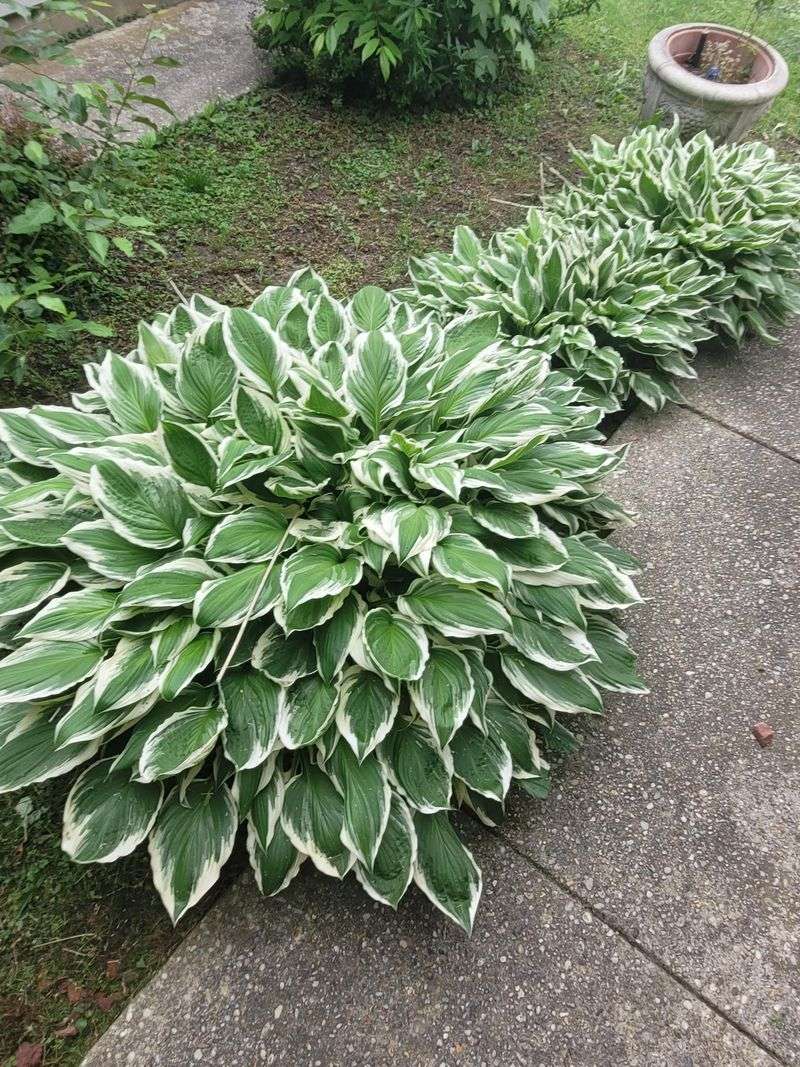
Few plants bring that cool, lush look to a shady Oregon garden like hostas do. They grow fast, spread wide, and can quickly get overcrowded if left alone for too long.
When clumps get too thick, the leaves start to look smaller and the plant loses that bold, full appearance everyone loves.
Thinning hostas in spring, before the leaves fully unfurl, is the easiest way to keep them healthy. Use a sharp shovel or garden fork to divide large clumps into smaller sections.
Each division should have several healthy roots attached.
Replant the divisions in other shady spots around your Oregon yard, share them with neighbors, or compost the extras. Freshly divided hostas bounce back quickly and reward you with bigger, more vibrant leaves all season.
Make sure to water new divisions well for the first few weeks. Adding a layer of mulch around the base helps the soil stay moist and cool.
Hostas that have been thinned out regularly tend to look fuller and more impressive than those left to crowd themselves out year after year.
2. Daylilies
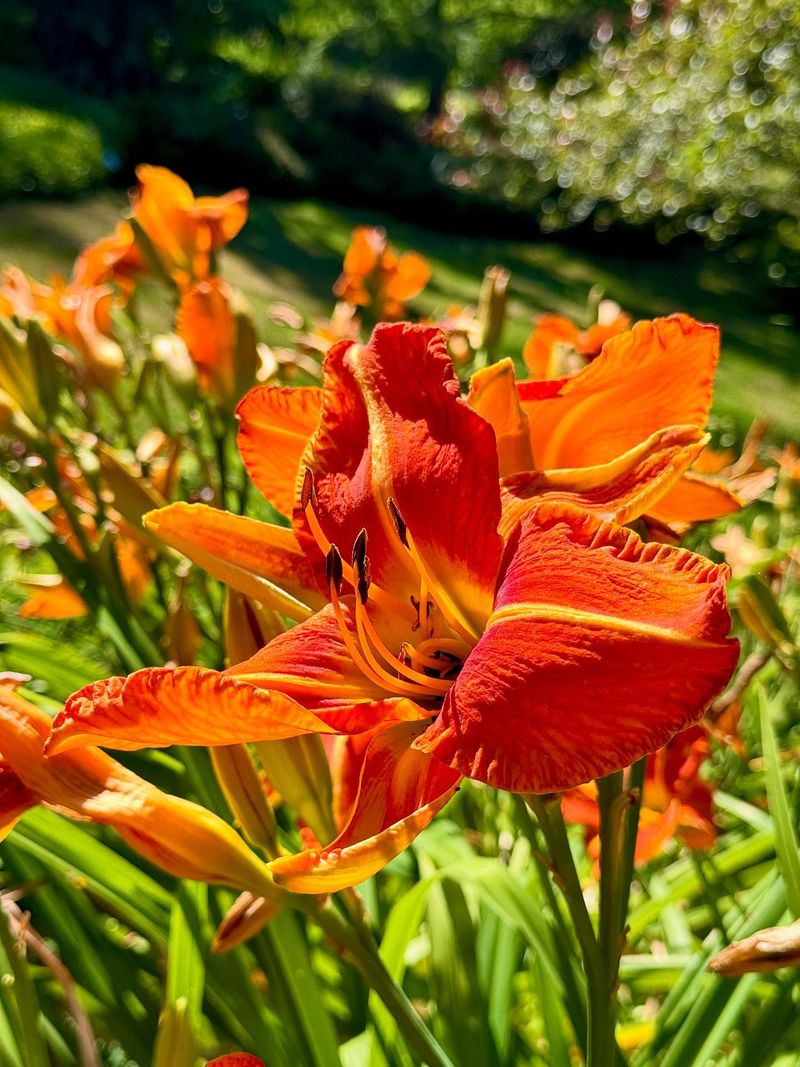
Daylilies are one of the toughest and most cheerful plants you can grow in an Oregon garden. They multiply fast, and before you know it, one small clump can turn into a massive, tangled mass that barely blooms.
That is a sure sign it is time to thin them out.
When daylily clumps get too dense, the flowers become sparse and small. Thinning them now, while the foliage is still short and easy to manage, gives you the best results.
Dig up the entire clump with a sturdy fork and gently pull or cut the roots apart into smaller sections.
Each section should have a good fan of leaves and a healthy root system. Replant the divisions about 18 inches apart so they have room to spread without crowding each other again too quickly.
Oregon’s mild spring weather makes this the ideal time for transplanting because the soil is moist and temperatures are not too hot yet. Water your newly planted divisions regularly for the first couple of weeks.
Your Oregon Garden Changes Every Week. Your Plan Should Too.
Gardening in Oregon changes quickly throughout the season. Every Friday you’ll receive a simple weekly plan showing exactly what to plant, prune, fertilize, harvest, and protect so you never miss the right timing.
By midsummer, you will have more blooms than ever, and your garden will look absolutely stunning from June through August.
3. Tall Garden Phlox
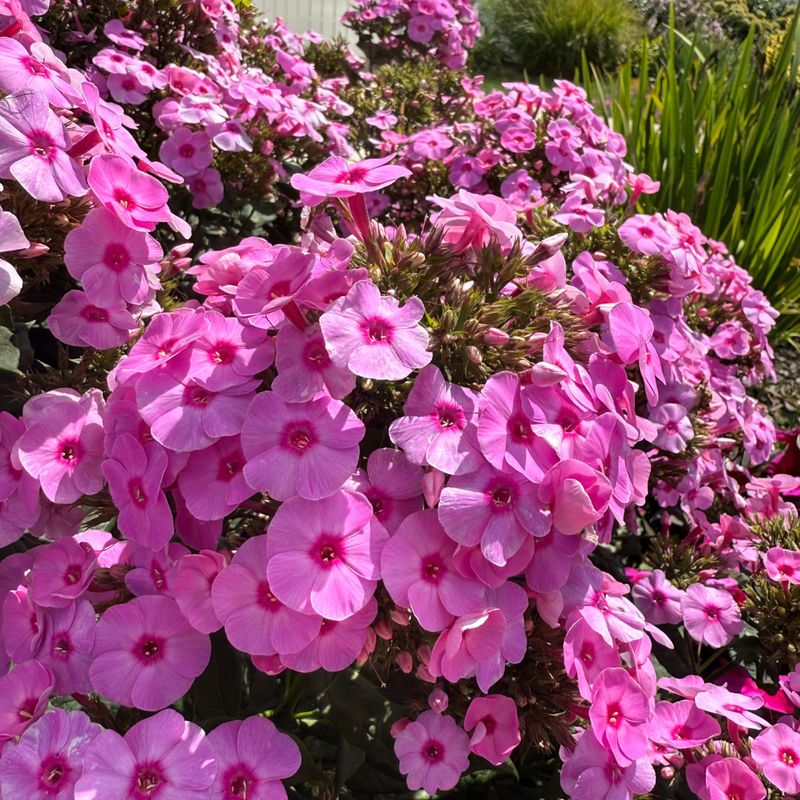
Tall garden phlox is a showstopper in any Oregon garden, producing towering spikes of fragrant flowers in shades of pink, white, purple, and red. But here is the catch: when phlox stems get too crowded, airflow drops and powdery mildew becomes a real problem.
Thinning the stems early in spring is one of the best things you can do for this plant.
Right now, while the stems are still short and easy to reach, go through each clump and remove about one-third to one-half of the stems at ground level. Focus on pulling out the thinnest, weakest-looking shoots first.
Leave only the strongest, thickest stems standing.
This simple step does two big things. First, it improves airflow through the plant, which reduces the chance of fungal disease taking hold during Oregon’s damp spring weather.
Second, it sends more energy into the remaining stems, which means taller plants and bigger flower clusters by summer. Phlox that has been thinned properly can easily reach four to five feet tall and produce blooms that last for weeks.
Keep the soil consistently moist and add a balanced fertilizer once a month for the best results throughout the season.
4. Ornamental Grasses
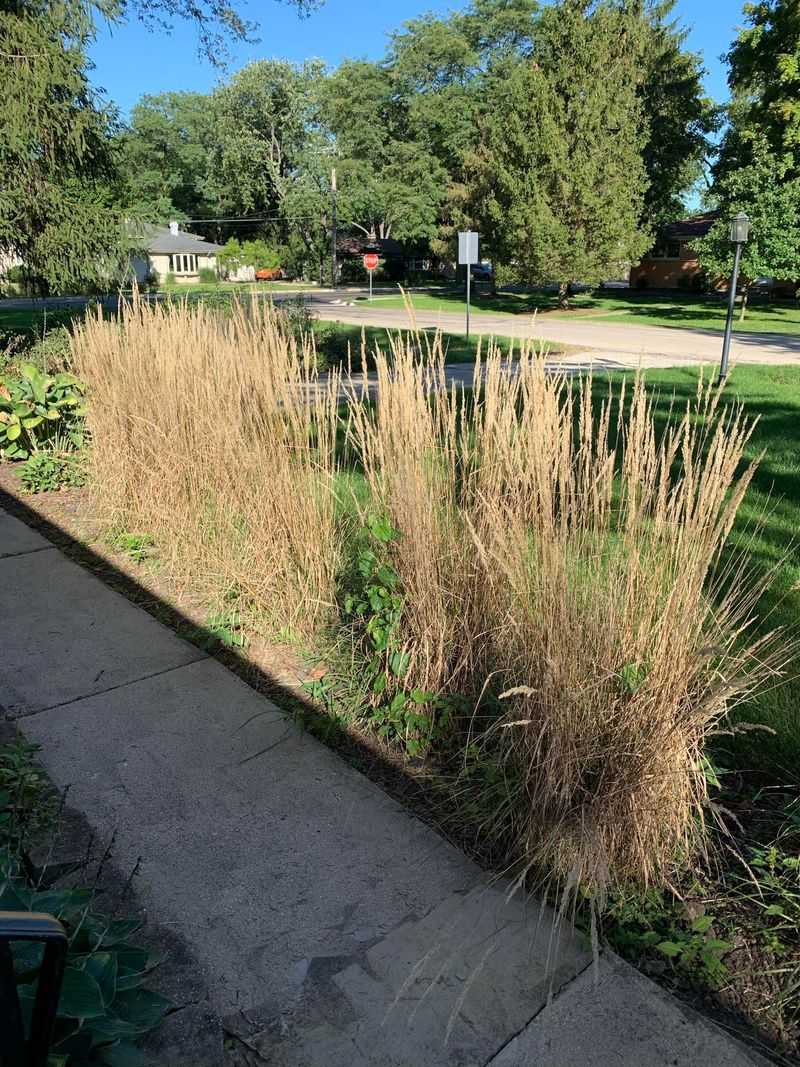
Ornamental grasses can look absolutely wild and wonderful in an Oregon landscape, but they do have a sneaky habit of getting out of control. Over time, the center of a large clump can turn brown and woody while the edges keep growing outward.
That hollow center is a clear signal that the plant needs to be divided and thinned.
Early spring, just as new green shoots begin to poke up from the base, is the ideal time to tackle this job. Cut the entire clump back to about four to six inches above the ground first.
Then use a sharp spade or even a pruning saw to slice through the root mass and divide it into sections.
Toss out the dead, woody center portions and replant only the healthy outer sections. Space them at least two to three feet apart depending on the variety, since most ornamental grasses grown in Oregon can spread quite wide.
Water the new divisions thoroughly after planting and keep the soil moist for the first few weeks. With proper thinning, ornamental grasses grow back fuller, greener, and more graceful than ever.
They add beautiful movement and texture to the garden all the way through fall.
5. Bee Balm
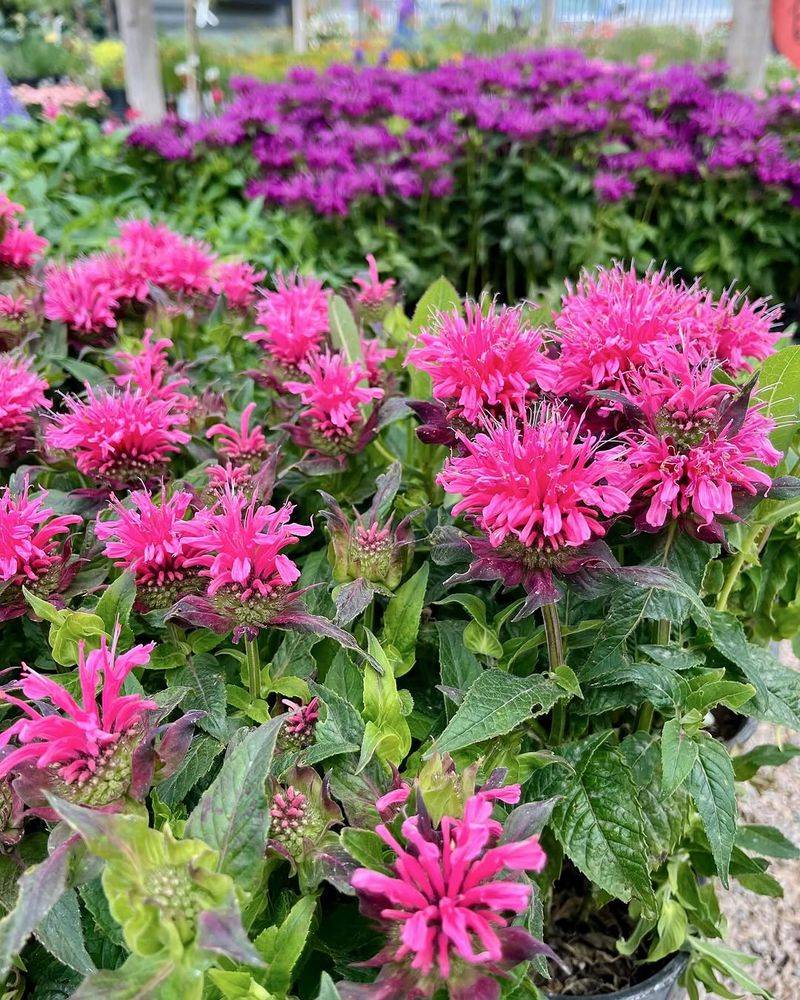
Bee balm is a Pacific Northwest favorite, and for good reason. Its bright, spidery flowers in red, pink, and purple attract bees, butterflies, and hummingbirds like a magnet.
But bee balm spreads aggressively through underground runners, and a patch that started small can take over a whole garden bed within a couple of seasons.
Thinning bee balm in spring is essential, especially in Oregon where the damp climate can encourage powdery mildew on overcrowded plants. Pull out or dig up any stems growing outside the area you want the plant to occupy.
Inside the main clump, remove about half the stems to open up space and improve airflow.
Keeping bee balm well-thinned not only prevents mildew but also produces much larger and more vibrant flower heads by midsummer.
Healthy, well-spaced plants are also more attractive to pollinators, which benefits your entire Oregon garden.
The removed sections can be potted up as new plants or shared with friends who want to add some pollinator-friendly color to their yards. Water regularly after thinning and consider adding a layer of compost around the base to feed the remaining plants.
You will notice a big difference in bloom quality by July.
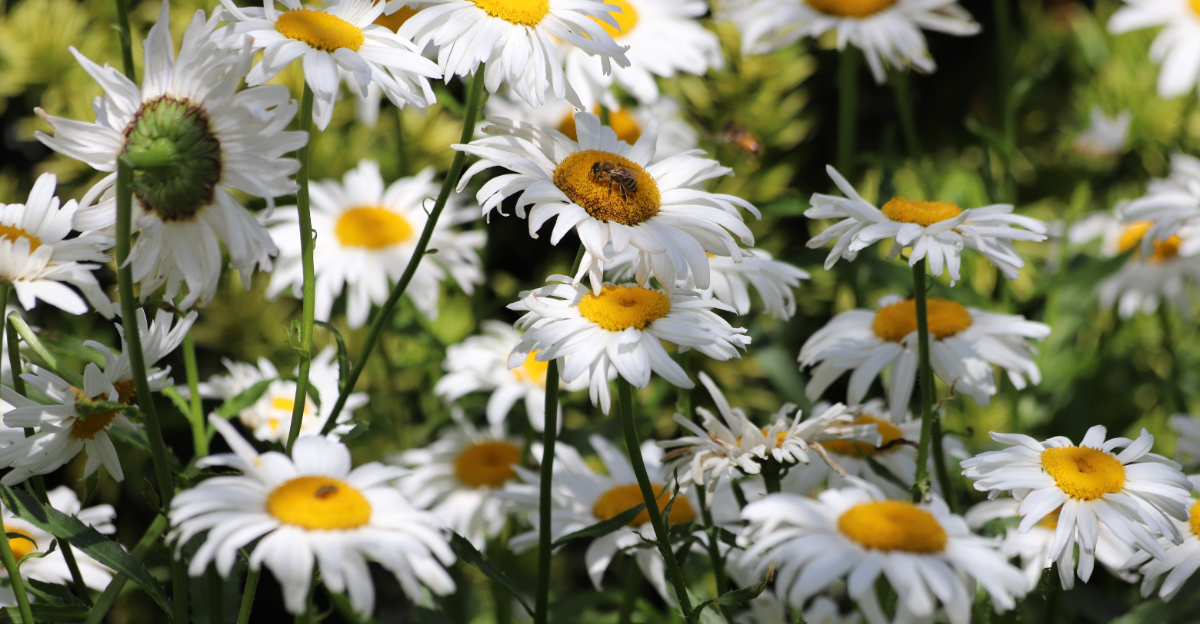
6. Shasta Daisies
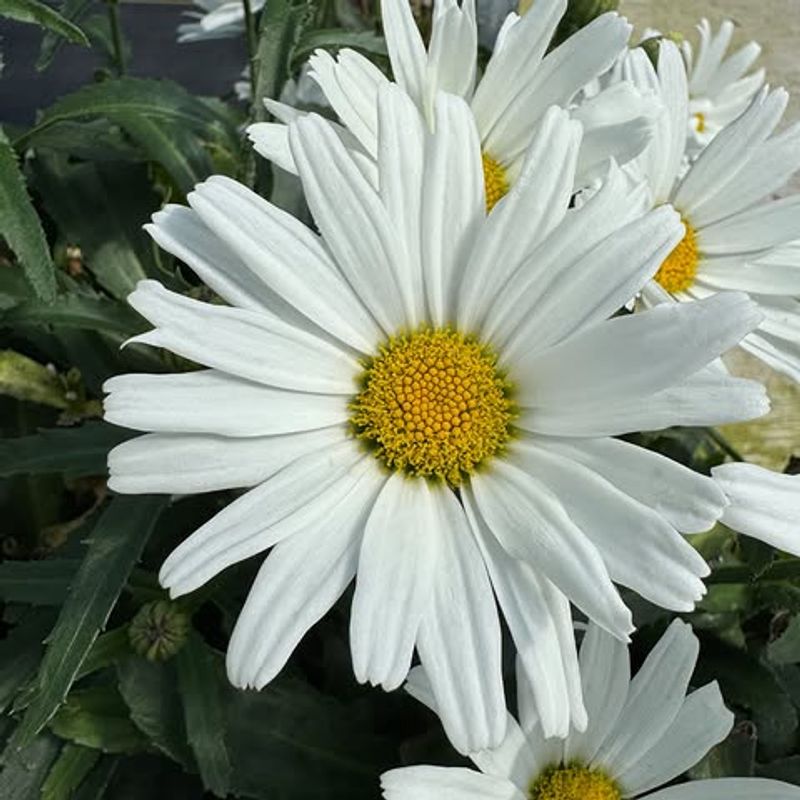
There is something undeniably cheerful about a patch of Shasta daisies in full bloom. Those bright white petals and sunny yellow centers are a classic sight in Oregon gardens from late spring all the way through summer.
But when clumps get too large and crowded, the flower count drops and the plant starts to look tired and ragged.
Thinning Shasta daisies every two to three years keeps them blooming their best. In early spring, dig up the entire clump and separate it into smaller sections, each with several healthy shoots and a good root system.
Discard any old, woody sections from the center of the clump, as these tend to bloom poorly.
Replant the fresh outer divisions about 12 to 18 inches apart in a sunny spot. Shasta daisies love full sun and well-drained soil, both of which are easy to find in many parts of Oregon during summer.
After replanting, water generously and keep the soil evenly moist until the plants are settled in. A light application of balanced fertilizer in late spring gives them an extra boost.
Properly thinned Shasta daisies come back stronger, bushier, and loaded with more flowers than you might expect.
7. Asters
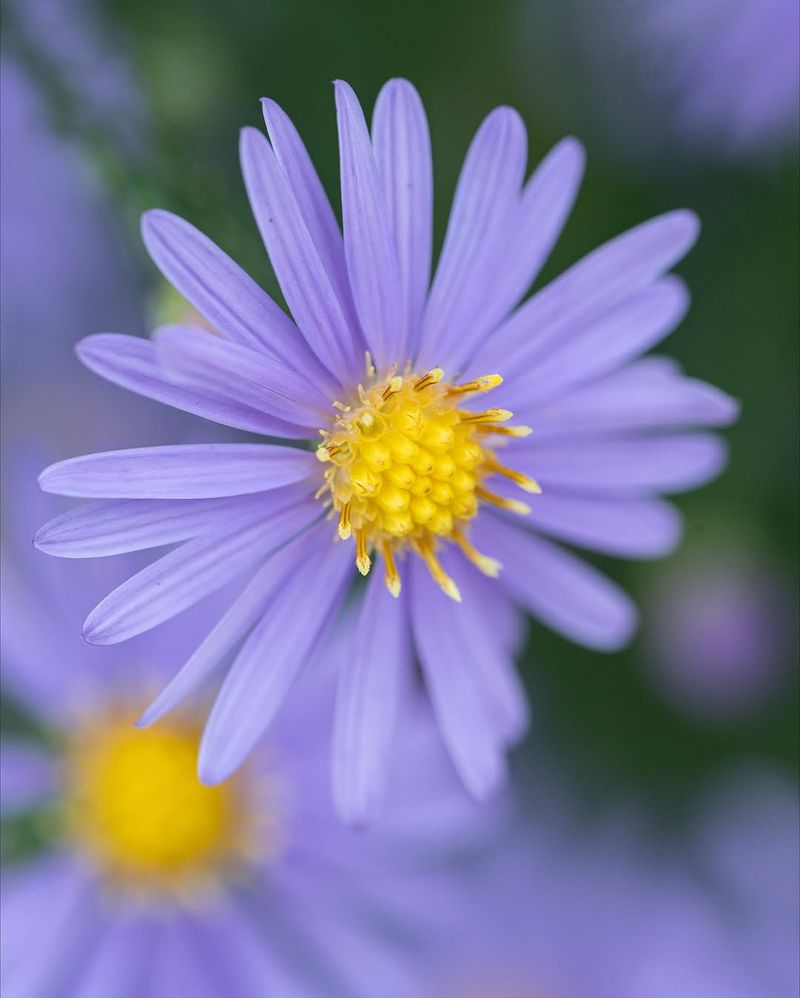
Asters are the unsung heroes of the fall garden, but the work that makes them shine actually starts right now in spring.
These reliable bloomers spread steadily each year, and without regular thinning, they become dense, floppy messes that fall over before they ever get a chance to flower properly.
When aster shoots are just a few inches tall, go through the clump and remove the weakest stems, leaving only the strongest ones spaced about six to eight inches apart.
You can also dig and divide overcrowded clumps at this stage, replanting healthy sections in other areas of your Oregon garden.
Thinning asters in spring does something really impressive: it encourages the remaining stems to grow sturdier and more upright, which means they hold up much better when they are covered in blooms later in the season. Shorter, bushier plants also tend to produce more flowers per stem.
Oregon’s mild spring temperatures make this a comfortable time to work in the garden, so take advantage of the cool mornings to get this done.
After thinning, water the plants well and add a thin layer of compost to feed the roots. Your asters will reward you with an incredible show from late summer into fall.
8. Chrysanthemums
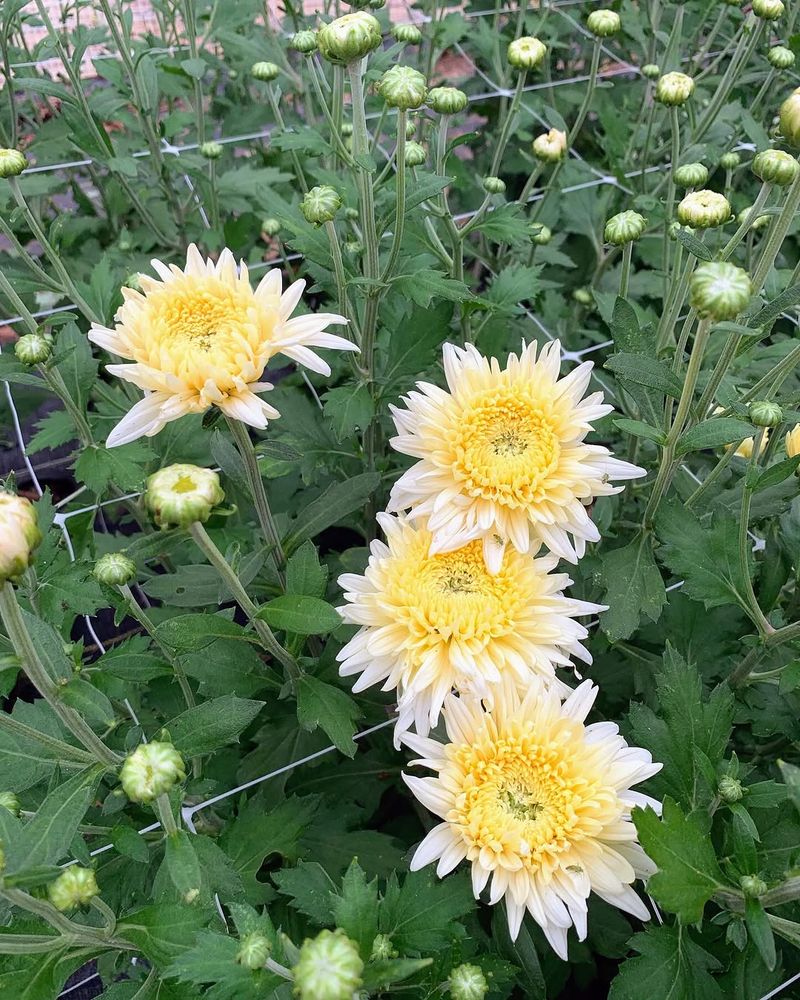
Ask any experienced Oregon gardener about chrysanthemums and they will tell you the secret to a great fall display starts months earlier than most people think.
Mums send up a big flush of new shoots in spring, and if you let all of them grow, the plant gets too crowded and produces smaller, weaker blooms come fall.
Now is the time to thin those shoots down to the strongest five to seven stems per plant. Simply pinch or cut out the weakest, thinnest stems right at the base.
This redirects the plant’s energy into fewer, stronger stems that will carry larger flower clusters later in the season.
While you are at it, check whether your chrysanthemum clumps have gotten too large overall. If a clump is more than two feet wide, dig it up and divide it into smaller sections, replanting only the healthiest outer portions.
Oregon’s cool spring soil is perfect for transplanting, and divided mums settle in quickly. Keep new divisions watered consistently and give them a slow-release fertilizer to support steady growth.
Pinch the growing tips again in early summer to encourage even more branching. By the time fall rolls around in Oregon, your chrysanthemums will be absolutely covered in color.
9. Black-Eyed Susans
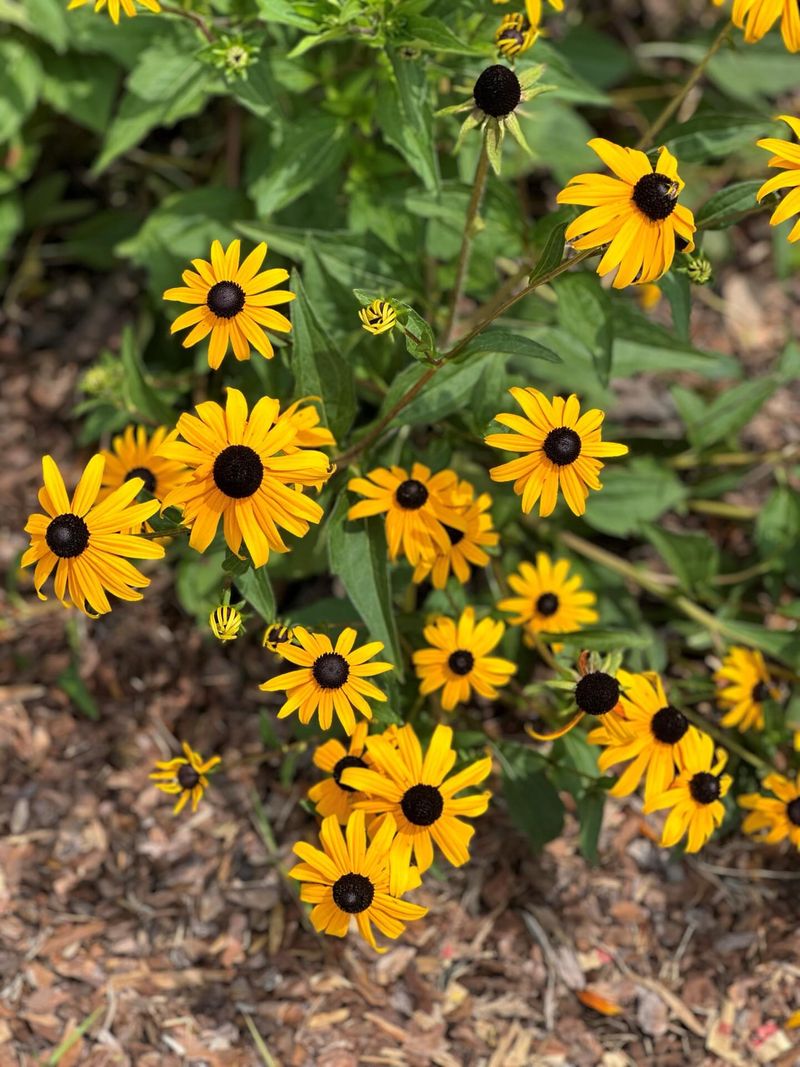
Bold, bright, and nearly impossible to ignore, black-eyed Susans are a summer staple in Oregon gardens. They self-seed enthusiastically and spread through underground rhizomes, which means a single plant can turn into a massive colony faster than you might expect.
That kind of enthusiasm is great until it is not.
Thinning black-eyed Susans in spring keeps them from smothering nearby plants and helps each individual stem get the nutrients it needs to produce those iconic golden-yellow blooms.
Pull out seedlings that have popped up in unwanted spots and dig up overgrown clumps to divide them into smaller, more manageable sections.
When dividing, look for healthy crowns with good root systems and replant them about 18 inches apart in full sun.
Black-eyed Susans thrive in Oregon’s summer heat and do not need a lot of extra watering once established, making them a low-maintenance choice for busy gardeners.
After thinning, top-dress the area with a little compost to give the remaining plants a nutrient boost. You will notice that thinned plants grow more upright and produce more flowers per stem compared to those left in crowded conditions.
A little effort now truly pays off big when summer arrives across Oregon.