How To Keep Fuchsia Hybrids Blooming Longer In Michigan Homes
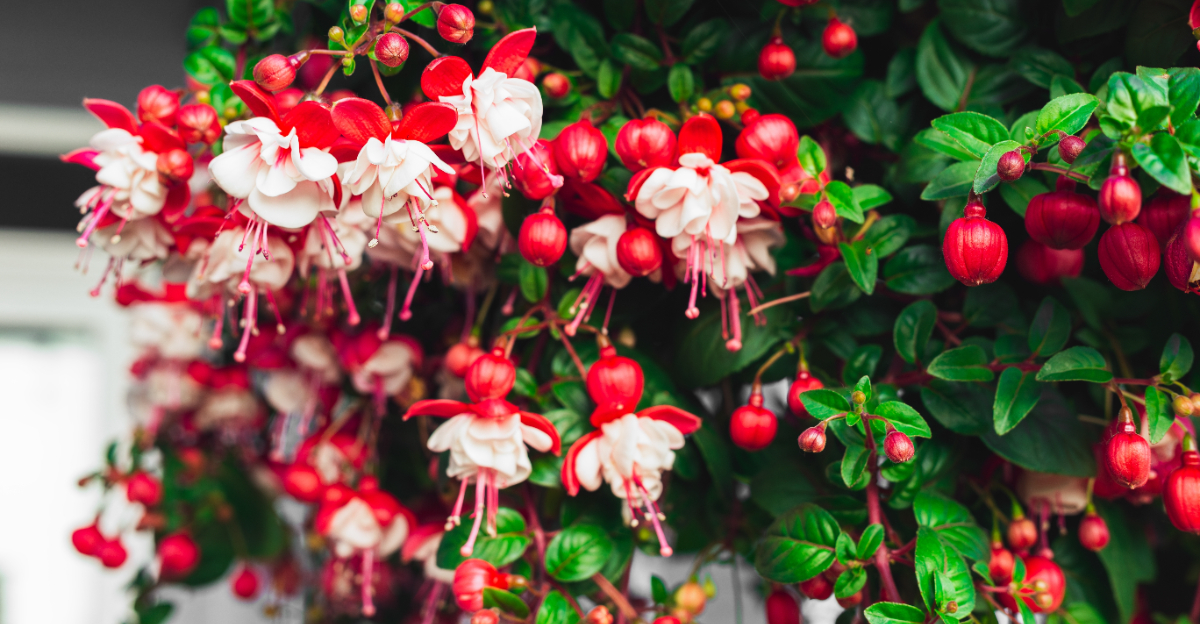
Fuchsia hybrids are known for their graceful, colorful blooms, but keeping them flowering longer in a Michigan home can take a bit of extra care.
These plants thrive in cooler conditions, yet indoor environments can sometimes work against them, especially as temperatures change from spring into summer.
Many people enjoy their blooms for a short time, then notice flowering slow down sooner than expected. The good news is that a few simple adjustments can help extend that display.
Light, watering habits, and temperature all play a big role in how long fuchsias continue to bloom. Even small changes can encourage more buds and keep plants looking fresh.
If you want to enjoy those vibrant, hanging flowers for as long as possible, it helps to understand what keeps them going.
With the right care, your fuchsia can stay lively and full of color well beyond its usual blooming window.
1. Keep Plants In Bright Indirect Light
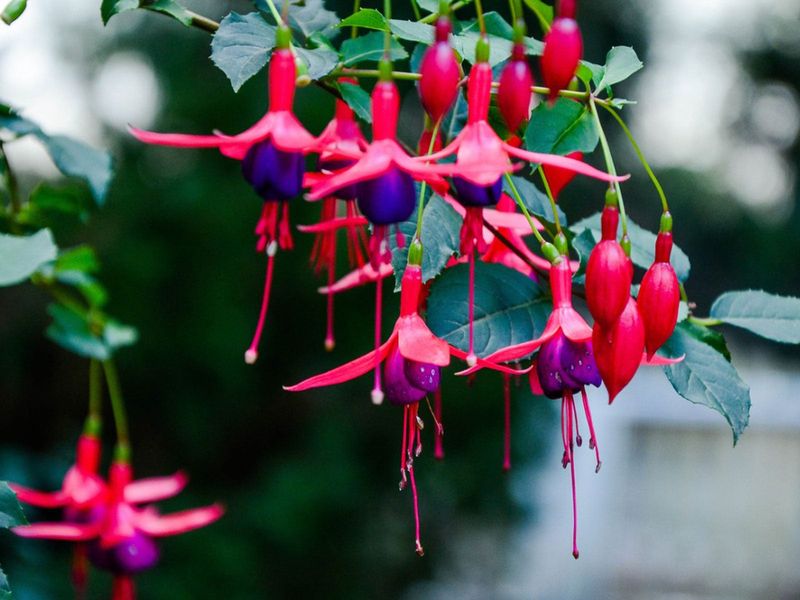
Sunlight is everything when it comes to fuchsia blooms, but too much of a good thing can actually work against you.
Fuchsia hybrids love bright, filtered light rather than harsh direct rays beating through the glass.
In Michigan homes, an east-facing or north-facing window is often the sweet spot for steady, reliable flowering throughout the season.
Direct afternoon sun, especially during Michigan summers, can scorch the delicate petals and cause the plant to drop its buds early.
Positioning your fuchsia a few feet back from a south-facing window, or behind a sheer curtain, gives it the glow it craves without the damage.
Even a grow light on a timer works beautifully during Michigan’s shorter winter days when natural light runs thin.
Rotating the pot every week or so helps all sides of the plant get equal exposure, which encourages even, full blooming rather than one-sided growth.
Fuchsia hybrids that get consistent, bright indirect light tend to produce more flower buds and keep those blooms open longer.
Think of good lighting as the foundation that everything else builds on, and your Michigan fuchsia will reward you with color that lasts and lasts.
2. Remove Spent Flowers Regularly
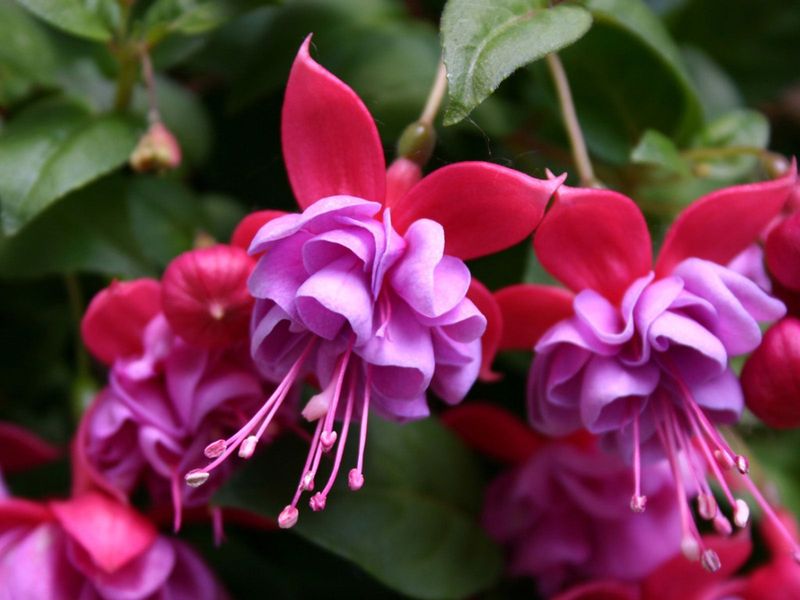
There is something almost magical about what happens when you remove a faded fuchsia bloom.
The plant immediately shifts its energy toward making new flowers instead of forming seeds, which means more color for you and a longer blooming season overall.
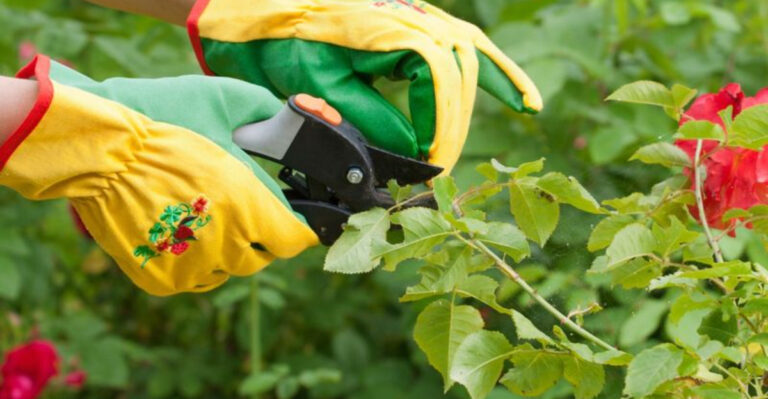
Removing is one of the simplest, most effective habits any Michigan fuchsia grower can build. All you need to do is pinch or snip off the spent flowers along with their small swelling seed pods right at the base.
Leaving those seed pods behind signals the plant that its job is done, and blooming slows down noticeably. A quick check every two to three days keeps things tidy and the flowers coming in fresh waves.
Michigan gardeners who remove spent blooms consistently often notice their fuchsia plants looking fuller and more vibrant compared to ones left untouched.
It takes only a few minutes, and the payoff is weeks of additional blooms that would otherwise never appear. Make it part of your regular watering routine so it never slips your mind.
Your Michigan Garden Changes Every Week. Your Plan Should Too.
Gardening in Michigan changes quickly throughout the season. Every Friday you’ll receive a simple weekly plan showing exactly what to plant, prune, fertilize, harvest, and protect so you never miss the right timing.
Over time, you will start to see just how many more flower buds your plant produces when it knows its energy is being redirected toward blooming rather than seed production.
3. Pinch Back Growing Tips For Fuller Blooms
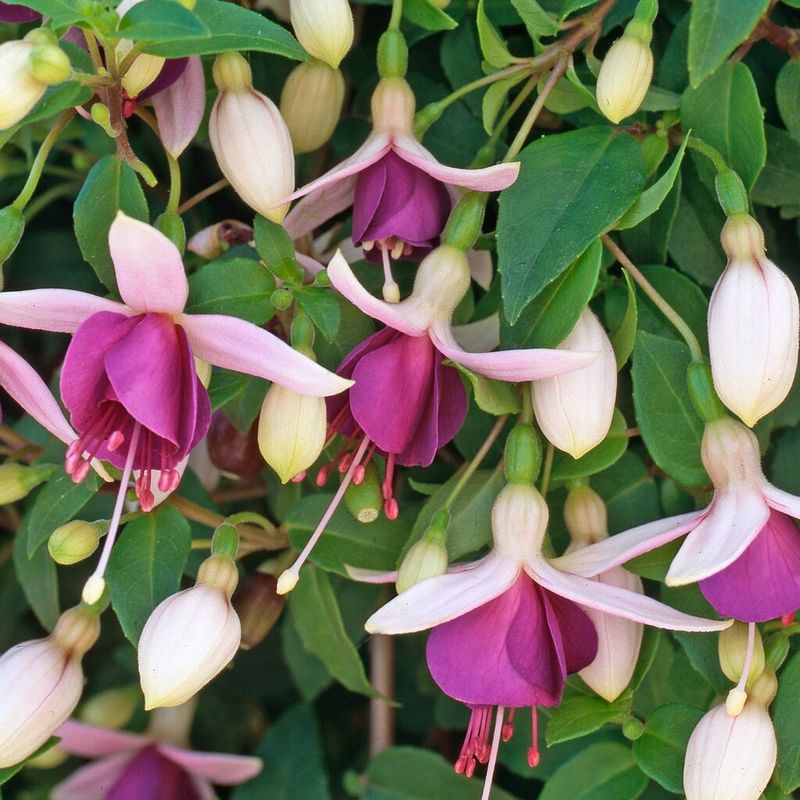
Pinching back a fuchsia might feel counterintuitive at first, but it is one of the best moves you can make for long-term blooming.
When you remove the soft, new tip of a growing stem, the plant responds by sending out two or more new branches from that point.
More branches mean more flowering tips, and more flowering tips mean a much fuller, showier plant.
The best time to pinch is when a stem has grown two or three sets of leaves beyond the last pinch point.
Use your fingernails or small, clean scissors to nip off just the very tip, keeping the cut clean and precise.
Michigan growers often start pinching in early spring when the plant wakes up from its winter rest and begins pushing out fresh growth.
Stopping pinching about six to eight weeks before you want peak bloom gives the plant enough time to develop and open all those extra flower buds you encouraged.
It is a bit like training a plant to be its best self, coaxing it into a shape that produces maximum color.
Fuchsia hybrids that get regular pinching early in the season tend to look dramatically fuller and bloom far more generously than those left to grow on their own without any guidance.
4. Keep Soil Consistently Moist, Not Dry
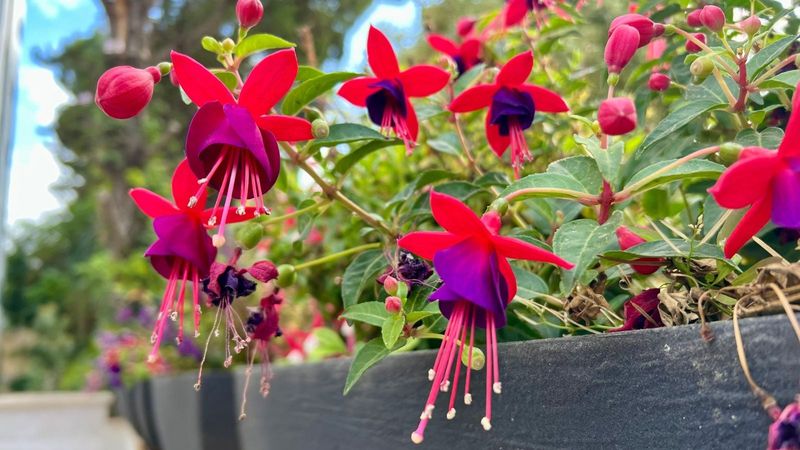
Fuchsia hybrids are surprisingly particular about water, and letting the soil dry out completely is one of the fastest ways to lose those gorgeous blooms.
Michigan homes, especially in winter when the furnace runs constantly, can have very dry indoor air that pulls moisture from the soil faster than you might expect.
Checking the soil every day or two is a smart habit for any Michigan fuchsia grower. The goal is to keep the soil evenly moist but never waterlogged or soggy.
Stick your finger about an inch into the soil, and if it feels dry at that depth, it is time to water thoroughly until it drains from the bottom.
Always use pots with good drainage holes so excess water escapes freely and roots stay healthy rather than sitting in standing water.
Using room-temperature water is a small but meaningful detail, since cold water straight from a Michigan tap can sometimes shock the roots and cause bud drop.
Some growers find that watering in the morning works best, giving the soil a chance to absorb moisture throughout the day.
Consistent watering is truly one of those non-negotiable habits that separates a fuchsia that thrives from one that struggles, especially in the sometimes unpredictable indoor environment of a Michigan home.
5. Maintain Cool Indoor Temperatures For Longer Blooms
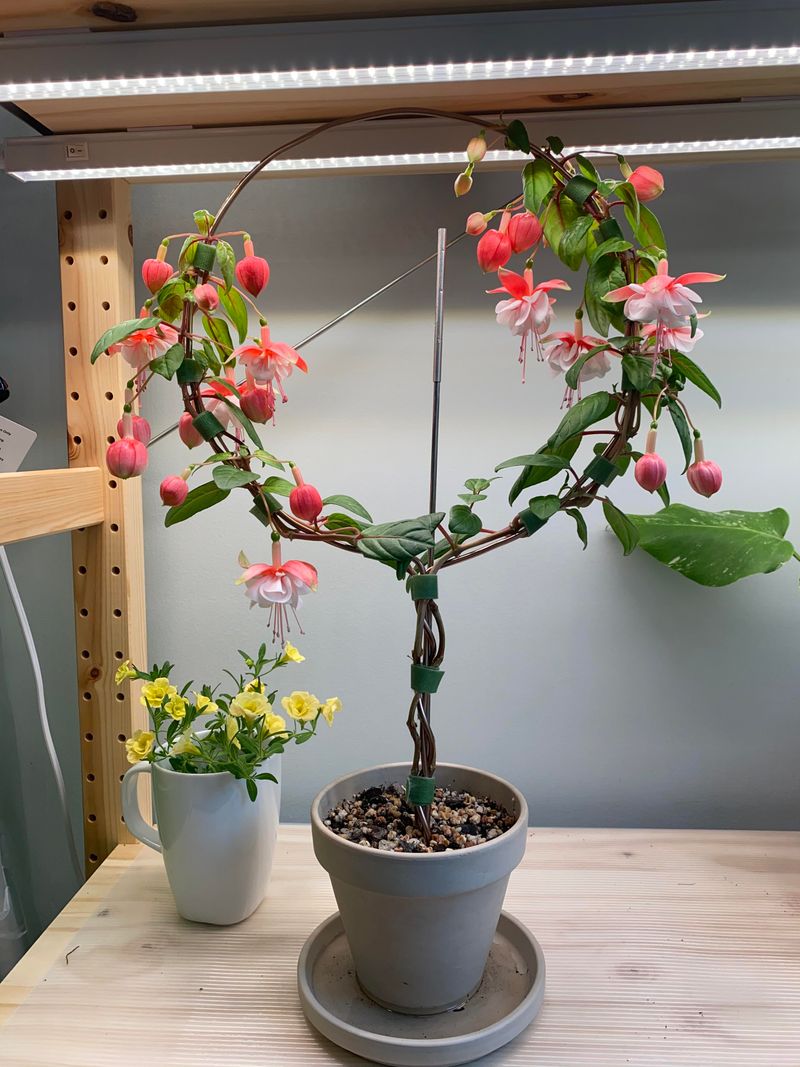
Fuchsia hybrids are cool-weather lovers at heart, and Michigan homes that run too warm can actually shorten the blooming season significantly.
The ideal temperature range for these plants sits between 60 and 70 degrees Fahrenheit during the day, with slightly cooler nights being perfectly fine.
When indoor temperatures climb above 76 degrees, fuchsias often respond by dropping buds and slowing flower production noticeably.
During Michigan summers, keeping fuchsias away from heat vents, radiators, and sunny south-facing windows helps maintain that cooler zone they prefer.
A spot near a window that gets a gentle cross-breeze on warm days can make a real difference in how long the blooms last.
Running a ceiling fan on low nearby also helps circulate air without creating a harsh draft that could stress the plant.
Michigan winters actually work in your favor here, since cooler room temperatures during those months align well with what fuchsias naturally prefer.
Some Michigan growers even keep their fuchsias in a bright, cooler spare room or sunroom during the colder months, and those plants tend to bloom with remarkable consistency.
Paying attention to temperature might seem like a small detail, but it is one of the most powerful factors controlling how long and how generously your fuchsia hybrid keeps flowering inside your home.
6. Feed Lightly During Active Growth
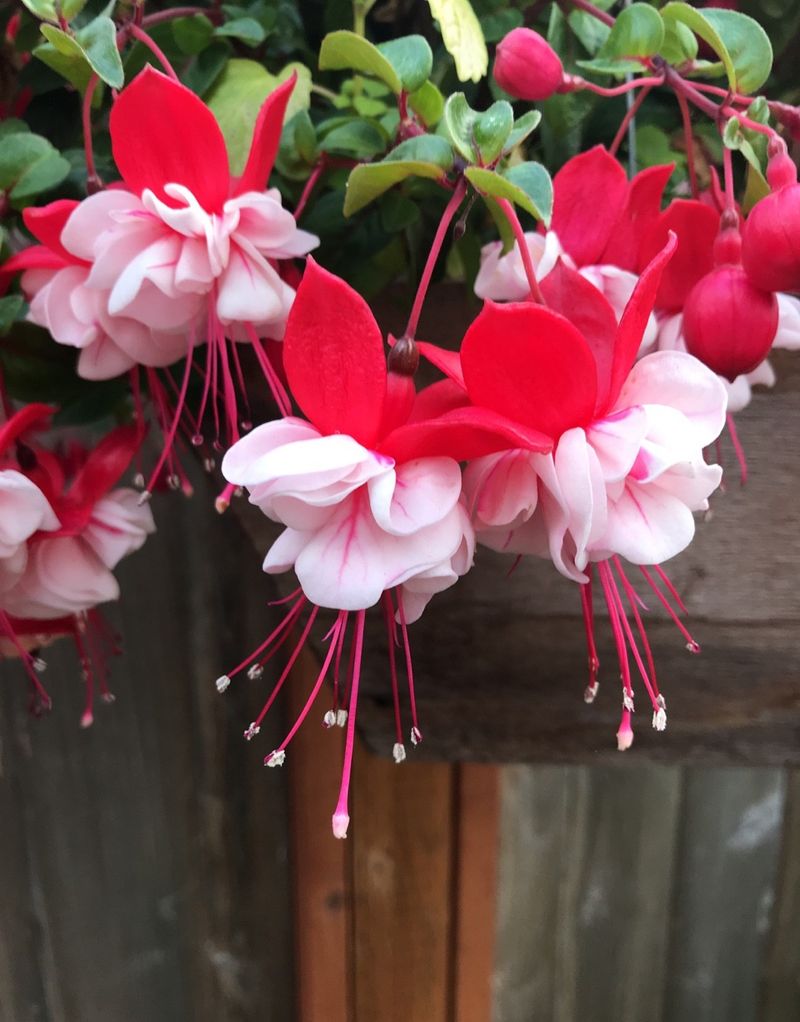
Feeding a fuchsia feels rewarding because you can actually see the results within a week or two in the form of fresh buds and deeper green foliage.
A balanced, water-soluble fertilizer applied at half the recommended strength every two weeks during the growing season gives the plant a steady, gentle supply of nutrients.
Going too heavy on fertilizer is a common mistake that pushes the plant to grow lots of leaves but far fewer flowers.
Look for a fertilizer with equal or near-equal numbers on the label, such as a 10-10-10 or 20-20-20 formula, which supports both healthy foliage and consistent blooming.
Some experienced Michigan growers switch to a slightly higher potassium formula mid-season, since potassium encourages flower production specifically.
Always water the plant before fertilizing to avoid applying nutrients to dry roots, which can cause damage.
During the short, dark Michigan winter months when the plant is resting, cut back on feeding entirely or stop altogether until you see signs of new growth returning in early spring. Overfeeding a resting plant can cause more harm than benefit.
Treating fertilizer like a seasonal tool rather than a constant routine keeps your fuchsia hybrid well-nourished and consistently rewarded with those beautiful, pendulous blooms that make the whole effort so worthwhile.
7. Increase Humidity Around The Plant
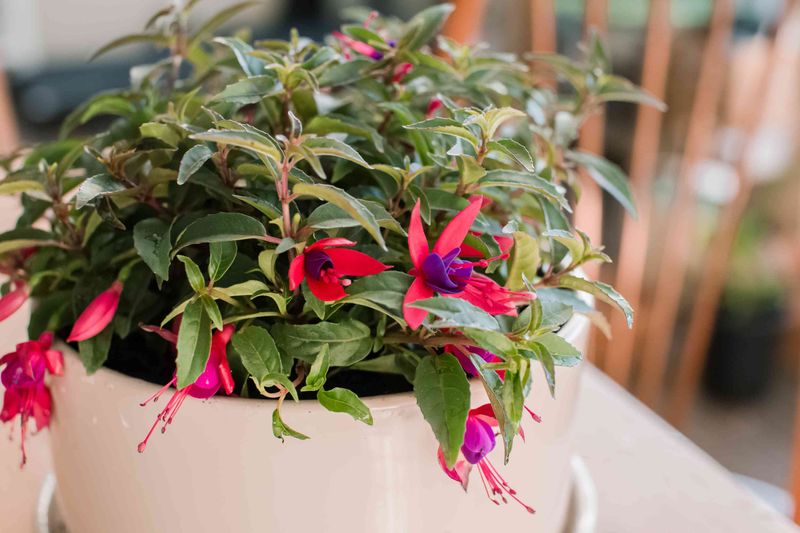
Michigan winters are notoriously dry indoors, and that lack of humidity is one of the sneaky reasons fuchsia buds drop before they even get a chance to open.
Fuchsia hybrids naturally come from cool, moist environments, so dry indoor air is genuinely stressful for them.
Raising the humidity around your plant even slightly can make a visible difference in how many buds stay on and open fully.
One of the easiest methods is placing the pot on a shallow tray filled with small pebbles and a little water, making sure the bottom of the pot sits above the water line rather than in it. As the water evaporates, it creates a small bubble of humidity right around the plant.
Grouping your fuchsia near other houseplants also helps, since plants naturally release moisture into the air around them.
A small humidifier placed nearby is another excellent option for Michigan homes during the heating season, when indoor air can feel almost desert-dry.
Misting the foliage lightly in the morning is a popular trick, though it works best when air circulation is good enough to dry the leaves before evening.
Keeping humidity steady between 50 and 70 percent gives fuchsia hybrids the moisture-rich environment they thrive in, and you will notice far fewer dropped buds and far more open, lasting blooms throughout the season.
8. Move Outdoors Gradually In Late Spring
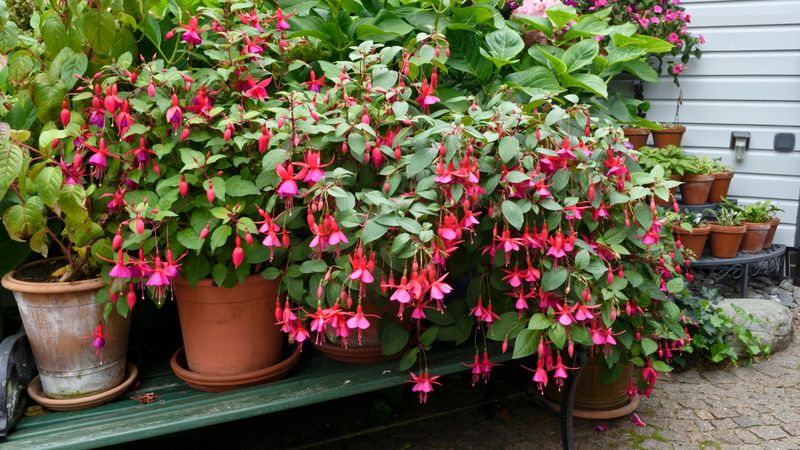
Once frost risk has passed in Michigan, usually by mid to late May, moving your fuchsia hybrid outside can absolutely transform its blooming performance.
Outdoor air, natural light cycles, and cooler nights combine to create conditions that fuchsias genuinely love, and the results in flower production can be dramatic.
The trick is making the transition gradually rather than moving the plant straight from a warm indoor room to full outdoor exposure.
Start by placing the plant outside in a shaded, sheltered spot for just a few hours each day over the course of one to two weeks.
Slowly increasing outdoor time allows the plant to adjust without experiencing shock from wind, temperature swings, or changes in light intensity.
A covered porch or shaded patio corner works perfectly for this hardening-off process that Michigan gardeners use each spring.
Once fully acclimated, a spot with bright morning light and afternoon shade suits fuchsia hybrids beautifully during Michigan’s warmer months.
Hanging baskets on a north-facing porch are a favorite setup among Michigan growers because the light is consistent and gentle throughout the day.
Outdoor conditions often trigger a fresh flush of blooms that indoor-only plants simply cannot match, making this seasonal transition one of the most exciting and rewarding steps in the whole fuchsia growing experience.