The 7 Oregon Flower Seeds You Can Still Sow Before May Takes Off
April has a funny way of making Oregon gardeners feel a little behind. One stretch of rain, a few cold nights, and suddenly it seems like the whole spring planting window is racing ahead without you.
The good news is that there is still plenty of time to tuck in flower seeds and get beautiful color started before May starts stealing the spotlight.
This part of the season is full of possibility. Soil is warming, days are getting longer, and many easygoing flowers are more than ready to get moving.
A packet of seeds can still turn into a cheerful border, a buzzing pollinator patch, or a cottage-style bed that looks like it has been planned for months.
No fancy setup needed. Just the right picks, a little timing, and some patience while Oregon spring does its thing.
A few of these flowers sprout fast, others take their sweet time, but all of them can still get the season off to a lovely start.
1. Zinnias
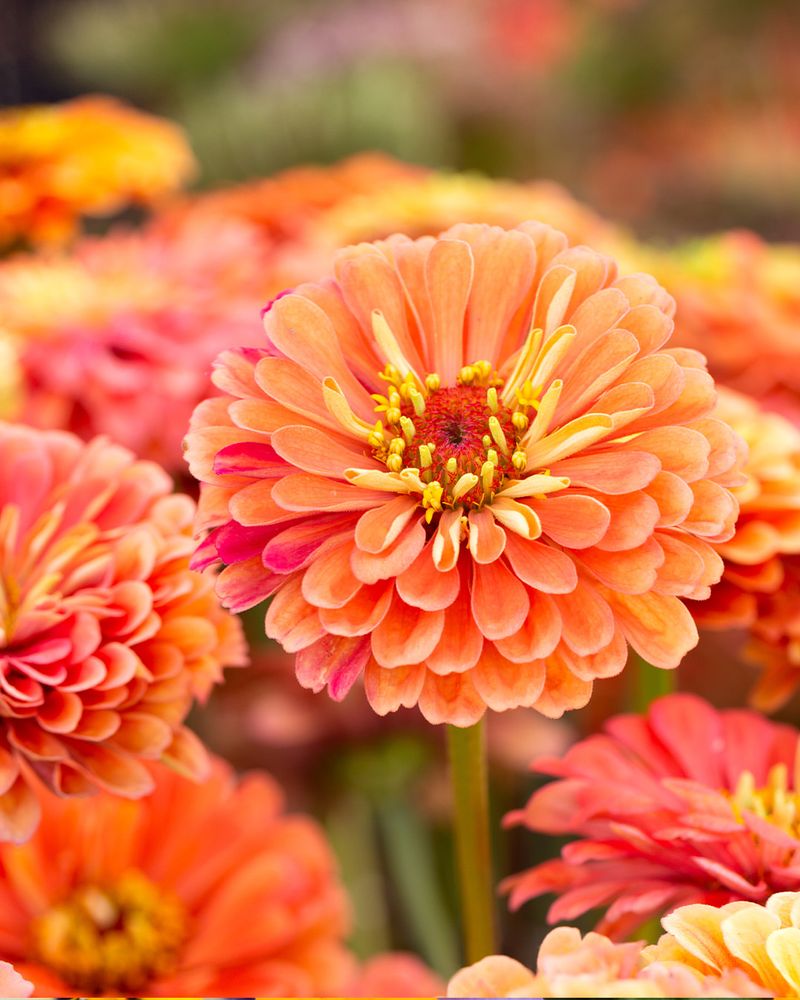
Few flowers bring as much color to an Oregon garden as zinnias do. These upright, bold bloomers are practically made for sowing in late April, and they reward your patience with wave after wave of cheerful flowers all summer long.
If you are gardening in a sunny spot anywhere in the Willamette Valley or along the Oregon coast, zinnias are a smart choice right now.
Sow seeds directly into the ground after your last frost date, pressing them about a quarter inch deep into loose, well-draining soil. Zinnias love full sun and warm conditions, so pick the sunniest corner of your yard.
Space seeds about six inches apart to give each plant room to breathe and grow strong.
Once they sprout, zinnias are pretty low-maintenance. Water them at the base rather than from overhead to avoid powdery mildew on their leaves.
Pinching off the first blooms when plants are young encourages bushier growth and more flowers later. Butterflies and bees absolutely love zinnias, so you will be helping Oregon pollinators too.
These flowers also make stunning cut arrangements that brighten up any room indoors.
2. Sunflowers
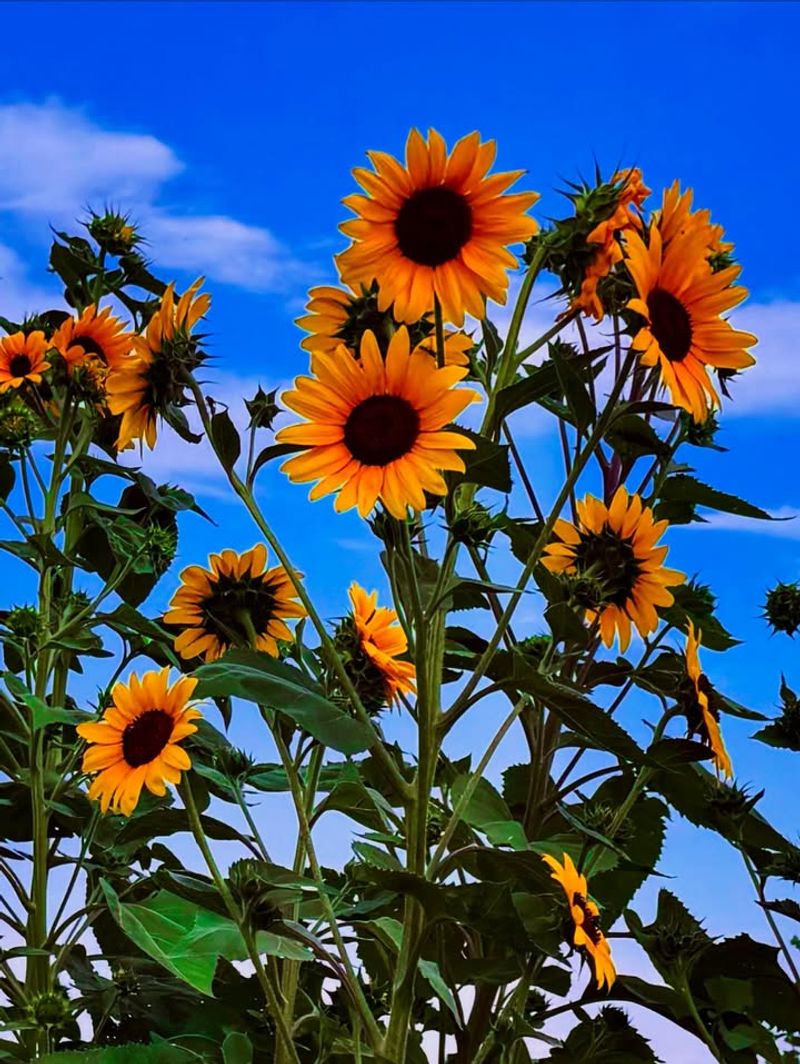
There is something undeniably joyful about watching a sunflower shoot up from a tiny seed into a towering, golden giant. Right now, in late April, Oregon soil is warm enough to give sunflower seeds the perfect start.
Gardeners across the state, from Medford to Salem, are dropping seeds into the ground and waiting for that first little sprout to appear.
Plant sunflower seeds about one inch deep and at least six inches apart in a spot that gets at least six to eight hours of direct sunlight daily. Sunflowers are tough and drought-tolerant once established, but they do appreciate consistent watering during their first few weeks.
Adding a little compost to the planting hole gives them a nutritional boost right from the start.
Taller varieties may need staking once they reach a few feet tall, especially in Oregon areas prone to spring wind gusts. Try growing a mix of heights for a dramatic, layered look in your garden border.
Your Oregon Garden Changes Every Week. Your Plan Should Too.
Gardening in Oregon changes quickly throughout the season. Every Friday you’ll receive a simple weekly plan showing exactly what to plant, prune, fertilize, harvest, and protect so you never miss the right timing.
Birds, bees, and butterflies all visit sunflowers regularly, making your yard a lively hub of wildlife activity.
Plus, at the end of the season, you can harvest the seeds for snacking or save them for next year.
3. Nasturtiums
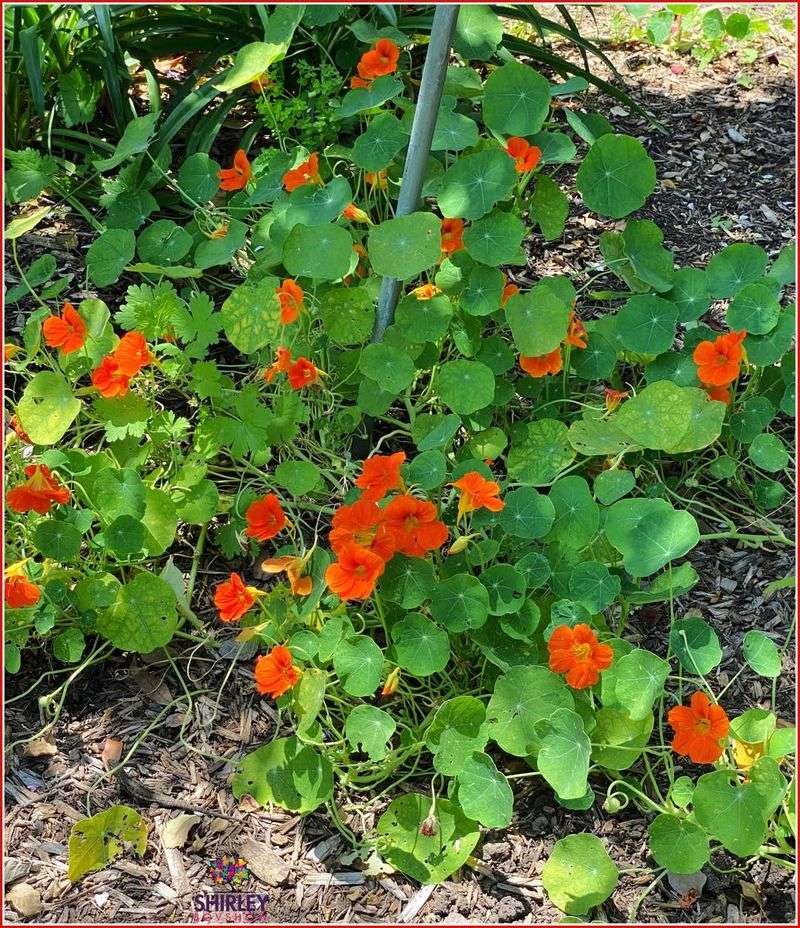
Nasturtiums might just be the most underrated flower in the Oregon garden. Not only do they explode with vivid orange, red, and yellow blooms, but every single part of the plant is edible.
The flowers and leaves add a peppery kick to salads, and they look absolutely stunning tossed into a summer dish. Gardeners in Oregon who have never grown them are seriously missing out.
Sow nasturtium seeds directly outdoors now, pushing each seed about half an inch into the soil. They actually prefer poor to average soil, so skip the heavy fertilizing.
Rich soil encourages big leaves but fewer flowers, which is the opposite of what you want. Choose a sunny spot, though they can handle a little afternoon shade in hotter parts of Oregon like the Rogue Valley.
Nasturtiums grow quickly and start blooming within about six to eight weeks of sowing. They also act as a natural trap crop, luring aphids away from your vegetables and herbs nearby.
Trailing varieties look gorgeous spilling over the edges of raised beds or containers. Bush types stay compact and tidy in border plantings.
Either way, you get a low-effort, high-reward flower that earns its place in any Oregon garden.
4. Cosmos
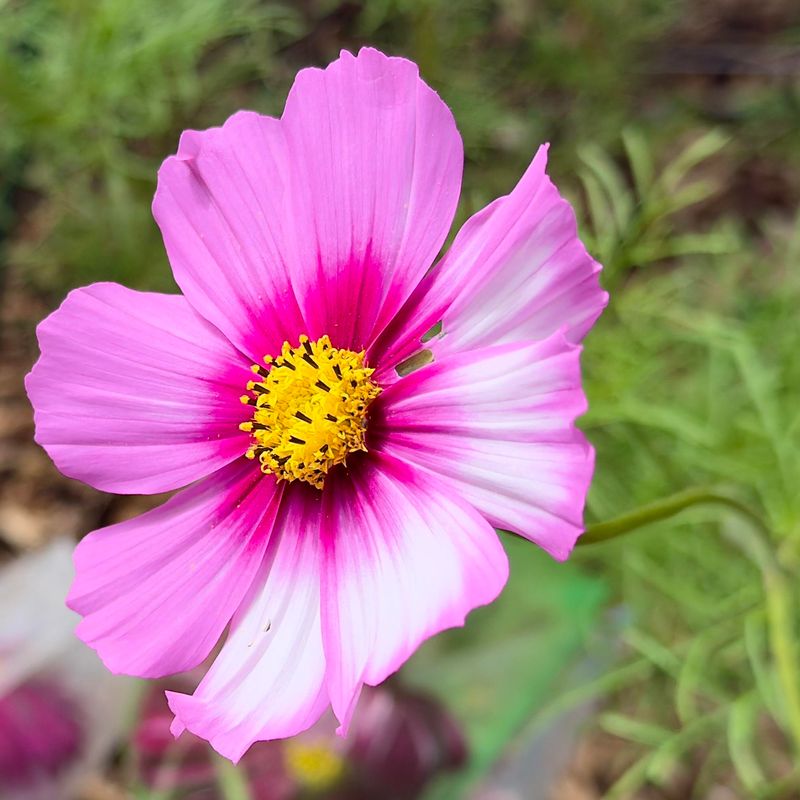
Cosmos have a light, dreamy quality that makes them look like they belong in a wildflower meadow. Their feathery leaves and daisy-like blooms sway gracefully in the breeze, adding a soft, cloud-like texture to any Oregon garden space.
Best of all, they thrive even in poor soil, which makes them ideal for spots where other flowers struggle.
Sow cosmos seeds directly into the ground now, scattering them lightly and pressing them into the top of the soil. They need sunlight to germinate, so avoid burying them too deep.
Thin seedlings to about twelve inches apart once they reach a few inches tall. Cosmos grow fast and can reach three to four feet in height by midsummer.
One of the best things about cosmos is how little attention they need once they are established. They are drought-tolerant, resistant to most pests, and actually bloom better when you do not fuss over them too much.
Deadheading spent flowers regularly keeps new blooms coming all season long. Oregon pollinators, especially native bees and butterflies, are drawn to cosmos in large numbers.
Did you know cosmos originally come from Mexico?
Their name means harmony and order in Greek, which perfectly describes their effortless beauty in any garden setting.
5. California Poppies
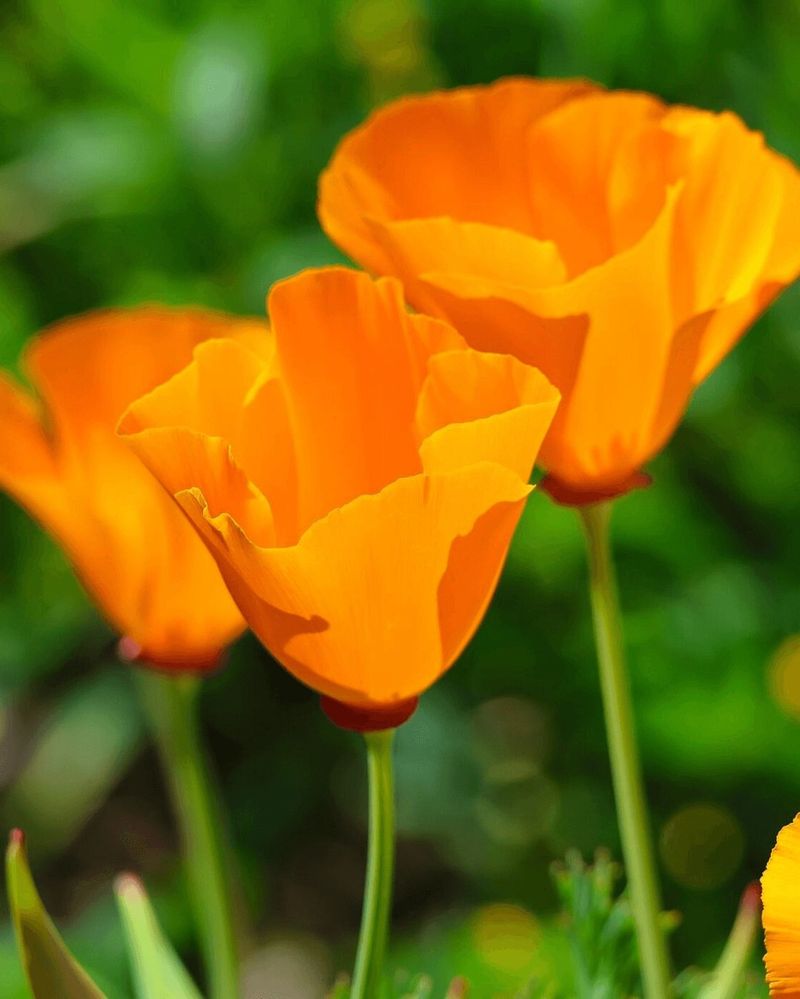
Bold, bright, and completely at home in Oregon’s climate, California poppies are one of the easiest flowers you can possibly grow from seed. Their silky orange petals seem to glow in the sunshine, and they spread cheerfully across garden beds with very little help from you.
Gardeners in dry parts of Oregon, like the eastern side of the Cascades, especially love them for their remarkable drought tolerance.
Scatter California poppy seeds directly on the soil surface right now and lightly rake them in. Do not cover them too deeply since they need light to germinate.
They actually prefer to be direct-sown rather than transplanted, so resist the urge to start them in pots indoors. Choose a sunny, well-draining spot and let nature do the rest.
Once established, these poppies are wonderfully self-sufficient. They close their blooms at night and on cloudy days, which is a charming little quirk that kids especially love to notice.
After flowering, they drop seeds that will return next spring all on their own, giving you a naturalized patch that grows more beautiful each year.
They also pair stunningly with blue cornflowers and white sweet alyssum for a classic wildflower look that suits any Oregon garden style perfectly.
6. Marigolds
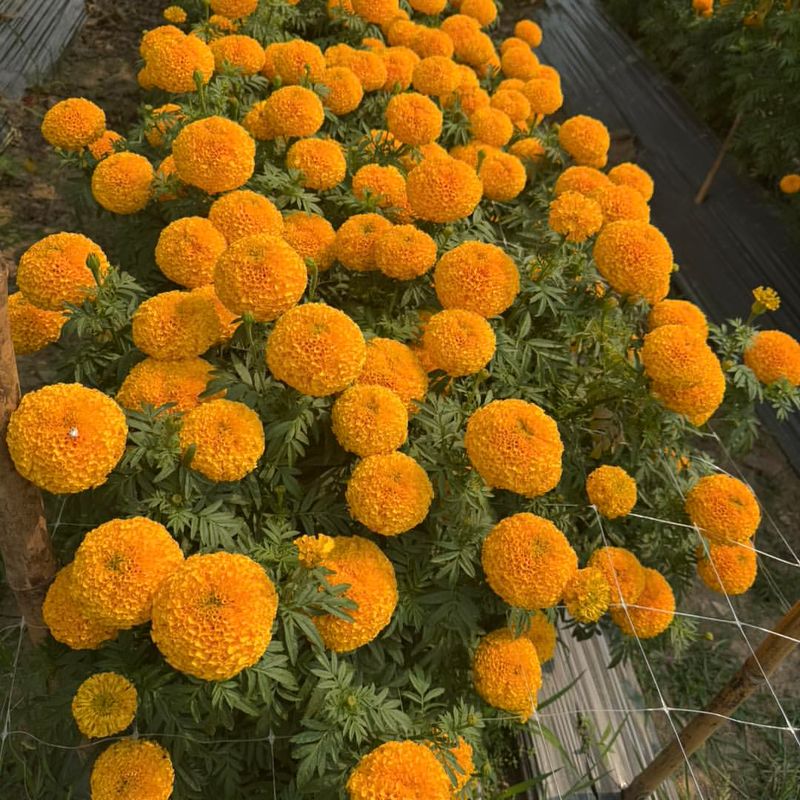
Marigolds have been a garden staple for generations, and there is a very good reason for that. Beyond their cheerful orange and yellow blooms, marigolds are hardworking companions in the garden.
They naturally repel certain pests like aphids, whiteflies, and even nematodes in the soil, making them a smart planting choice near your vegetable beds anywhere in Oregon.
Sow marigold seeds directly outdoors now, pressing them about a quarter inch into the soil. They germinate quickly, often within five to seven days in warm Oregon spring temperatures.
Full sun is essential for the best bloom production, so avoid shady spots. Space seeds or seedlings about eight to ten inches apart to allow good airflow between plants.
Marigolds are wonderfully adaptable and grow well in containers, raised beds, and traditional garden borders alike. Regular deadheading, which means pinching off flowers that have finished blooming, keeps the plant producing new buds throughout the season.
French marigold varieties stay compact and tidy, while African marigolds grow tall and dramatic. Both do well across Oregon’s varied growing regions.
Fun fact: marigolds have been used in traditional medicine and cooking for centuries, and their petals are sometimes added to dishes as a saffron substitute.
They are truly one of the garden world’s most useful flowers.
7. Sweet Alyssum
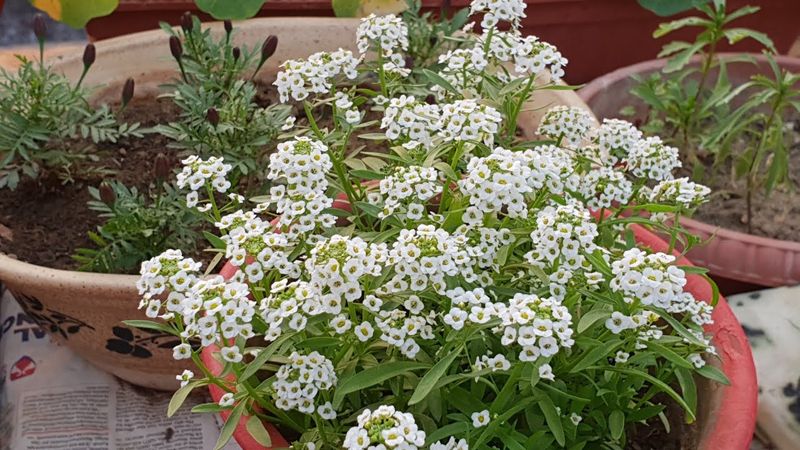
Walk past a patch of sweet alyssum in bloom and you will immediately notice its soft, honey-like fragrance drifting through the air. This low-growing flower forms a carpet of tiny white, pink, or lavender blooms that spills beautifully over garden edges, containers, and stone pathways.
It is one of the most charming and underused flowers in Oregon gardens, and late April is the perfect moment to sow it.
Scatter sweet alyssum seeds directly onto prepared soil and press them gently against the surface. Like California poppies, they need light to germinate, so do not bury them.
They sprout quickly in Oregon’s mild spring temperatures and begin blooming in as little as six weeks. Plant them along the front edge of borders or in window boxes for a soft, fragrant display.
Sweet alyssum is a powerhouse for beneficial insects. Tiny parasitic wasps and hoverflies, which help control garden pests naturally, are strongly attracted to its flowers.
Planting it near vegetable beds in your Oregon garden creates a built-in pest management system that works around the clock. It also tolerates light frost, which means it can handle any surprise cold snaps that Oregon spring sometimes throws at gardeners.
Shear plants back by half mid-season to encourage a fresh flush of blooms right into fall.