9 Native Arizona Wildflowers That Need Less Effort Than You Think
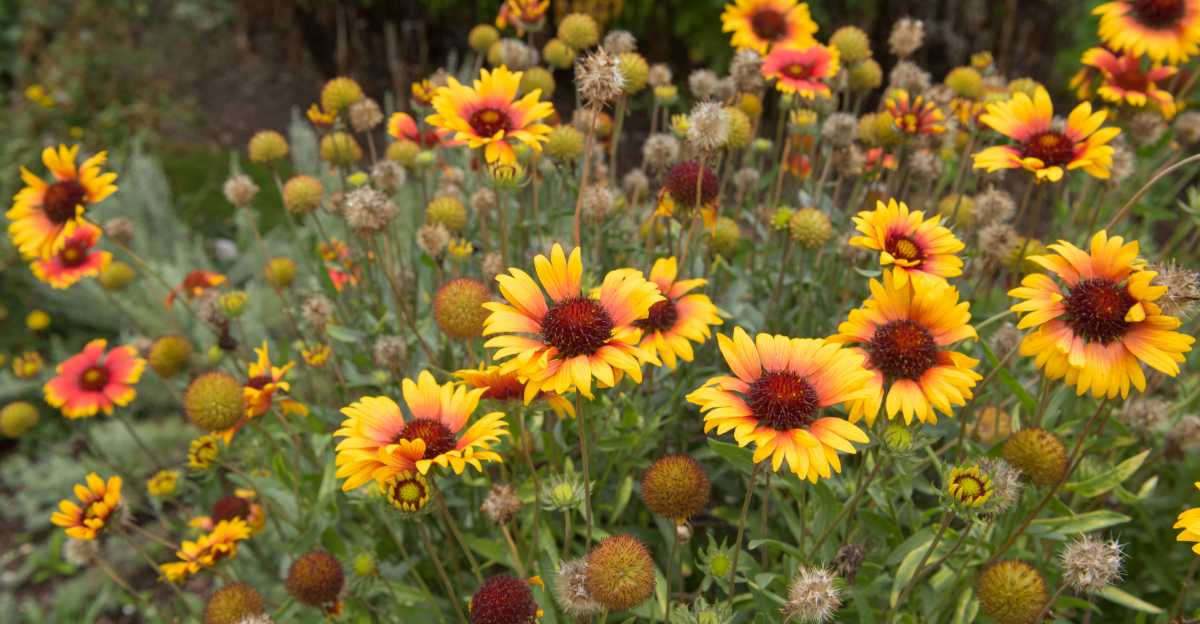
Arizona landscapes have their own rhythm, and wildflowers are a big part of what makes them feel alive after winter. Many people assume they are tricky to grow, but some native varieties are far more forgiving than expected.
Once they are planted in the right spot, they often rely on natural rainfall patterns and do not ask for much extra care. That makes them a great fit for gardeners who want color without constant watering or upkeep.
The key is knowing which ones actually match Arizona’s conditions, from desert heat to cooler elevations. Some bloom quickly, others take a little patience, but many reward you with color that feels right at home.
Keep an eye on how they begin to fill in over time, especially which ones return strongest as the season shifts.
1. Evening Primrose That Glows At Dusk
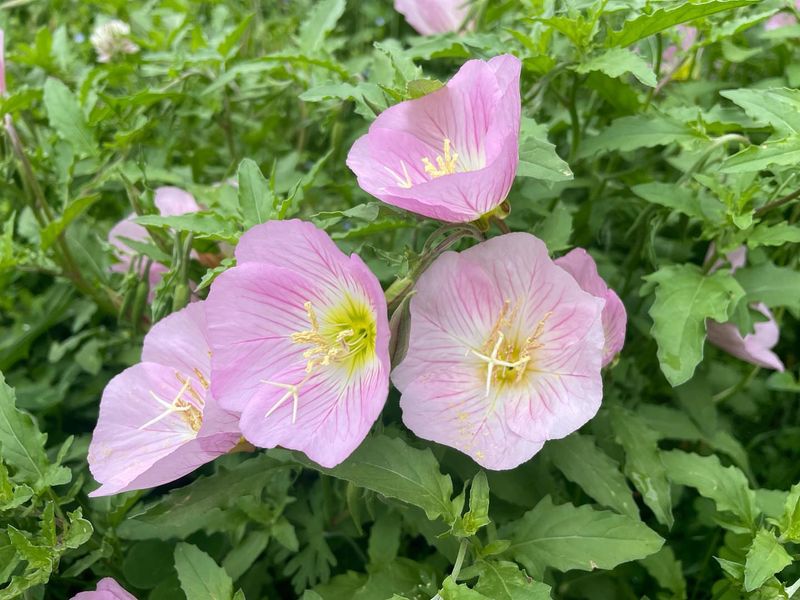
Soft yellow petals glowing at dusk might be one of the most magical sights in an Arizona garden. Evening Primrose, known scientifically as Oenothera caespitosa, earns its name by opening its blooms in the late afternoon and evening hours, making it a standout even when the sun starts to go down.
Gardeners who have tried it often say they were surprised by how little it asks for in return for such a lovely show.
This wildflower loves full sun and well-drained soil, which are two things Arizona has in plenty. Once established, it survives on very little water and rarely needs fertilizer.
It spreads naturally over time, slowly filling in bare spots in your yard without becoming invasive. That makes it a smart pick for anyone who wants ground coverage without constant upkeep.
Evening Primrose also plays an important role in the local ecosystem. Moths and native bees are drawn to its blooms, making it a valuable plant for pollinators across Arizona.
It typically blooms from spring through early summer, giving your yard weeks of cheerful color. Planting it along a walkway or near a patio means you get to enjoy its soft glow every evening.
For new gardeners especially, this flower is a confidence booster because it almost always thrives with minimal effort, proving that beautiful, low-maintenance gardening in the desert is absolutely possible.
2. Blanketflower That Keeps Blooming In Heat
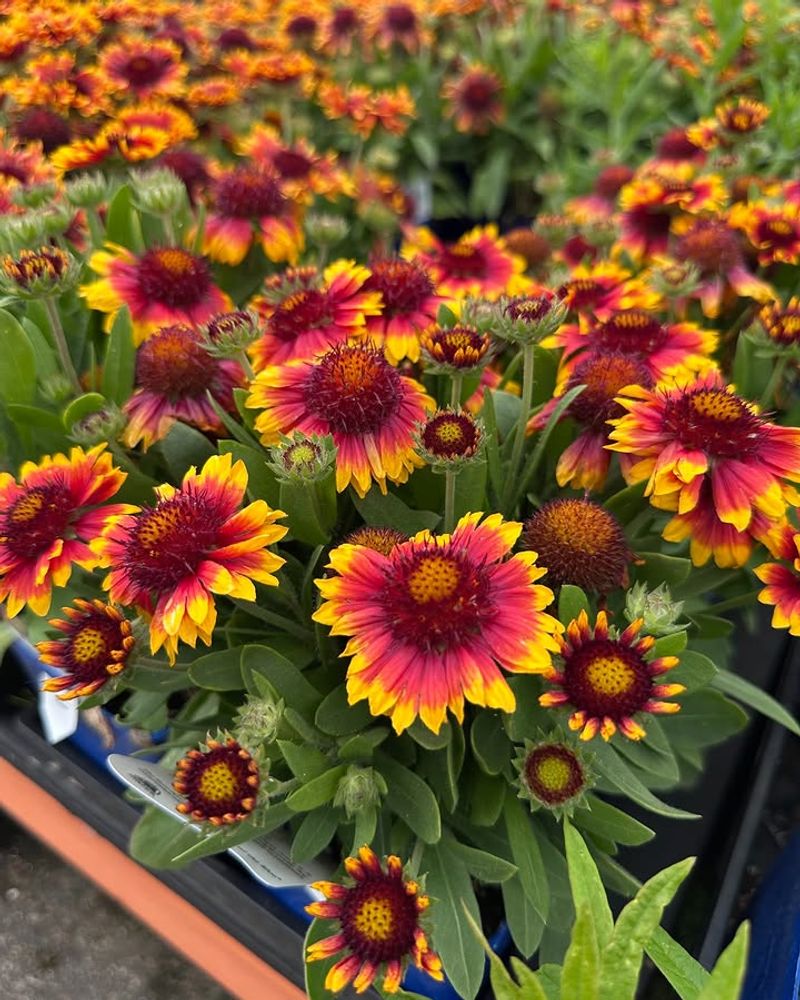
Bold, fiery petals in red, orange, and yellow make Blanketflower one of the most eye-catching native plants you can grow anywhere in Arizona. Gaillardia pulchella, its scientific name, looks like a tiny sunset sitting right in your garden bed.
People often assume a flower this showy must need a lot of pampering, but that could not be further from the truth.
Blanketflower thrives in poor, dry soil and full sun, which means it fits right into the natural conditions found across much of Arizona. It does not need rich garden soil or frequent watering once it gets established.
In fact, overwatering is one of the few things that can actually harm it. Planting it in a well-drained spot and stepping back is usually all you need to do.
Your Arizona Garden Changes Every Week. Your Plan Should Too.
Gardening in Arizona changes quickly throughout the season. Every Friday you’ll receive a simple weekly plan showing exactly what to plant, prune, fertilize, harvest, and protect so you never miss the right timing.
One of the coolest things about Blanketflower is how long it blooms. From late spring all the way through fall, these fiery flowers keep coming back, giving pollinators like butterflies and bees a reliable food source throughout the season.
Birds also enjoy the seeds once the flowers fade, so the plant keeps giving even after blooming ends. It reseeds itself naturally, meaning you might find new plants popping up nearby the following year with zero effort on your part.
For anyone looking to add lasting color to an Arizona garden without spending every weekend watering and weeding, Blanketflower is a genuinely rewarding choice that delivers season after season.
3. Paperflower That Holds Onto Its Color
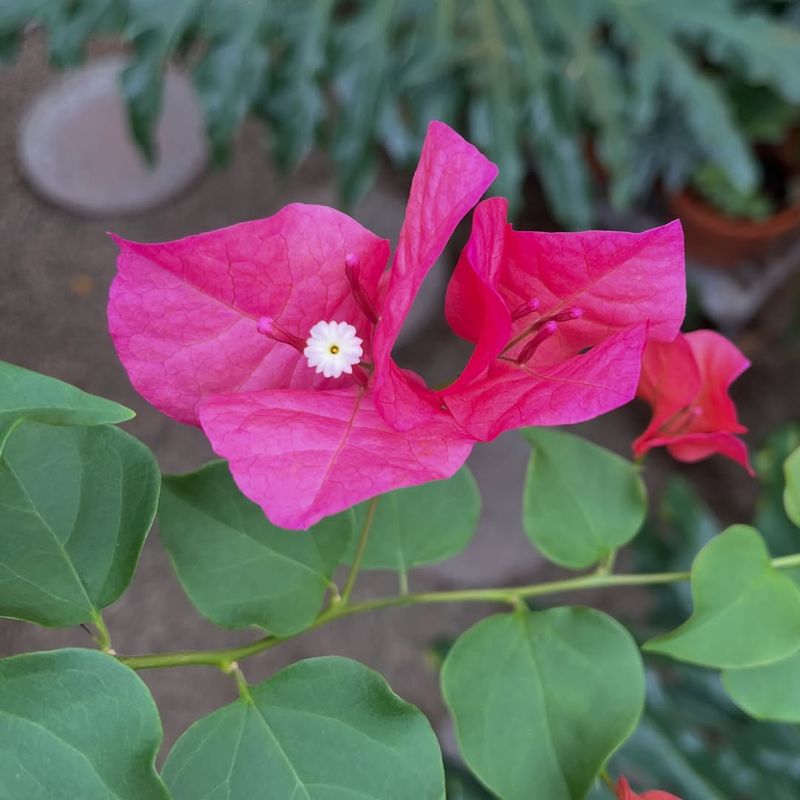
If a flower could capture the spirit of the Arizona desert, Paperflower would be a top contender. Psilostrophe cooperi gets its charming name from the way its yellow petals dry out and stay on the plant, looking almost like delicate paper decorations long after the peak of blooming season.
It is a quirky, tough little plant that has figured out exactly how to survive and look good doing it.
Paperflower grows best in full sun and gravelly or sandy soil, the kind of conditions that are common across much of Arizona. It handles drought exceptionally well and rarely needs supplemental watering once it has settled into its spot.
Gardeners who try it for the first time are often amazed by how quickly it establishes and how reliably it returns year after year without much fuss.
The blooms appear in spring and often return again in fall after monsoon rains, giving Arizona gardeners two rounds of cheerful yellow color each year. Native bees and butterflies visit the flowers regularly, making Paperflower a great choice for anyone who wants to support local pollinators.
It also works beautifully as a low border plant or a filler in rocky garden areas where other plants might struggle. Standing only about one to two feet tall, it stays compact and tidy without needing pruning.
For a no-fuss, high-reward addition to any Arizona yard, Paperflower is hard to beat and endlessly satisfying to grow.
4. Blackfoot Daisy That Stays Light And Cheerful
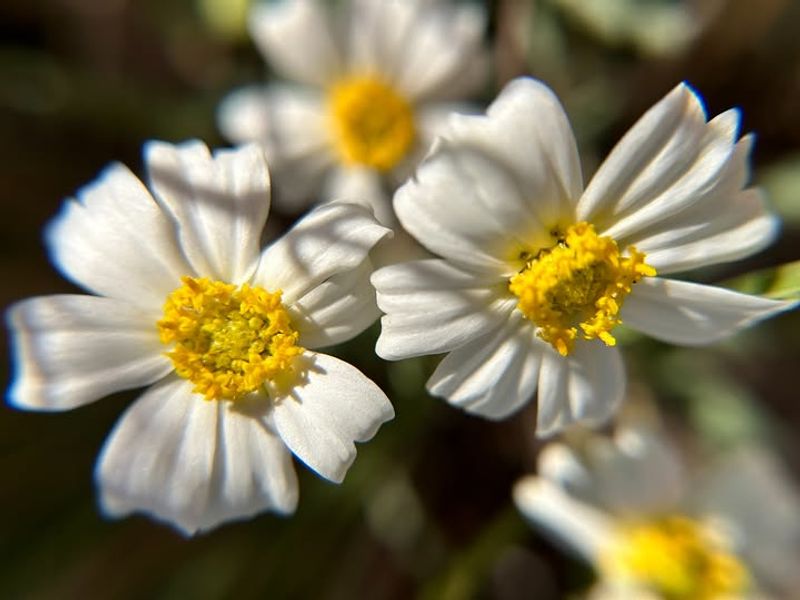
There is something timeless and cheerful about a classic daisy, and Blackfoot Daisy delivers that familiar charm with a tough desert twist. Melampodium leucanthum is a compact, mounding plant with bright white petals surrounding sunny yellow centers.
It looks like something you would find growing wild along an Arizona roadside, which is exactly where you can often spot it thriving without any human help at all.
This native wildflower is built for Arizona conditions. It loves full sun, handles extreme heat without flinching, and grows well in rocky or sandy soil that would exhaust most other plants.
Watering it once or twice a week when young is usually enough, and once it establishes, it can survive almost entirely on natural rainfall. That kind of resilience is exactly what makes it such a popular choice among Arizona gardeners who want beauty without burden.
Blackfoot Daisy blooms from spring all the way through fall, making it one of the longest-blooming native wildflowers you can find in Arizona. Butterflies and native bees absolutely love it, visiting the flowers throughout the season for nectar.
The plant stays naturally tidy, rarely growing taller than twelve inches, so it works well along borders, in containers, or tucked between rocks in a xeriscape design. It also has a faint honey-like scent that makes it even more enjoyable up close.
For gardeners who want a reliable, low-effort showpiece, Blackfoot Daisy consistently earns its spot in any Arizona landscape.
5. Butterfly Weed That Brings Bright Energy
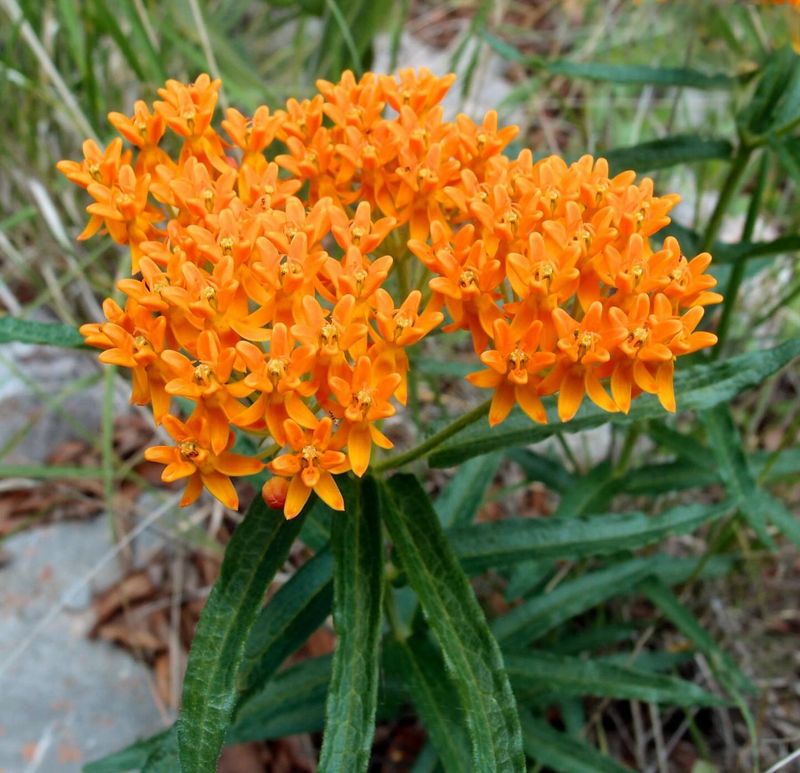
Watching a monarch butterfly land on a cluster of vivid orange blooms is one of those garden moments that stays with you. Butterfly Weed, or Asclepias tuberosa, is the plant responsible for those magical scenes, and it grows surprisingly well across Arizona with very little help from the gardener.
Despite its unusual name, there is nothing weedy about this wildflower. It is bold, beautiful, and incredibly important to local wildlife.
Butterfly Weed belongs to the milkweed family, which makes it an essential host plant for monarch butterflies. Monarch caterpillars feed on its leaves, and adult butterflies sip nectar from its flame-orange flower clusters.
Growing it in your Arizona yard means you are actively supporting one of nature’s most beloved pollinators. That alone makes it worth planting, but the good news is that it also happens to be very easy to grow.
It prefers full sun and well-drained soil, thriving in the dry, rocky conditions found throughout much of Arizona. Once established, it is quite drought-tolerant and does not need regular fertilizing.
It grows from a deep taproot, which helps it access moisture even during dry spells. Butterfly Weed blooms from late spring through midsummer, producing clusters of small, intensely orange flowers that practically glow in the sun.
It pairs beautifully with other native Arizona wildflowers and adds a pop of warm color that is hard to match. For gardeners who care about both beauty and the environment, this plant is an absolute must-have.
6. Rocky Mountain Bee Plant That Makes A Statement
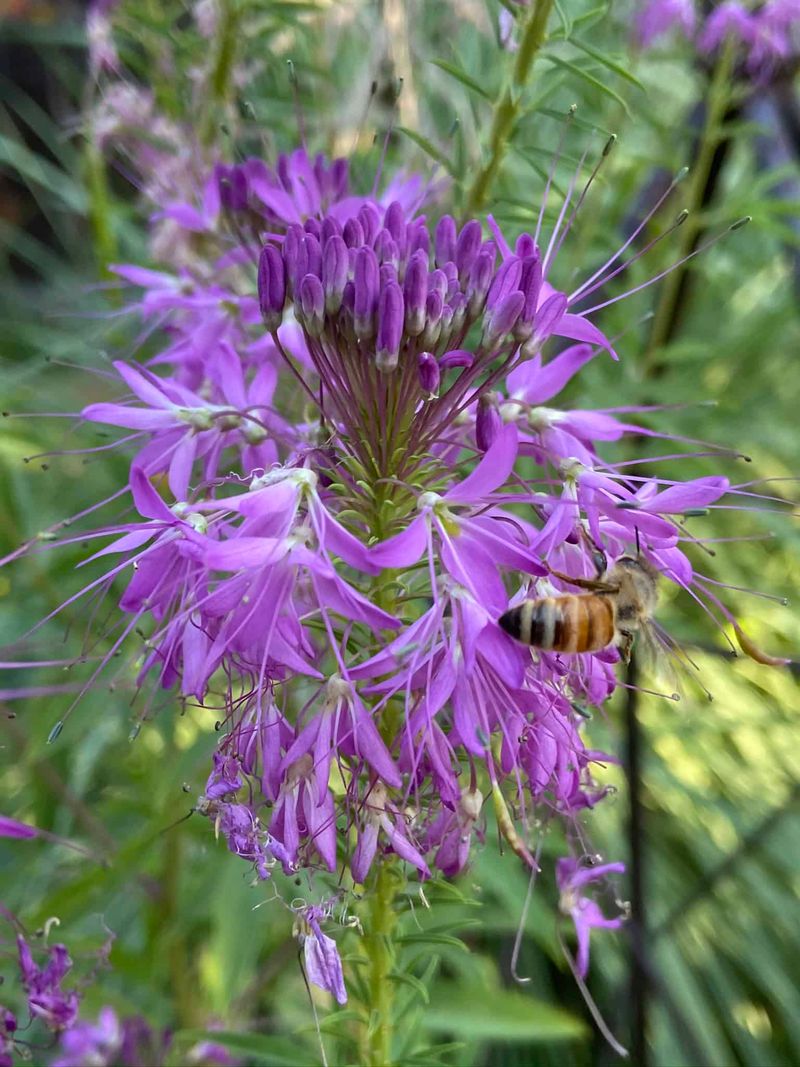
Not every wildflower gets to claim a name as bold and descriptive as Rocky Mountain Bee Plant. Cleome serrulata lives up to its reputation completely, drawing in native bees, hummingbirds, and butterflies with its tall, showy spikes of pink and purple flowers.
It is one of those plants that makes a garden feel alive and buzzing with activity from the moment it starts blooming.
Across Arizona, this annual wildflower grows naturally in disturbed soils, roadsides, and open meadows, which tells you a lot about how tough it really is. It reseeds itself freely, meaning once you plant it, it often comes back on its own year after year without replanting.
That self-reliance makes it a favorite among low-maintenance gardeners who love a wildflower that takes the initiative.
Rocky Mountain Bee Plant grows tall, sometimes reaching four feet or more, so it works well as a back-of-border plant or a natural screen along a fence line. It blooms throughout summer and into early fall, giving pollinators a long-lasting food source during the hottest months in Arizona.
The flowers are followed by long, narrow seed pods that add visual interest even after blooming ends. Historically, Native American communities in the Southwest used this plant for food and dye, giving it a rich cultural story alongside its garden appeal.
Planting it in a sunny, open spot in your Arizona yard is all it really takes to enjoy a full season of color and pollinator activity.
7. Verbena That Spreads Color With Ease
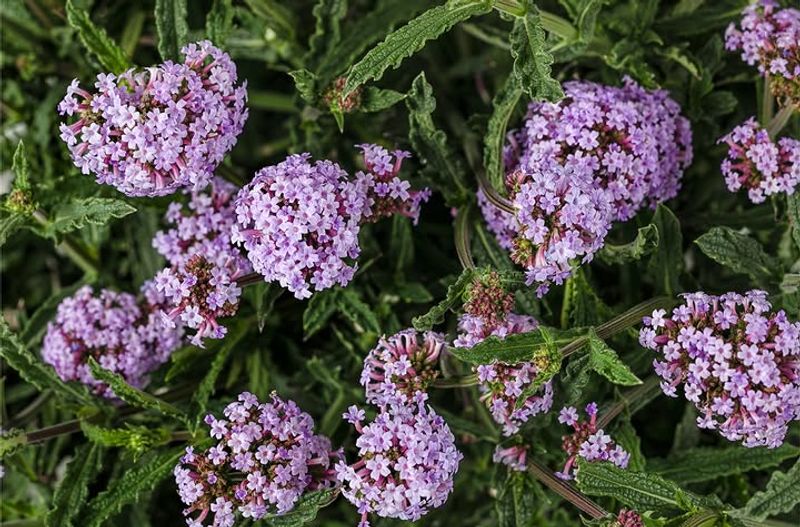
Purple might be one of the most striking colors you can add to a desert garden, and Arizona native Verbena delivers it in abundance. Glandularia gooddingii, commonly called Desert Verbena or Goodding’s Verbena, spreads low along the ground in a carpet of rich lavender-purple blooms that can stop people in their tracks.
It has a relaxed, sprawling growth habit that feels natural and effortless, which matches perfectly with how little work it actually needs.
This wildflower is a true Arizona survivor. It handles intense heat, dry soil, and low rainfall without skipping a beat.
Full sun is ideal, and it actually prefers soil that drains quickly rather than staying moist. Overwatering is one of the few ways to stress it out, so the classic Arizona habit of letting the rain do most of the work suits Verbena just fine.
It blooms heavily in spring and may put on a second show after summer monsoon rains, depending on conditions.
Butterflies are particularly fond of Verbena, and you will often see multiple species visiting the blooms on warm afternoons throughout Arizona. Hummingbirds also stop by occasionally, making it a multi-purpose pollinator plant.
Its low, trailing growth makes it ideal for slopes, rock gardens, or the edges of pathways where you want a soft, colorful border. It pairs especially well with yellow-blooming plants like Paperflower or Blanketflower, creating a vivid color contrast that looks professionally designed but requires almost no maintenance at all.
8. Globemallow That Thrives In Dry Heat
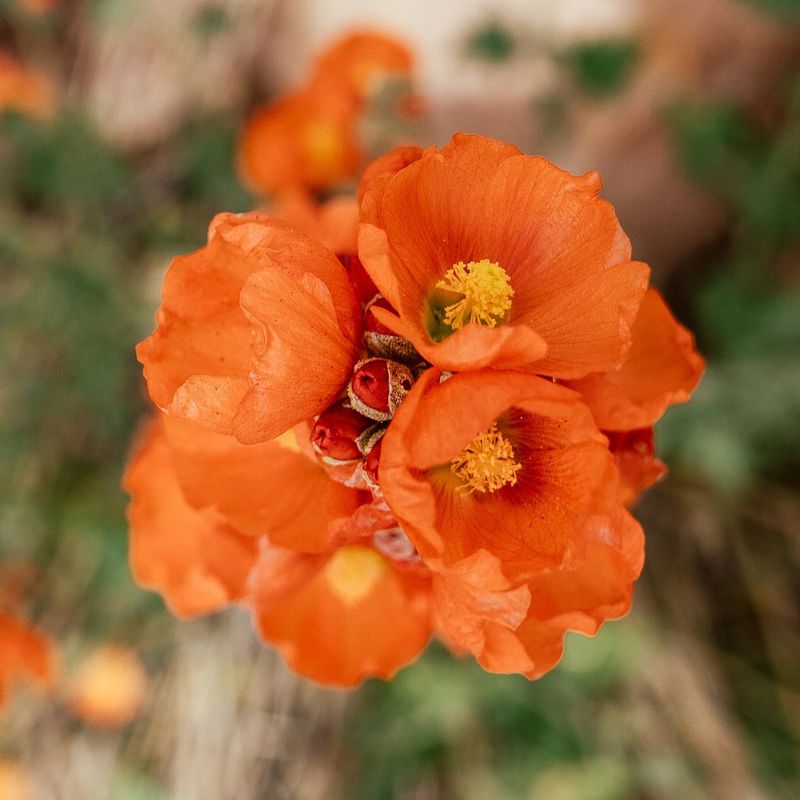
Few native Arizona wildflowers are as instantly recognizable as Globemallow. Sphaeralcea ambigua lights up roadsides, hillsides, and home gardens across the state with its warm apricot and coral blooms, which are so vibrant they look almost artificial against the muted tones of the desert landscape.
It is one of those plants that makes people pull over their cars just to take a closer look.
Globemallow is wonderfully forgiving, especially for new gardeners. It grows in poor, rocky soil and handles full sun without any complaints.
Established plants are highly drought-tolerant and can survive on natural rainfall alone during most of the year in Arizona. A little extra water during the hottest summer months can encourage more blooms, but even without it, this wildflower puts on an impressive show from late winter all the way through fall.
Hummingbirds, native bees, and butterflies all visit Globemallow regularly, making it a fantastic addition to any pollinator-friendly Arizona garden. The plant can grow two to three feet tall and wide, giving it a full, shrubby appearance that works well as a standalone specimen or grouped with other natives.
It reseeds itself naturally, so you may find new plants appearing nearby over time. One useful tip is to cut it back lightly after the main spring bloom to encourage a fresh flush of flowers later in the season.
For gardeners across Arizona looking for maximum color with minimum effort, Globemallow is an outstanding and deeply satisfying choice.
9. Parry Penstemon That Adds Desert Elegance
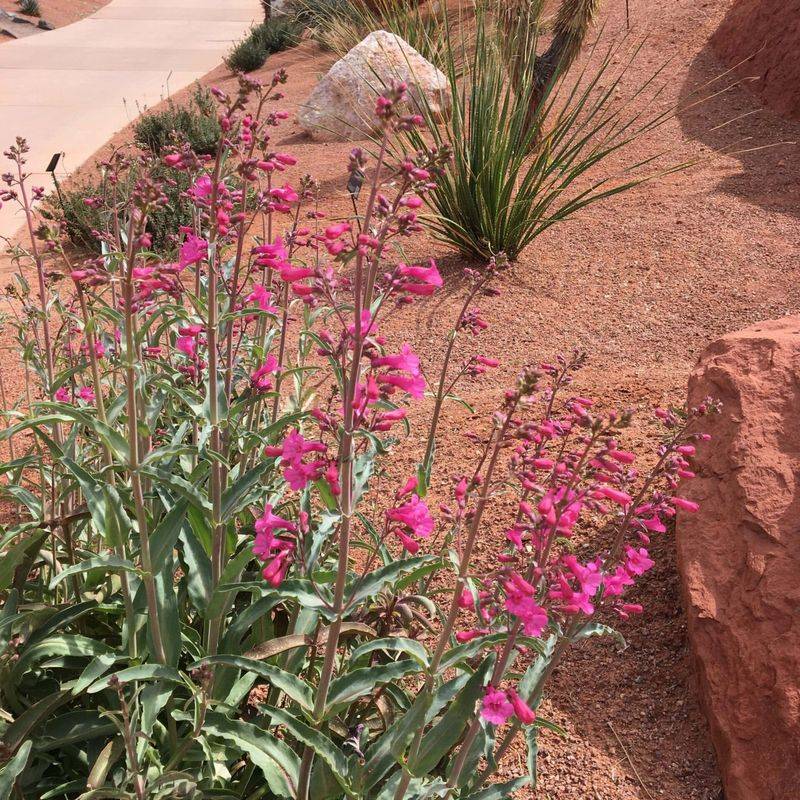
Imagine tall, elegant spikes of hot pink tubular flowers rising up from a rocky Arizona hillside while a hummingbird hovers nearby, sipping nectar in the morning sun. That is exactly the kind of scene Parry Penstemon creates, and it does so with almost no help from the gardener.
Penstemon parryi is one of Arizona’s most beloved native wildflowers, celebrated for its striking beauty and its remarkable ability to thrive in tough conditions.
Parry Penstemon grows naturally across the Sonoran Desert, which covers a large portion of southern Arizona. It prefers rocky or gravelly, well-drained soil and full to partial sun.
Once established, it is highly drought-tolerant and rarely needs supplemental watering. In fact, plants that receive too much water or are grown in heavy clay soil often struggle, so mimicking the dry, rocky conditions of its natural Arizona habitat is the best approach.
Blooming in late winter through spring, Parry Penstemon is one of the earliest native wildflowers to color up the Arizona landscape each year. Hummingbirds migrating through the region depend on it as a critical food source during their journey.
The tall flower stalks, which can reach four feet or more, add dramatic vertical interest to garden designs. After blooming, the seed heads dry attractively and provide food for birds.
Planting several together creates a bold, naturalistic display that looks stunning against desert boulders or alongside other native Arizona plants, making it a top-tier choice for any xeriscape or pollinator garden.