The 9 Rat-Repelling Flowers Pennsylvania Gardeners Are Planting Now
Nobody wants to find signs of rats turning up around the yard, especially when the garden is supposed to be the relaxing part of the property. It only takes a few chewed stems, disturbed soil, or unwanted droppings to make the whole space feel less inviting.
That is one reason more Pennsylvania gardeners are paying attention to flowers that bring more to the table than color alone. When a plant can brighten up the yard and possibly help make it less attractive to pests, people notice.
In Pennsylvania, that kind of practical beauty has a lot of appeal. Gardeners want flowers that can look good through the season while also fitting into a smarter approach to outdoor living.
Some blooms are believed to help discourage rats because of their strong scent or the way they change the feel of a planting area. That makes them especially interesting for anyone trying to make the garden feel a little more protected without sacrificing charm.
It is an idea that is easy to like. A flower bed can still be beautiful, but it can also play a small role in making your Pennsylvania garden feel cleaner, calmer, and less welcoming to unwanted visitors.
1. Daffodils
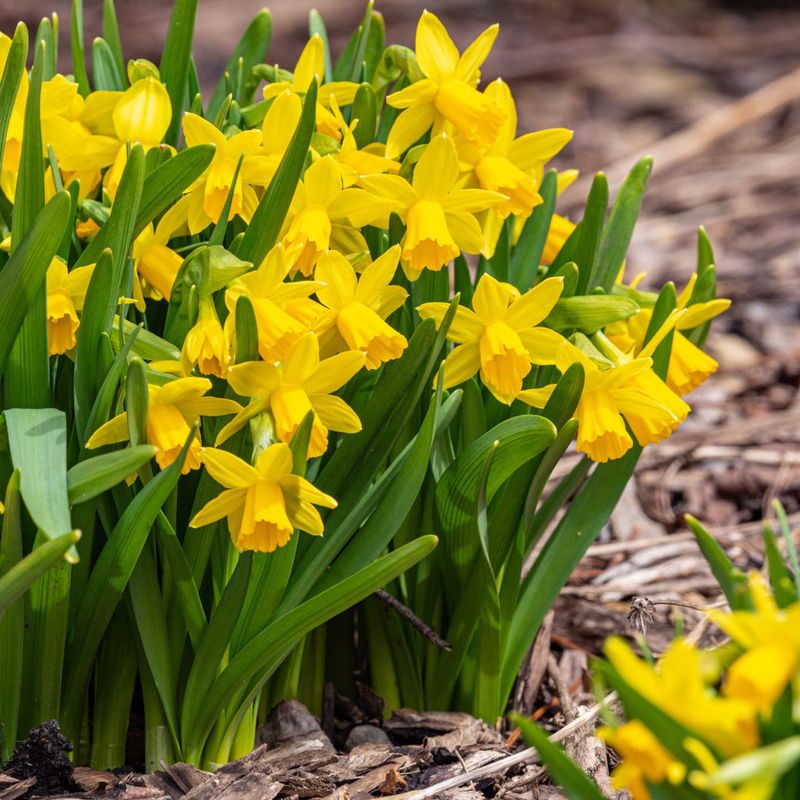
Long before anyone invented chemical pest sprays, gardeners in Pennsylvania and beyond relied on nature to do the hard work. Daffodils are one of nature’s most clever defenders.
Their bulbs and leaves contain a natural alkaloid called lycorine, and rats instinctively know to stay away from it. You will almost never find a rat chewing on a daffodil.
Planting daffodils along your garden’s border creates a natural barrier that rodents are very reluctant to cross. Many Pennsylvania gardeners plant them in clusters near entry points, vegetable beds, and compost areas.
They bloom in early spring, which is exactly when rats start becoming more active after winter.
Daffodils are also incredibly easy to grow. They thrive in Pennsylvania’s climate, need very little attention, and come back stronger every year.
You can mix different varieties to get blooms in shades of yellow, white, and orange. Beyond their pest-repelling power, they bring a cheerful pop of color to any yard.
If you want one flower that does double duty as a garden showstopper and a rodent deterrent, daffodils are a fantastic place to start.
2. Alliums (Ornamental Onions)
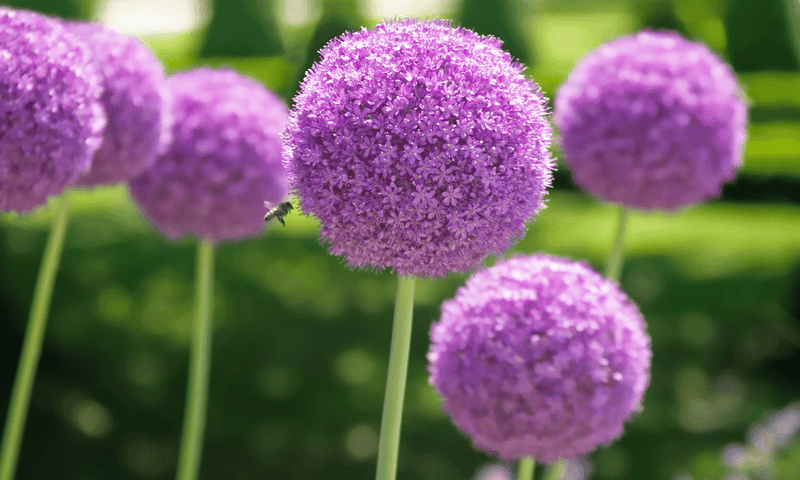
Imagine planting a flower that looks like a purple firework frozen in time. That is exactly what alliums look like, and rats absolutely hate them.
Alliums belong to the onion family, and they carry that unmistakable onion-like scent that rodents find overwhelming and deeply unpleasant.
Pennsylvania gardeners love alliums because they are low-maintenance and incredibly striking. The tall stems topped with round, globe-shaped flower heads make them a real conversation starter in any yard.
But beyond their good looks, they serve a very practical purpose. Planting them throughout your garden beds sends a strong scent signal that tells rats this is not a welcome space.
Your Pennsylvania Garden Changes Every Week. Your Plan Should Too.
Gardening in Pennsylvania changes quickly throughout the season. Every Friday you’ll receive a simple weekly plan showing exactly what to plant, prune, fertilize, harvest, and protect so you never miss the right timing.
Alliums bloom in late spring to early summer, filling a gap between early spring bulbs and summer flowers. They grow well in most Pennsylvania soils and prefer sunny spots with decent drainage.
Squirrels and deer also tend to avoid them, making alliums a triple threat in the pest-deterrent department. You can tuck them between vegetables or plant them in decorative borders.
Either way, you get a flower that is as functional as it is eye-catching, which is a rare and wonderful combination for any gardener.
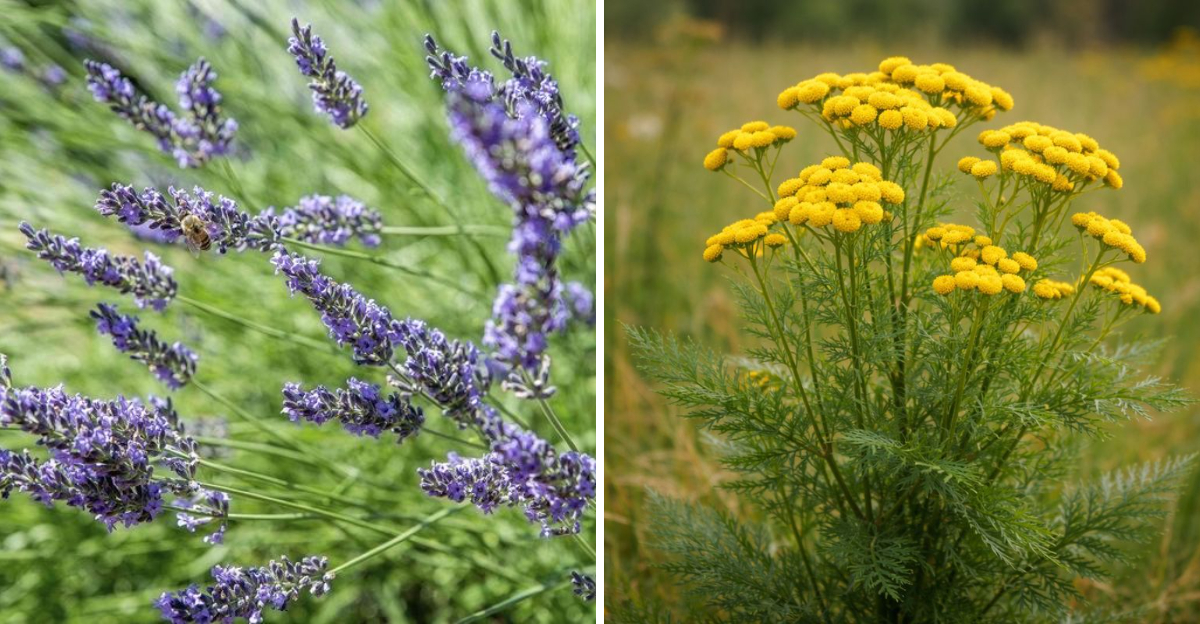
3. Lavender
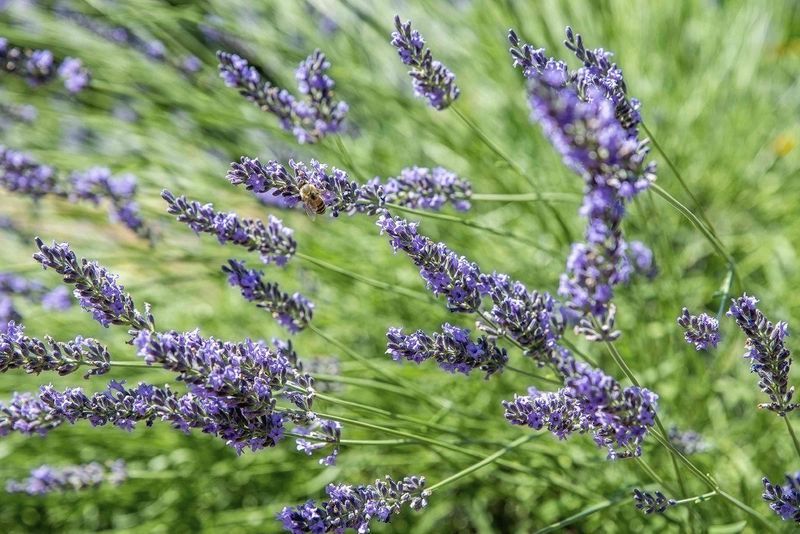
Walk past a lavender plant and you will immediately understand why people love it. That rich, calming fragrance is pure heaven to humans. But to rats? It is a total nightmare.
Lavender’s aromatic oils are so strong that they interfere with a rodent’s sensitive sense of smell, making any area where it grows feel hostile and uninviting.
Pennsylvania’s climate suits lavender surprisingly well. It loves sunny spots and well-drained soil, which is easy to find across much of the state.
Once established, lavender is remarkably tough. It handles dry summers and bounces back well after Pennsylvania winters, especially with a little mulching for protection.
Placing lavender near doorways, patios, and garden borders gives you a natural shield around your property. Many Pennsylvania homeowners plant it along fence lines or in raised beds near their vegetable gardens.
It attracts pollinators like bees and butterflies, so your garden actually becomes more productive with lavender around. You can also cut the stems and bring them indoors, where the scent continues working as a natural pest repellent.
Lavender is truly one of the most versatile and rewarding plants you can add to a Pennsylvania garden this season.
4. Marigolds
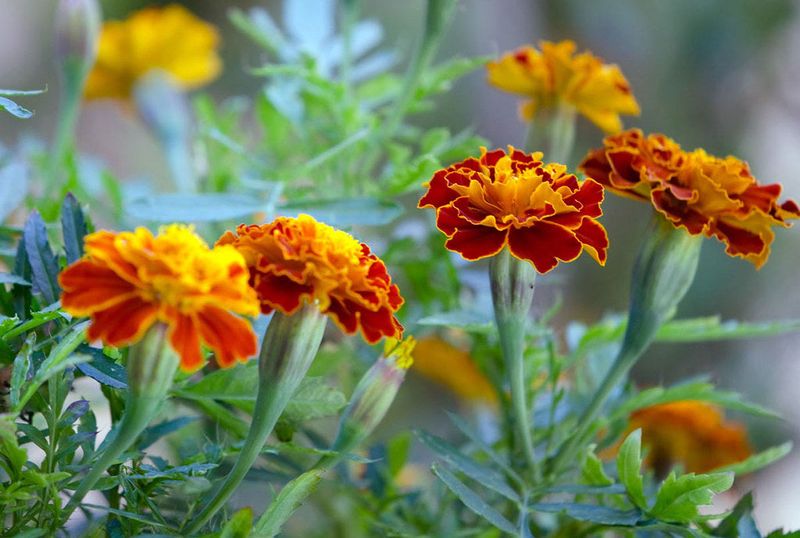
Few flowers pack as much punch as the marigold. That bold, almost spicy scent it releases is not just a quirk of nature.
It is actually a built-in defense system. Rats find the smell deeply off-putting, and they tend to reroute away from any garden bed where marigolds are growing in numbers.
Pennsylvania gardeners have used marigolds for generations, mostly to protect vegetable patches from insects. But their effectiveness against rodents is just as impressive.
Planting them along borders, around raised beds, and near compost bins creates a scented perimeter that discourages rats from settling in. The denser you plant them, the stronger the scent barrier becomes.
Marigolds are one of the easiest flowers to grow from seed, making them very budget-friendly. They thrive in Pennsylvania’s warm summer months and bloom continuously from late spring through the first frost.
They come in shades of gold, orange, red, and cream, so your garden stays colorful all season long. Another bonus is that marigolds attract helpful insects like ladybugs, which naturally manage aphid populations.
You get beauty, pest control, and ecological support all from one humble, hardworking flower that costs almost nothing to grow.
5. Chrysanthemums
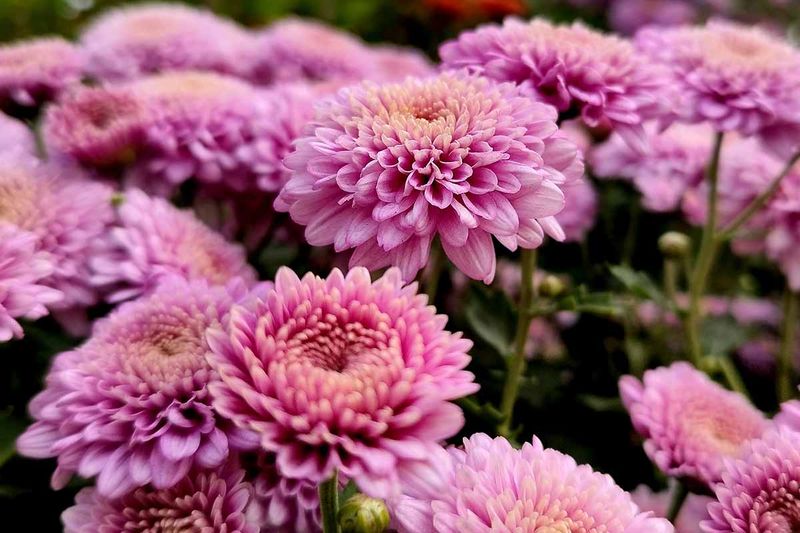
Chrysanthemums, or mums as most people call them, are a Pennsylvania fall garden staple. You see them on porches and in planters every autumn across the state.
But here is something most people do not realize: mums contain a naturally occurring compound called pyrethrin, which is so effective at repelling pests that it is actually used as an ingredient in many commercial insecticides and rodent repellents.
Rats are particularly sensitive to pyrethrin. Planting chrysanthemums around your yard gives you a natural, organic line of defense that works without any chemicals.
Many Pennsylvania gardeners place them near garage doors, shed entrances, and along the edges of vegetable gardens for maximum effect.
Mums are incredibly versatile and come in a huge range of colors, from deep burgundy to bright yellow. They bloom in late summer through fall, which is a prime time for rodent activity as temperatures drop and rats begin searching for warm shelter and food.
By having mums in bloom during this period, you are essentially putting up a natural no-entry sign just when it matters most. They are also perennials in many parts of Pennsylvania, meaning they return year after year with very little effort on your part.
6. Catmint (Nepeta)
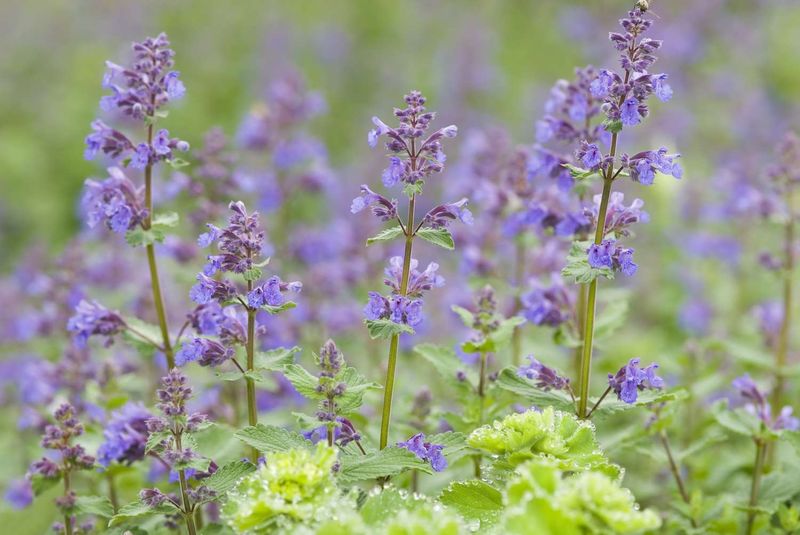
Catmint gets its name for an obvious reason: cats go absolutely wild for it. But while felines love rolling around in it, rats want nothing to do with it.
The strong, minty scent that catmint produces is highly effective at making rodents uncomfortable and encouraging them to find somewhere else to be.
What makes catmint especially appealing for Pennsylvania gardeners is how tough and adaptable it is. It handles the state’s variable weather with ease, growing happily in both full sun and partial shade.
It spreads gently over time, creating a low-growing, fragrant ground cover that fills in gaps between other plants beautifully. It rarely needs watering once it is established, which is a huge plus during dry Pennsylvania summers.
Catmint blooms in waves of soft purple-blue flowers from late spring through early fall. Bees and butterflies flock to it, making your garden more productive and lively.
Trimming it back after the first bloom encourages a fresh flush of flowers and keeps the scent strong. Beyond pest control, catmint just looks gorgeous spilling over the edges of raised beds or lining pathways.
It is one of those plants that earns its spot in a Pennsylvania garden many times over throughout the growing season.
7. Geraniums (Scented Types)
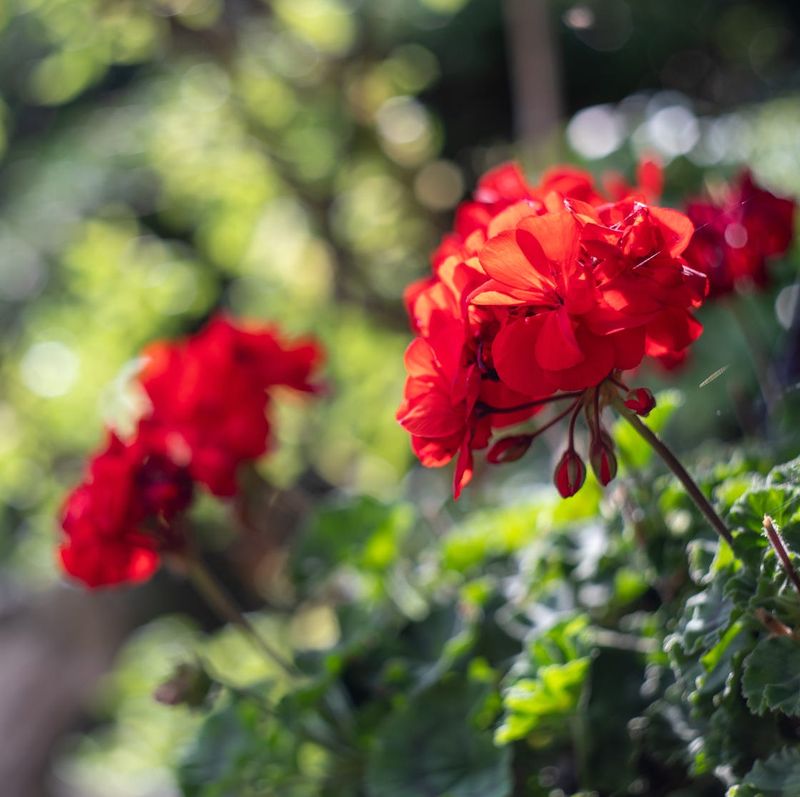
Not all geraniums are created equal. The scented varieties are the real stars when it comes to keeping rats out of a Pennsylvania garden.
These plants release strong essential oils from their leaves, and those oils create an environment that rodents find extremely unpleasant. Some scented geraniums smell like roses, others like citrus or mint, but they all share that powerful aromatic quality that pests avoid.
Scented geraniums work especially well in containers placed near doorways, patios, and garden entryways. This makes them perfect for Pennsylvania homeowners who want to protect specific areas without committing to large garden plantings.
You can move the pots around as needed, targeting problem spots where rat activity has been noticed.
These plants love warm, sunny conditions and do very well during Pennsylvania’s summer months. They are not fully winter-hardy in most parts of the state, but many gardeners bring them indoors when temperatures drop, treating them as houseplants through the cold months.
Scented geraniums are also quite beautiful, with delicate flowers and interestingly textured leaves.
Growing them gives you a practical pest-deterrent tool that doubles as an attractive addition to your outdoor decor. Few plants offer this level of flexibility and usefulness in one tidy package.
8. Tansy
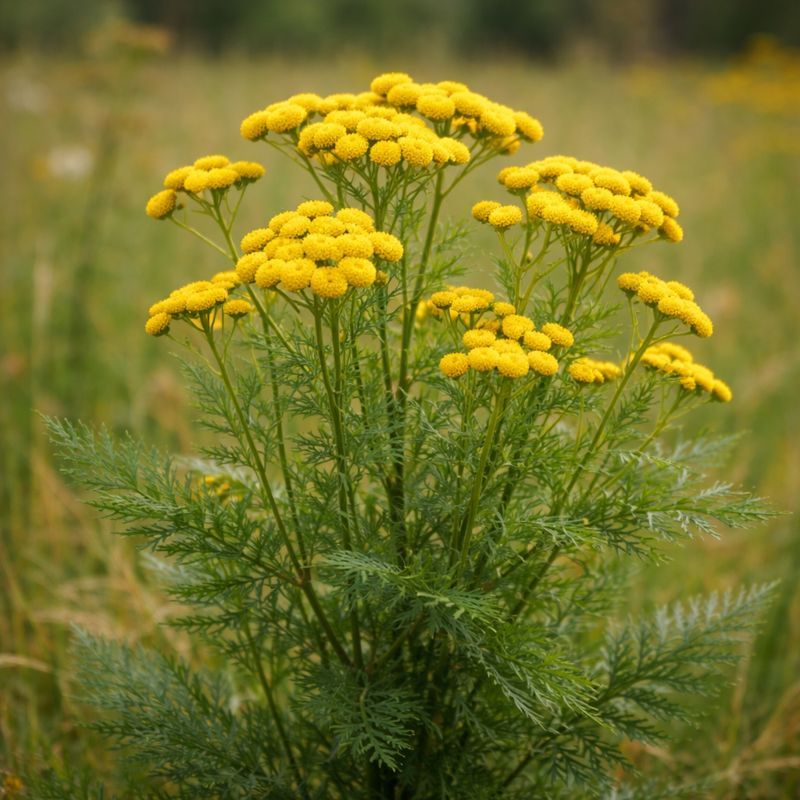
Tansy has a long and fascinating history as a pest-fighting plant. People have been using it for centuries to ward off insects and rodents, long before modern pest control products ever existed.
Its bright yellow, button-shaped flowers are cheerful and distinctive, but it is the plant’s sharp, almost medicinal scent that makes it such a powerful natural repellent.
Rats strongly dislike the smell of tansy. Planting it along fence lines, near compost areas, or around the perimeter of a Pennsylvania garden creates a strongly scented boundary that rodents prefer to avoid.
It is particularly useful in areas where rats have been spotted repeatedly, giving you a natural way to discourage their return.
Tansy grows vigorously and can spread quickly, so it is worth giving it a defined space in your garden or growing it in containers to keep it manageable. It thrives in Pennsylvania’s full sun conditions and is quite drought-tolerant once established.
One thing worth knowing is that tansy can be irritating to skin for some people, so wearing gloves when handling it is a smart habit.
Despite that small caution, tansy remains one of the most historically proven and visually interesting choices for natural rodent control in any Pennsylvania yard.
9. Calendula (Pot Marigold)
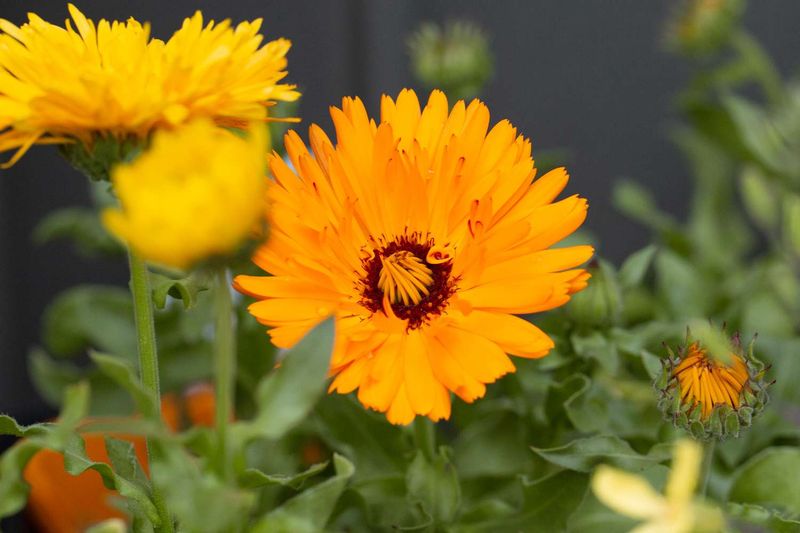
Calendula goes by many names, including pot marigold, but do not let that confuse you. It is actually a completely different plant from the common marigold, though it shares a similar sunny, cheerful look.
Calendula has its own unique scent that pests find unappealing, and Pennsylvania gardeners are starting to appreciate just how useful this flower can be as part of a natural rodent management strategy.
The scent that calendula releases is subtle to most humans but surprisingly strong to a rat’s highly sensitive nose. Planting it around vegetable beds, herb gardens, and borders helps create an environment that feels less inviting to rodents.
As a bonus, calendula attracts beneficial insects like hoverflies and lacewings, which naturally help manage other garden pests at the same time.
Calendula is one of the easiest flowers to grow from seed and does very well in Pennsylvania’s cooler spring and fall temperatures. It actually prefers milder weather and can struggle in intense summer heat, so planting it early in the season gives you the best results.
The blooms are edible and have been used in cooking and natural remedies for hundreds of years. Growing calendula gives your Pennsylvania garden beauty, ecological benefit, and a quiet but consistent line of defense against unwanted rodent visitors.