12 Pink Perennials That Keep Blooming All Season In Oregon
Pink has a way of softening a garden without making it feel sleepy. In Oregon yards, it can brighten a border, warm up a cottage-style bed, and make green foliage look even fresher once the season gets rolling.
The tricky part is finding perennials that do more than flash for a week and fade into the background.
That is where the real stars stand out. Some pink bloomers keep the color coming for months, not just during one quick burst in late spring.
They carry flower beds through the heart of summer and often keep going well into early fall, especially with Oregon’s mild growing conditions on their side.
A long-blooming perennial bed feels generous. Just when you think the show might be slowing down, another flush of color pops up and keeps things lively.
The best part is that these plants do not just look pretty for a moment. They help a garden feel cheerful, full, and beautifully put together for much longer than expected.
1. Anemone
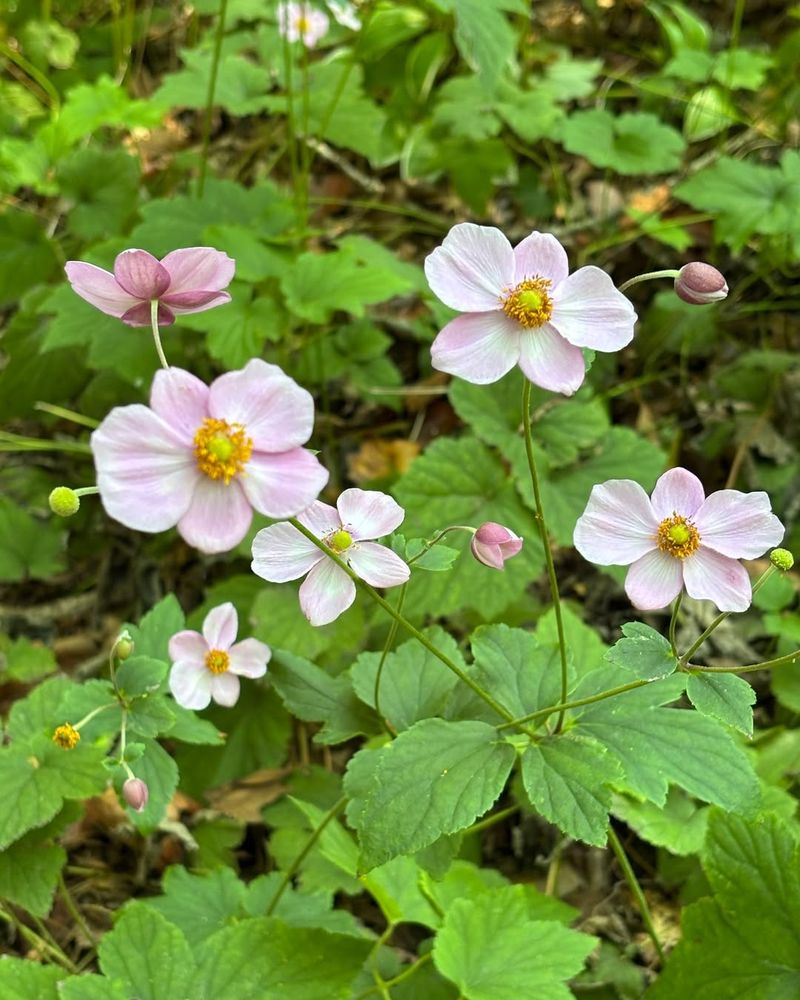
Few flowers carry the kind of quiet elegance that anemone brings to an Oregon garden. With its silky pink petals and dark button centers, this perennial looks almost too pretty to be real.
Gardeners across Oregon have fallen in love with it for good reason.
Anemone blooms in late summer and fall, which makes it a standout when many other flowers are slowing down. It fills that gap beautifully and keeps your yard looking full of life.
Plant it in a spot that gets partial shade, and it will reward you generously.
It grows best in moist, well-drained soil and can reach up to four feet tall. The tall stems sway gracefully in the breeze, adding movement and charm.
Once established, anemone spreads slowly and fills in bare spots over time.
Oregon’s mild, rainy climate is actually ideal for this plant. It does not like extreme heat or dry spells, so the cool Pacific Northwest weather suits it perfectly.
Water regularly during dry summers to keep it happy.
Bees and butterflies are big fans of anemone blooms. Planting it near other perennials creates a pollinator paradise right in your backyard.
It is a low-effort, high-reward flower every Oregon gardener should try.
2. Snapdragons
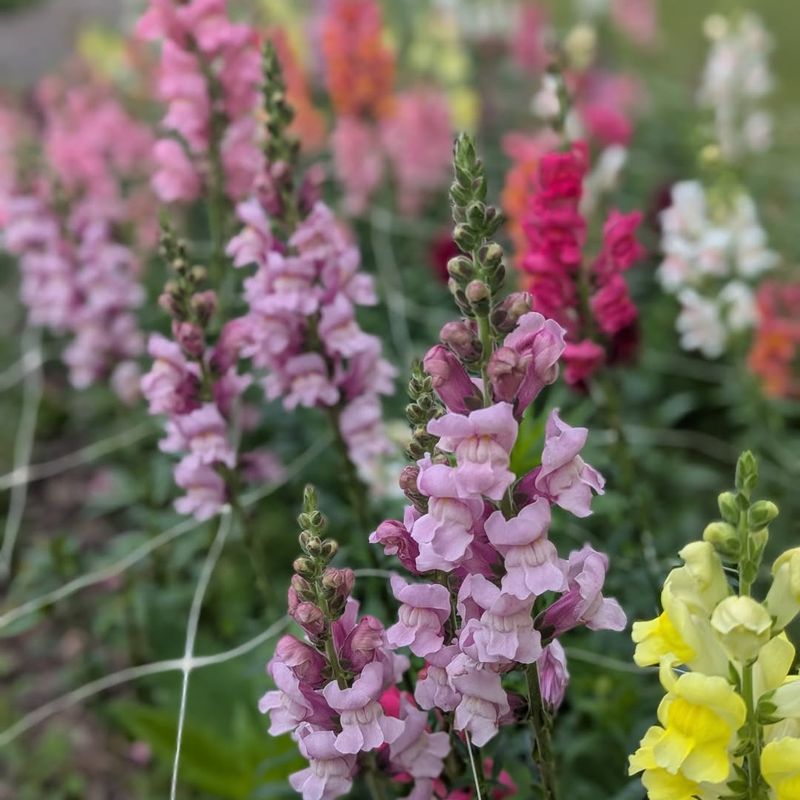
Snapdragons are one of those flowers that make people stop and smile. Their tall spikes of pink blooms are eye-catching, and kids especially love how the flowers “snap” open when squeezed.
That little trick has made them a garden favorite for generations.
In Oregon, snapdragons thrive in the cooler parts of the growing season. They actually prefer spring and fall temperatures, which makes them perfect for the Pacific Northwest climate.
Plant them early and enjoy blooms before summer even heats up.
They grow well in full sun and need well-drained soil to avoid root problems. Regular deadheading, which means removing old blooms, encourages the plant to keep producing new flowers.
With a little attention, snapdragons can bloom for months.
Pink varieties range from soft blush to deep rose, giving gardeners plenty of options. They look stunning in garden borders, raised beds, or large containers on a porch.
Your Oregon Garden Changes Every Week. Your Plan Should Too.
Gardening in Oregon changes quickly throughout the season. Every Friday you’ll receive a simple weekly plan showing exactly what to plant, prune, fertilize, harvest, and protect so you never miss the right timing.
Mixing different shades of pink creates a beautiful layered effect.
Snapdragons also attract hummingbirds, which are a delightful sight in any Oregon yard. These birds are drawn to the tubular shape of the flowers.
Planting a row of snapdragons near a window gives you a front-row seat to the show.
3. Astilbe
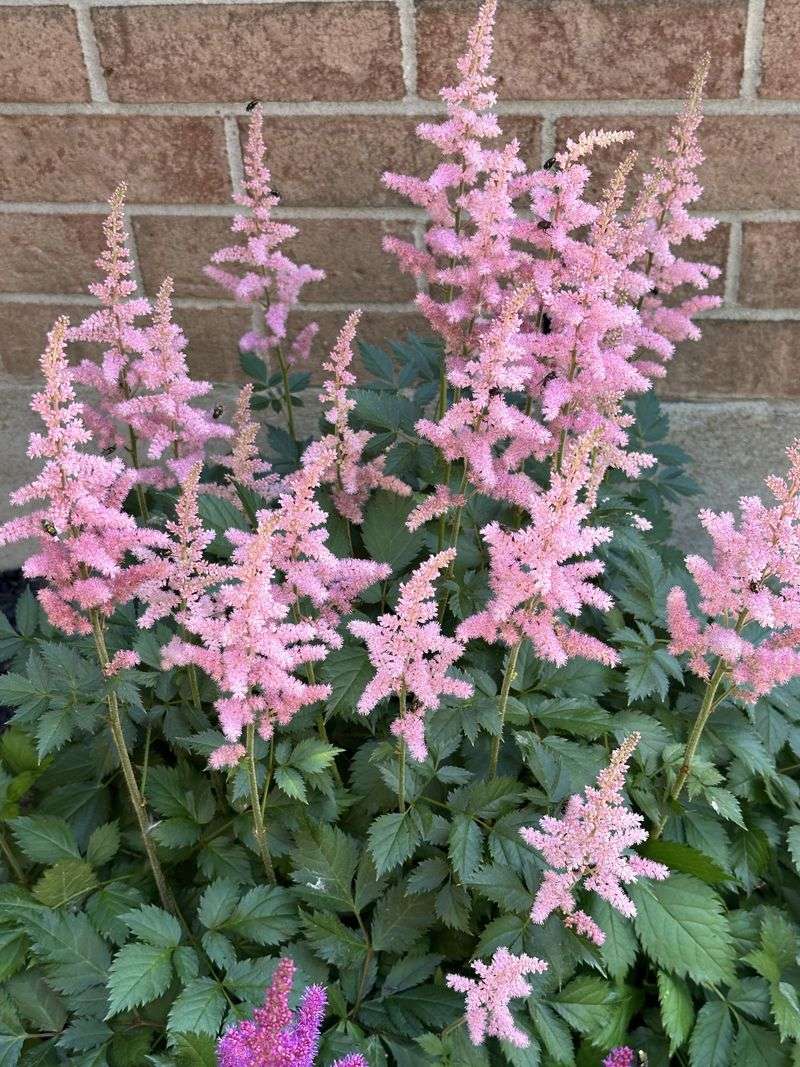
If your Oregon garden has a shady corner that feels dull and empty, astilbe is your answer. Its feathery pink plumes rise above deep green leaves like fluffy clouds of color.
Few plants can brighten up a shaded space quite the way astilbe does.
Astilbe blooms from late spring into early summer, offering a cheerful burst of pink right when you need it most. The blooms hold their shape well and even look attractive after they fade, turning a warm rusty color in late summer.
Many gardeners leave the dried plumes standing through winter for added texture.
This perennial loves moisture and shade, making it a natural fit for the rainy, tree-lined gardens found throughout Oregon. It grows best in rich, consistently moist soil.
Avoid planting it in full sun, as the leaves can scorch in intense heat.
Astilbe comes in many shades of pink, from pale cotton candy to bold magenta. Mixing varieties with different bloom times extends the color show across several weeks.
Grouping several plants together creates a dramatic, full effect.
Pollinators are drawn to astilbe’s delicate flowers, especially bees. It is also deer-resistant, which is a big bonus for Oregon gardeners dealing with wildlife.
Plant it once and enjoy it for many years to come.
4. Delphinium
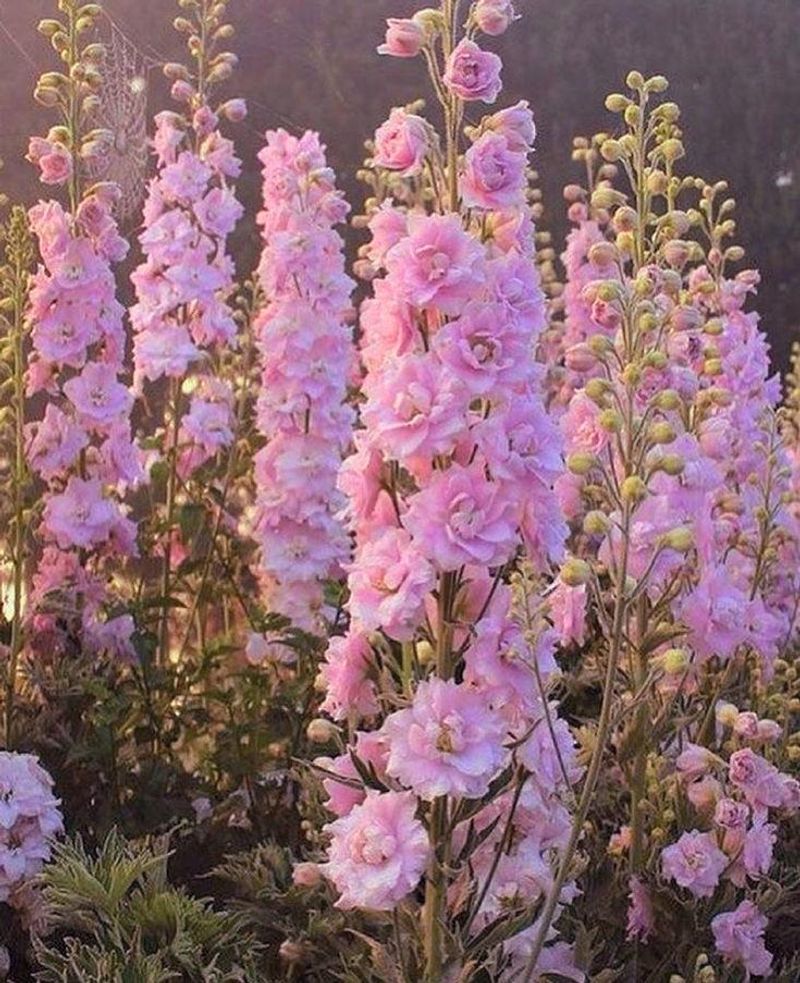
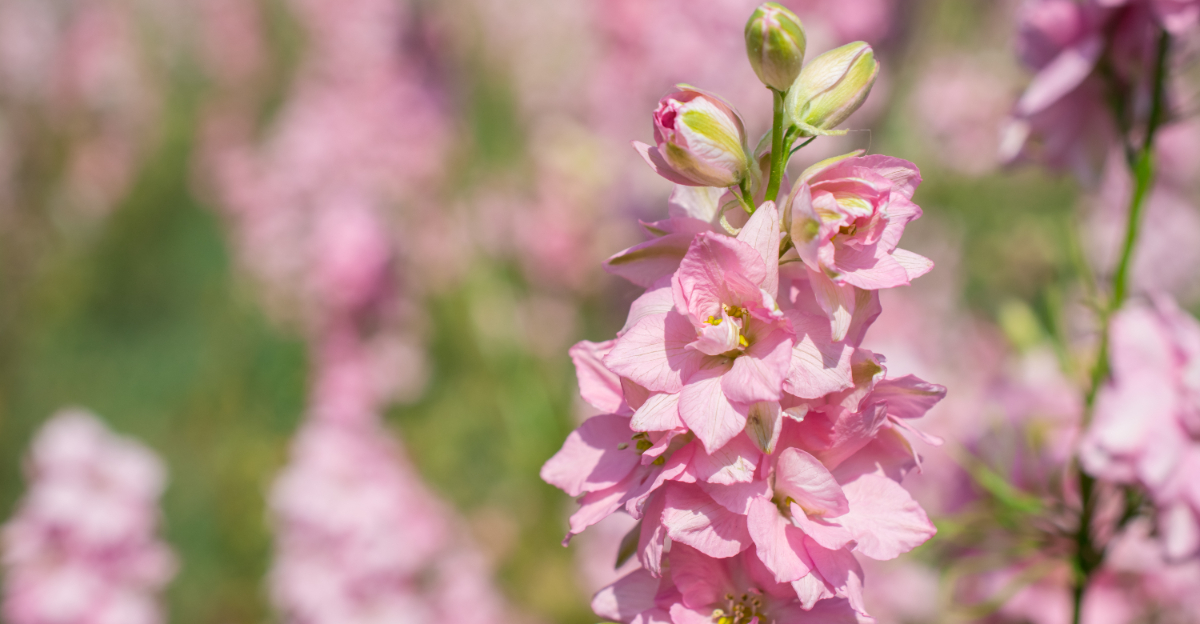
Tall, dramatic, and absolutely stunning, delphinium is the kind of plant that becomes the centerpiece of any Oregon garden. Most people think of blue delphiniums, but pink varieties are just as breathtaking.
The towering flower spikes can reach five to six feet tall, creating a real wow factor.
Oregon’s cool, moist climate is one of the best environments for growing delphinium. The Pacific Northwest weather keeps the soil from drying out too fast, which this plant loves.
Plant it in a spot with full sun and protection from strong winds to prevent the tall stems from snapping.
Delphiniums bloom in early to midsummer and can rebloom in fall if you cut the spent stalks back after the first flush. That second round of blooms is a wonderful bonus for Oregon gardeners.
Keep the soil consistently moist and fertilize monthly for the best results.
Pink delphinium varieties include soft salmon tones and deeper rose shades. They pair beautifully with white or purple flowers in a mixed border.
Staking the stems helps them stay upright through Oregon’s occasional summer windstorms.
Hummingbirds and bumblebees visit delphinium regularly, making it a pollinator magnet. It adds vertical height and elegance to any garden design.
Once you grow it, you will want it every season.
5. Foxglove
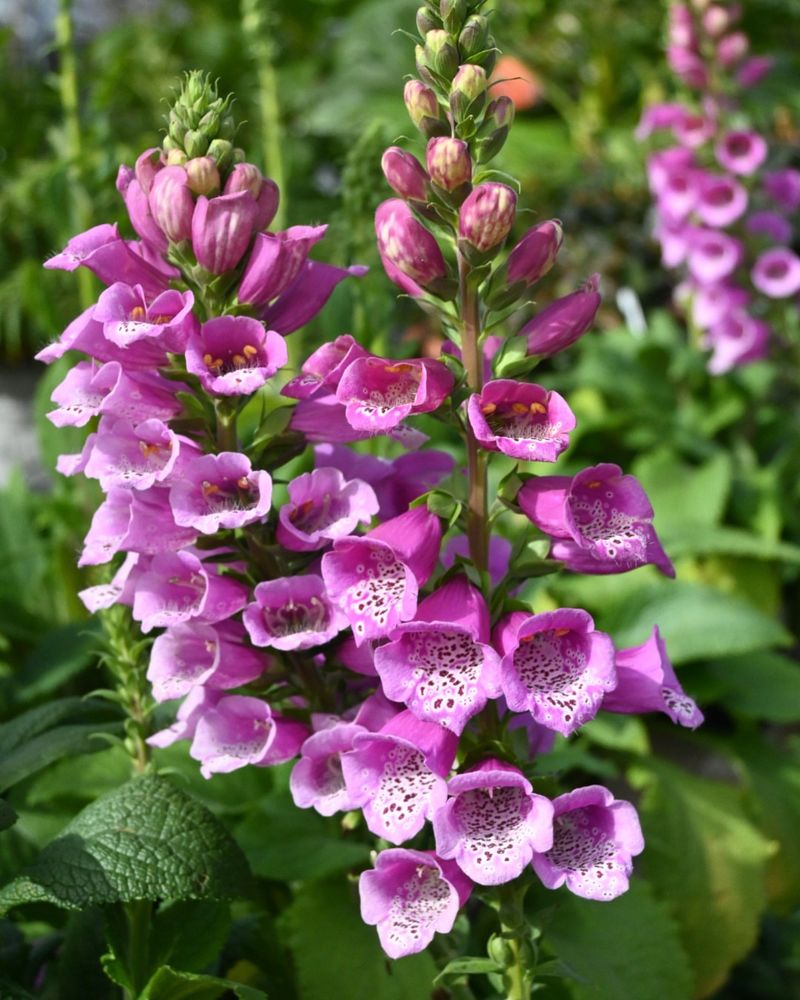
Walk through almost any Oregon woodland in early summer and you might spot foxglove growing wild along the roadsides. Its tall spikes of tubular pink flowers are instantly recognizable and absolutely gorgeous.
Bringing this native-feeling plant into your garden feels like a natural choice.
Foxglove is a biennial that behaves like a perennial because it self-seeds so freely. Once you plant it, it tends to come back on its own year after year.
Oregon gardeners love this quality because it means less replanting and more blooms without extra effort.
It thrives in partial shade and moist, well-drained soil, which describes a huge number of Oregon garden settings. The flowers bloom in late spring and early summer, creating tall columns of pink that reach up to five feet.
The spotted interiors of the blooms add an artistic detail that makes them even more captivating.
Hummingbirds absolutely adore foxglove and will visit the blooms repeatedly throughout the day. Watching these tiny birds hover around the tall flower spikes is one of the real joys of having foxglove in your yard.
It adds wildlife value along with beauty.
Plant foxglove in groups of three or more for a bold display. It looks especially striking planted along a fence or garden path.
Oregon’s climate makes it one of the easiest flowering plants to grow here.
6. Hollyhocks
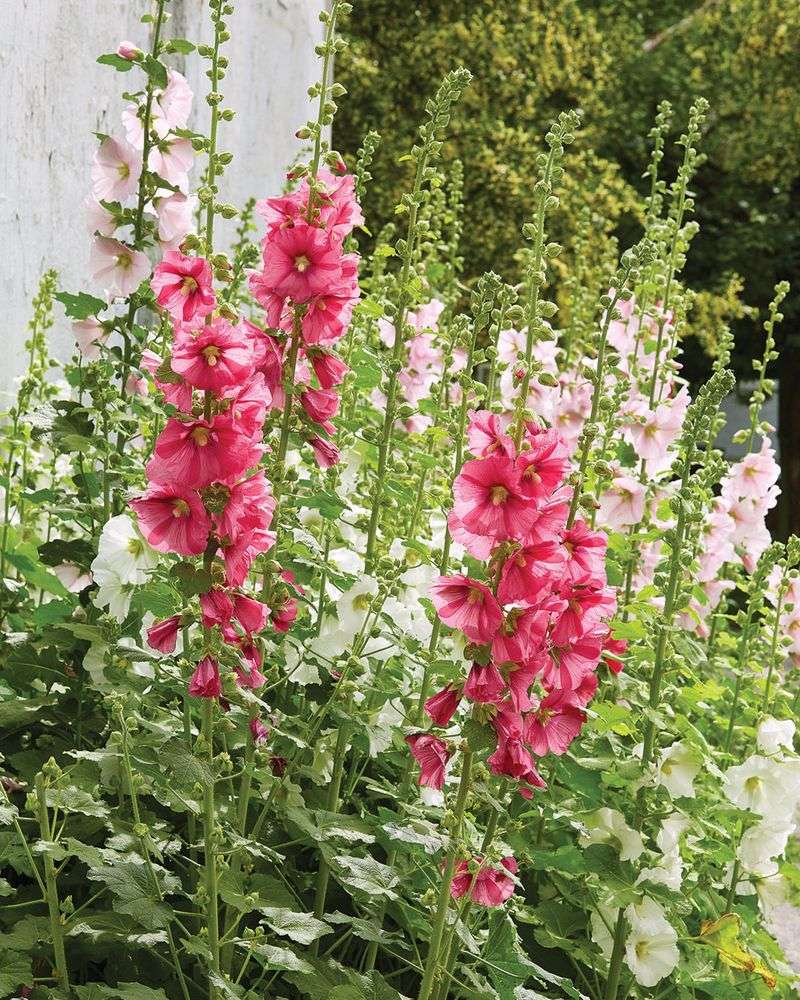
There is something wonderfully old-fashioned about hollyhocks. Their tall stalks covered in stacked pink blooms bring a cottage garden charm that feels warm and welcoming.
Growing them along a fence or barn wall is a classic Oregon garden tradition that never goes out of style.
Hollyhocks bloom in midsummer and the show lasts for several weeks. The flowers open from the bottom of the stalk upward, so you get a long, gradual bloom period.
Colors range from pale pink to deep rose, and some varieties have double blooms that look almost like paper flowers.
They grow best in full sun with well-drained soil. Oregon’s wet winters can sometimes cause crown rot, so planting in a raised bed or slightly elevated spot helps.
Once established, hollyhocks are surprisingly tough and come back reliably each year.
Bees, especially bumblebees, are huge fans of hollyhock flowers. The wide, open blooms make it easy for pollinators to access the nectar.
Planting hollyhocks near a vegetable garden can help boost pollination of nearby crops.
Self-seeding is another great quality of hollyhocks. They drop seeds at the end of the season and new plants pop up the following year.
This means your hollyhock patch can grow bigger and more impressive over time with very little effort from you.
7. Chrysanthemum
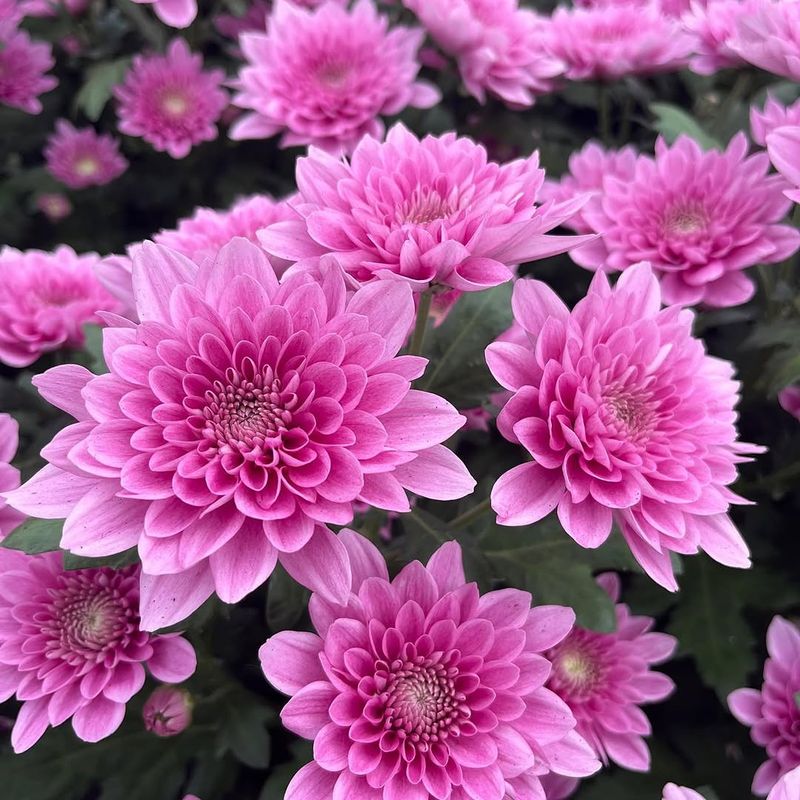
When fall arrives in Oregon and most flowers are winding down, chrysanthemums step up and steal the show. Their round, fluffy pink blooms arrive just in time to keep your garden colorful through October and even into November.
Gardeners across Oregon rely on mums to carry the late-season color torch.
Chrysanthemums come in a huge range of pink shades, from soft blush to rich magenta. The variety of flower shapes is impressive too, from simple daisy-like blooms to dense pompom styles.
Choosing a mix of types creates a really interesting display in any garden bed.
Plant chrysanthemums in full sun for the best bloom production. They need well-drained soil and do not like sitting in wet ground during Oregon’s rainy season.
Planting them in raised beds or containers helps manage drainage during fall rains.
Pinching back the stems in early summer encourages bushier growth and more blooms later on. This simple trick makes a big difference in how full and floriferous the plant becomes.
Many Oregon gardeners swear by this technique for getting the most out of their mums.
Chrysanthemums also attract late-season pollinators like bees looking for one last nectar source before winter. Having mums in your garden helps support these beneficial insects.
They are a practical and beautiful addition to any Oregon yard.
8. Hardy Hibiscus
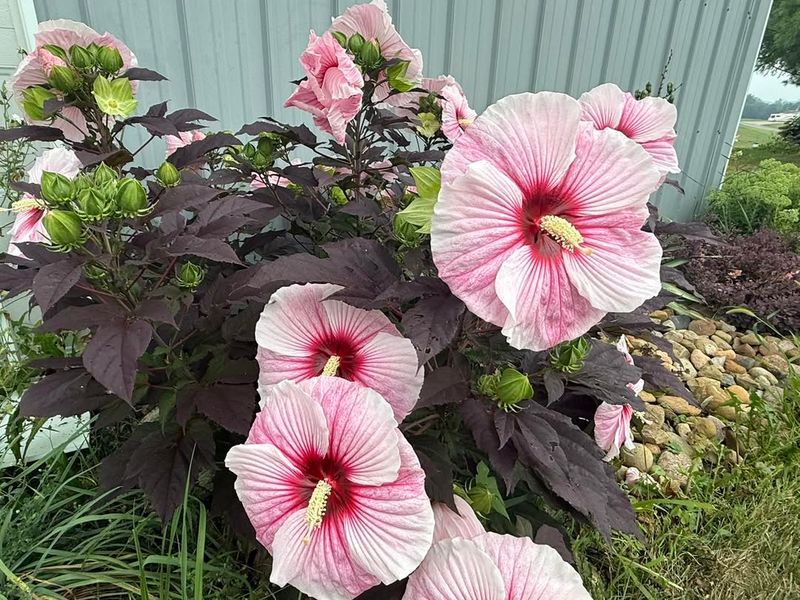
Nothing says summer quite like the bold, tropical look of hardy hibiscus. The flowers are enormous, often reaching the size of a dinner plate, and the pink varieties are absolutely jaw-dropping.
Seeing one in full bloom in an Oregon garden always draws compliments from neighbors and visitors.
Despite its tropical appearance, hardy hibiscus can handle Oregon winters with ease. It goes dormant in cold weather and comes back strong each spring.
This resilience makes it a fantastic choice for gardeners who want big, dramatic blooms without a lot of fuss.
Hardy hibiscus loves full sun and consistently moist soil. Oregon’s summer heat, especially in the Willamette Valley, gives it the warmth it needs to thrive.
Water it deeply and regularly during dry spells for the biggest, most vibrant flowers.
The blooms last only a day or two each, but the plant produces so many buds that the flowering period stretches across several weeks. New flowers open daily throughout summer, keeping the display fresh and exciting.
Deadheading spent blooms keeps the plant looking tidy.
Hummingbirds and butterflies are irresistibly drawn to hardy hibiscus flowers. Its large size also makes it a great privacy screen or garden focal point.
Oregon gardeners who grow it once rarely want to be without it again.
9. Dahlias
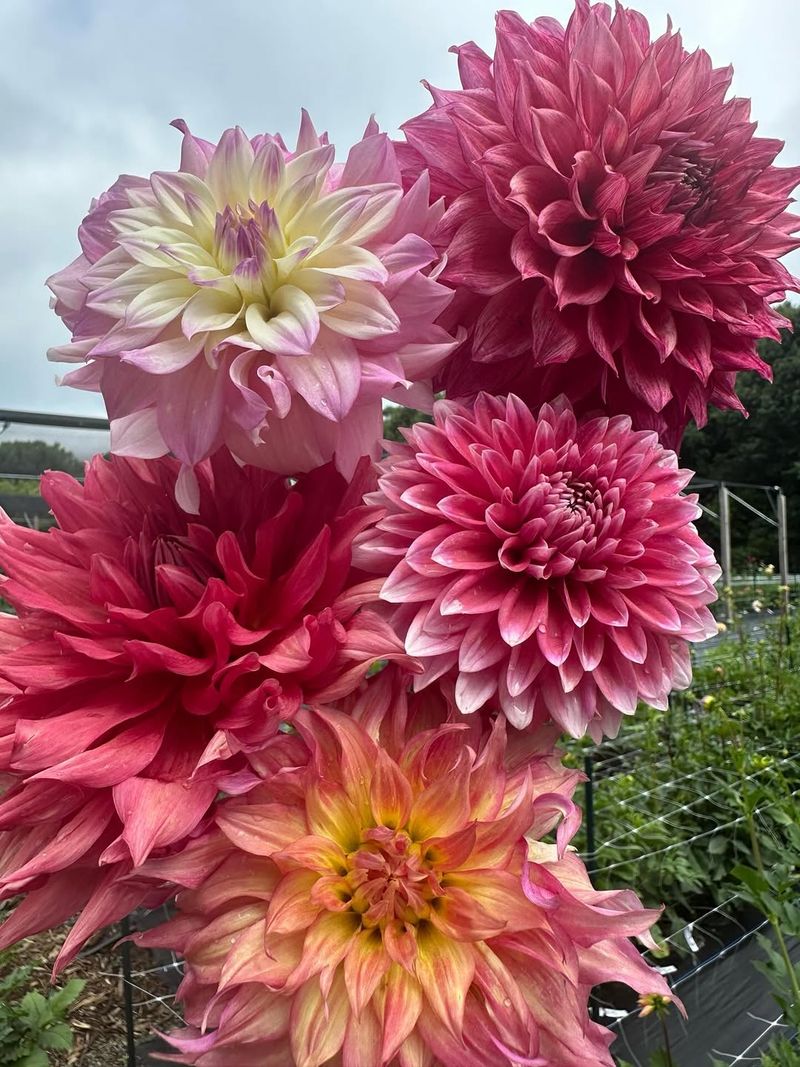
Oregon gardeners have a long love affair with dahlias, and it is easy to see why. These flowers come in almost every shape and size imaginable, and the pink varieties are among the most beloved.
From small pompom types to huge dinner-plate blooms, there is a pink dahlia for every garden style.
Dahlias bloom from midsummer all the way through the first frost, giving you months of color. Oregon’s mild fall climate often extends the season well into October.
Few other flowers offer such a long and reliable bloom period in the Pacific Northwest.
Plant dahlia tubers in spring after the last frost, in a sunny spot with rich, well-drained soil. They are heavy feeders, so regular fertilizing keeps them producing blooms at full speed.
Staking taller varieties helps protect them from Oregon’s occasional summer windstorms.
Deadheading spent blooms is the key to keeping dahlias productive all season long. The more you cut, the more they bloom.
Many Oregon gardeners bring cut dahlias indoors and enjoy them as fresh bouquets throughout the summer.
Bees and butterflies visit dahlia flowers frequently, especially the single-flowered varieties with open centers. Growing dahlias supports local pollinators while adding serious visual impact to your yard.
They are a true Oregon garden superstar worth every bit of effort.
10. Creeping Phlox
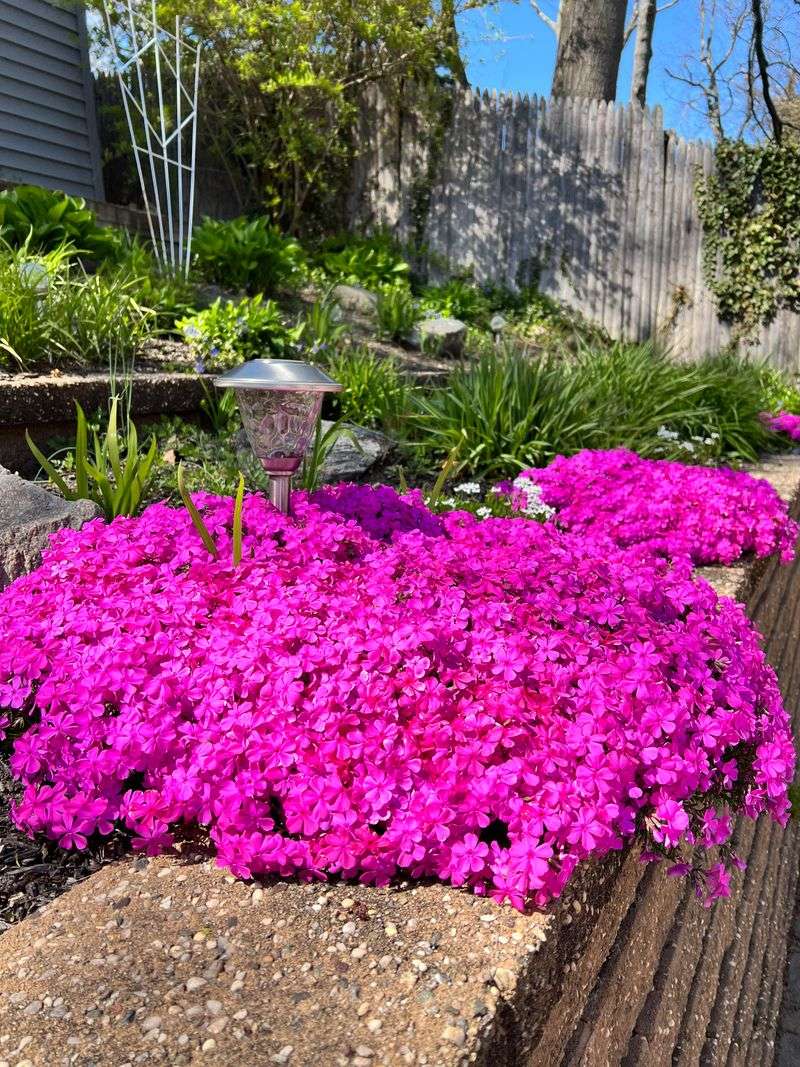
Imagine a carpet of tiny pink flowers spreading across your garden in spring. That is exactly what creeping phlox delivers, and Oregon gardeners absolutely adore it for this reason.
It is one of the earliest perennials to bloom, often starting in March or April when the garden desperately needs some color.
Creeping phlox grows low to the ground, forming a dense mat that is only a few inches tall. It spreads outward over time, filling in gaps between stepping stones, along borders, or cascading over rock walls.
The effect is like a flowing river of pink color across the landscape.
Full sun brings out the best blooms, though creeping phlox tolerates light shade in Oregon’s garden settings. It prefers well-drained soil and actually handles dry conditions quite well once established.
This drought tolerance makes it a smart, low-maintenance choice for busy gardeners.
After blooming, the plant stays green and tidy throughout the rest of the season. It acts as a living ground cover, suppressing weeds and keeping the soil cool.
Trimming it back lightly after flowering encourages denser, more compact growth the following year.
Butterflies and bees eagerly visit creeping phlox in early spring when few other flowers are available. Planting it at the front of a garden bed creates a welcoming burst of pink that greets visitors from the moment they arrive.
11. Geranium
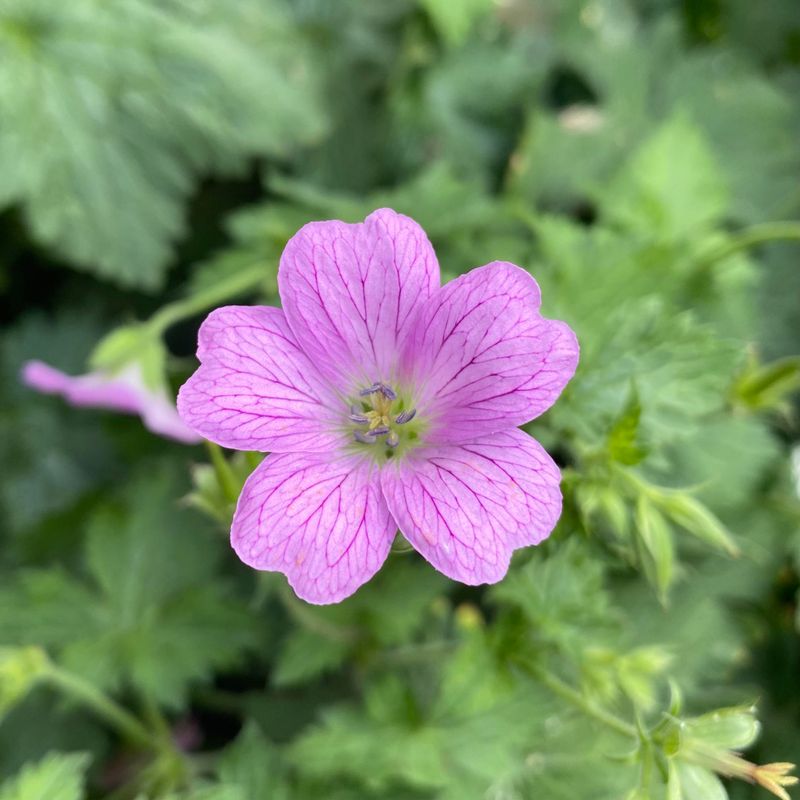
Hardy geraniums, also called cranesbills, are one of the most reliable perennials you can grow in Oregon. Unlike the common potted geraniums sold in stores, these are true perennials that come back year after year without any fuss.
Their cheerful pink flowers and attractive foliage make them a garden workhorse.
Blooming from late spring through summer, hardy geraniums put on a long show of delicate five-petaled flowers. Some varieties even rebloom in fall if you cut them back after the first flowering.
Oregon’s mild climate is perfectly suited to keeping them healthy and productive all season.
They grow well in both full sun and partial shade, which makes them incredibly versatile. Rich or average soil works fine, and they are fairly drought-tolerant once established.
This adaptability makes them a top pick for Oregon gardeners with varying garden conditions.
Hardy geraniums spread gradually over time, filling in spaces between taller plants and suppressing weeds. They work beautifully as a ground cover under roses or along the edge of a mixed border.
The rounded mounds of foliage stay attractive even when the plant is not in bloom.
Pollinators love the simple, open flowers of hardy geraniums. Bees visit them constantly during the blooming season.
Growing several varieties with slightly different bloom times keeps your Oregon garden buzzing with activity from spring through fall.
12. Aster
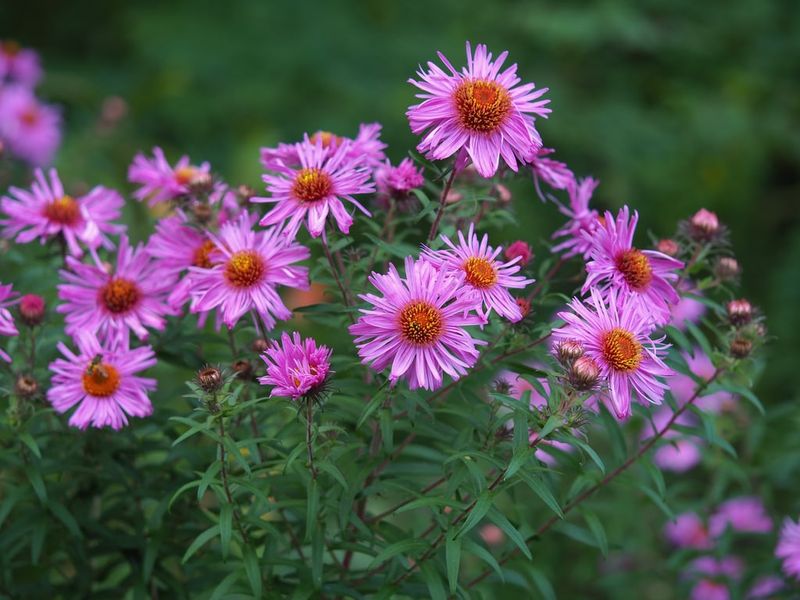
When the days grow shorter and a chill creeps into the Oregon air, asters burst into bloom like a final celebration of the growing season. Their cheerful daisy-like pink flowers with golden yellow centers are a welcome sight in September and October.
Few perennials do more to brighten up the autumn garden.
Asters are incredibly hardy and well-suited to Oregon’s climate. They handle cool temperatures without complaint and keep blooming even after light frosts.
This toughness makes them one of the most dependable fall-blooming perennials available to Pacific Northwest gardeners.
Plant asters in full sun for the most abundant blooms. They prefer well-drained soil and benefit from being divided every two to three years to keep them vigorous.
Dividing also multiplies your plants, so you can spread them throughout the garden or share with neighbors.
Pinching back aster stems in early summer results in bushier, fuller plants with more flowers. This easy step takes only a few minutes but makes a noticeable difference in the fall display.
Oregon gardeners who do this consistently enjoy much more impressive plants each year.
Asters are a critical late-season food source for bees and butterflies preparing for winter. Monarch butterflies, which pass through Oregon during fall migration, are especially fond of aster blooms.
Growing asters supports wildlife while adding beautiful pink color to your yard right up until the season ends.