The 10 Best Drought-Tolerant Shrubs For Eastern Oregon
In Eastern Oregon, a shrub has to earn its place. Hot sun, drying wind, lean soil, and long stretches without much rain can turn a pretty plant into a disappointing one in no time.
That is why the best shrubs for this part of the state are not just attractive. They are tough, dependable, and able to hold their own when the weather gets stingy.
And honestly, that kind of beauty has its own appeal. A drought-tolerant shrub that stays handsome through summer feels like a smart choice and a satisfying one.
Less fuss, less water, and still plenty of color, texture, or structure can make the whole yard feel more settled and easier to manage.
Eastern Oregon gardeners know that not every plant tag tells the full story. Some shrubs talk a big game, then struggle when conditions get real.
The ones worth planting are the ones that can take the heat, keep their shape, and still make the landscape feel alive when everything around them starts looking tired.
1. Sagebrush
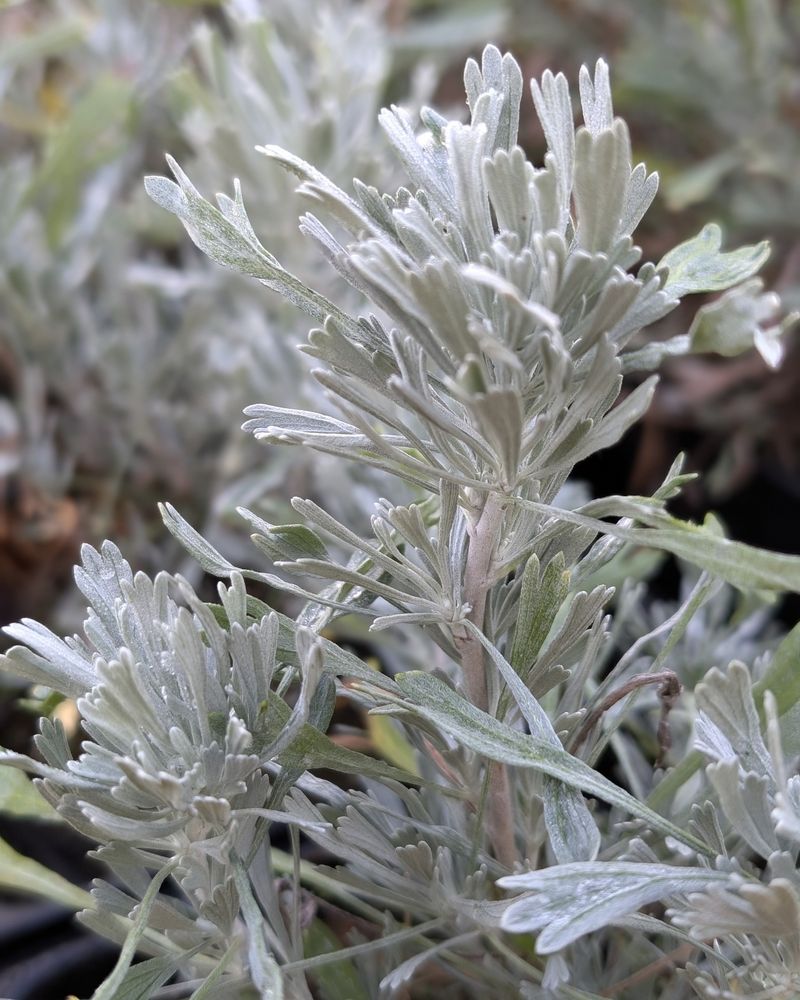
Nothing says Eastern Oregon quite like the smell of sagebrush after a light rain. This iconic shrub is the symbol of the high desert, and for good reason.
It has survived in this region for thousands of years without much help from anyone.
Sagebrush, known scientifically as Artemisia tridentata, grows naturally across the dry plateaus and hillsides of Eastern Oregon. Its silver-green leaves are small and covered in fine hairs that help the plant hold onto moisture.
That clever design is exactly why it thrives where other plants struggle.
This shrub can grow anywhere from two to ten feet tall depending on the variety and soil conditions. It provides excellent cover for wildlife like sage grouse, rabbits, and mule deer.
Birds love nesting in its branches, making it a great choice if you want to attract local wildlife to your property.
Sagebrush does best in well-drained, sandy, or rocky soil with full sun. Once established, it needs almost no supplemental watering.
It is truly one of the toughest and most rewarding shrubs you can plant in Eastern Oregon.
2. Rabbitbrush
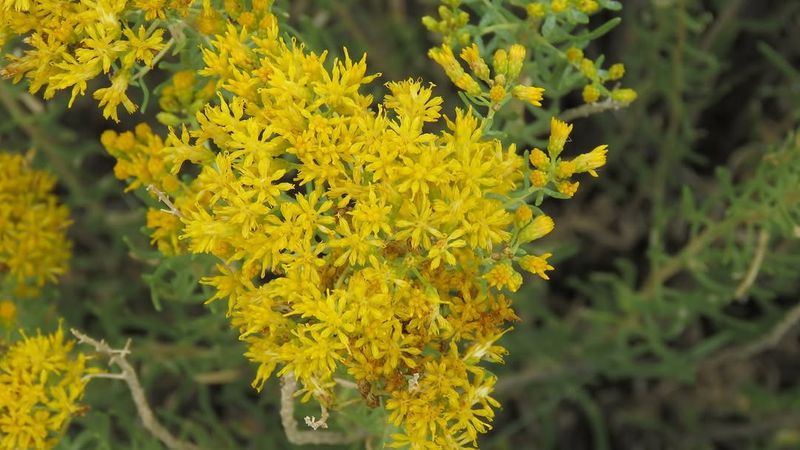
When most plants are fading at the end of summer, rabbitbrush bursts into brilliant yellow blooms that light up the landscape. It is one of the last shrubs to flower each season, making it a valuable source of nectar for pollinators like bees and butterflies.
Rabbitbrush, or Ericameria nauseosa, is a native shrub that grows throughout the arid regions of Eastern Oregon. It typically reaches three to five feet tall and wide, forming a rounded mound of silvery stems and narrow leaves.
The whole plant has a soft, feathery look that adds nice texture to any dry garden.
One of the best things about rabbitbrush is just how tough it really is. It handles heat, cold, poor soil, and long dry spells without complaint.
Gardeners in Eastern Oregon love it because it asks for almost nothing while giving back so much in terms of color and wildlife value.
Your Oregon Garden Changes Every Week. Your Plan Should Too.
Gardening in Oregon changes quickly throughout the season. Every Friday you’ll receive a simple weekly plan showing exactly what to plant, prune, fertilize, harvest, and protect so you never miss the right timing.
Plant it in full sun and well-drained soil for the best results. It pairs beautifully with sagebrush and bitterbrush in a natural-looking landscape.
Rabbitbrush is a true workhorse of the high desert garden.
3. Bitterbrush
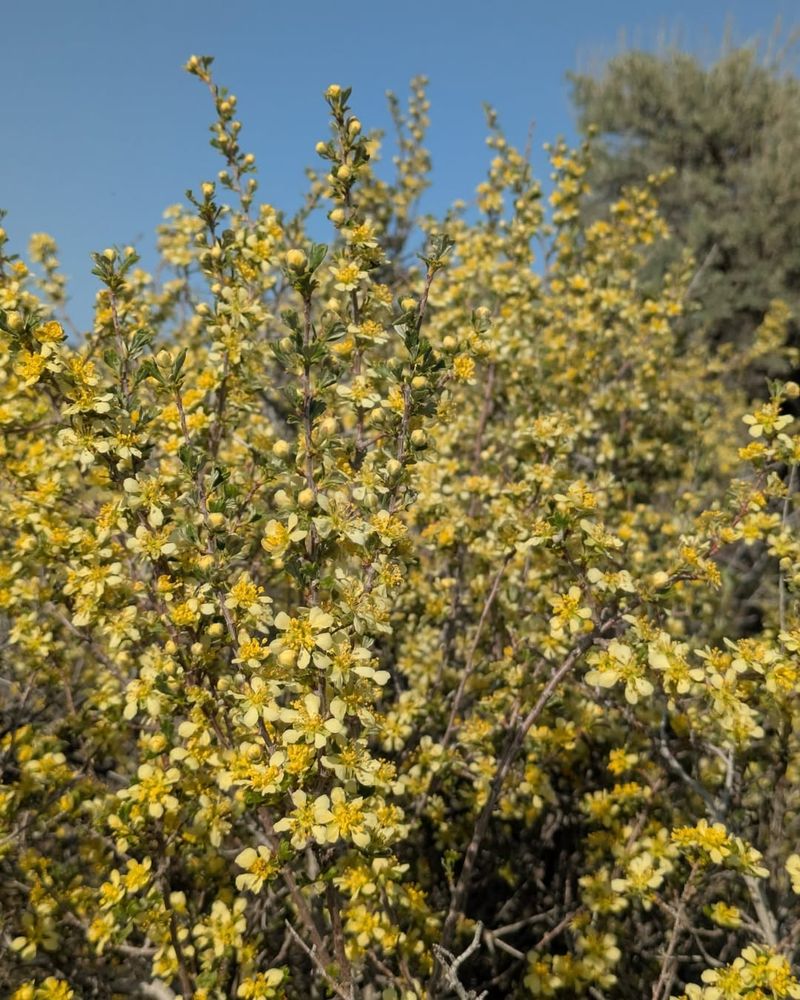
Ask any wildlife biologist in Eastern Oregon what shrub they love most, and bitterbrush will likely top the list. Known scientifically as Purshia tridentata, this native shrub is one of the most important food sources for mule deer and pronghorn antelope in the region.
Its small, lobed leaves and cheerful yellow flowers make it both useful and attractive.
Bitterbrush typically grows three to seven feet tall and thrives in the dry, rocky, or sandy soils that are common across Eastern Oregon. It blooms in late spring, filling the air with a sweet honey-like scent that draws in pollinators from all around.
After the flowers fade, small seed pods form that wildlife eagerly snack on through the fall and winter months.
This shrub is incredibly low-maintenance once it gets established. It needs full sun and good drainage, but beyond that, it basically takes care of itself.
Watering it occasionally during the first season helps it get a strong root system going.
Bitterbrush works great as a natural hedge or border plant. It blends seamlessly into native landscapes and pairs well with sagebrush and rabbitbrush for a true Eastern Oregon feel.
4. Golden Currant
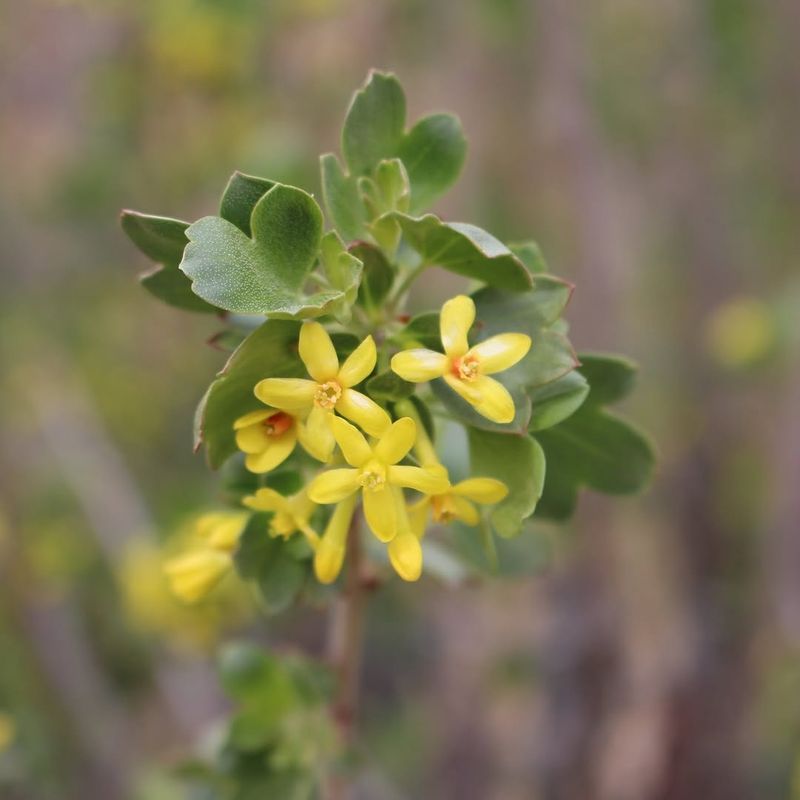
Bright yellow flowers in early spring, edible berries in summer, and fiery fall color make golden currant one of the most rewarding shrubs you can grow in Eastern Oregon. It is a true four-season plant that earns its place in any garden.
Golden currant, or Ribes aureum, is a native shrub that grows naturally along stream banks and canyon edges throughout the region. It usually reaches four to six feet tall and wide.
The flowers smell faintly of cloves, which is a lovely bonus when you walk past it in the morning.
The berries ripen from yellow to orange to deep red or black by midsummer. They are perfectly edible and taste sweet with a slight tartness.
Many Eastern Oregon gardeners use them for jams, jellies, and baked goods. Birds absolutely love them too, so expect some friendly competition at harvest time.
Golden currant is more flexible about soil and moisture than many other native shrubs. It can handle some shade, which makes it useful for planting under taller trees or along north-facing slopes.
Water it occasionally during the summer heat and it will reward you generously for years to come.
5. Serviceberry
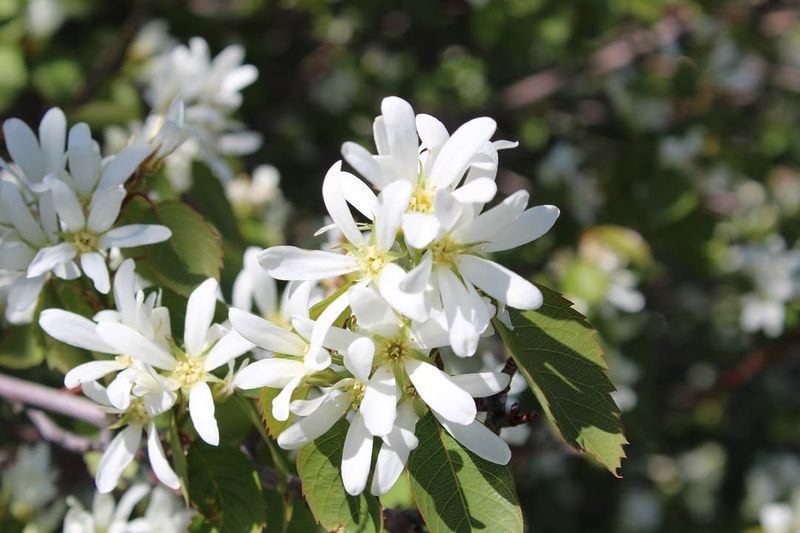
Few shrubs announce the arrival of spring quite like serviceberry. Its white blossoms appear so early in the season that they sometimes peek out while snow is still on the ground.
That burst of white against a gray late-winter sky is one of the most cheerful sights in Eastern Oregon.
Serviceberry, or Amelanchier alnifolia, grows naturally throughout the region and can reach six to ten feet tall. It produces small, round berries that ripen to a deep purple-red by early summer.
The berries are sweet and nutty, almost like a blueberry crossed with an apple. Native peoples of the Pacific Northwest relied on them as an important food source for centuries.
Beyond the flowers and fruit, serviceberry offers brilliant orange and red fall color that rivals many ornamental trees. It is a genuinely beautiful plant throughout the entire growing season.
Birds like cedar waxwings and robins flock to it when the berries ripen.
In Eastern Oregon, plant serviceberry in full sun to partial shade with well-drained soil. It handles dry summers well once established.
Give it a deep watering every few weeks during the hottest months and it will thrive beautifully in your landscape.
6. Oregon Grape
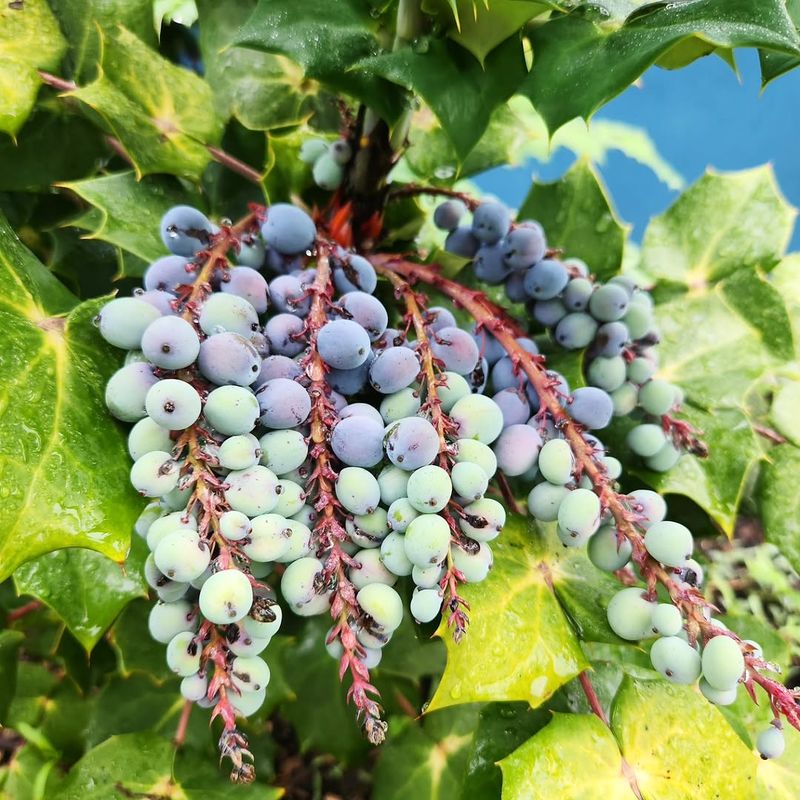
Oregon grape is the state flower of Oregon, and it earns that title with style. This tough, evergreen shrub produces clusters of bright yellow flowers in early spring followed by tart, blue-purple berries that look just like tiny grapes.
It is one of the most recognizable native plants across the entire state.
Mahonia aquifolium, the most common species, grows three to six feet tall and features glossy, holly-like leaves that stay green all year long. Even in the cold, dry winters of Eastern Oregon, it holds its color and structure.
The leaves turn bronze or reddish-purple in cold weather, adding unexpected warmth to a winter landscape.
The berries are edible, though quite tart on their own. Many people use them to make jelly, syrup, or wine.
Wildlife also benefit greatly from the fruit, and the dense foliage provides excellent cover for small birds and mammals throughout the year.
Oregon grape tolerates a wide range of conditions, including poor soil, drought, and partial shade. That flexibility makes it one of the most versatile shrubs available for Eastern Oregon gardens.
Plant it along a shady border or as a low-maintenance foundation shrub and enjoy it for decades.
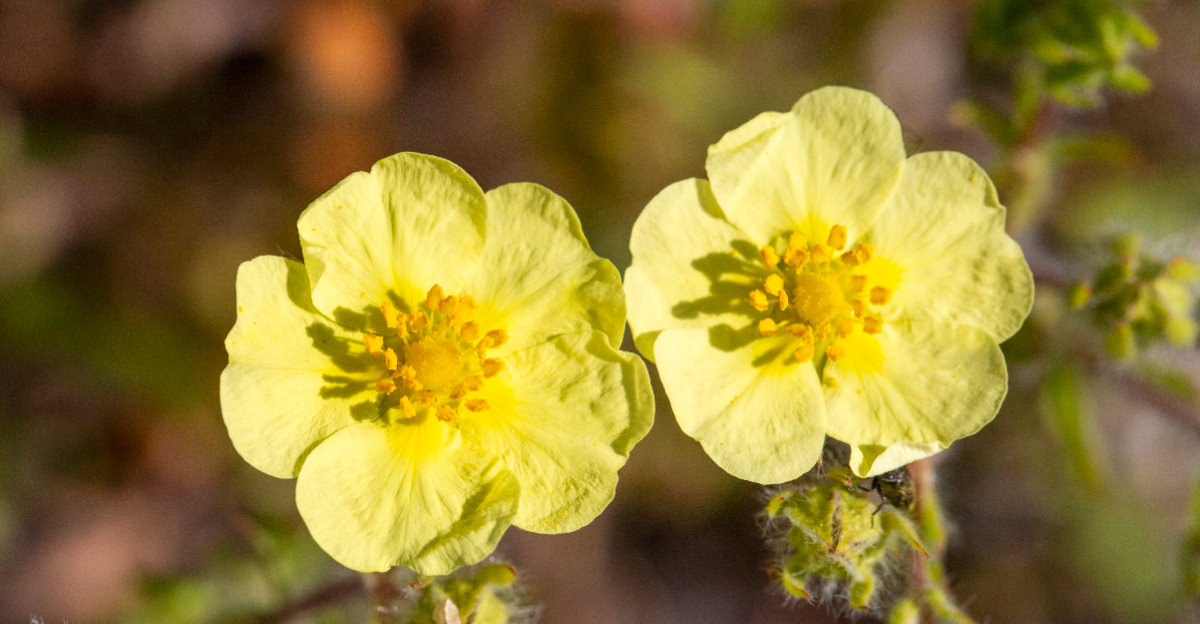
7. Cinquefoil
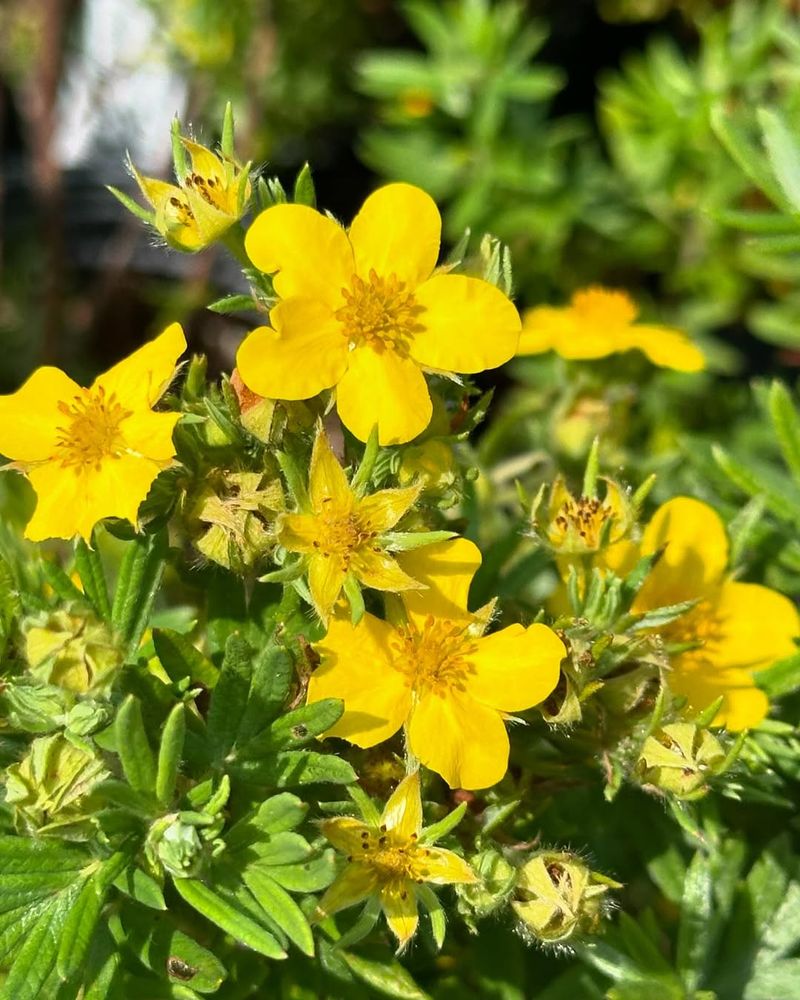
If you want a shrub that blooms from late spring all the way through fall, cinquefoil might just be your new best friend in the garden. Also called shrubby cinquefoil or Potentilla fruticosa, this compact little plant is packed with cheerful five-petaled flowers in shades of yellow, white, or soft orange depending on the variety you choose.
Cinquefoil typically grows two to four feet tall and wide, making it a great choice for smaller spaces or as a low border plant. It is native to mountainous and high-desert regions, so it is right at home in the challenging conditions of Eastern Oregon.
Cold winters, hot summers, and dry soils are no problem for this resilient shrub.
One of its standout qualities is its incredibly long bloom season. Few shrubs offer that kind of color for such an extended period without much care.
Deadheading spent flowers is not required, though a light trim in early spring keeps the plant looking tidy and encourages fresh new growth.
Cinquefoil thrives in full sun and well-drained soil. It is drought-tolerant once established and rarely needs fertilizer.
Pollinators like bumblebees are drawn to its flowers throughout the season, making it a wonderful addition to any Eastern Oregon wildlife garden.
8. Russian Sage
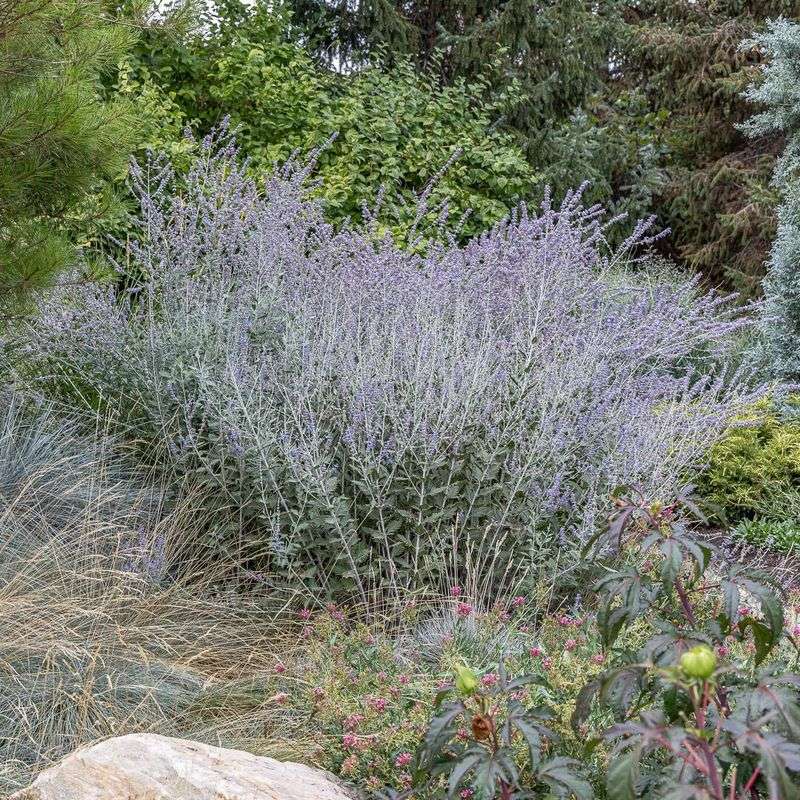
Walk past a patch of Russian sage on a warm afternoon and you will understand immediately why gardeners love it so much. The silvery stems and soft lavender-blue flower spikes create a hazy, dreamy look that is almost impossible to replicate with any other plant.
It is stunning from midsummer all the way into fall.
Perovskia atriplicifolia, commonly called Russian sage, is not actually a true sage, but it earns the name with its aromatic, silver-green leaves that smell wonderful when brushed. It grows three to five feet tall and wide, forming an airy, upright mound that sways gently in a breeze.
That movement gives the garden a lively, natural feel.
Eastern Oregon summers are hot and dry, and Russian sage handles those conditions like a champion. It is one of the most heat and drought-tolerant ornamental shrubs available to gardeners in the region.
Once established, it needs very little supplemental water, even during the hottest stretches of July and August.
Plant it in full sun with excellent drainage. Avoid overwatering, as soggy soil can cause root problems.
Cut it back hard in early spring to encourage full, bushy growth. Russian sage pairs beautifully with ornamental grasses and yellow-flowering native shrubs throughout Eastern Oregon.
9. Snowberry
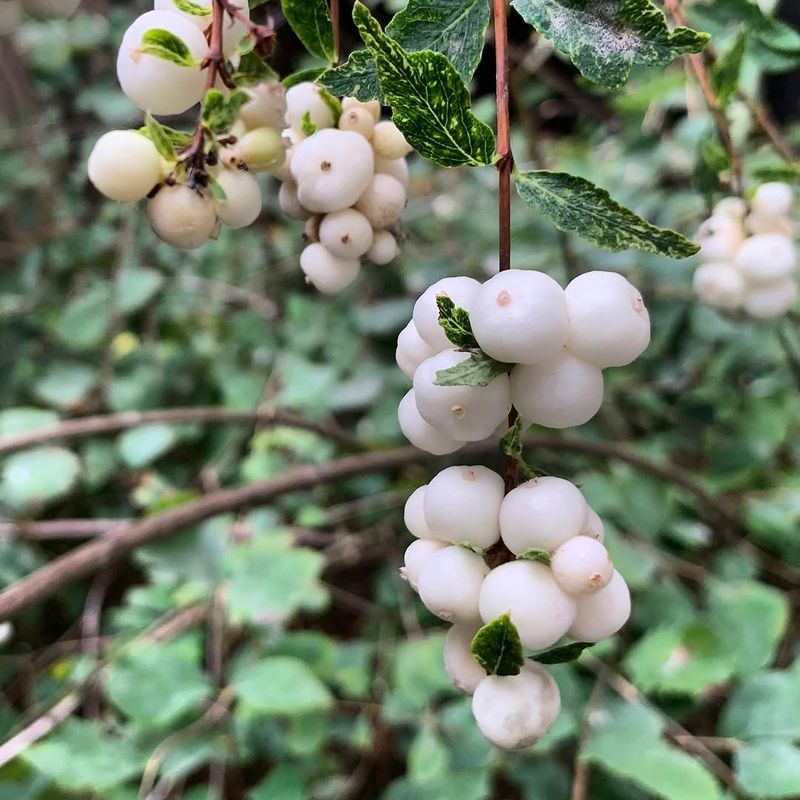
Snowberry earns its name in the most literal way possible. By late summer and fall, its arching branches are absolutely loaded with clusters of bright white berries that look like little snowballs.
No other native shrub in Eastern Oregon offers quite the same visual punch in the autumn months.
Symphoricarpos albus is a deciduous shrub that grows about five feet tall and spreads six feet wide. It produces small pink flowers in late spring that are modest on their own but attract bees and hummingbirds reliably.
The real show comes later when those berries ripen and cover the plant from top to bottom in pure white.
Wildlife benefits greatly from snowberry. Birds like robins, cedar waxwings, and grosbeaks feed on the berries during migration and through the winter.
The dense branching structure also provides excellent shelter for small animals seeking protection from the cold, dry winds that sweep across Eastern Oregon.
Snowberry is remarkably adaptable. It tolerates poor soil, drought, shade, and even occasional flooding better than most shrubs.
Plant it in a naturalized area, along a fence line, or as part of a wildlife garden. It spreads gently by root sprouts, gradually forming a useful and attractive thicket over time.
10. Mountain Mahogany
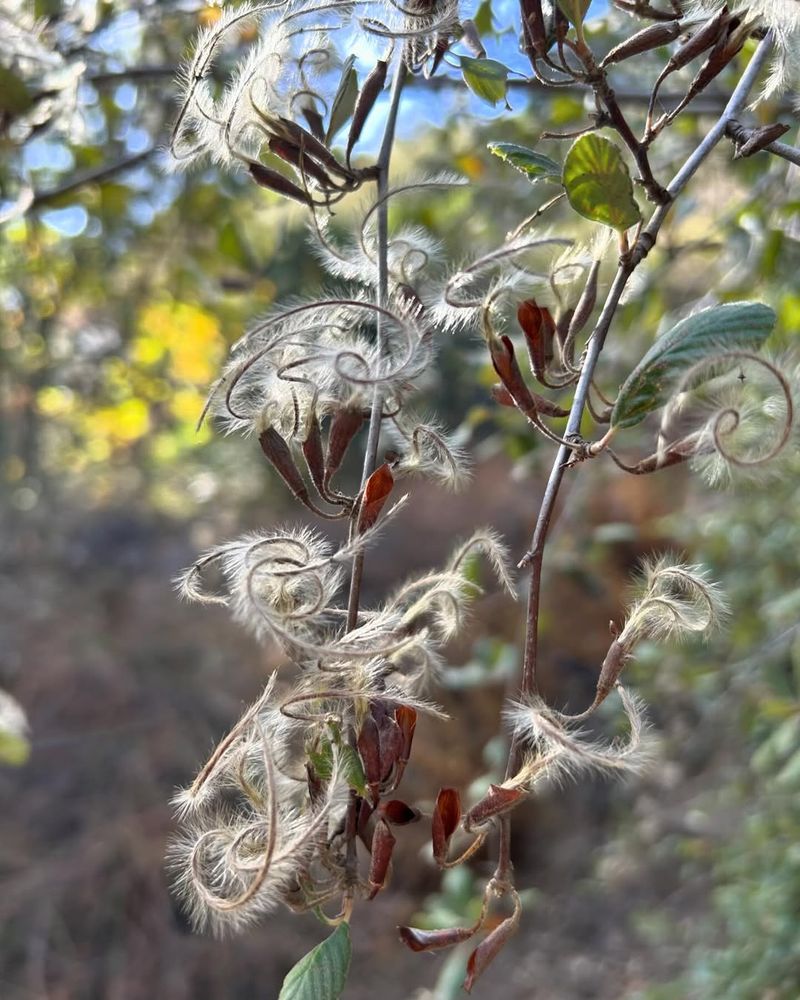
There is something almost magical about mountain mahogany in the fall. When its seeds ripen, each one develops a long, feathery, silver tail that twists and shimmers in the breeze.
A whole hillside covered in mountain mahogany in October looks like it has been dusted with silver threads. It is one of the most underrated visual spectacles in Eastern Oregon.
Cercocarpus ledifolius, or curl-leaf mountain mahogany, is a tough, long-lived shrub that can grow eight to fifteen feet tall under good conditions. Its small, leathery leaves are dark green on top and pale below, and they stay on the plant well into winter.
The bark on older plants develops a beautiful reddish-brown color that adds year-round interest.
Mountain mahogany is incredibly valuable for wildlife. Mule deer browse its leaves and twigs heavily during fall and winter when other food sources become scarce across Eastern Oregon.
It is also an important nitrogen-fixing plant, meaning it actually improves the soil around it over time.
This shrub thrives on dry, rocky slopes and ridgelines with full sun exposure. It is one of the most drought-tolerant shrubs available for the high desert regions of Eastern Oregon.
Once established, it requires almost no care and can live for well over a century.