8 Smart Tricks Texas Gardeners Should Use To Prevent Weeds In Gravel
Gravel areas always seem simple at first. Clean lines, low maintenance, and no mowing sound like a dream, especially in a Texas yard where heat and dry conditions already demand enough attention.
Then the weeds show up and suddenly that easy space turns into a constant chore.
Texas weather has a way of encouraging fast, stubborn growth, even in places you would not expect. Gravel does not stop weeds on its own, and once they take hold, they can be surprisingly hard to manage without the right approach.
The difference comes down to a few smart decisions early on and a couple of habits that keep things under control.
Some methods work far better in Texas conditions than others, and getting those in place now keeps the space looking sharp through the hottest months ahead.
1. Clear Existing Weeds Before You Start
Starting with a clean slate makes all the difference when it comes to weed control in gravel. Before you add any new gravel or lay down any protective layers, you need to remove every weed that is already growing in the area.
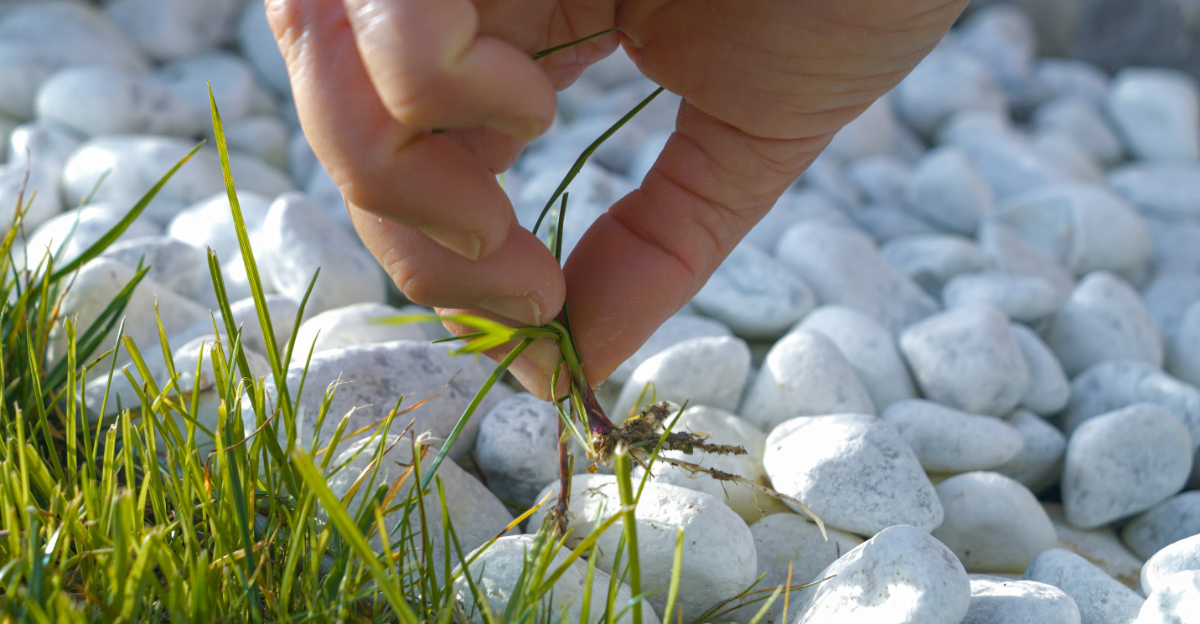
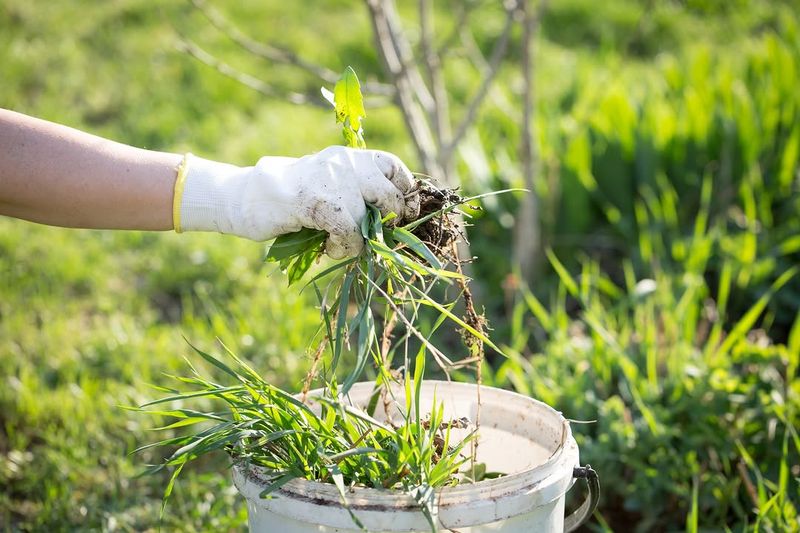
That means pulling them out by the root, not just cutting them off at the surface.
Weeds that are only trimmed at the top will usually regrow from the remaining roots. Roots left in the soil can push up through gravel, fabric, and even compacted earth over time.
In Texas, where the warm climate encourages year-round plant growth, this step is especially important because weeds rarely take a long break between seasons.
For larger areas, a hoe or a hand cultivator can help loosen the soil so roots come out more easily. For stubborn or deep-rooted weeds like dandelions or nutsedge, which are both common in Texas lawns and gardens, you may need a narrow trowel or a specialty weeding tool to get the full root out intact.
Once the area is cleared, rake it smooth and let it dry out before moving on to the next step. Taking the time to do this correctly at the beginning saves you hours of frustration later.
A thorough first clearing is the foundation of every successful weed prevention plan, and skipping it is one of the most common mistakes Texas gardeners make when starting a new gravel project.
2. Apply A Preemergent Herbicide
One of the smartest moves a Texas gardener can make is applying a preemergent herbicide before weed seeds even get a chance to sprout. Unlike regular weed sprays that target plants already growing, preemergents work by stopping seeds from germinating in the first place.
Think of it as putting up a stop sign before the problem even starts.
Timing matters a lot with preemergents. In Texas, the best windows are typically late winter to early spring, just before soil temperatures reach around 55 degrees Fahrenheit, and again in early fall before cool-season weeds begin to emerge.
Many Texas gardeners use a soil thermometer to nail the timing, which makes a real difference in how well the product works.
Your Texas Garden Changes Every Week. Your Plan Should Too.
Gardening in Texas changes quickly throughout the season. Every Friday you’ll receive a simple weekly plan showing exactly what to plant, prune, fertilize, harvest, and protect so you never miss the right timing.
Granular preemergents are popular for gravel areas because they are easy to spread evenly and tend to stay in place better than liquid sprays. Products containing active ingredients like isoxaben or pendimethalin are widely available at Texas garden centers and work well on a broad range of weed types common to the region.
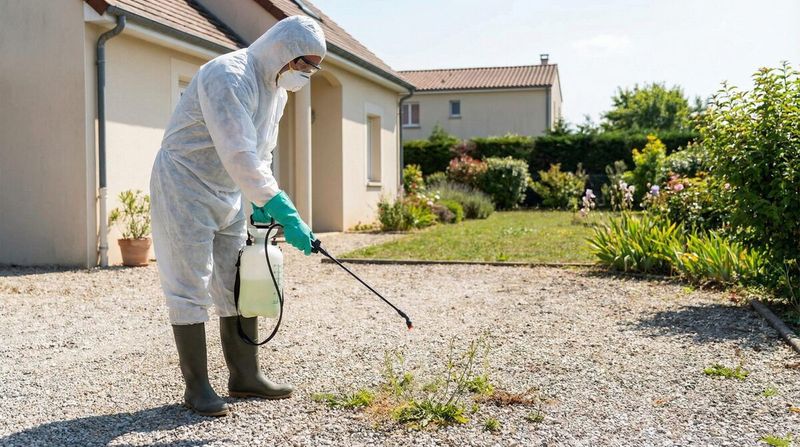
Always read the label carefully before applying any herbicide. Some preemergents can affect nearby ornamental plants or grass if they drift or wash over.
Wear gloves and avoid applying on windy days. When used correctly and at the right time of year, a preemergent herbicide is one of the most effective tools in any Texas gardener’s weed prevention toolkit for gravel areas.
3. Water The Preemergent In
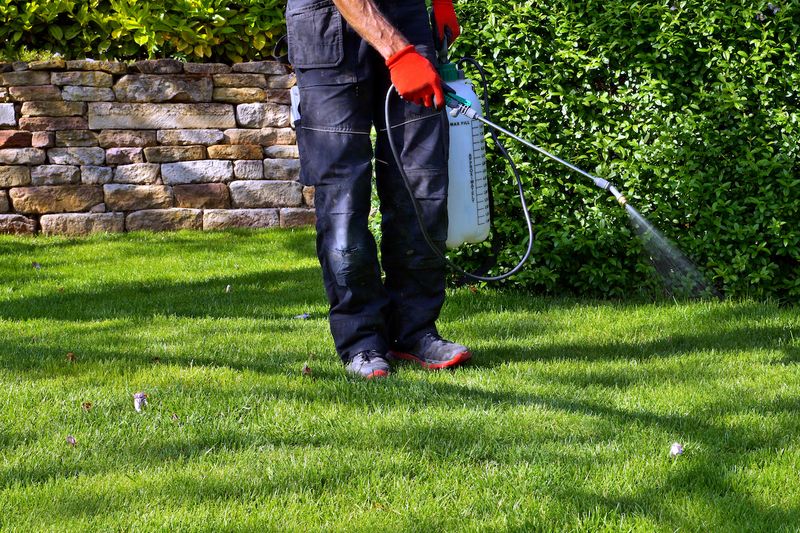
Applying a preemergent herbicide is only half the job. For it to actually work, the product needs to be watered into the soil, and many Texas gardeners skip this step without realizing how much it affects the results.
Watering activates the herbicide and helps it form a protective barrier just below the surface where weed seeds sit waiting to sprout.
Most preemergent products recommend applying about a quarter to half an inch of water within 24 to 48 hours of application. In Texas, where the weather can be unpredictable, it is a good idea to check the forecast before you apply.
If rain is expected within a day or two, you may be able to let nature do the watering for you. If no rain is in sight, go ahead and water the area yourself with a garden hose or sprinkler.
Avoid over-watering, though. Too much water can wash the herbicide away from where it needs to be, reducing its effectiveness or even moving it into areas where you do not want it.
Light, even moisture is the goal.
For gravel areas in Texas that have good drainage, this step usually goes smoothly. Just make sure the water soaks through the gravel and into the soil beneath it.
If water is pooling on top rather than draining down, you may have a drainage issue worth addressing separately. Proper watering after application is the step that turns a good preemergent into a great one.
4. Use A Physical Weed Barrier
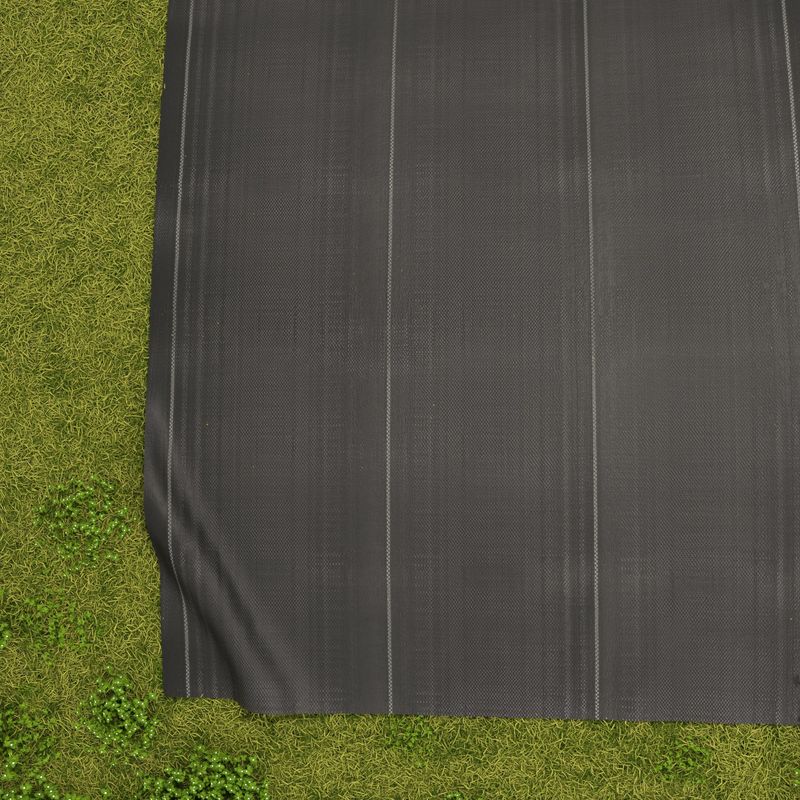
A physical weed barrier is one of the most reliable long-term tools for keeping weeds out of gravel, and it works best when it is installed before the gravel goes down. Landscape fabric, also called geotextile fabric, is the most popular choice among Texas gardeners because it blocks sunlight from reaching the soil while still allowing water and air to pass through.
Many weed seeds need light to germinate, so reducing light helps limit how many of them sprout. Unlike plastic sheeting, breathable landscape fabric does not trap moisture or suffocate the soil beneath it, which is important in Texas where summer heat can already put stress on the ground and any nearby plants.
When installing the fabric, overlap the edges by at least six inches wherever two pieces meet. Use landscape staples or pins to hold it firmly in place, especially along the borders.
Any gaps or loose edges can become entry points for weeds over time, so taking a few extra minutes during installation really pays off later.
Once the fabric is secured, add your gravel on top. A depth of at least three to four inches is recommended to keep the fabric weighed down and to block any seeds that land on top of the gravel from working their way down to the soil.
In Texas, where windblown seeds are a constant reality, this layered approach gives you the strongest possible defense against gravel weeds.
5. Keep Drainage Openings Clear
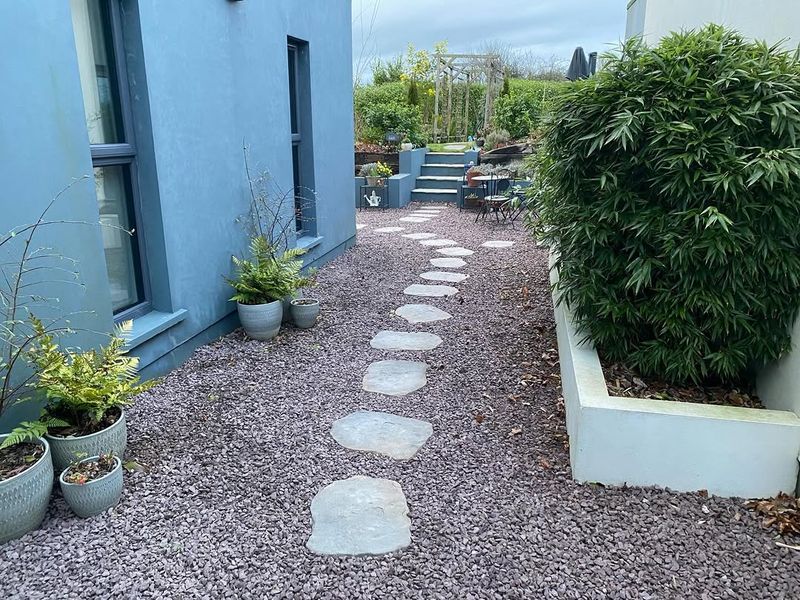
Good drainage is something Texas gardeners know matters, especially during the region’s intense rainstorms. But what many people do not realize is that poor drainage in a gravel area can actually encourage weeds to grow.
When water pools and sits for too long, it creates moist, fertile conditions that weed seeds love, even in gravel.
Drainage openings along the edges of your gravel path or bed can get clogged with leaves, dirt, and organic debris over time. Once those openings are blocked, water has nowhere to go and starts to collect in low spots.
Organic matter that builds up in those wet areas breaks down into a layer of nutrient-rich material that acts almost like soil, giving weeds exactly what they need to take root.
Walk through your gravel areas after heavy rains and look for spots where water is sitting longer than it should. Clear out any debris from drainage channels, borders, or downhill edges so water can move freely.
A simple leaf blower, rake, or even a gloved hand can handle most routine clearing jobs in just a few minutes.
In Texas, where flash flooding and sudden heavy downpours are not unusual, keeping drainage clear is a year-round task rather than a once-a-season chore. Gravel areas that drain quickly and evenly stay drier, which means fewer weeds, less organic buildup, and a landscape that looks tidy and well-maintained without requiring constant intervention.
Managing drainage is one of those underrated habits that quietly makes a big difference.
6. Pull New Weeds Quickly
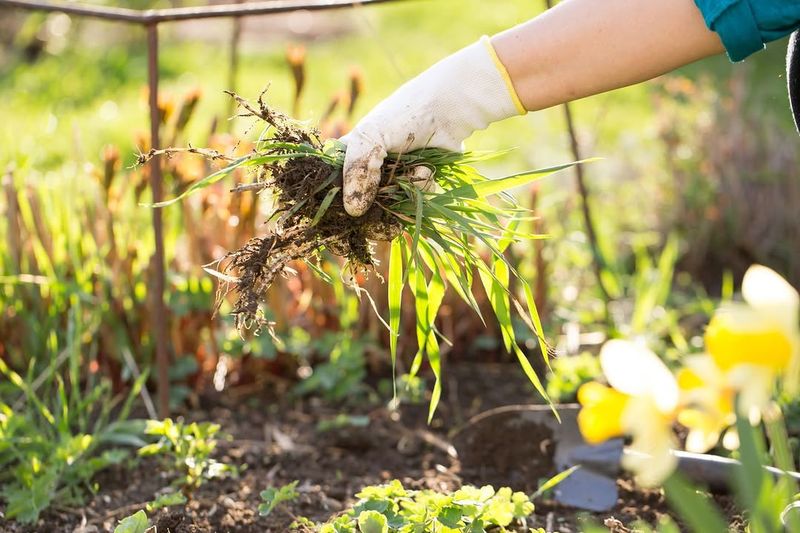
Even with the best preparation, a weed or two will eventually find its way into your gravel. The key is not to let them settle in.
Pulling weeds when they are young and small is far easier than waiting until they are established, and it prevents them from producing seeds that can spread to other parts of your yard.
Young weeds usually come out root and all with very little effort, especially after a light rain when the soil beneath the gravel is slightly soft. Older weeds develop deeper, wider root systems that are harder to remove completely, and any root fragments left behind can sprout new growth.
In Texas, fast-growing weeds like spurge, crabgrass, and goatheads can go from seedlings to seed-producing plants surprisingly quickly in the warm climate.
Make a habit of doing a quick visual check of your gravel areas every week or two. It only takes a few minutes, and catching weeds early keeps the work manageable.
A walk-through after watering or rain is a good routine to build into your regular yard care schedule.
For weeds growing close to edging or in tight spots between rocks, a narrow hand tool like a dandelion digger or a hori-hori knife works well without disturbing too much of the surrounding gravel. Staying on top of new growth with consistent, small efforts is much less work in the long run than letting weeds accumulate and then tackling a large-scale removal project.
Quick action is always the smarter choice for Texas gardeners.
7. Avoid Disturbing The Surface After Treatment
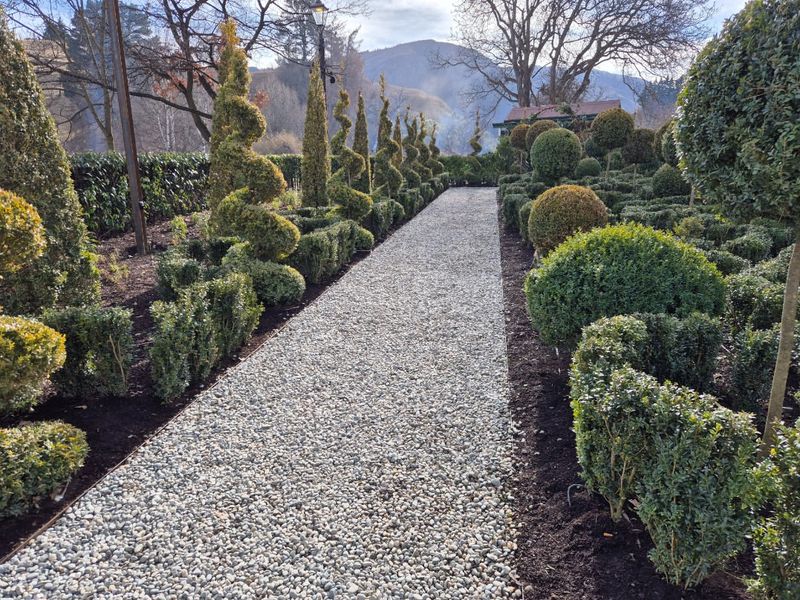
After you have applied a preemergent herbicide and watered it in, the last thing you want to do is disturb the surface. Raking, digging, or moving the gravel around breaks up the protective barrier that the herbicide has formed just below the surface.
Once that barrier is disrupted, weed seeds can slip through the gaps and start to germinate as if no treatment had been applied at all.
Many Texas gardeners make the mistake of raking their gravel for aesthetic reasons right after applying a preemergent, not realizing they are undoing their own hard work. If you want to neaten up the surface, do it before you apply the herbicide, not after.
Once treatment is done, try to leave the area as undisturbed as possible for the duration of the product’s effectiveness period, which is usually listed on the label.
Light foot traffic is usually fine since walking on gravel typically does not disturb the chemical barrier significantly. What you want to avoid is anything that moves or displaces the gravel itself, like heavy raking, digging, or repositioning decorative stones.
If you need to make changes to the layout of your gravel area, plan those changes before treatment day.
In Texas, where the growing season is long and weed pressure is high for much of the year, protecting your preemergent barrier is essential for getting the most out of the product. A little patience and mindfulness about surface disturbance can extend the effectiveness of your treatment and keep your gravel looking clean for months at a time.
8. Refresh Thin Areas Before Weeds Move In
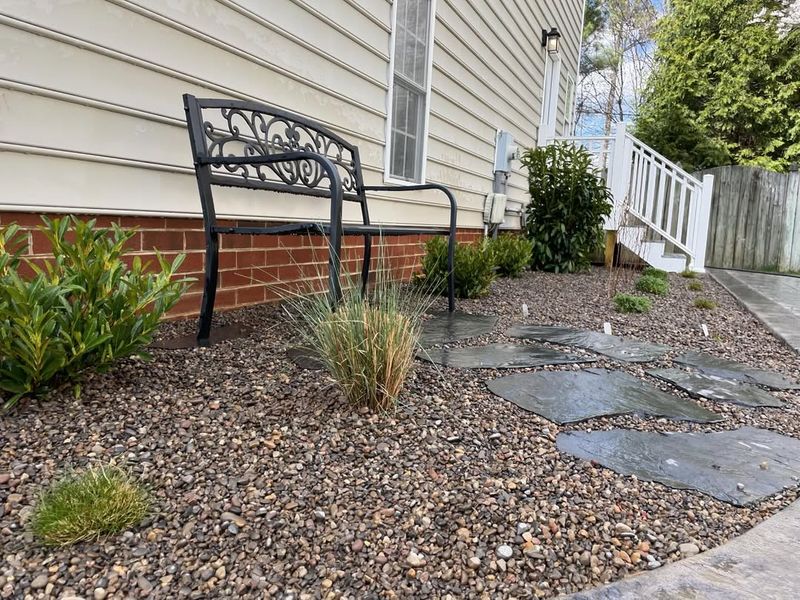
Gravel does not stay perfectly in place forever. Over time, foot traffic, rain, wind, and settling can cause certain areas to thin out, leaving patches where the ground beneath is barely covered.
Those thin spots can encourage weeds, because less gravel allows more light to reach the soil and gives seeds a better chance to establish.
Keeping an eye on your gravel depth throughout the year is a smart maintenance habit for any Texas gardener. A good target depth is three to four inches, and when any section drops noticeably below that, it is time to add more gravel.
Catching thin spots early and filling them in before weeds establish themselves is much easier than clearing out a weed-filled patch later.
Spring and fall are ideal times to do a gravel refresh in Texas, right before the peak growing seasons when weed pressure ramps up. A simple walk-through with a rake can help you identify low spots, and a small load of matching gravel from your local landscape supply store is usually all it takes to fix the problem.
Matching the gravel type and color you already have keeps the area looking cohesive and well-maintained. Angular crushed stone tends to stay in place better than round river rock, so it is worth considering if you are refreshing a high-traffic area.
Staying proactive about gravel depth is one of the simplest and most effective ways to keep weeds from ever getting a foothold in your Texas garden or yard space.