What Ohio Gardeners Can Plant In April Before The Last Frost
April in Ohio has a way of making every gardener feel restless and ready to dig in. The days are finally stretching longer and the sun feels warmer, making the urge to plant something almost impossible to ignore.
However, Ohio springs are famously unpredictable, with cool soil and sudden frost warnings that can catch even experienced gardeners off guard.
The good news is that several vegetables actually prefer these chilly conditions and can go into the ground in April without much worry.
By choosing these hardy varieties, Ohio gardeners can satisfy their planting itch and get a real head start on a productive growing season.
1. Peas Get A Head Start When Sown Early Outdoors
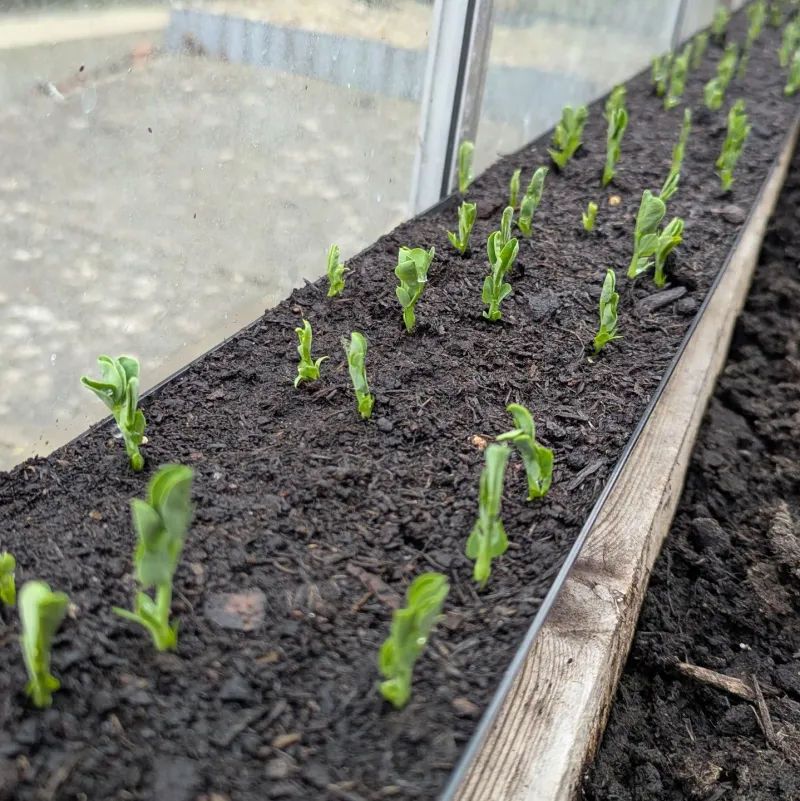
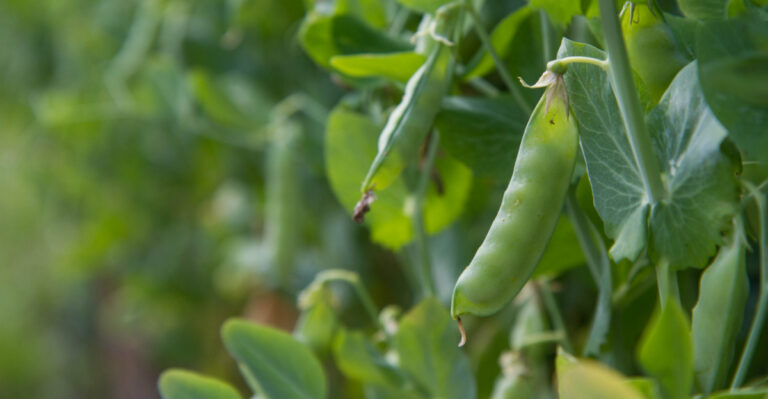
Few vegetables are as eager to get started in spring as peas, and Ohio gardeners who sow them early in April are usually glad they did. Peas actually prefer cool soil and can germinate when ground temperatures hover around 45 degrees Fahrenheit.
Waiting until the soil warms up too much can reduce germination rates and shorten the harvest window.
Plant pea seeds about one inch deep and space them roughly two inches apart in rows. A trellis or support structure helps climbing varieties stay upright and makes harvesting easier.
In Ohio, April soil tends to hold just enough moisture to encourage steady germination without much extra watering.
Peas can handle a light frost without much trouble, which makes them well suited for early April planting across most of Ohio. Successive sowings every two weeks can extend the harvest into early summer.
Once warm weather arrives, pea plants tend to slow down, so getting them in the ground early gives you the best chance of a solid yield before the heat sets in.
2. Spinach Loves Cool Soil And Early Spring Timing
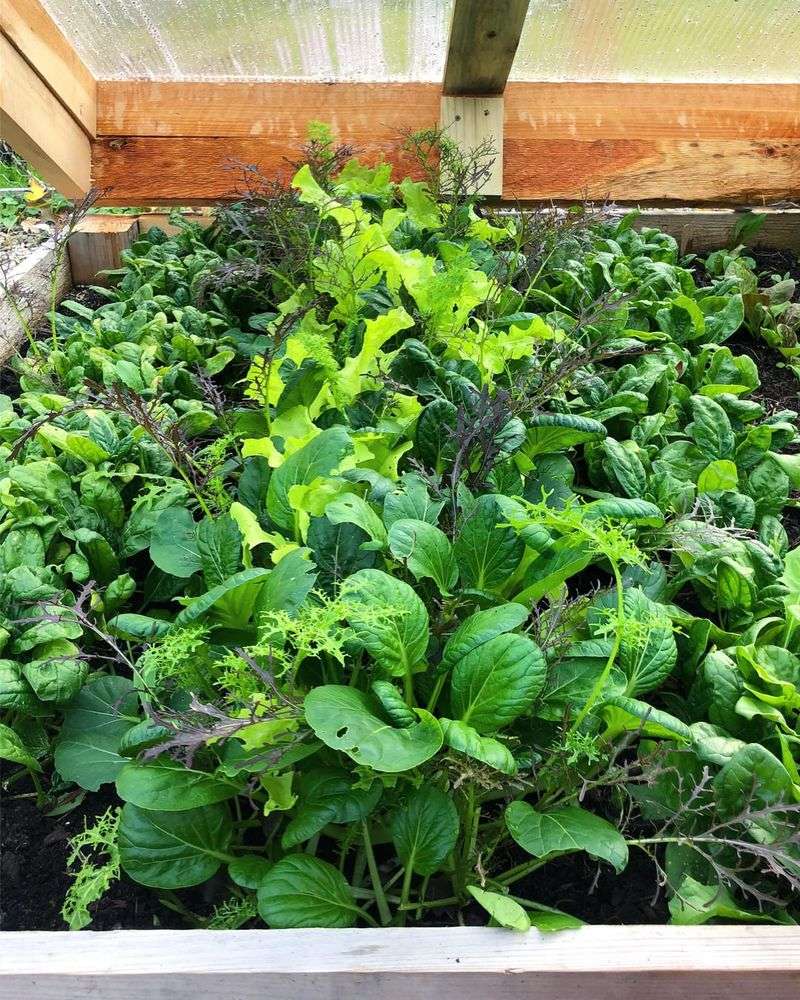
Spinach is one of those crops that genuinely thrives when the weather is still a little raw and unpredictable.
Ohio gardeners can sow spinach seeds directly outdoors as soon as the soil can be worked in early April, even if overnight temperatures are still dipping toward freezing.
Spinach seeds can germinate in soil temperatures as low as 35 degrees Fahrenheit, though sprouting goes faster when the soil reaches around 50 degrees.
Sow seeds about half an inch deep and space them two to three inches apart. Thinning seedlings to around four to six inches apart once they sprout helps each plant develop fuller leaves.
Raised beds tend to drain and warm up a little faster than in-ground plots, which can give Ohio gardeners a slight edge in early spring.
One thing many gardeners appreciate about spinach is how quickly it produces. You can start harvesting outer leaves in as little as four to six weeks after sowing.
Keeping the soil consistently moist helps prevent early bolting. Mulching lightly around young plants also helps buffer soil temperature during unexpected cold snaps that are so common across Ohio in April.
3. Leaf Lettuce Fills Beds Quickly In Chilly Weather
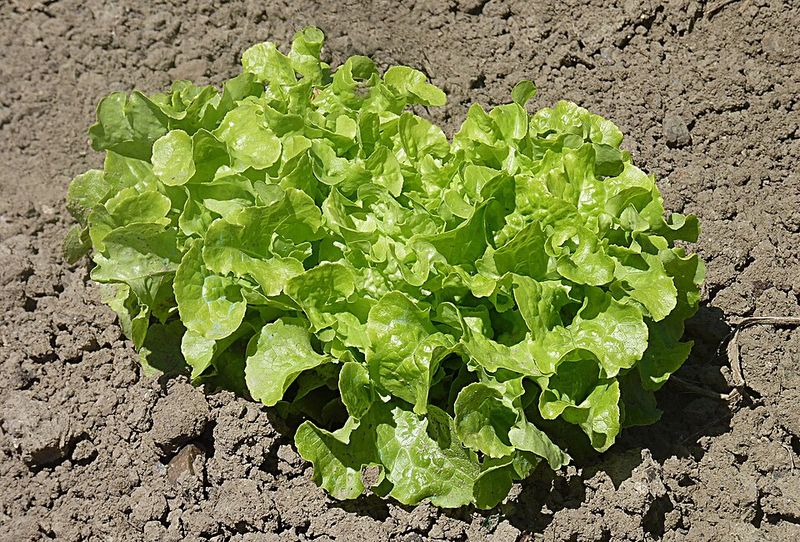
Walk through any Ohio community garden in April and you will likely spot leaf lettuce already filling in beds with vibrant shades of green, red, and bronze.
Your Ohio Garden Changes Every Week. Your Plan Should Too.
Gardening in Ohio changes quickly throughout the season. Every Friday you’ll receive a simple weekly plan showing exactly what to plant, prune, fertilize, harvest, and protect so you never miss the right timing.
Leaf lettuce is remarkably tolerant of cool temperatures and can even bounce back from a light frost without losing quality.
It grows quickly, which makes it one of the most rewarding crops to direct sow in early spring.
Scatter seeds thinly across prepared soil and press them gently into the surface, since lettuce seeds need light to germinate well. Thin seedlings to about four to six inches apart once they reach an inch tall.
Consistent moisture is key during germination, so watering gently every day or two in dry spells helps seeds sprout evenly.
Loose-leaf varieties tend to mature faster than head types, often producing harvestable leaves within 30 to 45 days. Cutting outer leaves rather than pulling entire plants allows the bed to keep producing through much of spring.
Ohio gardeners who plant lettuce in partial shade can sometimes extend the harvest into early summer before heat causes bolting. Staggering small plantings every couple of weeks also keeps a steady supply of tender, fresh leaves coming to the table.
4. Radishes Are One Of The Quickest Direct Sown Crops
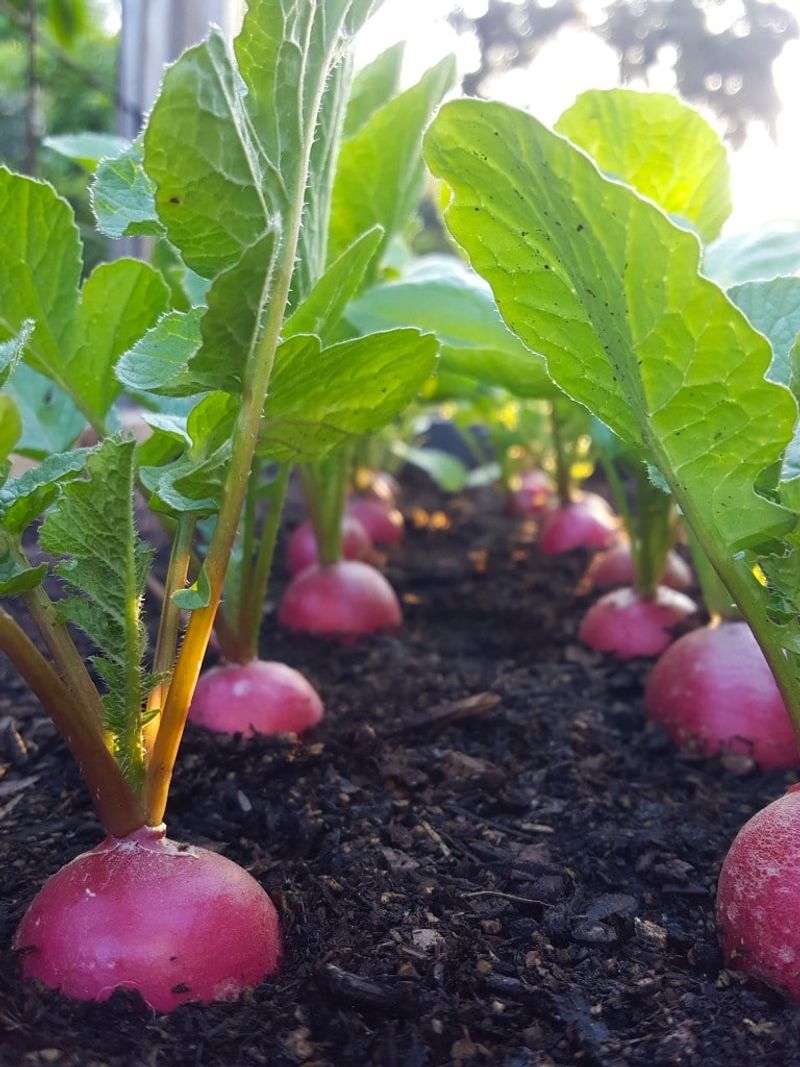
Radishes have earned a loyal following among Ohio spring gardeners for one simple reason: they are ready to eat in about three to four weeks from sowing.
That kind of quick turnaround is hard to beat, especially when most of the garden is still just getting started in April.
They are also about as easy to grow as vegetables get, asking for little more than loose soil, moisture, and cool temperatures.
Sow radish seeds about half an inch deep and one inch apart directly in the garden. Once they sprout, thin them to about two inches apart so the roots have room to develop without crowding.
Overcrowding is one of the most common reasons radishes end up small or oddly shaped, so thinning early makes a real difference.
Radishes prefer soil temperatures between 50 and 65 degrees Fahrenheit, which lines up well with Ohio’s April conditions. They can tolerate light frost without suffering much damage.
Sowing a short row every week or so through April and into May gives a steady supply of crisp, fresh radishes rather than a single large harvest all at once. They also make a useful companion planting alongside slower crops like carrots and beets.
5. Carrots Prefer Going Straight Into The Ground
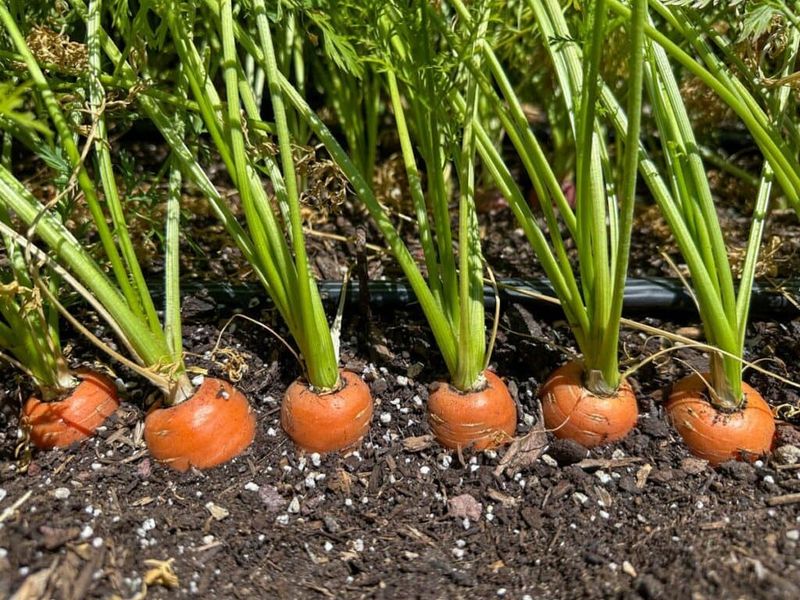
Carrots are one of those vegetables that strongly prefer being sown where they will grow rather than being transplanted, which makes direct sowing in April a natural fit for Ohio gardens.
They germinate slowly, sometimes taking up to three weeks depending on soil temperature, so planting early gives them a head start before summer heat arrives.
Soil that is loose, well-drained, and free of large clumps or stones gives roots the best chance to grow straight and long.
Sow carrot seeds about a quarter inch deep in rows spaced around twelve inches apart. Because the seeds are tiny, mixing them with a little sand can help spread them more evenly along the row.
Thinning seedlings to two to three inches apart once they reach a couple of inches tall is important for proper root development.
Carrot seeds need consistent moisture during germination, and Ohio’s April rainfall often helps with this. Covering the seeded area with a thin layer of burlap or row cover can help retain moisture until sprouts appear.
Once established, carrot tops are fairly cold-hardy, and light frosts in April will not set back young plants. Patience pays off with carrots, as the roots develop steadily over several weeks underground before harvest time arrives.
6. Beets Settle In Well With Early Planting
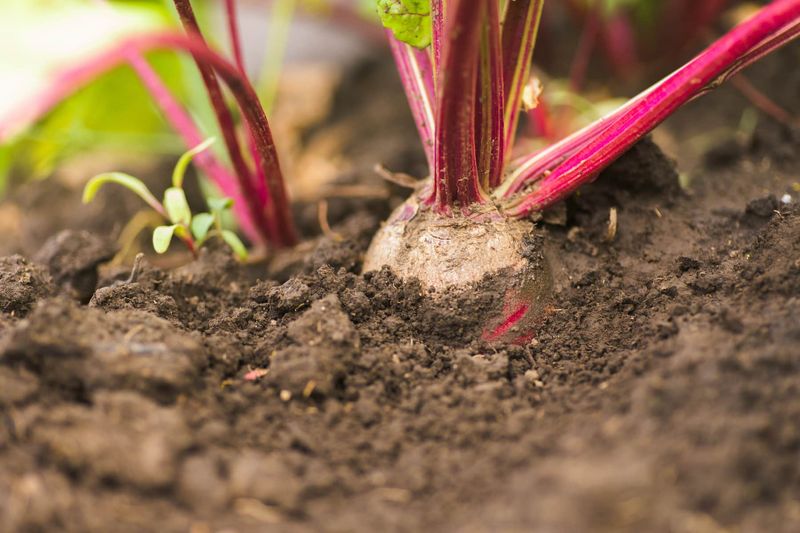
Beets are one of the more versatile crops in the Ohio spring garden because both the roots and the greens are edible, giving gardeners two harvests from a single planting.
They are reasonably cold-hardy and can handle soil temperatures as low as 40 degrees Fahrenheit for germination, though sprouting is more reliable when soil reaches closer to 50 degrees.
April planting in most parts of Ohio fits well within that range.
What most gardeners call a beet seed is actually a cluster of two to four seeds bundled together, which is why thinning is especially important. Sow clusters about half an inch deep and two inches apart in rows.
Once seedlings reach two to three inches tall, thin them to about three to four inches apart to give roots room to expand properly.
Beet greens can be harvested young as a salad green, which makes early thinnings useful rather than wasteful. The roots typically mature in 50 to 70 days depending on variety.
Ohio gardeners who prepare their beds with compost or aged organic matter before planting tend to get better root development.
Consistent watering helps prevent the roots from becoming tough or overly woody as they mature through spring and into early summer.
7. Turnips Handle Cold Nights Without Trouble
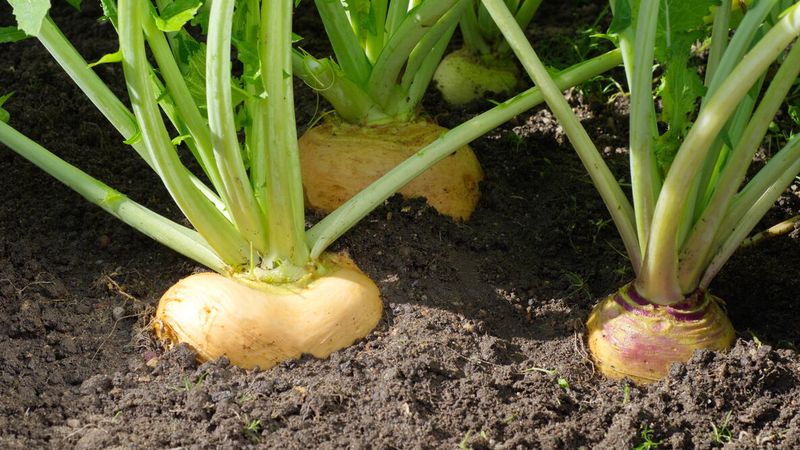
Turnips do not always get the attention they deserve in the spring garden, but Ohio gardeners who give them a spot in April often end up with a reliable and flavorful harvest.
They are among the hardiest of the cool-season root vegetables, tolerating temperatures down into the mid-20s Fahrenheit without significant damage once they are established.
That kind of cold tolerance makes them a low-stress choice for early April planting.
Direct sow turnip seeds about a quarter to half an inch deep and space them roughly four inches apart. Because the seeds are small and germinate quickly in cool, moist soil, it can be easy to oversow accidentally.
Thinning to about four to six inches apart helps ensure roots size up properly rather than staying small and crowded.
Turnips have a fairly short growing cycle, with many varieties ready to harvest in 35 to 60 days. The greens are edible at any stage, and young turnip leaves are mild enough to use in salads or stir-fries.
Ohio’s variable April weather, with its mix of rain, cloud cover, and occasional sunny days, suits turnips well. A layer of straw mulch around plants can help moderate soil temperature during sudden cold snaps late in the month.
8. Swiss Chard Keeps Growing As Temperatures Fluctuate
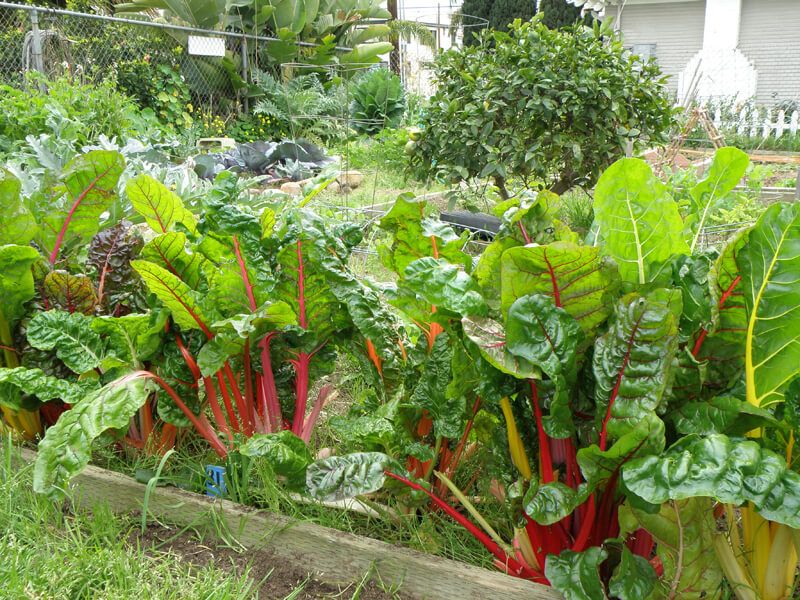
Swiss chard stands out in the spring garden for its willingness to keep growing through temperature swings that would slow down many other crops. Ohio April weather, with its mix of mild afternoons and chilly nights, suits chard surprisingly well.
It can handle light frosts once seedlings are established and tends to rebound quickly after brief cold spells without losing much vigor or leaf quality.
Chard can be direct sown or started as transplants, and both methods work well in April. Sow seeds about half an inch deep and space them four to six inches apart in rows.
Like beets, chard seeds are actually seed clusters, so thinning is important. Once seedlings are a few inches tall, thin to about six inches apart to allow full leaf development.
The colorful stems of varieties like Rainbow Chard add visual interest to the garden while also delivering a nutritious harvest.
Outer leaves can be harvested once they reach six to eight inches long, and the plant will continue producing new growth from the center.
Ohio gardeners who keep the soil evenly moist and add a thin layer of compost around plants in mid-spring often notice stronger, more consistent leaf production through the cooler weeks of the season.
9. Broccoli Transplants Handle Cool April Weather Well
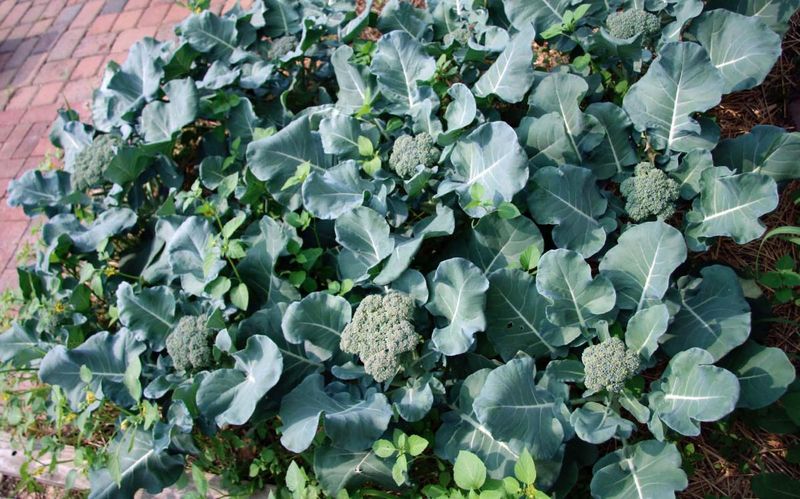
Broccoli started indoors four to six weeks before April and then moved outside as transplants tends to establish quickly in Ohio’s cool spring soil.
Young broccoli plants are fairly cold-hardy and can tolerate temperatures down to around 26 or 28 degrees Fahrenheit once they have had a few days to adjust to outdoor conditions.
Hardening off transplants gradually over one to two weeks before setting them out helps them adapt without stress.
Space transplants about eighteen inches apart in rows that are roughly two feet apart. Broccoli is a heavy feeder, so working compost or a balanced fertilizer into the planting bed before transplanting gives plants a strong nutritional foundation.
Consistent moisture after planting helps roots establish quickly in cool April soil.
One thing worth watching for in Ohio’s April gardens is cabbage loopers and imported cabbageworms, which begin appearing as the season warms.
Covering transplants with a lightweight row cover can help protect young plants while also providing a few extra degrees of warmth on cold nights.
Broccoli heads typically develop in 50 to 70 days from transplanting, meaning April plantings in Ohio can often yield their first heads by late May or early June, well before summer heat sets in.
10. Cabbage Transplants Establish Early In The Season
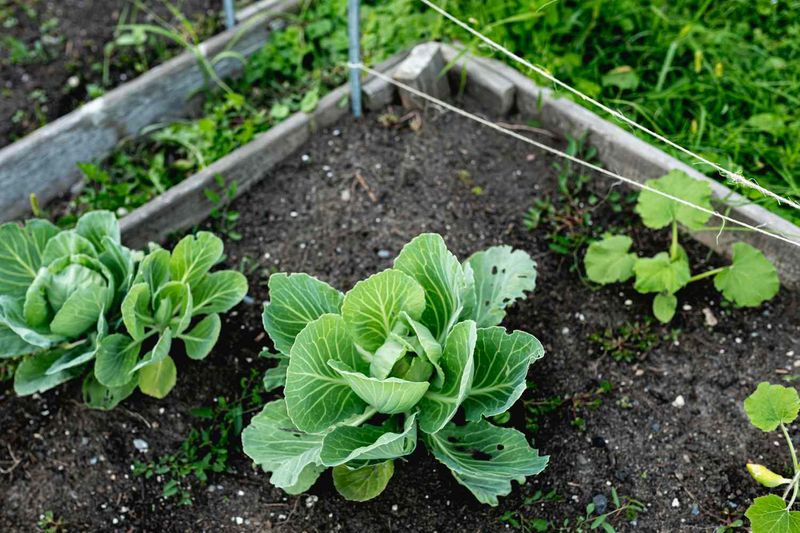
Cabbage has been a springtime staple in Ohio gardens for generations, and for good reason.
It is one of the more cold-tolerant brassicas you can grow, handling temperatures down into the upper 20s Fahrenheit once transplants are established and hardened off.
Setting cabbage out in April, a few weeks before Ohio’s average last frost date, gives heads plenty of time to form before summer temperatures arrive.
Transplants should be spaced about twelve to eighteen inches apart depending on the variety. Compact varieties can be grown a bit closer together, while larger heading types need more room.
Adding compost to the planting hole gives roots a nutrient-rich environment to settle into right away, which encourages steady early growth.
Cabbage benefits from consistent moisture, especially during the early weeks after transplanting when roots are still developing.
Mulching around the base of plants helps retain soil moisture and keeps soil temperature more stable during the fluctuating April nights common across Ohio.
Keeping an eye out for slugs and aphids in early spring is worthwhile, as both can damage young transplants. A simple row cover or collar around the base of each plant offers some protection while the garden gets established during the cooler weeks of the season.
11. Kale Transplants Thrive In Cooler Spring Conditions
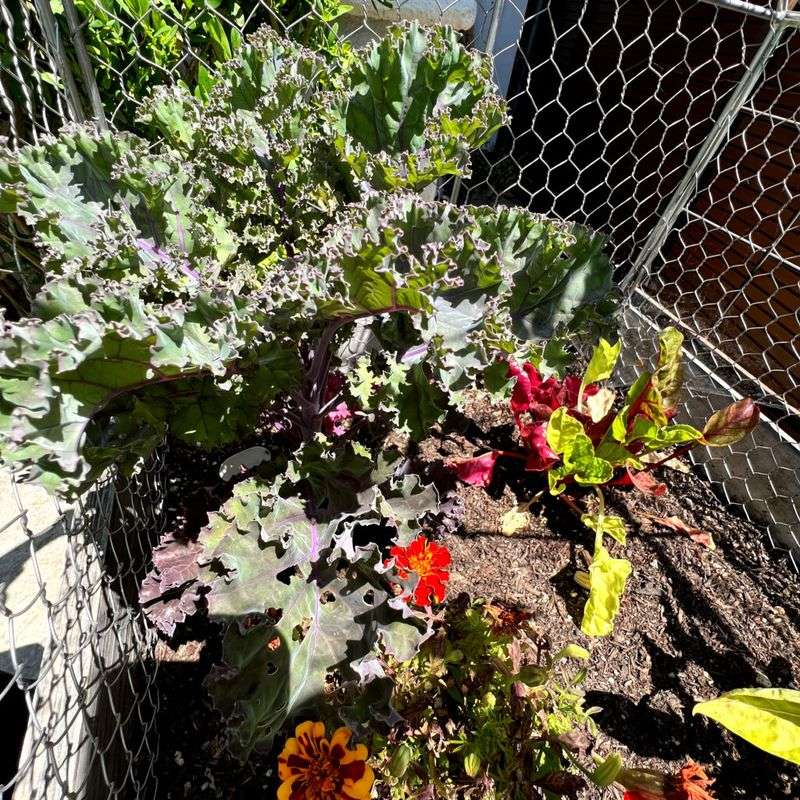
Kale has a reputation as a cold-weather crop, and that reputation is well earned. Ohio gardeners who set out kale transplants in April often find the plants grow steadily and produce reliably through the rest of spring and well into early summer.
Cool temperatures actually improve the flavor of kale, making leaves sweeter and more tender than those harvested during warm weather.
Transplants started indoors four to six weeks before April are typically sturdy enough to handle outdoor conditions with minimal fuss.
Space kale transplants about twelve to eighteen inches apart to give each plant enough room to develop a full canopy of leaves. Kale is not especially picky about soil, but it responds well to beds that have been amended with compost before planting.
Watering deeply once or twice a week rather than shallowly every day encourages roots to grow downward, which helps plants stay stable during Ohio’s often breezy spring days.
Harvesting outer leaves regularly encourages the plant to keep producing new growth from the center. Kale can tolerate frost quite well, and light frosts in late April may actually enhance leaf sweetness rather than cause damage.
Varieties like Lacinato and Winterbor both perform well in Ohio spring gardens and offer slightly different textures and flavors worth exploring.
12. Onions Are Best Planted As Sets Or Transplants
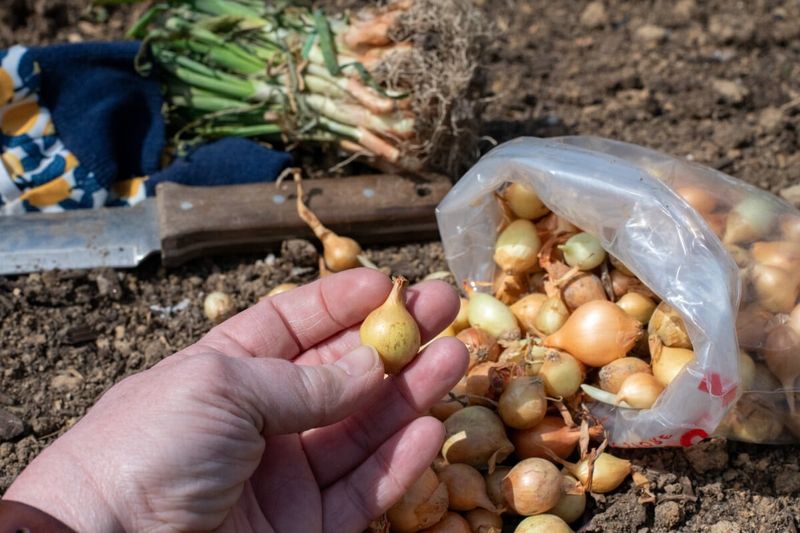
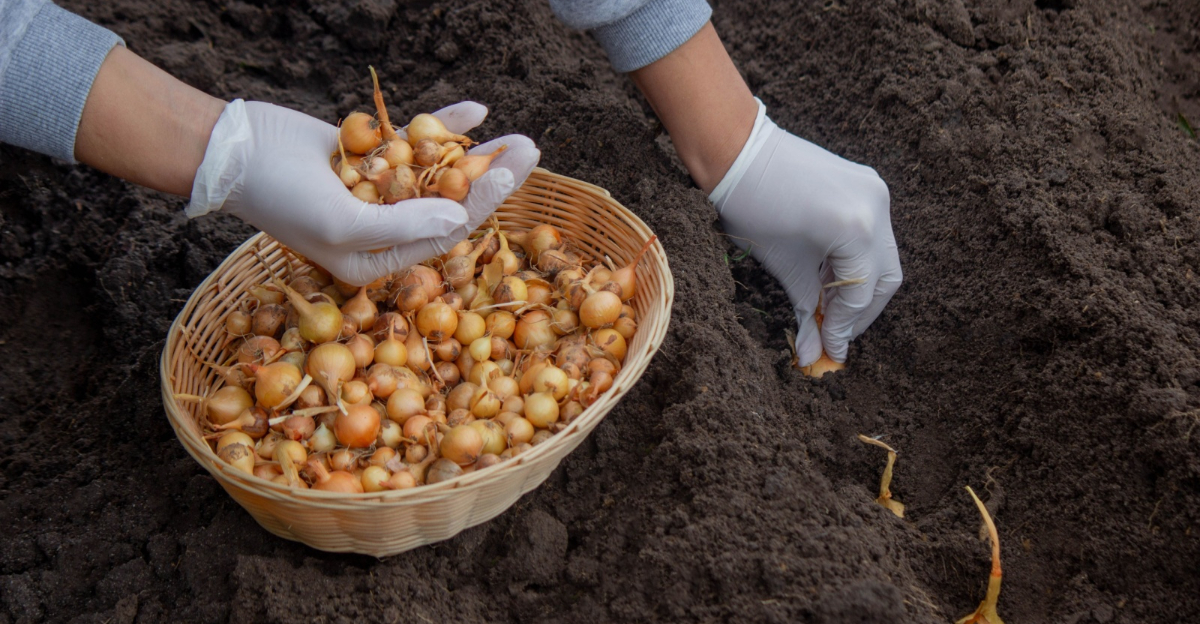
Planting onions in April from sets or transplants is one of the most reliable ways to get a solid bulb harvest in Ohio by midsummer.
Onion sets are small, dry bulbs that were grown the previous year and stored over winter, and they establish quickly in cool spring soil.
Transplants, which are young seedlings started indoors, also work well and often produce slightly larger bulbs than sets.
Plant sets or transplants one inch deep and four to six inches apart in rows about twelve inches apart. Onions are shallow-rooted, so keeping the top of the bulb just at or slightly above the soil surface helps prevent rot.
Ohio’s April soil, which tends to be cool and moist, suits onion establishment well as long as the bed drains reasonably and does not stay waterlogged after spring rains.
Onions are long-season crops, typically taking 90 to 120 days to reach full size, so early April planting is worth the effort. They are also cold-hardy enough to handle light frost without much trouble once in the ground.
Keeping weeds down around onion rows is important because the plants compete poorly with weeds during their early weeks. Regular weeding and consistent watering through spring give Ohio gardeners the best shot at a rewarding onion harvest in July.