The Cool Weather Herbs Oregon Gardeners Can Still Tuck In This Month
If you’ve been waiting for a sign to finally start that herb garden, consider the Oregon April rain your official green light.
While it’s tempting to wait for the sweltering days of July, many of our favorite herbs actually thrive in the cool, moist soil left behind by winter.
Planting now gives your herbs a massive head start, allowing them to establish deep, resilient root systems before the summer heat kicks in. The result?
Earlier harvests and much more intense flavor for your kitchen. Whether you’re a Willamette Valley pro or a coastal beginner, this mild spring window is the secret to an herb garden that tastes as good as it looks.
1. Parsley Handles Cool Spring Conditions With Ease
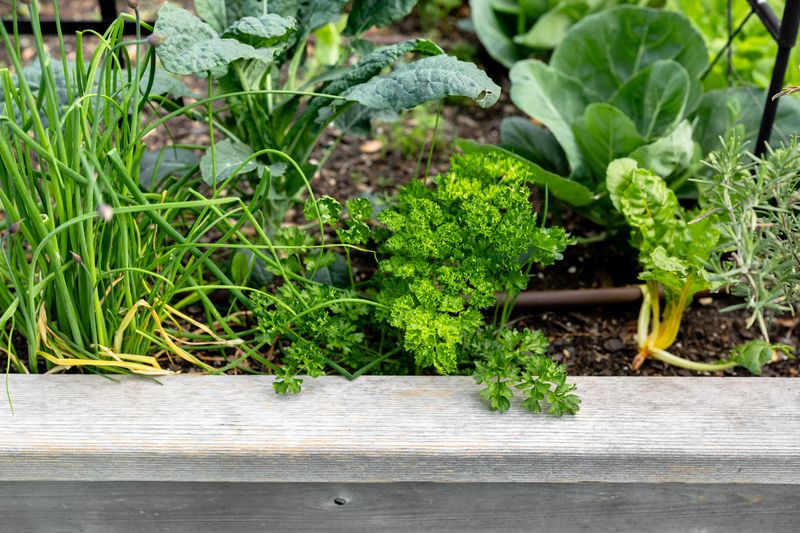
Walking out to a garden bed dotted with fresh parsley on a cool Oregon morning is one of those small pleasures that makes April planting worthwhile. Parsley is a slow starter, but that actually works in its favor when soil temperatures are still sitting in the low 50s.
The roots take their time settling in, and the result is a plant that grows steadily rather than bolting quickly.
Oregon gardeners can direct sow parsley seeds in April by pressing them about a quarter inch into loose, well-drained soil. Soaking seeds overnight before planting can speed up germination, which typically takes two to four weeks.
Spacing plants about eight inches apart gives each one enough room to develop a full leaf canopy.
Parsley prefers at least six hours of sunlight daily, though it tolerates partial shade in western Oregon’s cloudier spring weeks. The cool air actually concentrates the herb’s earthy flavor, making early spring harvests particularly tasty.
Harvest outer stems first and leave the center growth intact so the plant continues producing through late spring and into summer without stress.
2. Cilantro Grows Best Before Warmer Weather Arrives
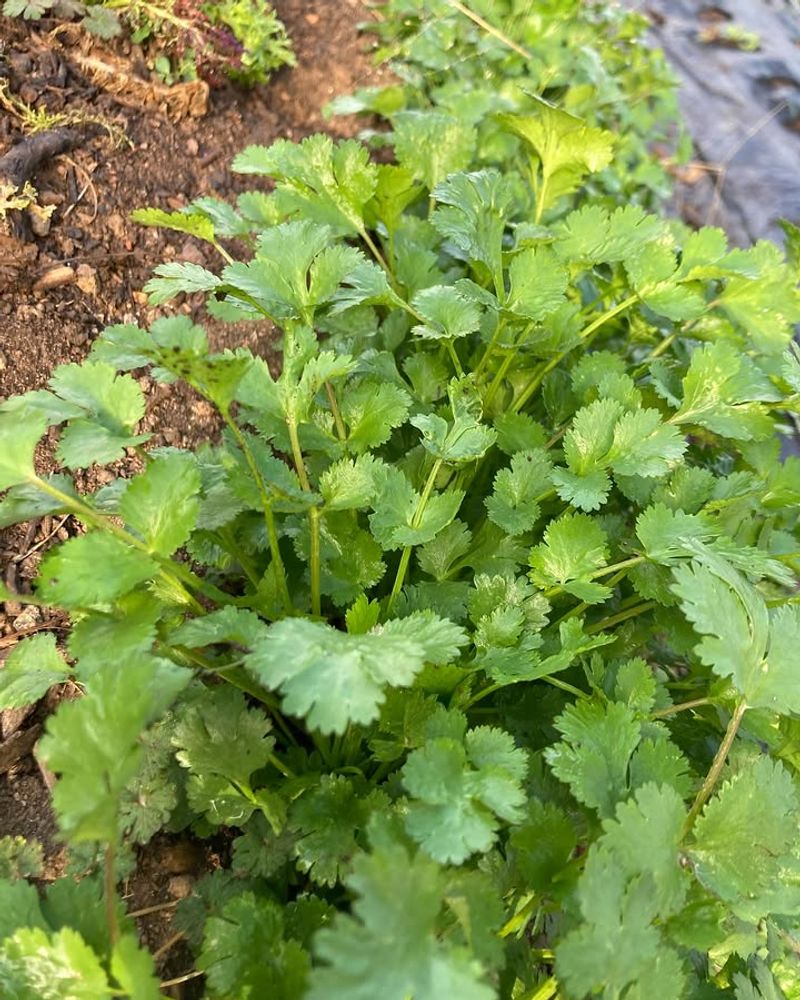
Cilantro has a reputation for being tricky, but most of that trouble comes from planting it at the wrong time. In Oregon, April is genuinely its favorite season.
The herb bolts fast once summer heat arrives, but in cool spring conditions it focuses all its energy on producing the leafy growth that cooks actually want.
Sowing cilantro directly into the garden works better than transplanting because it dislikes having its roots disturbed. Scatter seeds thinly and press them lightly into the soil surface.
Germination happens within one to two weeks when daytime temperatures stay between 50 and 65 degrees Fahrenheit, which describes much of western Oregon in April quite well.
Succession planting every two to three weeks stretches the harvest window considerably. Rather than planting one large patch, scatter small batches across different spots in the garden bed.
Partial shade from taller plants nearby can slow bolting once temperatures begin climbing in late spring. Harvest leaves when the plant reaches about six inches tall, cutting stems from the outside in.
The flavor is brightest and most fragrant during these cool weeks before the plant shifts its energy toward flowering.
3. Chives Return Early And Keep Growing Strong
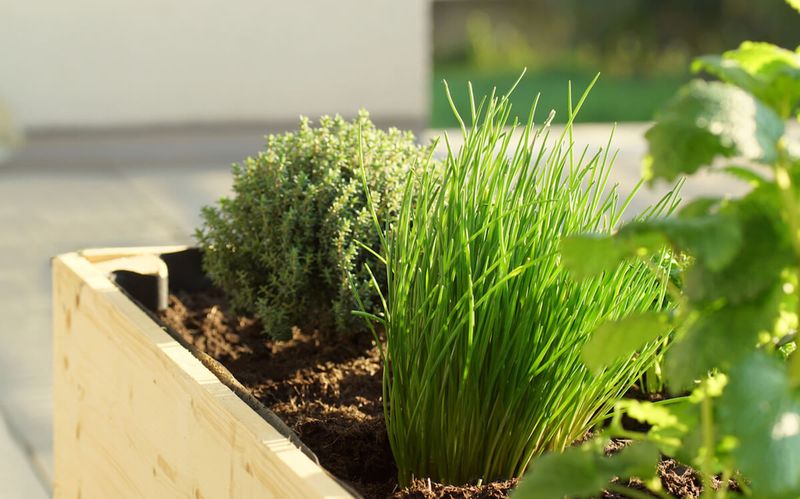
Few herbs signal the arrival of spring in an Oregon garden quite like chives pushing up through the soil in late March and April.
Your Oregon Garden Changes Every Week. Your Plan Should Too.
Gardening in Oregon changes quickly throughout the season. Every Friday you’ll receive a simple weekly plan showing exactly what to plant, prune, fertilize, harvest, and protect so you never miss the right timing.
As a perennial, chives often return on their own each year, but gardeners who want to add new clumps will find April transplants settle in quickly and with minimal fuss.
Chives prefer well-drained soil and at least six hours of sun, though they handle Oregon’s cloudy spring mornings without complaint. When planting divisions or small transplants, space clumps about six inches apart and water them in well.
They establish roots fast in cool, moist soil and begin producing harvestable growth within a few weeks of planting.
Snipping chive leaves about an inch above the soil level encourages fresh new growth and keeps the plant tidy.
The mild onion flavor is wonderful in scrambled eggs, salads, and soups, and the lavender flowers that appear in late spring are edible too.
One of the more underrated qualities of chives is their low-maintenance nature once established. Oregon gardeners who plant them in April often find they need very little attention beyond occasional watering during dry stretches later in the season.
4. Dill Establishes Well In Cool Soil
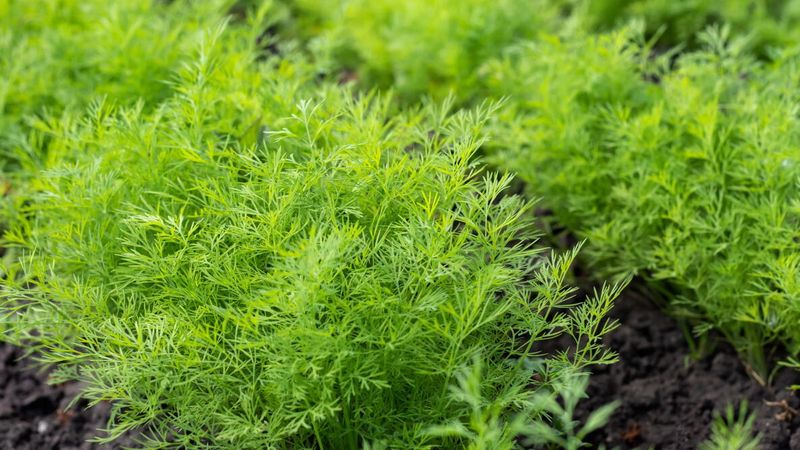
There is something almost delicate about dill’s feathery fronds catching the light on a cool Oregon morning, but do not let the appearance fool you.
Dill is a surprisingly capable herb in spring conditions and establishes well when direct sown in April while the soil is still cool and moist.
Direct sowing is strongly preferred over transplanting because dill develops a taproot early on and resents being moved. Press seeds just below the soil surface in a sunny spot with loose, well-drained soil.
Germination typically takes ten to fourteen days in cool spring conditions. Thin seedlings to about twelve inches apart once they reach a few inches tall so each plant has room to grow upright without competition.
Oregon gardeners should be aware that dill can bolt relatively quickly once summer heat arrives, so April planting captures the best of its cool-season growth window.
Harvest leaves, often called dillweed, once the plant is at least eight inches tall.
The flavor is at its most fresh and aromatic before the plant sends up its flower stalk. Planting near cucumbers or cabbage also works well since dill is a friendly companion in mixed vegetable and herb beds.
5. Chervil Thrives In Mild, Shady Spring Spots
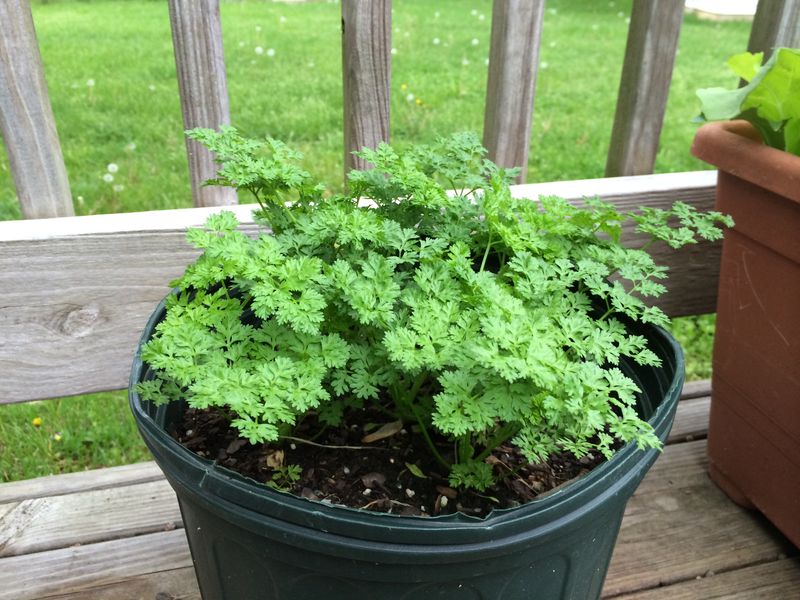
Chervil is one of those herbs that rewards gardeners who pay attention to the subtleties of their yard.
Unlike sun-hungry herbs, chervil actually prefers a bit of shade and mild temperatures, making it a natural fit for the cool, filtered light common under trees or along north-facing beds in Oregon gardens during April.
Seeds should be direct sown in early spring because chervil does not transplant well once established. Press seeds lightly into moist soil and do not cover them completely since they need some light to germinate.
Germination takes about one to two weeks in cool conditions. Space plants roughly six inches apart and keep the soil evenly moist throughout the growing period.
The flavor of chervil is subtle and slightly anise-like, making it a popular addition to French cooking and egg dishes. In Oregon, the mild spring climate allows chervil to produce tender leaves for several weeks before warmer temperatures cause it to bolt.
Harvesting regularly by snipping outer stems encourages continued leafy growth.
Many Oregon gardeners find that chervil thrives in spots where other herbs struggle, turning those shady, underused corners of the garden into genuinely productive growing spaces during spring.
6. Sorrel Adds Early Flavor And Grows Reliably
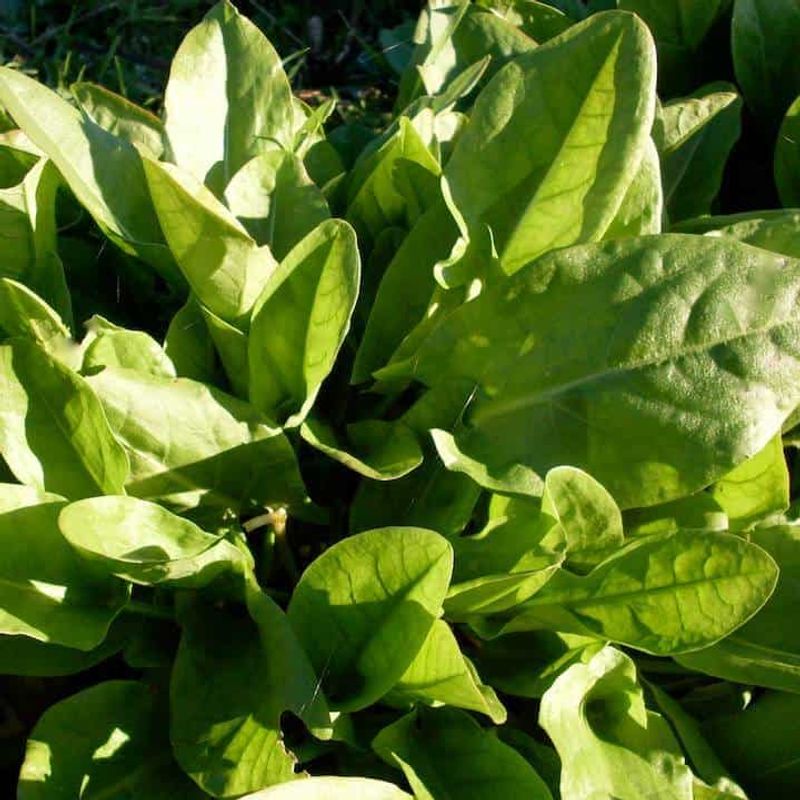
Sorrel might be the most underappreciated herb in the Pacific Northwest, and that is a genuine shame.
It produces large, tangy leaves with a lemony bite that livens up salads, soups, and sauces, and it gets going earlier in spring than almost anything else in the herb garden.
Oregon’s cool April conditions suit sorrel exceptionally well.
Garden sorrel can be grown from seed or transplants and handles partial shade without any trouble. Seeds sown in April germinate within one to two weeks in moist, cool soil.
Space plants about twelve inches apart to give the broad leaves room to develop fully. Sorrel is a perennial in most of Oregon, meaning it returns year after year once established, making it a genuinely long-term addition to any herb bed.
Harvest leaves when they are young and about four to six inches long for the brightest, most vibrant flavor.
Older leaves can develop a stronger, more acidic taste that some cooks find overpowering in raw preparations.
Removing flower stalks as they appear keeps the plant focused on leafy growth through the season. Sorrel’s reliability and early productivity make it a smart choice for Oregon gardeners looking for consistent results from their spring herb garden.
7. Mint Spreads Quickly Once Spring Begins
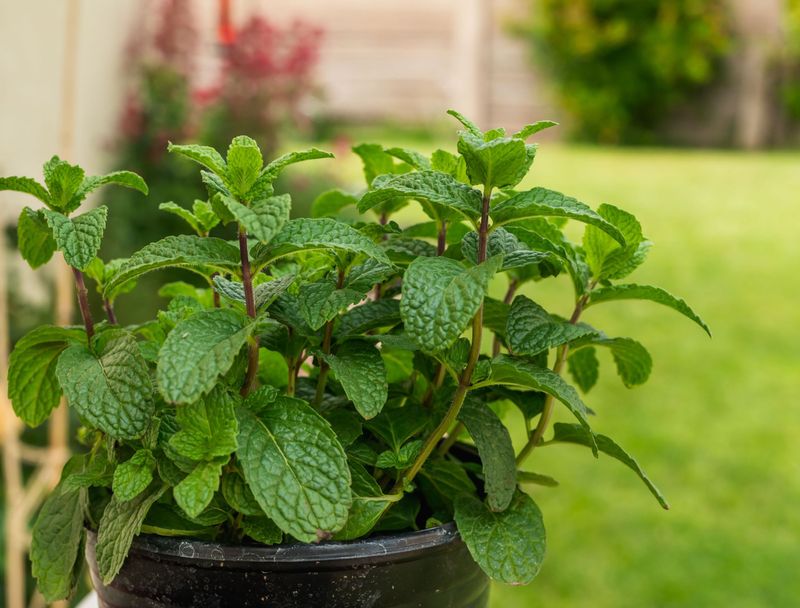
Mint wakes up fast in spring, and Oregon’s April moisture gives it exactly the conditions it needs to take off.
Gardeners who have grown mint before already know about its enthusiastic spreading habit, which is why planting it in containers or using underground barriers is genuinely worth the effort before it gets established in open beds.
Starting mint from divisions or transplants in April is more reliable than growing from seed. Place transplants in a spot that gets morning sun and some afternoon shade, which mirrors the conditions found naturally in many western Oregon yards.
Keep the soil consistently moist but not waterlogged, and mint will reward that attention with rapid, lush growth.
Spearmint and peppermint are two of the most popular varieties for Oregon home gardens, though many others grow well in the region’s climate. Regular harvesting by snipping stem tips actually encourages bushier, more productive growth.
The oils in mint leaves are most concentrated just before flowering, making that the ideal time to harvest for the strongest flavor.
Fresh mint from the garden elevates everything from herbal teas and lemonade to grilled lamb and summer salads in ways that store-bought mint simply cannot match.
8. Oregano Settles In Well As A Spring Transplant
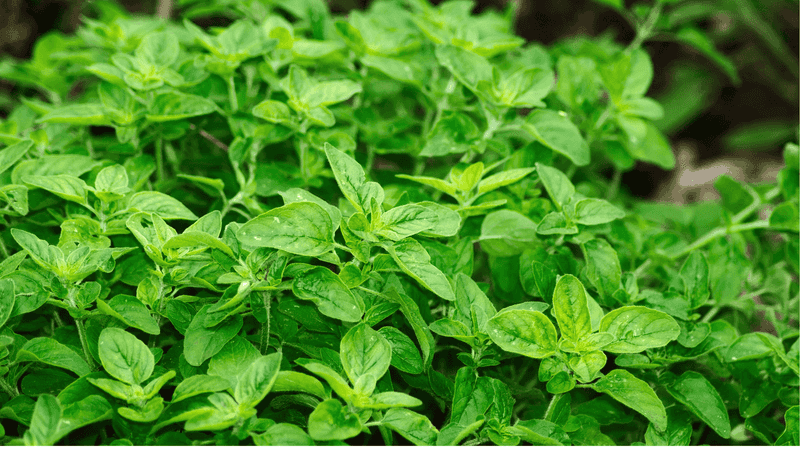
Oregano planted in April has time to develop a solid root system before summer heat asks more of it, and that head start shows clearly by mid-season.
In Oregon, spring transplants of oregano often outperform those planted later in the year because the cool, moist soil encourages steady root development without the stress of high temperatures.
Greek oregano is one of the most flavorful varieties for home gardens and handles Oregon’s variable spring weather with ease. Choose a spot with well-drained soil and at least six hours of sun per day.
Space transplants about twelve inches apart and avoid over-watering since oregano prefers soil that dries slightly between waterings once established.
Pinching back the growing tips early in the season encourages a bushier plant with more harvestable stems. Oregano is a perennial in most of western Oregon, so a spring transplant can provide harvests for several years with minimal ongoing effort.
The flavor is most intense just before the plant flowers, so harvesting stems at that stage gives the best results for cooking.
Dried oregano from homegrown plants has a noticeably richer aroma than most store-bought versions, which makes the small effort of spring planting very much worthwhile.
9. Thyme Prefers A Slow Start In Cool Conditions
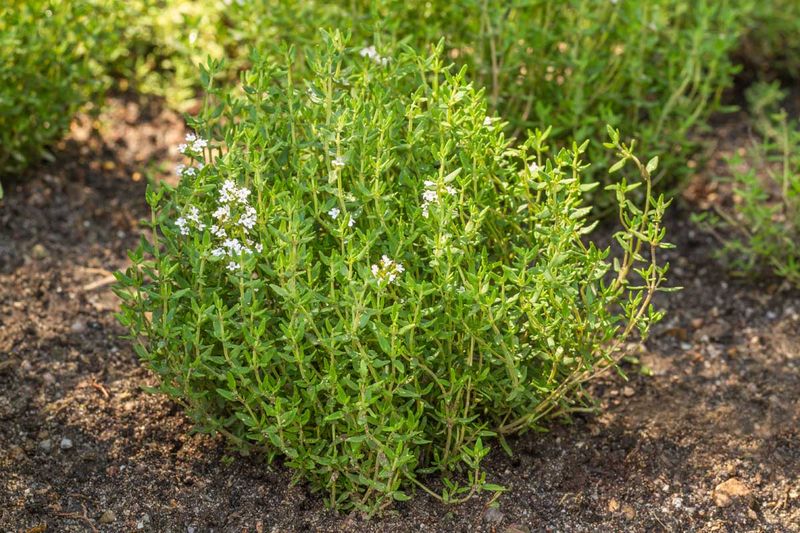
Cool spring soil in Oregon is not a limitation for thyme – it is actually a benefit. Thyme is a Mediterranean herb that does not rush, and planting it in April allows it to build a strong, compact root system before summer arrives.
Gardeners who try to rush thyme by planting in warmer conditions often end up with leggy, less flavorful plants.
English thyme and lemon thyme are both well-suited to Oregon’s climate and are widely available as transplants at nurseries in April. Choose a planting site with excellent drainage and full sun since thyme is susceptible to root rot in consistently soggy soil.
Space plants about twelve inches apart to allow good airflow between them, which helps prevent fungal issues during Oregon’s wetter spring weeks.
Thyme is a perennial that becomes more woody and established over time, rewarding patient gardeners with years of reliable harvests. Trim plants lightly after the first year to keep growth tidy and encourage fresh stems.
The flavor of homegrown thyme is noticeably more complex than dried versions from the store, with a warmth and depth that comes through clearly in roasted vegetables, braised meats, and herb-infused olive oils.
April planting sets thyme up for a long and productive life in the Oregon garden.