The Spring Cleanup California Yards Need Before Everything Starts Drying Out
In California, spring doesn’t just arrive; it sprints. One week you’re enjoying the last damp remnants of winter rain, and the next, the sun is already zapping moisture from the soil at a dizzying pace.
April is the ultimate “Goldilocks” window for Golden State gardeners — the critical gap between the final reliable showers and the long, thirsty stretch of summer.
Whether you’re gardening in the foggy coastal breeze or the heat of the inland valleys, your April prep work is a total game-changer.
Getting your yard cleaned up now isn’t just about aesthetics; it’s about bulletproofing your plants for the heat ahead and setting the stage for a thriving season.
1. Clear Out Winter Debris Before Growth Speeds Up
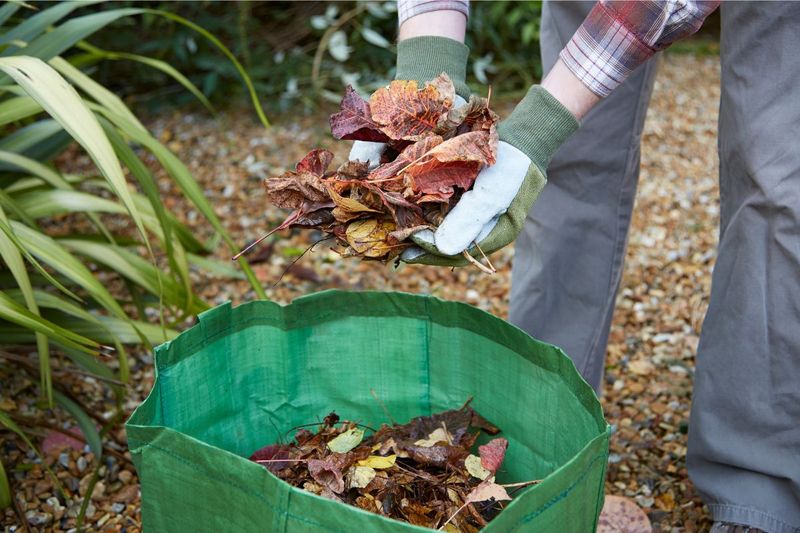
By the time late March rolls around in California, garden beds have often collected a surprising amount of material over the winter months.
Fallen leaves, broken twigs, and leftover plant stems pile up quietly, and many gardeners do not notice how thick that layer has become until new growth starts pushing through.
Getting that debris cleared early gives emerging plants room to breathe and reach sunlight without competing with a soggy mat of old material.
Decomposing debris pressed tightly against plant crowns can hold too much moisture, creating conditions where fungal problems tend to develop.
Raking it away carefully, especially around the base of perennials and shrubs, reduces that risk before temperatures warm up enough to encourage disease spread.
In inland California, where spring warms more quickly than along the coast, clearing debris sooner in April gives you a head start before soil dries out. A leaf rake and a pair of gloves are really all you need for most beds.
Bag up anything that looks diseased or pest-ridden, and compost the rest if it appears clean and healthy. Taking a few hours to do this one task creates a noticeably cleaner starting point for everything else on your spring checklist.
2. Remove Weeds Early Before They Go To Seed
Weeds in California have a clever strategy. They germinate during winter rains when the soil is soft and moist, grow quietly through February and March, and then explode with seed production the moment warm spring weather arrives.
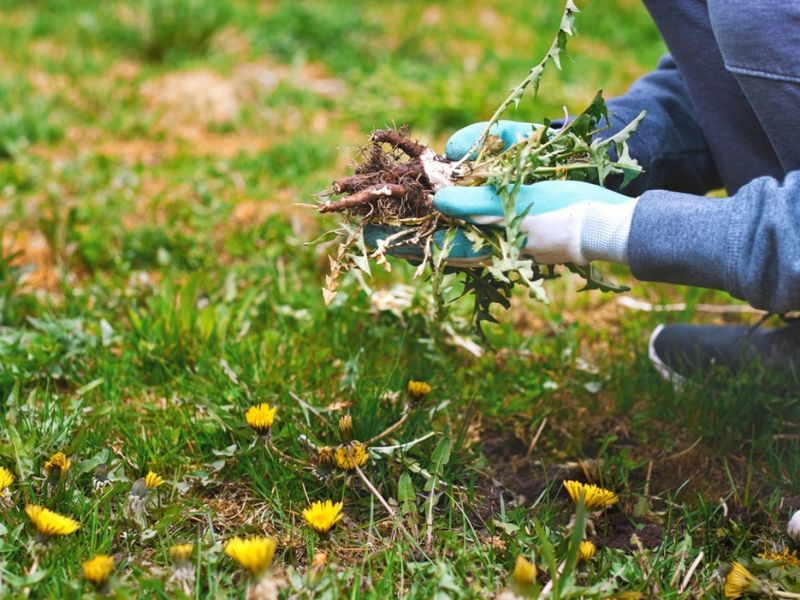
Catching them before that seed-setting stage is one of the highest-value tasks you can do in April, because each plant you remove now prevents dozens or even hundreds of new plants from showing up later in the season.
Common culprits across California yards include filaree, chickweed, sowthistle, and annual bluegrass. These plants pull out easily when the soil still holds some moisture from winter rain.
Trying to remove them after the ground dries out in May or June is a much harder job, and by then, many will have already scattered seed.
Hand-pulling works well for smaller weeds, while a hoe or cultivator is more efficient across open soil between plants. Focus on any bare areas where weeds tend to cluster, and work through garden beds systematically.
Your California Garden Changes Every Week. Your Plan Should Too.
Gardening in California changes quickly throughout the season. Every Friday you’ll receive a simple weekly plan showing exactly what to plant, prune, fertilize, harvest, and protect so you never miss the right timing.
Along the Central Valley and in Southern California, spring heats up faster, so mid-April is a reasonable target for completing this task.
Coastal areas may have a slightly longer window before soil dries out, giving gardeners a bit more flexibility in timing their weed removal efforts.
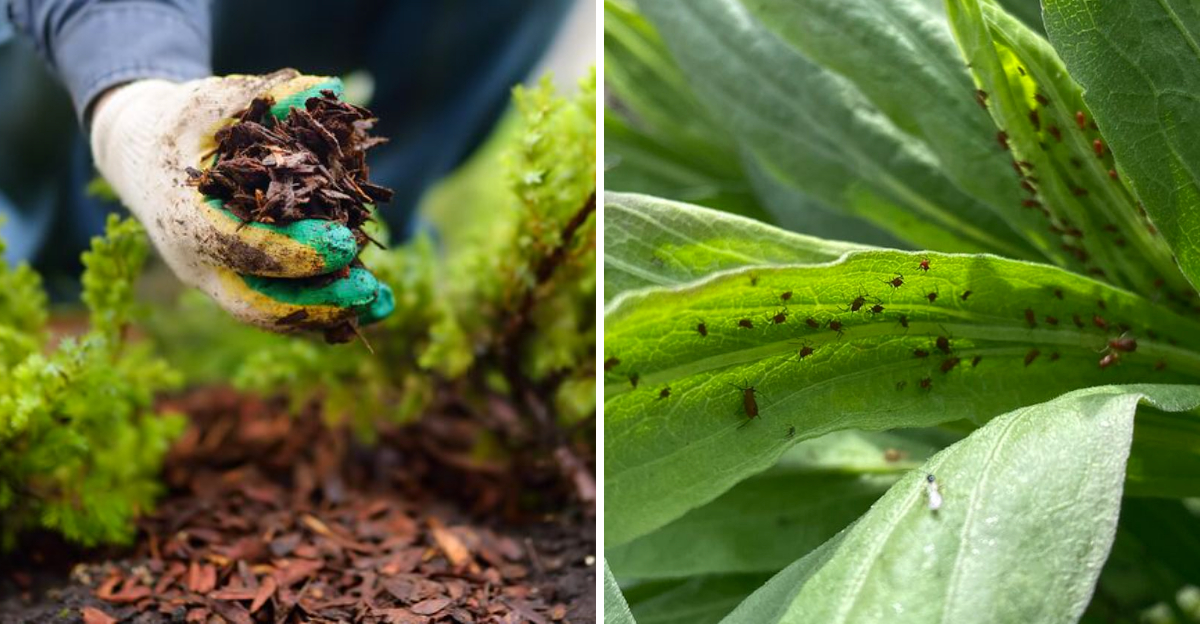
3. Refresh Mulch To Help Soil Hold Spring Moisture
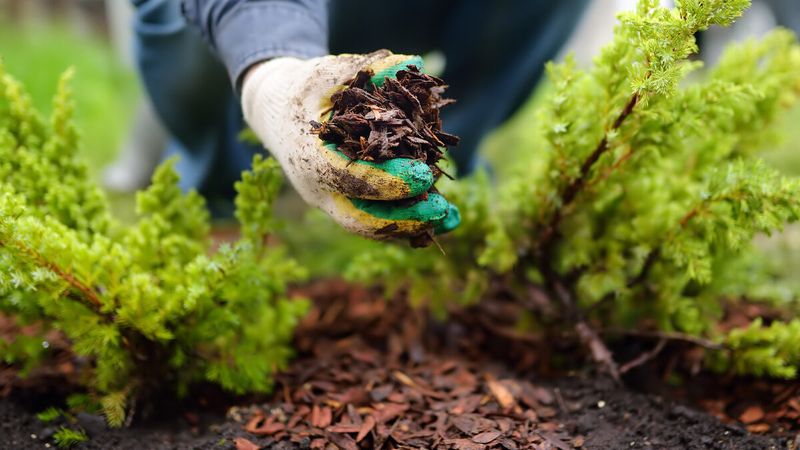
Mulch does some of its most important work during the transition from spring to summer in California.
As rainfall tapers off and temperatures begin climbing, a fresh layer of mulch slows down evaporation from the soil surface, keeping root zones cooler and more consistently moist for longer periods.
That extra moisture retention can reduce how often you need to water during the first dry weeks of the season.
Most California gardens benefit from a mulch layer of about two to three inches. If last year’s mulch has broken down into a thin, compacted crust, it has likely lost much of its ability to hold moisture effectively.
Raking out the old layer and adding fresh material in April, before the heat builds, gives plants the best possible buffer heading into summer.
Wood chips, shredded bark, and straw all work well depending on what you are growing.
Keep mulch pulled back a few inches from plant stems and tree trunks to avoid creating damp conditions right at the base, which can encourage rot or pest activity.
In fire-prone areas of California, check local guidelines about mulch materials and placement near structures.
Refreshing mulch is a straightforward task that pays off throughout the long dry months ahead, making it one of the most practical steps in any California spring cleanup routine.
4. Check Irrigation Systems Before The Dry Season Starts
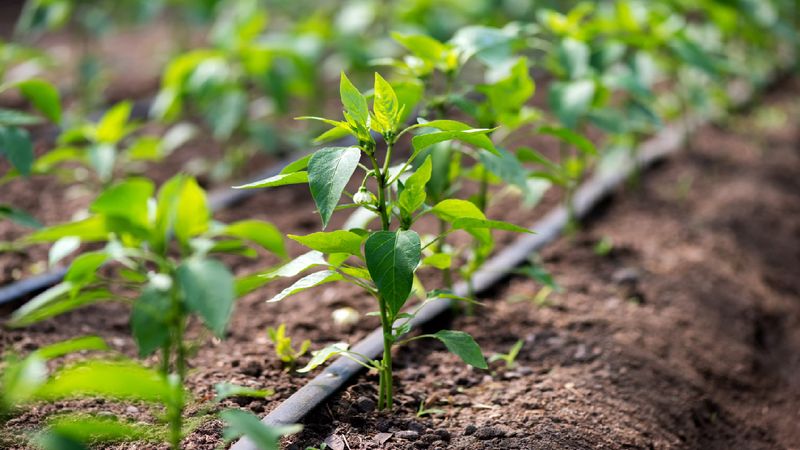
Most California gardeners rely heavily on irrigation systems once the rains stop, which makes April the right time to check that everything is working properly before that reliance kicks in fully.
A drip emitter that is clogged, a sprinkler head that is slightly misaligned, or a timer that was never adjusted from last season can quietly waste water or leave plants without enough moisture during the most stressful months of the year.
Walking through your yard with the system running is the most efficient way to spot problems. Look for dry patches that suggest low water delivery, or soggy spots that point to over-watering or a leak somewhere in the line.
Replacing a damaged emitter or adjusting a spray head takes only a few minutes but can significantly improve how evenly water reaches your plants.
This is also a smart moment to review your watering schedule. California’s spring can be deceptive, with mild temperatures that make plants look fine even when soil is drying out faster than expected.
Adjusting timers to account for warming temperatures in late April and May helps prevent stress before plants show visible symptoms. In areas with water restrictions, checking that your system runs efficiently also helps you stay within allowances.
A well-maintained irrigation setup is one of the most reliable tools a California gardener has heading into a long, dry summer.
5. Cut Back Only Truly Spent Perennials
Not every brown or faded perennial stem needs to come down in spring, and knowing the difference between spent growth and useful structure matters in a California garden.
Old stems that held seed heads through winter often provided shelter for small beneficial insects during cooler months.
Cutting everything back too aggressively in early spring can remove habitat before those insects have had a chance to emerge and move on.
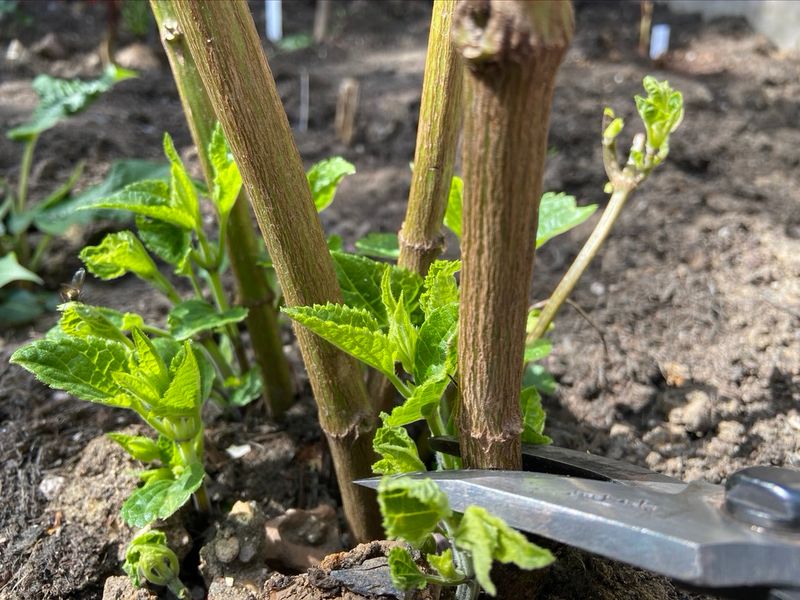
The clearest sign that a stem is ready to be cut is when fresh growth has already started appearing at the base of the plant.
At that point, the old material is no longer serving a purpose, and removing it gives the new growth better access to light and air circulation.
For perennials like salvias, agapanthus, and ornamental grasses, waiting until you can see that new growth emerging is a reliable guide for timing.
Use clean, sharp pruners to make cuts close to the base without damaging the emerging shoots below.
In coastal California, this timing often falls in mid-April, while inland gardens may see new growth pushing up a bit earlier due to warmer soil temperatures.
Cutting back only what is genuinely finished, rather than clearing everything at once, tends to produce healthier plants with stronger regrowth. It also leaves your garden looking more natural and layered during the early weeks of spring.
6. Prune Summer Blooming Shrubs Before New Growth Takes Off
Spring-flowering shrubs, like ceanothus and flannel bush, should generally be left alone after they bloom rather than pruned in early spring, since they set their flower buds the previous season.
Summer bloomers, however, are an entirely different situation.
Shrubs that flower on new growth produced during the current season respond well to pruning in early spring, because cutting them back before that new growth takes off encourages more vigorous shoots and often a better flower display later in the year.
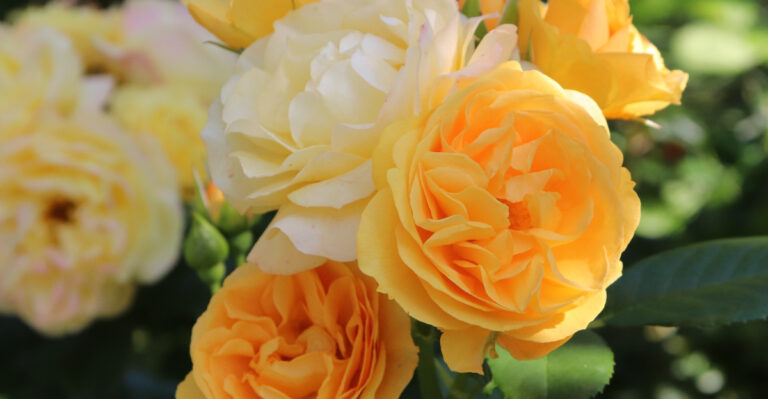
Roses are among the most common summer bloomers that California gardeners prune in spring.
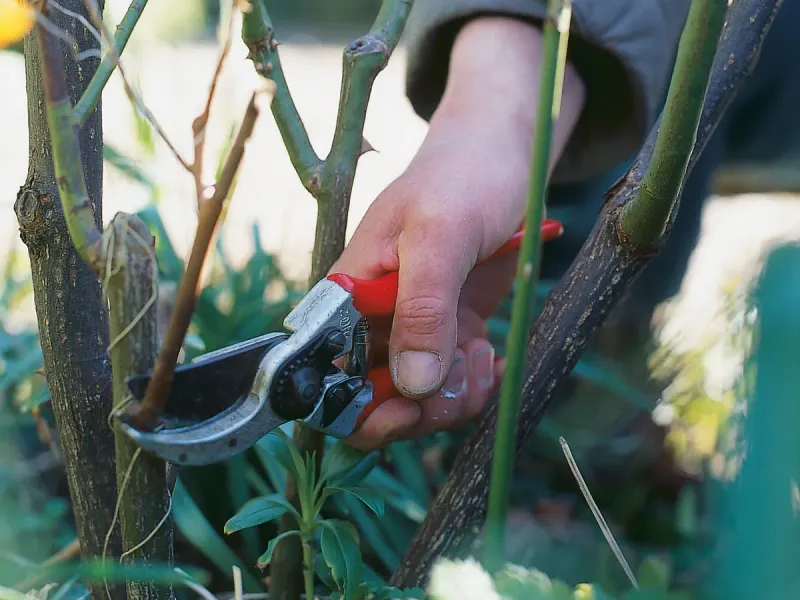
Hybrid teas and floribundas benefit from being cut back to healthy outward-facing buds, removing crossing branches and any stems that show signs of damage from winter.
Crape myrtles, lantana, and blue hibiscus are other examples of shrubs that can be shaped in April without sacrificing summer blooms.
The key is to prune before the plant has pushed out significant new growth, because cutting into fresh leafy stems wastes energy the plant has already invested.
In warmer inland areas of California, this window can close quickly, so checking your shrubs in early April gives you the most flexibility.
Keep cuts clean and angled slightly to shed water, and avoid removing more than about one-third of the plant’s overall volume in a single session to avoid putting too much stress on the root system.
7. Thin Crowded Plants To Improve Airflow And Growth
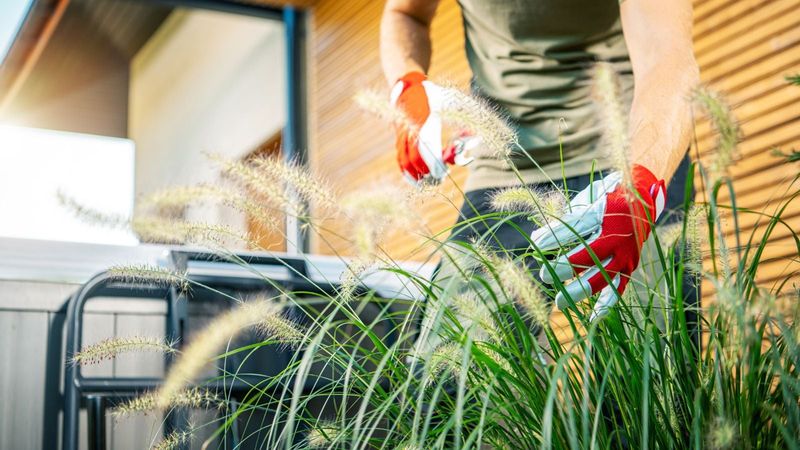
Plants that grew well last season sometimes crowd each other by the time spring arrives, especially in beds where perennials have spread or self-seeded over multiple years.
Dense, overcrowded planting reduces airflow between stems, and in California’s warming spring conditions, that lack of circulation can set the stage for powdery mildew and other fungal issues that thrive in humid pockets around foliage.
Thinning does not mean removing entire plants. It means selectively taking out weaker stems, extra seedlings, or sprawling growth that is pushing into neighboring plants’ space.
This careful editing improves light penetration to lower leaves, reduces competition for soil moisture, and generally helps each remaining plant grow more vigorously through the dry months ahead.
Ornamental grasses, yarrow, black-eyed Susan, and many California native perennials are plants that commonly benefit from thinning every spring.
Work through the bed with hand pruners or a small saw for woodier clumps, removing material in sections rather than all at once.
The divisions you pull out from clumping plants can often be replanted elsewhere in the yard or shared with neighbors. Thinning is one of those tasks that feels minor while you are doing it but produces noticeably better-looking, healthier plants by midsummer.
It also makes your cleanup work easier in future seasons by keeping plant spacing more manageable over time.
8. Inspect Plants For Early Signs Of Pests And Stress
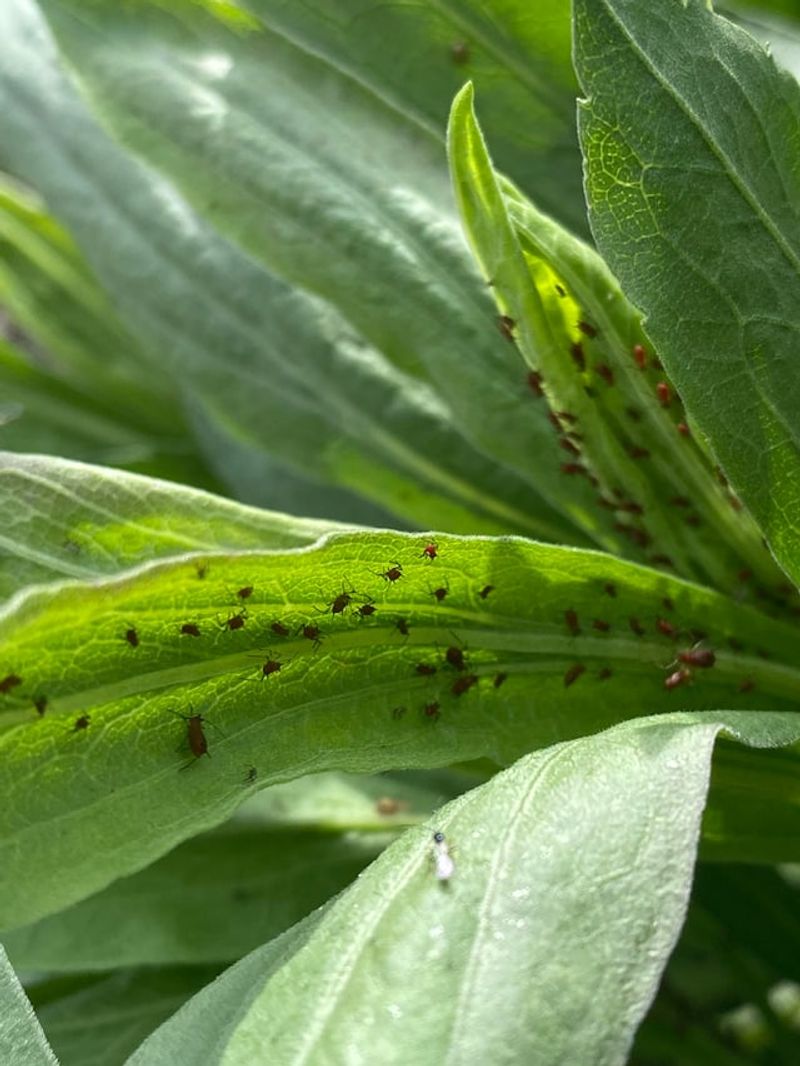
Spring is when many common garden pests in California begin ramping up their activity, often before gardeners notice anything is wrong.
Aphids, scale insects, spider mites, and caterpillars all tend to become more active as temperatures rise in April, and catching an infestation early makes management significantly more straightforward than dealing with a large population later in the season.
A thorough inspection involves more than a quick glance at the tops of leaves. Turn leaves over to check the undersides, where many soft-bodied insects prefer to cluster and feed.
Look at stem joints and new growth tips, which are common targets for aphids. Discolored, distorted, or stippled leaves are often the first clue that something has moved in and started feeding.
Stress signs like yellowing, wilting during cooler morning hours, or unusually pale new growth can sometimes point to root issues, nutrient imbalances, or early signs of disease rather than pest activity.
Noting these symptoms in April gives you time to investigate and respond before the dry season adds additional pressure to already struggling plants.
In California, where summer heat can amplify plant stress quickly, spotting problems in spring is a meaningful advantage.
Many minor pest issues can be managed with a strong blast of water from a hose or by removing affected plant material, keeping intervention simple and effective.