9 Colorful Drought-Tolerant Plants To Grow Instead Of Tropical Bloomers In California
Tropical bloomers can look gorgeous in California for a minute, then the heat shows up, the soil dries out, and suddenly that lush dream starts asking for way more water and attention than most gardeners want to give. That is usually the moment regret creeps in.
The good news is you do not have to settle for a dry garden that looks dull just to save water. California has plenty of colorful plants that can handle sunny days, lean soil, and long dry stretches without losing their charm.
Some bring bold flowers, some add glowing foliage, and some keep the garden lively for months with far less fuss than thirsty tropical picks. Swapping them in can make a yard feel brighter, smarter, and much better suited to real California conditions.
A garden can still feel lush and full of personality without acting high maintenance. Sometimes the best color comes from plants that already know how to handle the climate.
1. Yarrow
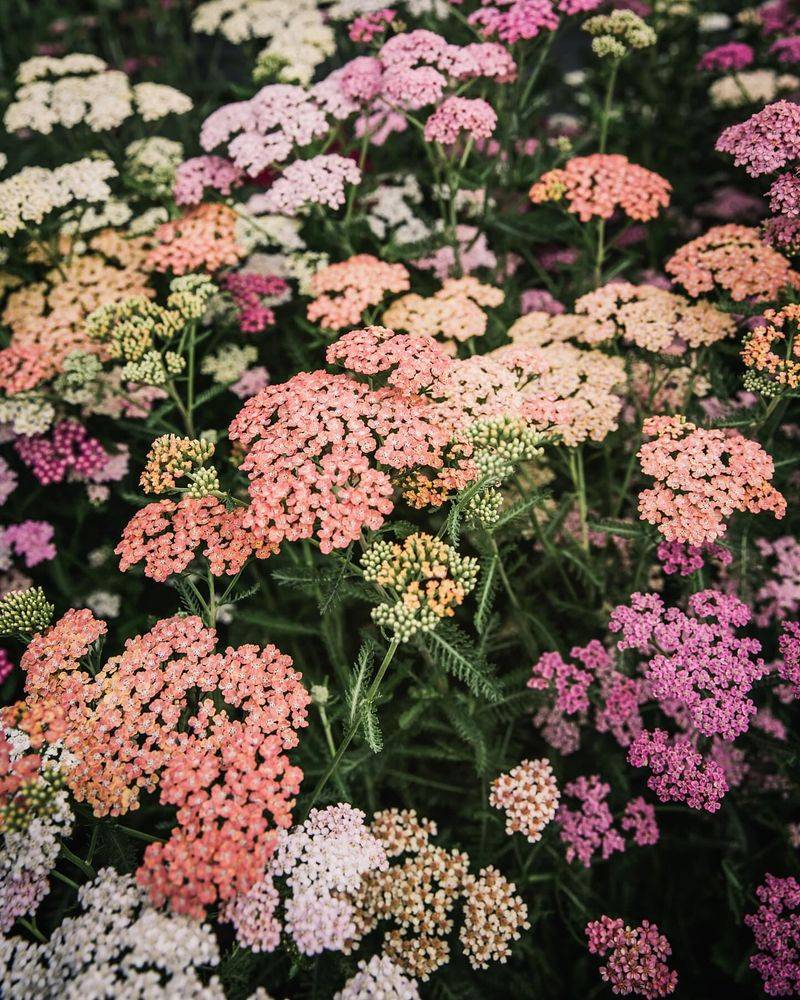
Few plants are as tough and cheerful as yarrow. It produces flat-topped clusters of tiny flowers in shades of yellow, white, pink, and red that look stunning from spring through summer.
Yarrow is a natural fit for California gardens because it actually prefers dry, well-drained soil over rich, wet ground.
Once established, yarrow needs very little water to thrive. It handles heat, poor soil, and dry spells with ease.
You can plant it in a sunny border, along a pathway, or in a wildflower meadow-style garden for a relaxed, natural look.
One of the best things about yarrow is that it attracts butterflies and beneficial insects. That means your garden gets a little ecosystem boost along with the color.
The feathery, fern-like leaves also add texture even when the plant is not in bloom.
In California, yarrow works well in both coastal and inland gardens. It spreads slowly over time, filling in bare spots without becoming invasive.
Trim it back after blooming to encourage a second flush of flowers. It is a low-maintenance, high-reward plant that every California gardener should consider trying.
2. California Fuchsia
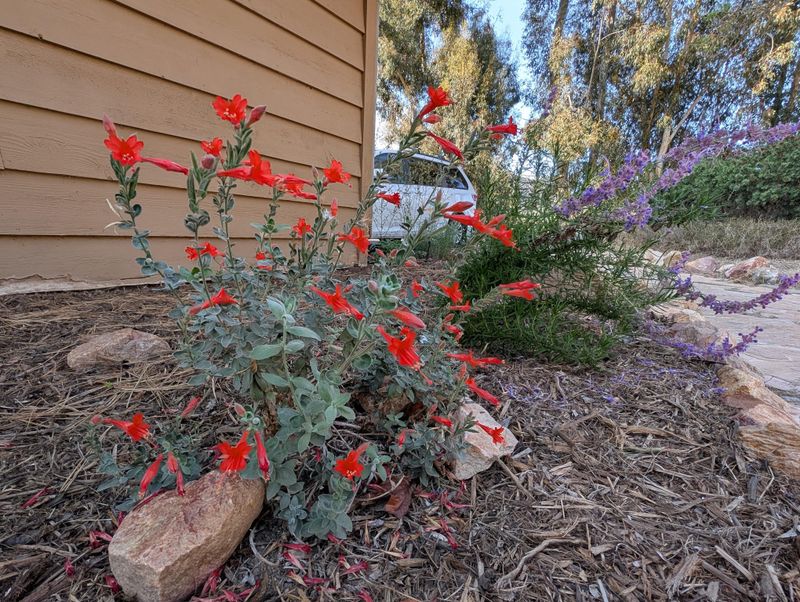
Bright red-orange tubular flowers and hummingbirds seem to go hand in hand, and California fuchsia brings both to your yard. This native perennial bursts into color in late summer and fall, right when most other plants are winding down.
That makes it a real standout in any California garden.
California fuchsia is built for dry conditions. It is native to the state, which means it evolved to handle long, hot, dry summers without complaint.
Once it is established in your garden, you can cut back on watering significantly. It actually does better with less water, not more.
The plant spreads gently by underground runners, making it a great ground cover for slopes and hillsides where erosion can be a problem. It stays low to the ground, usually reaching about one to two feet tall, with a wider spread.
Hummingbirds absolutely love the tubular flowers, so planting California fuchsia is like setting up a little wildlife station in your backyard. It also pairs beautifully with other California natives like sages and buckwheat.
Your California Garden Changes Every Week. Your Plan Should Too.
Gardening in California changes quickly throughout the season. Every Friday you’ll receive a simple weekly plan showing exactly what to plant, prune, fertilize, harvest, and protect so you never miss the right timing.
For a low-water, high-color garden that supports local wildlife, this plant is a smart and beautiful choice across California.
3. California Buckwheat
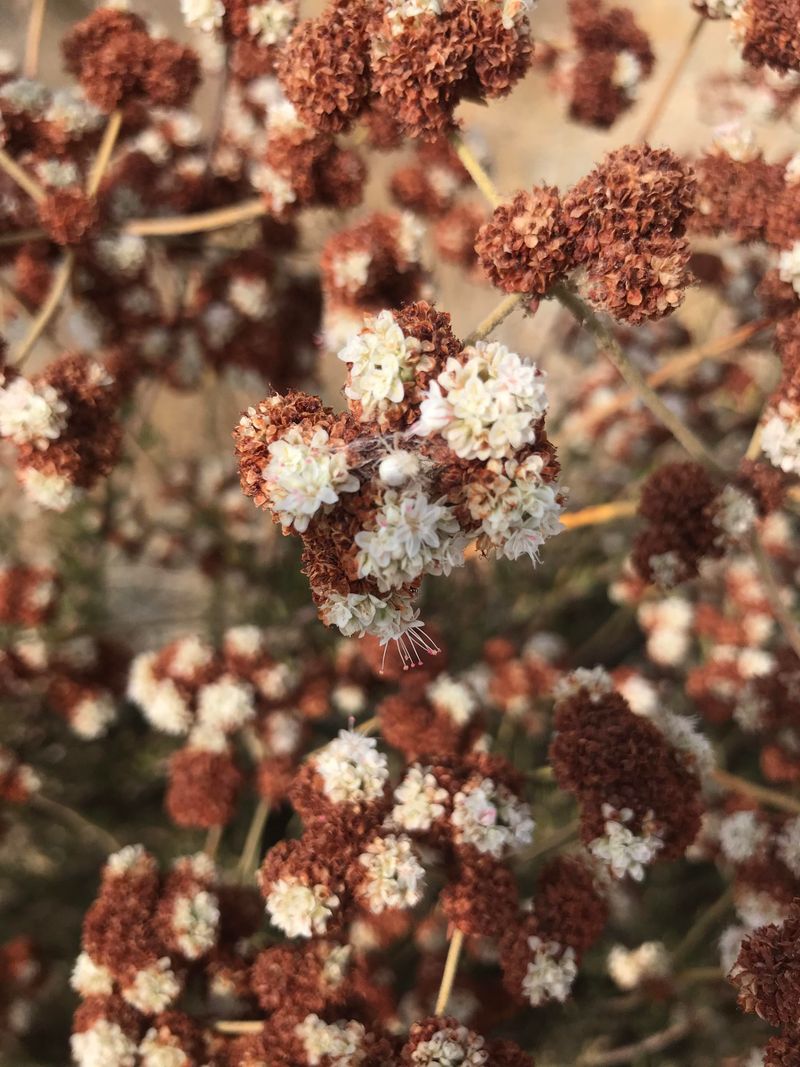
Not many plants can go from white to rusty red without losing their charm, but California buckwheat pulls it off effortlessly. The flower clusters start out creamy white in spring and slowly turn a warm rust color as the season progresses.
That changing color keeps the plant looking interesting for months at a time.
California buckwheat is one of the most reliable drought-tolerant shrubs you can grow in California. It thrives in full sun and poor, rocky, or sandy soil.
Once established, it rarely needs supplemental watering, making it a smart choice for water-conscious gardeners across the state.
Beyond its looks, California buckwheat is a powerhouse for pollinators. Bees, butterflies, and other beneficial insects flock to it all season long.
Some native bee species depend on it as a primary food source, which makes it an important plant for supporting local ecosystems.
It grows into a rounded shrub about two to four feet tall and wide, making it a great filler plant in a dry garden bed. It also works well on slopes and in naturalistic plantings.
Pair it with California fuchsia or penstemon for a colorful, wildlife-friendly, and completely water-smart California garden design.
4. Penstemon
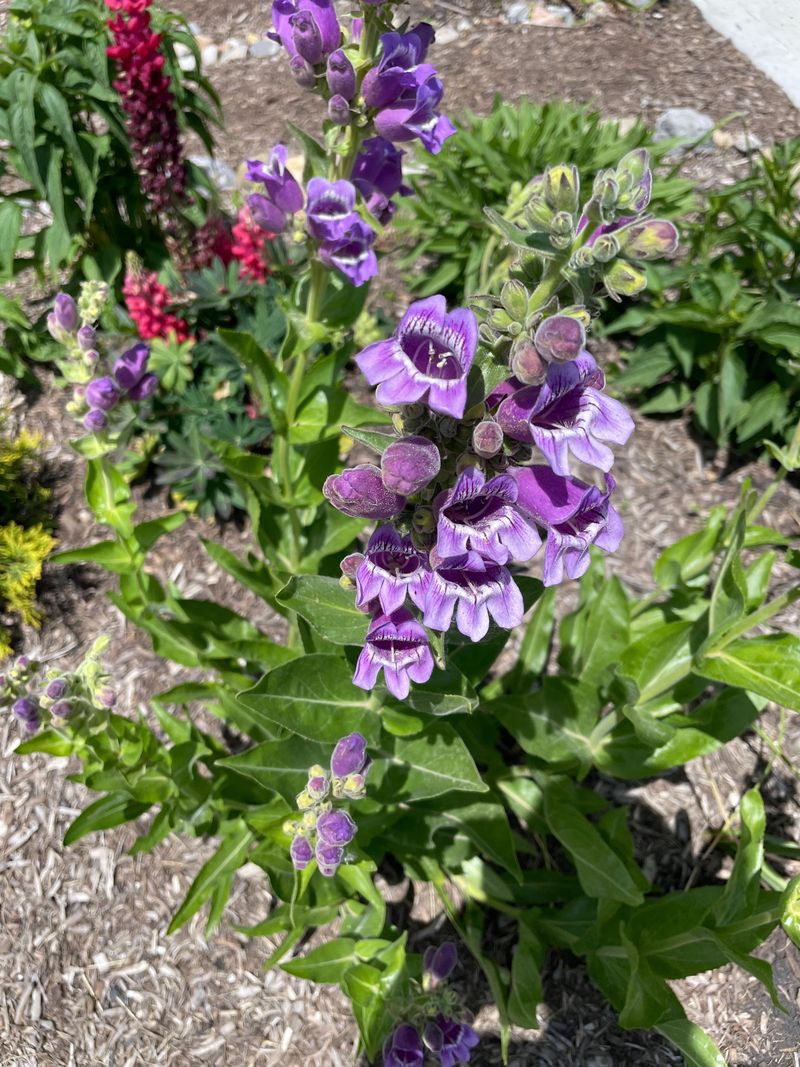
If you want tall, showy flower spikes that bring serious color to a dry garden, penstemon is the plant to reach for. The tubular blooms come in shades of red, pink, purple, and white, and they rise up on elegant stems that sway gently in the breeze.
It is hard not to stop and admire them.
Penstemon is wonderfully adapted to California’s climate. Many species are native to the state and have evolved to handle dry summers, fast-draining soils, and intense sunshine.
Once established, these plants need very little supplemental water, which makes them a perfect swap for thirsty tropical bloomers.
Hummingbirds are especially drawn to the red and pink varieties, so expect some lively visitors once your penstemon gets going. Bees also love the flowers, adding even more activity to your garden throughout spring and early summer.
There are dozens of penstemon species suited to different California regions, from coastal gardens to hot inland valleys. Choosing a locally native species gives you the best chance of success with minimal effort.
Plant penstemon in full sun with excellent drainage, and avoid overwatering. It is a plant that rewards a hands-off approach with spectacular, season-long color.
5. Seaside Daisy
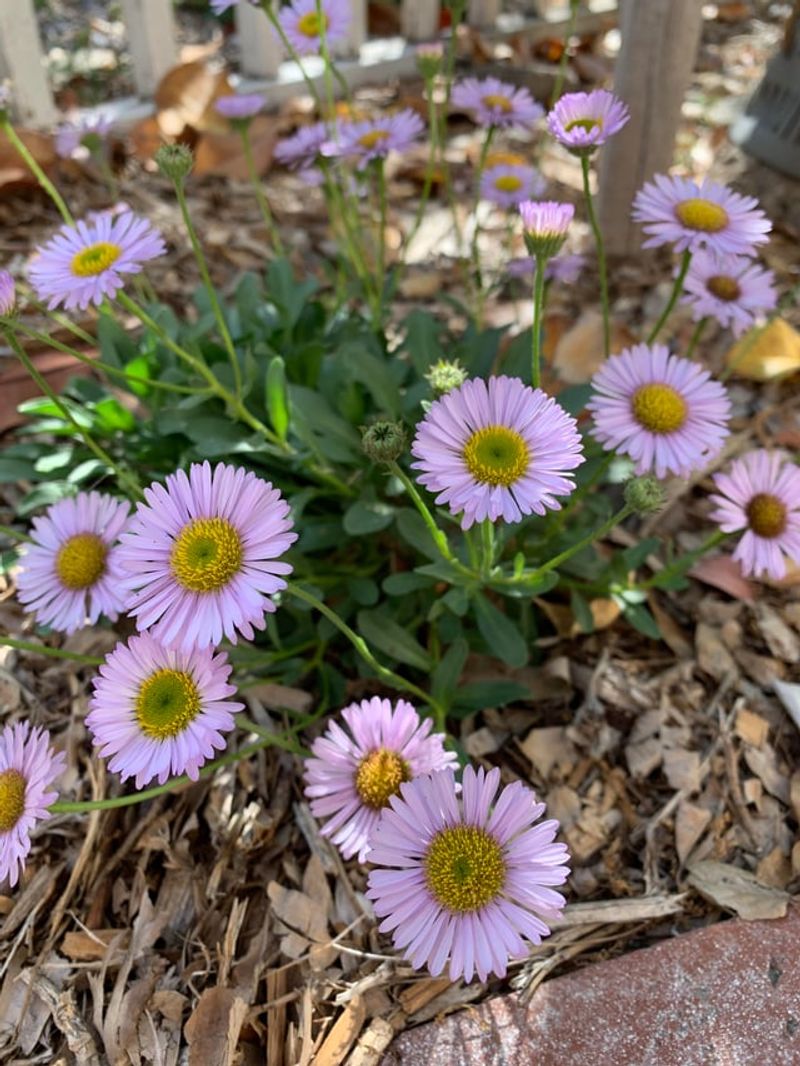
Cheerful, compact, and wonderfully easy to grow, seaside daisy is one of those plants that just makes a garden feel happy. The small lavender-purple flowers with bright yellow centers bloom for much of the year in mild California climates.
They pop up in waves, giving the garden a soft, natural feel.
Despite its delicate appearance, seaside daisy is a tough little plant. It handles coastal winds, dry spells, and poor soil without much fuss.
It is native to the California coast, so it is especially well suited to gardens near the ocean, though it also performs well in inland areas with moderate temperatures.
Seaside daisy works beautifully as a ground cover, spreading low and wide to fill in spaces between other plants or along garden borders. It stays under a foot tall, which makes it a great front-of-border plant that does not block the view of taller plants behind it.
Because it blooms for such a long stretch of the year, seaside daisy earns its keep in any California garden. It attracts bees and butterflies and pairs nicely with other low-water natives.
Water it occasionally during the first season to help it settle in, then step back and enjoy the show it puts on.
6. Coral Bells
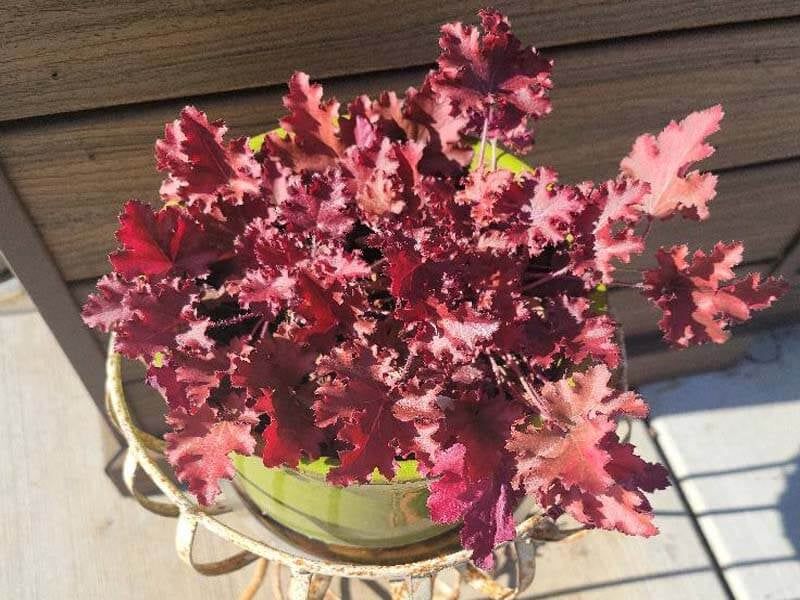
Most plants make you choose between great flowers or great foliage. Coral bells gives you both without asking for much in return.
The leaves come in a stunning range of colors including deep burgundy, copper, lime green, and silver. The foliage alone makes it a showstopper in any garden bed.
On top of the bold leaves, coral bells sends up slender, wiry stems topped with tiny bell-shaped flowers in shades of pink, red, and white. Hummingbirds find these flowers irresistible, adding movement and life to shaded or partly shaded corners of a California garden.
Coral bells is more drought-tolerant than many gardeners expect. Once established in well-drained soil, it handles dry spells quite well, especially in coastal and moderate inland areas of California.
It prefers some afternoon shade in hotter inland regions, which actually makes it a great option for spots that get too much sun for other shade-loving plants.
It is a long-lived perennial that looks great year-round, even when it is not in bloom. Use it as an edging plant, tuck it under trees, or mix it into a container planting.
The variety of leaf colors available means you can mix and match coral bells to create a rich, layered look in your California garden.
7. Blue Eyed Grass
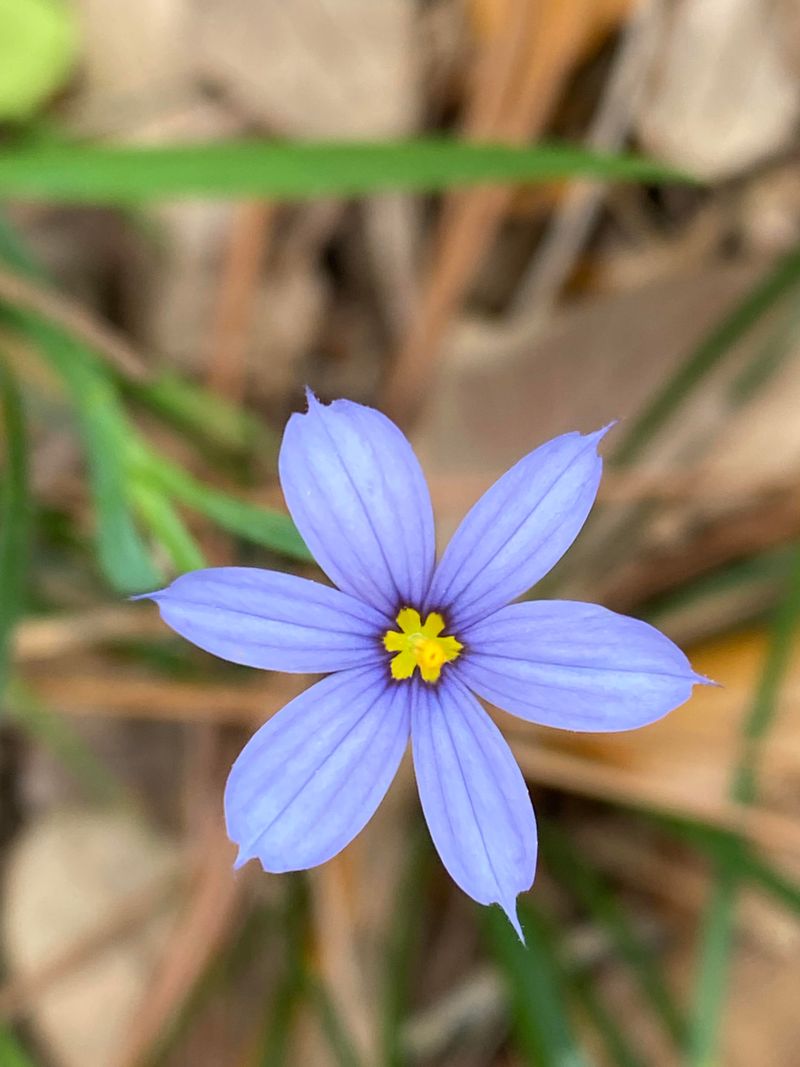
Do not let the name fool you. Blue eyed grass is not actually a grass at all.
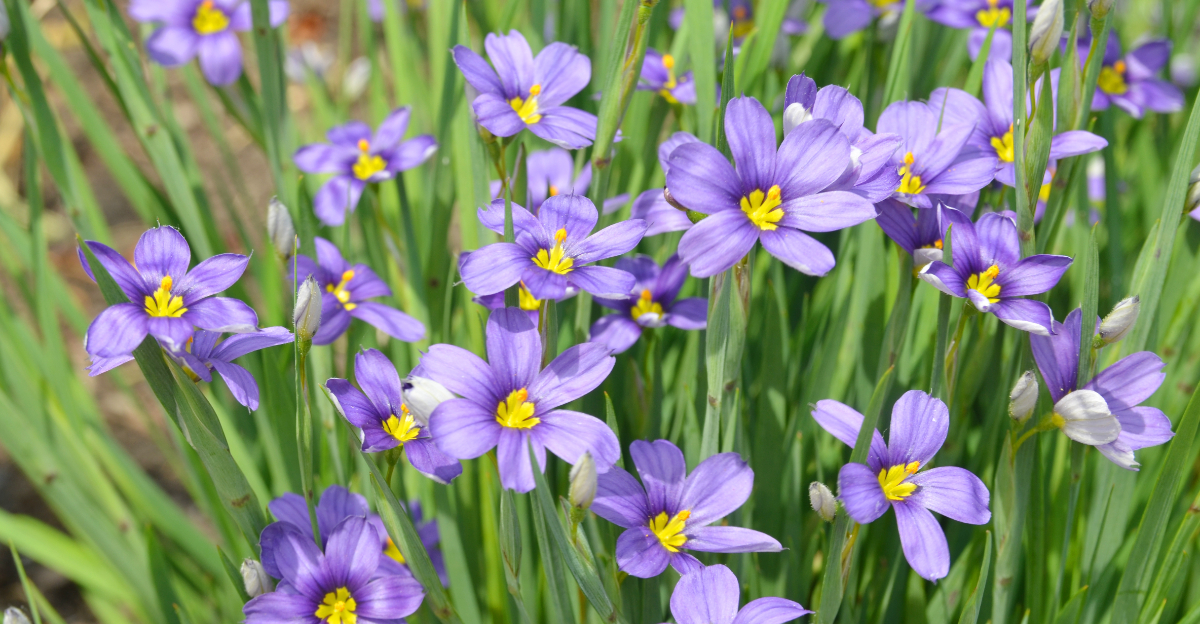
It belongs to the iris family and produces the most charming little blue-purple flowers with sunny yellow centers that look like tiny stars scattered across a sea of green. It is one of California’s most lovable native plants.
Growing blue eyed grass in a California garden is a smart move for anyone cutting back on water use. It thrives in full sun to light shade and tolerates dry conditions well once it gets established.
The plant forms tidy, grass-like clumps that stay neat without much maintenance.
Bloom time runs from late winter through spring, which means it brings color to the garden early in the season when many other plants are just waking up. After blooming, the foliage stays green and attractive, providing texture and structure in the garden bed throughout the rest of the year.
Blue eyed grass looks wonderful planted in drifts or masses, creating a meadow-like effect that feels natural and relaxed. It also works well in rock gardens, along pathways, or mixed into a native plant garden.
For a low-fuss, high-charm addition to a California garden, this little plant delivers in a big way every single year.
8. Blanket Flower
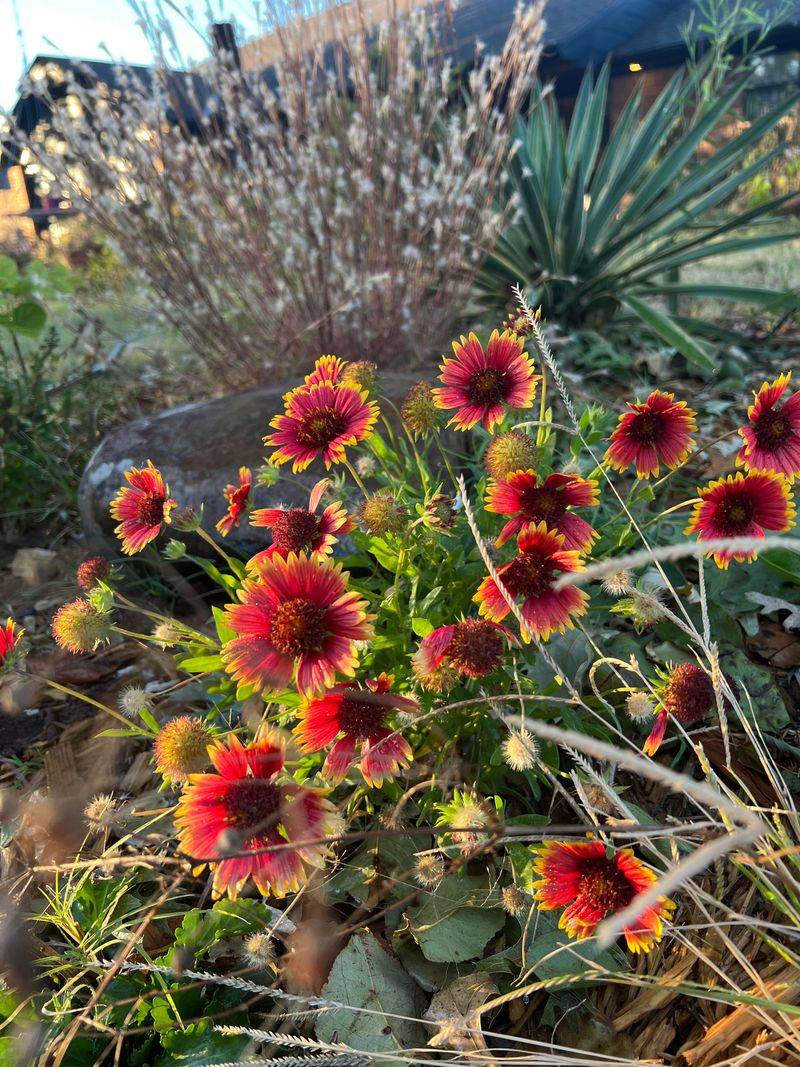
Bold, fiery, and almost impossible to ignore, blanket flower brings the kind of color to a California garden that tropical plants promise but rarely deliver without heavy watering. The daisy-like blooms come in blazing combinations of red, orange, and yellow that look like a sunset captured in flower form.
Blanket flower is one of the most heat and drought-tolerant flowering perennials available to California gardeners. It thrives in full sun, poor soil, and dry conditions.
In fact, too much water or rich soil can actually shorten its lifespan. This is a plant that prefers to be left alone once it gets going.
It blooms from late spring all the way through fall, giving you months of continuous color. Deadheading spent flowers encourages even more blooms, so a little bit of regular grooming goes a long way.
Butterflies and bees are regular visitors, making the garden feel lively and full of activity.
Blanket flower works well in borders, cottage-style gardens, and dry meadow plantings throughout California. It pairs beautifully with yarrow, penstemon, and California buckwheat for a cohesive, water-smart color scheme.
If you miss the tropical look of big, bold blooms, blanket flower is one of the best low-water alternatives you can plant.
9. Douglas Iris
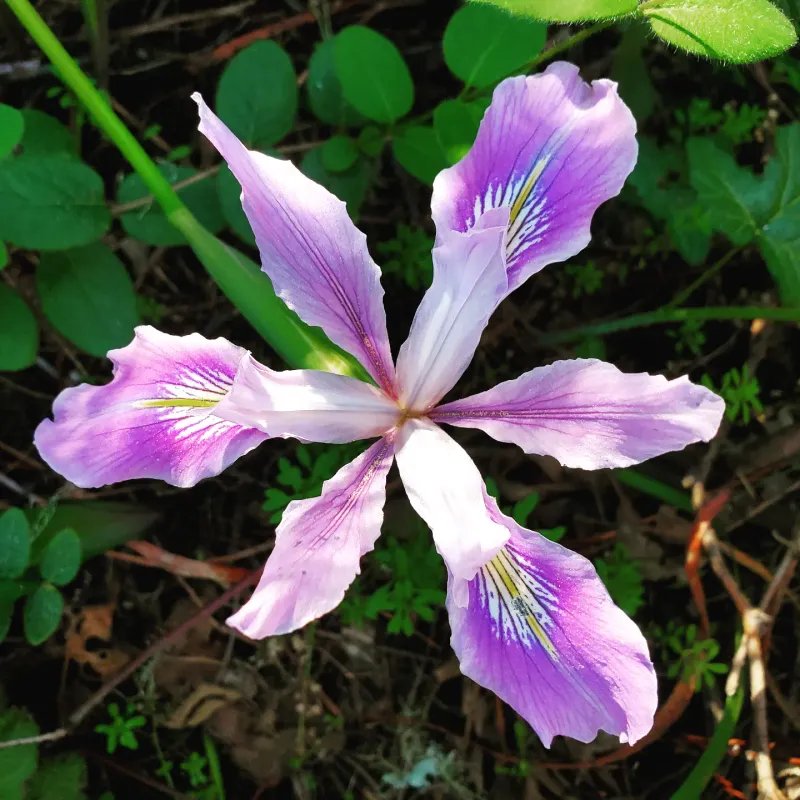
There is something quietly elegant about Douglas iris that makes it stand apart from flashier garden plants. The flowers come in beautiful shades of purple, lavender, blue, white, and cream, often with delicate veining that gives each bloom a hand-painted look.
It is a California native with real visual sophistication.
Douglas iris is naturally adapted to the dry summers of California, going dormant during the hottest months and reviving with the return of fall rains. That cycle makes it a genuinely low-water plant that fits right into a Mediterranean-style or native plant garden with minimal effort from the gardener.
It grows best in part shade to full sun depending on the region. In hotter inland areas of California, afternoon shade helps it stay healthy and looking its best.
In coastal regions, it handles full sun quite well and spreads into attractive, weed-suppressing clumps over time.
Douglas iris blooms in late winter to early spring, filling the garden with color at a time when not much else is putting on a show. It pairs beautifully with blue eyed grass, coral bells, and California fuchsia for a layered, all-native garden design.
Once established, it is a reliable, low-maintenance perennial that rewards California gardeners with stunning blooms year after year.