What To Do With Bolting Lettuce In Arizona Before Heat Hits
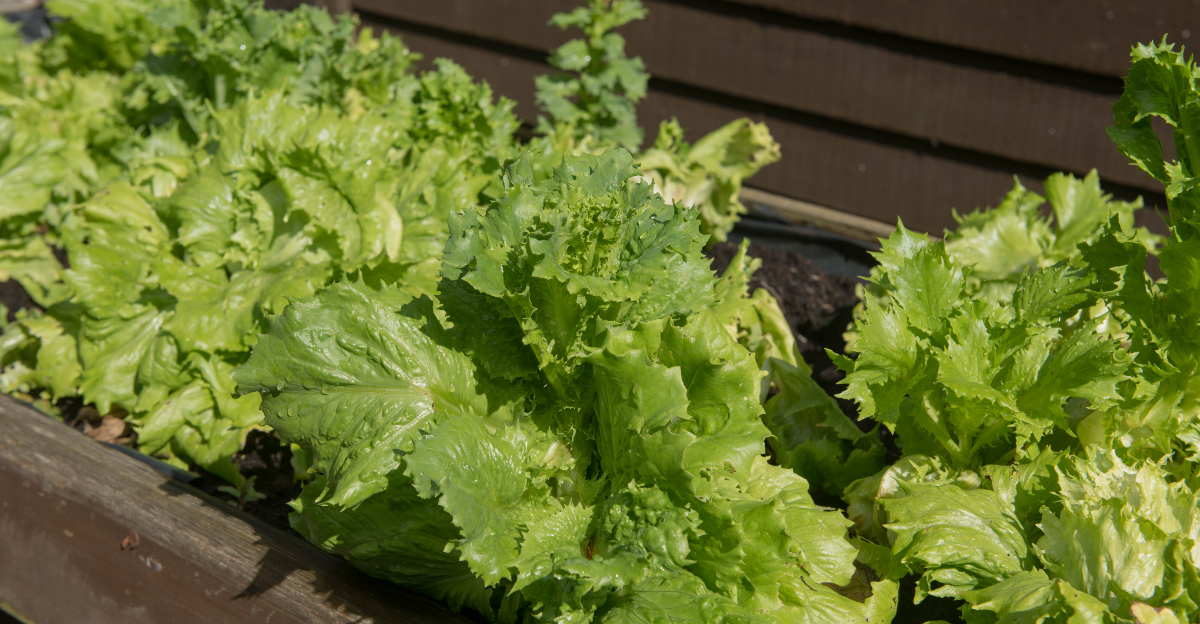
Lettuce does not give much warning in Arizona when heat starts to build. A bed that looked full and ready for harvest can shift almost overnight, with tall centers and a sharp change in taste that feels frustrating after weeks of care.
That quick turn often leaves people unsure what just happened or what to do next.
Many plants still hold value at this stage, even when they no longer look like perfect salad greens. The challenge is knowing how to handle that change before rising temperatures push things too far.
Timing matters more than it seems, and small choices now can make a noticeable difference.
With the right approach, that sudden shift does not have to feel like a loss. There are ways to make the most of lettuce at this point while the season still has a little time left.
1. Harvest Leaves Early Before Flavor Turns Bitter
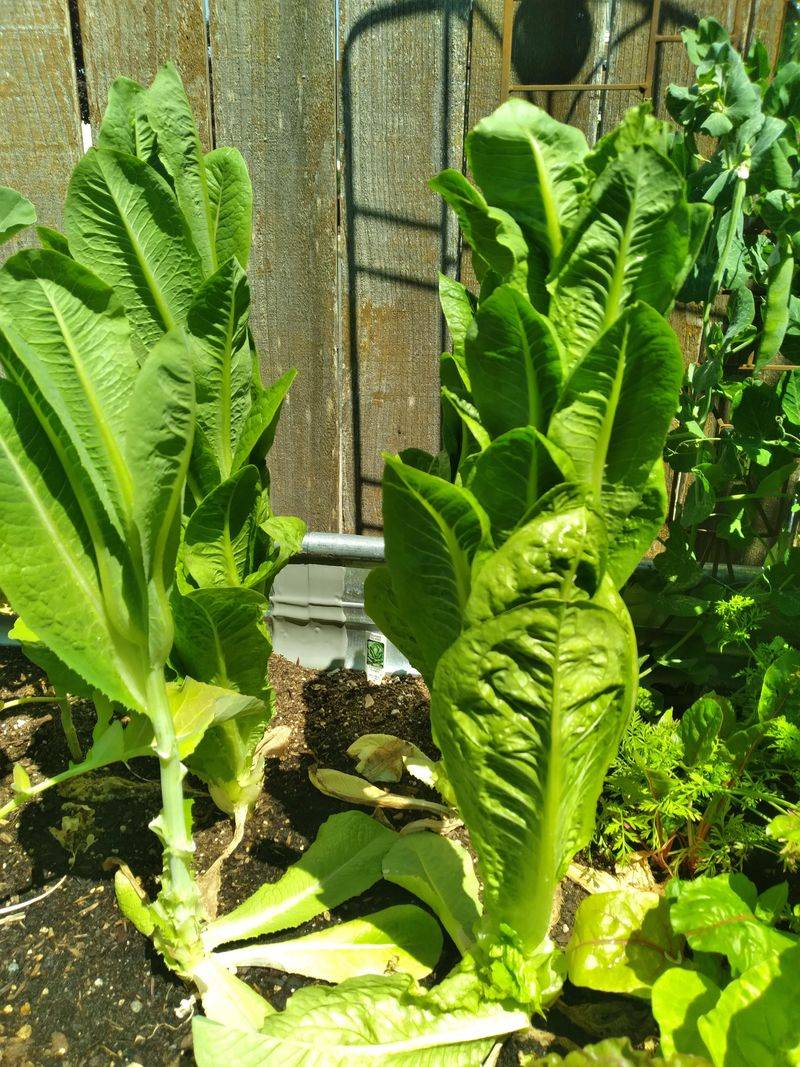
Bitter lettuce sneaks up on you fast, especially in Arizona’s spring heat. One week your salad greens taste crisp and mild, and the next they have that sharp, almost unpleasant edge that makes you want to skip the salad entirely.
The moment you notice your lettuce starting to stretch upward, stop waiting and start picking.
Bolting begins when the plant shifts its energy from leaf production to flowering. Leaves get thinner, more pointed, and noticeably more bitter as that process kicks in.
Harvesting before the stalk fully develops gives you a window to grab usable greens while they still taste decent.
Early morning is the best time to harvest in Arizona. Temperatures are cooler, the plant still has moisture from overnight, and leaves hold their texture better when cut before afternoon heat sets in.
Grab a clean pair of scissors or garden snips and cut outer leaves first, working your way inward.
Even if a few leaves already taste a little sharp, don’t toss them automatically. Mixing bitter leaves with milder greens like spinach or arugula can balance the flavor in a salad.
A simple lemon dressing also helps cut through bitterness without masking the flavor entirely.
2. Cut The Plant Back To Slow Down Bolting
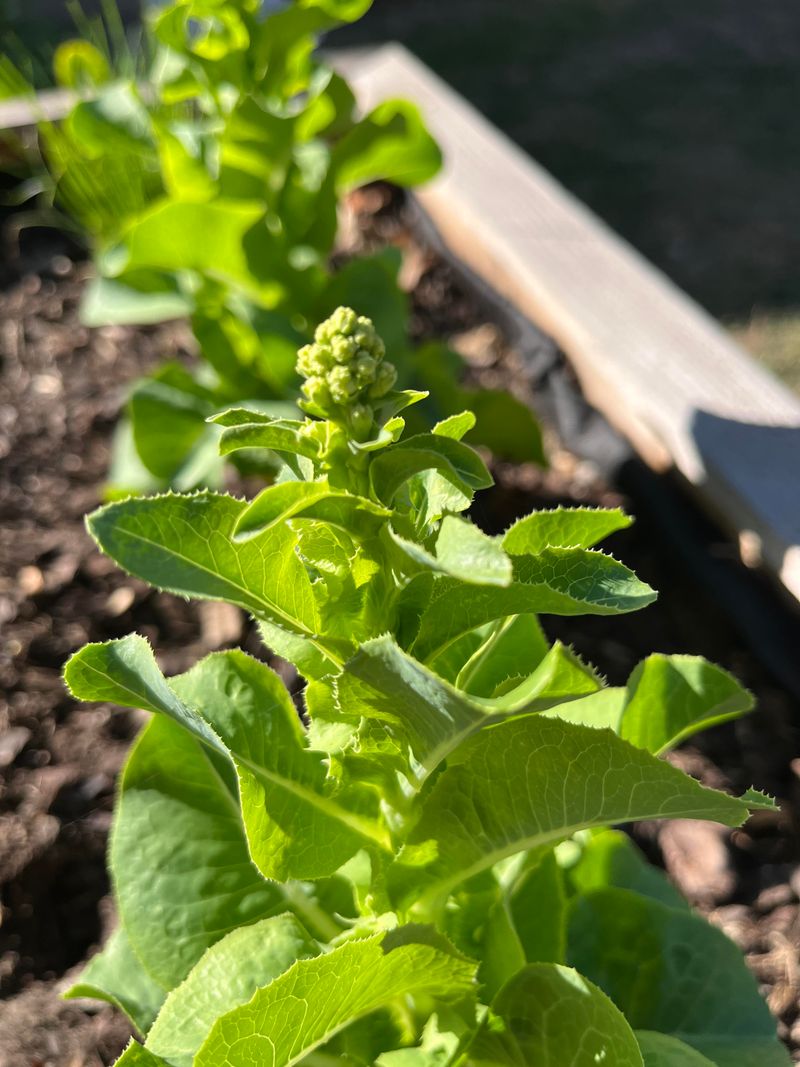
Cutting back a bolting lettuce plant sounds drastic, but it can genuinely buy you more time before the heat makes everything pointless.
When a lettuce plant sends up a flower stalk, snipping that stalk off near the base forces the plant to redirect energy back toward leaf growth.
It’s not a permanent fix, but it works well enough to matter.
Use sharp, clean scissors or pruning shears so you’re making a clean cut rather than crushing the stem. Remove the central flower stalk completely, cutting it as low as you can without damaging surrounding leaves.
If small side shoots are already developing, trim those back too.
After cutting, the plant will often push out a fresh flush of new leaves within several days. Those new leaves tend to be smaller but noticeably less bitter than the ones that were already on the verge of bolting.
Your Arizona Garden Changes Every Week. Your Plan Should Too.
Gardening in Arizona changes quickly throughout the season. Every Friday you’ll receive a simple weekly plan showing exactly what to plant, prune, fertilize, harvest, and protect so you never miss the right timing.
In Arizona, where the spring growing window is tight, that extra week or two of fresh growth matters.
Keep in mind this works better on leaf lettuce varieties than on romaine or butterhead types. Romaine tends to bolt more aggressively, and cutting it back may not produce much regrowth before temperatures climb past what the plant can handle.
Leaf varieties like Red Sails or Oak Leaf respond more reliably to cutback pruning.
3. Move Containers To Partial Shade To Reduce Heat Stress
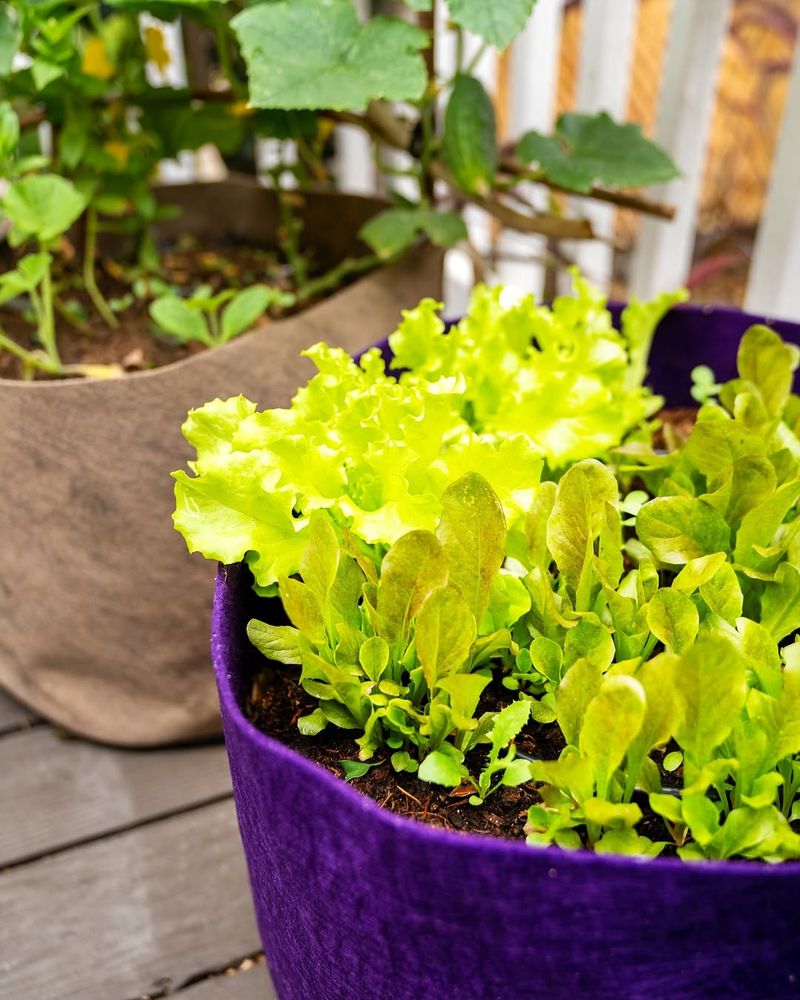
Container gardening has one big advantage over in-ground beds in Arizona — you can actually move your plants.
When lettuce starts bolting in response to rising temperatures and longer daylight hours, getting those pots out of direct afternoon sun can slow the process down noticeably.
In the Phoenix and Tucson areas, afternoon sun from about 1 p.m. onward becomes intense enough to stress cool-season crops quickly.
Moving containers to a spot that gets morning sun but afternoon shade is often enough to lower soil temperature by several degrees, and that difference matters to a lettuce plant trying to stay in leaf production mode.
East-facing walls, covered patios, or spots shaded by taller plants like tomato cages or sunflowers are all solid options. You’re not trying to block all light — lettuce still needs several hours of sun to keep growing.
Aim for a balance where the plant gets bright morning light and is protected from the harshest midday and afternoon heat.
Soil temperature in containers can spike dramatically on hot Arizona afternoons. Using light-colored pots or wrapping dark containers with burlap or a cloth can also help reflect heat and keep roots cooler.
4. Water Consistently To Keep Growth From Speeding Up
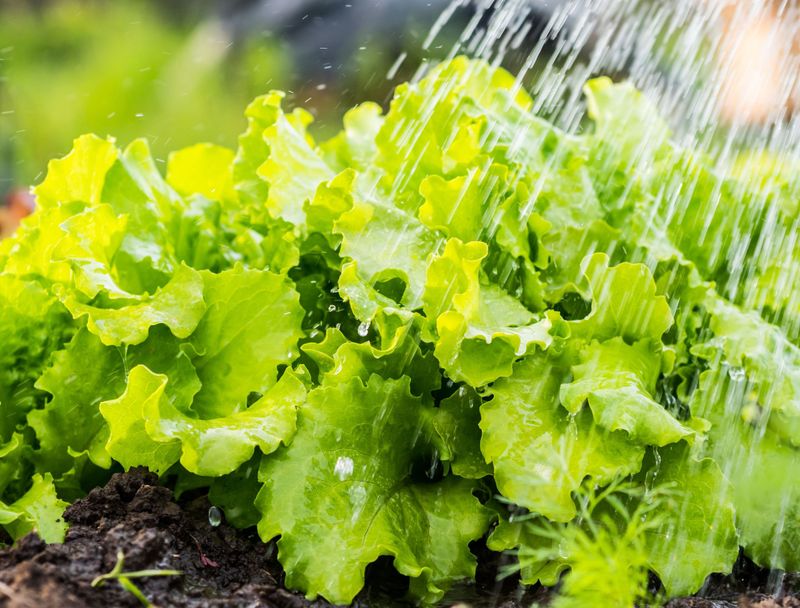
Stressed plants bolt faster — that’s just how it works. Lettuce that goes through wet and dry cycles in Arizona’s spring heat reads that inconsistency as a signal to hurry up and reproduce before conditions get worse.
Keeping soil moisture steady is one of the most straightforward ways to slow that response down.
Deep, consistent watering works better than frequent shallow watering. When you water lightly every day, moisture only reaches the top inch or two of soil, which dries out fast in Arizona’s low humidity and heat.
Watering less often but more thoroughly encourages roots to go deeper, where soil stays cooler and more stable.
Early morning watering is strongly recommended in Arizona. Evening watering leaves foliage damp overnight, which can invite fungal issues in some conditions.
Morning watering lets the soil absorb moisture before evaporation peaks, and the plant gets hydration right before the hottest part of the day hits.
Mulching around lettuce plants makes a real difference. A two-to-three inch layer of straw or shredded leaves helps hold soil moisture between waterings and keeps soil temperature from spiking as dramatically during afternoon heat.
Less temperature fluctuation means less stress on the plant, which can delay bolting by several days.
5. Let A Few Plants Flower To Collect Seeds For Fall
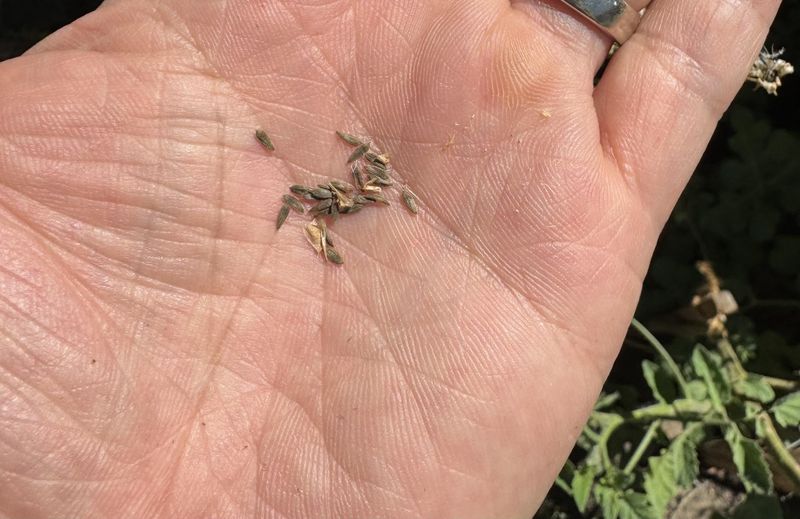
Not every bolting lettuce plant needs to be pulled or eaten. Letting a handful go to flower on purpose gives you something genuinely useful — free seeds for your fall planting season.
In Arizona, fall is actually one of the best times to grow lettuce, and using seeds saved from your own plants is a smart and cost-free way to prepare for it.
Choose your healthiest, most vigorous plants for seed saving. Plants that bolted later than the others or showed better heat resistance are worth selecting, since those traits can carry forward in the seeds.
It’s not a precise science at the home garden level, but selecting from stronger plants is still better than choosing randomly.
Lettuce flowers are small and yellow, and they self-pollinate easily, which makes seed saving relatively straightforward. After flowers appear, small seed heads develop that look a bit like tiny dandelion puffs.
Let those seed heads dry completely on the plant before collecting them — cutting too early means seeds won’t be viable.
Once seed heads look dry and papery, cut the stalks and shake them into a paper bag or envelope. Store seeds in a cool, dry spot away from direct sunlight.
6. Use Bolting Lettuce In Cooked Dishes Instead Of Raw
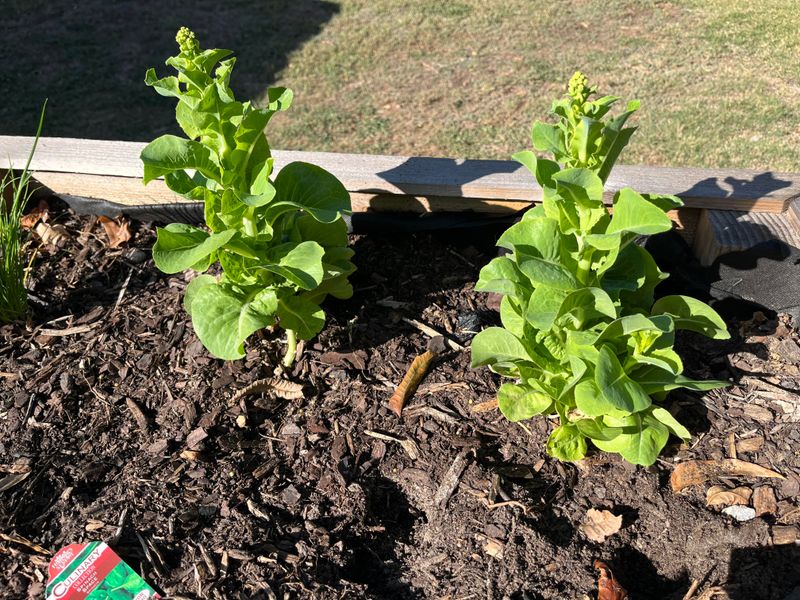
Bitter leaves don’t have to go to waste just because they’re past their salad prime.
Cooking changes the flavor profile of bolting lettuce significantly — heat breaks down the compounds that cause bitterness, leaving behind a mild, slightly earthy green that works surprisingly well in warm dishes.
Many home cooks in Arizona discover this trick out of necessity and end up using it regularly.
Sauteing bolting lettuce with olive oil and garlic is probably the easiest approach. Roughly chop the leaves, toss them into a hot pan with a little oil, and cook for two to three minutes until wilted.
The bitterness mellows out almost completely, and what you’re left with tastes similar to cooked spinach or chard.
Wilted lettuce also works well stirred into soups and stews during the last few minutes of cooking. Adding it too early causes it to break down entirely, but a short simmer at the end gives it time to soften without disappearing into the broth.
Lentil soup, chicken broth-based soups, and simple vegetable stews all work well as base dishes.
Stir-fries are another solid option. Bolting romaine or leaf lettuce holds up reasonably well in high-heat cooking, especially when added toward the end of the stir-fry process.
7. Replace With Heat-Tolerant Greens As Temperatures Rise
At some point, the lettuce season in Arizona simply ends, and fighting that reality wastes time and energy. When daytime temperatures push consistently above 85 to 90 degrees Fahrenheit, most lettuce varieties are done regardless of what you do.
Accepting that and transitioning to heat-tolerant greens keeps your garden productive through the brutal summer months.
Swiss chard is one of the most reliable warm-season greens for Arizona gardens. It handles heat far better than lettuce, keeps producing through summer with consistent watering, and tastes mild enough to use in most of the same ways you’d use lettuce in cooked dishes.
Rainbow chard varieties also add some visual interest to a summer garden that can start looking pretty sparse.
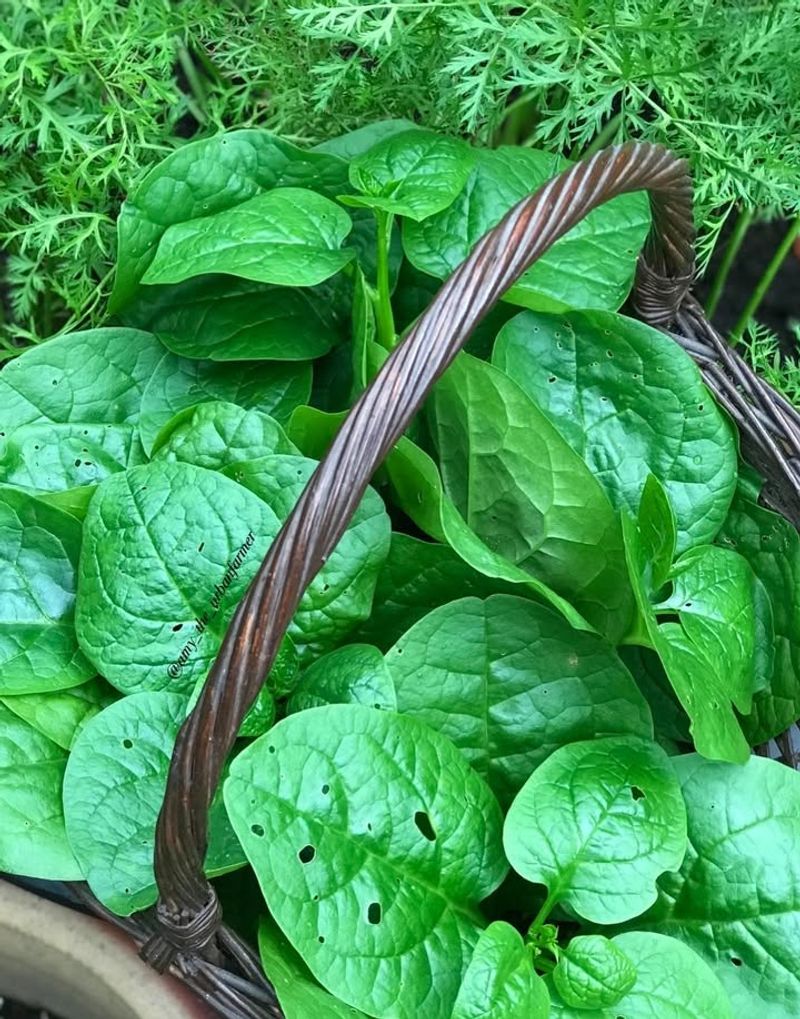
Malabar spinach is another strong option, especially for Arizona’s low desert regions. Despite the name, it’s not a true spinach — it’s a climbing vine that thrives in heat and humidity.
Leaves are thick and slightly mucilaginous, which makes them better in cooked dishes than raw salads, but the plant keeps producing all summer long with minimal fuss.
Amaranth greens grow quickly in Arizona heat and can be harvested young for salads or cooked like spinach. They’re also extremely drought-tolerant once they get going, which is a real advantage during summer water restrictions or when schedules get unpredictable.