8 Native Wildflowers That Practically Grow Themselves In Georgia
Georgia yards do not have to be carefully managed to feel alive. Some of the most eye catching color shows up in places where plants are simply left to do what they are built to do.
Native wildflowers fall right into that category, bringing in color, texture, and a natural rhythm that does not look forced or overly planned.
Once they settle in, they start showing up on their own terms, and that is exactly what makes them stand out.
It is easy to overlook how much easier the right plant choice can make everything. These wildflowers handle Georgia soil, weather shifts, and seasonal changes without constant attention.
They do not need perfect timing or extra effort to keep going. Give them a place to grow, and they tend to take it from there in a way that feels almost effortless.
1. Phlox Brings Reliable Color And Returns Each Year In Georgia
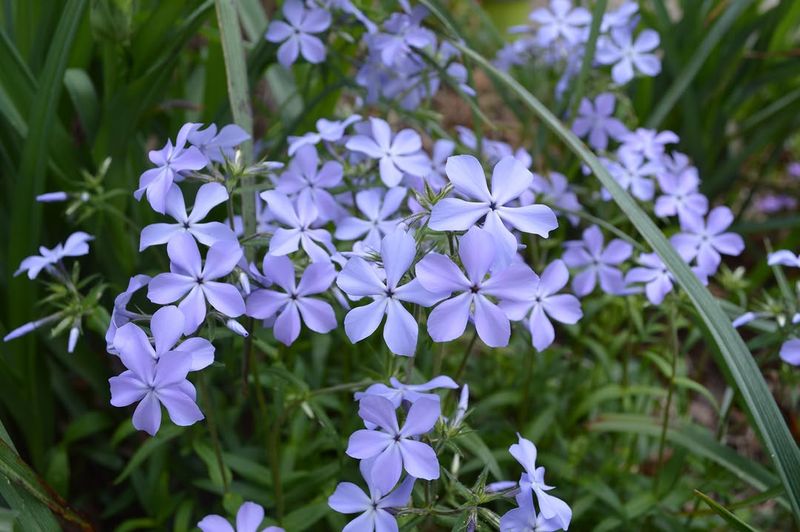
Phlox, especially Phlox divaricata and Phlox paniculata, is a true native wildflower that fits naturally into Georgia landscapes without demanding constant care.
It grows across woodlands, garden edges, and open spaces throughout the state, adapting easily to local soil and weather patterns.
Spring-blooming woodland phlox produces soft blue and lavender flowers that create a calm, natural look, while garden phlox carries color into summer with fuller clusters in shades of pink, purple, and white.
This extended bloom window helps keep a garden active longer without needing to replant or rotate seasonal flowers.
It performs best in partial sun to full sun depending on the variety, and it handles Georgia’s humidity better than many other flowering plants when given good airflow. Soil does not need to be perfect, but moderate drainage helps prevent common issues.
Once established, phlox manages with occasional watering during dry periods and does not require heavy feeding.
Pollinators are drawn to it consistently, especially butterflies and native bees, which adds movement and activity throughout the season. It also spreads gradually without becoming invasive, filling in gaps over time in a natural way.
That steady growth, combined with reliable blooms, makes phlox one of the easiest native wildflowers to maintain in Georgia gardens.
It also blends easily with other native plants, helping create a more natural, layered planting without extra effort.
2. Ironweed Stands Tall And Comes Back Reliably
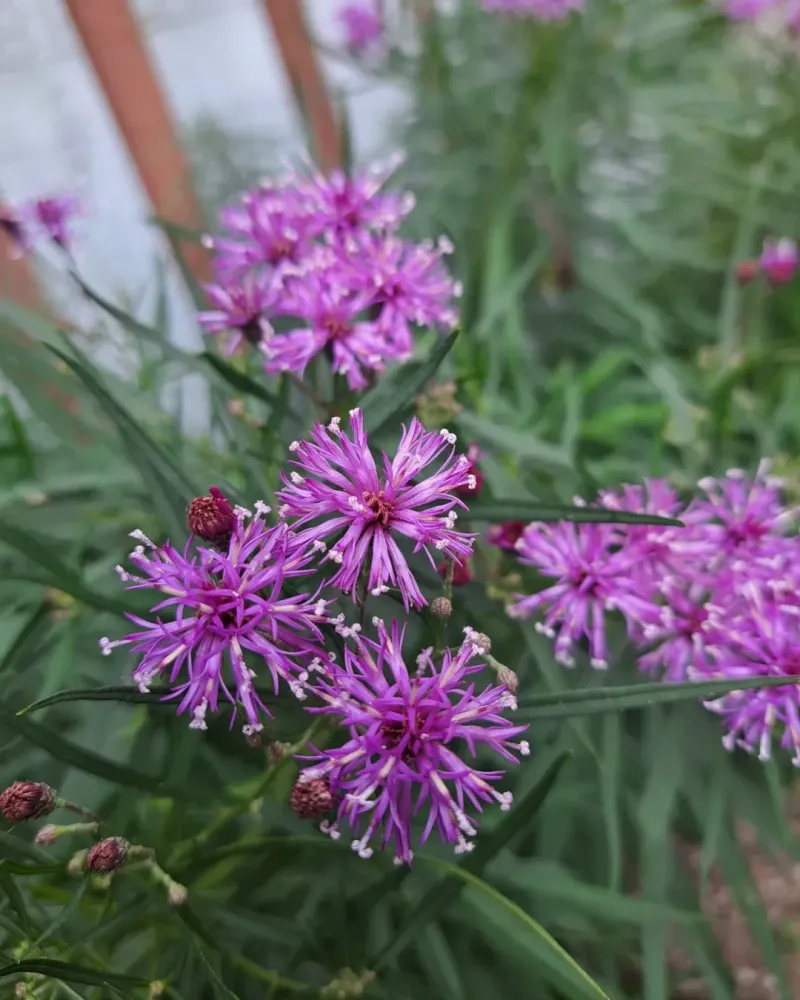
Nothing in a late-summer Georgia garden commands attention quite like Ironweed. Vernonia noveboracensis and related species shoot up four to six feet tall and erupt in clusters of the most saturated purple you’ll see in any native planting.
It’s not subtle, and that’s exactly the point — Ironweed makes a statement while doing the work of supporting native pollinators at the same time.
Blooms typically arrive in August and September across Georgia, overlapping with Goldenrod in a classic native pairing that pollinators visit heavily.
Ironweed handles moist, low-lying spots that other wildflowers tend to avoid, which makes it useful for areas where water lingers after heavy rain.
It also grows in average garden soil with no amendments needed.
Your Georgia Garden Changes Every Week. Your Plan Should Too.
Gardening in Georgia changes quickly throughout the season. Every Friday you’ll receive a simple weekly plan showing exactly what to plant, prune, fertilize, harvest, and protect so you never miss the right timing.
Plants spread slowly through self-seeding and rhizomes, but they’re not aggressive enough to become a problem in most yard settings.
Cutting the tall stems back by one-third in early summer reduces the final height and can delay bloom time slightly, which some gardeners use to extend the season across a planting.
In Georgia’s warmer regions, Ironweed may stay green well into November before going dormant. Cut old stems to the ground in late winter and new growth will push up from the base reliably.
Pairing it with shorter native grasses or coneflowers creates a layered look that holds visual interest from summer through early winter.
3. Purple Coneflower Returns Each Year With Little Effort
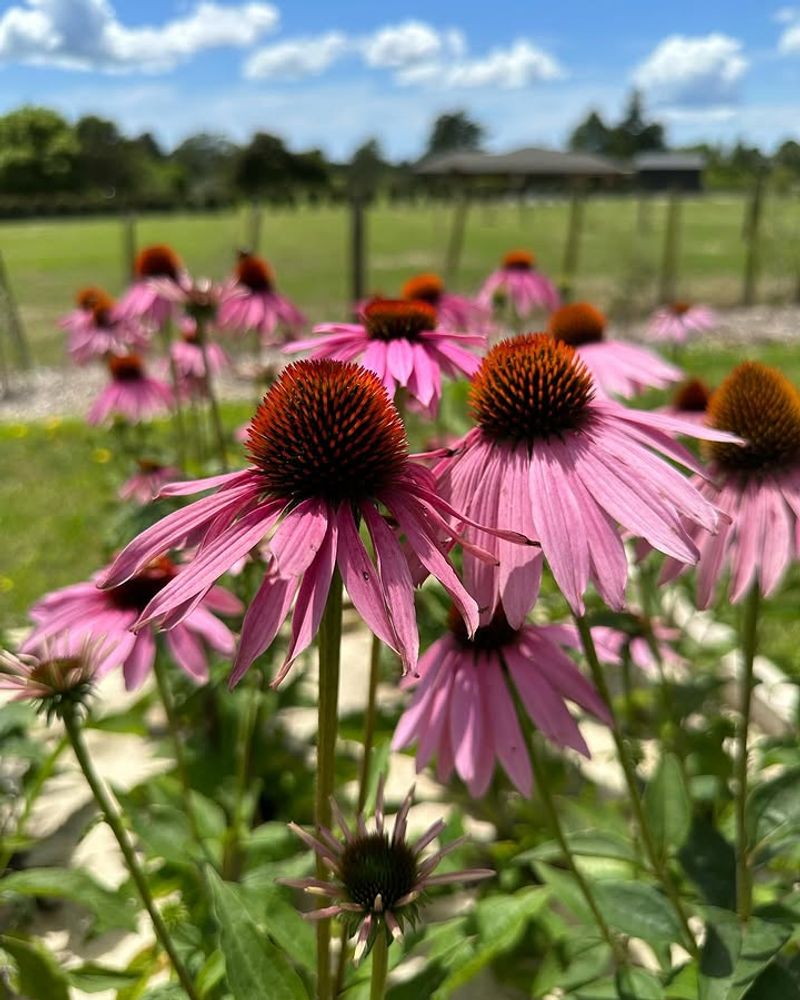
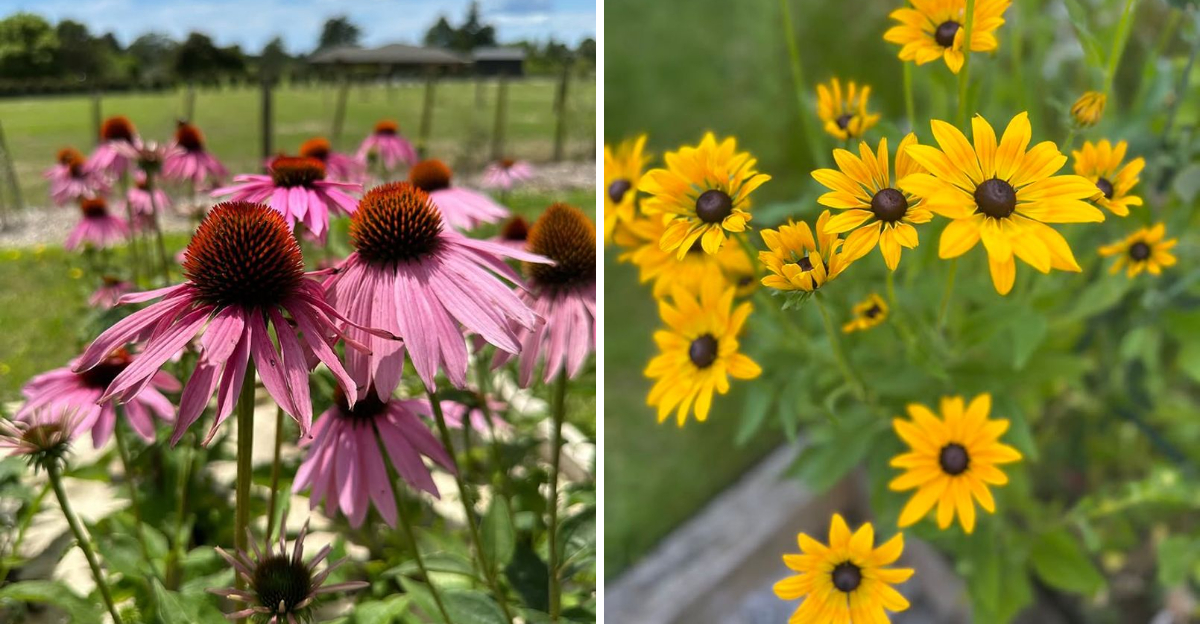
Purple Coneflower is the kind of plant that makes you look like you know what you’re doing, even if you’re still figuring it out. Echinacea purpurea is a true perennial that comes back reliably in Georgia, often getting fuller and more impressive each season.
The rosy-purple petals and spiky orange-brown center cones are easy to spot from across the yard.
It blooms from late spring into midsummer across most of Georgia, which overlaps nicely with peak pollinator activity. Bees go absolutely wild for it, and monarch butterflies make regular stops too.
Plant it in a spot with full sun and decent drainage, and it tends to handle Georgia summers without much fuss.
One thing worth knowing — coneflower can struggle in spots where water pools after rain. Raised beds or sloped ground in the Georgia Piedmont work well.
Skip the fertilizer; rich soil actually produces more leaves than flowers. Leave the seed heads standing through fall and winter, because goldfinches and other small birds will pick them clean.
After a few years, clumps can be divided in early spring to spread plants around the yard without spending a dime. It’s a slow build, but a dependable one.
That kind of reliability is what keeps it coming back as a favorite in Georgia gardens year after year.
4. Black-Eyed Susan Blooms Easily With Minimal Care
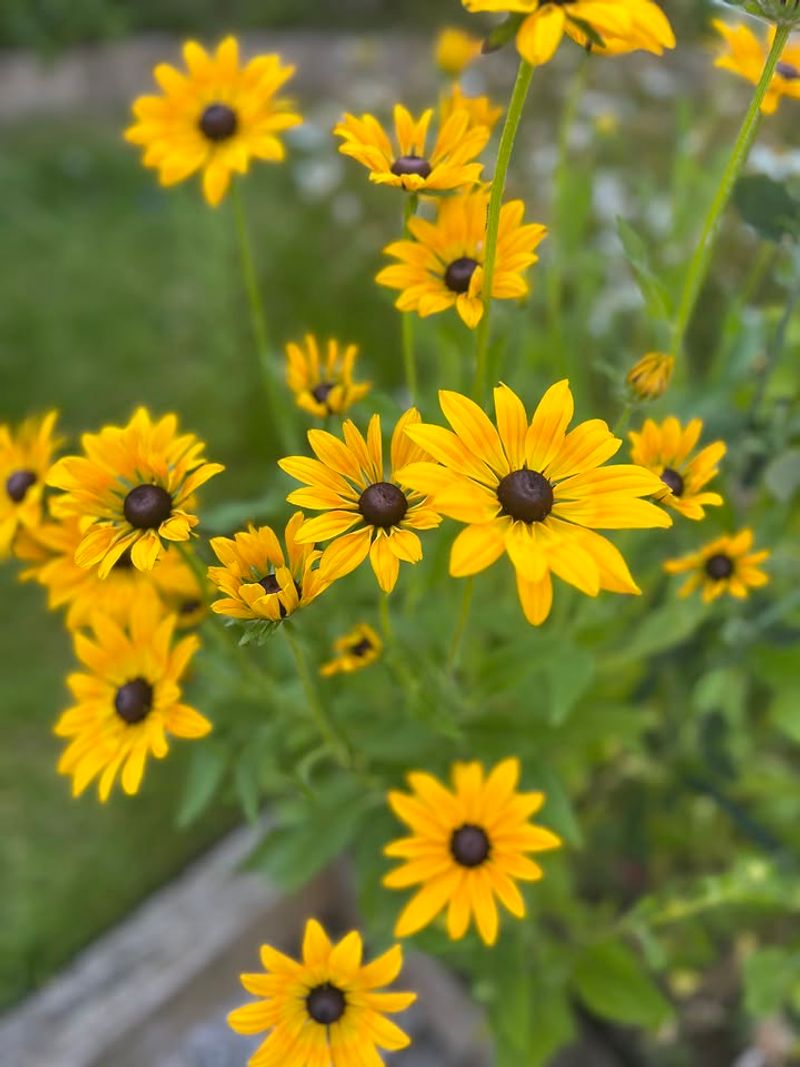
Few flowers put on a show like Black-Eyed Susan without asking much in return. Rudbeckia hirta has been lighting up Georgia roadsides and meadows for generations, and it carries that same easy energy right into a home garden.
Bright yellow petals surrounding a deep brown center — it’s the kind of flower that looks like it belongs on a postcard.
In Georgia’s climate, Black-Eyed Susan typically starts blooming in early summer and keeps going strong well into fall. It handles heat without complaint, and as long as the soil drains reasonably well, it rarely runs into trouble.
Full sun is where it performs best, though it can manage with a bit of afternoon shade during the hottest months in central and south Georgia.
Sow seeds directly in fall or early spring, and expect blooms in the first or second year depending on timing. Birds are drawn to the seed heads after flowering, so leaving them up through winter adds some wildlife value to your yard.
Deadheading can extend the bloom period, but it’s entirely optional. Self-seeding means you’ll likely see new plants pop up nearby each season, slowly filling gaps without any extra effort on your part.
That natural spread gives the planting a fuller look over time without feeling forced or overly managed.
Even in the middle of a hot Georgia summer, it keeps pushing color when other flowers start to slow down.
5. Bee Balm Grows Strong With Basic Care
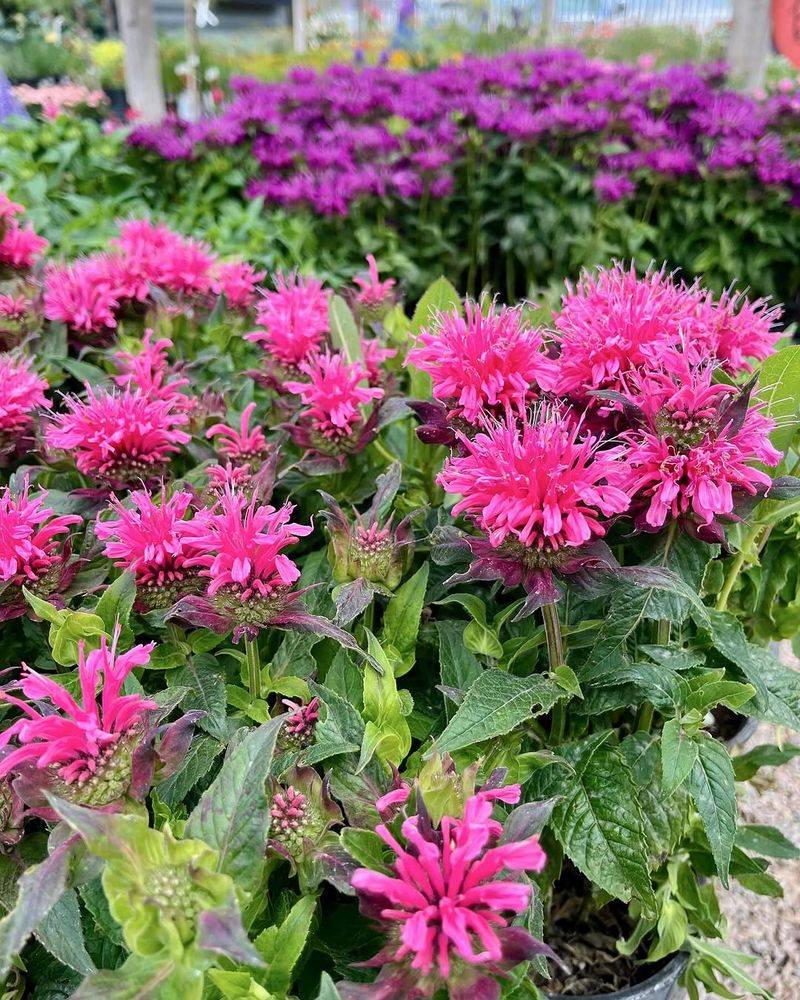
Bee Balm has a personality that’s hard to ignore — shaggy, bold, and buzzing with activity from the moment it opens.
Monarda species native to Georgia produce clusters of tubular flowers in shades of red, pink, and lavender that hummingbirds and native bees find irresistible.
It’s one of those plants that earns its space by doing double duty as both a pollinator magnet and a visual standout.
It grows well across most of Georgia in spots with at least partial sun. In the hotter, drier parts of south Georgia, a bit of afternoon shade and consistent moisture help it perform better.
North Georgia gardeners often find it naturalizes readily along stream banks and in moist woodland edges, which is where it tends to look most at home.
Powdery mildew can show up on leaves during humid Georgia summers, but it rarely stops the plant from flowering. Choosing mildew-resistant varieties and spacing plants for good airflow reduces the problem noticeably.
Divide clumps every two or three years to keep them vigorous and to prevent the center from thinning out. Cut stems back after the first flush of bloom to encourage a second round of flowers later in the season.
Fresh leaves have a pleasant oregano-like scent, which is a bonus when you brush past them while working in the garden.
Bee Balm spreads steadily by underground runners, so giving the plant a little room helps prevent it from crowding out nearby plants over time.
6. Goldenrod Spreads Naturally And Handles Tough Conditions
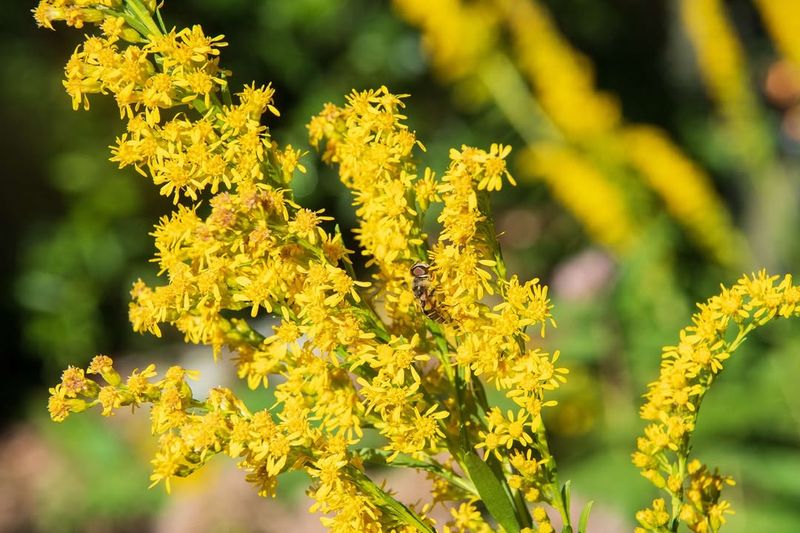
Goldenrod gets blamed for a lot of late-summer sneezing, but here’s the truth — it’s almost always ragweed doing the work, not Goldenrod. Solidago species produce heavy, sticky pollen that insects carry between plants rather than drifting through the air.
Goldenrod is actually one of the most important late-season nectar sources for pollinators across Georgia, and it’s well worth growing.
Several Goldenrod species are native to Georgia, and most of them bloom from late August into October — right when most other wildflowers are winding down. That timing matters a lot for migrating monarchs and native bees trying to build reserves before cold weather arrives.
Plants can reach three to five feet tall depending on the species and growing conditions.
Goldenrod spreads through both rhizomes and self-seeding, which means it can fill a space assertively over time. Planting it in a defined area or mowing around the edges keeps it from wandering too far.
It handles poor, dry soil well and doesn’t need fertilizer or irrigation in most parts of Georgia once plants have had a season to establish roots. Full sun produces the most flowers, but partial shade works in woodland edge settings.
Cut plants back hard in late winter to keep the growth tidy and encourage strong new stems the following season.
7. Aster Adds Late Season Color Without Extra Work
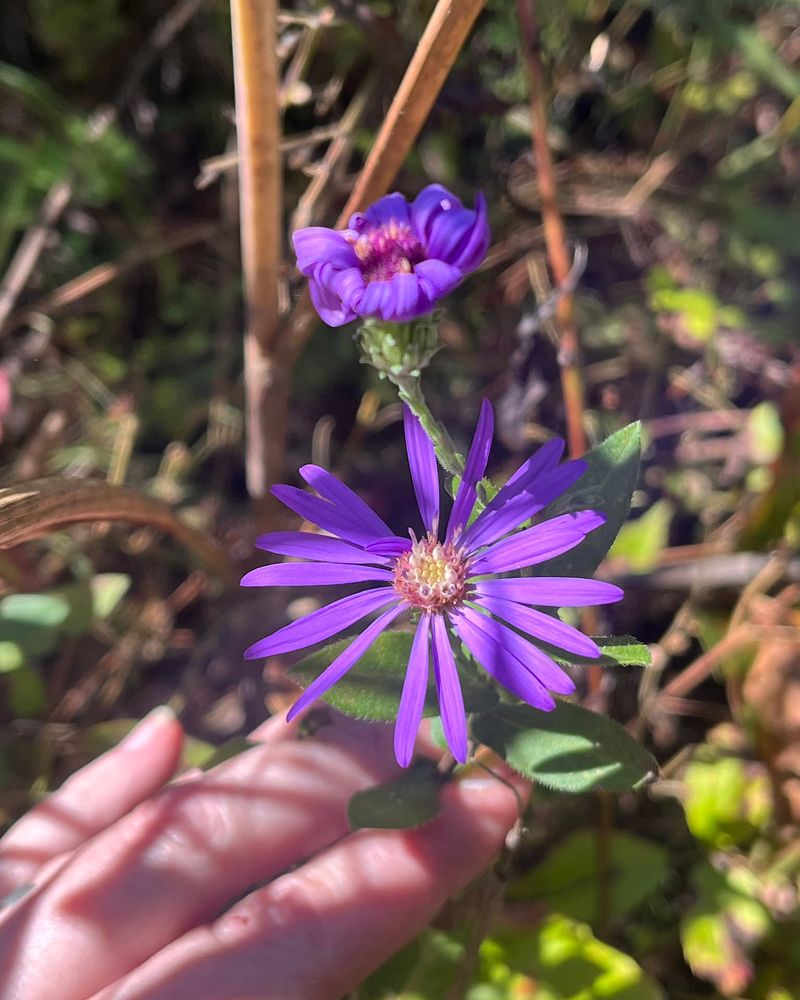
By October, most Georgia gardens are looking tired. Aster is the exception.
Native asters — especially Symphyotrichum oblongifolium and Symphyotrichum georgianum — push out waves of purple, lavender, and white blooms just when everything else is calling it a season.
Watching a patch of asters covered in late-season bees is one of the more satisfying sights a Georgia garden can offer.
Asters prefer full to partial sun and adapt to a fairly wide range of soil types, which makes them practical across different Georgia regions.
They can handle drier conditions once settled in, though consistent moisture during summer heat keeps the foliage looking better going into bloom season.
Plants typically grow two to four feet tall and can spread gradually through self-seeding over several years.
Cutting stems back by about half in late spring — around Memorial Day in Georgia — keeps plants compact and prevents the floppy, leggy look that sometimes develops by midsummer. Without that trim, taller varieties may need staking.
After blooming wraps up in late fall, leave the seed heads standing. Sparrows and finches feed on them through winter, and the dried stems provide structure in an otherwise bare garden.
Division every few years in early spring refreshes older clumps and keeps flowering strong rather than letting plants thin out from the center.
8. Blanket Flower Thrives In Dry Conditions And Keeps Blooming
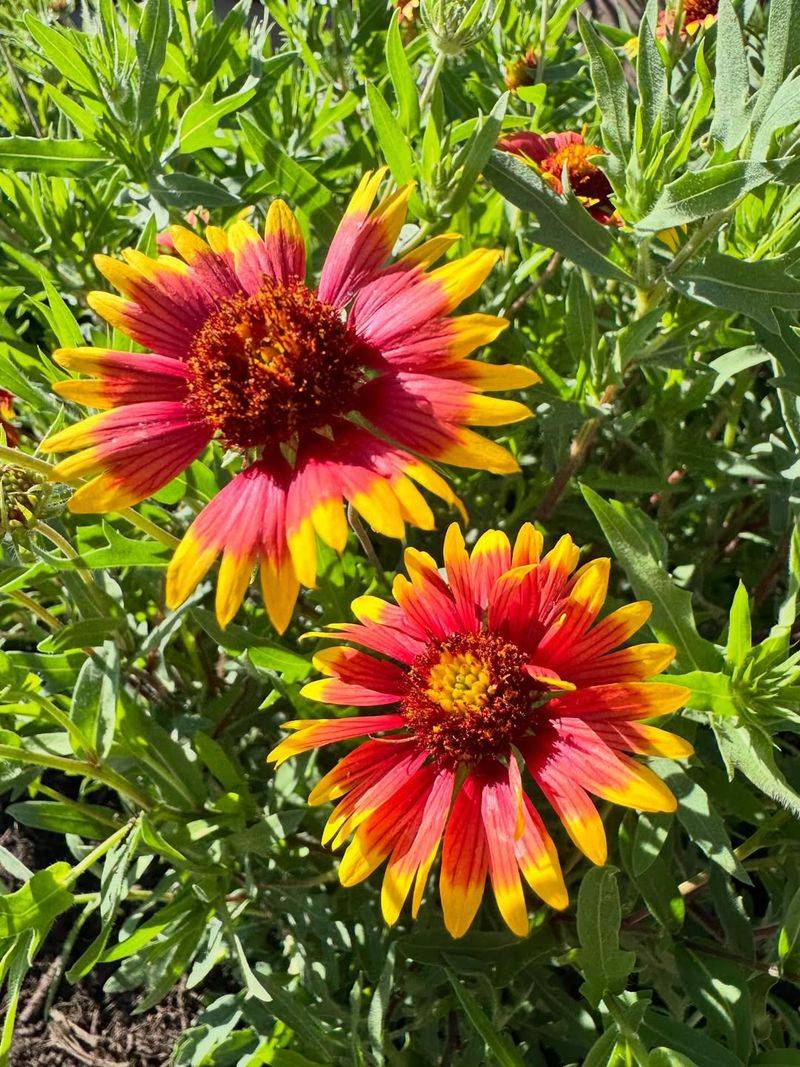
Blanket Flower might be the toughest flowering plant you can put in a Georgia garden. Gaillardia pulchella loves heat, tolerates poor soil, and keeps pushing out bold red-and-yellow blooms even when other plants start looking worn down by August.
It’s a common sight along Georgia’s coastal highways for good reason — it genuinely doesn’t need babying.
In south Georgia especially, where sandy soil and dry spells are common, Blanket Flower often outperforms plants that need richer ground. It blooms from late spring through early fall, and individual plants can produce dozens of flowers over a single season.
Full sun is non-negotiable; shade tends to reduce flowering noticeably and can cause stems to flop.
Avoid overwatering, which is the most common mistake with this plant. Soggy soil leads to root problems faster than drought does.
If you’re gardening in Georgia’s heavier clay soils up in the Piedmont region, mixing in some coarse sand or growing Blanket Flower in raised beds improves drainage enough to keep it happy.
It reseeds freely, so expect volunteer plants to appear in surrounding areas each spring.
Bees and butterflies are reliably attracted to the bright blooms, and the flowers hold up well as cut stems for a few days in a vase if you want to bring some indoors.
Deadheading spent blooms regularly can keep the plant producing even more flowers through the season instead of slowing down early.