7 Container Plants That Are Too Demanding For Pennsylvania Weather
Container gardening in Pennsylvania can look easy at first. You pick a few pretty plants, arrange them in a nice pot, and picture a porch or patio full of color all season long.
Then the weather starts doing what Pennsylvania weather does best. One stretch feels cool and wet, the next turns hot and humid, and suddenly your containers are filled with plants that look stressed, droopy, or strangely unhappy.
That is the problem with some container plants. They may be beautiful, but they ask for more than most people want to give.
Some need constant watering the second summer heat kicks in. Others hate soggy roots after a rainy week or struggle when temperatures swing too fast.
A plant that seems perfect in the garden center can turn into a needy mess once real weather shows up.
Knowing which container plants tend to be too demanding can save you a lot of frustration. Sometimes the best choice is not the flashiest one.
It is the plant that can handle Pennsylvania’s mood swings without turning your container garden into extra work.
1. Fiddle Leaf Fig
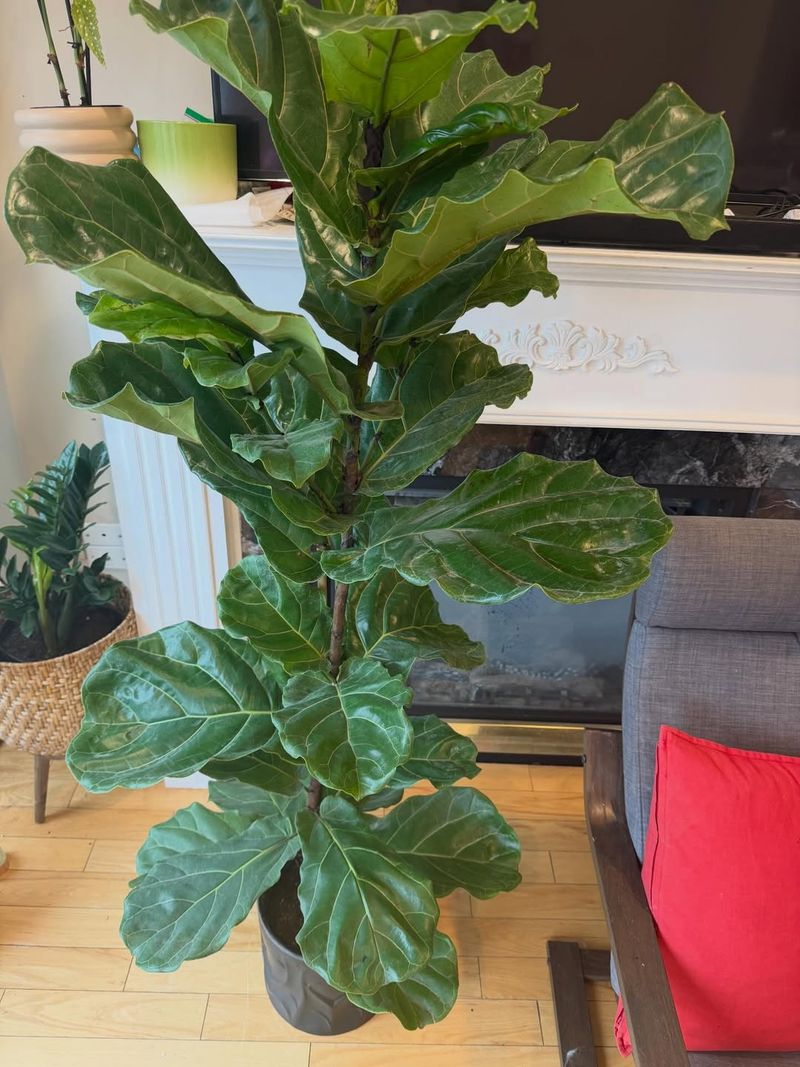
Walk into almost any home decor magazine and you will spot a fiddle leaf fig looking absolutely perfect in the corner of a bright, airy room. But here is the reality check: growing one as a container plant in Pennsylvania is a real challenge.
These trees come from the tropical rainforests of West Africa, where the temperature barely budges and the air stays warm and moist year-round.
Pennsylvania weather is basically the opposite of what a fiddle leaf fig wants. Summers in the state can be hot and humid one week, then cool and rainy the next.
Winters are cold and dry indoors, which stresses the plant even more. Fiddle leaf figs are famous for dropping leaves at the slightest change in temperature or airflow.
If you move it outside for the summer, even a short blast of cool wind can send it into shock. Bringing it back indoors in the fall creates another round of stress.
The constant moving between indoor and outdoor environments takes a serious toll on this plant.
The heating systems used in Pennsylvania homes during winter also dry out the indoor air, which is far from ideal for this tropical beauty. Low humidity causes the leaf edges to turn brown and crispy.
It is a lot of work for a plant that may never truly thrive in this climate. If you love the look of big, bold leaves, consider a pothos or a rubber plant instead. Both handle Pennsylvania’s indoor conditions far better without all the fuss.
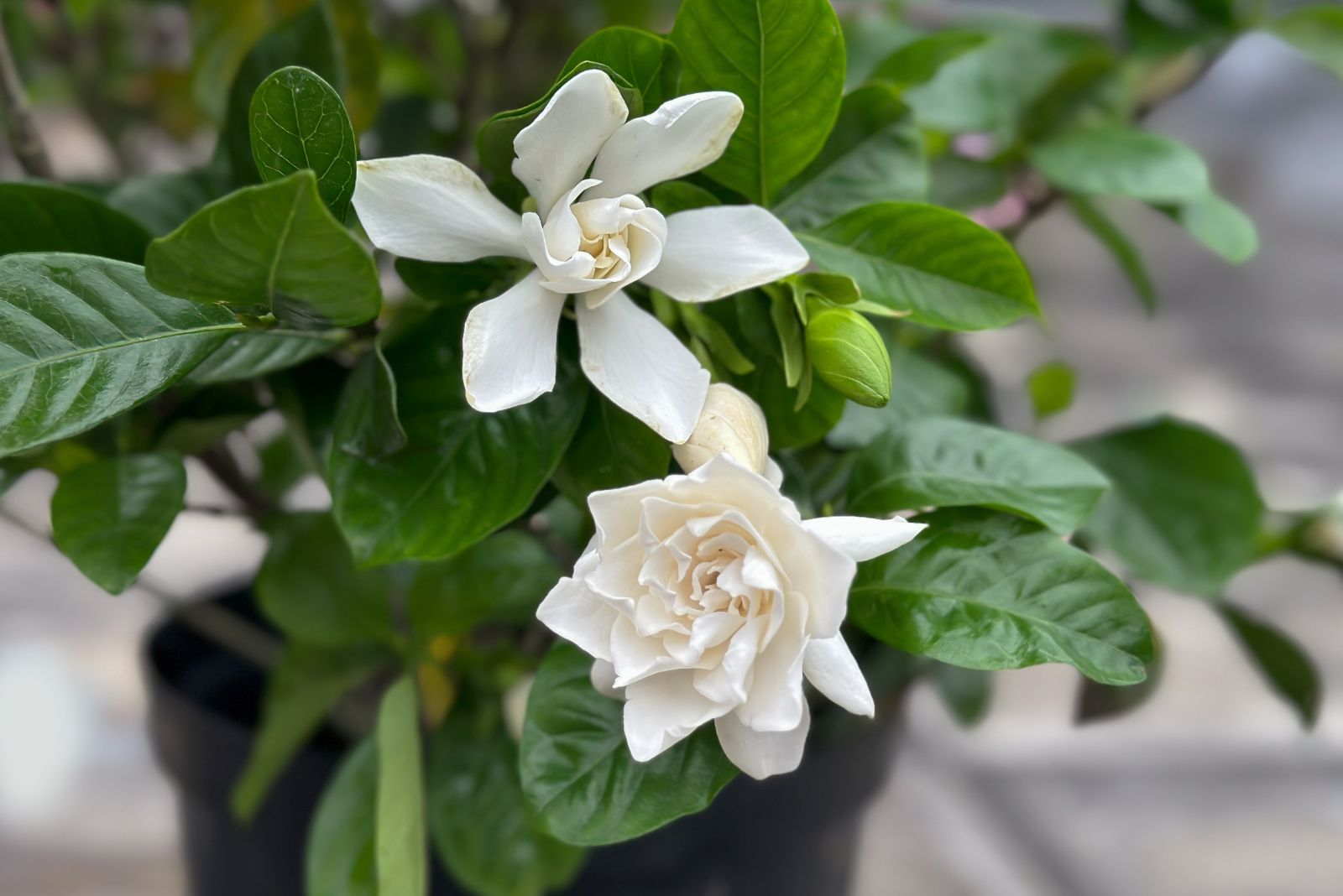
2. Gardenias
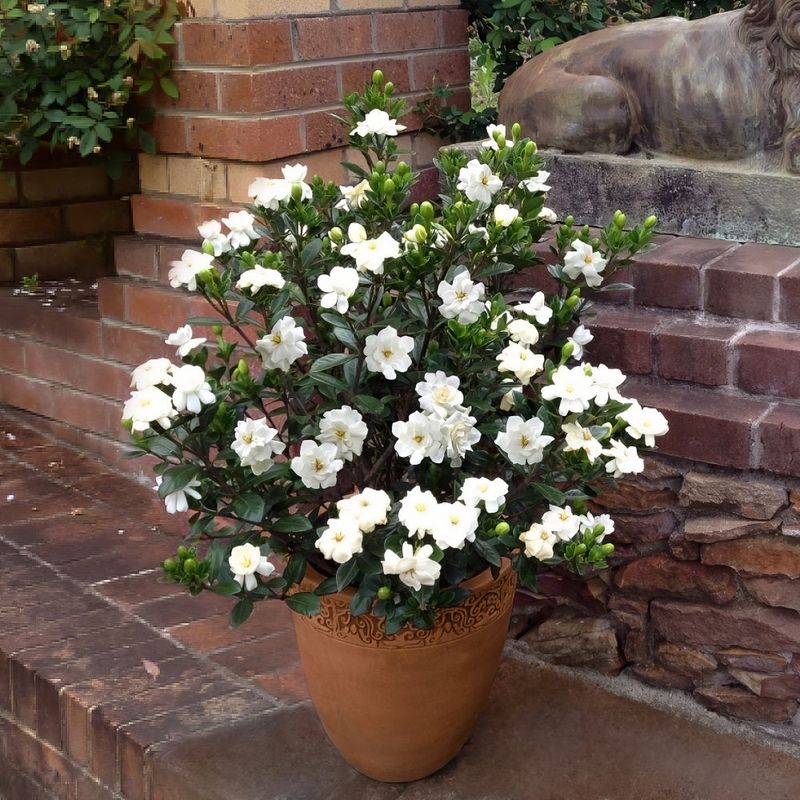
Few flowers smell as incredible as a gardenia in full bloom. That rich, sweet fragrance is the reason so many Pennsylvania gardeners try to grow them in containers every year.
But gardenias are notoriously picky plants, and Pennsylvania’s climate makes keeping them happy a constant uphill battle.
Gardenias need very specific conditions to thrive. They want acidic soil with a pH between 5.0 and 6.0, consistent warmth, and high humidity.
Your Pennsylvania Garden Changes Every Week. Your Plan Should Too.
Gardening in Pennsylvania changes quickly throughout the season. Every Friday you’ll receive a simple weekly plan showing exactly what to plant, prune, fertilize, harvest, and protect so you never miss the right timing.
Getting all three of those things right in a container, while dealing with Pennsylvania’s unpredictable spring and summer weather, is harder than it sounds.
Container soil tends to dry out faster than garden beds, which throws off the moisture balance gardenias crave. On the flip side, a rainy Pennsylvania spring can waterlog the pot and lead to root problems.
Either extreme stresses the plant and causes buds to drop before they even open, which is one of the most frustrating things a gardener can experience.
Temperature swings are another big issue. Gardenias dislike cold nights, and Pennsylvania regularly dips into chilly temperatures well into May. Even a few cool nights can cause yellowing leaves and stunted growth.
Pests like whiteflies and spider mites also love to target gardenias, especially when the plant is already stressed. In Pennsylvania’s outdoor container environment, keeping pests away while managing soil acidity and humidity is a tall order. Gardenias reward patience, but they rarely make things easy for growers in this state.
3. Lavender In Pots
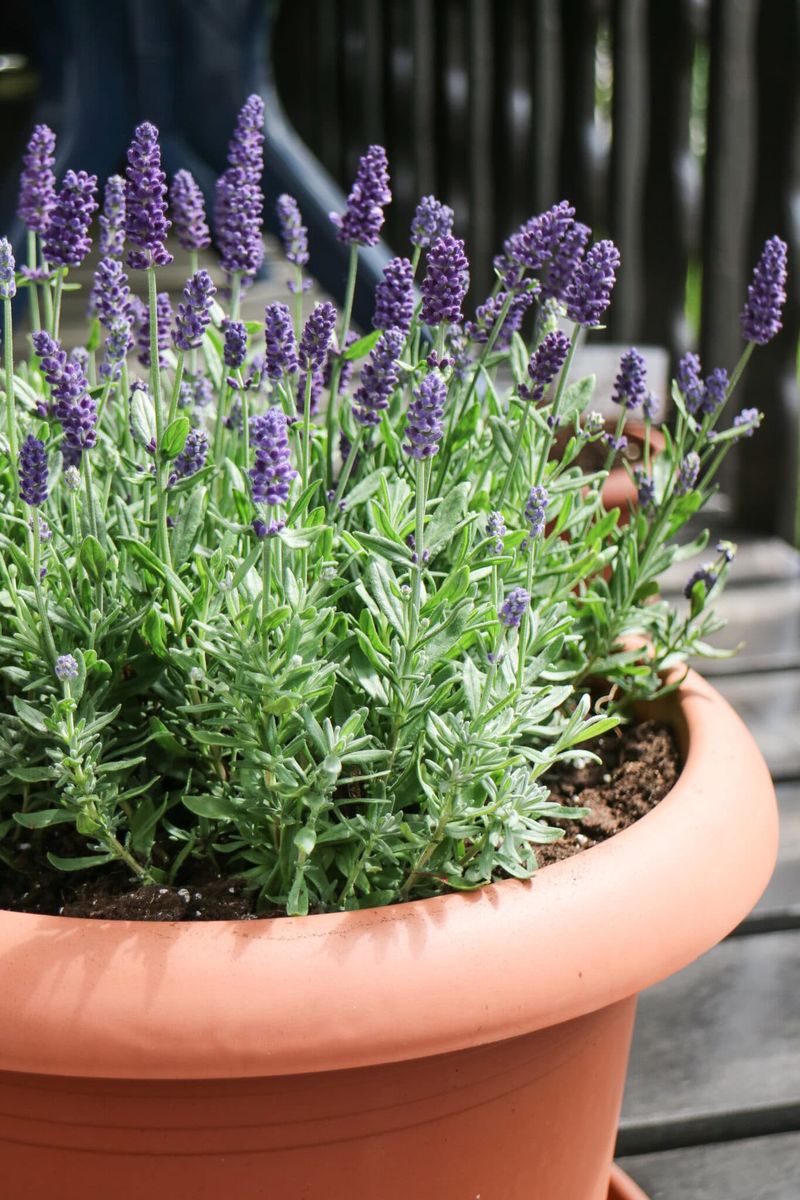
Lavender looks like it belongs in a dreamy Provencal garden, and plenty of Pennsylvania gardeners try to recreate that magic in a pot on their porch.
The problem is that lavender comes from the dry, sun-baked hillsides of the Mediterranean, and Pennsylvania’s spring weather is about as far from that as you can get.
One of the biggest issues with growing lavender in containers in Pennsylvania is the spring rainfall. The state gets a generous amount of rain from March through May, and containers do not always drain fast enough to keep up.
Lavender roots sitting in soggy soil will begin to rot surprisingly quickly. Once root rot sets in, the plant rarely bounces back.
Even in summer, containers can hold onto moisture longer than lavender prefers. The plant needs sharp drainage and dry conditions between waterings.
Most standard potting mixes are too moisture-retentive for lavender’s liking, so gardeners have to amend the mix with sand or gravel and make sure the pot has excellent drainage holes.
Humidity is another strike against lavender in Pennsylvania. High summer humidity, especially in the eastern and central parts of the state, encourages fungal diseases on the stems and foliage.
You might notice gray, mushy patches near the base of the plant, which is a sign of fungal rot.
If you are set on growing lavender in Pennsylvania, choose a variety like Phenomenal, which handles humidity and moisture better than most. Place it in a raised pot with gritty soil and full sun for the best chance of success.
4. Boston Ferns
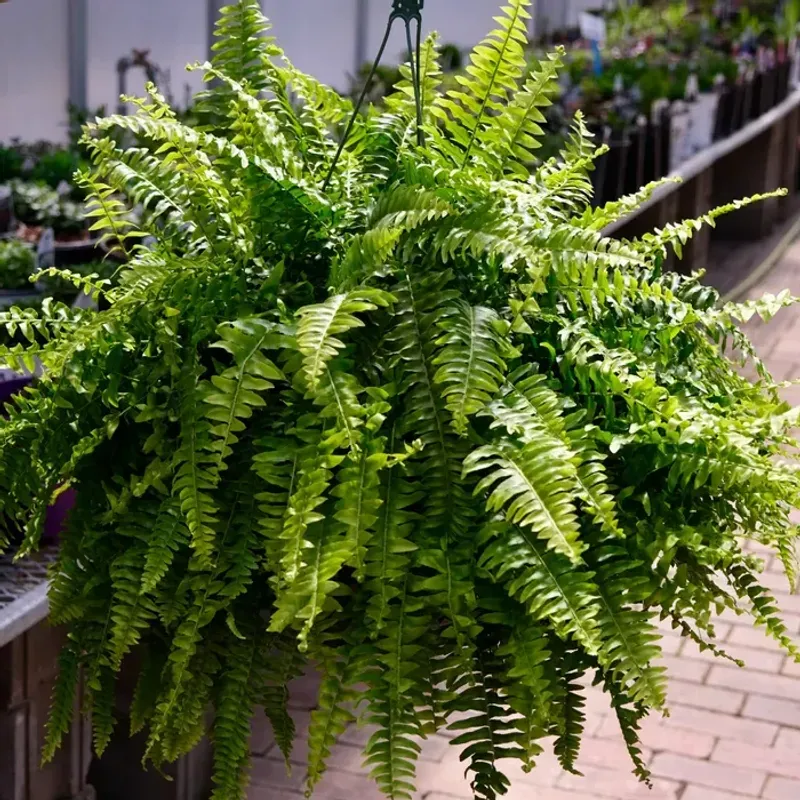
Boston ferns have a classic, old-fashioned charm that makes them a go-to choice for porch hanging baskets across Pennsylvania every summer. They look stunning when they are healthy, with long, arching fronds that sway in a breeze.
But keeping a Boston fern truly happy in a container in Pennsylvania requires a level of dedication that many gardeners underestimate.
The number one demand of a Boston fern is moisture. These ferns want consistently moist soil at all times, not wet and not dry, but perfectly in between.
In a hanging basket during a hot Pennsylvania summer, the soil can dry out completely in just a day or two. Miss a watering session and the fronds start to turn brown and crispy almost immediately.
Humidity is equally important for Boston ferns. They thrive in 50 percent humidity or higher, which can be tough to maintain outdoors during dry Pennsylvania summers.
The air-conditioned indoor environment is even worse, with humidity levels that drop well below what ferns need to stay lush and green.
Many Pennsylvania gardeners bring their Boston ferns inside for the winter, hoping to save them for the following year.
But the low humidity of heated homes causes massive frond drop and a scraggly, bare appearance. It takes a lot of misting, pebble trays, and humidifiers to keep them alive indoors.
For a lower-maintenance alternative on your Pennsylvania porch, consider a cast iron plant or a bird’s nest fern, both of which handle inconsistent watering and lower humidity much more gracefully.
5. Caladiums
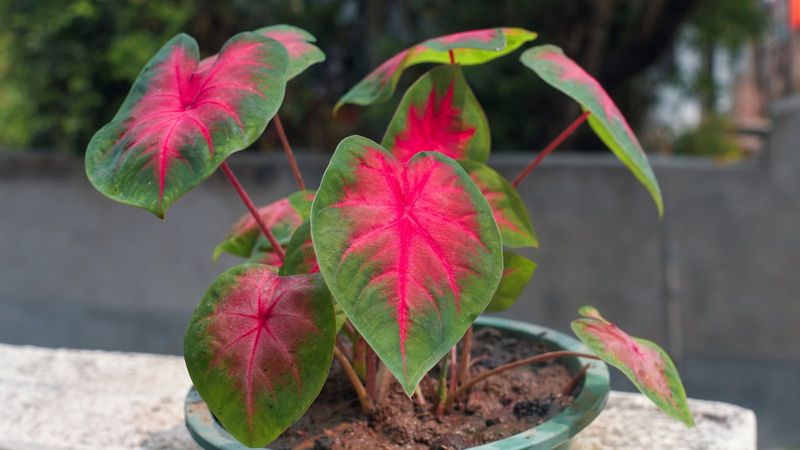
Caladiums are some of the most eye-catching container plants you can buy, with their bold, heart-shaped leaves splashed in shades of red, pink, white, and green. They are a popular pick at Pennsylvania garden centers every spring, and it is easy to see why.
The colors are dramatic and the plants look amazing in shaded spots on a porch or patio. The catch is that caladiums are extremely sensitive to cold. They are tropical plants that originally come from South America, where temperatures stay warm and consistent.
In Pennsylvania, spring weather is wildly unpredictable. A warm week in April can suddenly be followed by nights that dip into the low 40s or even the upper 30s.
Cold nights cause caladiums to stall completely. The leaves may turn limp, translucent, or develop dark, water-soaked spots.
Once a caladium experiences cold shock, it often struggles to recover and may sit in a sad, stunted state for weeks while it tries to bounce back.
The unpredictability of Pennsylvania’s spring is the real enemy here. Gardeners who plant caladiums too early in the season, hoping to get a jump start, often end up disappointed when a cold snap rolls through.
The safe window for putting caladiums outside in most parts of Pennsylvania is late May or even early June.
Waiting that long shortens the display season significantly. If you want color earlier in spring, petunias or pansies are much more forgiving and will thrive even when Pennsylvania throws a surprise cold night your way.
6. Impatiens Traditional Varieties
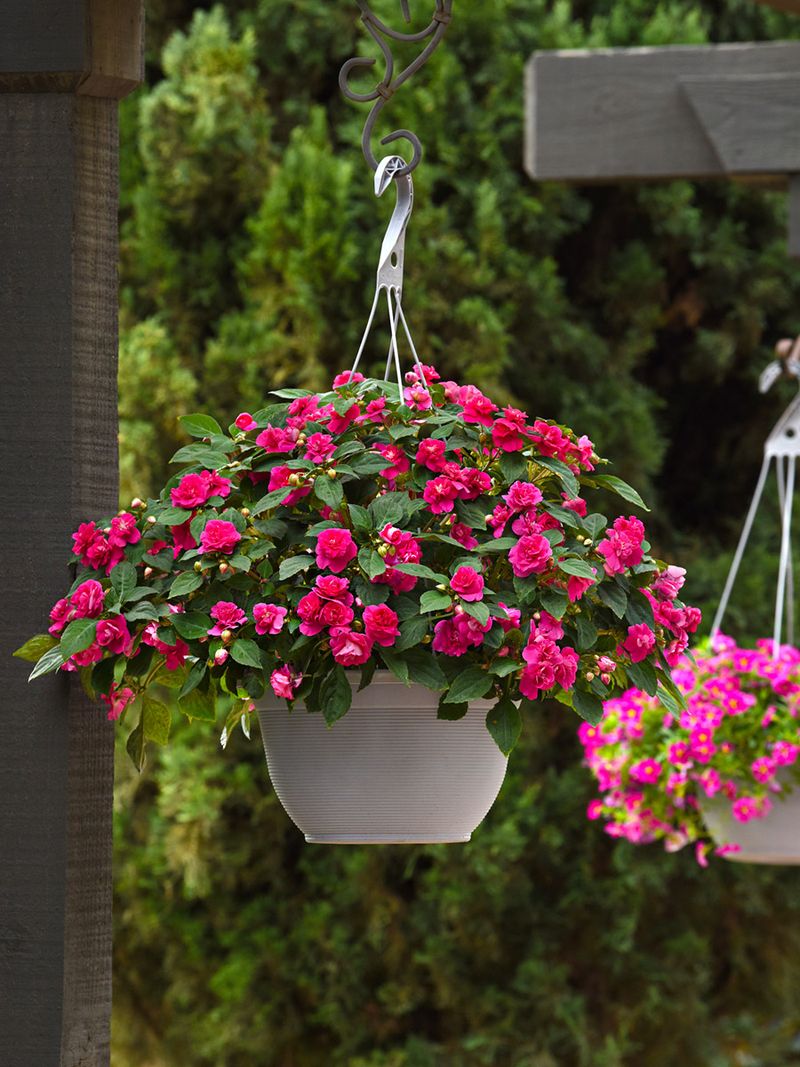
For decades, traditional impatiens were the undisputed kings of the shady container garden in Pennsylvania. They bloomed nonstop, came in a rainbow of colors, and required very little fuss.
Then downy mildew arrived and changed everything. Since the early 2010s, this devastating fungal-like disease has swept through traditional impatiens plantings across the northeastern United States, including Pennsylvania, wiping out entire container displays in a matter of weeks.
Downy mildew thrives in exactly the conditions Pennsylvania summers provide: warm temperatures, high humidity, and frequent rain.
The spores spread easily through water and air, making it nearly impossible to protect traditional impatiens once the disease is present in an area.
Infected plants develop a white, powdery coating on the undersides of the leaves, followed by rapid leaf drop.
What makes this especially frustrating is how fast it happens. A container full of healthy-looking impatiens can look completely bare within two to three weeks of infection.
By then, most of the growing season is already gone, and replanting is the only real option.
Pennsylvania gardeners who have experienced this firsthand often feel burned and hesitant to try impatiens again, which is completely understandable. The disease spores can even linger in the soil from one season to the next, increasing the risk each year.
The good news is that SunPatiens and New Guinea impatiens are resistant to downy mildew and perform beautifully in Pennsylvania containers.
They handle the heat and humidity much better and will give you that nonstop color all season long without the heartbreak.
7. Citrus Trees
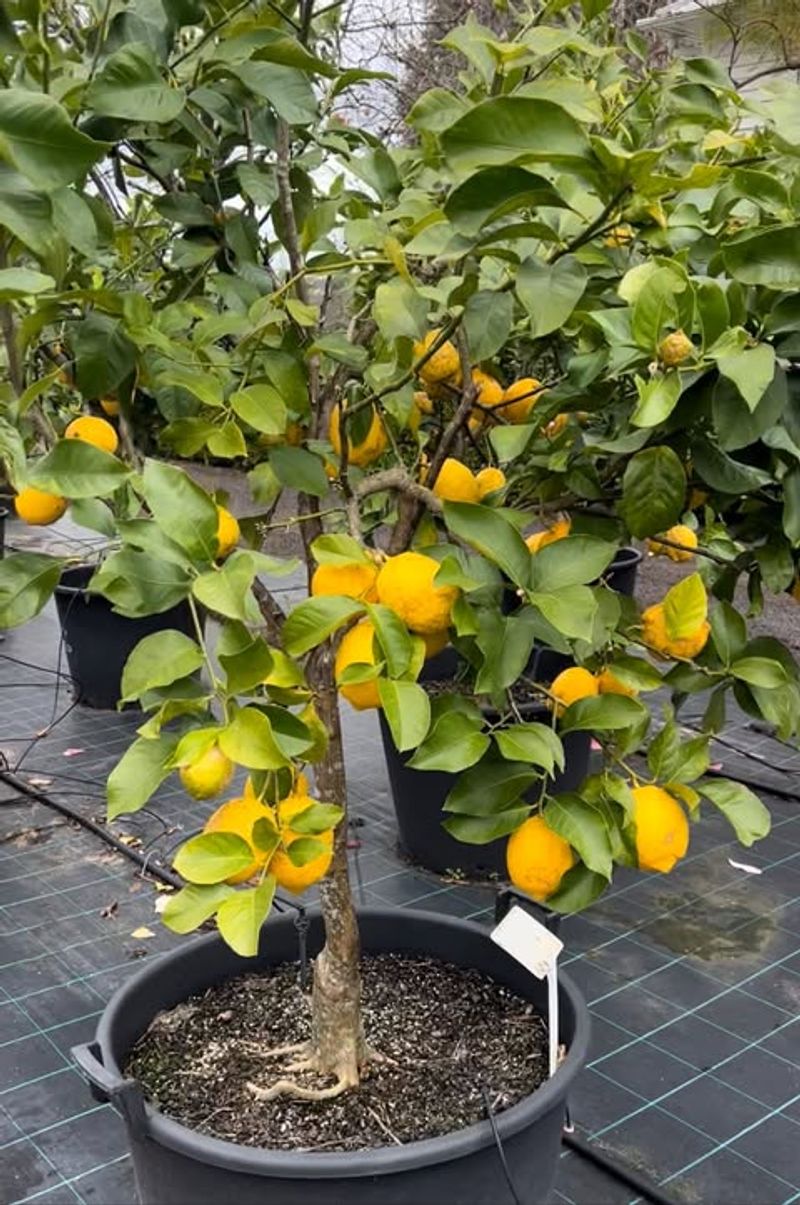
Growing a lemon or lime tree in a container sounds like a fun and rewarding project, and in the right climate, it absolutely is. Pennsylvania, unfortunately, is not that climate.
Citrus trees need warm, stable temperatures year-round, and the Keystone State delivers anything but stability when it comes to weather.
During summer, container citrus can do reasonably well outdoors in Pennsylvania if placed in a warm, sheltered spot with plenty of direct sun. But the moment nighttime temperatures start dropping in late September or early October, the tree needs to come inside.
That transition is stressful for citrus and often triggers a wave of leaf drop that can look alarming.
Indoors, the challenges multiply quickly. Pennsylvania homes are heated with dry, forced air during the winter months, and citrus trees hate dry air.
Low humidity causes leaf curl, bud drop, and makes the tree more vulnerable to spider mites and scale insects, which love to hide on the undersides of leaves and along the stems.
Getting enough light indoors is another struggle. Pennsylvania winters are notoriously gray and overcast, with many days offering little to no direct sunlight.
Without supplemental grow lights, citrus trees often become weak and leggy by the time spring arrives.
The back-and-forth routine of moving citrus in and out each year, combined with pest management and light requirements, adds up to a significant time commitment.
For most Pennsylvania gardeners, a hardy fig or a container blueberry bush offers a much more manageable and rewarding fruit-growing experience.