This Is One Of The Most Widely Planted Perennials In Texas Gardens
Some plants earn their spot in Texas gardens by proving they can handle whatever the weather throws at them. They keep blooming through intense heat, stay colorful when other plants fade, and do not demand constant care.
In a place where long summers can be tough on landscaping, that kind of reliability makes a big difference.
This is one of those plants you see again and again, from small front yards to larger, more detailed garden spaces.
It brings bright color, thrives in hot conditions, and adds a relaxed, cheerful feel wherever it grows. Even during the hottest part of the season, it keeps going without much fuss.
Lantana has become a favorite across Texas because it delivers consistent color and strong performance. For gardeners who want something lively without the extra work, it is easy to see why this perennial shows up in so many landscapes.
Why Lantana Is Everywhere In Texas
You cannot drive through many Texas neighborhoods in July without spotting a pop of bright color near a mailbox or along a front walkway. Chances are, that color is coming from lantana.
This tough, flowering perennial has become one of the most recognized plants in Texas gardens, and it earned that spot by proving itself season after season.
Lantana handles heat, sun, and drought better than most flowering plants you will find at a nursery. While other perennials wilt or fade during the intense Texas summer, lantana just keeps going.
It is built for exactly the kind of hot, dry conditions that are common across the state, from the Hill Country to the Gulf Coast.
Gardeners across Texas rely on it because it performs reliably without needing a lot of attention. You do not have to baby it or check on it constantly.
Once it gets settled in the ground, lantana takes care of itself through most of the season. That kind of dependability is exactly what busy homeowners want.
It also fits beautifully into both home landscapes and public plantings. You will see it in residential front yards, along commercial building entrances, and even lining city streets.
Landscape designers love it because it fills space with color quickly and holds up through tough weather. For Texas gardeners looking for a plant that looks great without demanding too much, lantana checks every single box.
Its wide use across the state is no accident. It simply performs, and that is what keeps people planting it year after year in Texas.
What Makes It So Popular
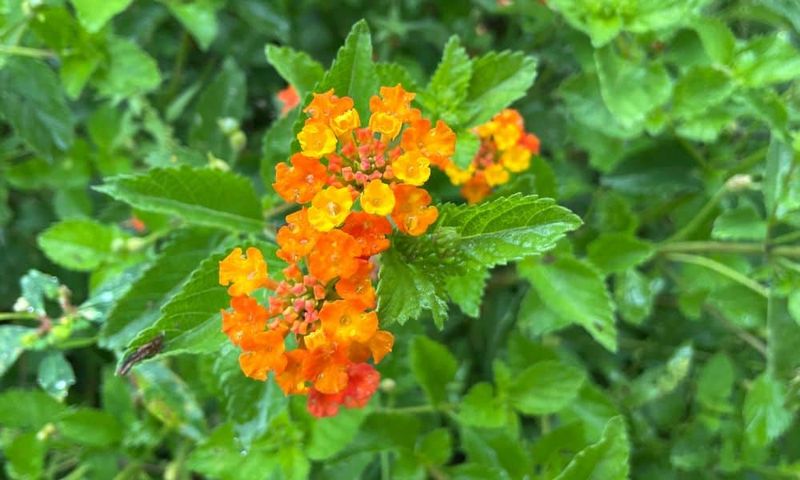
Walk into almost any garden center in Texas between March and October, and you will find lantana stacked near the entrance. Nurseries across the state stock it heavily because customers keep coming back for it.
Part of what makes lantana so popular is just how easy it is to find and how quickly it fills a garden with color.
One of its biggest selling points is its long bloom season. Lantana starts flowering in spring and keeps going all the way into fall.
Your Texas Garden Changes Every Week. Your Plan Should Too.
Gardening in Texas changes quickly throughout the season. Every Friday you’ll receive a simple weekly plan showing exactly what to plant, prune, fertilize, harvest, and protect so you never miss the right timing.
That means months of cheerful color in your yard without replanting or swapping things out. Most flowering plants cannot come close to matching that kind of staying power in the Texas heat.
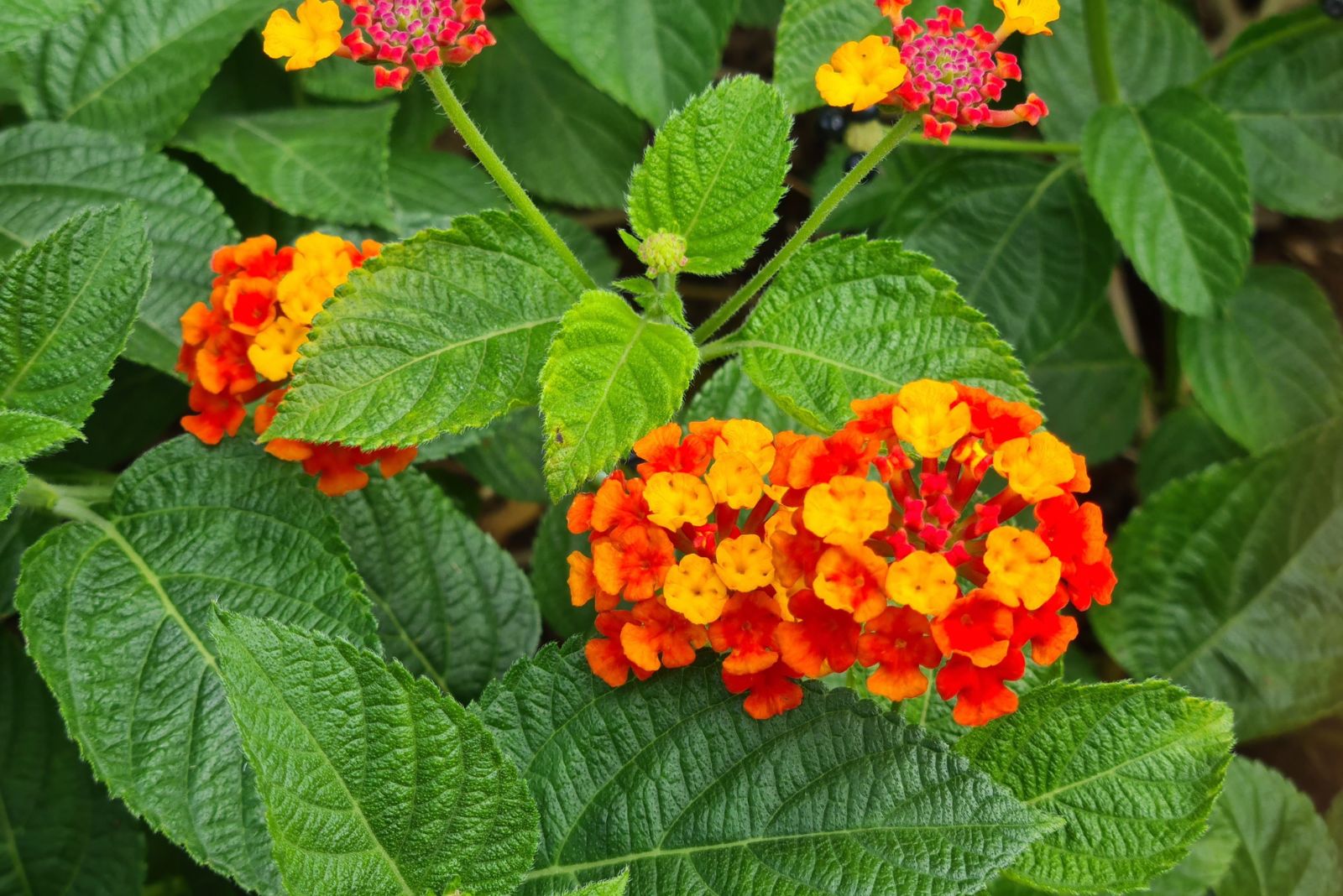
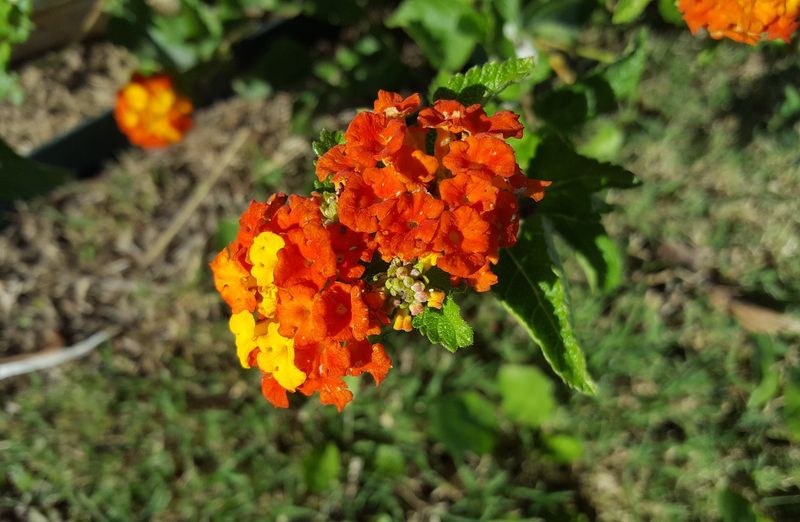
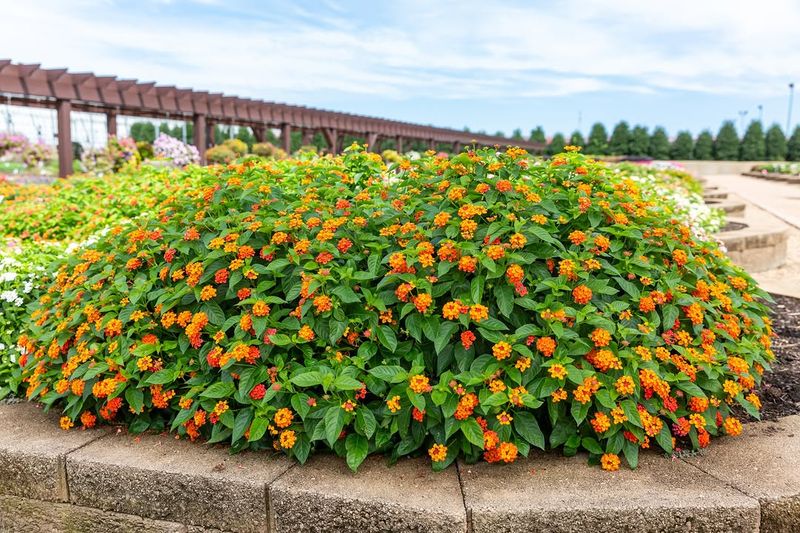
The flower clusters themselves are hard to ignore. They come in bold, eye-catching combinations like orange and yellow, pink and red, or solid white and purple.
Each tiny flower is part of a rounded cluster, and when several plants grow together, the effect is stunning. The colors practically glow in full sun, which is when lantana looks its absolute best.
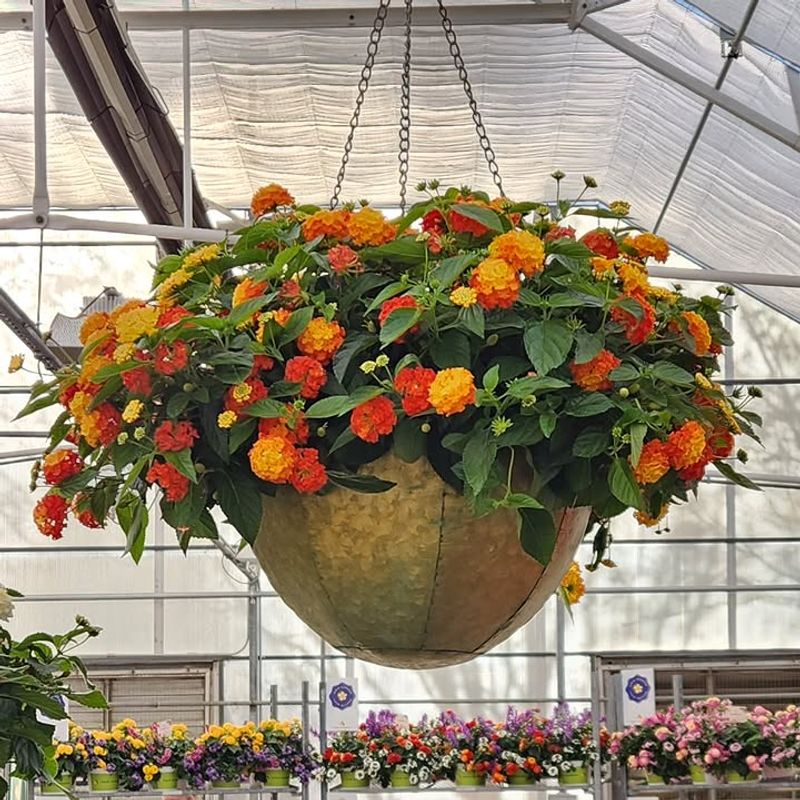
Another reason Texas gardeners love it is the sheer variety available. You can find lantana in trailing forms perfect for hanging baskets, compact varieties for small beds, and larger shrub types that fill bigger spaces.
No matter the size of your yard or the look you are going for, there is a lantana that fits. Fun fact: lantana belongs to the verbena family, which explains those pretty little flower clusters.
Its combination of beauty, toughness, and availability makes it a clear winner in Texas gardens every single year.
Why It Works So Well In Texas Conditions
Texas is not exactly gentle on plants. Summer temperatures regularly climb past 100 degrees, rainfall can disappear for weeks at a time, and the sun beats down with serious intensity.
Most flowering plants struggle to keep up. Lantana, though, seems to actually enjoy it. Full sun is where lantana truly shines. It needs at least six hours of direct sunlight each day to bloom well, and in Texas, that is rarely a problem.
The more sun it gets, the more flowers it produces. Shady spots slow it down, but give it open sky and summer light, and it rewards you with nonstop color from one end of the season to the other.
Dry soil is another condition lantana handles with ease. Once it gets established in the ground, which usually takes a few weeks of regular watering, it becomes remarkably drought-tolerant.
The root system digs in and learns to find moisture on its own. That means you can cut back on watering during dry spells without worrying too much about your plant.
Perhaps the most impressive thing about lantana in Texas is that it keeps blooming even during the hottest stretches of summer. While other perennials take a break or look stressed when the heat peaks, lantana stays full and colorful.
It does not slow down when temperatures rise. Instead, it keeps pushing out new flower clusters like the heat is no big deal.
For Texas gardeners who want a reliable, low-maintenance performer all summer long, lantana is hard to beat. It was practically made for this climate.
Where It Looks Best In The Landscape
Planting lantana in the right spot makes a huge difference in how your yard looks. Luckily, this plant is versatile enough to work in several different areas of a landscape, and it tends to look great no matter where you put it, as long as it gets enough sun.
Front-yard beds are one of the most popular places to use lantana in Texas. A row of brightly colored plants along the front of a house creates instant curb appeal.
The bold flower clusters draw the eye and make even a simple yard look well-designed and cared for. Paired with ornamental grasses or low-growing groundcovers, lantana becomes the star of the show.
Borders and edging are another natural fit. Lantana works beautifully along walkways, driveways, and fence lines.
Trailing varieties spill slightly over edges, giving the landscape a soft, finished look. Compact varieties stay tidy and neat, which makes them great for defined borders that need to stay in shape all season.
Containers and raised planters are perfect for people who want flexibility. You can move potted lantana around the patio or porch to wherever it gets the most sun.
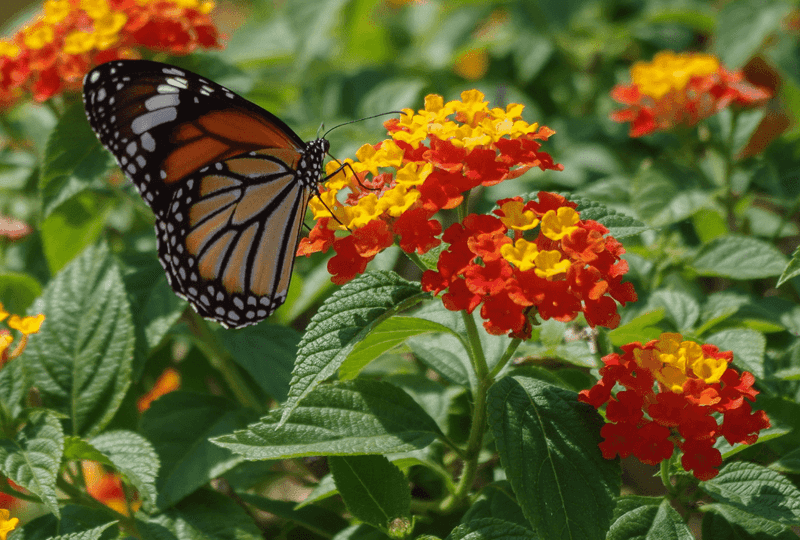
It also works well in pollinator gardens, which are a growing trend in Texas landscaping. Butterflies, bees, and hummingbirds absolutely love lantana.
Watching wildlife visit the blooms adds a whole new level of enjoyment to your outdoor space. Whether you are designing a full landscape or just adding some color to a corner of your yard, lantana fits in beautifully and performs with very little effort on your part.
The Mistakes That Can Still Cause Problems
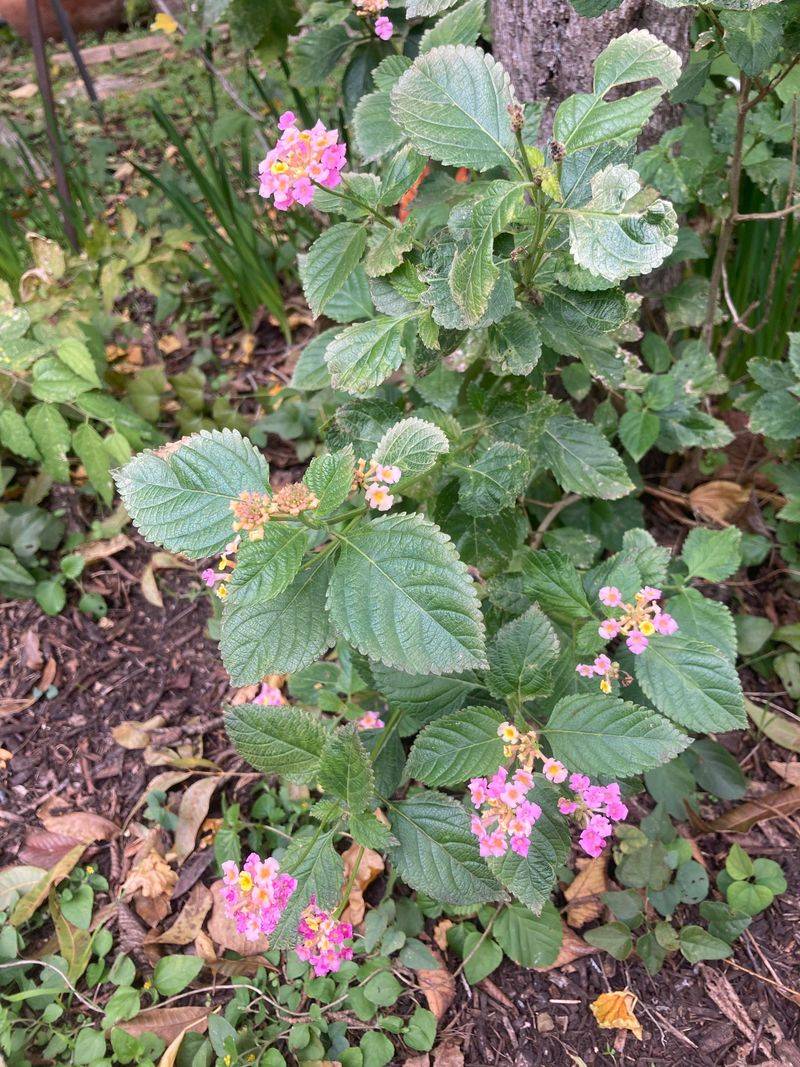
Lantana is tough, but it is not totally forgiving. A few common mistakes can slow it down, reduce blooming, or leave it looking sad instead of spectacular. Knowing what to avoid can save you a lot of frustration during the growing season in Texas.
Overwatering is probably the number one mistake people make with lantana. Because Texas summers are so hot, it is tempting to water frequently.
But lantana actually prefers to dry out a bit between waterings once it is established. Too much water leads to root problems and can cause the plant to stop blooming. Less is more when it comes to watering mature lantana.
Planting lantana in too much shade is another mistake that trips up a lot of Texas gardeners. If a spot gets less than six hours of direct sun each day, lantana will likely produce fewer flowers and grow in a stretched, leggy way as it reaches for more light.
Always choose the sunniest spot available when deciding where to plant it. Poor drainage is also a real issue. Lantana does not like sitting in wet soil for long periods.
If your planting area holds water after rain or tends to stay muddy, lantana will not thrive there. Raised beds or amended soil can help fix drainage problems if you really want to plant in a tricky spot.
Taking a few minutes to evaluate your site before planting can prevent a season of disappointing results. Getting these basics right from the start means your lantana will reward you with months of gorgeous color all across your Texas garden.
How To Keep It Blooming Strong All Season
Getting lantana to bloom well is not complicated, but a little know-how goes a long way. A few simple habits practiced throughout the season will keep your plants looking full, colorful, and healthy from spring all the way through the fall months in Texas.
Giving lantana plenty of sun is the single most important thing you can do. At least six hours of direct sunlight each day is the minimum, but more is always better.
If your plant starts looking leggy or stops blooming as much, it is often a sign it needs a sunnier spot. Moving a container plant or trimming nearby shrubs to let more light in can make a noticeable difference pretty quickly.
Watering regularly at first helps the plant establish a strong root system. For the first few weeks after planting, water every couple of days to help it settle in.
Once roots are established, which usually happens within a month or so, you can water much less often. At that point, lantana is happy to handle the dry Texas summer on its own with only occasional help from you.
Trimming lightly when needed is the finishing touch that keeps lantana looking its best. If the plant starts to look overgrown or the blooms slow down mid-season, a light pruning encourages fresh new growth and a fresh flush of flowers.
You do not need to cut it back hard. Just snip the tips of the longest stems to tidy things up. That simple step keeps the plant full and encourages it to keep producing the bright, cheerful blooms that Texas gardeners have come to love so much.