When Ohio Gardeners Can Finally Stop Worrying About Hard Frost
Ohio springs always seem to play tricks. One warm afternoon makes it feel like winter is long gone, then a cold snap sneaks back in overnight and reminds everyone to stay cautious a little longer.
That back-and-forth keeps gardeners on edge, especially when new growth starts pushing up too early.
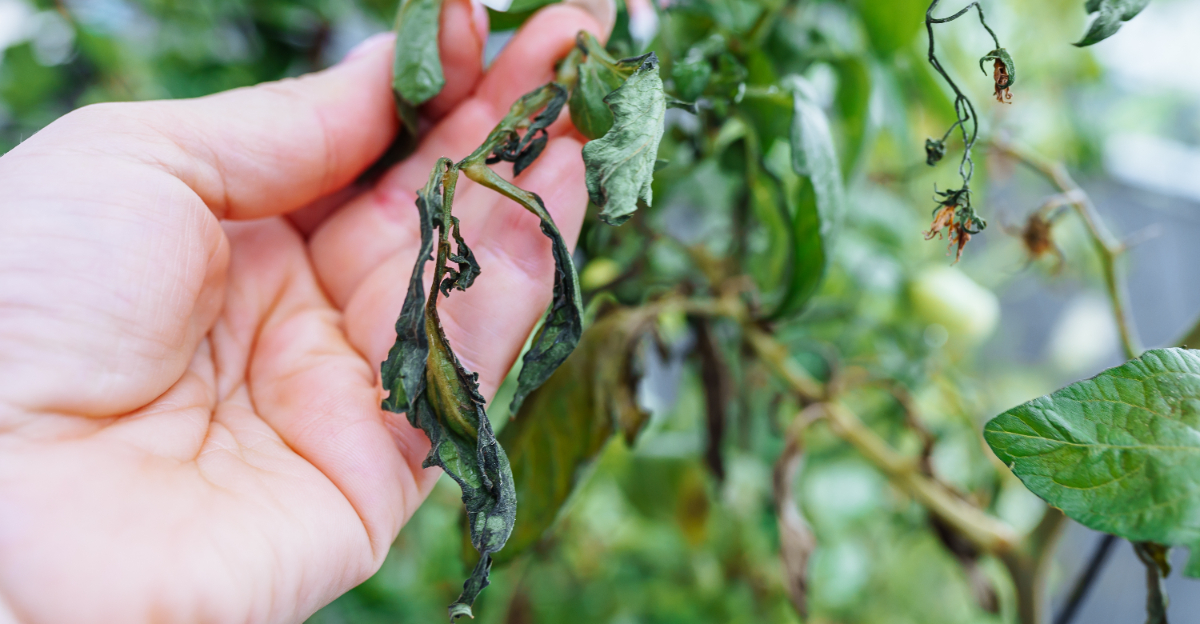
Hard frost is the real turning point. It is the kind that can wipe out tender plants and undo weeks of early-season effort in a single night.
Until that threat eases, most planting decisions stay on hold, no matter how tempting those sunny days look.
Once that window finally closes in Ohio, everything shifts. Garden beds open up, planting plans move forward, and the pressure eases just enough to really start the season with confidence.
1. Why The Last Frost Date Is Only A Rough Guide
Most gardeners have heard the phrase “last frost date” tossed around like it is a firm deadline on a calendar. The reality is a lot more nuanced than that.
A last frost date is simply a historical average, meaning it reflects the point in time when frost has occurred 50 percent of the time in past years. That leaves the other half of years as fair game for surprises.
In Ohio, this average date typically falls somewhere between late April and mid-May, depending on where you are in the state. Columbus, for example, sits around April 30 as its average last frost date.
But average does not mean guaranteed. A year with an unusually cold May can push frost well past that window without much warning.
Thinking of the last frost date as a range rather than a deadline helps gardeners make smarter decisions. OSU Extension and NOAA frost data both reinforce that these figures carry real variability from year to year.
Using the average as a starting point is smart. Treating it like a finish line is where gardeners get into trouble.
A flexible mindset, paired with close attention to local forecasts, will serve any Ohio gardener far better than circling a single date on the calendar and calling it done.
2. Northern And Southern Ohio Warm Up At Different Speeds
Ohio is not a small state, and it definitely does not warm up all at once. Gardeners in the southern part of the state, particularly around the Ohio River counties, can often start thinking about frost-sensitive plants by mid-April.
Meanwhile, someone gardening near Cleveland or Toledo might still be watching overnight temps nervously well into May.
The difference comes down to latitude, elevation, and the influence of Lake Erie. That massive body of water keeps northern Ohio cooler in spring because the lake holds onto winter temperatures longer than the surrounding land.
What this means practically is that planting timelines can shift by one to two weeks or more depending on which part of Ohio you call home.
Relying on statewide averages without factoring in your specific region is a common mistake. A gardener in Chillicothe and a gardener in Sandusky are working with genuinely different frost calendars.
Your Ohio Garden Changes Every Week. Your Plan Should Too.
Gardening in Ohio changes quickly throughout the season. Every Friday you’ll receive a simple weekly plan showing exactly what to plant, prune, fertilize, harvest, and protect so you never miss the right timing.
Local extension offices, county-specific frost charts, and neighborhood weather stations give a much clearer picture than broad statewide numbers.
Paying attention to your local patterns over several seasons builds the kind of practical knowledge that no general guide can fully replace.
Your zip code matters more than the state average when it comes to timing your spring garden.
3. Microclimates Can Shift Frost Risk By Weeks
Your neighbor two streets over might have planted tomatoes a full week before you, and their plants came through just fine. That kind of thing is not luck.
It is microclimates at work. The specific conditions of your yard, including how the land slopes, what surrounds it, and how much pavement or structure is nearby, can shift your personal frost risk significantly compared to the official local average.
Cold air behaves like water. It flows downhill and settles into low spots.
A garden bed at the bottom of a gentle slope can collect cold air overnight and drop several degrees colder than a bed positioned even slightly higher.
Urban gardens surrounded by buildings and pavement tend to stay warmer because those surfaces absorb heat during the day and release it slowly overnight.
Rural gardens in open fields lose heat much faster once the sun goes down.
Spots near south-facing walls, driveways, or large rocks can act as heat reservoirs that push frost risk back earlier in the season. On the flip side, a low corner of the yard tucked away from any wind protection can stay frost-prone longer than the rest of your property.
Walking your yard on a cold morning and noting where frost appears first and last is one of the most useful observations any Ohio gardener can make.
4. Cold Snaps Can Still Happen After The Average Date
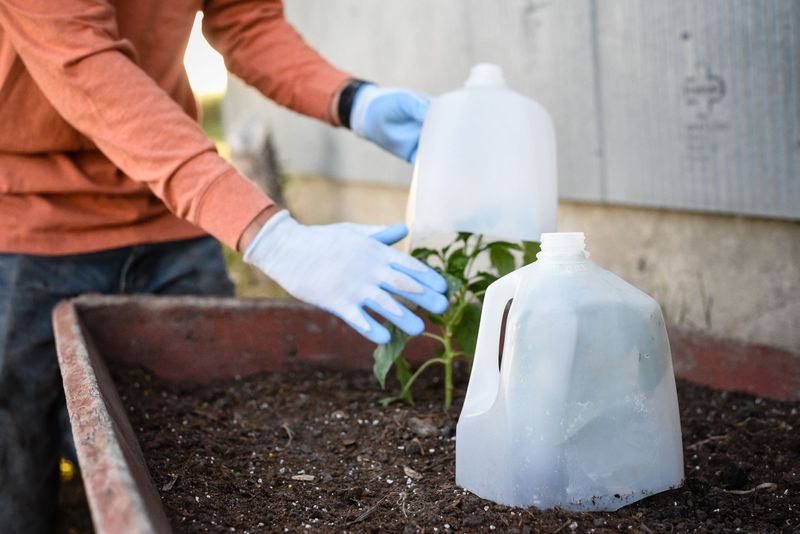
Ohio weather has a well-earned reputation for being unpredictable, and late spring is no exception. Even after the average last frost date passes, cold fronts can sweep in from Canada with very little warning and send overnight temperatures plunging back toward freezing.
This is not a rare occurrence. It happens often enough that experienced Ohio gardeners plan for it every single year.
What makes these late cold snaps especially tricky is that they often follow a stretch of genuinely warm weather. A week of 70-degree afternoons has a way of making frost feel like a distant memory.
Then a fast-moving system drops temperatures 30 degrees in 24 hours, and plants that were thriving suddenly face conditions they are not ready to handle.
Monitoring extended forecasts, particularly the 7 to 10 day outlook, is one of the most reliable habits a spring gardener can build.
Free tools from the National Weather Service and apps that show hourly temperature breakdowns give you a meaningful heads-up before a cold snap arrives.
If a forecast shows lows dipping into the low 30s even once in the coming week, that is reason enough to hold off on putting tender plants in the ground or to have protective covers ready to go. Patience in late April and early May almost always pays off.
5. Soil Temperature Matters As Much As Air Temperature
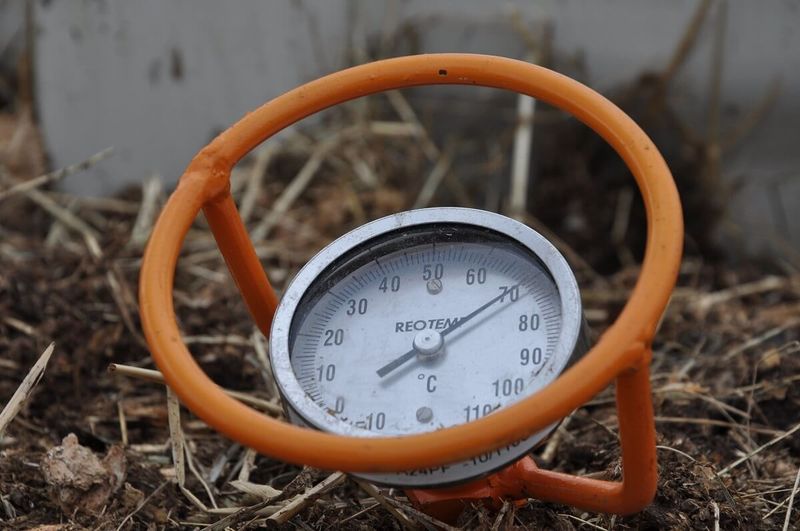
Here is something that catches a lot of new gardeners off guard. Even when the air feels comfortably warm on a sunny afternoon, the soil itself can still be cold enough to slow or stall plant growth.
Air temperature and soil temperature are two separate things, and both need to be in a reasonable range before planting makes sense for most crops.
Soil holds onto cold from winter for weeks after air temperatures climb. A stretch of 65-degree days in April might feel like planting season, but the ground a few inches down could still be sitting in the low 40s.
Most warm-season vegetables, including tomatoes, peppers, and squash, prefer soil temperatures of at least 60 degrees Fahrenheit before they are placed in the ground.
Planting into cold soil stresses young plants and slows root development even when frost is not the immediate concern.
Inexpensive soil thermometers are available at most garden centers and make this guesswork completely unnecessary. Push the probe a few inches into the bed where you plan to plant and check the reading in the morning when soil is at its coolest.
Raised beds and beds amended with dark compost tend to warm up faster than dense clay soil. Knowing your soil temperature adds a whole layer of precision to spring planting decisions that air temperature alone simply cannot provide.
6. Tender Plants Still Need Protection Into Late Spring
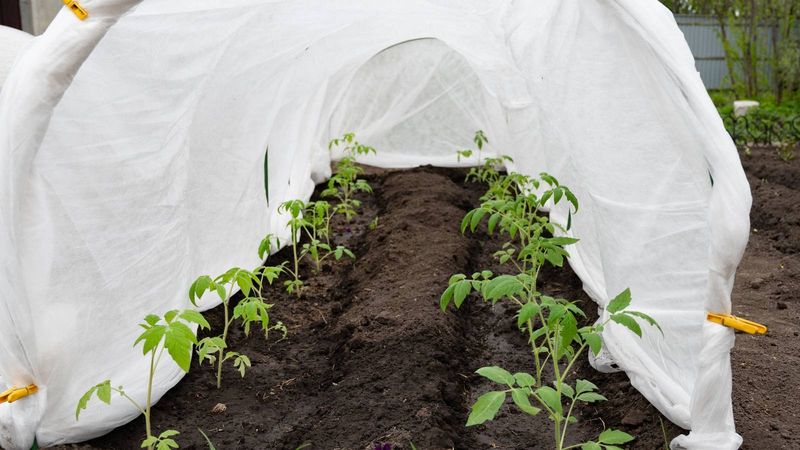
Tomatoes, peppers, basil, cucumbers, and eggplant all fall into the category of tender plants, meaning they have very little tolerance for temperatures near or below freezing.
Even a light frost, the kind that barely coats the grass, can cause real damage to these plants if they are left unprotected overnight.
This vulnerability does not disappear just because the calendar says it should be safe.
Row covers are one of the most practical tools any spring gardener can keep on hand.
These lightweight fabric sheets trap ground heat and create a slightly warmer environment around plants without blocking light or airflow.
Ordinary bed sheets, old curtains, or even cardboard boxes work in a pinch when a surprise cold night sneaks up on you. The goal is simply to create a buffer between the plant and the coldest air of the night.
Glass or plastic cloches placed over individual transplants offer another layer of protection for smaller plants. Removing covers during the day prevents overheating, and replacing them before sunset keeps plants comfortable overnight.
Many experienced Ohio gardeners keep a simple rule: tender plants stay covered or stay indoors until two consecutive weeks of overnight lows above 50 degrees are reliably in the forecast.
That kind of consistent warmth signals that the real risk window has narrowed enough to plant with reasonable confidence.
7. Watching Nighttime Lows Matters More Than Daytime Warmth

Frost does not form during the afternoon. It forms overnight, in the quiet hours when temperatures drop steadily and the ground radiates its stored heat back into the sky.
That means a gorgeous 72-degree afternoon tells you very little about whether your plants are safe once the sun goes down. Daytime warmth can be genuinely misleading when it comes to frost risk.
This process, known as radiational cooling, happens on clear, calm nights when there are no clouds to hold heat close to the ground. Wind also plays a role.
Calm nights allow temperatures to drop faster near the surface, which is exactly where your plants are sitting. A breezy night with cloud cover will almost always stay warmer than a still, clear night, even when daytime temperatures were similar.
The most useful habit an Ohio spring gardener can develop is checking overnight lows specifically, not just the daily high and low listed in a general forecast.
Many weather apps allow you to view hourly temperature breakdowns, which show exactly how low temperatures will drop between midnight and early morning.
Any forecast showing lows near 32 degrees Fahrenheit or below deserves attention, even in May.
Training yourself to check the overnight numbers rather than glancing at the daytime forecast is a small habit shift that makes a meaningful difference in how well your garden weathers the unpredictable Ohio spring.
8. When Gardeners Can Start Relaxing Without Letting Their Guard Down
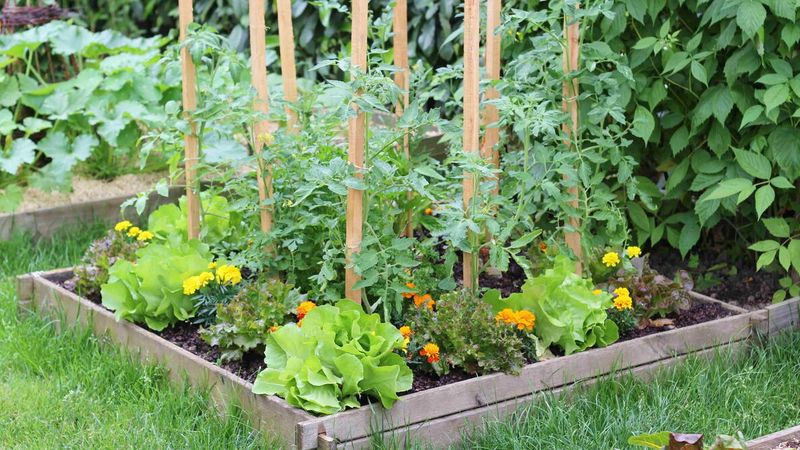
There is no single morning in Ohio when you can officially declare frost season over and never look back. What actually happens is that the risk gradually shrinks as spring moves toward summer.
For most of Ohio, mid to late May represents a window where confidence reasonably grows, but awareness does not fully disappear. That shift in mindset, from high alert to relaxed watchfulness, is exactly where most experienced gardeners settle in.
By the third week of May in central and southern Ohio, and closer to Memorial Day in northern Ohio, overnight lows are trending consistently above the danger zone. That trend is meaningful, but a single cold front can still interrupt it.
The smarter approach is to ease plants into the garden gradually rather than transplanting everything at once. Starting with cold-tolerant crops, then following with tender plants as the forecast stabilizes, spreads out your risk in a practical way.
Hardening off transplants, which means gradually exposing them to outdoor conditions over one to two weeks before planting, also makes young plants more resilient when temperatures fluctuate.
A plant that has spent time outdoors adjusting to wind, direct sun, and cooler nights handles a temperature dip far better than one moved straight from a warm greenhouse.
Less worry is absolutely reasonable by late May. Zero worry, though, is something Ohio spring weather rarely earns before June arrives.