The 9 Native Oregon Trees To Plant Instead Of Crape Myrtle In Your Yard
Crape myrtle gets a lot of attention, but in Oregon yards, it is not always the most natural fit. Plenty of gardeners want something just as beautiful, maybe even more interesting, with stronger ties to the landscape around them.
That is where native trees start looking especially appealing. They bring seasonal color, texture, and character, but they also feel more at home in the rhythms of an Oregon garden.
And honestly, that changes the whole mood of a yard. A native tree can make the space feel less copied and more grounded, like it truly belongs there instead of borrowing its charm from somewhere else.
Some offer spring flowers, some bring fiery fall color, and some earn their place with berries, bark, or graceful shape.
Once you start looking beyond the usual picks, the options get much more exciting. Oregon has native trees with real presence, and several of them can give a yard far more personality than crape myrtle ever could.
1. Vine Maple
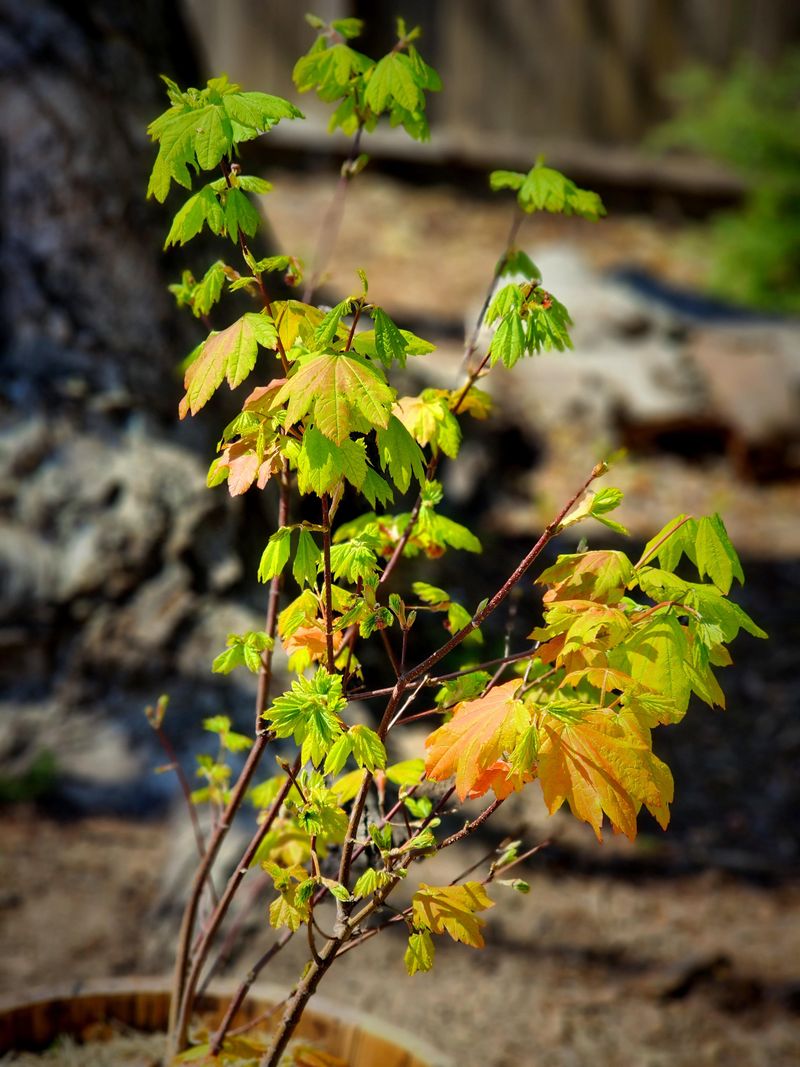
Few trees put on a fall color show quite like the Vine Maple. Native to Oregon’s forests and stream banks, this small deciduous tree blazes with shades of red, orange, and gold every autumn.
It is one of the most eye-catching plants you can add to a Pacific Northwest yard.
Vine Maple grows well in partial shade, which makes it perfect for spots under taller trees or along the north side of a house. It prefers moist, well-drained soil, which is easy to find across much of western Oregon.
The tree stays relatively small, usually reaching 15 to 25 feet tall, so it fits nicely in average-sized yards.
Beyond its beauty, Vine Maple provides excellent habitat for birds and small mammals. Its dense, twisting branches offer shelter, and its seeds feed local wildlife through the fall and winter.
Planting it near a patio or garden path gives you a gorgeous natural canopy. Unlike crape myrtle, Vine Maple is perfectly suited to Oregon’s climate and will thrive without extra coaxing.
It is a low-maintenance, high-reward tree that rewards patient gardeners with spectacular seasonal color year after year.
2. Pacific Dogwood
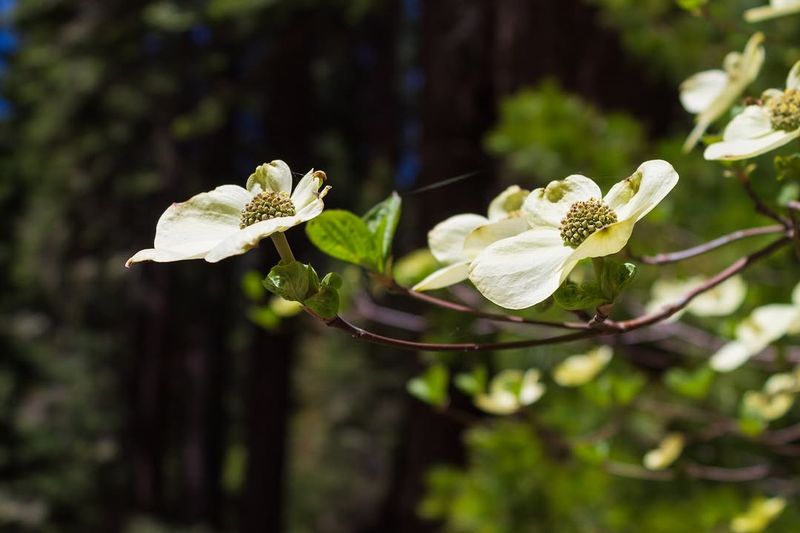
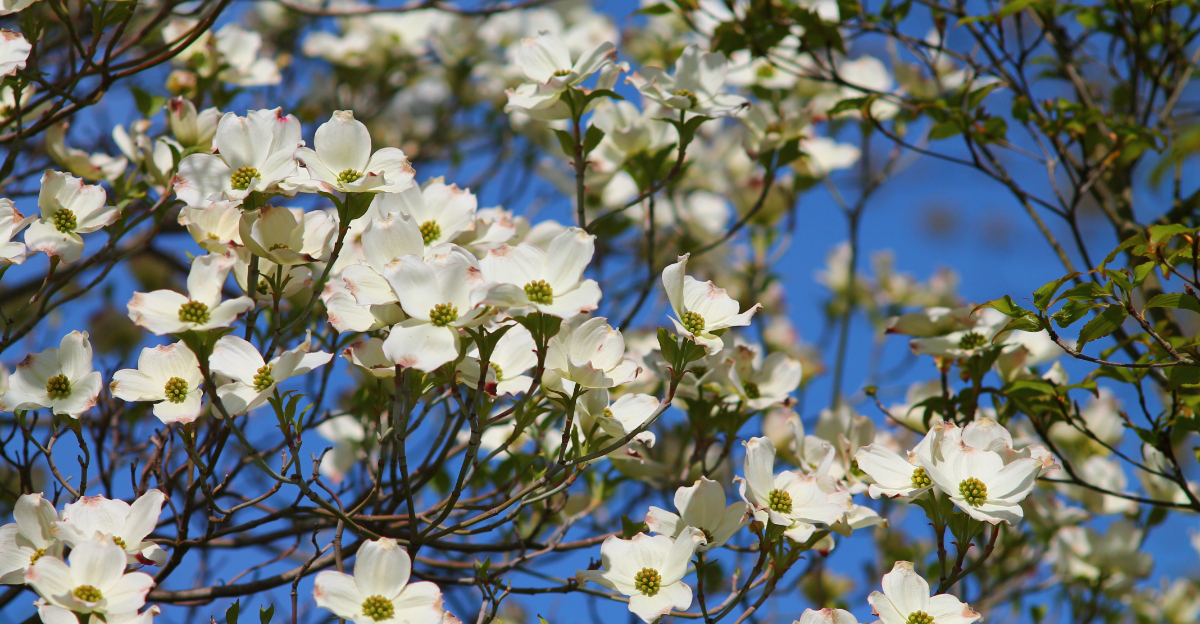
Walking past a Pacific Dogwood in full bloom is an unforgettable experience. Every spring, this native Oregon tree erupts in large, creamy white flower bracts that look almost like giant snowflakes floating among the branches.
It is considered one of the most beautiful flowering trees in the entire Pacific Northwest.
Pacific Dogwood grows best in partial shade with moist, well-drained soil. It does well along forest edges and in sheltered yards across Oregon, where it gets protection from harsh afternoon sun.
The tree typically reaches 15 to 30 feet tall, giving it a graceful, mid-sized presence in any landscape.
After the spring flowers fade, the tree produces clusters of bright red berries in the fall. These berries are a favorite food source for birds like robins, cedar waxwings, and band-tailed pigeons.
In autumn, the leaves also turn beautiful shades of red and orange before dropping. Pacific Dogwood is Oregon’s state flower and carries real cultural significance in the region.
Your Oregon Garden Changes Every Week. Your Plan Should Too.
Gardening in Oregon changes quickly throughout the season. Every Friday you’ll receive a simple weekly plan showing exactly what to plant, prune, fertilize, harvest, and protect so you never miss the right timing.
Choosing it over crape myrtle means planting a tree with deep local roots, both literally and historically. It is a standout choice for any Oregon homeowner who wants year-round beauty.
3. Western Crabapple
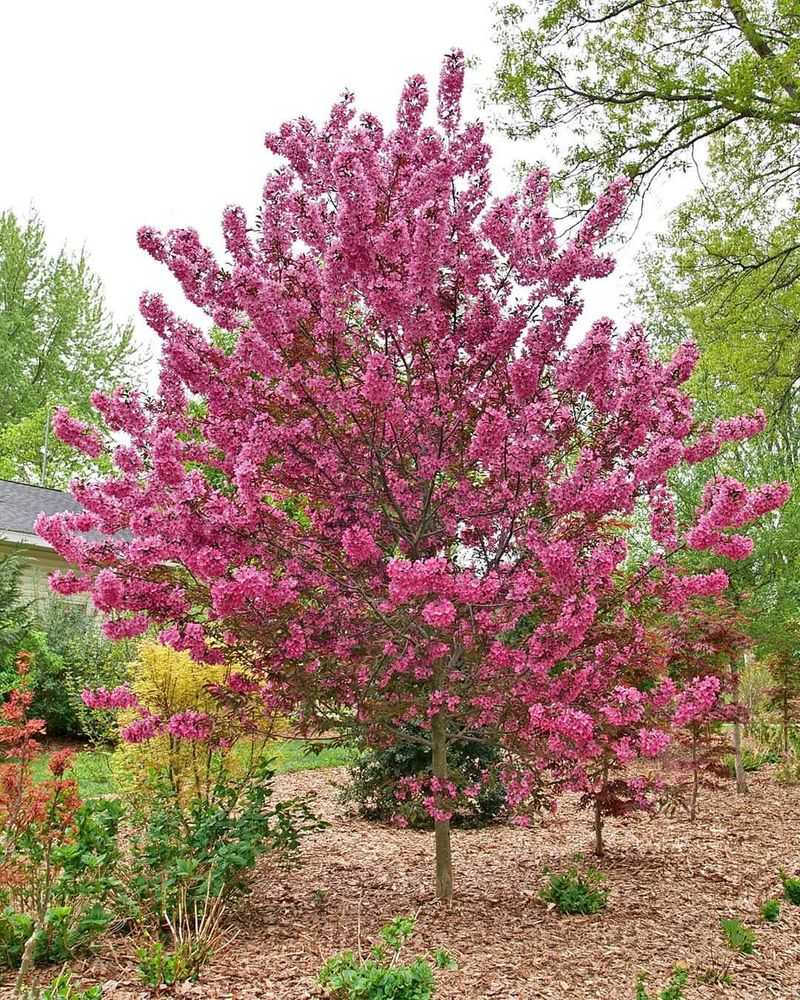
If you love the idea of a tree that feeds your yard and your soul, Western Crabapple might be your perfect match. This charming native Oregon tree bursts into clusters of pink and white flowers each spring, filling the air with a light, sweet fragrance.
It is one of the few native fruit-bearing trees in the Pacific Northwest.
Western Crabapple thrives in moist soils near streams, wetland edges, and low-lying areas. It handles Oregon’s wet winters well and does not need much extra watering once established.
The tree stays compact, usually growing between 10 and 30 feet tall, making it a great fit for smaller yards and garden borders.
Come fall, the tree produces small, tart crabapples that wildlife absolutely love. Deer, bears, songbirds, and even pollinators benefit from this tree throughout the seasons.
The gnarled, twisting branches also add a rustic, storybook quality to any landscape. Compared to crape myrtle, Western Crabapple is far better adapted to Oregon’s soil and rainfall patterns.
It also supports native insects, which in turn support the broader local food chain. Planting one is a simple way to give back to Oregon’s natural environment while enjoying a truly beautiful tree.
4. Pacific Serviceberry
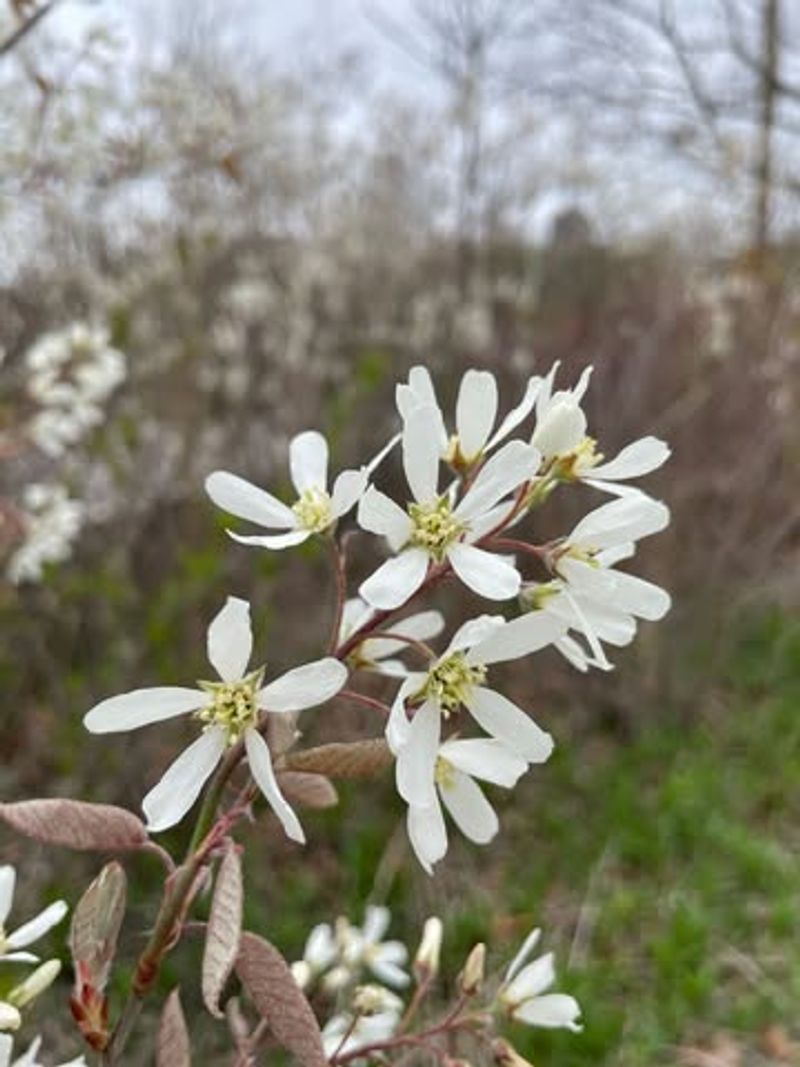
Long before Oregon settlers arrived, Indigenous communities across the region relied on Pacific Serviceberry for food, medicine, and tool-making. Today, this graceful native tree is making a well-deserved comeback in home gardens and urban landscapes.
Its small white flowers appear very early in spring, often before most other trees have even leafed out.
Pacific Serviceberry is incredibly adaptable. It grows in a wide range of soil types and tolerates both dry and moist conditions, making it one of the most versatile native trees you can plant in Oregon.
It can grow as a large shrub or a small tree, reaching anywhere from 6 to 20 feet tall depending on the site.
By early summer, the tree produces small, dark purple berries that taste surprisingly sweet. Birds, bears, and deer love these berries, and they are edible for people too.
The fall foliage turns warm shades of orange and red, adding another season of color to your yard. Pacific Serviceberry is a genuinely multi-season tree that outperforms crape myrtle in nearly every way for Oregon conditions.
It is tough, beautiful, and deeply connected to the natural and cultural history of this remarkable state.
5. Bitter Cherry
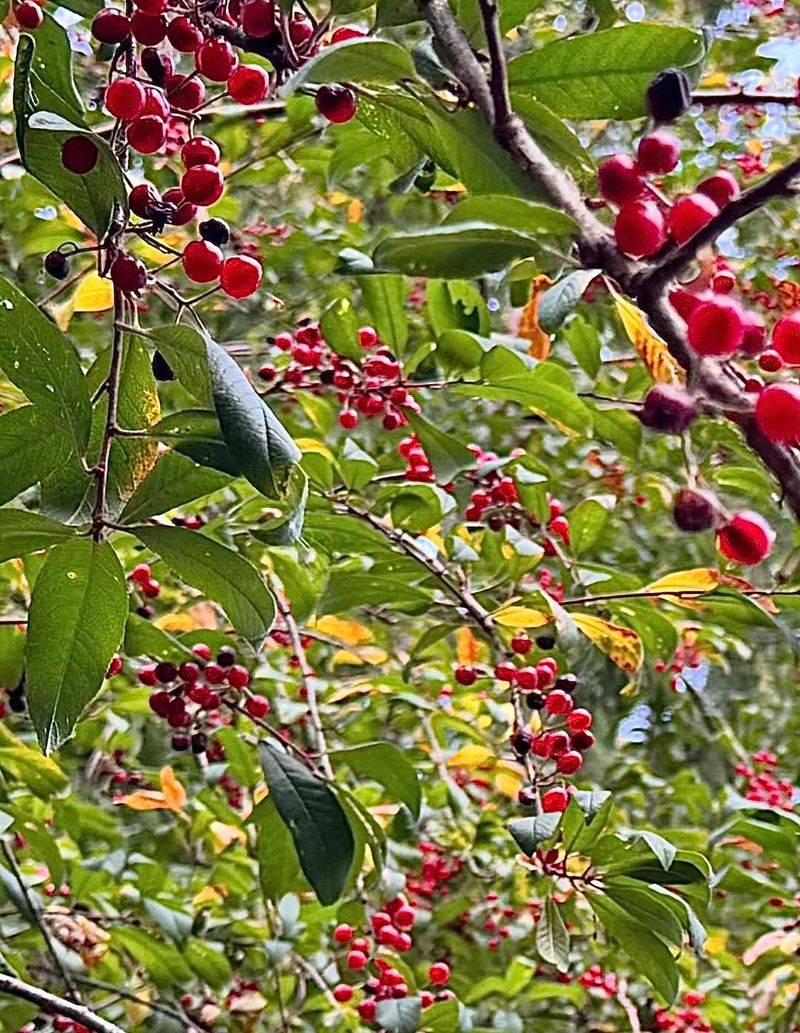
Do not let the name fool you. Bitter Cherry is one of the most visually rewarding native trees you can plant in an Oregon yard.
Every spring, its branches fill with clusters of small, brilliant white flowers that attract bees and butterflies by the dozens. It is a pollinator magnet from the moment it blooms.
Native to forests and open slopes throughout Oregon, Bitter Cherry grows best in well-drained soils with full sun to partial shade. It is a fast-growing tree that can reach 20 to 40 feet tall, so it works well as a shade tree or a privacy screen along property lines.
The reddish-brown bark peels in horizontal strips, adding interesting texture even in winter.
By summer, the tree is loaded with small, bright red cherries. While they are too bitter for most people to enjoy fresh, birds go absolutely wild for them.
Robins, waxwings, and woodpeckers flock to Bitter Cherry trees during fruiting season. The leaves turn golden yellow in the fall before dropping.
Compared to crape myrtle, which struggles in Oregon’s cool and wet conditions, Bitter Cherry is completely at home here. It is a hardworking, beautiful, wildlife-friendly tree that earns its spot in any Pacific Northwest yard.
6. Cascara
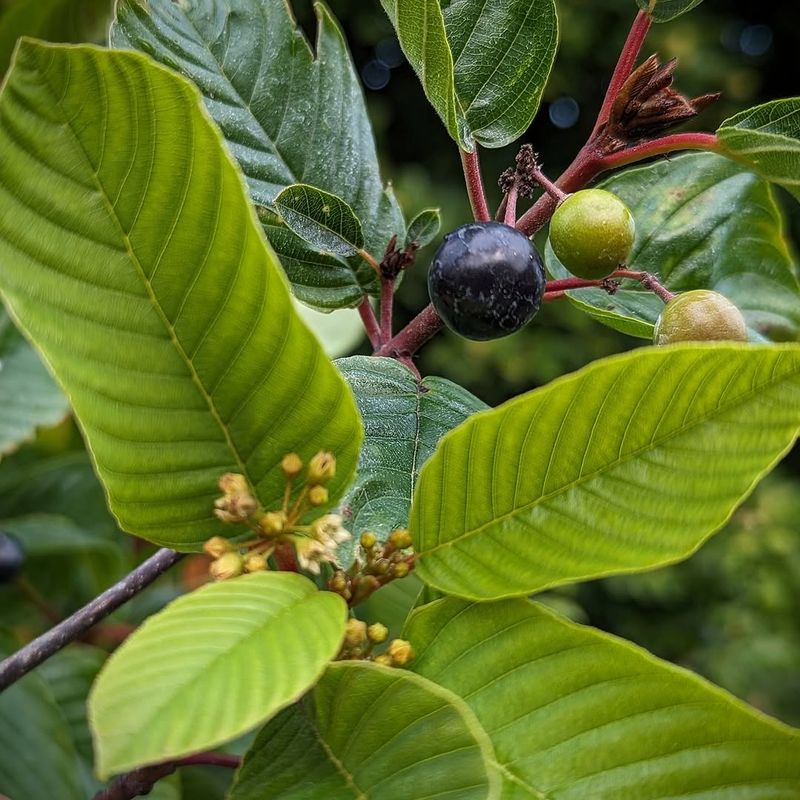
Cascara has a fascinating story to tell. For centuries, Indigenous peoples across the Pacific Northwest used the bark of this native Oregon tree as a natural remedy.
Today, Cascara is recognized not only for its historical importance but also for its quiet, understated beauty in home landscapes.
Cascara grows well in moist, shaded areas across Oregon, making it a natural fit for spots near streams, rain gardens, or low areas of your yard. It typically reaches 20 to 40 feet tall and develops a rounded, open canopy.
The glossy, dark green leaves are attractive throughout the growing season and turn yellow in fall.
In late spring, Cascara produces small, inconspicuous yellowish-green flowers that are surprisingly popular with native bees. By late summer, the flowers give way to small, dark purple to black berries that birds love.
The tree’s ability to thrive in shade and wet soil makes it one of the most practical native trees you can plant in western Oregon. Unlike crape myrtle, which prefers hot and dry summers, Cascara is perfectly built for Oregon’s climate.
Planting one in your yard supports local pollinators, feeds wildlife, and keeps a piece of Oregon’s natural heritage alive right outside your door.
7. Pacific Madrone
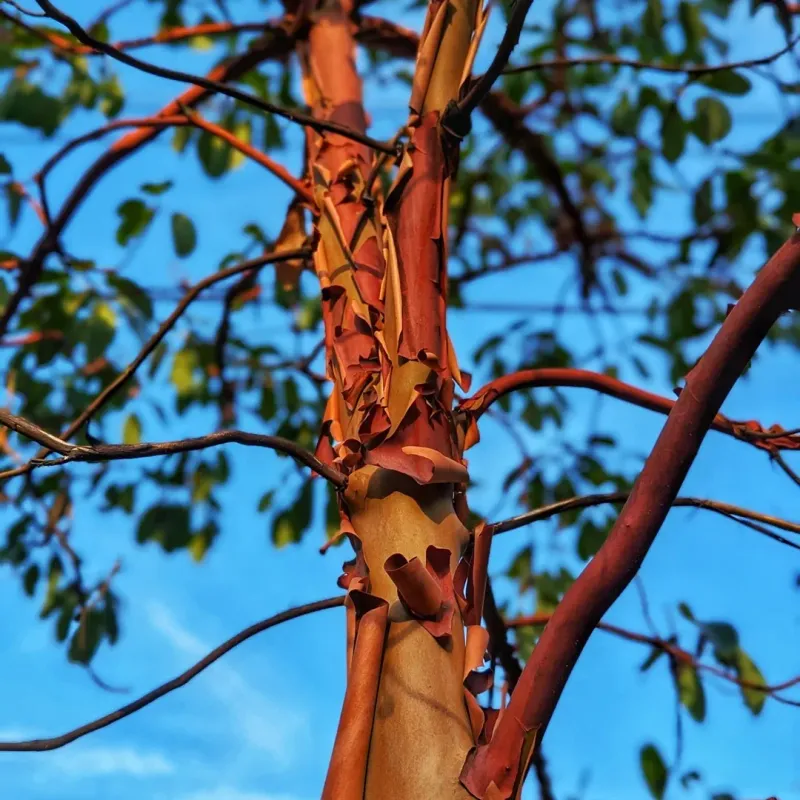
There is no tree in Oregon quite as dramatic as the Pacific Madrone. Its smooth, peeling bark shifts from bright orange-red to a warm tan as it sheds each year, creating a living piece of art in your yard.
Even in the middle of winter, when most trees look bare and gray, the Madrone stands out with its bold, evergreen presence.
Pacific Madrone thrives in dry, rocky, well-drained soils along Oregon’s coast and in the Willamette Valley. It prefers full sun and does not like wet feet, so good drainage is essential.
The tree can grow 20 to 80 feet tall over time, and its twisted, sculptural form becomes more beautiful with age.
In spring, clusters of small, white, urn-shaped flowers attract native bees and hummingbirds. By fall, those flowers turn into clusters of bright orange-red berries that birds flock to eat.
Pacific Madrone is an evergreen, which means it provides year-round structure and color in your Oregon landscape. Crape myrtle simply cannot offer that kind of all-season performance in the Pacific Northwest.
Madrone is a bold, beautiful, and deeply Oregon tree that will make your yard look like it belongs right here in the heart of the Pacific Northwest.
8. Bigleaf Maple
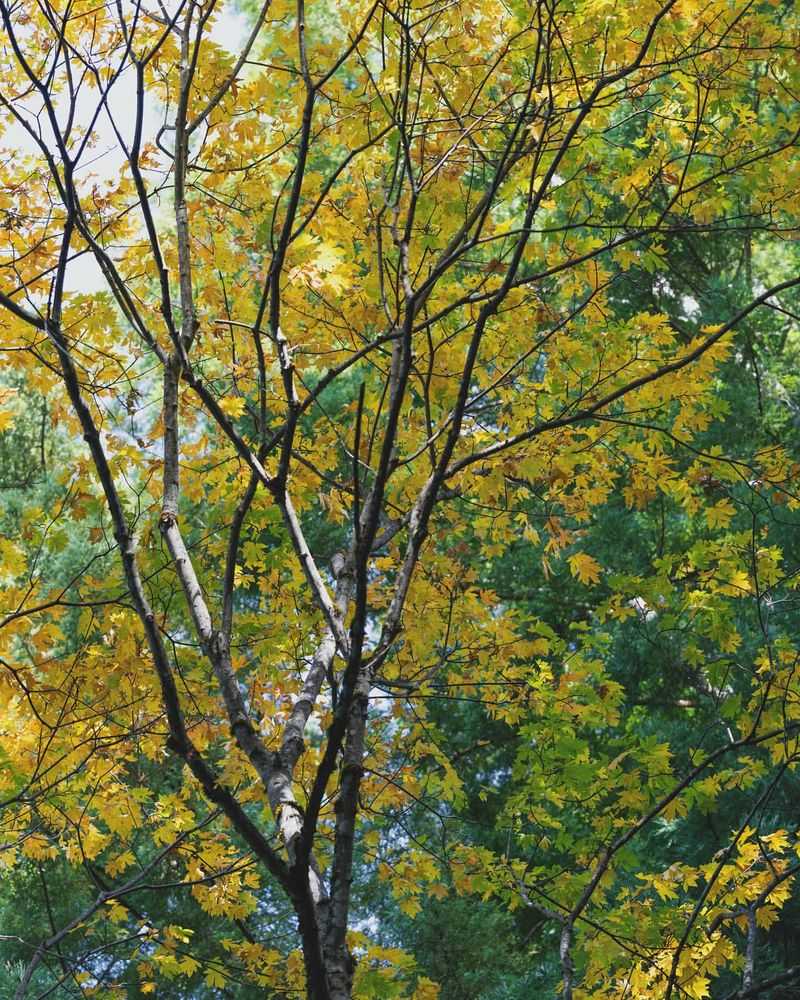
Walking under a Bigleaf Maple in fall feels like stepping into a golden cathedral. The leaves on this native Oregon tree are massive, sometimes reaching over a foot across, and they turn a rich, buttery yellow every autumn.
Few trees create such a dramatic seasonal statement in the Pacific Northwest landscape.
Bigleaf Maple grows naturally throughout western Oregon in moist forests, along stream banks, and in valley bottoms. It prefers rich, moist, well-drained soil and does well in full sun to partial shade.
The tree grows quickly and can reach 50 to 100 feet tall at maturity, so it is best suited for larger yards or open spaces where it has room to spread.
In spring, Bigleaf Maple produces hanging clusters of small yellow-green flowers that are a vital early-season food source for native bees. The winged seeds, called samaras, spin to the ground like tiny helicopters and are eaten by squirrels and birds.
The thick branches often host moss, ferns, and lichens, turning the tree into a mini-ecosystem. Compared to crape myrtle, Bigleaf Maple is built for Oregon’s wet, mild climate.
It is a generous, grand, and giving tree that rewards any Oregon homeowner who plants it.
9. Oregon White Oak
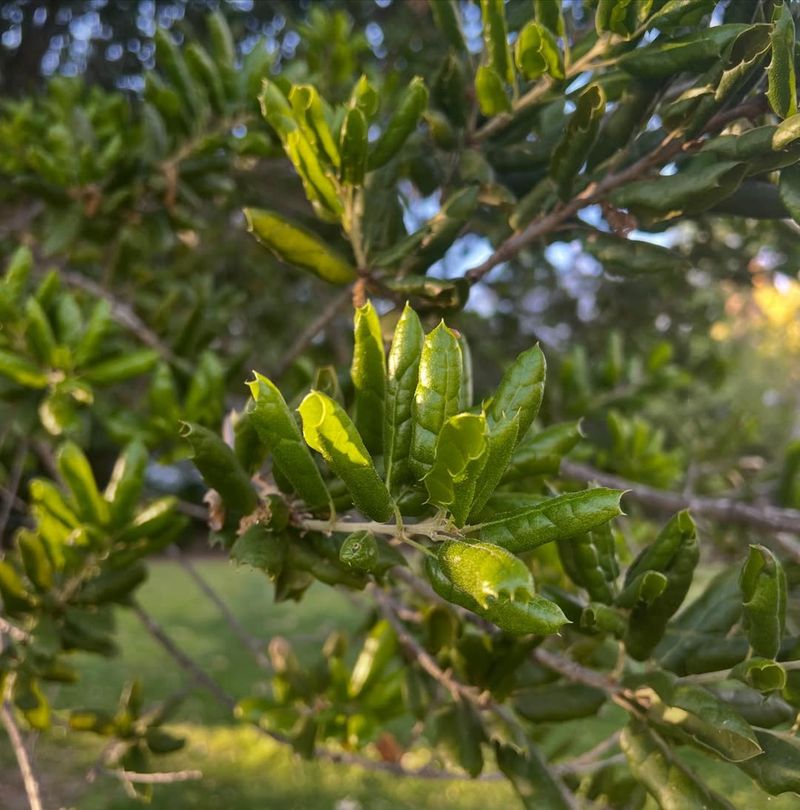
Majestic is not too strong a word for the Oregon White Oak. This slow-growing native tree can live for hundreds of years and eventually develops a wide, spreading canopy that provides incredible shade and shelter.
It is one of the most ecologically important trees in all of Oregon.
Oregon White Oak thrives in dry to moderately moist, well-drained soils across the Willamette Valley and along the coast ranges. It loves full sun and is highly drought-tolerant once established, making it a surprisingly low-maintenance tree for Oregon homeowners.
The deeply lobed leaves turn rich shades of red, orange, and brown in the fall before dropping.
Acorns produced by Oregon White Oak feed an enormous range of wildlife, including deer, squirrels, woodpeckers, and jays. The tree also supports hundreds of species of native insects, which in turn support birds and other animals.
Planting an Oregon White Oak is one of the single most impactful things you can do for local biodiversity. It far outshines crape myrtle when it comes to ecological value and long-term beauty.
Yes, it grows slowly, but the reward is a stunning, century-spanning centerpiece for your Oregon yard that connects you to the deep, ancient landscape of this beautiful state.